


At the same time, this categorization of life can lead to complications for us, as our experience of life occasionally pushes back against our attempts at understanding it. " [David Bashevkin, "What Halacha Means to Me" https://18forty.org/halacha/]
(א) אַנְדְּרוֹגִינוֹס יֵשׁ בּוֹ דְּרָכִים שָׁוֶה לַאֲנָשִׁים, וְיֵשׁ בּוֹ דְּרָכִים שָׁוֶה לַנָּשִׁים, וְיֵשׁ בּוֹ דְּרָכִים שָׁוֶה לַאֲנָשִׁים וְנָשִׁים, וְיֵשׁ בּוֹ דְּרָכִים אֵינוֹ שָׁוֶה לֹא לַאֲנָשִׁים וְלֹא לַנָּשִׁים:
(ב) כֵּיצַד שָׁוֶה לַאֲנָשִׁים: מְטַמֵּא בְּלֹבֶן כַּאֲנָשִׁים, וְזוֹקֵק לְיִבּוּם כַּאֲנָשִׁים, וּמִתְעַטֵּף וּמִסְתַּפֵּר כַּאֲנָשִׁים, וְנוֹשֵׂא אֲבָל לֹא נִשָּׂא כַּאֲנָשִׁים, וְחַיָּב בְּכָל מִצְוֹת הָאֲמוּרוֹת בַּתּוֹרָה כַּאֲנָשִׁים:
(ג) כֵּיצַד שָׁוֶה לַנָּשִׁים: מְטַמֵּא בְּאֹדֶם כַּנָּשִׁים, וְאֵינוֹ מִתְיַחֵד עִם הָאֲנָשִׁים כַּנָּשִׁים, וְאֵינוֹ עוֹבֵר עַל "בַּל תַּקִּיף" וְלֹא עַל "בַּל תַּשְׁחִית" וְלֹא עַל "בַּל תְּטַמֵּא לַמֵּתִים" כַּנָּשִׁים, וּפָסוּל מִן הָעֵדוּת כַּנָּשִׁים, וְאֵינוֹ נִבְעַל בַּעֲבֵירָה כַּנָּשִׁים, וְנִפְסַל מִן הַכְּהֻנָּה כַּנָּשִׁים:
(ד) כֵּיצַד שָׁוֶה לַאֲנָשִׁים וְלַנָּשִׁים: חַיָּבִים עַל מַכָּתוֹ וְעַל קִלְלָתוֹ כַּאֲנָשִׁים וְכַנָּשִׁים, וְהַהוֹרְגוֹ שׁוֹגֵג גּוֹלֶה וּמֵזִיד נֶהֱרַג כַּאֲנָשִׁים וְנָשִׁים, וְיוֹשֶׁבֶת עָלָיו דָּם טָמֵא וְדָם טָהוֹר כַּאֲנָשִׁים וְכַנָּשִׁים, וְחוֹלֵק בְּקָדְשֵׁי קֳדָשִׁים כַּאֲנָשִׁים וְכַנָּשִׁים, וְנוֹחֵל לְכָל הַנְּחָלוֹת כַּאֲנָשִׁים וְכַנָּשִׁים, וְאִם אָמַר "הֲרֵינִי נָזִיר שֶׁזֶּה אִישׁ וְאִשָּׁה" הֲרֵי זֶה נָזִיר:
(ה) כֵּיצַד אֵינוֹ שָׁוֶה לֹא לַאֲנָשִׁים וְלֹא לַנָּשִׁים: אֵין חַיָּבִים לֹא עַל מַכָּתוֹ וְלֹא עַל קִלְלָתוֹ לֹא כַּאֲנָשִׁים וְלֹא כַּנָּשִׁים, וְאֵינוֹ נֶעֱרָךְ לֹא כַּאֲנָשִׁים וְלֹא כַּנָּשִׁים, וְאִם אָמַר "הֲרֵינִי נָזִיר שֶׁזֶּה לֹא אִישׁ וְלֹא אִשָּׁה" אֵינוֹ נָזִיר. רַבִּי מֵאִיר אוֹמֵר: אַנְדְּרוֹגִינוֹס בְּרִיָּה בִּפְנֵי עַצְמָהּ הוּא וְלֹא יָכְלוּ חֲכָמִים לְהַכְרִיעַ עָלָיו אִם הוּא אִישׁ אוֹ אִשָּׁה. אֲבָל טֻמְטוּם אֵינוֹ כֵּן, פְּעָמִים שֶׁהוּא אִישׁ פְּעָמִים שֶׁהוּא אִשָּׁה:
(1) The hermaphrodite is in some ways like men, and in other ways like women. In other ways he is like men and women, and in others he is like neither men nor women.
(2) In what ways is he like men?He causes impurity with white discharge, like men; He dresses like men; He can take a wife but not be taken as a wife, like men. [When he is born] his mother counts the blood of purification, like men; He may not be secluded with women, like men. He is not maintained with the daughters, like men; He transgresses the law of: “You shall not round” (Leviticus 19:2 and “You shall not defile for the dead,” (Leviticus 21:1) like men; And he must perform all the commandments of the Torah, like men.
(3) And in what ways is he like women?He causes impurity with red discharge, like women; And he must not be secluded with men, like women; And he doesn’t make his brother’s wife liable for yibbum (levirate marriage); And he does not share [in the inheritance] with the sons, like women; And he cannot eat most holy sacrifices, like women. At his birth his mother counts the blood of her impurity like [they do when they give birth to a] girl; And he is disqualified from being a witness, like women. If he had illicit intercourse, he is disqualified from eating terumah, like women.
(4) In what ways is he like both men and women?One who strikes him or curses him is liable, as in the case of men and women; One who unwittingly kills him must go into exile, and if on purpose, then [the slayer] receives the death penalty, as in the case of men and women. His mother must [at his birth] bring an offering, as in the case of men and women. He may eat holy things that are eaten outside of the Temple; And he may inherit any inheritance, as in the case of men and women.
(5) And in what is he different from both men and women? One does not burn terumah if it came into contact with his discharge, Neither is he liable for entering the temple while impure, unlike men or women. He must not be sold as a Hebrew slave, unlike men or women. He cannot be evaluated, unlike men or women. If one says: “I will be a nazirite, if he is neither a man nor a woman,” then he becomes a nazirite. Rabbi Yose says: the hermaphrodite is a unique creature, and the sages could not decide about him. But this is not so with a tumtum (one of doubtful), for sometimes he is a man and sometimes he is a woman.
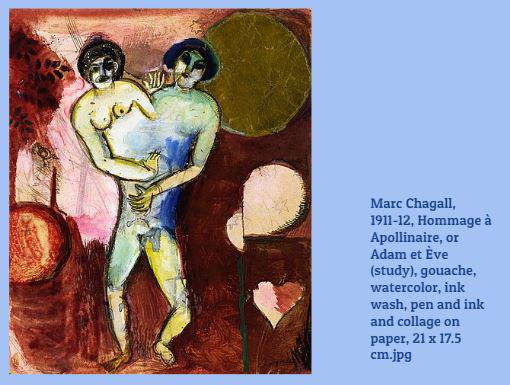
Said Rabbi Yirmiyah ben Elazar: In the hour when the Holy One created the first human, He created him an androgyne [Hebrew and Greek - androginos] as it is said, “male and female He created them” [Gen 1:27]
Said Rabbi Shmuel bar Nachmani: In the hour when the Holy One created the first human, He created him a double-face, and sawed him and made him backs, a back here and a back here, as it is said, “Back and before You formed me” [Ps 139:5].
They objected to him: But it says, “He took one of his tzelaot. . . ” [Gen 2:21]! He said to them: [It means] “[one] of his sides, just as you would say, “And for the side/tzela of the Tabernacle” [Ex 26:20], which they translate [in Aramaic] “for the side/seter”.

(י) ... ט֥וֹב שָׁכֵ֥ן קָ֝ר֗וֹב מֵאָ֥ח רָחֽוֹק׃
(10) ... A close neighbor is better than a distant brother.