20 Elul 5776 | September 23, 2016
Parshat Ki Tavo
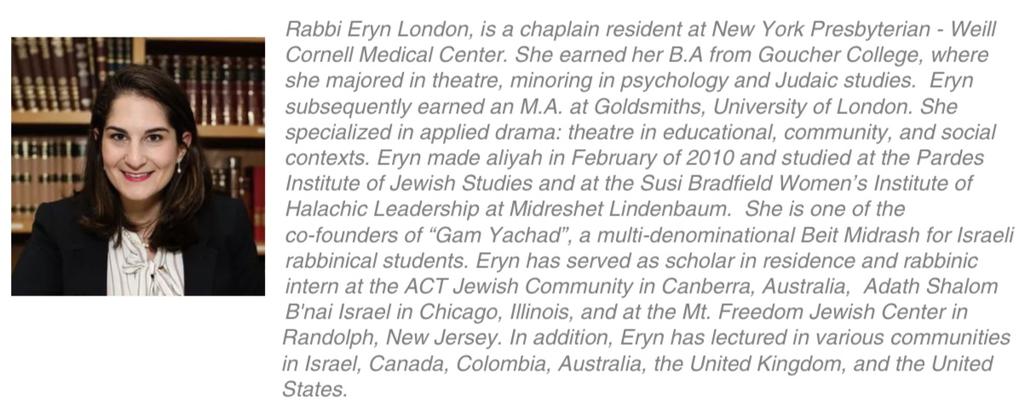
Rabbi Eryn London
Class of 2017
Parshat Ki Tavo begins and ends with the retelling of the exodus from Egypt.
The first retelling of the exodus from Egypt is during the ceremony of Bikurim (the first fruits). We are told to take our first fruits in a basket to the Cohen in the Temple, and in the ritual of the giving of the fruits, the giver will retell the story of the exodus from Egypt.
In this version of exodus story, we focus on how God protected and saved the Children of Israel. They went down to Egypt to save themselves from a famine, but when the Pharaoh tried to destroy them, God answered their cries and brought them out of Egypt to the land of Israel.
Only a few verses following the laws of Bikurim, we learn about the laws of Ma’aser (tithing) where we are told that we should make sure to give “to the poor, to the Levite, to the convert, to the orphan, and to the widow, and they will have eaten in your cities and be satisfied” (Devarim 26:12). It becomes our job to act like God, to take care of those in our communities who are in need.
At the end of the Parsha, following the list of blessings and curses, Moshe tells the Children of Israel another version of Exodus. This retelling is about the strength and abilities of God, about His great power to cause destruction and preservation. The Children of Israel are told to remember that Egypt was destroyed, as was Sichon and Og. To remember the miracles that occurred when then left Egypt. The end of Moshe’s retelling, he reminds the Children of Israel to keep the laws, as that is the only way they will be continue to exist.
The two stories of exodus come to teach us two aspects of God in our lives. On the one hand we are taught to walk in the way of God, just like God cares and protects, we too should also care and protect. On the other hand we are reminded of God’s power, even though we want to try to emulate God, we must remember to stay humble as we are still only human.