
Save "Chalitzah and Yibbum

from Torah to modern times
"
Chalitzah and Yibbum from Torah to modern times
(ה) כִּֽי־יֵשְׁב֨וּ אַחִ֜ים יַחְדָּ֗ו וּמֵ֨ת אַחַ֤ד מֵהֶם֙ וּבֵ֣ן אֵֽין־ל֔וֹ לֹֽא־תִהְיֶ֧ה אֵֽשֶׁת־הַמֵּ֛ת הַח֖וּצָה לְאִ֣ישׁ זָ֑ר יְבָמָהּ֙ יָבֹ֣א עָלֶ֔יהָ וּלְקָחָ֥הּ ל֛וֹ לְאִשָּׁ֖ה וְיִבְּמָֽהּ׃ (ו) וְהָיָ֗ה הַבְּכוֹר֙ אֲשֶׁ֣ר תֵּלֵ֔ד יָק֕וּם עַל־שֵׁ֥ם אָחִ֖יו הַמֵּ֑ת וְלֹֽא־יִמָּחֶ֥ה שְׁמ֖וֹ מִיִּשְׂרָאֵֽל׃ (ז) וְאִם־לֹ֤א יַחְפֹּץ֙ הָאִ֔ישׁ לָקַ֖חַת אֶת־יְבִמְתּ֑וֹ וְעָלְתָה֩ יְבִמְתּ֨וֹ הַשַּׁ֜עְרָה אֶל־הַזְּקֵנִ֗ים וְאָֽמְרָה֙ מֵאֵ֨ן יְבָמִ֜י לְהָקִ֨ים לְאָחִ֥יו שֵׁם֙ בְּיִשְׂרָאֵ֔ל לֹ֥א אָבָ֖ה יַבְּמִֽי׃ (ח) וְקָֽרְאוּ־ל֥וֹ זִקְנֵי־עִיר֖וֹ וְדִבְּר֣וּ אֵלָ֑יו וְעָמַ֣ד וְאָמַ֔ר לֹ֥א חָפַ֖צְתִּי לְקַחְתָּֽהּ׃ (ט) וְנִגְּשָׁ֨ה יְבִמְתּ֣וֹ אֵלָיו֮ לְעֵינֵ֣י הַזְּקֵנִים֒ וְחָלְצָ֤ה נַעֲלוֹ֙ מֵעַ֣ל רַגְל֔וֹ וְיָרְקָ֖ה בְּפָנָ֑יו וְעָֽנְתָה֙ וְאָ֣מְרָ֔ה כָּ֚כָה יֵעָשֶׂ֣ה לָאִ֔ישׁ אֲשֶׁ֥ר לֹא־יִבְנֶ֖ה אֶת־בֵּ֥ית אָחִֽיו׃ (י) וְנִקְרָ֥א שְׁמ֖וֹ בְּיִשְׂרָאֵ֑ל בֵּ֖ית חֲל֥וּץ הַנָּֽעַל׃ {ס}

(5) When brothers dwell together and one of them dies and leaves no offspring, the wife of the deceased shall not become wife outside to a stranger. Her husband’s brother shall unite with her: he shall take her as his wife and perform the levir’s duty. (6) And it shall be that the first child that she bears shall be established in the name of his dead brother, that his name may not be blotted out in Israel. (7) But if the man does not want to take his brother’s widow, his brother’s widow shall appear before the elders in the gate and declare, “My husband’s brother refuses to establish a name in Israel for his brother; he will not perform the duty of a levir.” (8) The elders of his town shall then summon him and talk to him. If he insists, saying, “I do not want to take her,” (9) his brother’s widow shall go up to him in the presence of the elders, pull the sandal off his foot, spit in his face, and speak out and say: Thus shall be done to the man who will not build up his brother’s house! (10) And he shall go in Israel by the name of “the family of the unsandaled one.”
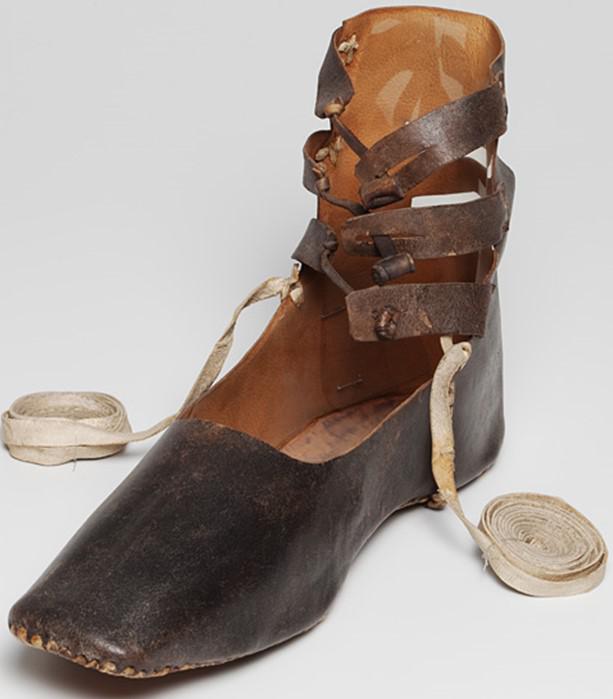
This 19th Century Chalitzah shoe, currently in the Jewish Museum of Switzerland, is almost identical to those used for every Chalitzah ceremony that takes place today.