The Source for the Mitzvah of Shmittah
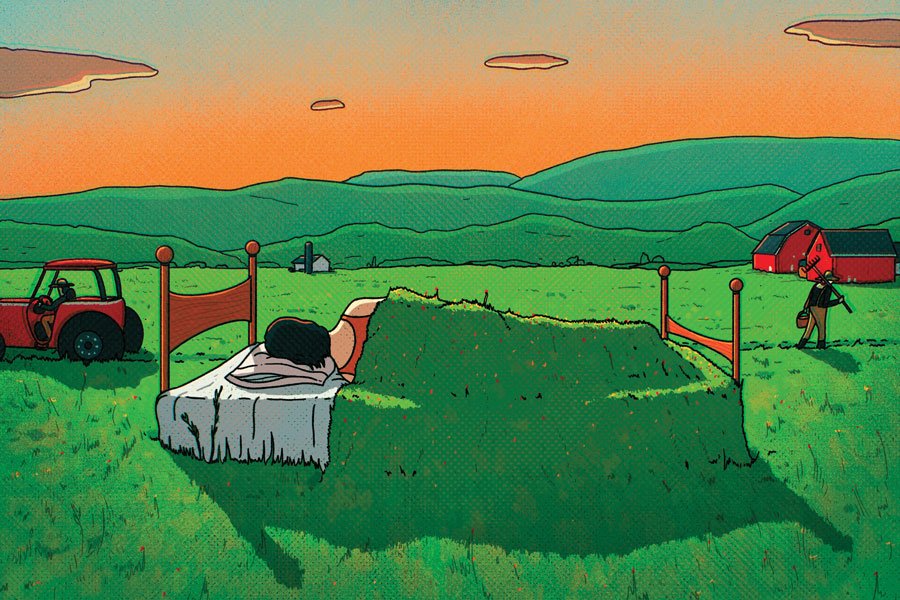
(א) וַיְדַבֵּ֤ר ה׳ אֶל־מֹשֶׁ֔ה בְּהַ֥ר סִינַ֖י לֵאמֹֽר׃ (ב) דַּבֵּ֞ר אֶל־בְּנֵ֤י יִשְׂרָאֵל֙ וְאָמַרְתָּ֣ אֲלֵהֶ֔ם כִּ֤י תָבֹ֙אוּ֙ אֶל־הָאָ֔רֶץ אֲשֶׁ֥ר אֲנִ֖י נֹתֵ֣ן לָכֶ֑ם וְשָׁבְתָ֣ה הָאָ֔רֶץ שַׁבָּ֖ת לַה׳׃ (ג) שֵׁ֤שׁ שָׁנִים֙ תִּזְרַ֣ע שָׂדֶ֔ךָ וְשֵׁ֥שׁ שָׁנִ֖ים תִּזְמֹ֣ר כַּרְמֶ֑ךָ וְאָסַפְתָּ֖ אֶת־תְּבוּאָתָֽהּ׃ (ד) וּבַשָּׁנָ֣ה הַשְּׁבִיעִ֗ת שַׁבַּ֤ת שַׁבָּתוֹן֙ יִהְיֶ֣ה לָאָ֔רֶץ שַׁבָּ֖ת לַה׳ שָֽׂדְךָ֙ לֹ֣א תִזְרָ֔ע וְכַרְמְךָ֖ לֹ֥א תִזְמֹֽר׃ (ה) אֵ֣ת סְפִ֤יחַ קְצִֽירְךָ֙ לֹ֣א תִקְצ֔וֹר וְאֶת־עִנְּבֵ֥י נְזִירֶ֖ךָ לֹ֣א תִבְצֹ֑ר שְׁנַ֥ת שַׁבָּת֖וֹן יִהְיֶ֥ה לָאָֽרֶץ׃ (ו) וְ֠הָיְתָ֠ה שַׁבַּ֨ת הָאָ֤רֶץ לָכֶם֙ לְאׇכְלָ֔ה לְךָ֖ וּלְעַבְדְּךָ֣ וְלַאֲמָתֶ֑ךָ וְלִשְׂכִֽירְךָ֙ וּלְתוֹשָׁ֣בְךָ֔ הַגָּרִ֖ים עִמָּֽךְ׃ (ז) וְלִ֨בְהֶמְתְּךָ֔ וְלַֽחַיָּ֖ה אֲשֶׁ֣ר בְּאַרְצֶ֑ךָ תִּהְיֶ֥ה כׇל־תְּבוּאָתָ֖הּ לֶאֱכֹֽל׃ {ס} (ח) וְסָפַרְתָּ֣ לְךָ֗ שֶׁ֚בַע שַׁבְּתֹ֣ת שָׁנִ֔ים שֶׁ֥בַע שָׁנִ֖ים שֶׁ֣בַע פְּעָמִ֑ים וְהָי֣וּ לְךָ֗ יְמֵי֙ שֶׁ֚בַע שַׁבְּתֹ֣ת הַשָּׁנִ֔ים תֵּ֥שַׁע וְאַרְבָּעִ֖ים שָׁנָֽה׃ (ט) וְהַֽעֲבַרְתָּ֞ שׁוֹפַ֤ר תְּרוּעָה֙ בַּחֹ֣דֶשׁ הַשְּׁבִעִ֔י בֶּעָשׂ֖וֹר לַחֹ֑דֶשׁ בְּיוֹם֙ הַכִּפֻּרִ֔ים תַּעֲבִ֥ירוּ שׁוֹפָ֖ר בְּכׇל־אַרְצְכֶֽם׃ (י) וְקִדַּשְׁתֶּ֗ם אֵ֣ת שְׁנַ֤ת הַחֲמִשִּׁים֙ שָׁנָ֔ה וּקְרָאתֶ֥ם דְּר֛וֹר בָּאָ֖רֶץ לְכׇל־יֹשְׁבֶ֑יהָ יוֹבֵ֥ל הִוא֙ תִּהְיֶ֣ה לָכֶ֔ם וְשַׁבְתֶּ֗ם אִ֚ישׁ אֶל־אֲחֻזָּת֔וֹ וְאִ֥ישׁ אֶל־מִשְׁפַּחְתּ֖וֹ תָּשֻֽׁבוּ׃ (יא) יוֹבֵ֣ל הִ֗וא שְׁנַ֛ת הַחֲמִשִּׁ֥ים שָׁנָ֖ה תִּהְיֶ֣ה לָכֶ֑ם לֹ֣א תִזְרָ֔עוּ וְלֹ֤א תִקְצְרוּ֙ אֶת־סְפִיחֶ֔יהָ וְלֹ֥א תִבְצְר֖וּ אֶת־נְזִרֶֽיהָ׃ (יב) כִּ֚י יוֹבֵ֣ל הִ֔וא קֹ֖דֶשׁ תִּהְיֶ֣ה לָכֶ֑ם מִ֨ן־הַשָּׂדֶ֔ה תֹּאכְל֖וּ אֶת־תְּבוּאָתָֽהּ׃ (יג) בִּשְׁנַ֥ת הַיּוֹבֵ֖ל הַזֹּ֑את תָּשֻׁ֕בוּ אִ֖ישׁ אֶל־אֲחֻזָּתֽוֹ׃ (יד) וְכִֽי־תִמְכְּר֤וּ מִמְכָּר֙ לַעֲמִיתֶ֔ךָ א֥וֹ קָנֹ֖ה מִיַּ֣ד עֲמִיתֶ֑ךָ אַל־תּוֹנ֖וּ אִ֥ישׁ אֶת־אָחִֽיו׃ (טו) בְּמִסְפַּ֤ר שָׁנִים֙ אַחַ֣ר הַיּוֹבֵ֔ל תִּקְנֶ֖ה מֵאֵ֣ת עֲמִיתֶ֑ךָ בְּמִסְפַּ֥ר שְׁנֵֽי־תְבוּאֹ֖ת יִמְכׇּר־לָֽךְ׃ (טז) לְפִ֣י ׀ רֹ֣ב הַשָּׁנִ֗ים תַּרְבֶּה֙ מִקְנָת֔וֹ וּלְפִי֙ מְעֹ֣ט הַשָּׁנִ֔ים תַּמְעִ֖יט מִקְנָת֑וֹ כִּ֚י מִסְפַּ֣ר תְּבוּאֹ֔ת ה֥וּא מֹכֵ֖ר לָֽךְ׃ (יז) וְלֹ֤א תוֹנוּ֙ אִ֣ישׁ אֶת־עֲמִית֔וֹ וְיָרֵ֖אתָ מֵֽאֱלֹקֶ֑יךָ כִּ֛י אֲנִ֥י ה׳ אֱלֹקֵיכֶֽם׃ (יח) וַעֲשִׂיתֶם֙ אֶת־חֻקֹּתַ֔י וְאֶת־מִשְׁפָּטַ֥י תִּשְׁמְר֖וּ וַעֲשִׂיתֶ֣ם אֹתָ֑ם וִֽישַׁבְתֶּ֥ם עַל־הָאָ֖רֶץ לָבֶֽטַח׃ (יט) וְנָתְנָ֤ה הָאָ֙רֶץ֙ פִּרְיָ֔הּ וַאֲכַלְתֶּ֖ם לָשֹׂ֑בַע וִֽישַׁבְתֶּ֥ם לָבֶ֖טַח עָלֶֽיהָ׃ (כ) וְכִ֣י תֹאמְר֔וּ מַה־נֹּאכַ֖ל בַּשָּׁנָ֣ה הַשְּׁבִיעִ֑ת הֵ֚ן לֹ֣א נִזְרָ֔ע וְלֹ֥א נֶאֱסֹ֖ף אֶת־תְּבוּאָתֵֽנוּ׃ (כא) וְצִוִּ֤יתִי אֶת־בִּרְכָתִי֙ לָכֶ֔ם בַּשָּׁנָ֖ה הַשִּׁשִּׁ֑ית וְעָשָׂת֙ אֶת־הַתְּבוּאָ֔ה לִשְׁלֹ֖שׁ הַשָּׁנִֽים׃ (כב) וּזְרַעְתֶּ֗ם אֵ֚ת הַשָּׁנָ֣ה הַשְּׁמִינִ֔ת וַאֲכַלְתֶּ֖ם מִן־הַתְּבוּאָ֣ה יָשָׁ֑ן עַ֣ד ׀ הַשָּׁנָ֣ה הַתְּשִׁיעִ֗ת עַד־בּוֹא֙ תְּב֣וּאָתָ֔הּ תֹּאכְל֖וּ יָשָֽׁן׃
(1) ה׳ spoke to Moses on Mount Sinai: (2) Speak to the Israelite people and say to them: When you enter the land that I assign to you, the land shall observe a sabbath of ה׳. (3) Six years you may sow your field and six years you may prune your vineyard and gather in the yield. (4) But in the seventh year the land shall have a sabbath of complete rest, a sabbath of ה׳: you shall not sow your field or prune your vineyard. (5) You shall not reap the aftergrowth of your harvest or gather the grapes of your untrimmed vines; it shall be a year of complete rest for the land. (6) But you may eat whatever the land during its sabbath will produce—you, your male and female slaves, the hired and bound laborers who live with you, (7) and your cattle and the beasts in your land may eat all its yield. (8) You shall count off seven weeks of years—seven times seven years—so that the period of seven weeks of years gives you a total of forty-nine years. (9) Then you shall sound the horn loud; in the seventh month, on the tenth day of the month—the Day of Atonement—you shall have the horn sounded throughout your land (10) and you shall hallow the fiftieth year. You shall proclaim release throughout the land for all its inhabitants. It shall be a jubilee for you: each of you shall return to your holding and each of you shall return to your family. (11) That fiftieth year shall be a jubilee for you: you shall not sow, neither shall you reap the aftergrowth or harvest the untrimmed vines, (12) for it is a jubilee. It shall be holy to you: you may only eat the growth direct from the field. (13) In this year of jubilee, each of you shall return to your holding. (14) When you sell property to your neighbor, or buy any from your neighbor, you shall not wrong one another. (15) In buying from your neighbor, you shall deduct only for the number of years since the jubilee; and in selling to you, that person shall charge you only for the remaining crop years: (16) the more such years, the higher the price you pay; the fewer such years, the lower the price; for what is being sold to you is a number of harvests. (17) Do not wrong one another, but fear your God; for I ה׳ am your God. (18) You shall observe My laws and faithfully keep My rules, that you may live upon the land in security; (19) the land shall yield its fruit and you shall eat your fill, and you shall live upon it in security. (20) And should you ask, “What are we to eat in the seventh year, if we may neither sow nor gather in our crops?” (21) I will ordain My blessing for you in the sixth year, so that it shall yield a crop sufficient for three years. (22) When you sow in the eighth year, you will still be eating old grain of that crop; you will be eating the old until the ninth year, until its crops come in.
What is the punishment for not keeping Shmittah?
(ט) חַיָּה רָעָה בָאָה לָעוֹלָם עַל שְׁבוּעַת שָׁוְא, וְעַל חִלּוּל הַשֵּׁם. גָּלוּת בָּאָה לָעוֹלָם עַל עוֹבְדֵי עֲבוֹדָה זָרָה, וְעַל גִלּוּי עֲרָיוֹת, וְעַל שְׁפִיכוּת דָּמִים, וְעַל הַשְׁמָטַת הָאָרֶץ...
(9) Wild beasts come to the world for swearing in vain, and for the profanation of the Name. Exile comes to the world for idolatry, for sexual sins and for bloodshed, and for [transgressing the commandment of] the [year of the] release of the land...
(ב)את אשר לא שבתה. שִׁבְעִים שָׁנָה שֶׁל גָּלוּת בָּבֶל הֵן הָיוּ כְּנֶגֶד שִׁבְעִים שְׁנוֹת הַשְּׁמִטָּה וְיוֹבֵל שֶׁהָיוּ בַּשָּׁנִים שֶׁהִכְעִיסוּ יִשְׂרָאֵל בְּאַרְצָם לִפְנֵי הַמָּקוֹם...
(2) את אשר לא שבתה BECAUSE IT DID NOT REST [IN YOUR SABBATHS] — The seventy years of the Babylonian exile exactly corresponded to the seventy Sabbatical and Jubilee years that were due in those years when Israel was provoking the anger of the Omnipresent whilststill in their land...
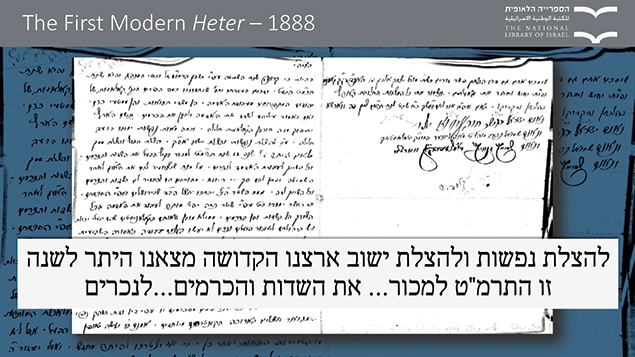
On what halachic grounds is the Heter Mechira based?
Support #1 - Other examples in Halacha of this kind of sale
(ו) נכרי שבא לביתו של ישראל [וחמץ] בידו אין זקוק לבער הפקידו אצלו חייב לבער ייחד לו בית בפני עצמו אין זקוק לו ישראל ונכרי שהיו באין בספינה וחמץ ביד ישראל ה"ז מוכרו לנכרי ונותנו במתנה וחוזר ולוקח ממנו [לאחר] הפסח ובלבד שיתנו לו במתנה גמורה.
... A Jew on a boat with a non-Jew may sell his Chametz or give it as a present to the non-Jew and then buy it back after Pesach.
(א) הַלּוֹקֵחַ עֻבַּר חֲמוֹרוֹ שֶׁל נָכְרִי, וְהַמּוֹכֵר לוֹ אַף עַל פִּי שֶׁאֵינוֹ רַשַּׁאי, וְהַמִּשְׁתַּתֵּף לוֹ, וְהַמְקַבֵּל מִמֶּנּוּ, וְהַנּוֹתֵן לוֹ בְקַבָּלָה, פָּטוּר מִן הַבְּכוֹרָה, שֶׁנֶּאֱמַר (במדבר ג), בְּיִשְׂרָאֵל, אֲבָל לֹא בַאֲחֵרִים.
(1) With regard to one who purchases the fetus of a donkey that belongs to a gentile, and one who sells the fetus of his donkey to a gentile although he is not permitted to sell a large animal to a gentile, and one who enters into a partnership with a gentile in ownership of a donkey or its fetus, and one who receives a donkey from a gentile in order to care for it in exchange for partnership in its offspring, and one who gives his donkey to a gentile in receivership, in all of these cases the donkeys are exempt from the obligations of firstborn status, i.e., they do not have firstborn status and are not redeemed, as it is stated: “I sanctified to Me all the firstborn in Israel, both man and animal” (Numbers 3:13), indicating that the mitzva is incumbent upon the Jewish people, but not upon others.
Support #2 - Hefsed Meruba / Sakanat Nefashot
תָּנוּ רַבָּנַן אֵין יוֹצְאִין מֵאָרֶץ לְחוּץ לָאָרֶץ אֶלָּא אִם כֵּן עָמְדוּ סָאתַיִם בְּסֶלַע אָמַר רַבִּי שִׁמְעוֹן אֵימָתַי בִּזְמַן שֶׁאֵינוֹ מוֹצֵא לִיקַּח אֲבָל בִּזְמַן שֶׁמּוֹצֵא לִיקַּח אֲפִילּוּ עָמְדָה סְאָה בְּסֶלַע לֹא יֵצֵא וְכֵן הָיָה רַבִּי שִׁמְעוֹן בֶּן יוֹחַאי אוֹמֵר אֱלִימֶלֶךְ מַחְלוֹן וְכִלְיוֹן גְּדוֹלֵי הַדּוֹר הָיוּ וּפַרְנְסֵי הַדּוֹר הָיוּ וּמִפְּנֵי מָה נֶעְנְשׁוּ מִפְּנֵי שֶׁיָּצְאוּ מֵאָרֶץ לְחוּצָה לָאָרֶץ שֶׁנֶּאֱמַר וַתֵּהֹם כׇּל הָעִיר עֲלֵיהֶן וַתֹּאמַרְנָה הֲזֹאת נׇעֳמִי מַאי הֲזֹאת נָעֳמִי אָמַר רַבִּי יִצְחָק אָמְרוּ חֲזִיתֶם נָעֳמִי שֶׁיָּצָאת מֵאָרֶץ לְחוּץ לָאָרֶץ מָה עָלְתָה לָהּ
The Sages taught: One may not leave Eretz Yisrael to live outside of Eretz Yisrael unless the price of two se’a of grain stood at a sela, which is double its usual price. Rabbi Shimon said: When does this exception, permitting one to leave Eretz Yisrael under certain circumstances, apply? It applies when one is unable to find produce to buy, as he has no money. But when one has money and is able to find produce to buy, even if the price of a se’a of grain stood at a sela, he may not leave.And Rabbi Shimon ben Yoḥai would likewise say: Elimelech and his sons Mahlon and Chilion were prominent members of their generation and were leaders of their generation. And for what reason were they punished? They were punished because they left Eretz Yisrael to go outside of Eretz Yisrael, as it is stated concerning Naomi and Ruth: “And all the city was astir concerning them, and the women said: Is this Naomi?” (Ruth 1:19). The Gemara asks: What is the meaning of the phrase: “Is this Naomi”? How does this indicate that her husband and sons were punished for leaving Eretz Yisrael? Rabbi Yitzḥak says that the women said: Have you seen what befell Naomi, who left Eretz Yisrael for outside of Eretz Yisrael? Not only did she not escape tribulations there, but she lost her status entirely.
אלא בתחילה היו אומרים אחד זה ואחד זה פסולין משרבו האנסין ומאי נינהו ארנונא כדמכריז רבי ינאי פוקו וזרעו בשביעית משום ארנונא חזרו לומר אוספין כשרין סוחרין פסולין
Rather, Rabbi Shimon’s statement should be explained differently, as follows: Initially the Sages would say that both this category, gatherers of the produce of the Sabbatical Year, and that category, merchants who trade in the produce of the Sabbatical Year, are disqualified. Once the tax collectors grew abundant it was permitted to gather the produce of the Sabbatical Year. And what tax did they collect? Arnona, which was a heavy tax on property collected both during the Sabbatical Year and in other years, placing pressure on those observing the Sabbatical Year. As Rabbi Yannai proclaimed: Go out and sow the fields during the Sabbatical Year due to the arnona that you must pay. Once this happened, the Sages then said: Gatherers of the produce of the Sabbatical Year are fit to bear witness, as they were no longer viewed as transgressors, but merchants who trade in this produce are still disqualified.
Support #3 - Is Shmittah D'Orayta or D'Rabbanan nowadays?
גְּמָ׳ אָמַר רַבָּה אַף עַל פִּי שֶׁאֵין קִנְיָן לְגוֹי בְּאֶרֶץ יִשְׂרָאֵל לְהַפְקִיעַ מִידֵּי מַעֲשֵׂר שֶׁנֶּאֱמַר כִּי לִי הָאָרֶץ לִי קְדוּשַּׁת הָאָרֶץ אֲבָל יֵשׁ קִנְיָן לְגוֹי בְּאֶרֶץ יִשְׂרָאֵל לַחְפּוֹר בָּהּ בּוֹרוֹת שִׁיחִין וּמְעָרוֹת שֶׁנֶּאֱמַר הַשָּׁמַיִם שָׁמַיִם לַה׳ וְהָאָרֶץ נָתַן לִבְנֵי אָדָם
GEMARA:Rabba says: Even though a gentile has no capability of acquisition of land in Eretz Yisrael to cause the abrogation of the sanctity of the land, thereby removing it from the obligation to tithe its produce, as it is stated: “For the land is Mine” (Leviticus 25:23), which teaches: The sanctity of the land is Mine, and it is not abrogated when the land is sold to a gentile; a gentile does have, however, the capability of acquisition of land in Eretz Yisrael to allow him to dig pits, ditches, and caves in the land he has purchased, as it is stated: “The heavens are the heavens of the Lord; but the earth has He given to the children of men” (Psalms 115:16).
Why Are Some Opposed To The Heter Mechira?
Opposition #1 - Ha'arama
אֲמַר לְהוּ: הַעֲרָמָה קָאָמְרַתְּ? הַעֲרָמָה בִּדְרַבָּנַן הִיא, וְצוּרְבָּא מֵרַבָּנַן לָא אָתֵי לְמִיעְבַּד לְכַתְּחִילָּה.
Rav Ashi said to them: Are you speaking of artifice? This is artifice employed to circumvent a rabbinic prohibition, and a Torah scholar will not come to perform the action ab initio without artifice. Therefore, there is no reason to prohibit him from doing so.
Opposition #2 - Lo Techanem
(א) כִּ֤י יְבִֽיאֲךָ֙ ה׳ אֱלֹקֶ֔יךָ אֶל־הָאָ֕רֶץ אֲשֶׁר־אַתָּ֥ה בָא־שָׁ֖מָּה לְרִשְׁתָּ֑הּ וְנָשַׁ֣ל גּֽוֹיִם־רַבִּ֣ים ׀ מִפָּנֶ֡יךָ הַֽחִתִּי֩ וְהַגִּרְגָּשִׁ֨י וְהָאֱמֹרִ֜י וְהַכְּנַעֲנִ֣י וְהַפְּרִזִּ֗י וְהַֽחִוִּי֙ וְהַיְבוּסִ֔י שִׁבְעָ֣ה גוֹיִ֔ם רַבִּ֥ים וַעֲצוּמִ֖ים מִמֶּֽךָּ׃ (ב) וּנְתָנָ֞ם ה׳ אֱלֹקֶ֛יךָ לְפָנֶ֖יךָ וְהִכִּיתָ֑ם הַחֲרֵ֤ם תַּחֲרִים֙ אֹתָ֔ם לֹא־תִכְרֹ֥ת לָהֶ֛ם בְּרִ֖ית וְלֹ֥א תְחׇנֵּֽם׃
(1) When your God ה׳ brings you to the land that you are about to enter and possess, and [God] dislodges many nations before you—the Hittites, Girgashites, Amorites, Canaanites, Perizzites, Hivites, and Jebusites, seven nations much larger than you— (2) and your God ה׳ delivers them to you and you defeat them, you must doom them to destruction: grant them no terms and give them no quarter.
תניא נמי הכי לא תחנם לא תתן להם חנייה בקרקע דבר אחר לא תחנם לא תתן להם חן דבר אחר לא תחנם לא תתן להם מתנת חנם
This is also taught in a baraita: “You should not show them mercy”; this teaches that you should not give them a chance to encamp in the land of Eretz Yisrael. Another matter: “You should not show them mercy”; this indicates that you should not give them favor. Another matter: “You should not show them mercy”; this teaches that you should not give them an undeserved gift.
Opposition #3 - What other objections do some people have to the Heter Mechira?