


(נח) וַיִּקְרְא֤וּ לְרִבְקָה֙ וַיֹּאמְר֣וּ אֵלֶ֔יהָ הֲתֵלְכִ֖י עִם־הָאִ֣ישׁ הַזֶּ֑ה וַתֹּ֖אמֶר אֵלֵֽךְ׃ (נט) וַֽיְשַׁלְּח֛וּ אֶת־רִבְקָ֥ה אֲחֹתָ֖ם וְאֶת־מֵנִקְתָּ֑הּ וְאֶת־עֶ֥בֶד אַבְרָהָ֖ם וְאֶת־אֲנָשָֽׁיו׃ (ס) וַיְבָרְכ֤וּ אֶת־רִבְקָה֙ וַיֹּ֣אמְרוּ לָ֔הּ אֲחֹתֵ֕נוּ אַ֥תְּ הֲיִ֖י לְאַלְפֵ֣י רְבָבָ֑ה וְיִירַ֣שׁ זַרְעֵ֔ךְ אֵ֖ת שַׁ֥עַר שֹׂנְאָֽיו׃
“O sister!
May you grow
Into thousands of myriads;
May your offspring seize
The gates of their foes.”
(ו) וַיָּבֹ֨א יַעֲקֹ֜ב ל֗וּזָה אֲשֶׁר֙ בְּאֶ֣רֶץ כְּנַ֔עַן הִ֖וא בֵּֽית־אֵ֑ל ה֖וּא וְכׇל־הָעָ֥ם אֲשֶׁר־עִמּֽוֹ׃ (ז) וַיִּ֤בֶן שָׁם֙ מִזְבֵּ֔חַ וַיִּקְרָא֙ לַמָּק֔וֹם אֵ֖ל בֵּֽית־אֵ֑ל כִּ֣י שָׁ֗ם נִגְל֤וּ אֵלָיו֙ הָֽאֱלֹהִ֔ים בְּבׇרְח֖וֹ מִפְּנֵ֥י אָחִֽיו׃ (ח) וַתָּ֤מׇת דְּבֹרָה֙ מֵינֶ֣קֶת רִבְקָ֔ה וַתִּקָּבֵ֛ר מִתַּ֥חַת לְבֵֽית־אֵ֖ל תַּ֣חַת הָֽאַלּ֑וֹן וַיִּקְרָ֥א שְׁמ֖וֹ אַלּ֥וֹן בָּכֽוּת׃ {פ}
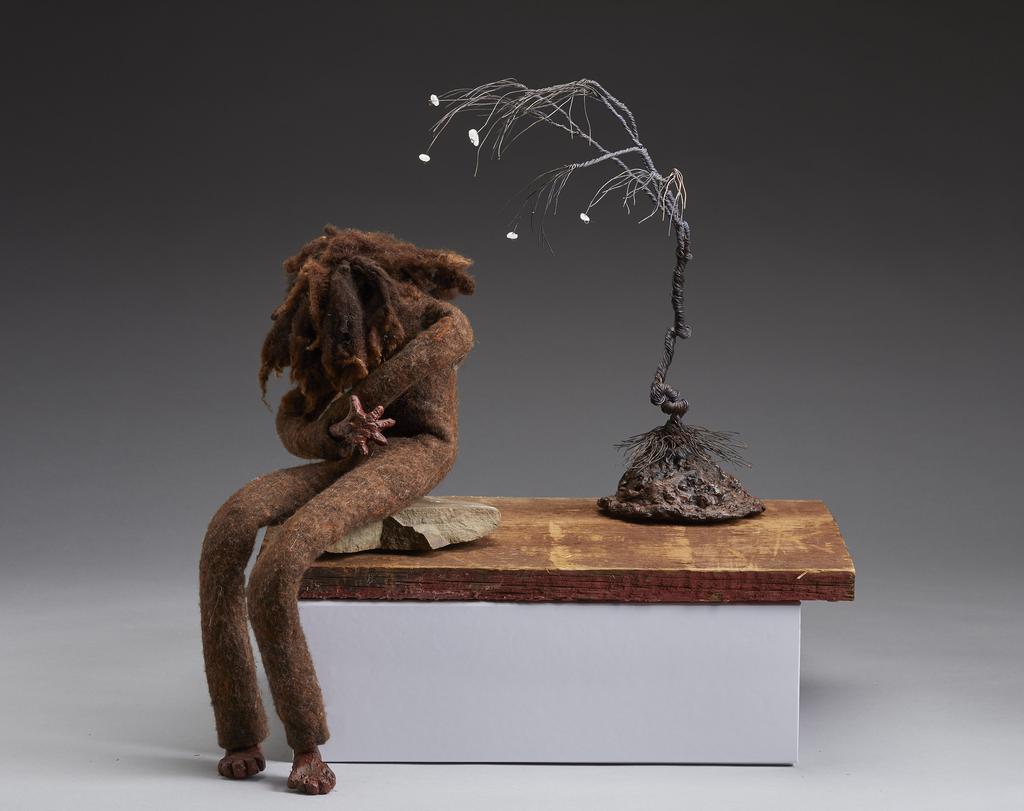
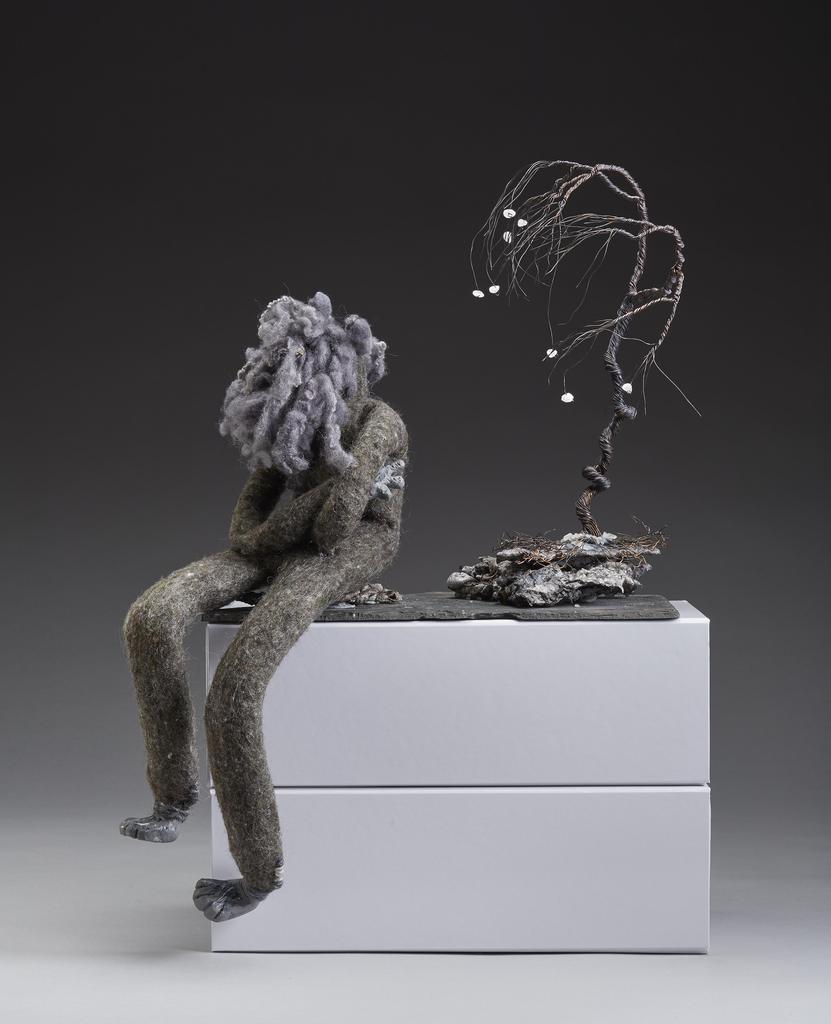
In the Garden of Eden, one tree drooped sadly when Adam and Eve were expelled. Unlike the other trees who felt that the first human beings deserved punishment for disobeying the command of God, this tree felt only regret. It had been a dwarf for the first years of its life. Other trees had mocked it with teasing names, "Stumper," "Flower Face," Baby Wood." During those years the tree wept continually, the soil becoming so drenched with it's tears that nothing could grow near it.
One day it heard a voice from heaven, a bat kol, saying, "Do not despair. You have a special purpose. You were placed in the Garden to weep at the death of others (humans, animals and other trees). All that grows and lives must one day die. You will help those who must go on living, listening for the sound of sadness in their hearts, a sound which they cannot utter alone."
Now the tree had a mission: the task of mourning the dead. The trees tears came when one of its sisters or brother decayed and fell; when an animal died of starvation; when rain drowned the insects. All were comforted, for they were not alone in their grief.
This "tree of lamentation" grew from a small, bent sapling into a sturdy sentinel of the Garden. Winds and birds bore it seeds all over the world, carrying the ability to mourn into every garden, field and forest where plants and creatures lived and died.
One of those seeds became the oak under which Deborah, nurse of Rebecca, was buried. The tree mourned long and loud for this beloved member of the family. It came to be known as Alon Bachut, the Weeping Oak, a bearer of strength in times of need.
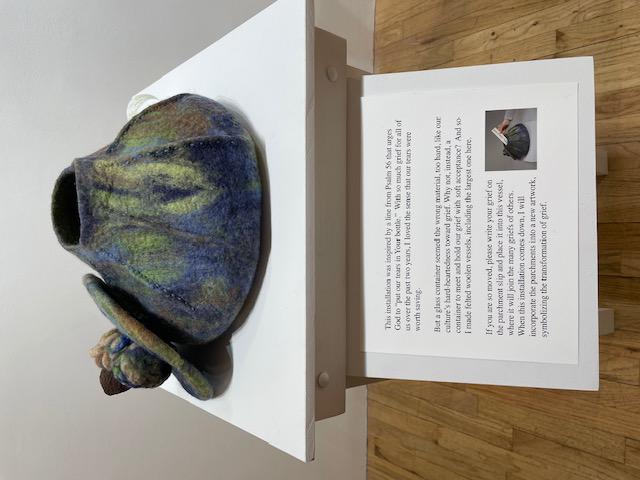
1. Create a grief container. You can draw it or just name it.
2. Write your grief in a few words on a piece of paper-- at this moment.
3. Put your grief in a container.
4. Tell the group what your grief is if you can, and allow your group to be a secondary container (if you want).
הרי תחילת של תורה חסד, ואמצעיתה חסד מנין, שנאמר ותמת דבורה מינקת רבקה (שם לה ח), כיון שמתה מה כתיב, ויקרא שמו אלון בכות (שם), והיה יעקב יושב ובוכה עליה, אמר הקב"ה יהא יעקב ישב ומצטער, נראה לו פנים, שנאמר וירא אלהים אל יעקב עוד וגו' (שם שם ט).
(Thus the beginning of Torah is steadfast love. Its middle also is steadfast love. Where is it shown? Where it is stated (in Gen. 35:8): THEN REBEKAH'S NURSE, DEBORAH, DIED. When she had died, what is written (ibid.)? AND ITS NAME (i.e., the name of her burial place) WAS CALLED WEEPING OAK, for Jacob was sitting there and weeping over her. The Holy One said: Jacob is sitting and grieving. He appeared to him visibly, as stated (in vs. 9): NOW THE LORD APPEARED UNTO JACOB AGAIN… < AND BLESSED HIM >.