
Save "YGS Presents: Pardes n' mental health; daas and ruach"
YGS Presents: Pardes n' mental health; daas and ruach

תָּנוּ רַבָּנַן: אַרְבָּעָה נִכְנְסוּ בַּפַּרְדֵּס, וְאֵלּוּ הֵן: בֶּן עַזַּאי, וּבֶן זוֹמָא, אַחֵר, וְרַבִּי עֲקִיבָא. אֲמַר לָהֶם רַבִּי עֲקִיבָא: כְּשֶׁאַתֶּם מַגִּיעִין אֵצֶל אַבְנֵי שַׁיִשׁ טָהוֹר, אַל תֹּאמְרוּ ״מַיִם מַיִם״, מִשּׁוּם שֶׁנֶּאֱמַר: ״דּוֹבֵר שְׁקָרִים לֹא יִכּוֹן לְנֶגֶד עֵינָי״. בֶּן עַזַּאי הֵצִיץ וָמֵת, עָלָיו הַכָּתוּב אוֹמֵר: ״יָקָר בְּעֵינֵי ה׳ הַמָּוְתָה לַחֲסִידָיו״. בֶּן זוֹמָא הֵצִיץ וְנִפְגַּע, וְעָלָיו הַכָּתוּב אוֹמֵר: ״דְּבַשׁ מָצָאתָ אֱכוֹל דַּיֶּיךָּ פֶּן תִּשְׂבָּעֶנּוּ וַהֲקֵאתוֹ״. אַחֵר קִיצֵּץ בִּנְטִיעוֹת. רַבִּי עֲקִיבָא יָצָא בְּשָׁלוֹם.

The Gemara poses a question: Is that so? But isn’t it taught in a baraita: Rabbi Yosei, son of Rabbi Yehuda, says: There are three lectures. In other words, there are three Sages with regard to whom it states that they delivered lectures on the mystical tradition: Rabbi Yehoshua lectured on these matters before Rabban Yoḥanan ben Zakkai; Rabbi Akiva lectured before Rabbi Yehoshua; and Ḥananya ben Ḥakhinai lectured before Rabbi Akiva. However, Rabbi Elazar ben Arakh was not included in the list, despite the testimony that he lectured before Rabban Yoḥanan. The Gemara explains: Those who lectured and were also lectured to were included; but those who lectured and were not lectured to were not included. The Gemara asks: But wasn’t there Ḥananya ben Ḥakhinai, who was not lectured to, and yet he is included? The Gemara answers: Ḥananya ben Ḥakhinai actually lectured before one who lectured in front of his own rabbi, so he was also included in this list. § The Sages taught: Four entered the orchard [pardes], i.e., dealt with the loftiest secrets of Torah, and they are as follows: Ben Azzai; and ben Zoma; Aḥer, the other, a name for Elisha ben Avuya; and Rabbi Akiva. Rabbi Akiva, the senior among them, said to them: When, upon your arrival in the upper worlds, you reach pure marble stones, do not say: Water, water, although they appear to be water, because it is stated: “He who speaks falsehood shall not be established before My eyes” (Psalms 101:7). The Gemara proceeds to relate what happened to each of them: Ben Azzai glimpsed at the Divine Presence and died. And with regard to him the verse states: “Precious in the eyes of the Lord is the death of His pious ones” (Psalms 116:15). Ben Zoma glimpsed at the Divine Presence and was harmed, i.e., he lost his mind. And with regard to him the verse states: “Have you found honey? Eat as much as is sufficient for you, lest you become full from it and vomit it” (Proverbs 25:16). Aḥer chopped down the shoots of saplings. In other words, he became a heretic. Rabbi Akiva came out safely.
נכנסו לפרדס - עלו לרקיע על ידי שם:

נכנסו לפרדס. כגון על ידי שם ולא עלו למעלה ממש אלא היה נראה להם כמו שעלו וכן פי' בערוך:

פרדס כו'. עיין פרש"י ותוס' ופי' בערוך כינהו פרדס מענין ג"ע שהיא גנוזה לצדיקים כך אותו מקום הוא בערבות שהנשמות של צדיקים צרורות בו ע"כ גם כתבי שעל שם זה קאמר באחר שקצץ בנטיעות של פרדס הזה ועיין בכל דברים אלו בע"י באורך בשם הגאון רבינו האי ע"ש:

תָּנוּ רַבָּנַן: מַעֲשֶׂה בְּרַבִּי יְהוֹשֻׁעַ בֶּן חֲנַנְיָה שֶׁהָיָה עוֹמֵד עַל גַּב מַעֲלָה בְּהַר הַבַּיִת, וְרָאָהוּ בֶּן זוֹמָא וְלֹא עָמַד מִלְּפָנָיו. אָמַר לוֹ: מֵאַיִן וּלְאַיִן בֶּן זוֹמָא? אָמַר לוֹ: צוֹפֶה הָיִיתִי בֵּין מַיִם הָעֶלְיוֹנִים לְמַיִם הַתַּחְתּוֹנִים, וְאֵין בֵּין זֶה לָזֶה אֶלָּא שָׁלֹשׁ אֶצְבָּעוֹת בִּלְבַד, שֶׁנֶּאֱמַר: ״וְרוּחַ אֱלֹהִים מְרַחֶפֶת עַל פְּנֵי הַמָּיִם״ — כְּיוֹנָה שֶׁמְּרַחֶפֶת עַל בָּנֶיהָ וְאֵינָהּ נוֹגַעַת. אָמַר לָהֶן רַבִּי יְהוֹשֻׁעַ לְתַלְמִידָיו: עֲדַיִין בֶּן זוֹמָא מִבַּחוּץ. מִכְּדֵי ״וְרוּחַ אֱלֹהִים מְרַחֶפֶת עַל פְּנֵי הַמָּיִם״ אֵימַת הָוֵי — בַּיּוֹם הָרִאשׁוֹן, הַבְדָּלָה — בְּיוֹם שֵׁנִי הוּא דַּהֲוַאי, דִּכְתִיב: ״וִיהִי מַבְדִּיל בֵּין מַיִם לָמָיִם״. וְכַמָּה? אָמַר רַב אַחָא בַּר יַעֲקֹב: כִּמְלֹא נִימָא. וְרַבָּנַן אָמְרִי: כִּי גוּדָּא דְגַמְלָא. מָר זוּטְרָא, וְאִיתֵּימָא רַב אַסִּי אָמַר: כִּתְרֵי גְלִימֵי דִּפְרִיסִי אַהֲדָדֵי. וְאָמְרִי לַהּ: כִּתְרֵי כָסֵי דִּסְחִיפִי אַהֲדָדֵי.

The Gemara asks: How could she possibly become pregnant in such a manner? Didn’t Shmuel say: Any semen that is not shot like an arrow cannot fertilize? The Gemara answers: This does not mean that it must be shot like an arrow at the moment of fertilization. Even if initially, when released from the male, it was shot as an arrow, it can also fertilize a woman at a later moment. With regard to the fate of ben Zoma, the Sages taught: There was once an incident with regard to Rabbi Yehoshua ben Ḥananya, who was standing on a step on the Temple Mount, and ben Zoma saw him and did not stand before him to honor him, as he was deep in thought. Rabbi Yehoshua said to him: From where do you come and where are you going, ben Zoma, i.e., what is on your mind? He said to him: In my thoughts I was looking upon the act of Creation, at the gap between the upper waters and the lower waters, as there is only the breadth of a mere three fingers between them, as it is stated: “And the spirit of God hovered over the face of the waters” (Genesis 1:2), like a dove hovering over its young without touching them. Rabbi Yehoshua said to his students who had overheard this exchange: Ben Zoma is still outside; he has not yet achieved full understanding of these matters. The Gemara explains: Now, this verse: “And the spirit of God hovered over the face of the waters,” when was it stated? On the first day, whereas the division of the waters occurred on the second day, as it is written: “And let it divide the waters from the waters” (Genesis 1:6). How, then, could ben Zoma derive a proof from the former verse? The Gemara asks: And how much, in fact, is the gap between them? Rav Aḥa bar Ya’akov said: Like the thickness of a thread; and the Rabbis said: Like the gap between the boards of a bridge. Mar Zutra, and some say it was Rav Asi, said: Like two robes spread one over the other, with a slight gap in between. And some said: Like two cups placed one upon the other.
ואין ביניהן - במקום חיבורן מקום קשרי כיפת הרקיע בקרקע:

יומא חד הוו מפלגי בי מדרשא הסייף והסכין והפגיון והרומח ומגל יד ומגל קציר מאימתי מקבלין טומאה משעת גמר מלאכתן ומאימתי גמר מלאכתן רבי יוחנן אמר משיצרפם בכבשן ריש לקיש אמר משיצחצחן במים א"ל לסטאה בלסטיותיה ידע אמר ליה ומאי אהנת לי התם רבי קרו לי הכא רבי קרו לי אמר ליה אהנאי לך דאקרבינך תחת כנפי השכינה חלש דעתיה דרבי יוחנן חלש ריש לקיש אתאי אחתיה קא בכיא אמרה ליה עשה בשביל בני אמר לה (ירמיהו מט, יא) עזבה יתומיך אני אחיה עשה בשביל אלמנותי אמר לה (ירמיהו מט, יא) ואלמנותיך עלי תבטחו נח נפשיה דר' שמעון בן לקיש והוה קא מצטער ר' יוחנן בתריה טובא אמרו רבנן מאן ליזיל ליתביה לדעתיה ניזיל רבי אלעזר בן פדת דמחדדין שמעתתיה אזל יתיב קמיה כל מילתא דהוה אמר רבי יוחנן אמר ליה תניא דמסייעא לך אמר את כבר לקישא בר לקישא כי הוה אמינא מילתא הוה מקשי לי עשרין וארבע קושייתא ומפריקנא ליה עשרין וארבעה פרוקי וממילא רווחא שמעתא ואת אמרת תניא דמסייע לך אטו לא ידענא דשפיר קאמינא הוה קא אזיל וקרע מאניה וקא בכי ואמר היכא את בר לקישא היכא את בר לקישא והוה קא צוח עד דשף דעתיה [מיניה] בעו רבנן רחמי עליה ונח נפשיה

Rabbi Yoḥanan taught Reish Lakish Bible, and taught him Mishna, and turned him into a great man. Eventually, Reish Lakish became one of the outstanding Torah scholars of his generation. One day the Sages of the study hall were engaging in a dispute concerning the following baraita: With regard to the sword, the knife, the dagger [vehapigyon], the spear, a hand sickle, and a harvest sickle, from when are they susceptible to ritual impurity? The baraita answers: It is from the time of the completion of their manufacture, which is the halakha with regard to metal vessels in general. These Sages inquired: And when is the completion of their manufacture? Rabbi Yoḥanan says: It is from when one fires these items in the furnace. Reish Lakish said: It is from when one scours them in water, after they have been fired in the furnace. Rabbi Yoḥanan said to Reish Lakish: A bandit knows about his banditry, i.e., you are an expert in weaponry because you were a bandit in your youth. Reish Lakish said to Rabbi Yoḥanan: What benefit did you provide me by bringing me close to Torah? There, among the bandits, they called me: Leader of the bandits, and here, too, they call me: Leader of the bandits. Rabbi Yoḥanan said to him: I provided benefit to you, as I brought you close to God, under the wings of the Divine Presence. As a result of the quarrel, Rabbi Yoḥanan was offended, which in turn affected Reish Lakish, who fell ill. Rabbi Yoḥanan’s sister, who was Reish Lakish’s wife, came crying to Rabbi Yoḥanan, begging that he pray for Reish Lakish’s recovery. She said to him: Do this for the sake of my children, so that they should have a father. Rabbi Yoḥanan said to her the verse: “Leave your fatherless children, I will rear them” (Jeremiah 49:11), i.e., I will take care of them. She said to him: Do so for the sake of my widowhood. He said to her the rest of the verse: “And let your widows trust in Me.” Ultimately, Rabbi Shimon ben Lakish, Reish Lakish, died. Rabbi Yoḥanan was sorely pained over losing him. The Rabbis said: Who will go to calm Rabbi Yoḥanan’s mind and comfort him over his loss? They said: Let Rabbi Elazar ben Pedat go, as his statements are sharp, i.e., he is clever and will be able to serve as a substitute for Reish Lakish. Rabbi Elazar ben Pedat went and sat before Rabbi Yoḥanan. With regard to every matter that Rabbi Yoḥanan would say, Rabbi Elazar ben Pedat would say to him: There is a ruling which is taught in a baraita that supports your opinion. Rabbi Yoḥanan said to him: Are you comparable to the son of Lakish? In my discussions with the son of Lakish, when I would state a matter, he would raise twenty-four difficulties against me in an attempt to disprove my claim, and I would answer him with twenty-four answers, and the halakha by itself would become broadened and clarified. And yet you say to me: There is a ruling which is taught in a baraita that supports your opinion. Do I not know that what I say is good? Being rebutted by Reish Lakish served a purpose; your bringing proof to my statements does not. Rabbi Yoḥanan went around, rending his clothing, weeping and saying: Where are you, son of Lakish? Where are you, son of Lakish? Rabbi Yoḥanan screamed until his mind was taken from him, i.e., he went insane. The Rabbis prayed and requested for God to have mercy on him and take his soul, and Rabbi Yoḥanan died.

משנה: חַייָב לְבָרֵךְ עַל הָרָעָה כְּשֵׁם שֶׁמְּבָרֵךְ עַל הַטּוֹבָה שֶׁנֶּאֱמַר וְאָהַבְתָּ אֶת ײ֨ אֱלֹהֶיךָ בְּכָל־לְבָֽבְךָ וּבְכָל־נַפְשְׁךָ וּבְכָל־מְאֹדֶךָ. בְּכָל־לְבָֽבְךָ בִּשְׁנֵי יְצָרֶיךָ בְּיֵצֶר הַטּוֹב וּבְיֵצֶר הָרָע. בְּכָל־נַפְשְׁךָ אֲפִילוּ הוּא נוֹטֵל אֶת נַפְשֶׁךָ. בְּכָל־מְאֹדֶךָ בְּכָל־מָמוֹנְךָ. דָּבָר אַחֵר בְּכָל־מְאֹדֶךָ בְּכָל־מִידָּה וּמִידָּה שֶׁהוּא מוֹדֵד לָךְ בַּכֹּל הֲוֵי מוֹדֶה לוֹ מְאֹד מְאֹד.

MISHNAH: One is required to recite a benediction for bad things the same way it is said for good things, as it is written (Deut. 6:5): “You must love the Eternal, your God, with all your heart, all your soul, and all your force.” “With all your heart,” with your two instincts, the goodinstinct and the bad instinct. “With all your soul,” even if He takes your soul. “With all your force,” with all your money. Another explanation: “With all your force,” for every measure that He measures for you, for everything thank him very much.
A person should not behave improperly before the Eastern gate, which lies in a straight line with the Holiest of Holies. And one should not enter the Temple Mount with his walking stick, sandals, money belt, or dust on his feet. Also one should not use it as a short cut, and certainly not spit there. All endings of benedictions in the Temple were “from eternity.” When heretics did err and said that there was only one world, they ordained that one should say “from eternity to eternity.” They also instituted that one should greet his friend by the Name, as it was said (Ruth 2:4): “Lo, Boaz came from Bethlehem and said to the harvesters: The Eternal be with you!” And it says (Pr. 23:22): “Be not contemptuous because your mother got old.” (Ps. 119:126) “It is time to work for the Eternal; they violated Your Torah.” Rebbi Nathan says, they violated Your Torah, it is time to work for the Eternal.

רִבִּי עֲקִיבָה הֲוָה קַייָם מִתְדַּיֵּן קוֹמֵי טוּנסרוּפוּס הָרָשָׁע. וַאֲתָה עָֽנְתָא דְּקִרְיַת שְׁמַע. שְׁרִי קְרִי קִרְיָה וְגָחַךְ. אָמַר לֵיהּ סַבָּא אִי חָרָשׁ אַתְּ אִי מְבָעֵט בִּיסוּרִין אַתְּ. אָמַר לֵיהּ תִּיפַּח רוּחֵיהּ דְּהַהוּא גַּבְרָא. לָא חָרָשׁ אֲנַא וְלָא מְבָעֵט בִּיסוּרִין אֲנָא. אֶלָּא כָּל־יוֹמָי קָרִיתִי פָּסוּק זֶה. וְהָיִיתִי מִצְטָעֵר וְאוֹמֵר. אֵימָתַי יָבוֹאוּ שְׁלָשְׁתָּן לְיָדִי. וְאָהַבְתָּ אֶת ײ֨ אֱלֹהֶיךָ בְּכָל־לְבָבְךָ וּבְכָל־נַפְשְׁךָ וּבְכָל־מְאֹדֶךָ. רְחַמְתֵּיהּ בְּכָל־לִבִּי. וּרְחַמְתֵּיהּ בְּכָל־מָמוֹנִי. וּבְכָל־נַפְשִׁי לָא הֲוָה בְדִיקָה לִי. וּכְדוֹן דְּמָטַת בְּכָל־נַפְשִׁי וְהִגִּיעָה זְמַן קִרְיַת שְׁמַע וְלָא אַפְלְגָא דַּעְתִּי. לְפוּם כֵּן אֲנָא קְרִי וְגָחִיךְ. לֹא הִסְפִּיק לוֹמַר עַד שֶׁפָּֽרְחָה נִשְׁמָתוֹ.

Rebbi Aqiba was tortured before the evil Tineius Rufus. There came the time for reciting the Shema‘. He started to read and laughed. He said to him: Old man, you are either a sorcerer or one contemptuous of suffering. He said to him: The spirit of this man should be blown away; I am neither a sorcerer nor contemptuous of sufferings. But all my life I read this verse and said, when will I have occasion for these three (Deut. 6:5): “You must love the Eternal, your God, with all your heart, all your soul, and all your force.” I loved Him with all my heart. I loved Himwith all my money. But whether with all my soul I could not test. But now, when “with all your soul” came, the time of reciting the Shema‘ has arrived and my mind has not wavered, therefore I am reciting and laughing. He had not finished speaking when his soul flew away.

שוב פעם אחת היו עולין לירושלים כיון שהגיעו להר הצופים קרעו בגדיהם כיון שהגיעו להר הבית ראו שועל שיצא מבית קדשי הקדשים התחילו הן בוכין ור"ע מצחק אמרו לו מפני מה אתה מצחק אמר להם מפני מה אתם בוכים אמרו לו מקום שכתוב בו (במדבר א, נא) והזר הקרב יומת ועכשיו שועלים הלכו בו ולא נבכה אמר להן לכך אני מצחק דכתיב (ישעיהו ח, ב) ואעידה לי עדים נאמנים את אוריה הכהן ואת זכריה בן יברכיהו וכי מה ענין אוריה אצל זכריה אוריה במקדש ראשון וזכריה במקדש שני אלא תלה הכתוב נבואתו של זכריה בנבואתו של אוריה באוריה כתיב (מיכה ג, יב) לכן בגללכם ציון שדה תחרש [וגו'] בזכריה כתיב (זכריה ח, ד) עוד ישבו זקנים וזקנות ברחובות ירושלם עד שלא נתקיימה נבואתו של אוריה הייתי מתיירא שלא תתקיים נבואתו של זכריה עכשיו שנתקיימה נבואתו של אוריה בידוע שנבואתו של זכריה מתקיימת בלשון הזה אמרו לו עקיבא ניחמתנו עקיבא ניחמתנו: הדרן עלך אלו הן הלוקין וסליקא לה מסכת מכות

The Gemara relates another incident involving those Sages. On another occasion they were ascending to Jerusalem after the destruction of the Temple. When they arrived at Mount Scopus and saw the site of the Temple, they rent their garments in mourning, in keeping with halakhic practice. When they arrived at the Temple Mount, they saw a fox that emerged from the site of the Holy of Holies. They began weeping, and Rabbi Akiva was laughing. They said to him: For what reason are you laughing? Rabbi Akiva said to them: For what reason are you weeping? They said to him: This is the place concerning which it is written: “And the non-priest who approaches shall die” (Numbers 1:51), and now foxes walk in it; and shall we not weep? Rabbi Akiva said to them: That is why I am laughing, as it is written, when God revealed the future to the prophet Isaiah: “And I will take to Me faithful witnesses to attest: Uriah the priest, and Zechariah the son of Jeberechiah” (Isaiah 8:2). Now what is the connection between Uriah and Zechariah? He clarifies the difficulty: Uriah prophesied during the First Temple period, and Zechariah prophesied during the Second Temple period, as he was among those who returned to Zion from Babylonia. Rather, the verse established that fulfillment of the prophecy of Zechariah is dependent on fulfillment of the prophecy of Uriah. In the prophecy of Uriah it is written: “Therefore, for your sake Zion shall be plowed as a field, and Jerusalem shall become rubble, and the Temple Mount as the high places of a forest” (Micah 3:12), where foxes are found. There is a rabbinic tradition that this was prophesied by Uriah. In the prophecy of Zechariah it is written: “There shall yet be elderly men and elderly women sitting in the streets of Jerusalem” (Zechariah 8:4). Until the prophecy of Uriah with regard to the destruction of the city was fulfilled I was afraid that the prophecy of Zechariah would not be fulfilled, as the two prophecies are linked. Now that the prophecy of Uriah was fulfilled, it is evident that the prophecy of Zechariah remains valid. The Gemara adds: The Sages said to him, employing this formulation: Akiva, you have comforted us; Akiva, you have comforted us.

וַיְדַבֵּ֥ר מֹשֶׁ֛ה כֵּ֖ן אֶל־בְּנֵ֣י יִשְׂרָאֵ֑ל וְלֹ֤א שָֽׁמְעוּ֙ אֶל־מֹשֶׁ֔ה מִקֹּ֣צֶר ר֔וּחַ וּמֵעֲבֹדָ֖ה קָשָֽׁה׃ {פ}

But when Moses told this to the Israelites, they would not listen to Moses, their spirits crushed by cruel bondage.

וַיִּקַּ֨ח שְׁמוּאֵ֜ל אֶת־קֶ֣רֶן הַשֶּׁ֗מֶן וַיִּמְשַׁ֣ח אֹתוֹ֮ בְּקֶ֣רֶב אֶחָיו֒ וַתִּצְלַ֤ח רֽוּחַ־יְהֹוָה֙ אֶל־דָּוִ֔ד מֵהַיּ֥וֹם הַה֖וּא וָמָ֑עְלָה וַיָּ֣קׇם שְׁמוּאֵ֔ל וַיֵּ֖לֶךְ הָרָמָֽתָה׃ וְר֧וּחַ יְהֹוָ֛ה סָ֖רָה מֵעִ֣ם שָׁא֑וּל וּבִעֲתַ֥תּוּ רֽוּחַ־רָעָ֖ה מֵאֵ֥ת יְהֹוָֽה׃ וַיֹּאמְר֥וּ עַבְדֵֽי־שָׁא֖וּל אֵלָ֑יו הִנֵּה־נָ֧א רוּחַ־אֱלֹהִ֛ים רָעָ֖ה מְבַעִתֶּֽךָ׃ יֹֽאמַר־נָ֤א אֲדֹנֵ֙נוּ֙ עֲבָדֶ֣יךָ לְפָנֶ֔יךָ יְבַקְשׁ֕וּ אִ֕ישׁ יֹדֵ֖עַ מְנַגֵּ֣ן בַּכִּנּ֑וֹר וְהָיָ֗ה בִּֽהְי֨וֹת עָלֶ֤יךָ רֽוּחַ־אֱלֹהִים֙ רָעָ֔ה וְנִגֵּ֥ן בְּיָד֖וֹ וְט֥וֹב לָֽךְ׃ {פ} וַיֹּ֥אמֶר שָׁא֖וּל אֶל־עֲבָדָ֑יו רְאוּ־נָ֣א לִ֗י אִ֚ישׁ מֵיטִ֣יב לְנַגֵּ֔ן וַהֲבִיאוֹתֶ֖ם אֵלָֽי׃ וַיַּ֩עַן֩ אֶחָ֨ד מֵהַנְּעָרִ֜ים וַיֹּ֗אמֶר הִנֵּ֨ה רָאִ֜יתִי בֵּ֣ן לְיִשַׁי֮ בֵּ֣ית הַלַּחְמִי֒ יֹדֵ֣עַ נַ֠גֵּ֠ן וְגִבּ֨וֹר חַ֜יִל וְאִ֧ישׁ מִלְחָמָ֛ה וּנְב֥וֹן דָּבָ֖ר וְאִ֣ישׁ תֹּ֑אַר וַיהֹוָ֖ה עִמּֽוֹ׃ וַיִּשְׁלַ֥ח שָׁא֛וּל מַלְאָכִ֖ים אֶל־יִשָׁ֑י וַיֹּ֕אמֶר שִׁלְחָ֥ה אֵלַ֛י אֶת־דָּוִ֥ד בִּנְךָ֖ אֲשֶׁ֥ר בַּצֹּֽאן׃ וַיִּקַּ֨ח יִשַׁ֜י חֲמ֥וֹר לֶ֙חֶם֙ וְנֹ֣אד יַ֔יִן וּגְדִ֥י עִזִּ֖ים אֶחָ֑ד וַיִּשְׁלַ֛ח בְּיַד־דָּוִ֥ד בְּנ֖וֹ אֶל־שָׁאֽוּל׃ וַיָּבֹ֤א דָוִד֙ אֶל־שָׁא֔וּל וַֽיַּעֲמֹ֖ד לְפָנָ֑יו וַיֶּאֱהָבֵ֣הֽוּ מְאֹ֔ד וַֽיְהִי־ל֖וֹ נֹשֵׂ֥א כֵלִֽים׃ וַיִּשְׁלַ֣ח שָׁא֔וּל אֶל־יִשַׁ֖י לֵאמֹ֑ר יַעֲמָד־נָ֤א דָוִד֙ לְפָנַ֔י כִּי־מָ֥צָא חֵ֖ן בְּעֵינָֽי׃ וְהָיָ֗ה בִּֽהְי֤וֹת רֽוּחַ־אֱלֹהִים֙ אֶל־שָׁא֔וּל וְלָקַ֥ח דָּוִ֛ד אֶת־הַכִּנּ֖וֹר וְנִגֵּ֣ן בְּיָד֑וֹ וְרָוַ֤ח לְשָׁאוּל֙ וְט֣וֹב ל֔וֹ וְסָ֥רָה מֵעָלָ֖יו ר֥וּחַ הָרָעָֽה׃ {פ}

Samuel took the horn of oil and anointed him in the presence of his brothers; and the spirit of the LORD gripped David from that day on. Samuel then set out for Ramah. Now the spirit of the LORD had departed from Saul, and an evil spirit from the LORD began to terrify him. Saul’s courtiers said to him, “An evil spirit of God is terrifying you. Let our lord give the order [and] the courtiers in attendance on you will look for someone who is skilled at playing the lyre; whenever the evil spirit of God comes over you, he will play it and you will feel better.” So Saul said to his courtiers, “Find me someone who can play well and bring him to me.” One of the attendants spoke up, “I have observed a son of Jesse the Bethlehemite who is skilled in music; he is a stalwart fellow and a warrior, sensible in speech, and handsome in appearance, and the LORD is with him.” Whereupon Saul sent messengers to Jesse to say, “Send me your son David, who is with the flock.” Jesse took an ass [laden with]-b bread, a skin of wine, and a kid, and sent them to Saul by his son David. So David came to Saul and entered his service; [Saul] took a strong liking to him and made him one of his arms-bearers. Saul sent word to Jesse, “Let David remain in my service, for I am pleased with him.” Whenever the [evil] spirit of God came upon Saul, David would take the lyre and play it; Saul would find relief and feel better, and the evil spirit would leave him.
מִי שֶׁהוֹצִיאוּהוּ נׇכְרִים, אוֹ רוּחַ רָעָה — אֵין לוֹ אֶלָּא אַרְבַּע אַמּוֹת. הֶחְזִירוּהוּ — כְּאִילּוּ לֹא יָצָא.
MISHNA: With regard to one whom gentiles forcibly took him out beyond the Shabbat limit, or if an evil spirit took him out, i.e., he was temporarily insane, and found himself outside the Shabbat limit, he has only four cubits that he may walk from where he is standing. If the gentiles returned him, or if he came back while still under the influence of the evil spirit, it is as though he had never left his Shabbat limit, and he may move about within his original limit as before.

גְּמָ׳ תָּנוּ רַבָּנַן: שְׁלֹשָׁה דְּבָרִים מַעֲבִירִין אֶת הָאָדָם עַל דַּעְתּוֹ וְעַל דַּעַת קוֹנוֹ, אֵלּוּ הֵן: נׇכְרִים, וְרוּחַ רָעָה, וְדִקְדּוּקֵי עֲנִיּוּת.

GEMARA: Since the Gemara discussed one who stepped beyond the Shabbat limit due to an evil spirit, the Gemara cites a related baraita, in which the Sages taught: Three matters cause a person to act against his own will and the will of his Maker, and they are: Gentiles, and an evil spirit, and the depths of extreme poverty.

או רוח רעה - שנכנס בו שד ונטרפה דעתו ויצא חוץ לתחום ואחר כך נשתפה והרי הוא חוץ לתחום:

וָאֲמַלֵּ֥א אֹת֖וֹ ר֣וּחַ אֱלֹהִ֑ים בְּחׇכְמָ֛ה וּבִתְבוּנָ֥ה וּבְדַ֖עַת וּבְכׇל־מְלָאכָֽה׃
I have endowed him with a divine spirit of skill, ability, and knowledge in every kind of craft;
חכמה. מַה שֶּׁאָדָם שׁוֹמֵעַ מֵאֲחֵרִים וְלָמֵד:
חכמה WISDOM is what a person hears from others and learns (makes his own).
תבונה. מֵבִין דָּבָר מִלִּבּוֹ מִתּוֹךְ דְּבָרִים שֶׁלָּמַד:
תבונה UNDERSTANDING is understanding a matter by one’s own intelligence deducing it from the things one has already learned.

דעת. רוּחַ הַקֹּדֶשׁ:

דעת means holy inspiration.

בַּמֶּה דְּבָרִים אֲמוּרִים בְּחוֹבֵל בִּבְהֵמָה וְחַיָּה וְעוֹף וְכַיּוֹצֵא בָּהֶם. אֲבָל הַחוֹבֵל בַּחֲבֵרוֹ אַף עַל פִּי שֶׁנִּתְכַּוֵּן לְהַזִּיק חַיָּב מִפְּנֵי נַחַת רוּחוֹ שֶׁהֲרֵי נִתְקָרְרָה דַּעְתּוֹ וְשָׁכְכָה חֲמָתוֹ וַהֲרֵי הוּא כִּמְתַקֵּן. וְאַף עַל פִּי שֶׁאֵינוֹ צָרִיךְ לַדָּם שֶׁהוֹצִיא מִמֶּנּוּ חַיָּב:
To what are these words applicable? To one who wounds a beast, an animal or a bird and what is similar to them. But one who wounds his fellow is liable – even though he intends to damage – because of his emotional satisfaction, for his mind is put at ease and his anger is assuaged. And so it is like he is improving [something]. And even though he does not need the blood that he extracts from him, he is liable.

וְאֵ֙לֶּה֙ הַמְּלָכִ֔ים אֲשֶׁ֥ר מָלְכ֖וּ בְּאֶ֣רֶץ אֱד֑וֹם לִפְנֵ֥י מְלׇךְ־מֶ֖לֶךְ לִבְנֵ֥י יִשְׂרָאֵֽל׃ וַיִּמְלֹ֣ךְ בֶּאֱד֔וֹם בֶּ֖לַע בֶּן־בְּע֑וֹר וְשֵׁ֥ם עִיר֖וֹ דִּנְהָֽבָה׃ וַיָּ֖מׇת בָּ֑לַע וַיִּמְלֹ֣ךְ תַּחְתָּ֔יו יוֹבָ֥ב בֶּן־זֶ֖רַח מִבׇּצְרָֽה׃ וַיָּ֖מׇת יוֹבָ֑ב וַיִּמְלֹ֣ךְ תַּחְתָּ֔יו חֻשָׁ֖ם מֵאֶ֥רֶץ הַתֵּימָנִֽי׃ וַיָּ֖מׇת חֻשָׁ֑ם וַיִּמְלֹ֨ךְ תַּחְתָּ֜יו הֲדַ֣ד בֶּן־בְּדַ֗ד הַמַּכֶּ֤ה אֶת־מִדְיָן֙ בִּשְׂדֵ֣ה מוֹאָ֔ב וְשֵׁ֥ם עִיר֖וֹ עֲוִֽית׃ וַיָּ֖מׇת הֲדָ֑ד וַיִּמְלֹ֣ךְ תַּחְתָּ֔יו שַׂמְלָ֖ה מִמַּשְׂרֵקָֽה׃ וַיָּ֖מׇת שַׂמְלָ֑ה וַיִּמְלֹ֣ךְ תַּחְתָּ֔יו שָׁא֖וּל מֵרְחֹב֥וֹת הַנָּהָֽר׃ וַיָּ֖מׇת שָׁא֑וּל וַיִּמְלֹ֣ךְ תַּחְתָּ֔יו בַּ֥עַל חָנָ֖ן בֶּן־עַכְבּֽוֹר׃ וַיָּ֘מׇת֮ בַּ֣עַל חָנָ֣ן בֶּן־עַכְבּוֹר֒ וַיִּמְלֹ֤ךְ תַּחְתָּיו֙ הֲדַ֔ר וְשֵׁ֥ם עִיר֖וֹ פָּ֑עוּ וְשֵׁ֨ם אִשְׁתּ֤וֹ מְהֵֽיטַבְאֵל֙ בַּת־מַטְרֵ֔ד בַּ֖ת מֵ֥י זָהָֽב׃

These are the kings who reigned in the land of Edom before any king reigned over the Israelites. Bela son of Beor reigned in Edom, and the name of his city was Dinhabah. When Bela died, Jobab son of Zerah, from Bozrah, succeeded him as king. When Jobab died, Husham of the land of the Temanites succeeded him as king. When Husham died, Hadad son of Bedad, who defeated the Midianites in the country of Moab, succeeded him as king; the name of his city was Avith. When Hadad died, Samlah of Masrekah succeeded him as king. When Samlah died, Saul of Rehoboth-on-the-river succeeded him as king. When Saul died, Baal-hanan son of Achbor succeeded him as king. And when Baal-hanan son of Achbor died, Hadar succeeded him as king; the name of his city was Pau, and his wife’s name was Mehetabel daughter of Matred daughter of Me-zahab.

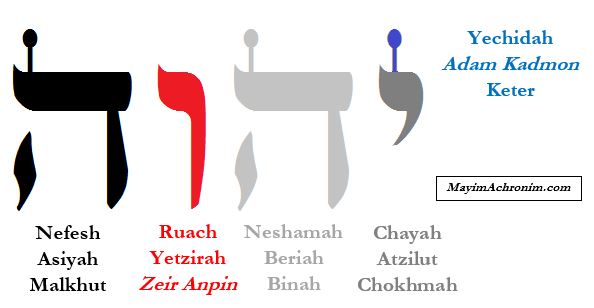
ונחזור לבאר סדר יציאת ז' מלכים אלו מתוך הבינה ואיך נשברו הנה ראשונה יצאו כולם מתוך הבינה והיו כלולים באור הדעת ונכנסו עמו בכלי שלו. והנה נודע כי ו' (נ"א ז') מלכים אלו הם בחי' ו"ק דז"א וכל א' אינו גדול מחבירו כי כל א' הוא קצה א' גדול כחבירו ולכן לא היה כח בשום כלי מהתחתונים לסבול בתוכו יותר מחלק אור המגיע לחלקו בלבד וכאשר יצא כולם כלולים בדעת לא היה יכול הכלי לסבול את כולם ונשבר וירד למטה כמ"ש בע"ה.

ודע כי כל אלו הם ענין המלכים הנזכר בפרשת וישלח ואלה המלכים אשר מלכו בארץ אדום וזה פרטן בלע בן בעור זה דעת

אַחֵר קִיצֵּץ בִּנְטִיעוֹת, עָלָיו הַכָּתוּב אוֹמֵר: ״אַל תִּתֵּן אֶת פִּיךָ לַחֲטִיא אֶת בְּשָׂרֶךָ״. מַאי הִיא? חֲזָא מֶיטַטְרוֹן דְּאִתְיְהִבָא לֵיהּ רְשׁוּתָא לְמֵיתַב לְמִיכְתַּב זַכְווֹתָא דְיִשְׂרָאֵל, אֲמַר: גְּמִירִי דִּלְמַעְלָה לָא הָוֵי לֹא יְשִׁיבָה וְלֹא תַּחֲרוּת, וְלֹא עוֹרֶף וְלֹא עִיפּוּי. שֶׁמָּא, חַס וְשָׁלוֹם, שְׁתֵּי רְשׁוּיוֹת הֵן.

§ The Gemara stated earlier that Aḥer chopped down the saplings, becoming a heretic. With regard to him, the verse states: “Do not let your mouth bring your flesh into guilt” (Ecclesiastes 5:5). The Gemara poses a question: What was it that led him to heresy? He saw the angel Mitatron, who was granted permission to sit and write the merits of Israel. He said: There is a tradition that in the world above there is no sitting; no competition; no turning one’s back before Him, i.e., all face the Divine Presence; and no lethargy. Seeing that someone other than God was seated above, he said: Perhaps, the Gemara here interjects, Heaven forbid, there are two authorities, and there is another source of power in control of the world in addition to God. Such thoughts led Aḥer to heresy.

אחר חגי זכריה ומלאכי, פסקה נבואה לגמרי ונשתייר רוח הקדש והוא המשך אורות היצירה עצמם לבדם ומשם ולמטה, וזהו הנקרא בתלמוד (חגיגה דף י"ד ע"ב) עלית הפרדס אשר הוא היצירה הנקרא עולם מטטרו"ן, וגם לזה היו שמושים ידועים לפתוח השערים שיש מן העולם השפל והעשיה והיצירה וליחד היחודים והתפלות הנאותים כפי עולם היצירה בעשר ספירות שבה:

וַיִּתְהַלֵּ֥ךְ חֲנ֖וֹךְ אֶת־הָֽאֱלֹהִ֑ים וְאֵינֶ֕נּוּ כִּֽי־לָקַ֥ח אֹת֖וֹ אֱלֹהִֽים׃ (פ)
Enoch walked with God; then he was no more, for God took him.

וּפְלַח חֲנוֹךְ בְּקוּשְׁטָא קֳדָם יְיָ וְהָא לֵיתוֹהִי עִם דַיְירֵי אַרְעָא אֲרוּם אִתְנְגִיד וְסַלִיק לִרְקִיעָא בְּמֵימַר קָדָם יְיָ וּקְרָא שְׁמֵיהּ מִיטַטְרוֹן סַפְרָא רַבָּא

And Hanok served in the truth before the Lord; and, behold, he was not with the sojourners of the earth; for he was withdrawn, and he ascended to the firmament by the Word before the Lord, and his name was called Metatron the Great Saphra.

מַתְנִי׳ הָאוֹמֵר: ״עַל קַן צִיפּוֹר יַגִּיעוּ רַחֲמֶיךָ״, וְ״עַל טוֹב יִזָּכֵר שְׁמֶךָ״, ״מוֹדִים, מוֹדִים״ — מְשַׁתְּקִין אוֹתוֹ.

MISHNA: Concluding the laws of prayer in this tractate, the mishna raises several prayer-related matters. This mishna speaks of certain innovations in the prayer formula that warrant the silencing of a communal prayer leader who attempts to introduce them in his prayers, as their content tends toward heresy. One who recites in his supplication: Just as Your mercy is extended to a bird’s nest, as You have commanded us to send away the mother before taking her chicks or eggs (Deuteronomy 22:6–7), so too extend Your mercy to us; and one who recites: May Your name be mentioned with the good or one who recites: We give thanks, we give thanks twice, they silence him.

גְּמָ׳ בִּשְׁלָמָא, ״מוֹדִים, מוֹדִים״ מְשַׁתְּקִין אוֹתוֹ — מִשּׁוּם דְּמֶיחְזֵי כִּשְׁתֵּי רָשׁוּיוֹת.

MISHNA: Concluding the laws of prayer in this tractate, the mishna raises several prayer-related matters. This mishna speaks of certain innovations in the prayer formula that warrant the silencing of a communal prayer leader who attempts to introduce them in his prayers, as their content tends toward heresy. One who recites in his supplication: Just as Your mercy is extended to a bird’s nest, as You have commanded us to send away the mother before taking her chicks or eggs (Deuteronomy 22:6–7), so too extend Your mercy to us; and one who recites: May Your name be mentioned with the good or one who recites: We give thanks, we give thanks twice, they silence him. GEMARA: Our mishna cited three instances where the communal prayer leader is silenced. The Gemara clarifies: Granted, they silence one who repeats: We give thanks, we give thanks, as it appears like he is acknowledging and praying to two authorities. And granted that they also silence one who says: May Your name be mentioned with the good, as clearly he is thanking God only for the good and not for the bad, and we learned in a mishna: One is required to bless God for the bad just as he blesses Him for the good. However, in the case of one who recites: Just as Your mercy is extended to a bird’s nest, why do they silence him?

המין השני אמרו, חס וחלילה, שתי רשויות הם, אחד פועל טוב ואחד פועל רע, באמרם, אין הפך בלא הפכו; ובהיותו האל ית"ש תכלית הטוב, יהיה ח"ו כנגדו מי שהוא תכלית הרע; ומשני מקורות אלה, אמרו, נולדות הפעולות בעולם הזה, מקצתם לטובה ומקצתם לרעה. והוא ענין (סנהדרין לט ע"א), "מפלגא ולעילא - דהורמיז, מפלגא ולתתא - דאהורמיז", שאמר ההוא מינא לאמימר:

40 Behold, the idol worshipers were of two types, the first type thought that the Holy One blessed is He is elevated from lowly things and does not look upon them; and there are others under him, they are the stars in the heavens and the constellations, their officers and their hosts, that they are the supervisors of the world. And therefore they began to worship them, made them altars to sacrifice to them and offer incense to them, in order to continue their influence to save them:

רַבִּי עֲקִיבָא עָלָה בְּשָׁלוֹם וְיָרַד בְּשָׁלוֹם, וְעָלָיו הַכָּתוּב אוֹמֵר: ״מׇשְׁכֵנִי אַחֲרֶיךָ נָרוּצָה״. וְאַף רַבִּי עֲקִיבָא בִּקְּשׁוּ מַלְאֲכֵי הַשָּׁרֵת לְדוֹחְפוֹ, אָמַר לָהֶם הַקָּדוֹשׁ בָּרוּךְ הוּא: הַנִּיחוּ לְזָקֵן זֶה, שֶׁרָאוּי לְהִשְׁתַּמֵּשׁ בִּכְבוֹדִי. מַאי דְּרַשׁ? אָמַר רַבָּה בַּר בַּר חָנָה אָמַר רַבִּי יוֹחָנָן: ״וְאָתָא מֵרִבְבוֹת קֹדֶשׁ״ — אוֹת הוּא בָּרְבָבָה שֶׁלּוֹ. וְרַבִּי אֲבָהוּ אָמַר: ״דָּגוּל מֵרְבָבָה״ — דּוּגְמָא הוּא בָּרְבָבָה שֶׁלּוֹ. וְרֵישׁ לָקִישׁ אָמַר: ״ה׳ צְבָאוֹת שְׁמוֹ״ — אָדוֹן הוּא בַּצָּבָא שֶׁלּוֹ. וְרַבִּי חִיָּיא בַּר אַבָּא אָמַר רַבִּי יוֹחָנָן: ״לֹא בָרוּחַ ה׳ וְאַחַר הָרוּחַ רַעַשׁ לֹא בָרַעַשׁ ה׳. וְאַחַר הָרַעַשׁ אֵשׁ לֹא בָאֵשׁ ה׳ וְאַחַר הָאֵשׁ קוֹל דְּמָמָה דַקָּה״, ״וְהִנֵּה ה׳ עוֹבֵר״.

The gentile philosopher, Nimos HaGardi, asked Rabbi Meir: Does all wool that enters the cauldron to be dyed emerge colored? In other words, do all those who learn Torah emerge as decent and worthy? He said to him: Whoever was clean when he was with his mother, from the outset, will emerge decent and worthy, but all those who were not clean when they were with their mother will not emerge worthy. One who approaches Torah study having been flawed from the outset will not be properly influenced by it. § The Gemara returns to the four who entered the orchard. It is stated above that Rabbi Akiva ascended in safety and descended safely. With regard to him, the verse states: “Draw me, we will run after you; the king has brought me into his chambers” (Song of Songs 1:4). The Gemara relates: And even Rabbi Akiva, the ministering angels sought to push him out of the orchard. The Holy One, Blessed be He, said to them: Leave this Elder, for he is fit to serve My glory. The Gemara asks: What verse did Rabbi Akiva expound that prevented him from making the same mistake as Aḥer? Rabba bar bar Ḥana said that Rabbi Yoḥanan said: It was the following: “And He came [ve’ata] from the holy myriads” (Deuteronomy 33:2), which he explained in this manner: He, God, is unique [ot] among His myriads of angels. Therefore, he knew that he had merely seen an angel. And Rabbi Abbahu said: Rabbi Akiva expounded the verse: “Preeminent above a myriad” (Song of Songs 5:10) to indicate that He is exemplary among His myriad. And Reish Lakish said: He expounded the verse: “The Lord of hosts is His name” (Isaiah 48:2); He is the Master in His host. And Rav Ḥiyya bar Abba said that Rabbi Yoḥanan said: He expounded the verses: “But the Lord was not in the wind. And after the wind, an earthquake; the Lord was not in the earthquake. And after the earthquake, fire; but the Lord was not in the fire. And after the fire, a still, small voice,” and it states in that verse: “And behold, the Lord passed by” (I Kings 19:11–12). Rabbi Akiva used this verse in order to recognize the place of His presence and refrain from trespassing there.
וְרוּחַ גְּדוֹלָה. (תַּרְגּוּם:) מַשִּׁרְיַת מַלְאֲכֵי רוּחָא.
And a great wind. [Targum Yonoson rendered,] “a camp of angels of the wind.”
בְּרַעַשׁ. (תַּרְגּוּם:) מַשִּׁרְיַת מַלְאֲכֵי זִיעָא.
In the earthquake. [Targum Yonoson rendered,] “a camp of angels of earthquake.
אֵשׁ. (תַּרְגּוּם:) מַשִּׁרְיַת מַלְאֲכֵי אֶשָּׁתָא.
Fire. [Targum Yonoson rendered,] “a camp of angels of fire.”
וַיֵּ֨דַע אָדָ֥ם עוֹד֙ אֶת־אִשְׁתּ֔וֹ וַתֵּ֣לֶד בֵּ֔ן וַתִּקְרָ֥א אֶת־שְׁמ֖וֹ שֵׁ֑ת כִּ֣י שָֽׁת־לִ֤י אֱלֹהִים֙ זֶ֣רַע אַחֵ֔ר תַּ֣חַת הֶ֔בֶל כִּ֥י הֲרָג֖וֹ קָֽיִן׃
Adam knew his wife again, and she bore a son and named him Seth, meaning, “God has provided me with another offspring in place of Abel,” for Cain had killed him.

יסוד התורה ועמוד העבודה לידע שיש אלהים אחד יחיד ומיוחד, והוא ברא כל העולמות, והוא משגיח עליהם בכל עת ובכל רגע. ואלמלי יצוייר חס ושלום סילוק השגחתו – אף רגע היו כל העולמות חוזרים לתוהו ובוהו. וזהו שנאמר: "שמע ישראל ה' אלהינו ה' אחד". ונאמר: "וידעת היום… כי ה' הוא האלהים בשמים ממעל ועל הארץ מתחת אין עוד". כלומר: שאין שום כוח זולתו יתברך, והוא המהוה כל העולמות, והוא המחיה את כל העולמות, והוא המקיימם. ובמתן תורה ראינו זה בחוש, כדכתיב: "אתה הראת לדעת כי ה' הוא האלהים, אין עוד מלבדו". כלומר: כי ה' שברא כל העולמות – הוא המשגיח והמנהיג עליהם לעד ולעולמים. ו"אלהים" ביאורו: השגחה והנהגה, ואין שום כוח גדול או קטן זולתו יתברך.

The foundation of Torah and the pillar of the divine service is to know that there is one God. who is singular and unique, and that He created the Worlds(i.e this world and the next world), and that he is constantly watching us. If, God forbid, he suddenly stopped watching and guiding the world even for a moment, it would revert to chaos and disorder. This is the essence of what is stated: (Deuteronomy 6:4) 'Listen, oh Israel, Hashem, your God, is One'.