כְּתִיב אַפִּינְקָסֵיהּ דְּרַבִּי יְהוֹשֻׁעַ בֶּן לֵוִי: הַאי מַאן דִּבְחַד בְּשַׁבָּא, יְהֵי גְּבַר וְלָא חֲדָא בֵּיהּ. מַאי [״וְלָא חֲדָא בֵּיהּ״]? אִילֵּימָא: וְלָא חַד לְטֵיבוּ, וְהָאָמַר רַב אָשֵׁי: אֲנָא בְּחַד בְּשַׁבָּא הֲוַאי! אֶלָּא לָאו חֲדָא לְבִישׁוּ, וְהָאָמַר רַב אָשֵׁי: אֲנָא וְדִימִי בַּר קָקוֹזְתָּא הֲוֵינַן בְּחַד בְּשַׁבָּא, אֲנָא מֶלֶךְ, וְהוּא הֲוָה רֵישׁ גַּנָּבֵי! אֶלָּא: אִי כּוּלֵּיהּ לְטֵיבוּ, אִי כּוּלֵּיהּ לְבִישׁוּ. מַאי טַעְמָא? דְּאִיבְּרוֹ בֵּיהּ אוֹר וָחוֹשֶׁךְ. הַאי מַאן דְּבִתְרֵי בְּשַׁבָּא יְהֵי גְּבַר רַגְזָן. מַאי טַעְמָא? מִשּׁוּם דְּאִיפְּלִיגוּ בֵּיהּ מַיָּא. הַאי מַאן דְּבִתְלָתָא בְּשַׁבָּא — יְהֵי גְּבַר עַתִּיר וְזַנַּאי יְהֵא. מַאי טַעְמָא? מִשּׁוּם דְּאִיבְּרוֹ בֵּיהּ עֲשָׂבִים. הַאי מַאן דִּבְאַרְבְּעָה בְּשַׁבָּא — יְהֵי גְּבַר חַכִּים וְנָהִיר. מַאי טַעְמָא? מִשּׁוּם דְּאִיתְּלוֹ בֵּיהּ מְאוֹרוֹת. הַאי מַאן דִּבְחַמְשָׁה בְּשַׁבָּא — יְהֵי גְּבַר גּוֹמֵל חֲסָדִים. מַאי טַעְמָא? מִשּׁוּם דְּאִיבְּרוֹ בֵּיהּ דָּגִים וְעוֹפוֹת. הַאי מַאן דִּבְמַעֲלֵי שַׁבְּתָא — יְהֵי גְּבַר חַזְרָן. אָמַר רַב נַחְמָן בַּר יִצְחָק: חַזְרָן בְּמִצְוֹת. הַאי מַאן דִּבְשַׁבְּתָא יְהֵי — בְּשַׁבְּתָא יְמוּת, עַל דְּאַחִילוּ עֲלוֹהִי יוֹמָא רַבָּא דְּשַׁבְּתָא. אָמַר רָבָא בַּר רַב שֵׁילָא: וְקַדִּישָׁא רַבָּא יִתְקְרֵי. אֲמַר לְהוּ רַבִּי חֲנִינָא, פּוּקוּ אֱמַרוּ לֵיהּ לְבַר לֵיוַאי: לֹא מַזַּל יוֹם גּוֹרֵם אֶלָּא מַזַּל שָׁעָה גּוֹרֵם. הַאי מַאן דִּבְחַמָּה — יְהֵי גְּבַר זִיוְתָן, יְהֵי אָכֵיל מִדִּילֵיהּ וְשָׁתֵי מִדִּילֵיהּ, וְרָזוֹהִי גַּלְיִין, אִם גָּנֵיב — לָא מַצְלַח. הַאי מַאן דִּבְכוֹכָב נוֹגַהּ — יְהֵי גְּבַר עַתִּיר וְזַנַּאי יְהֵי. מַאי טַעְמָא? מִשּׁוּם דְּאִיתְיְלִיד בֵּיהּ נוּרָא. הַאי מַאן דִּבְכוֹכָב — יְהֵי גְּבַר נָהִיר וְחַכִּים, מִשּׁוּם דְּסָפְרָא דְחַמָּה הוּא. הַאי מַאן דְּבִלְבָנָה — יְהֵי גְּבַר סָבֵיל מַרְעִין, בָּנֵי וְסָתַר, סָתַר וּבָנֵי, אָכֵיל דְּלָא דִּילֵיהּ וְשָׁתֵי דְּלָא דִּילֵיהּ וְרָזוֹהִי כַּסְיִין אִם גָּנֵב — מַצְלַח. הַאי מַאן דִּבְשַׁבְּתַאי — יְהֵי גְּבַר מַחְשְׁבָתֵיהּ בָּטְלִין. וְאִית דְּאָמְרִי: כׇּל דִּמְחַשְּׁבִין עֲלֵיהּ בָּטְלִין. הַאי מַאן דִּבְצֶדֶק — יְהֵי גְּבַר צִדְקָן. אָמַר רַב נַחְמָן בַּר יִצְחָק: וְצַדְקָן בְּמִצְוֹת. הַאי מַאן דִּבְמַאְדִּים — יְהֵי גְּבַר אָשֵׁיד דְּמָא. אָמַר רַב אָשֵׁי: אִי אוּמָּנָא, אִי גַּנָּבָא, אִי טַבָּחָא, אִי מָהוֹלָא. אָמַר רַבָּה: אֲנָא בְּמַאְדִּים הֲוַאי. אָמַר אַבָּיֵי: מָר נָמֵי עָנֵישׁ וְקָטֵיל. אִיתְּמַר, רַבִּי חֲנִינָא אוֹמֵר: מַזָּל מַחְכִּים, מַזָּל מַעֲשִׁיר, וְיֵשׁ מַזָּל לְיִשְׂרָאֵל. רַבִּי יוֹחָנָן אָמַר: אֵין מַזָּל לְיִשְׂרָאֵל. וְאַזְדָּא רַבִּי יוֹחָנָן לְטַעְמֵיהּ, דְּאָמַר רַבִּי יוֹחָנָן: מִנַּיִין שֶׁאֵין מַזָּל לְיִשְׂרָאֵל? שֶׁנֶּאֱמַר: ״כֹּה אָמַר ה׳ אֶל דֶּרֶךְ הַגּוֹיִם אַל תִּלְמָדוּ וּמֵאוֹתוֹת הַשָּׁמַיִם אַל תֵּחָתּוּ כִּי יֵחַתּוּ הַגּוֹיִם מֵהֵמָּה״ — הֵם יֵחַתּוּ, וְלֹא יִשְׂרָאֵל. וְאַף רַב סָבַר אֵין מַזָּל לְיִשְׂרָאֵל, דְּאָמַר רַב יְהוּדָה אָמַר רַב: מִנַּיִין שֶׁאֵין מַזָּל לְיִשְׂרָאֵל? — שֶׁנֶּאֱמַר: ״וַיּוֹצֵא אוֹתוֹ הַחוּצָה״, אָמַר אַבְרָהָם לִפְנֵי הַקָּדוֹשׁ בָּרוּךְ הוּא: רִבּוֹנוֹ שֶׁל עוֹלָם, ״בֶן בֵּיתִי יוֹרֵשׁ אוֹתִי״, אָמַר לוֹ: לָאו — ״כִּי אִם אֲשֶׁר יֵצֵא מִמֵּעֶיךָ״. אָמַר לְפָנָיו: רִבּוֹנוֹ שֶׁל עוֹלָם נִסְתַּכַּלְתִּי בְּאִיצְטַגְנִינוּת שֶׁלִּי, וְאֵינִי רָאוּי לְהוֹלִיד בֵּן. אָמַר לוֹ: צֵא מֵאִיצְטַגְנִינוּת שֶׁלְּךָ, שֶׁאֵין מַזָּל לְיִשְׂרָאֵל. מַאי דַּעְתָּיךְ?
it was written in Rabbi Yehoshua ben Levi’s notebook: One who was born on the first day of the week, Sunday, will be a person and there will not be one in him. The Gemara asks: What is the meaning of the phrase: There will not be one in him? If you say that there is not one quality for the best, that cannot be, as Rav Ashi said: I was born on the first day of the week, and one cannot say that there was nothing good about him. Rather, it must mean that there is not one quality for the worst. Didn’t Rav Ashi say: I and Dimi bar Kakuzta were both born on the first day of the week. I became a king, the head of a yeshiva, and he became the head of a gang of thieves, clearly a negative quality. Rather, one born on a Sunday is either completely for the best or completely for the worst. What is the reason for this? It is because both light and darkness were created on the first day of Creation. One who was born on the second day of the week, Monday, will be a short-tempered person. What is the reason for this? It is because on that day, the second day of Creation, the upper and lower waters were divided. Therefore, it is a day of contentiousness.
One who was born on the third day of the week will be a rich man and a promiscuous person. What is the reason for this? It is because on that day, the third day, vegetation was created. It grows abundantly but is also mixed together without boundaries between the grass and the plants.
One who was born on the fourth day of the week will be a wise and enlightened person. What is the reason for this? It is because the heavenly lights were hung in the heavens on that day, and wisdom is likened to light. One who was born on the fifth day of the week will be a person who performs acts of kindness. What is the reason for this? It is because on that day the fish and fowl were created, and they do not receive their sustenance by performing work for people. They are sustained by the kindness of God alone.
One who was born on the sixth day of the week will be a seeker. Rav Naḥman bar Yitzḥak said that this means that he will be one who seeks out mitzvot, as most of the activity on Friday involves preparation for Shabbat.
One who was born on Shabbat will die on Shabbat, because they desecrated the great day of Shabbat on his behalf. Rava bar Rav Sheila said: And he will be called a person of great sanctity because he was born on the sacred day of Shabbat. Rabbi Ḥanina said to his students who heard all this: Go and tell the son of Leiva’i, Rabbi Yehoshua ben Levi: It is not the constellation of the day of the week that determines a person’s nature; rather, it is the constellation of the hour that determines his nature.
One who was born under the influence of the sun will be a radiant person; he will eat from his own resources and drink from his own resources, and his secrets will be exposed. If he steals he will not succeed, because he will be like the sun that shines and is revealed to all.
One who was born under the influence of Venus will be a rich and promiscuous person. What is the reason for this? Because fire was born during the hour of Venus, he will be subject the fire of the evil inclination, which burns perpetually.
One who was born under the influence of Mercury will be an enlightened and expert man, because Mercury is the sun’s scribe, as it is closest to the sun.
One who was born under the influence of the moon will be a man who suffers pains, who builds and destroys, and destroys and builds. He will be a man who eats not from his own resources and drinks not from his own resources, and whose secrets are hidden. If he steals he will succeed, as he is like the moon that constantly changes form, whose light is not its own, and who is at times exposed and at times hidden.
One who was born under the influence of Saturn will be a man whose thoughts are for naught. And some say that everything that others think about him and plan to do to him is for naught.
One who was born under the influence of Jupiter [tzedek] will be a just person [tzadkan]. Rav Naḥman bar Yitzḥak said: And just in this context means just in the performance of mitzvot.
One who was born under the influence of Mars will be one who spills blood. Rav Ashi said: He will be either a blood letter, or a thief, or a slaughterer of animals, or a circumciser. Rabba said: I was born under the influence of Mars and I do not perform any of those activities. Abaye said: My Master also punishes and kills as a judge. It was stated that Rabbi Ḥanina says: A constellation makes one wise and a constellation makes one wealthy, and there is a constellation for the Jewish people that influences them. Rabbi Yoḥanan said: There is no constellation for the Jewish people that influences them. The Jewish people are not subject to the influence of astrology. And Rabbi Yoḥanan follows his own reasoning, as Rabbi Yoḥanan said: From where is it derived that there is no constellation for the Jewish people? As it is stated: “Thus said the Lord: Learn not the way of the nations, and be not dismayed at the signs of heaven; for the nations are dismayed at them” (Jeremiah 10:2). The nations will be dismayed by them, but not the Jewish people. And Rav also holds that there is no constellation for the Jewish people, as Rav Yehuda said that Rav said: From where is it derived that there is no constellation for the Jewish people? As it is stated with regard to Abraham: “And He brought him outside, and said: Look now toward heaven, and count the stars, if you are able to count them; and He said unto him: So shall your offspring be” (Genesis 15:5). The Sages derived from this that Abraham said before the Holy One, Blessed be He: Master of the Universe, “Behold, You have given me no offspring, and one born in my house is to be my heir” (Genesis 15:3). The Holy One, Blessed be He, said to him: No. “And, behold, the word of the Lord came to him, saying: This man shall not be your heir; rather, one that will come forth from your own innards shall be your heir” (Genesis 15:4). Abraham said before Him: Master of the Universe, I looked at my astrological map, and according to the configuration of my constellations I am not fit to have a son. The Holy One, Blessed be He, said to him: Emerge from your astrology, as the verse states: “And He brought him outside,” as there is no constellation for Israel. What is your thinking?
(ח) אֵיזֶהוּ מְעוֹנֵן אֵלּוּ נוֹתְנֵי עִתִּים שֶׁאוֹמְרִים בְּאִצְטַגְנִינוּת יוֹם פְּלוֹנִי טוֹב יוֹם פְּלוֹנִי רַע יוֹם פְּלוֹנִי רָאוּי לַעֲשׂוֹת בּוֹ מְלָאכָה פְּלוֹנִית שָׁנָה פְּלוֹנִית אוֹ חֹדֶשׁ פְּלוֹנִי רַע לְדָבָר פְּלוֹנִי:
(8) Who is an observer of times? They that point at times, saying astrologically: "That day is a good one, that day is a bad one; that day is fit to do that particular work, but that year, or that month, is bad for that particular thing.
(טז) וּדְבָרִים הָאֵלּוּ כֻּלָּן דִּבְרֵי שֶׁקֶר וְכָזָב הֵן וְהֵם שֶׁהִטְעוּ בָּהֶן עוֹבְדֵי כּוֹכָבִים הַקַּדְמוֹנִים לְגוֹיֵי הָאֲרָצוֹת כְּדֵי שֶׁיִּנְהֲגוּ אַחֲרֵיהֶן. וְאֵין רָאוּי לְיִשְׂרָאֵל שֶׁהֵם חֲכָמִים מְחֻכָּמִים לְהִמָּשֵׁךְ בַּהֲבָלִים אֵלּוּ וְלֹא לְהַעֲלוֹת עַל לֵב שֶׁיֵּשׁ תּוֹעֶלֶת בָּהֶן. שֶׁנֶּאֱמַר (במדבר כג כג) "כִּי לֹא נַחַשׁ בְּיַעֲקֹב וְלֹא קֶסֶם בְּיִשְׂרָאֵל". וְנֶאֱמַר (דברים יח יד) "כִּי הַגּוֹיִם הָאֵלֶּה אֲשֶׁר אַתָּה יוֹרֵשׁ אוֹתָם אֶל מְעֹנְנִים וְאֶל קֹסְמִים יִשְׁמָעוּ וְאַתָּה לֹא כֵן" וְגוֹ'. כָּל הַמַּאֲמִין בִּדְבָרִים הָאֵלּוּ וְכַיּוֹצֵא בָּהֶן וּמְחַשֵּׁב בְּלִבּוֹ שֶׁהֵן אֱמֶת וּדְבַר חָכְמָה אֲבָל הַתּוֹרָה אֲסָרָתַן אֵינָן אֶלָּא מִן הַסְּכָלִים וּמְחֻסְּרֵי הַדַּעַת וּבִכְלַל הַנָּשִׁים וְהַקְּטַנִּים שֶׁאֵין דַּעְתָּן שְׁלֵמָה. אֲבָל בַּעֲלֵי הַחָכְמָה וּתְמִימֵי הַדַּעַת יֵדְעוּ בִּרְאָיוֹת בְּרוּרוֹת שֶׁכָּל אֵלּוּ הַדְּבָרִים שֶׁאָסְרָה תּוֹרָה אֵינָם דִּבְרֵי חָכְמָה אֶלָּא תֹּהוּ וְהֶבֶל שֶׁנִּמְשְׁכוּ בָּהֶן חַסְרֵי הַדַּעַת וְנָטְשׁוּ כָּל דַּרְכֵי הָאֱמֶת בִּגְלָלָן. וּמִפְּנֵי זֶה אָמְרָה תּוֹרָה כְּשֶׁהִזְהִירָה עַל כָּל אֵלּוּ הַהֲבָלִים (דברים יח יג) "תָּמִים תִּהְיֶה עִם ה' אֱלֹקֶיךָ":
(16) All of these things are false and spurious, and it was with such that the ancient idolaters misled the peoples of many lands so that they be following them. And it is unbecoming to Israel who are exceedingly wise to be attracted by these absurdities, nor to even imagine that they are of any consequence, even as it is said: "For there is no enchantment with Jacob, neither is there any divination with Israel" (Num. 23.23); and it is again said: "For these nations that thou art to dispossess, hearken unto soothsayers and unto diviners, but as for thee the Lord thy God hath not suffered thee so to do" (Deut. 18.14). Whosoever believes in these matters, and their like, and suppose that there is wisdom and truth in in them, save that the Torah disallowed them, such are none other save from among the foolish and ignorant and are to be included among women and children whose mind is not sound. But wise and sound-minded people know that all these matters which the Torah disallowed are not matters of wisdom but formless nonsense followed by senseless people for the sake of which they abandoned every path of truth. Even because thereof the Torah, in admonishing against all these vanities, commanded, saying: "Perfect shalt thou be with the Lord thy God" (Ibid. 18.13).
Nachmanides (13th cent. Spain) - Responsum 282
The study of astrology is not forbidden. Even though the Talmud (Shabbat 156a) states: “There is no mazal (celestial, source of influence) for Israel,” there were sages who did not share that view. Thus, even though the latter was a minority opinion, the fact that it exists demonstrates that astrology is not nonsense, nor is involvement in its study forbidden.
(א) שלא לכשף לעונן ולנחש. ובו י"ט סעיפים:
אין שואלין בחוזים בכוכבים ולא בגורלות: הגה משום שנאמר תמים תהיה עם ה' אלקיך (ב"י בשם תוספות דע"פ ובשם ספרי) וכ"ש דאסור לשאול בקוסמים ומנחשים ובמכשפים (פסקי מהרא"י סי' צ"ו):
(ב) נהגו שאין מתחילין בב' ובד' ואין נושאין נשים אלא במילוי הלבנה: הגה ולכן נהגו ג"כ להתחיל ללמוד בר"ח כי אע"פ שאין ניחוש יש סימן (סמ"ק סימן קל"ו) במה שאדם יודע שהוא כנגד המזל לא יעשה ולא יסמוך על הנס אלא שאין לחקור אחר זה משום תמים תהיה (תשובת רמב"ן סימן רפ"ו) כמו שנתבאר:
(1) Not to do magic, necromancy, or divination. Containing 19 sections. We do not make inquiries to astrological seers, nor to the fates. [Comment of Rema: Because it is said, "You must be wholehearted with the LORD your God." (Deuteronomy 18:13) (B"Y citing Tosafot (???) and citing Sifrei) And certainly it is prohibited to make inquiries to magicians, diviners, and sorcerers. (Piskei Mahara"i 96)]
(2) We have the custom to not begin things on the second or fourth days of the week (Monday or Wednesday) and we only take wives during the full moon. [Comment of Rema: And therefore, we have the custom as well to begin study on Rosh Chodesh, because even though there is no divinatory benefit, there is a symbol (SM"K 136). What a person knows to be inauspicious, they should not do, and they should not rely on miracles. However, one must not investigate this matter, because one should be "wholehearted" (Responsa of Ramba"n 286) as will be explained.]
דּוּמִדִּשְׁמוּאֵל נָמֵי אֵין מַזָּל לְיִשְׂרָאֵל. דִּשְׁמוּאֵל וְאַבְלֵט הֲווֹ יָתְבִי, וַהֲווֹ קָאָזְלִי הָנָךְ אִינָשֵׁי לְאַגְמָא. אֲמַר לֵיהּ אַבְלֵט לִשְׁמוּאֵל: הַאי גַּבְרָא אָזֵיל וְלָא אָתֵי, טָרֵיק לֵיהּ חִיוְיָא וּמָיֵית. אֲמַר לֵיהּ שְׁמוּאֵל: אִי בַּר יִשְׂרָאֵל הוּא, אָזֵיל וְאָתֵי. אַדְּיָתְבִי אֲזַל וַאֲתָא. קָם אַבְלֵט שַׁדְיֵהּ לְטוּנֵיהּ, אַשְׁכַּח בֵּיהּ חִיוְיָא דִּפְסִיק וּשְׁדֵי בְּתַרְתֵּי גוּבֵּי. אֲמַר לֵיהּ שְׁמוּאֵל: מַאי עֲבַדְתְּ? אֲמַר לֵיהּ: כׇּל יוֹמָא הֲוָה מַרְמִינַן רִיפְתָּא בַּהֲדֵי הֲדָדֵי וְאָכְלִינַן. הָאִידָּנָא הֲוָה אִיכָּא חַד מִינַּן דְּלָא הֲוָה לֵיהּ רִיפְתָּא, הֲוָה קָא מִיכְּסַף. אָמֵינָא לְהוּ: אֲנָא קָאֵימְנָא וּמַרְמֵינָא. כִּי מְטַאי לְגַבֵּיהּ, שַׁוַּאי נַפְשַׁאי כְּמַאן דִּשְׁקִילִי מִינֵּיהּ, כִּי הֵיכִי דְּלָא לִיכְּסִיף. אֲמַר לֵיהּ: מִצְוָה עֲבַדְתְּ. נְפַק שְׁמוּאֵל וּדְרַשׁ: ״וּצְדָקָה תַּצִּיל מִמָּוֶת״, וְלֹא מִמִּיתָה מְשׁוּנָּה, אֶלָּא מִמִּיתָה עַצְמָהּ. וּמִדְּרַבִּי עֲקִיבָא נָמֵי אֵין מַזָּל לְיִשְׂרָאֵל. דְּרַבִּי עֲקִיבָא הַוְיָא לֵיהּ בְּרַתָּא, אָמְרִי לֵיהּ כַּלְדָּאֵי: הָהוּא יוֹמָא דְּעָיְילָה לְבֵי גְנָנָא, טָרֵיק לַהּ חִיוְיָא, וּמִיתָא. הֲוָה דָּאֵיג אַמִּילְּתָא טוּבָא. הָהוּא יוֹמָא שְׁקַלְתַּהּ לְמַכְבַּנְתָּא, דַּצְתַּהּ בְּגוּדָא, אִיתְרְמִי אִיתִּיב בְּעֵינֵיהּ דְּחִיוְיָא. לְצַפְרָא כִּי קָא שָׁקְלָה לַהּ, הֲוָה קָא סָרֵיךְ וְאָתֵי חִיוְיָא בָּתְרַהּ. אֲמַר לַהּ אֲבוּהּ: מַאי עֲבַדְתְּ? אֲמַרָה לֵיהּ בְּפַנְיָא אֲתָא עַנְיָא, קְרָא אַבָּבָא וַהֲווֹ טְרִידִי כּוּלֵּי עָלְמָא בִּסְעוּדְתָּא, וְלֵיכָּא דְּשָׁמְעֵיהּ. קָאֵימְנָא, שְׁקַלְתֵּיהּ לְרִיסְתָּנַאי דִּיהַבְתְּ לִי, יַהְבִתֵּיהּ נִיהֲלֵיהּ. אֲמַר לַהּ: מִצְוָה עֲבַדְתְּ. נְפַק רַבִּי עֲקִיבָא וּדְרַשׁ: ״וּצְדָקָה תַּצִּיל מִמָּוֶת״, וְלֹא מִמִּיתָה מְשׁוּנָּה, אֶלָּא מִמִּיתָה עַצְמָהּ. וּמִדְּרַב נַחְמָן בַּר יִצְחָק נָמֵי אֵין מַזָּל לְיִשְׂרָאֵל. דְּאִימֵּיהּ דְּרַב נַחְמָן בַּר יִצְחָק אָמְרִי לַהּ כַּלְדָּאֵי: בְּרִיךְ גַּנָּבָא הָוֵה. לָא שְׁבַקְתֵּיהּ גַּלּוֹיֵי רֵישֵׁיהּ. אֲמַרָה לֵיהּ: כַּסִּי רֵישָׁיךָ, כִּי הֵיכִי דְּתִיהְוֵי עֲלָךְ אֵימְתָא דִשְׁמַיָּא, וּבְעִי רַחֲמֵי. לָא הֲוָה יָדַע אַמַּאי קָאָמְרָה לֵיהּ. יוֹמָא חַד יָתֵיב קָא גָרֵיס תּוּתֵי דִיקְלָא, נְפַל גְּלִימָא מֵעִילָּוֵי רֵישֵׁיהּ, דְּלִי עֵינֵיהּ חֲזָא לְדִיקְלָא, אַלְּמֵיהּ יִצְרֵיהּ, סְלֵיק, פַּסְקֵיהּ לְקִיבּוּרָא בְּשִׁינֵּיהּ.
And from that which transpired to Shmuel, one can also conclude that there is no constellation for the Jewish people. The Gemara relates that Shmuel and the gentile sage Ablet were sitting, and they saw these people were going to the lake. Ablet said to Shmuel: This person will go and he will not return, because a snake will bite him and he will die. Shmuel said to him: If he is a Jew, he will go and come back. As they were sitting for a while, the person they discussed went away and then returned. Ablet stood up, threw down the person’s burden, and inside he found a snake cut and cast in two pieces. Shmuel said to him: What did you do to merit being saved from death? The person said to him: Every day we all take bread together and eat from the bread. Today, there was one of us who did not have bread, and when it came time to gather the bread, he was embarrassed because he did not have any to give. I said to the others: I will go and take the bread. When I came to the person who did not have bread, I rendered myself as one who was taking from him so that he would not be embarrassed. Shmuel said to him: You performed a mitzva. Shmuel went out and taught based on this incident that even though it is written: “And charity will save from death” (Proverbs 10:2), it does not only mean that it will save a person from an unusual death but even from death itself. And from that which transpired to Rabbi Akiva as well it can be derived that there is no constellation for the Jewish people, as Rabbi Akiva had a daughter, and Chaldean astrologers told him that on the same day that she enters the wedding canopy, a snake will bite her and she will die. She was very worried about this. On that day, her wedding day, she took the ornamental pin from her hair and stuck it into a hole in the wall for safekeeping, and it happened that it entered directly into the eye of the snake. In the morning, when she took the pin, the snake was pulled and came out with it. Her father Rabbi Akiva said to her: What did you do to merit being saved from the snake? She told him: In the evening a poor person came and knocked on the door, and everyone was preoccupied with the feast and nobody heard him. I stood and took the portion that you had given me and gave it to him. Rabbi Akiva said to her: You performed a mitzva, and you were saved in its merit. Rabbi Akiva went out and taught based on this incident that even though it is written: “And charity will save from death” (Proverbs 10:2), it does not mean that it will save a person only from an unusual death, but even from death itself. And from that which transpired to Rav Naḥman bar Yitzḥak as well it can be derived that there is no constellation for the Jewish people, As Chaldean astrologers told Rav Naḥman bar Yitzḥak’s mother: Your son will be a thief. She did not allow him to uncover his head. She said to her son: Cover your head so that the fear of Heaven will be upon you, and pray for Divine mercy. He did not know why she said this to him. One day he was sitting and studying beneath a palm tree that did not belong to him, and the cloak fell off of his head. He lifted his eyes and saw the palm tree. He was overcome by impulse and he climbed up and detached a bunch of dates with his teeth. Apparently, he had an inborn inclination to steal, but was able to overcome that inclination with proper education and prayer.
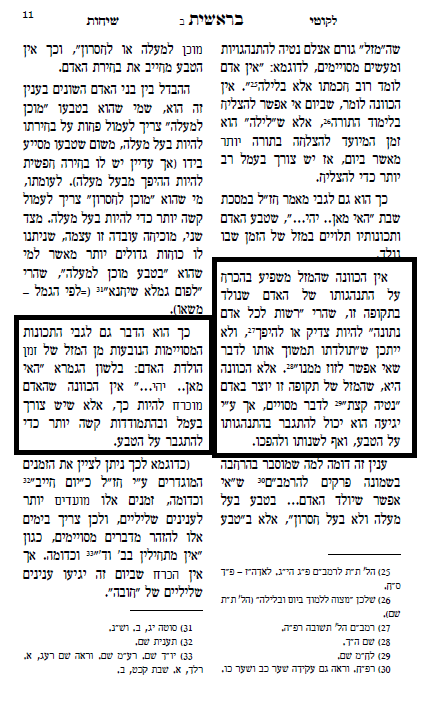
Likutei Sichos Vol 15