


Behar: Leviticus 25
I want to start with the teachings of the people whose land I grew up on: the Potawatomi. The Potawatomi language, which is very nearly gone, has very few nouns. For instance, a body of water is a verb that changes depending on the circumstances. When you begin to imagine a lake or a mountain or a plain as a set of verbs, your sense of ownership and domination changes. Can I own a run? A kick? A state of being? Is running the same as walking?
I bring this up now, because when we read Behar, we need to imagine sharing the Shabbat "ceasing" with the land. The land, like us, deserves a break.
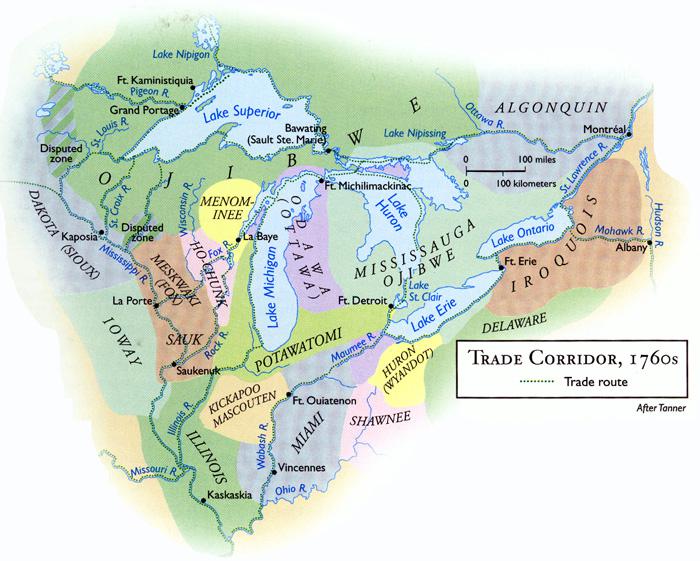
In the teachings of my Potawatomi ancestors, responsibilities and gifts are understood as two sides of the same coin. The possession of a gift is coupled with a duty to use it for the benefit of all. A thrush is given the gift of song—and so has a responsibility to greet the day with music. Salmon have the gift of travel, so they accept the duty of carrying food upriver. So when we ask ourselves, what is our responsibility to the Earth, we are also asking, “What is our gift?”

דַּבֵּ֞ר אֶל־בְּנֵ֤י יִשְׂרָאֵל֙ וְאָמַרְתָּ֣ אֲלֵהֶ֔ם כִּ֤י תָבֹ֙אוּ֙ אֶל־הָאָ֔רֶץ אֲשֶׁ֥ר אֲנִ֖י נֹתֵ֣ן לָכֶ֑ם וְשָׁבְתָ֣ה הָאָ֔רֶץ שַׁבָּ֖ת לַיהוה׃
Speak to the Children of Israel, and say to them: When you enter the land that I am giving you, the land is to cease, a Sabbath-ceasing to YHWH.
שֵׁ֤שׁ שָׁנִים֙ תִּזְרַ֣ע שָׂדֶ֔ךָ וְשֵׁ֥שׁ שָׁנִ֖ים תִּזְמֹ֣ר כַּרְמֶ֑ךָ וְאָסַפְתָּ֖ אֶת־תְּבוּאָתָֽהּ׃
For six years you are to sow your field, for six years you are to prune your vineyard, then you are to gather in its produce,
וּבַשָּׁנָ֣ה הַשְּׁבִיעִ֗ת שַׁבַּ֤ת שַׁבָּתוֹן֙ יִהְיֶ֣ה לָאָ֔רֶץ שַׁבָּ֖ת לַיהֹוָ֑ה שָֽׂדְךָ֙ לֹ֣א תִזְרָ֔ע וְכַרְמְךָ֖ לֹ֥א תִזְמֹֽר׃
but in the seventh year there shall be a Sabbath of Sabbath-ceasing for the land, a Sabbath to YHWH: your field you are not to sow, your vineyard you are not to prune,
אֵ֣ת סְפִ֤יחַ קְצִֽירְךָ֙ לֹ֣א תִקְצ֔וֹר וְאֶת־עִנְּבֵ֥י נְזִירֶ֖ךָ לֹ֣א תִבְצֹ֑ר שְׁנַ֥ת שַׁבָּת֖וֹן יִהְיֶ֥ה לָאָֽרֶץ׃
the aftergrowth of your harvest you are not to harvest, the grapes of your consecrated-vines you are not to amass; a year of Sabbath-ceasing shall there be for the land!
Robin Wall Kimmerer, from Braiding Sweetgrass (The Honorable Harvest)
Know the ways of the ones who take care of you, so that you may take care of them.
Introduce yourself. Be accountable as the one who comes asking for life.
Ask permission before taking. Abide by the answer.
Never take the first. Never take the last.
Take only what you need. Take only that which is given.
Never take more than half. Leave some for others.
Harvest in a way that minimizes harm.
Use it respectfully. Never waste what you have taken.
Share.
Give thanks for what you have been given.
Give a gift, in reciprocity for what you have taken.
Sustain the ones who sustain you and the earth will last forever.
בְּמִסְפַּ֤ר שָׁנִים֙ אַחַ֣ר הַיּוֹבֵ֔ל תִּקְנֶ֖ה מֵאֵ֣ת עֲמִיתֶ֑ךָ בְּמִסְפַּ֥ר שְׁנֵֽי־תְבוּאֹ֖ת יִמְכׇּר־לָֽךְ׃
By the number of years after the Homebringing you are to purchase [it] from your fellow, by the number of years of produce [left] he is to sell it to you:
לְפִ֣י ׀ רֹ֣ב הַשָּׁנִ֗ים תַּרְבֶּה֙ מִקְנָת֔וֹ וּלְפִי֙ מְעֹ֣ט הַשָּׁנִ֔ים תַּמְעִ֖יט מִקְנָת֑וֹ כִּ֚י מִסְפַּ֣ר תְּבוּאֹ֔ת ה֥וּא מֹכֵ֖ר לָֽךְ׃
according to the many years [left], you may charge-him-much for his purchase, according to the few years [left], you may charge-him-little for his purchase, since a [certain] number of harvests is what he is selling to you.
Homecoming
We too deserve breaks. Breaks from debt and poverty and serfdom and slavery. We deserve justice and to work for justice. Hence, the Jubilee Year, the fiftieth year. The one following the 7th sabbatical year.
In his essay, Neither Oppress nor Allow Others to Oppress You, Jacob Straub writes:
"The Jubilee text may describe an ideal that was never implemented, but its utopian character is precisely what gives it such breathtaking power...It questions all norms..." (Torah Queeries, p. 176)
This Parsha also refers to ownership of slaves. The tribes of Israel serve Gd, which means they could only have one master. And the land was Gd's as well. Meaning it too only had one owner. In both cases, Gd is the ultimate authority that allows only temporary ownership and temporary dominion.
Slavery
וְעַבְדְּךָ֥ וַאֲמָתְךָ֖ אֲשֶׁ֣ר יִהְיוּ־לָ֑ךְ מֵאֵ֣ת הַגּוֹיִ֗ם אֲשֶׁר֙ סְבִיבֹ֣תֵיכֶ֔ם מֵהֶ֥ם תִּקְנ֖וּ עֶ֥בֶד וְאָמָֽה׃
Your servant and your maid that belong to you from the nations surrounding you, from them you may purchase serf and maid;
As we read, a reminder from my friend Dr. Angela Sutton, an expert on the Trans-Atlantic slave trade. When Leviticus was written "slavery was something that happened to you and something that could unhappen." In ancient times, people who were enslaved still had rights and personhood. They could still appear as witnesses in court.
So even though Leviticus says that people from other nations may be enslaved and "they shall become your holdings," it was not the same sense of "holdings" as what happened to Africans sold into chattel slavery. They lost all personhood completely. Nothing we can imagine, Dr. Sutton tells us, no matter how horrific, was out of bounds.
As with everything we study, the words we use may be the same, but they mean different things in different eras and different contexts.
This doesn't mean that slavery in ancient times was more humane, only that it was less inhumane.
Questions
Choose a part of the parsha, Leviticus 25
1-10: The rule of 7s; giving the land a break
11-25: The Homecoming (Jubilee) Year
26-39: The nature of ownership
40-56: Poverty and slavery
Bring as much generosity as possible into the reading. What's the best possible version, the most radical vision being expressed?
What does this passage teach us about ownership? Change? Power?
Ze Kollel Responses
I have to address the discussion on slavery before moving on to the rest of the responses. I was surprised that many people still think that slavery is over or that it happens elsewhere and not to us or around us. The reality is that slavery exists everywhere. Today. It's all around us and yet manages to remain hidden. I'll add some informative links and reading suggestions when I get a chance.
So here is Paige's Insta Kollel response:
https://www.instagram.com/p/CdYBwLnF76-/ - I love that she addresses the question of slavery and the utopian nature of Shmita.
And now for unattributed comments...
Chasing Wonder
One participant reading this was struck by the possibility of finding rest and wholeness in the natural world given the state of the world - the violence, the wars, climate change. She concluded with: "As a Jewish Ukrainian, I am alive in Germany against all odds." I know I wasn't the only one in the group who resonated with the comments.
"From something rotten, something beautiful grows," said another.
"We're all chasing wonder."
Language and Words
Slavery means different things at different times
When it came to the paucity of language to describe differences in context and culture, particularly when we think of words like slavery, work, and service, a participant noted that the word for robot comes from the Russian or Slavic word for slavery. "In Russian, the root word for slaves/enslavement (rab) is literally the root of the word for job/work (rabota/rabotat), and where the word 'robot' comes from work."
(Read more about that on Science Friday https://www.sciencefriday.com/segments/the-origin-of-the-word-robot/).
Grammar and ownership
We discussed the ways in which language and grammar determine how we view the world. One participant reflected on the Pottawatomi (Anishinaabe) grammar that we discussed at the start:
"Maybe a grammar of animacy could lead us to whole new ways of living in the world, other species a sovereign people, a world with a democracy of species, not a tyranny of one—with moral responsibility to water and wolves, and with a legal system that recognizes the standing of other species."
"Seeing the liveness of everything breaks the habit of simulation - as strangers we must provide for the redemption of the land."
Relationships to the Land and to Each Other
Just as the harvest cannot thrive without resting, our relationships with each other cannot thrive without rest.
Ze Kollel participants (paraphrasing):
"The harvest is very close to our relationships. What we harvest to have food, to sustain us, needs to have rest so that the soil can be restored. We need a place for rest so that we can beautifully and actively engage with each other."
"In order to be able to rest, something needs to be in place to allow for rest. What container do we need with other humans in order to rest?"
"I need rest to engage and nurture."
"When it comes to taking care of the harvest and allowing the land itself to take a sabbath, there were many connections to taking care of personal relationships. The standards that apply to the land, apply to the people in my life as well. Thinking about people in my life, I think I value being accountable, taking care of the people, minimizing harm, sustaining those who sustain you and the earth, and you will all last forever."
"I've seen the plants in my house strive and thrive. Sometimes they do not get enough water or enough sun, but they pull back and then they come back. I am like those plants - You cannot kill me."
When it comes to needing space and rest, a participant commented: "I relate to that a lot as a mostly introverted person who also enjoys socializing… I need so much time to rest after social interactions even when I enjoy them. It takes me 2-3 business days just to recover from going out."
Ownership
"We talked about the nature of ownership - you have a year to redeem property and you get it back in 50 years. Whose land is it? How do you get it?"
"We are still facing issues over the idea of ownership and who the land belongs to. Look at Russia/Ukraine, Israel/Palestine. We need a fundamental understanding that you cannot take someone's home from them."
"What is it in a human being that makes us want everything of our own? What makes people want to possess things and people? Perhaps it comes from uncertainty about oneself."
Servants, Slaves, Freedom
In Hebrew, we use the same word for servants and slaves (do we?)
"I never noticed before how much slavery-related language there is in the Torah."
"Gd calls us servants that Gd freed. What does it mean for Gd and for us that we are Gd's servants?"
This prompted one participant to ask, "Is there a distinction between slavery and freedom?"
"I am a slave still even though I was told I was a free man."
"Even if we can say that we are slaves of Gd, I was still left with no way to explain this text [slavery] away. We cannot enslave from our own tribe, but we can from others. There is no way to explain it away. It's still tribal - us and others."
"Exodus is constantly happening and you have to experience it again and again."
"We enslaved people from other tribes, but they still looked like us. Does that make a difference?"
"Maybe slavery is never-ending - over time we get better at not enslaving."
Our Relationship with HaShem
"When it comes to our relationship with Gd, we want to serve. It's not because we are in debt or forced. It is a choice."
Several people asked if the idea of being a slave or servant to HaShem was a Christian idea? In response a participant said, "In Christianity you have to love Gd. Gd is an idea in your head. I am working for Gd--that's Jewish. It's work and law and action. Not an idea."
"Why do we have possessions? You think you can understand something by taking and possessing it? We have to be taught to have a dialogue. Gd is too vast for us to imagine and too multi-dimensional. So Gd withdrew Gd's self from the world so that we can exist. You can only comprehend Gd in dialogue."
Finally Gd is My Shepherd...
In the evening session, we talked about the relationship between Judaism and shepherding with Sara Moon (Her source sheet is here: https://www.sefaria.org/sheets/404643?lang=bi). She included this story from Shemot Rabbah 2:2:
... Our teachers have said: Once, while Moses our Teacher was tending [his father-in-law] Yitro’s sheep, one of the sheep ran away. Moses ran after it until it reached a small, shaded place. There, the lamb came across a pool and began to drink. As Moses approached the lamb, he said, “I did not know you ran away because you were thirsty. You are so exhausted!” He then put the lamb on his shoulders and carried him back. The Holy One said, “Since you tend the sheep of human beings with such overwhelming love - by your life, I swear you shall be the shepherd of My sheep, Israel.”
Finally Finally: Serendipity
Robin Wall Kimmerer has a new book out: The Intelligence of Plants. And here are two wonderful recent podcasts with her as a guest:
On Being: https://onbeing.org/programs/robin-wall-kimmerer-the-intelligence-of-plants-2022/
Emergence Magazine:
https://emergencemagazine.org/essay/ancient-green/
וָאֵרֵ֞ד לְהַצִּיל֣וֹ ׀ מִיַּ֣ד מִצְרַ֗יִם וּֽלְהַעֲלֹתוֹ֮ מִן־הָאָ֣רֶץ הַהִוא֒ אֶל־אֶ֤רֶץ טוֹבָה֙ וּרְחָבָ֔ה אֶל־אֶ֛רֶץ זָבַ֥ת חָלָ֖ב וּדְבָ֑שׁ אֶל־מְק֤וֹם הַֽכְּנַעֲנִי֙ וְהַ֣חִתִּ֔י וְהָֽאֱמֹרִי֙ וְהַפְּרִזִּ֔י וְהַחִוִּ֖י וְהַיְבוּסִֽי׃
I have come down to rescue them from the Egyptians and to bring them out of that land to a good and spacious land, a land flowing with milk and honey, the region of the Canaanites, the Hittites, the Amorites, the Perizzites, the Hivites, and the Jebusites.