


Parasha: VaYikra 26:3-27:34
Haftara: Yirmiyahu 16:19-17:14
(ה) כֹּ֣ה ׀ אָמַ֣ר ה' אָר֤וּר הַגֶּ֙בֶר֙ אֲשֶׁ֣ר יִבְטַ֣ח בָּאָדָ֔ם וְשָׂ֥ם בָּשָׂ֖ר זְרֹע֑וֹ וּמִן־ה' יָס֥וּר לִבּֽוֹ׃ (ו) וְהָיָה֙ כְּעַרְעָ֣ר בָּעֲרָבָ֔ה וְלֹ֥א יִרְאֶ֖ה כִּֽי־יָ֣בוֹא ט֑וֹב וְשָׁכַ֤ן חֲרֵרִים֙ בַּמִּדְבָּ֔ר אֶ֥רֶץ מְלֵחָ֖ה וְלֹ֥א תֵשֵֽׁב׃ {ס} (ז) בָּר֣וּךְ הַגֶּ֔בֶר אֲשֶׁ֥ר יִבְטַ֖ח בַּה' וְהָיָ֥ה ה' מִבְטַחֽוֹ׃ (ח) וְהָיָ֞ה כְּעֵ֣ץ ׀ שָׁת֣וּל עַל־מַ֗יִם וְעַל־יוּבַל֙ יְשַׁלַּ֣ח שׇׁרָשָׁ֔יו וְלֹ֤א (ירא) [יִרְאֶה֙] כִּי־יָ֣בֹא חֹ֔ם וְהָיָ֥ה עָלֵ֖הוּ רַעֲנָ֑ן וּבִשְׁנַ֤ת בַּצֹּ֙רֶת֙ לֹ֣א יִדְאָ֔ג וְלֹ֥א יָמִ֖ישׁ מֵעֲשׂ֥וֹת פֶּֽרִי׃
(5) Thus said the LORD: cursed is he who trusts in man, who makes mere flesh his strength, and turns his thoughts from the LORD. (6) He shall be like a bush in the desert, which does not sense the coming of good: it is set in the scorched places of the wilderness, in a barren land without inhabitant. (7) Blessed is he who trusts in the LORD, whose trust is the LORD alone. (8) He shall be like a tree planted by waters, sending forth its roots by a stream: it does not sense the coming of heat, its leaves are ever fresh; it has no care in a year of drought, it does not cease to yield fruit.
*** CHANCE AND PUNISHMENT ***
(כא) וְאִם־תֵּֽלְכ֤וּ עִמִּי֙ קֶ֔רִי וְלֹ֥א תֹאב֖וּ לִשְׁמֹ֣עַֽ לִ֑י וְיָסַפְתִּ֤י עֲלֵיכֶם֙ מַכָּ֔ה שֶׁ֖בַע כְּחַטֹּאתֵיכֶֽם׃
(21) And if you remain hostile toward Me and refuse to obey Me, I will go on smiting you sevenfold for your sins.
(כז) וְאִ֨ם־בְּזֹ֔את לֹ֥א תִשְׁמְע֖וּ לִ֑י וַהֲלַכְתֶּ֥ם עִמִּ֖י בְּקֶֽרִי׃ (כח) וְהָלַכְתִּ֥י עִמָּכֶ֖ם בַּחֲמַת־קֶ֑רִי וְיִסַּרְתִּ֤י אֶתְכֶם֙ אַף־אָ֔נִי שֶׁ֖בַע עַל־חַטֹּאתֵיכֶֽם׃
(27) But if, despite this, you disobey Me and remain hostile to Me, (28) I will act against you in wrathful hostility; I, for My part, will discipline you sevenfold for your sins.
(מ) וְהִתְוַדּ֤וּ אֶת־עֲוֺנָם֙ וְאֶת־עֲוֺ֣ן אֲבֹתָ֔ם בְּמַעֲלָ֖ם אֲשֶׁ֣ר מָֽעֲלוּ־בִ֑י וְאַ֕ף אֲשֶׁר־הָֽלְכ֥וּ עִמִּ֖י בְּקֶֽרִי׃
(40) and they shall confess their iniquity and the iniquity of their forebears, in that they trespassed against Me, yea, were hostile to Me.
ואם תלכו עמי קרי. רַבּוֹתֵינוּ אָמְרוּ עֲרַאי, בְּמִקְרֶה, שֶׁאֵינוֹ אֶלָּא לִפְרָקִים, כֵּן תֵּלְכוּ עֲרַאי בְּמִצְווֹת; וּמְנַחֵם פֵּרֵשׁ לְשׁוֹן מְנִיעָה, וְכֵן "הֹקַר רַגְלְךָ" (משלי כ"ה), וְכֵן "יְקַר רוּחַ" (שם י"ז), וְקָרוֹב לָשׁוֹן זֶה לְתַרְגּוּמוֹ שֶׁל אֻנְקְלוֹס, לְשׁוֹן קֹשִׁי, שֶׁמַּקְשִׁין לִבָּם לִמָּנַע מֵהִתְקָרֵב אֵלַי:
ואם תלכו עמי קרי — Our Rabbis said (Sifra, Bechukotai, Chapter 5 5): this word signifies “irregularly”, “by chance” (מקרה), which is a thing that happens only occasionally; thus this means: if you will follow the commandments irregularly. Menachem explains it as an expression for “refraining”. Similar is, (Proverbs 25:17) “Refrain (הוקר) thy foot [from thy neighbour’s house]”; (Proverbs 17:27) “of a refraining (יקר) spirit”. This meaning approximates to the translation given by Onkelos which is a term denoting “stubbornness” (קושי) — that they harden their hearts so as to refrain from coming near unto Me.
ואם תלכו עמי קרי לומר אינו ענין קבוע רק מקרה הוא.
ואם תלכו עמי קרי, “but if you will walk with Me as if what happens to you is only coincidental;”
ואם תלכו עמי קרי. זו דרך התורה, כאשר יצליחו עניניו של אדם ויצאו לו על הנכונה, שיתבונן בעצמו וישית אל לבו כי הוא חסד הש"י, לא מפני זכותו ומעשיו הטובים, וכענין שכתוב (דברים ט׳:ה׳) לא בצדקתך וביושר לבבך, וכאשר יבואו עליו צרות ומקרים שיודה עלי פשעו לה', ויחשוב כי אין זה אלא מצד חטאו, ולא שיתלה אותם במקרה, כי אם יתלה זה במקרה הנה הקב"ה יוסיף לו מאותו מקרה, וזה שאמר ואם באלה לא תוסרו לי והלכתם עמי קרי והלכתי אף אני עמכם בקרי, וכן אמר עוד ואם בזאת לא תשמעו לי והלכתם עמי בקרי והלכתי עמכם בחמת קרי, כלומר אשפכנו עליכם בחמה.
ואם תלכו עמי קרי, “and if you behave casually with me, etc. This is the way a Torah-oriented Jew relates to his experiences: if he is successful in his endeavours he does not credit his astuteness with his success but sees in it an act of loving kindness by Hashem; he certainly does not think that he was so deserving an individual that G’d rewarded him for his righteousness by granting him this success. This is the Torah’s warning in Deut. 9,5: “not because of your righteousness and the uprightness of your heart are you coming to possess their land, etc.” However, if bad fortune strikes a Torah-observant Jew (or what he perceives as bad fortune), the first thing he must do is to confess his personal inadequacies and assume that the reason for his afflictions are sins which he committed; on no account is he to attribute his misfortune to “bad luck,” i.e. to coincidence. If he were to make the mistake of doing so he will find that G’d adds more such “bad luck” as a punishment for his mistaken attitude. In other words, the mistaken notion that his fate was due to coincidence, מקרה, causes G’d to add more such מקרים"“. This is what is meant when G’d said in verse 24: “also I will behave toward you with casualness.” The Torah repeats the same sentiment in verse 28 in an accentuated form. In that instance the קרי will be an expression of G’d’s anger, חמה. It will appear as if G’d is “unloading” a measure of such coincidences on the Jew who refuses to heed the warnings expressed here.
כל זה מבואר העילה שזה כבוד לו ית' ואלה הם מעשים מביאים להאמין גדולתו ... וזהו ענין אמרו "ואם תלכו עמי קרי" - רצונו לומר שאני כשאביא לכם אלו הצרות לענוש אתכם אם תחשבו בהם שהם מקרה אוסיף לכם מן המקרה ההוא (כפי מחשבתכם) יותר חזק ויותר קשה - והוא ענין אמרו "והלכתם עמי בקרי - והלכתי עמכם בחמת קרי". כי האמינם שהוא במקרה - ממה שמחיב התמדתם על דעותם הרעות ועל מעשי העול ולא ישובו מהם - כמו שאמר הכיתה אותם ולא חלו". ולכן צונו להתפלל אליו ולהתחנן לו ולצעוק לפניו בעת צרה: ומבואר הוא שה'תשובה' גם כן מזה הכלל ...
The reason for all these precepts is evident; they aim at the glorification of God: they prescribe acts which lead to the belief in God's greatness ... In this sense we must understand the passage, "If ye walk with me by chance" (beḳeri, Lev. 26:21); i.e., if I bring troubles upon you for punishment, and you consider them as mere accidents, I will again send you some of these accidents as you call them, but of a more serious and troublesome character. This is expressed in the words: "If ye walk with me by chance: then I will walk with you also in the fury of chance" (ibid. vers. 27, 28). For the belief of the people that their troubles are mere accidents causes them to continue in their evil principles and their wrong actions, and prevents them from abandoning their evil ways. Comp. "Thou hast stricken them, but they have not grieved" (Jer. 5:3). For this reason God commanded us to pray to Him, to entreat Him, and to cry before Him in time of trouble. It is clear that repentance is likewise included in this class ...
*** SHEMITAH AND PUNISHMENT ***
(א) וַיְדַבֵּ֤ר ה' אֶל־מֹשֶׁ֔ה בְּהַ֥ר סִינַ֖י לֵאמֹֽר׃ (ב) דַּבֵּ֞ר אֶל־בְּנֵ֤י יִשְׂרָאֵל֙ וְאָמַרְתָּ֣ אֲלֵהֶ֔ם כִּ֤י תָבֹ֙אוּ֙ אֶל־הָאָ֔רֶץ אֲשֶׁ֥ר אֲנִ֖י נֹתֵ֣ן לָכֶ֑ם וְשָׁבְתָ֣ה הָאָ֔רֶץ שַׁבָּ֖ת לַה'׃ (ג) שֵׁ֤שׁ שָׁנִים֙ תִּזְרַ֣ע שָׂדֶ֔ךָ וְשֵׁ֥שׁ שָׁנִ֖ים תִּזְמֹ֣ר כַּרְמֶ֑ךָ וְאָסַפְתָּ֖ אֶת־תְּבוּאָתָֽהּ׃ (ד) וּבַשָּׁנָ֣ה הַשְּׁבִיעִ֗ת שַׁבַּ֤ת שַׁבָּתוֹן֙ יִהְיֶ֣ה לָאָ֔רֶץ שַׁבָּ֖ת לַה' שָֽׂדְךָ֙ לֹ֣א תִזְרָ֔ע וְכַרְמְךָ֖ לֹ֥א תִזְמֹֽר׃ (ה) אֵ֣ת סְפִ֤יחַ קְצִֽירְךָ֙ לֹ֣א תִקְצ֔וֹר וְאֶת־עִנְּבֵ֥י נְזִירֶ֖ךָ לֹ֣א תִבְצֹ֑ר שְׁנַ֥ת שַׁבָּת֖וֹן יִהְיֶ֥ה לָאָֽרֶץ׃ (ו) וְ֠הָיְתָ֠ה שַׁבַּ֨ת הָאָ֤רֶץ לָכֶם֙ לְאׇכְלָ֔ה לְךָ֖ וּלְעַבְדְּךָ֣ וְלַאֲמָתֶ֑ךָ וְלִשְׂכִֽירְךָ֙ וּלְתוֹשָׁ֣בְךָ֔ הַגָּרִ֖ים עִמָּֽךְ׃ (ז) וְלִ֨בְהֶמְתְּךָ֔ וְלַֽחַיָּ֖ה אֲשֶׁ֣ר בְּאַרְצֶ֑ךָ תִּהְיֶ֥ה כׇל־תְּבוּאָתָ֖הּ לֶאֱכֹֽל׃ {ס}
(1) ה' spoke to Moses on Mount Sinai: (2) Speak to the Israelite people and say to them: When you enter the land that I assign to you, the land shall observe a sabbath of ה'. (3) Six years you may sow your field and six years you may prune your vineyard and gather in the yield. (4) But in the seventh year the land shall have a sabbath of complete rest, a sabbath of ה': you shall not sow your field or prune your vineyard. (5) You shall not reap the aftergrowth of your harvest or gather the grapes of your untrimmed vines; it shall be a year of complete rest for the land. (6) But you may eat whatever the land during its sabbath will produce—you, your male and female slaves, the hired and bound laborers who live with you, (7) and your cattle and the beasts in your land may eat all its yield.
(יד) וְאִם־לֹ֥א תִשְׁמְע֖וּ לִ֑י וְלֹ֣א תַעֲשׂ֔וּ אֵ֥ת כׇּל־הַמִּצְוֺ֖ת הָאֵֽלֶּה׃
(14) But if you do not obey Me and do not observe all these commandments,
(לד) אָז֩ תִּרְצֶ֨ה הָאָ֜רֶץ אֶת־שַׁבְּתֹתֶ֗יהָ כֹּ֚ל יְמֵ֣י הׇשַּׁמָּ֔הֿ וְאַתֶּ֖ם בְּאֶ֣רֶץ אֹיְבֵיכֶ֑ם אָ֚ז תִּשְׁבַּ֣ת הָאָ֔רֶץ וְהִרְצָ֖ת אֶת־שַׁבְּתֹתֶֽיהָ׃ (לה) כׇּל־יְמֵ֥י הׇשַּׁמָּ֖הֿ תִּשְׁבֹּ֑ת אֵ֣ת אֲשֶׁ֧ר לֹֽא־שָׁבְתָ֛ה בְּשַׁבְּתֹתֵיכֶ֖ם בְּשִׁבְתְּכֶ֥ם עָלֶֽיהָ׃
(34) Then shall the land make up for its sabbath years throughout the time that it is desolate and you are in the land of your enemies; then shall the land rest and make up for its sabbath years. (35) Throughout the time that it is desolate, it shall observe the rest that it did not observe in your sabbath years while you were dwelling upon it.
(מג) וְהָאָ֩רֶץ֩ תֵּעָזֵ֨ב מֵהֶ֜ם וְתִ֣רֶץ אֶת־שַׁבְּתֹתֶ֗יהָ בׇּהְשַׁמָּהֿ֙ מֵהֶ֔ם וְהֵ֖ם יִרְצ֣וּ אֶת־עֲוֺנָ֑ם יַ֣עַן וּבְיַ֔עַן בְּמִשְׁפָּטַ֣י מָאָ֔סוּ וְאֶת־חֻקֹּתַ֖י גָּעֲלָ֥ה נַפְשָֽׁם׃
(43) For the land shall be forsaken of them, making up for its sabbath years by being desolate of them, while they atone for their iniquity; for the abundant reason that they rejected My rules and spurned My laws.
בהר סיני. מָה עִנְיַן שְׁמִטָּה אֵצֶל הַר סִינַי? וַהֲלֹא כָל הַמִּצְוֹת נֶאֶמְרוּ מִסִּינַי? אֶלָּא מַה שְּׁמִטָּה נֶאֶמְרוּ כְלָלוֹתֶיהָ וּפְרָטוֹתֶיהָ וְדִקְדּוּקֶיהָ מִסִּינַי אַף כֻּלָּן נֶאֶמְרוּ כְלָלוֹתֵיהֶן וְדִקְדּוּקֵיהֶן מִסִּינַי, כָּךְ שְׁנוּיָה בְּתֹ"כֹּ:
בהר סיני [AND THE LORD SPOKE UNTO MOSES] ON THE MOUNT SINAI — What has the matter of the Sabbatical year to do with Mount Sinai that Scripture felt compelled to expressly state where it was commanded? Were not all commandments given on Sinai? But this statement is intended to suggest the following comparison: How is it in the case of the law of Shemittah? Its general rules, [its specific prescriptions] and minute details were ordained on Mount Sinai! So, also, were all commandments with their general rules and their minute details ordained on Mount Sinai. Thus is taught in Torath Cohanim (Sifra, Behar, Section 1 1).
(כג) וְהָאָ֗רֶץ לֹ֤א תִמָּכֵר֙ לִצְמִתֻ֔ת כִּי־לִ֖י הָאָ֑רֶץ כִּֽי־גֵרִ֧ים וְתוֹשָׁבִ֛ים אַתֶּ֖ם עִמָּדִֽי׃
(23) But the land must not be sold beyond reclaim, for the land is Mine; you are but strangers resident with Me.
*** AVOT 5:7 ***
(ז) שִׁבְעָה דְבָרִים בַּגֹּלֶם וְשִׁבְעָה בֶחָכָם. חָכָם אֵינוֹ מְדַבֵּר בִּפְנֵי מִי שֶׁהוּא גָדוֹל מִמֶּנּוּ בְחָכְמָה וּבְמִנְיָן, וְאֵינוֹ נִכְנָס לְתוֹךְ דִּבְרֵי חֲבֵרוֹ, וְאֵינוֹ נִבְהָל לְהָשִׁיב, שׁוֹאֵל כָּעִנְיָן וּמֵשִׁיב כַּהֲלָכָה, וְאוֹמֵר עַל רִאשׁוֹן רִאשׁוֹן וְעַל אַחֲרוֹן אַחֲרוֹן, וְעַל מַה שֶּׁלֹּא שָׁמַע, אוֹמֵר לֹא שָׁמָעְתִּי, וּמוֹדֶה עַל הָאֱמֶת. וְחִלּוּפֵיהֶן בַּגֹּלֶם:
(7) [There are] seven things [characteristic] in a clod, and seven in a wise man: A wise man does not speak before one who is greater than he in wisdom, And does not break into his fellow’s speech; And is not hasty to answer; He asks what is relevant, and he answers to the point; And he speaks of the first [point] first, and of the last [point] last; And concerning that which he has not heard, he says: I have not heard; And he acknowledges the truth. And the reverse of these [are characteristic] in a clod.
גלם = 73
חכמה = 73
(טז) וְאֵ֣ת ׀ שְׂעִ֣יר הַֽחַטָּ֗את דָּרֹ֥שׁ דָּרַ֛שׁ מֹשֶׁ֖ה וְהִנֵּ֣ה שֹׂרָ֑ף וַ֠יִּקְצֹ֠ף עַל־אֶלְעָזָ֤ר וְעַל־אִֽיתָמָר֙ בְּנֵ֣י אַהֲרֹ֔ן הַנּוֹתָרִ֖ם לֵאמֹֽר׃ (יז) מַדּ֗וּעַ לֹֽא־אֲכַלְתֶּ֤ם אֶת־הַחַטָּאת֙ בִּמְק֣וֹם הַקֹּ֔דֶשׁ כִּ֛י קֹ֥דֶשׁ קׇֽדָשִׁ֖ים הִ֑וא וְאֹתָ֣הּ ׀ נָתַ֣ן לָכֶ֗ם לָשֵׂאת֙ אֶת־עֲוֺ֣ן הָעֵדָ֔ה לְכַפֵּ֥ר עֲלֵיהֶ֖ם לִפְנֵ֥י ה'׃ (יח) הֵ֚ן לֹא־הוּבָ֣א אֶת־דָּמָ֔הּ אֶל־הַקֹּ֖דֶשׁ פְּנִ֑ימָה אָכ֨וֹל תֹּאכְל֥וּ אֹתָ֛הּ בַּקֹּ֖דֶשׁ כַּאֲשֶׁ֥ר צִוֵּֽיתִי׃ (יט) וַיְדַבֵּ֨ר אַהֲרֹ֜ן אֶל־מֹשֶׁ֗ה הֵ֣ן הַ֠יּ֠וֹם הִקְרִ֨יבוּ אֶת־חַטָּאתָ֤ם וְאֶת־עֹֽלָתָם֙ לִפְנֵ֣י ה' וַתִּקְרֶ֥אנָה אֹתִ֖י כָּאֵ֑לֶּה וְאָכַ֤לְתִּי חַטָּאת֙ הַיּ֔וֹם הַיִּיטַ֖ב בְּעֵינֵ֥י ה'׃
(16) Then Moses inquired about the goat of sin offering, and it had already been burned! He was angry with Eleazar and Ithamar, Aaron’s remaining sons, and said, (17) “Why did you not eat the sin offering in the sacred area? For it is most holy, and it is what was given to you to remove the guilt of the community and to make expiation for them before ה'. (18) Since its blood was not brought inside the sanctuary, you should certainly have eaten it in the sanctuary, as I commanded.” (19) And Aaron spoke to Moses, “See, this day they brought their sin offering and their burnt offering before ה', and such things have befallen me! Had I eaten sin offering today, would ה' have approved?”
(ה) וַיֵּ֤רֶד ה' בְּעַמּ֣וּד עָנָ֔ן וַֽיַּעֲמֹ֖ד פֶּ֣תַח הָאֹ֑הֶל וַיִּקְרָא֙ אַהֲרֹ֣ן וּמִרְיָ֔ם וַיֵּצְא֖וּ שְׁנֵיהֶֽם׃ (ו) וַיֹּ֖אמֶר שִׁמְעוּ־נָ֣א דְבָרָ֑י אִם־יִֽהְיֶה֙ נְבִ֣יאֲכֶ֔ם ה' בַּמַּרְאָה֙ אֵלָ֣יו אֶתְוַדָּ֔ע בַּחֲל֖וֹם אֲדַבֶּר־בּֽוֹ׃ (ז) לֹא־כֵ֖ן עַבְדִּ֣י מֹשֶׁ֑ה בְּכׇל־בֵּיתִ֖י נֶאֱמָ֥ן הֽוּא׃
(5) ה' came down in a pillar of cloud, stopped at the entrance of the Tent, and called out, “Aaron and Miriam!” The two of them came forward; (6) and [God] said, “Hear these My words: When prophets of ה' arise among you, I make Myself known to them in a vision, I speak with them in a dream. (7) Not so with My servant Moses; he is trusted throughout My household.
ויאמר שמעו נא דברי. אין נא אלא לשון בקשה והרי דברים ק"ו ומה אם מי שאמר והיה העולם דבר בתחנונים ק"ו לבשר ודם. ר' שמעון בן יוחאי אומר מה ת"ל שמעו נא דברי אלא שבקשו ליכנס לתוך דברי המקום אמר להם המקום המתינו לי עד שאדרוש. ק"ו שלא יהא אדם נכנס לתוך דברי חבירו:
(Bamidbar 12:6) "And He said: Hear these my words": ... R. Shimon b. Yochai says: What is the intent of "Hear these my words"? They wished to enter into the words of the L-rd, whereupon He asked them to wait until He had finished. How much more so should one not enter into the words of his neighbor, (who may thereby lose his "train of thought.")
(כג) וַיֹּ֙אמֶר֙ בַּת־מִ֣י אַ֔תְּ הַגִּ֥ידִי נָ֖א לִ֑י הֲיֵ֧שׁ בֵּית־אָבִ֛יךְ מָק֥וֹם לָ֖נוּ לָלִֽין׃ (כד) וַתֹּ֣אמֶר אֵלָ֔יו בַּת־בְּתוּאֵ֖ל אָנֹ֑כִי בֶּן־מִלְכָּ֕ה אֲשֶׁ֥ר יָלְדָ֖ה לְנָחֽוֹר׃ (כה) וַתֹּ֣אמֶר אֵלָ֔יו גַּם־תֶּ֥בֶן גַּם־מִסְפּ֖וֹא רַ֣ב עִמָּ֑נוּ גַּם־מָק֖וֹם לָלֽוּן׃
(23) “Pray tell me,” he said, “whose daughter are you? Is there room in your father’s house for us to spend the night?” (24) She replied, “I am the daughter of Bethuel the son of Milcah, whom she bore to Nahor.” (25) And she went on, “There is plenty of straw and feed at home, and also room to spend the night.”
(ו) וַיְהִ֣י אֲנָשִׁ֗ים אֲשֶׁ֨ר הָי֤וּ טְמֵאִים֙ לְנֶ֣פֶשׁ אָדָ֔ם וְלֹא־יָכְל֥וּ לַעֲשֹׂת־הַפֶּ֖סַח בַּיּ֣וֹם הַה֑וּא וַֽיִּקְרְב֞וּ לִפְנֵ֥י מֹשֶׁ֛ה וְלִפְנֵ֥י אַהֲרֹ֖ן בַּיּ֥וֹם הַהֽוּא׃ (ז) וַ֠יֹּאמְר֠וּ הָאֲנָשִׁ֤ים הָהֵ֙מָּה֙ אֵלָ֔יו אֲנַ֥חְנוּ טְמֵאִ֖ים לְנֶ֣פֶשׁ אָדָ֑ם לָ֣מָּה נִגָּרַ֗ע לְבִלְתִּ֨י הַקְרִ֜יב אֶת־קׇרְבַּ֤ן ה' בְּמֹ֣עֲד֔וֹ בְּת֖וֹךְ בְּנֵ֥י יִשְׂרָאֵֽל׃ (ח) וַיֹּ֥אמֶר אֲלֵהֶ֖ם מֹשֶׁ֑ה עִמְד֣וּ וְאֶשְׁמְעָ֔ה מַה־יְצַוֶּ֥ה ה' לָכֶֽם׃ {פ}
(6) But there were some householders who were impure by reason of a corpse and could not offer the passover sacrifice on that day. Appearing that same day before Moses and Aaron, (7) those householders said to them, “Impure though we are by reason of a corpse, why must we be debarred from presenting יהוה’s offering at its set time with the rest of the Israelites?” (8) Moses said to them, “Stand by, and let me hear what instructions ה' gives about you.”
(לב) וַיִּהְי֥וּ בְנֵֽי־יִשְׂרָאֵ֖ל בַּמִּדְבָּ֑ר וַֽיִּמְצְא֗וּ אִ֛ישׁ מְקֹשֵׁ֥שׁ עֵצִ֖ים בְּי֥וֹם הַשַּׁבָּֽת׃ (לג) וַיַּקְרִ֣יבוּ אֹת֔וֹ הַמֹּצְאִ֥ים אֹת֖וֹ מְקֹשֵׁ֣שׁ עֵצִ֑ים אֶל־מֹשֶׁה֙ וְאֶֽל־אַהֲרֹ֔ן וְאֶ֖ל כׇּל־הָעֵדָֽה׃ (לד) וַיַּנִּ֥יחוּ אֹת֖וֹ בַּמִּשְׁמָ֑ר כִּ֚י לֹ֣א פֹרַ֔שׁ מַה־יֵּעָשֶׂ֖ה לֽוֹ׃ {ס}
(32) Once, when the Israelites were in the wilderness, they came upon a man gathering wood on the sabbath day. (33) Those who found him as he was gathering wood brought him before Moses, Aaron, and the community leadership. (34) He was placed in custody, for it had not been specified what should be done to him.
(יט) וַיְדַבֵּ֨ר אַהֲרֹ֜ן אֶל־מֹשֶׁ֗ה הֵ֣ן הַ֠יּ֠וֹם הִקְרִ֨יבוּ אֶת־חַטָּאתָ֤ם וְאֶת־עֹֽלָתָם֙ לִפְנֵ֣י ה' וַתִּקְרֶ֥אנָה אֹתִ֖י כָּאֵ֑לֶּה וְאָכַ֤לְתִּי חַטָּאת֙ הַיּ֔וֹם הַיִּיטַ֖ב בְּעֵינֵ֥י ה'׃ (כ) וַיִּשְׁמַ֣ע מֹשֶׁ֔ה וַיִּיטַ֖ב בְּעֵינָֽיו׃ {פ}
(19) And Aaron spoke to Moses, “See, this day they brought their sin offering and their burnt offering before ה', and such things have befallen me! Had I eaten sin offering today, would ה' have approved?” (20) And when Moses heard this, he approved.
(כד) וַיְהִ֣י ׀ כְּמִשְׁלֹ֣שׁ חֳדָשִׁ֗ים וַיֻּגַּ֨ד לִֽיהוּדָ֤ה לֵֽאמֹר֙ זָֽנְתָה֙ תָּמָ֣ר כַּלָּתֶ֔ךָ וְגַ֛ם הִנֵּ֥ה הָרָ֖ה לִזְנוּנִ֑ים וַיֹּ֣אמֶר יְהוּדָ֔ה הוֹצִיא֖וּהָ וְתִשָּׂרֵֽף׃ (כה) הִ֣וא מוּצֵ֗את וְהִ֨יא שָׁלְחָ֤ה אֶל־חָמִ֙יהָ֙ לֵאמֹ֔ר לְאִישׁ֙ אֲשֶׁר־אֵ֣לֶּה לּ֔וֹ אָנֹכִ֖י הָרָ֑ה וַתֹּ֙אמֶר֙ הַכֶּר־נָ֔א לְמִ֞י הַחֹתֶ֧מֶת וְהַפְּתִילִ֛ים וְהַמַּטֶּ֖ה הָאֵֽלֶּה׃ (כו) וַיַּכֵּ֣ר יְהוּדָ֗ה וַיֹּ֙אמֶר֙ צָֽדְקָ֣ה מִמֶּ֔נִּי כִּֽי־עַל־כֵּ֥ן לֹא־נְתַתִּ֖יהָ לְשֵׁלָ֣ה בְנִ֑י וְלֹֽא־יָסַ֥ף ע֖וֹד לְדַעְתָּֽהּ׃
(24) About three months later, Judah was told, “Your daughter-in-law Tamar has played the harlot; in fact, she is pregnant from harlotry.” “Bring her out,” said Judah. “She should be burned!” (25) As she was being brought out, she sent this message to her father-in-law, “It’s by the man to whom these belong that I’m pregnant.” And she added, “Examine these: whose seal and cord and staff are these?” (26) Judah recognized them, and said, “She is more in the right than I, inasmuch as I did not give her to my son Shelah.” And he was not intimate with her again.
(ח) יְהוּדָ֗ה אַתָּה֙ יוֹד֣וּךָ אַחֶ֔יךָ יָדְךָ֖ בְּעֹ֣רֶף אֹיְבֶ֑יךָ יִשְׁתַּחֲו֥וּ לְךָ֖ בְּנֵ֥י אָבִֽיךָ׃
(8) You, O Judah, your brothers shall praise; your hand shall be on the nape of your foes; your father’s sons shall bow low to you.
The seven characteristics listed in our mishnah follow a natural progression. First one needs to let a wiser/older person speak. Then, as he speaks, one must not interrupt. After he finishes talking, one must pause before answering. And when answering, one must answer in proper order. If in doubt about an answer, one must say “I don’t know”. And if, after answering, the other side replies with a truthful argument, one must accept the truth. Indeed, wise advice. May we all be able to heed it. (R. Israel Lifshitz)
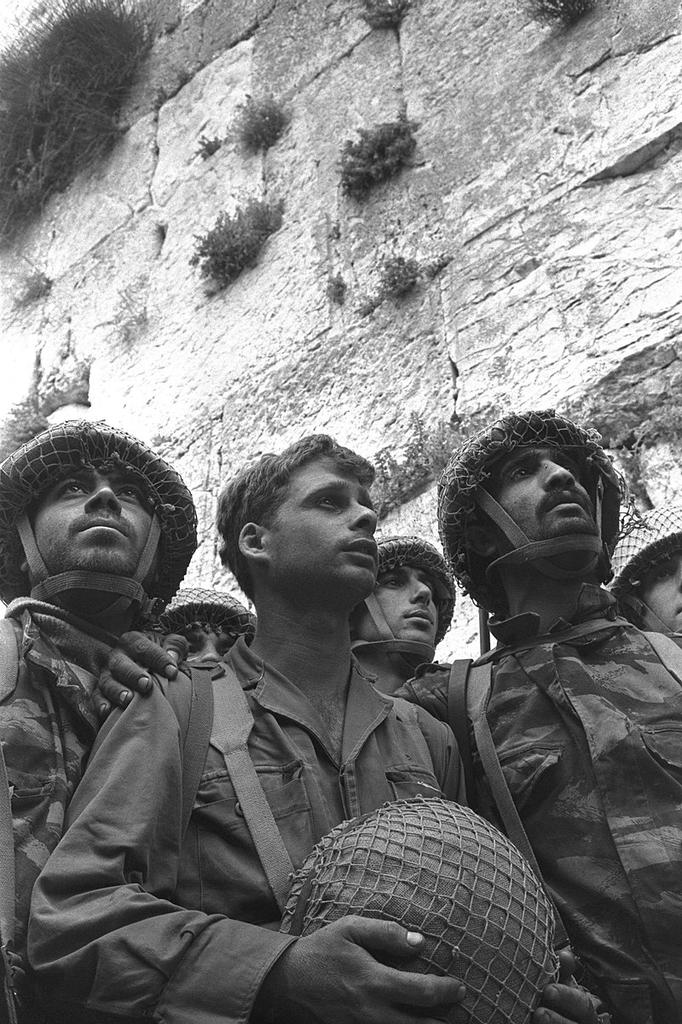
*** JERUSALEM DAY ***
כִּ֣י יִפָּלֵא֩ מִמְּךָ֨ דָבָ֜ר לַמִּשְׁפָּ֗ט בֵּֽין־דָּ֨ם ׀ לְדָ֜ם בֵּֽין־דִּ֣ין לְדִ֗ין וּבֵ֥ין נֶ֙גַע֙ לָנֶ֔גַע דִּבְרֵ֥י רִיבֹ֖ת בִּשְׁעָרֶ֑יךָ וְקַמְתָּ֣ וְעָלִ֔יתָ אֶל־הַמָּק֔וֹם אֲשֶׁ֥ר יִבְחַ֛ר ה' אֱלֹקֶ֖יךָ בּֽוֹ׃
If a case is too baffling for you to decide, be it a controversy over homicide, civil law, or assault—matters of dispute in your courts—you shall promptly repair to the place that your God ה' will have chosen,
וְלָקַחְתָּ֞ מֵרֵאשִׁ֣ית ׀ כָּל־פְּרִ֣י הָאֲדָמָ֗ה אֲשֶׁ֨ר תָּבִ֧יא מֵֽאַרְצְךָ֛ אֲשֶׁ֨ר ה' אֱלֹקֶ֛יךָ נֹתֵ֥ן לָ֖ךְ וְשַׂמְתָּ֣ בַטֶּ֑נֶא וְהָֽלַכְתָּ֙ אֶל־הַמָּק֔וֹם אֲשֶׁ֤ר יִבְחַר֙ ה' אֱלֹקֶ֔יךָ לְשַׁכֵּ֥ן שְׁמ֖וֹ שָֽׁם׃
you shall take some of every first fruit of the soil, which you harvest from the land that your God ה' is giving you, put it in a basket and go to the place where your God ה' will choose to establish the divine name.
וּשְׁתִיָּה הָיְתָה נִקְרֵאת. תָּנָא: שֶׁמִּמֶּנָּה הוּשְׁתַּת הָעוֹלָם. תְּנַן כְּמַאן דְּאָמַר מִצִּיּוֹן נִבְרָא הָעוֹלָם, דְּתַנְיָא, רַבִּי אֱלִיעֶזֶר אוֹמֵר: עוֹלָם מֵאֶמְצָעִיתוֹ נִבְרָא, שֶׁנֶּאֱמַר: ״בְּצֶקֶת עָפָר לַמּוּצָק וּרְגָבִים יְדוּבָּקוּ״.
§ The mishna taught that a stone sat in the Holy of Holies and it was called the foundation [shetiyya] rock. A Sage taught in the Tosefta: Why was it called shetiyya? It is because the world was created [hushtat] from it. The Gemara comments: We learned the mishna in accordance with the opinion of the one who said that the world was created from Zion. As it was taught in a baraita that Rabbi Eliezer says: The world was created from its center, as it is stated: “When the dust runs into a mass, and the clods cleave fast together” (Job 38:38). The world was created by adding matter to the center, like the formation of clumps of earth.
וַחֲכָמִים אוֹמְרִים: מִצִּיּוֹן נִבְרָא, שֶׁנֶּאֱמַר: ״מִזְמוֹר לְאָסָף אֵל אֱלֹקִים ה׳״. וְאוֹמֵר: ״מִצִּיּוֹן מִכְלַל יוֹפִי״ — מִמֶּנּוּ מוּכְלָל יׇפְיוֹ שֶׁל עוֹלָם.
And the Rabbis say: The world was created from Zion, as it is stated: “A Psalm of Asaph. God, the Lord God has spoken and called the earth, from the rising of the sun to its place of setting” (Psalms 50:1), and it states: “Out of Zion, the perfection of beauty, God has shined forth” (Psalms 50:2). The mishna is taught in accordance with this last opinion.

(יח) וַיָּבֹא־גָ֥ד אֶל־דָּוִ֖ד בַּיּ֣וֹם הַה֑וּא וַיֹּ֣אמֶר ל֗וֹ עֲלֵה֙ הָקֵ֤ם לַֽה' מִזְבֵּ֔חַ בְּגֹ֖רֶן (ארניה) [אֲרַ֥וְנָה] הַיְבֻסִֽי׃ (יט) וַיַּ֤עַל דָּוִד֙ כִּדְבַר־גָּ֔ד כַּאֲשֶׁ֖ר צִוָּ֥ה ה'׃ (כ) וַיַּשְׁקֵ֣ף אֲרַ֗וְנָה וַיַּ֤רְא אֶת־הַמֶּ֙לֶךְ֙ וְאֶת־עֲבָדָ֔יו עֹבְרִ֖ים עָלָ֑יו וַיֵּצֵ֣א אֲרַ֔וְנָה וַיִּשְׁתַּ֧חוּ לַמֶּ֛לֶךְ אַפָּ֖יו אָֽרְצָה׃ (כא) וַיֹּ֣אמֶר אֲרַ֔וְנָה מַדּ֛וּעַ בָּ֥א אֲדֹנִֽי־הַמֶּ֖לֶךְ אֶל־עַבְדּ֑וֹ וַיֹּ֨אמֶר דָּוִ֜ד לִקְנ֧וֹת מֵעִמְּךָ֣ אֶת־הַגֹּ֗רֶן לִבְנ֤וֹת מִזְבֵּ֙חַ֙ לַֽה' וְתֵעָצַ֥ר הַמַּגֵּפָ֖ה מֵעַ֥ל הָעָֽם׃ (כב) וַיֹּ֤אמֶר אֲרַ֙וְנָה֙ אֶל־דָּוִ֔ד יִקַּ֥ח וְיַ֛עַל אֲדֹנִ֥י הַמֶּ֖לֶךְ הַטּ֣וֹב בְּעֵינָ֑ו רְאֵה֙ הַבָּקָ֣ר לָעֹלָ֔ה וְהַמֹּרִגִּ֛ים וּכְלֵ֥י הַבָּקָ֖ר לָעֵצִֽים׃ (כג) הַכֹּ֗ל נָתַ֛ן אֲרַ֥וְנָה הַמֶּ֖לֶךְ לַמֶּ֑לֶךְ {ס} וַיֹּ֤אמֶר אֲרַ֙וְנָה֙ אֶל־הַמֶּ֔לֶךְ ה' אֱלֹקֶ֖יךָ יִרְצֶֽךָ׃ (כד) וַיֹּ֨אמֶר הַמֶּ֜לֶךְ אֶל־אֲרַ֗וְנָה לֹ֚א כִּֽי־קָנ֨וֹ אֶקְנֶ֤ה מֵאֽוֹתְךָ֙ בִּמְחִ֔יר וְלֹ֧א אַעֲלֶ֛ה לַה' אֱלֹקַ֖י עֹל֣וֹת חִנָּ֑ם וַיִּ֨קֶן דָּוִ֤ד אֶת־הַגֹּ֙רֶן֙ וְאֶת־הַבָּקָ֔ר בְּכֶ֖סֶף שְׁקָלִ֥ים חֲמִשִּֽׁים׃ (כה) וַיִּ֩בֶן֩ שָׁ֨ם דָּוִ֤ד מִזְבֵּ֙חַ֙ לַה' וַיַּ֥עַל עֹל֖וֹת וּשְׁלָמִ֑ים וַיֵּעָתֵ֤ר ה' לָאָ֔רֶץ וַתֵּעָצַ֥ר הַמַּגֵּפָ֖ה מֵעַ֥ל יִשְׂרָאֵֽל׃
(18) Gad came to David the same day and said to him, “Go and set up an altar to the LORD on the threshing floor of Araunah the Jebusite.” (19) David went up, following Gad’s instructions, as the LORD had commanded. (20) Araunah looked out and saw the king and his courtiers approaching him. So Araunah went out and bowed low to the king, with his face to the ground. (21) And Araunah asked, “Why has my lord the king come to his servant?” David replied, “To buy the threshing floor from you, that I may build an altar to the LORD and that the plague against the people may be checked.” (22) And Araunah said to David, “Let my lord the king take it and offer up whatever he sees fit. Here are oxen for a burnt offering, and the threshing boards and the gear of the oxen for wood. (23) All this, O king,-e Araunah gives to Your Majesty. And may the LORD your God,” Araunah added, “respond to you with favor!” (24) But the king replied to Araunah, “No, I will buy them from you at a price. I cannot sacrifice to the LORD my God burnt offerings that have cost me nothing.” So David bought the threshing floor and the oxen for fifty shekels of silver. (25) And David built there an altar to the LORD and sacrificed burnt offerings and offerings of well-being. The LORD responded to the plea for the land, and the plague against Israel was checked.
וַיָּ֣חֶל שְׁלֹמֹ֗ה לִבְנ֤וֹת אֶת־בֵּית־ה' בִּיר֣וּשָׁלַ֔͏ִם בְּהַר֙ הַמּ֣וֹרִיָּ֔ה אֲשֶׁ֥ר נִרְאָ֖ה לְדָוִ֣יד אָבִ֑יהוּ אֲשֶׁ֤ר הֵכִין֙ בִּמְק֣וֹם דָּוִ֔יד בְּגֹ֖רֶן אׇרְנָ֥ן הַיְבוּסִֽי׃
Then Solomon began to build the House of the LORD in Jerusalem on Mount Moriah, where [the LORD] had appeared to his father David, at the place which David had designated, at the threshing floor of Ornan the Jebusite.
(יח) וְ֠כֹל כְּלֵ֞י בֵּ֤ית הָאֱלֹקִים֙ הַגְּדֹלִ֣ים וְהַקְּטַנִּ֔ים וְאֹֽצְרוֹת֙ בֵּ֣ית ה' וְאֹצְר֥וֹת הַמֶּ֖לֶךְ וְשָׂרָ֑יו הַכֹּ֖ל הֵבִ֥יא בָבֶֽל׃ (יט) וַֽיִּשְׂרְפוּ֙ אֶת־בֵּ֣ית הָאֱלֹקִ֔ים וַֽיְנַתְּצ֔וּ אֵ֖ת חוֹמַ֣ת יְרוּשָׁלִָ֑ם וְכָל־אַרְמְנוֹתֶ֙יהָ֙ שָׂרְפ֣וּ בָאֵ֔שׁ וְכָל־כְּלֵ֥י מַחֲמַדֶּ֖יהָ לְהַשְׁחִֽית׃ (ס) (כ) וַיֶּ֛גֶל הַשְּׁאֵרִ֥ית מִן־הַחֶ֖רֶב אֶל־בָּבֶ֑ל וַֽיִּהְיוּ־ל֤וֹ וּלְבָנָיו֙ לַעֲבָדִ֔ים עַד־מְלֹ֖ךְ מַלְכ֥וּת פָּרָֽס׃
(18) All the vessels of the House of God, large and small, and the treasures of the House of the LORD and the treasures of the king and his officers were all brought to Babylon. (19) They burned the House of God and tore down the wall of Jerusalem, burned down all its mansions, and consigned all its precious objects to destruction. (20) Those who survived the sword he exiled to Babylon, and they became his and his sons’ servants till the rise of the Persian kingdom,
(א) עַ֥ל נַהֲר֨וֹת ׀ בָּבֶ֗ל שָׁ֣ם יָ֭שַׁבְנוּ גַּם־בָּכִ֑ינוּ בְּ֝זָכְרֵ֗נוּ אֶת־צִיּֽוֹן׃ (ב) עַֽל־עֲרָבִ֥ים בְּתוֹכָ֑הּ תָּ֝לִ֗ינוּ כִּנֹּרוֹתֵֽינוּ׃ (ג) כִּ֤י שָׁ֨ם שְֽׁאֵל֪וּנוּ שׁוֹבֵ֡ינוּ דִּבְרֵי־שִׁ֭יר וְתוֹלָלֵ֣ינוּ שִׂמְחָ֑ה שִׁ֥ירוּ לָ֝֗נוּ מִשִּׁ֥יר צִיּֽוֹן׃ (ד) אֵ֗יךְ נָשִׁ֥יר אֶת־שִׁיר־ה' עַ֝֗ל אַדְמַ֥ת נֵכָֽר׃ (ה) אִֽם־אֶשְׁכָּחֵ֥ךְ יְֽרוּשָׁלִָ֗ם תִּשְׁכַּ֥ח יְמִינִֽי׃ (ו) תִּדְבַּ֥ק־לְשׁוֹנִ֨י ׀ לְחִכִּי֮ אִם־לֹ֪א אֶ֫זְכְּרֵ֥כִי אִם־לֹ֣א אַ֭עֲלֶה אֶת־יְרוּשָׁלִַ֑ם עַ֝֗ל רֹ֣אשׁ שִׂמְחָתִֽי׃ (ז) זְכֹ֤ר ה' ׀ לִבְנֵ֬י אֱד֗וֹם אֵת֮ י֤וֹם יְֽרוּשָׁ֫לִָ֥ם הָ֭אֹ֣מְרִים עָ֤רוּ ׀ עָ֑רוּ עַ֝֗ד הַיְס֥וֹד בָּֽהּ׃ (ח) בַּת־בָּבֶ֗ל הַשְּׁד֫וּדָ֥ה אַשְׁרֵ֥י שֶׁיְשַׁלֶּם־לָ֑ךְ אֶת־גְּ֝מוּלֵ֗ךְ שֶׁגָּמַ֥לְתְּ לָֽנוּ׃ (ט) אַשְׁרֵ֤י ׀ שֶׁיֹּאחֵ֓ז וְנִפֵּ֬ץ אֶֽת־עֹ֝לָלַ֗יִךְ אֶל־הַסָּֽלַע׃
(1) By the rivers of Babylon, there we sat, sat and wept, as we thought of Zion. (2) There on the poplars we hung up our lyres, (3) for our captors asked us there for songs, our tormentors, for amusement, “Sing us one of the songs of Zion.” (4) How can we sing a song of the LORD on alien soil? (5) If I forget you, O Jerusalem, let my right hand wither; (6) let my tongue stick to my palate if I cease to think of you, if I do not keep Jerusalem in memory even at my happiest hour. (7) Remember, O LORD, against the Edomites the day of Jerusalem’s fall; how they cried, “Strip her, strip her to her very foundations!” (8) Fair Babylon, you predator, a blessing on him who repays you in kind what you have inflicted on us; (9) a blessing on him who seizes your babies and dashes them against the rocks!
(א) וּבִשְׁנַ֣ת אַחַ֗ת לְכ֙וֹרֶשׁ֙ מֶ֣לֶךְ פָּרַ֔ס לִכְל֥וֹת דְּבַר־ה' מִפִּ֣י יִרְמְיָ֑ה הֵעִ֣יר ה' אֶת־ר֙וּחַ֙ כֹּ֣רֶשׁ מֶֽלֶךְ־פָּרַ֔ס וַיַּֽעֲבֶר־קוֹל֙ בְּכָל־מַלְכוּת֔וֹ וְגַם־בְּמִכְתָּ֖ב לֵאמֹֽר׃ (ב) כֹּ֣ה אָמַ֗ר כֹּ֚רֶשׁ מֶ֣לֶךְ פָּרַ֔ס כֹּ֚ל מַמְלְכ֣וֹת הָאָ֔רֶץ נָ֣תַן לִ֔י ה' אֱלֹקֵ֣י הַשָּׁמָ֑יִם וְהֽוּא־פָקַ֤ד עָלַי֙ לִבְנֽוֹת־ל֣וֹ בַ֔יִת בִּירוּשָׁלִַ֖ם אֲשֶׁ֥ר בִּֽיהוּדָֽה׃ (ג) מִֽי־בָכֶ֣ם מִכָּל־עַמּ֗וֹ יְהִ֤י אֱלֹקָיו֙ עִמּ֔וֹ וְיַ֕עַל לִירוּשָׁלִַ֖ם אֲשֶׁ֣ר בִּיהוּדָ֑ה וְיִ֗בֶן אֶת־בֵּ֤ית ה' אֱלֹקֵ֣י יִשְׂרָאֵ֔ל ה֥וּא הָאֱלֹקִ֖ים אֲשֶׁ֥ר בִּירוּשָׁלִָֽם׃ (ד) וְכָל־הַנִּשְׁאָ֗ר מִֽכָּל־הַמְּקֹמוֹת֮ אֲשֶׁ֣ר ה֣וּא גָֽר־שָׁם֒ יְנַשְּׂא֙וּהוּ֙ אַנְשֵׁ֣י מְקֹמ֔וֹ בְּכֶ֥סֶף וּבְזָהָ֖ב וּבִרְכ֣וּשׁ וּבִבְהֵמָ֑ה עִם־הַ֨נְּדָבָ֔ה לְבֵ֥ית הָאֱלֹקִ֖ים אֲשֶׁ֥ר בִּירוּשָׁלִָֽם׃
(1) In the first year of King Cyrus of Persia, when the word of the LORD spoken by Jeremiah was fulfilled, the LORD roused the spirit of King Cyrus of Persia to issue a proclamation throughout his realm by word of mouth and in writing as follows: (2) “Thus said King Cyrus of Persia: The LORD God of Heaven has given me all the kingdoms of the earth and has charged me with building Him a house in Jerusalem, which is in Judah. (3) Anyone of you of all His people—may his God be with him, and let him go up to Jerusalem that is in Judah and build the House of the LORD God of Israel, the God that is in Jerusalem; (4) and all who stay behind, wherever he may be living, let the people of his place assist him with silver, gold, goods, and livestock, besides the freewill offering to the House of God that is in Jerusalem.”
היה עומד בחוץ לארץ יכוין את לבו כנגד ארץ ישראל שנאמר והתפללו אליך דרך ארצם היה עומד בארץ ישראל יכוין את לבו כנגד ירושלים שנאמר והתפללו אל ה׳ דרך העיר אשר בחרת היה עומד בירושלים יכוין את לבו כנגד בית המקדש שנאמר והתפללו אל הבית הזה היה עומד בבית המקדש יכוין את לבו כנגד בית קדשי הקדשים שנאמר והתפללו אל המקום הזה היה עומד בבית קדשי הקדשים יכוין את לבו כנגד בית הכפורת היה עומד אחורי בית הכפורת יראה עצמו כאילו לפני הכפורת נמצא עומד במזרח מחזיר פניו למערב במערב מחזיר פניו למזרח בדרום מחזיר פניו לצפון בצפון מחזיר פניו לדרום נמצאו כל ישראל מכוונין את לבם למקום אחד
One who was standing in prayer in the Diaspora, should focus his heart toward Eretz Yisrael, as it is stated: “And they shall pray to You by way of their land which You have given to their fathers” (I Kings 8:48).
One who was standing in Eretz Yisrael, should focus his heart toward Jerusalem, as it is stated: “And they shall pray to the Lord by way of the city that You have chosen” (I Kings 8:44). One who was standing in Jerusalem, should focus his heart toward the Temple, as it is stated: “And they shall pray toward this house” (II Chronicles 6:32). One who was standing in the Temple, should focus his heart toward the Holy of Holies, as it is stated: “And they shall pray toward this place” (I Kings 8:35). One who was standing in the Holy of Holies, should focus his heart toward the seat of the ark-cover [kapporet], atop the ark, the dwelling place of God’s glory. One who was standing behind the seat of the ark-cover, should visualize himself as if standing before the ark-cover and turn toward it. Consequently, one standing in prayer in the East turns to face west, and one standing in the West, turns to face east. One standing in the South, turns to face north, and one standing in the North, turns to face south; all of the people of Israel find themselves focusing their hearts toward one place, the Holy of Holies in the Temple.
התקוה
כֹּל עוֹד בַּלֵּבָב פְּנִימָהנֶפֶשׁ יְהוּדִי הוֹמִיָּה,וּלְפַאֲתֵי מִזְרָח, קָדִימָה,עַיִן לְצִיּוֹן צוֹפִיָּה,
עוֹד לֹא אָבְדָה תִּקְוָתֵנוּ,הַתִּקְוָה בַּת שְׁנוֹת אַלְפַּיִם,לִהְיוֹת עַם חָפְשִׁי בְּאַרְצֵנוּ,אֶרֶץ צִיּוֹן וִירוּשָׁלַיִם.
Hatikvah
As long as in the heart within, The Jewish soul yearns, And toward the eastern edges, onward, An eye gazes toward Zion.
Our hope is not yet lost, The hope that is two-thousand years old, To be a free nation in our land, The Land of Zion, Jerusalem.
(א) הַ֥לְלוּ־יָ֨הּ ׀ כִּי־ט֭וֹב זַמְּרָ֣ה אֱלֹקֵ֑ינוּ כִּי־נָ֝עִ֗ים נָאוָ֥ה תְהִלָּֽה׃ (ב) בּוֹנֵ֣ה יְרוּשָׁלַ֣͏ִם ה' נִדְחֵ֖י יִשְׂרָאֵ֣ל יְכַנֵּֽס׃
(1) Hallelujah. It is good to chant hymns to our God; it is pleasant to sing glorious praise. (2) The LORD rebuilds Jerusalem; He gathers in the exiles of Israel.
עֲשָׂרָה קַבִּים חׇכְמָה יָרְדוּ לָעוֹלָם תִּשְׁעָה נָטְלָה אֶרֶץ יִשְׂרָאֵל וְאֶחָד כׇּל הָעוֹלָם כּוּלּוֹ עֲשָׂרָה קַבִּים יוֹפִי יָרְדוּ לָעוֹלָם תִּשְׁעָה נָטְלָה יְרוּשָׁלַיִם וְאֶחָד כׇּל הָעוֹלָם כּוּלּוֹ עֲשָׂרָה קַבִּים עֲשִׁירוּת יָרְדוּ לָעוֹלָם תִּשְׁעָה נָטְלָה רוֹמִי וְאֶחָד כׇּל הָעוֹלָם כּוּלּוֹ עֲשָׂרָה קַבִּים עֲנִיּוּת יָרְדוּ לָעוֹלָם תִּשְׁעָה נָטְלָה בָּבֶל וְאֶחָד כׇּל הָעוֹלָם כּוּלּוֹ עֲשָׂרָה קַבִּים גַּסּוּת יָרְדוּ לָעוֹלָם תִּשְׁעָה נָטְלָה עֵילָם וְאֶחָד כׇּל הָעוֹלָם כּוּלּוֹ
§ Apropos the discussion with regard to various attributes, the Gemara cites a related statement: Ten kav of wisdom descended to the world; Eretz Yisrael took nine of them and all the rest of the world took one. Ten kav of beauty descended to the world; Jerusalem took nine and all the rest of the world in its entirety took one. Ten kav of wealth descended to the world; Rome took nine and all the rest of the world in its entirety took one. Ten kav of poverty descended to the world; Babylonia took nine and all the rest of the world in its entirety took one. Ten kav of arrogance descended to the world; Eilam took nine and all the rest of the world in its entirety took one.