


- The duties of the head priest on Yom Kippur
- Yom Kippuur laws for fasting and atonement
- Warnings against offering sacrifices outside the Mishkan
- Laws of forbidden sexual relations
- A variety of commandments, on how to be a holy people
- Sexual offenses and their punishments
- Amos: a prophecy of redemption and return to the land
- Yechezkel: a historic account of the redemption from Egypt and how the Israelites have sinned; ending with Shabbat as the convenant between God and Israel
(14) I will restore My people Israel. They shall rebuild ruined cities and inhabit them; they shall plant vineyards and drink their wine; they shall till gardens and eat their fruits. (15) And I will plant them upon their soil, nevermore to be uprooted from the soil I have given them—said the LORD your God.
*** ACHAREI MOT ***
(ז) וְלָקַ֖ח אֶת־שְׁנֵ֣י הַשְּׂעִירִ֑ם וְהֶעֱמִ֤יד אֹתָם֙ לִפְנֵ֣י ה' פֶּ֖תַח אֹ֥הֶל מוֹעֵֽד׃ (ח) וְנָתַ֧ן אַהֲרֹ֛ן עַל־שְׁנֵ֥י הַשְּׂעִירִ֖ם גֹּרָל֑וֹת גּוֹרָ֤ל אֶחָד֙ לַה' וְגוֹרָ֥ל אֶחָ֖ד לַעֲזָאזֵֽל׃ (ט) וְהִקְרִ֤יב אַהֲרֹן֙ אֶת־הַשָּׂעִ֔יר אֲשֶׁ֨ר עָלָ֥ה עָלָ֛יו הַגּוֹרָ֖ל לַה' וְעָשָׂ֖הוּ חַטָּֽאת׃ (י) וְהַשָּׂעִ֗יר אֲשֶׁר֩ עָלָ֨ה עָלָ֤יו הַגּוֹרָל֙ לַעֲזָאזֵ֔ל יׇֽעֳמַד־חַ֛י לִפְנֵ֥י ה' לְכַפֵּ֣ר עָלָ֑יו לְשַׁלַּ֥ח אֹת֛וֹ לַעֲזָאזֵ֖ל הַמִּדְבָּֽרָה׃
(7) Aaron shall take the two he-goats and let them stand before ה' at the entrance of the Tent of Meeting; (8) and he shall place lots upon the two goats, one marked for ה' and the other marked for Azazel. (9) Aaron shall bring forward the goat designated by lot for ה', which he is to offer as a sin offering; (10) while the goat designated by lot for Azazel shall be left standing alive before ה', to make expiation with it and to send it off to the wilderness for Azazel.
(כ) וְכִלָּה֙ מִכַּפֵּ֣ר אֶת־הַקֹּ֔דֶשׁ וְאֶת־אֹ֥הֶל מוֹעֵ֖ד וְאֶת־הַמִּזְבֵּ֑חַ וְהִקְרִ֖יב אֶת־הַשָּׂעִ֥יר הֶחָֽי׃ (כא) וְסָמַ֨ךְ אַהֲרֹ֜ן אֶת־שְׁתֵּ֣י יָדָ֗ו עַ֣ל רֹ֣אשׁ הַשָּׂעִיר֮ הַחַי֒ וְהִתְוַדָּ֣ה עָלָ֗יו אֶת־כׇּל־עֲוֺנֹת֙ בְּנֵ֣י יִשְׂרָאֵ֔ל וְאֶת־כׇּל־פִּשְׁעֵיהֶ֖ם לְכׇל־חַטֹּאתָ֑ם וְנָתַ֤ן אֹתָם֙ עַל־רֹ֣אשׁ הַשָּׂעִ֔יר וְשִׁלַּ֛ח בְּיַד־אִ֥ישׁ עִתִּ֖י הַמִּדְבָּֽרָה׃ (כב) וְנָשָׂ֨א הַשָּׂעִ֥יר עָלָ֛יו אֶת־כׇּל־עֲוֺנֹתָ֖ם אֶל־אֶ֣רֶץ גְּזֵרָ֑ה וְשִׁלַּ֥ח אֶת־הַשָּׂעִ֖יר בַּמִּדְבָּֽר׃
(20) When he has finished purging the Shrine, the Tent of Meeting, and the altar, the live goat shall be brought forward. (21) Aaron shall lay both his hands upon the head of the live goat and confess over it all the iniquities and transgressions of the Israelites, whatever their sins, putting them on the head of the goat; and it shall be sent off to the wilderness through a designated agent. (22) Thus the goat shall carry on it all their iniquities to an inaccessible region; and the goat shall be set free in the wilderness.
עזאזל. הוּא הַר עַז וְקָשֶׁה, צוּק גָּבוֹהַּ, שֶׁנֶּאֱמַר אֶרֶץ גְזֵרָה — חֲתוּכָה:
עזאזל AZAZEL — (The word is taken to be a compound of עזז "to be strong" and אל "mighty"). It was a precipitous and flinty rock — a towering peak, for it is said (v. 22) "[and the goat shall bear upon it their iniquities into] an גזר) "ארץ גזרה means to cut) — into a craggy land (Yoma 67b).
גרלות. ידועים מדברי קבלת אבותינו. אמר הגאון כי עזאזל שם הר ונקרא כן בעבור שהוא תקיף כי טעם זכר השם כטעם הררי אל יקותיאל ...
ואם יכולת להבין הסוד שהוא אחר מלת עזאזל תדע סודו וסוד שמו כי יש לו חברים במקרא ואני אגלה לך קצת הסוד ברמז בהיותך בן שלשים ושלש תדענו:
LOTS. We know what they are from the words of our sages. The Gaon says that Azazel is the name of a mountain. It is so called because of its might. God’s name is mentioned in Azazel as it is in ke-harere el (the mighty mountains) (Ps. 36:7) and in yakti’el (Joktheel) (II Kings 14:7) ...
If you are able to understand the secret that follows Azazel then you will know its secret and the secret of its name, for it has comrades in Scripture. I will reveal a bit of its secret to you in a hint. When you are thirty-three, you will understand it.
ואין ספק לאדם שהחטאים אינם משאות שיעתקו מגב איש אחד לגב איש אחר אבל אלו המעשים כולם משלים להביא מורא בנפש עד שתתפעל לתשובה - כלומר שכל מה שקדם ממעשינו נקינו מהם והשלכנום אחרי גוינו והרחקנום תכלית ההרחקה:
There is no doubt that sins cannot be carried like a burden, and taken off the shoulder of one being to be laid on that of another being. But these ceremonies are of a symbolic character, and serve to impress men with a certain idea, and to induce them to repent; as if to say, we have freed ourselves of our previous deeds, have cast them behind our backs, and removed them from us as far as possible.
*** PATH TO HOLINESS ***
(א) וַיְדַבֵּ֥ר ה' אֶל־מֹשֶׁ֥ה לֵּאמֹֽר׃ (ב) דַּבֵּ֞ר אֶל־כׇּל־עֲדַ֧ת בְּנֵי־יִשְׂרָאֵ֛ל וְאָמַרְתָּ֥ אֲלֵהֶ֖ם קְדֹשִׁ֣ים תִּהְי֑וּ כִּ֣י קָד֔וֹשׁ אֲנִ֖י ה' אֱלֹקֵיכֶֽם׃
(1) ה' spoke to Moses, saying: (2) Speak to the whole Israelite community and say to them: You shall be holy, for I, your God ה', am holy.
והקדים הכתוב כאן אל כל עדת בני ישראל באשר אין פרישת כל אדם שוה ותורת כל אחד לבדו בידו לפי טבע גופו והליכות ביתו וכדומה וכ״כ הה״מ שלהי הל׳ שכנים יע״ש מש״ה כתיב דמכל מקום הכל מוזהרים איש לפי ערכו. משא״כ כל המצות הדבר ידוע שהכל שוים:
The Torah wrote here TO THE WHOLE ISRAELITE COMMUNITY, because no person is equal to another person, and each person has his own Torah according to his physical disposition and his ways, etc. And this is why each person is told individually to be holy, each according to his own value. This is not so with other mitzvot, for which all people are equal.
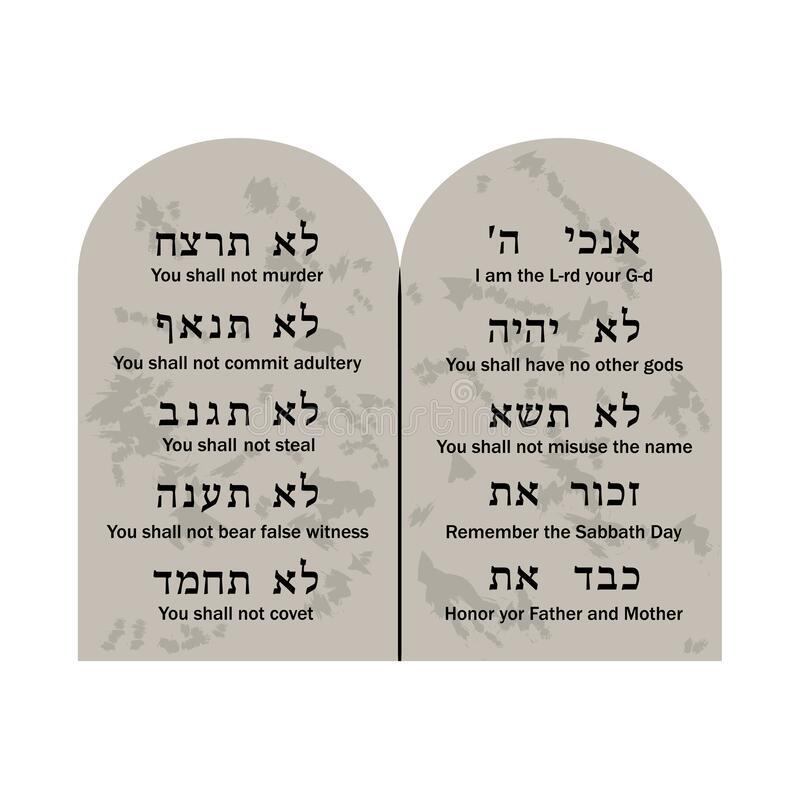
(ג) אִ֣ישׁ אִמּ֤וֹ וְאָבִיו֙ תִּירָ֔אוּ וְאֶת־שַׁבְּתֹתַ֖י תִּשְׁמֹ֑רוּ אֲנִ֖י ה' אֱלֹקֵיכֶֽם׃
(3) You shall each revere your mother and your father, and keep My sabbaths: I ה' am your God.
*** REVERING PARENTS ***
אִ֣ישׁ אִמּ֤וֹ וְאָבִיו֙ תִּירָ֔אוּ וְאֶת־שַׁבְּתֹתַ֖י תִּשְׁמֹ֑רוּ אֲנִ֖י ה' אֱלֹקֵיכֶֽם׃
You shall each revere your mother and your father, and keep My sabbaths: I ה' am your God.
תָּנוּ רַבָּנַן אֵיזֶהוּ מוֹרָא וְאֵיזֶהוּ כִּיבּוּד מוֹרָא לֹא עוֹמֵד בִּמְקוֹמוֹ וְלֹא יוֹשֵׁב בִּמְקוֹמוֹ וְלֹא סוֹתֵר אֶת דְּבָרָיו וְלֹא מַכְרִיעוֹ כִּיבּוּד מַאֲכִיל וּמַשְׁקֶה מַלְבִּישׁ וּמְכַסֶּה מַכְנִיס וּמוֹצִיא
The Sages taught: What is fear and what is honor? Fear of one’s father includes the following: One may not stand in his father’s fixed place, and may not sit in his place, and may not contradict his statements by expressing an opinion contrary to that of his father, and he may not choose sides when his father argues with someone else. What is considered honor? He gives his father food and drink, dresses and covers him, and brings him in and takes him out for all his household needs.
אֶת־שַׁבְּתֹתַ֣י תִּשְׁמֹ֔רוּ וּמִקְדָּשִׁ֖י תִּירָ֑אוּ אֲנִ֖י ה'׃
You shall keep My sabbaths and venerate My sanctuary: I am ה'.
וְכֵן בְּדִין שֶׁשְּׁלָשְׁתָּן שׁוּתָּפִין בּוֹ תָּנוּ רַבָּנַן שְׁלֹשָׁה שׁוּתָּפִין הֵן בָּאָדָם הַקָּדוֹשׁ בָּרוּךְ הוּא וְאָבִיו וְאִמּוֹ בִּזְמַן שֶׁאָדָם מְכַבֵּד אֶת אָבִיו וְאֶת אִמּוֹ אָמַר הַקָּדוֹשׁ בָּרוּךְ הוּא מַעֲלֶה אֲנִי עֲלֵיהֶם כְּאִילּוּ דַּרְתִּי בֵּינֵיהֶם וְכִבְּדוּנִי
And so too, the equating of one’s attitude toward his parents to his attitude toward God is a logical derivation, as the three of them are partners in his creation. As the Sages taught: There are three partners in the forming of a person: The Holy One, Blessed be He, who provides the soul, and his father and his mother. When a person honors his father and mother, the Holy One, Blessed be He, says: I ascribe credit to them as if I dwelt between them and they honor Me as well.
*** ORLAH ***
(כג) וְכִי־תָבֹ֣אוּ אֶל־הָאָ֗רֶץ וּנְטַעְתֶּם֙ כׇּל־עֵ֣ץ מַאֲכָ֔ל וַעֲרַלְתֶּ֥ם עׇרְלָת֖וֹ אֶת־פִּרְי֑וֹ שָׁלֹ֣שׁ שָׁנִ֗ים יִהְיֶ֥ה לָכֶ֛ם עֲרֵלִ֖ים לֹ֥א יֵאָכֵֽל׃ (כד) וּבַשָּׁנָה֙ הָרְבִיעִ֔ת יִהְיֶ֖ה כׇּל־פִּרְי֑וֹ קֹ֥דֶשׁ הִלּוּלִ֖ים לַה'׃ (כה) וּבַשָּׁנָ֣ה הַחֲמִישִׁ֗ת תֹּֽאכְלוּ֙ אֶת־פִּרְי֔וֹ לְהוֹסִ֥יף לָכֶ֖ם תְּבוּאָת֑וֹ אֲנִ֖י ה' אֱלֹקֵיכֶֽם׃
(23) When you enter the land and plant any tree for food, you shall regard its fruit as forbidden. Three years it shall be forbidden for you, not to be eaten. (24) In the fourth year all its fruit shall be set aside for jubilation before God (25) and only in the fifth year may you use its fruit—that its yield to you may be increased: I ה' am your God.
וּמַלְתֶּ֕ם אֵ֖ת עׇרְלַ֣ת לְבַבְכֶ֑ם וְעׇ֨רְפְּכֶ֔ם לֹ֥א תַקְשׁ֖וּ עֽוֹד׃
Cut away the thickening about your hearts and stiffen your necks no more.
עַל־מִ֨י אֲדַבְּרָ֤ה וְאָעִ֙ידָה֙ וְיִשְׁמָ֔עוּ הִנֵּה֙ עֲרֵלָ֣ה אׇזְנָ֔ם וְלֹ֥א יוּכְל֖וּ לְהַקְשִׁ֑יב הִנֵּ֣ה דְבַר־ה' הָיָ֥ה לָהֶ֛ם לְחֶרְפָּ֖ה לֹ֥א יַחְפְּצוּ־בֽוֹ׃
To whom shall I speak, give warning that they may hear? Their ears are blocked and they cannot listen. See, the word of the LORD has become for them an object of scorn; they will have none of it.
(א) וַיְדַבֵּ֥ר ה' אֶל־מֹשֶׁ֥ה לֵּאמֹֽר׃ (ב) דַּבֵּ֞ר אֶל־בְּנֵ֤י יִשְׂרָאֵל֙ לֵאמֹ֔ר אִשָּׁה֙ כִּ֣י תַזְרִ֔יעַ וְיָלְדָ֖ה זָכָ֑ר וְטָֽמְאָה֙ שִׁבְעַ֣ת יָמִ֔ים כִּימֵ֛י נִדַּ֥ת דְּוֺתָ֖הּ תִּטְמָֽא׃ (ג) וּבַיּ֖וֹם הַשְּׁמִינִ֑י יִמּ֖וֹל בְּשַׂ֥ר עׇרְלָתֽוֹ׃
(1) ה' spoke to Moses, saying: (2) Speak to the Israelite people thus: When a woman at childbirth bears a male, she shall be impure seven days; she shall be impure as at the time of her condition of menstrual separation.— (3) On the eighth day the flesh of his foreskin shall be circumcised.—
וערלתם ערלתו את פריו ֿ... והנה אין הפרי בתוך שלש שנים ראוי להקריבו לפני השם הנכבד לפי שהוא מועט ואין האילן נותן בפריו טעם או ריח טוב בתוך שלש שנים ורובן לא יוציאו פירות כלל עד השנה הרביעית ולכך נמתין לכולן ולא נטעום מהם עד שנביא מן הנטע שנטענו כל פריו הראשון הטוב קדש לפני השם ...
VA’ARALTEM ORLATHO’ THE FRUIT THEREOF. ... Now the fruit of the first three years is not fit to be brought before the Glorious Name because it is small; neither does the tree in its first three years impart good taste or flavor into its fruit. Besides, most trees do not bring forth fruit at all until the fourth year. Therefore we are to wait with all of them [an equal period of time], and are not to taste of their fruit until we have brought of the planting which we have done, all its first good fruit to be holy before G-d ...
*** EATING BLOOD ***
(כו) לֹ֥א תֹאכְל֖וּ עַל־הַדָּ֑ם לֹ֥א תְנַחֲשׁ֖וּ וְלֹ֥א תְעוֹנֵֽנוּ׃
(26) You shall not eat anything with its blood. You shall not practice divination or soothsaying.
לא תנחשו ולא תעוננו - אף זה יעשו כחקות הגוים שאוכלים על קבר ההרוג לשם מכשפות שלא ינקום, או מכשפות אחר כעין שאנו אומרים במסמר מן הצלוב. ורבותינו דרשוהו בכמה ענינים במסכת סנהדרין.
לא תנחשו ולא תעוננו, warned against these gentile practices the Jews would also engage in such practices as eating on the grave of the slain for the sake of protecting themselves against the vengeance by the spirit of the murdered person (particularly murdered witches). The Talmud Sanhedrin 63 lists a number of possible scenarios described by our verse.
דתניא מנין לאוכל מן הבהמה קודם שתצא נפשה שהוא בלא תעשה תלמוד לומר (ויקרא יט, כו) לא תאכלו על הדם
דבר אחר לא תאכלו על הדם לא תאכלו בשר ועדיין דם במזרק
רבי דוסא אומר מניין שאין מברין על הרוגי ב"ד ת"ל לא תאכלו על הדם
ר' עקיבא אומר מנין לסנהדרין שהרגו את הנפש שאין טועמין כלום כל אותו היום ת"ל לא תאכלו על הדם
(אמר רבי יוחנן) אזהרה לבן סורר ומורה מנין ת"ל לא תאכלו על הדם
From where is it derived that one who eats from an animal before its soul departs is in transgression of a prohibition? The verse states: “You shall not eat with the blood” (Leviticus 19:26), meaning, you shall not eat from the animal while its soul, which is referred to in the Torah as blood, is still within it.
The baraita adds: Another matter is derived from the verse “You shall not eat with the blood”: You shall not eat the meat of an offering while its blood is still in the bowl, as it has not yet been sprinkled on the altar. The meat of an offering may be eaten by the priests only after its blood is sprinkled.
The baraita continues: Rabbi Dosa says: From where is it derived that although in general, after a deceased person is buried, the mourners are provided by others with a meal, others do not provide the mourners with a meal after the burial of those executed by the court? The verse states: “You shall not eat with the blood,” which is interpreted to mean: You shall not eat a mourners’ meal after the burial of one who was executed.
Rabbi Akiva says: From where is it derived with regard to a Sanhedrin that killed a soul, i.e., that sentenced a person to death, that the judges may not taste anything that entire day that they sentenced him? The verse states: “You shall not eat with the blood.”
Rabbi Yoḥanan says: From where is the prohibition against the behavior of a stubborn and rebellious son derived? While the Torah states the punishment given to a stubborn and rebellious son, the prohibition against his actions, namely, stealing money from his parents in order to eat a gluttonous meal of meat and wine in the company of lowly men, is not explicit. The verse states: “You shall not eat with the blood,” which is interpreted to mean that one may not eat in a manner that is punishable by death. This concludes the baraita.
(לא) וַיַּכּ֞וּ בַּיּ֤וֹם הַהוּא֙ בַּפְּלִשְׁתִּ֔ים מִמִּכְמָ֖שׂ אַיָּלֹ֑נָה וַיָּ֥עַף הָעָ֖ם מְאֹֽד׃ (לב) (ויעש) [וַיַּ֤עַט] הָעָם֙ אֶל־[הַשָּׁלָ֔ל] (שלל) וַיִּקְח֨וּ צֹ֧אן וּבָקָ֛ר וּבְנֵ֥י בָקָ֖ר וַיִּשְׁחֲטוּ־אָ֑רְצָה וַיֹּ֥אכַל הָעָ֖ם עַל־הַדָּֽם׃ (לג) וַיַּגִּ֤ידוּ לְשָׁאוּל֙ לֵאמֹ֔ר הִנֵּ֥ה הָעָ֛ם חֹטִ֥אים לַה' לֶאֱכֹ֣ל עַל־הַדָּ֑ם וַיֹּ֣אמֶר בְּגַדְתֶּ֔ם גֹּלּוּ־אֵלַ֥י הַיּ֖וֹם אֶ֥בֶן גְּדוֹלָֽה׃ (לד) וַיֹּ֣אמֶר שָׁא֣וּל פֻּ֣צוּ בָעָ֡ם וַאֲמַרְתֶּ֣ם לָהֶ֡ם הַגִּ֣ישׁוּ אֵלַי֩ אִ֨ישׁ שׁוֹר֜וֹ וְאִ֣ישׁ שְׂיֵ֗הוּ וּשְׁחַטְתֶּ֤ם בָּזֶה֙ וַאֲכַלְתֶּ֔ם וְלֹא־תֶחֶטְא֥וּ לַה' לֶאֱכֹ֣ל אֶל־הַדָּ֑ם וַיַּגִּ֨שׁוּ כׇל־הָעָ֜ם אִ֣ישׁ שׁוֹר֧וֹ בְיָד֛וֹ הַלַּ֖יְלָה וַיִּשְׁחֲטוּ־שָֽׁם׃ (לה) וַיִּ֧בֶן שָׁא֛וּל מִזְבֵּ֖חַ לַה' אֹת֣וֹ הֵחֵ֔ל לִבְנ֥וֹת מִזְבֵּ֖חַ לַה'׃ {פ}
(31) They struck down the Philistines that day from Michmas to Aijalon, and the troops were famished. (32) The troops pounced on the spoil; they took the sheep and cows and calves and slaughtered them on the ground, and the troops ate with the blood. (33) When it was reported to Saul that the troops were sinning against the LORD, eating with the blood, he said, “You have acted faithlessly. Roll a large stone over to me today.” (34) And Saul ordered, “Spread out among the troops and tell them that everyone must bring me his ox or his sheep and slaughter it here, and then eat. You must not sin against the LORD and eat with the blood.” Every one of the troops brought his own ox with him-l that night and slaughtered it there. (35) Thus Saul set up an altar to the LORD; it was the first altar he erected to the LORD.
לא תאכלו על הדם להרבה פנים נדרש בסנהדרין (סג) לשון רש"י (רש"י על ויקרא י״ט:כ״ו) והעולה משם לפי הסוגיא שהם כולם מן התורה שכלל הכתוב כל אכילת הדם בלאו אחד ואם כן מה שאמר הכתוב בשאול (שמואל א יד לג) הנה העם חוטאים לה' לאכול על הדם שהיו חוטאים באחד מן השמות הנכללים בלאו הזה כי היו אוכלים מן הבהמה קודם שתצא נפשה ... והעם היו שואלים בשדים או בכשפים לדעת דרכם ומעשיהם ואוכלים על הדם לעשות המעשה ההוא ולכך אמר הכתוב (שם פסוק לג) ויגידו לשאול לאמר הנה העם חוטאים לה' לאכול על הדם ויאמר בגדתם לומר הנה השם עשה לכם תשועה גדולה היום ואתם שואלים ללא אלקים בגידה היא זו ועוד אפרש איסור מעונן ומנחש (דברים יח ט):
YE SHALL NOT EAT WITH THE BLOOD. “This passage has been explained in many different ways in Tractate Sanhedrin.” This is the language of Rashi. Now the conclusion of that discussion in the Talmud is that all those interpretations [of the verse before us] are Torah-ordained, since Scripture included all manner of “eating with the blood” in one negative commandment. And if so, that which Scripture states in the case of Saul, Behold, the people sin against the Eternal, in that they eat with the blood, means that they transgressed one of the prohibitions included in this negative commandment, since they were eating of an animal [slaughtered properly] before its life had entirely left it ... while the people were inquiring of the satyrs or of witchcraft to know their way and what to do, and they were eating with the blood in order to perform that craft [mentioned above]. It is for this reason that Scripture there states, Then they told Saul, saying: ‘Behold, the people sin against the Eternal, in that they eat with the blood.’ And he said: ‘Ye have dealt treacherously,’ meaning to say: “Behold, G-d has wrought for you this day this great salvation, and you inquire of no-gods! It is treachery!” I will yet explain the prohibition against soothsaying and enchanting.
(יט) רֵאשִׁ֗ית בִּכּוּרֵי֙ אַדְמָ֣תְךָ֔ תָּבִ֕יא בֵּ֖ית ה' אֱלֹקֶ֑יךָ לֹֽא־תְבַשֵּׁ֥ל גְּדִ֖י בַּחֲלֵ֥ב אִמּֽוֹ׃ {פ}
(19) The choice first fruits of your soil you shall bring to the house of your God ה'. You shall not boil a kid in its mother’s milk.
(כח) וְשׁ֖וֹר אוֹ־שֶׂ֑ה אֹת֣וֹ וְאֶת־בְּנ֔וֹ לֹ֥א תִשְׁחֲט֖וּ בְּי֥וֹם אֶחָֽד׃
(28) However, no animal from the herd or from the flock shall be slaughtered on the same day with its young.
(ז) שַׁלֵּ֤חַ תְּשַׁלַּח֙ אֶת־הָאֵ֔ם וְאֶת־הַבָּנִ֖ים תִּֽקַּֽח־לָ֑ךְ לְמַ֙עַן֙ יִ֣יטַב לָ֔ךְ וְהַאֲרַכְתָּ֖ יָמִֽים׃ {ס}
(7) Let the mother go, and take only the young, in order that you may fare well and have a long life.
*** LOVE YOUR FELLOW ***
(יח) לֹֽא־תִקֹּ֤ם וְלֹֽא־תִטֹּר֙ אֶת־בְּנֵ֣י עַמֶּ֔ךָ וְאָֽהַבְתָּ֥ לְרֵעֲךָ֖ כָּמ֑וֹךָ אֲנִ֖י ה'׃
(18) You shall not take vengeance or bear a grudge against members of your people. Love your fellow as yourself: I am ה'.
וְאָהַבְתָּ לְרֵעֲךָ כָּמוֹךָ. רִבִּי עֲקִיבָה אוֹמֵר. זֶהוּ כְּלָל גָּדוֹל בַּתּוֹרָה. בֶּן עַזַּאי אוֹמֵר. זֶה סֵפֶר תּוֹלְדוֹת אָדָם זֶה כְּלָל גָּדוֹל מִזֶּה.
“You shall love your neighbor as yourself”. Rebbi Aqiba says, that is a great principle in the Torah. Ben Azzai says, “this is the book of the descent of man” is a more important principle.
אָמְרוּ: שְׁנֵים עָשָׂר אָלֶף זוּגִים תַּלְמִידִים הָיוּ לוֹ לְרַבִּי עֲקִיבָא מִגְּבָת עַד אַנְטִיפְרַס, וְכוּלָּן מֵתוּ בְּפֶרֶק אֶחָד, מִפְּנֵי שֶׁלֹּא נָהֲגוּ כָּבוֹד זֶה לָזֶה. וְהָיָה הָעוֹלָם שָׁמֵם, עַד שֶׁבָּא רַבִּי עֲקִיבָא אֵצֶל רַבּוֹתֵינוּ שֶׁבַּדָּרוֹם וּשְׁנָאָהּ לָהֶם: רַבִּי מֵאִיר, וְרַבִּי יְהוּדָה, וְרַבִּי יוֹסֵי, וְרַבִּי שִׁמְעוֹן, וְרַבִּי אֶלְעָזָר בֶּן שַׁמּוּעַ, וְהֵם הֵם הֶעֱמִידוּ תּוֹרָה אוֹתָהּ שָׁעָה. תָּנָא, כּוּלָּם מֵתוּ מִפֶּסַח וְעַד עֲצֶרֶת. אָמַר רַב חָמָא בַּר אַבָּא וְאִיתֵּימָא רַבִּי חִיָּיא בַּר אָבִין: כּוּלָּם מֵתוּ מִיתָה רָעָה. מַאי הִיא? אָמַר רַב נַחְמָן: אַסְכָּרָה.
Rabbi Akiva says that the verse should be understood as follows: If one studied Torah in his youth he should study more Torah in his old age; if he had students in his youth he should have additional students in his old age, as it is stated: “In the morning sow your seed, etc.” They said by way of example that Rabbi Akiva had twelve thousand pairs of students in an area of land that stretched from Gevat to Antipatris in Judea, and they all died in one period of time, because they did not treat each other with respect. And the world was desolate of Torah until Rabbi Akiva came to our Rabbis in the South and taught his Torah to them. This second group of disciples consisted of Rabbi Meir, Rabbi Yehuda, Rabbi Yosei, Rabbi Shimon, and Rabbi Elazar ben Shamua. And these are the very ones who upheld the study of Torah at that time. Although Rabbi Akiva’s earlier students did not survive, his later disciples were able to transmit the Torah to future generations. With regard to the twelve thousand pairs of Rabbi Akiva’s students, the Gemara adds: It is taught that all of them died in the period from Passover until Shavuot. Rav Ḥama bar Abba said, and some say it was Rabbi Ḥiyya bar Avin: They all died a bad death. The Gemara inquires: What is it that is called a bad death? Rav Naḥman said: Diphtheria.
אֲמַר לֵיהּ מֵיזָל אָזֵילְנָא וְאִינָשׁ אַחֲרִינָא מְשַׁדַּרְנָא אֶלָּא בָּעֵי מִינַּאי מִידֵּי דְּאֶתֵּן לָךְ אֲמַר לֵיהּ תֵּן לִי יַבְנֶה וַחֲכָמֶיהָ וְשׁוּשִׁילְתָּא דְּרַבָּן גַּמְלִיאֵל וְאָסְווֹתָא דְּמַסַּיִין לֵיהּ לְרַבִּי צָדוֹק קָרֵי עֲלֵיהּ רַב יוֹסֵף וְאִיתֵּימָא רַבִּי עֲקִיבָא מֵשִׁיב חֲכָמִים אָחוֹר וְדַעְתָּם יְסַכֵּל אִיבְּעִי לְמֵימַר לֵיהּ לִשְׁבְּקִינְהוּ הָדָא זִימְנָא
Vespasian then said to Rabban Yoḥanan ben Zakkai: I will be going to Rome to accept my new position, and I will send someone else in my place to continue besieging the city and waging war against it. But before I leave, ask something of me that I can give you. Rabban Yoḥanan ben Zakkai said to him: Give me Yavne and its Sages and do not destroy it, and spare the dynasty of Rabban Gamliel and do not kill them as if they were rebels, and lastly give me doctors to heal Rabbi Tzadok. Rav Yosef read the following verse about him, and some say that it was Rabbi Akiva who applied the verse to Rabban Yoḥanan ben Zakkai: “I am the Lord…Who turns wise men backward and makes their knowledge foolish” (Isaiah 44:25), as he should have said to him to leave the Jews alone this time.
שׁוּב מַעֲשֶׂה בְּגוֹי אֶחָד שֶׁבָּא לִפְנֵי שַׁמַּאי. אָמַר לוֹ: גַּיְּירֵנִי עַל מְנָת שֶׁתְּלַמְּדֵנִי כׇּל הַתּוֹרָה כּוּלָּהּ כְּשֶׁאֲנִי עוֹמֵד עַל רֶגֶל אַחַת! דְּחָפוֹ בְּאַמַּת הַבִּנְיָן שֶׁבְּיָדוֹ. בָּא לִפְנֵי הִלֵּל, גַּיְירֵיהּ. אָמַר לוֹ: דַּעֲלָךְ סְנֵי לְחַבְרָךְ לָא תַּעֲבֵיד — זוֹ הִיא כׇּל הַתּוֹרָה כּוּלָּהּ, וְאִידַּךְ פֵּירוּשַׁהּ הוּא, זִיל גְּמוֹר.
There was another incident involving one gentile who came before Shammai and said to Shammai: Convert me on condition that you teach me the entire Torah while I am standing on one foot. Shammai pushed him away with the builder’s cubit in his hand. This was a common measuring stick and Shammai was a builder by trade. The same gentile came before Hillel. He converted him and said to him: That which is hateful to you do not do to another; that is the entire Torah, and the rest is its interpretation. Go study.
(ד) הוּא הָיָה אוֹמֵר, עֲשֵׂה רְצוֹנוֹ כִרְצוֹנְךָ, כְּדֵי שֶׁיַּעֲשֶׂה רְצוֹנְךָ כִרְצוֹנוֹ. בַּטֵּל רְצוֹנְךָ מִפְּנֵי רְצוֹנוֹ, כְּדֵי שֶׁיְּבַטֵּל רְצוֹן אֲחֵרִים מִפְּנֵי רְצוֹנֶךָ. הִלֵּל אוֹמֵר, אַל תִּפְרֹשׁ מִן הַצִּבּוּר, וְאַל תַּאֲמִין בְּעַצְמְךָ עַד יוֹם מוֹתְךָ, וְאַל תָּדִין אֶת חֲבֵרְךָ עַד שֶׁתַּגִּיעַ לִמְקוֹמוֹ, וְאַל תֹּאמַר דָּבָר שֶׁאִי אֶפְשָׁר לִשְׁמֹעַ, שֶׁסּוֹפוֹ לְהִשָּׁמַע. וְאַל תֹּאמַר לִכְשֶׁאִפָּנֶה אֶשְׁנֶה, שֶׁמָּא לֹא תִפָּנֶה:
(4) He used to say: do His will as though it were your will, so that He will do your will as though it were His. Set aside your will in the face of His will, so that he may set aside the will of others for the sake of your will. Hillel said: do not separate yourself from the community, Do not trust in yourself until the day of your death, Do not judge your fellow man until you have reached his place. Do not say something that cannot be understood [trusting] that in the end it will be understood. Say not: ‘when I shall have leisure I shall study;’ perhaps you will not have leisure.
*** AVOT 2:13 ***
(יג) רַבִּי שִׁמְעוֹן אוֹמֵר, הֱוֵי זָהִיר בִּקְרִיאַת שְׁמַע וּבַתְּפִלָּה. וּכְשֶׁאַתָּה מִתְפַּלֵּל, אַל תַּעַשׂ תְּפִלָּתְךָ קֶבַע, אֶלָּא רַחֲמִים וְתַחֲנוּנִים לִפְנֵי הַמָּקוֹם בָּרוּךְ הוּא, שֶׁנֶּאֱמַר (יואל ב) כִּי חַנּוּן וְרַחוּם הוּא אֶרֶךְ אַפַּיִם וְרַב חֶסֶד וְנִחָם עַל הָרָעָה. וְאַל תְּהִי רָשָׁע בִּפְנֵי עַצְמְךָ:
(13) Rabbi Shimon said: Be careful with the reading of Shema and the prayer, And when you pray, do not make your prayer something automatic, but a plea for compassion before God, for it is said: “for he is gracious and compassionate, slow to anger, abounding in kindness, and renouncing punishment” (Joel 2:13); And be not wicked in your own esteem.
רבי שמעון אומר הוי זהיר בקריאת שמע. הזהיר על קריאת שמע יותר מבתפלה מפני שזמן התפלה גדול ורחב שהוא עד ארבע שעות וזמן קריאת שמע קצר ומכוון עם הנץ החמה כותיקין. וזהו לשון הוי זהיר כי צריך זהירות גדולה:
Rabbi Shimon says: Be careful in the reciting of Shema: Be careful with the reciting of the Shema more than with prayer. [This is] because the time of [the morning] prayer is large and wide, as it is up to four hours [from daybreak]; but the time of reciting Shema [in the morning] is short and precise - with the sunrise, according to the vatikin (punctilious ones). And this is [the reason] for the expression, "be careful" - as it requires great care.
ולי נראה שאמר לשון זהירות משום שבבקר בעת ק"ש ותפלה העצלה מתגברת על האדם שלא לקום משנתו בקיץ מפני שהלילות קצרות ובחורף מפני הצנה לז"א הוי זהיר ותדחה מעליך העצלות ותקום משנתך.
And I think that the Mishna uses the word "careful" because in the morning, when it's time to say the Shema and the prayer, laziness overcomes us not to get up from bed: in summer - because the nights are short; and in the winter - because it's cold. This is why he said "be careful", cast laziness off and get up from your sleep.
בִּקְרִיאַת שְׁמַע וּבַתְּפִלָּה. לְפִי שֶׁהֵם קַבָּלַת עֹל מַלְכוּת שָׁמַיִם וַעֲבוֹדָה לוֹ יִתְבָּרַךְ, לְפִיכָךְ הִזְהִיר עֲלֵיהֶם יוֹתֵר.
"In the reciting of Shema and with prayer": Because they are the acceptance of the yolk of Heaven and service to Him, may He be blessed, therefore he warned about them more.
רַבִּי אֱלִיעֶזֶר אוֹמֵר כׇּל הָעוֹשֶׂה תְּפִלָּתוֹ קֶבַע וְכוּ׳: מַאי ״קֶבַע״? אָמַר רַבִּי יַעֲקֹב בַּר אִידֵּי אָמַר רַבִּי אוֹשַׁעְיָא: כֹּל שֶׁתְּפִלָּתוֹ דּוֹמָה עָלָיו כְּמַשּׂוֹי. וְרַבָּנַן אָמְרִי: כׇּל מִי שֶׁאֵינוֹ אוֹמְרָהּ בִּלְשׁוֹן תַּחֲנוּנִים. רַבָּה וְרַב יוֹסֵף דְאָמְרִי תַּרְוַיְיהוּ: כֹּל שֶׁאֵינוֹ יָכוֹל לְחַדֵּשׁ בָּהּ דָּבָר.
We learned in the mishna that Rabbi Eliezer says: One whose prayer is fixed, his prayer is not supplication. The Gemara asks: What is the meaning of fixed in this context? Rabbi Ya’akov bar Idi said that Rabbi Oshaya said: It means anyone for whom his prayer is like a burden upon him, from which he seeks to be quickly unburdened. The Rabbis say: This refers to anyone who does not recite prayer in the language of supplication, but as a standardized recitation without emotion. Rabba and Rav Yosef both said: It refers to anyone unable to introduce a novel element, i.e., something personal reflecting his personal needs, to his prayer, and only recites the standard formula.
תָּנוּ רַבָּנַן: מַעֲשֶׂה בְּאַחֵר שֶׁהָיָה רוֹכֵב עַל הַסּוּס בְּשַׁבָּת, וְהָיָה רַבִּי מֵאִיר מְהַלֵּךְ אַחֲרָיו לִלְמוֹד תּוֹרָה מִפִּיו, אָמַר לוֹ: מֵאִיר, חֲזוֹר לְאַחֲרֶיךָ, שֶׁכְּבָר שִׁיעַרְתִּי בְּעִקְבֵי סוּסִי עַד כָּאן תְּחוּם שַׁבָּת. אָמַר לוֹ: אַף אַתָּה חֲזוֹר בָּךְ. אָמַר לוֹ: וְלֹא כְּבָר אָמַרְתִּי לְךָ כְּבָר שָׁמַעְתִּי מֵאֲחוֹרֵי הַפַּרְגּוֹד: ״שׁוּבוּ בָּנִים שׁוֹבָבִים״ — חוּץ מֵאַחֵר.
The Gemara cites a related story: The Sages taught: There was once an incident involving Aḥer, who was riding on a horse on Shabbat, and Rabbi Meir was walking behind him to learn Torah from him. After a while, Aḥer said to him: Meir, turn back, for I have already estimated and measured according to the steps of my horse that the Shabbat boundary ends here, and you may therefore venture no further. Rabbi Meir said to him: You, too, return to the correct path. He said to him: But have I not already told you that I have already heard behind the dividing curtain: “Return, rebellious children,” apart from Aḥer?