


It combines many topics, and in this source sheet there are a few topics you can choose from:
A. The Archetype of Holiness: what do we/Israelites do on the holiest day of the year? in other words: Yom Kippur. How does holiness manifest in a space and in ritual? What kind of Holiness do we find the "Holiest", as practitioners and readers of Leviticus?
B. Space and Holiness: why are there places where it is not allowed to bring a sacrifice? what does it imply for the religious experience? what does it imply as to where God is?
C. What is Sexuality? be careful, it's not what it seems like. What can we infer from the themes which are included, as to the meaning of sexuality according to Leviticus?
Overarching Questions for us to think:
1. What is Holiness (קדושה)?
2. How does Holiness relate to Purity (טהרה) and Impurity (טומאה)?
3. How is Holiness manifested in the body? in space? in the spirit? in the community?
A. Why did Aharon's sons die? and why is it placed here? Do you know this story from somewhere else?
B. Who is the scapegoat ritual purifying? How, practically?
(א) וַיְדַבֵּ֤ר יְהֹוָה֙ אֶל־מֹשֶׁ֔ה אַחֲרֵ֣י מ֔וֹת שְׁנֵ֖י בְּנֵ֣י אַהֲרֹ֑ן בְּקׇרְבָתָ֥ם לִפְנֵי־יְהֹוָ֖ה וַיָּמֻֽתוּ׃ (ב) וַיֹּ֨אמֶר יְהֹוָ֜ה אֶל־מֹשֶׁ֗ה דַּבֵּר֮ אֶל־אַהֲרֹ֣ן אָחִ֒יךָ֒ וְאַל־יָבֹ֤א בְכׇל־עֵת֙ אֶל־הַקֹּ֔דֶשׁ מִבֵּ֖ית לַפָּרֹ֑כֶת אֶל־פְּנֵ֨י הַכַּפֹּ֜רֶת אֲשֶׁ֤ר עַל־הָאָרֹן֙ וְלֹ֣א יָמ֔וּת כִּ֚י בֶּֽעָנָ֔ן אֵרָאֶ֖ה עַל־הַכַּפֹּֽרֶת׃ (ג) בְּזֹ֛את יָבֹ֥א אַהֲרֹ֖ן אֶל־הַקֹּ֑דֶשׁ בְּפַ֧ר בֶּן־בָּקָ֛ר לְחַטָּ֖את וְאַ֥יִל לְעֹלָֽה׃ (ד) כְּתֹֽנֶת־בַּ֨ד קֹ֜דֶשׁ יִלְבָּ֗שׁ וּמִֽכְנְסֵי־בַד֮ יִהְי֣וּ עַל־בְּשָׂרוֹ֒ וּבְאַבְנֵ֥ט בַּד֙ יַחְגֹּ֔ר וּבְמִצְנֶ֥פֶת בַּ֖ד יִצְנֹ֑ף בִּגְדֵי־קֹ֣דֶשׁ הֵ֔ם וְרָחַ֥ץ בַּמַּ֛יִם אֶת־בְּשָׂר֖וֹ וּלְבֵשָֽׁם׃ (ה) וּמֵאֵ֗ת עֲדַת֙ בְּנֵ֣י יִשְׂרָאֵ֔ל יִקַּ֛ח שְׁנֵֽי־שְׂעִירֵ֥י עִזִּ֖ים לְחַטָּ֑את וְאַ֥יִל אֶחָ֖ד לְעֹלָֽה׃ (ו) וְהִקְרִ֧יב אַהֲרֹ֛ן אֶת־פַּ֥ר הַחַטָּ֖את אֲשֶׁר־ל֑וֹ וְכִפֶּ֥ר בַּעֲד֖וֹ וּבְעַ֥ד בֵּיתֽוֹ׃
(ז) וְלָקַ֖ח אֶת־שְׁנֵ֣י הַשְּׂעִירִ֑ם וְהֶעֱמִ֤יד אֹתָם֙ לִפְנֵ֣י יְהֹוָ֔ה פֶּ֖תַח אֹ֥הֶל מוֹעֵֽד׃ (ח) וְנָתַ֧ן אַהֲרֹ֛ן עַל־שְׁנֵ֥י הַשְּׂעִירִ֖ם גֹּרָל֑וֹת גּוֹרָ֤ל אֶחָד֙ לַיהֹוָ֔ה וְגוֹרָ֥ל אֶחָ֖ד לַעֲזָאזֵֽל׃ (ט) וְהִקְרִ֤יב אַהֲרֹן֙ אֶת־הַשָּׂעִ֔יר אֲשֶׁ֨ר עָלָ֥ה עָלָ֛יו הַגּוֹרָ֖ל לַיהֹוָ֑ה וְעָשָׂ֖הוּ חַטָּֽאת׃ (י) וְהַשָּׂעִ֗יר אֲשֶׁר֩ עָלָ֨ה עָלָ֤יו הַגּוֹרָל֙ לַעֲזָאזֵ֔ל יׇֽעֳמַד־חַ֛י לִפְנֵ֥י יְהֹוָ֖ה לְכַפֵּ֣ר עָלָ֑יו לְשַׁלַּ֥ח אֹת֛וֹ לַעֲזָאזֵ֖ל הַמִּדְבָּֽרָה׃
(יא) וְהִקְרִ֨יב אַהֲרֹ֜ן אֶת־פַּ֤ר הַֽחַטָּאת֙ אֲשֶׁר־ל֔וֹ וְכִפֶּ֥ר בַּֽעֲד֖וֹ וּבְעַ֣ד בֵּית֑וֹ וְשָׁחַ֛ט אֶת־פַּ֥ר הַֽחַטָּ֖את אֲשֶׁר־לֽוֹ׃ (יב) וְלָקַ֣ח מְלֹֽא־הַ֠מַּחְתָּ֠ה גַּֽחֲלֵי־אֵ֞שׁ מֵעַ֤ל הַמִּזְבֵּ֙חַ֙ מִלִּפְנֵ֣י יְהֹוָ֔ה וּמְלֹ֣א חׇפְנָ֔יו קְטֹ֥רֶת סַמִּ֖ים דַּקָּ֑ה וְהֵבִ֖יא מִבֵּ֥ית לַפָּרֹֽכֶת׃
(יג) וְנָתַ֧ן אֶֽת־הַקְּטֹ֛רֶת עַל־הָאֵ֖שׁ לִפְנֵ֣י יְהֹוָ֑ה וְכִסָּ֣ה ׀ עֲנַ֣ן הַקְּטֹ֗רֶת אֶת־הַכַּפֹּ֛רֶת אֲשֶׁ֥ר עַל־הָעֵד֖וּת וְלֹ֥א יָמֽוּת׃ (יד) וְלָקַח֙ מִדַּ֣ם הַפָּ֔ר וְהִזָּ֧ה בְאֶצְבָּע֛וֹ עַל־פְּנֵ֥י הַכַּפֹּ֖רֶת קֵ֑דְמָה וְלִפְנֵ֣י הַכַּפֹּ֗רֶת יַזֶּ֧ה שֶֽׁבַע־פְּעָמִ֛ים מִן־הַדָּ֖ם בְּאֶצְבָּעֽוֹ׃
(טו) וְשָׁחַ֞ט אֶת־שְׂעִ֤יר הַֽחַטָּאת֙ אֲשֶׁ֣ר לָעָ֔ם וְהֵבִיא֙ אֶת־דָּמ֔וֹ אֶל־מִבֵּ֖ית לַפָּרֹ֑כֶת וְעָשָׂ֣ה אֶת־דָּמ֗וֹ כַּאֲשֶׁ֤ר עָשָׂה֙ לְדַ֣ם הַפָּ֔ר וְהִזָּ֥ה אֹת֛וֹ עַל־הַכַּפֹּ֖רֶת וְלִפְנֵ֥י הַכַּפֹּֽרֶת׃
(טז) וְכִפֶּ֣ר עַל־הַקֹּ֗דֶשׁ מִטֻּמְאֹת֙ בְּנֵ֣י יִשְׂרָאֵ֔ל וּמִפִּשְׁעֵיהֶ֖ם לְכׇל־חַטֹּאתָ֑ם וְכֵ֤ן יַעֲשֶׂה֙ לְאֹ֣הֶל מוֹעֵ֔ד הַשֹּׁכֵ֣ן אִתָּ֔ם בְּת֖וֹךְ טֻמְאֹתָֽם׃
(יז) וְכׇל־אָדָ֞ם לֹא־יִהְיֶ֣ה ׀ בְּאֹ֣הֶל מוֹעֵ֗ד בְּבֹא֛וֹ לְכַפֵּ֥ר בַּקֹּ֖דֶשׁ עַד־צֵאת֑וֹ וְכִפֶּ֤ר בַּעֲדוֹ֙ וּבְעַ֣ד בֵּית֔וֹ וּבְעַ֖ד כׇּל־קְהַ֥ל יִשְׂרָאֵֽל׃
(יח) וְיָצָ֗א אֶל־הַמִּזְבֵּ֛חַ אֲשֶׁ֥ר לִפְנֵֽי־יְהֹוָ֖ה וְכִפֶּ֣ר עָלָ֑יו וְלָקַ֞ח מִדַּ֤ם הַפָּר֙ וּמִדַּ֣ם הַשָּׂעִ֔יר וְנָתַ֛ן עַל־קַרְנ֥וֹת הַמִּזְבֵּ֖חַ סָבִֽיב׃
(יט) וְהִזָּ֨ה עָלָ֧יו מִן־הַדָּ֛ם בְּאֶצְבָּע֖וֹ שֶׁ֣בַע פְּעָמִ֑ים וְטִהֲר֣וֹ וְקִדְּשׁ֔וֹ מִטֻּמְאֹ֖ת בְּנֵ֥י יִשְׂרָאֵֽל׃ (כ) וְכִלָּה֙ מִכַּפֵּ֣ר אֶת־הַקֹּ֔דֶשׁ וְאֶת־אֹ֥הֶל מוֹעֵ֖ד וְאֶת־הַמִּזְבֵּ֑חַ וְהִקְרִ֖יב אֶת־הַשָּׂעִ֥יר הֶחָֽי׃
(כא) וְסָמַ֨ךְ אַהֲרֹ֜ן אֶת־שְׁתֵּ֣י יָדָ֗ו עַ֣ל רֹ֣אשׁ הַשָּׂעִיר֮ הַחַי֒ וְהִתְוַדָּ֣ה עָלָ֗יו אֶת־כׇּל־עֲוֺנֹת֙ בְּנֵ֣י יִשְׂרָאֵ֔ל וְאֶת־כׇּל־פִּשְׁעֵיהֶ֖ם לְכׇל־חַטֹּאתָ֑ם וְנָתַ֤ן אֹתָם֙ עַל־רֹ֣אשׁ הַשָּׂעִ֔יר וְשִׁלַּ֛ח בְּיַד־אִ֥ישׁ עִתִּ֖י הַמִּדְבָּֽרָה׃
(כב) וְנָשָׂ֨א הַשָּׂעִ֥יר עָלָ֛יו אֶת־כׇּל־עֲוֺנֹתָ֖ם אֶל־אֶ֣רֶץ גְּזֵרָ֑ה וְשִׁלַּ֥ח אֶת־הַשָּׂעִ֖יר בַּמִּדְבָּֽר׃ (כג) וּבָ֤א אַהֲרֹן֙ אֶל־אֹ֣הֶל מוֹעֵ֔ד וּפָשַׁט֙ אֶת־בִּגְדֵ֣י הַבָּ֔ד אֲשֶׁ֥ר לָבַ֖שׁ בְּבֹא֣וֹ אֶל־הַקֹּ֑דֶשׁ וְהִנִּיחָ֖ם שָֽׁם׃
(כד) וְרָחַ֨ץ אֶת־בְּשָׂר֤וֹ בַמַּ֙יִם֙ בְּמָק֣וֹם קָד֔וֹשׁ וְלָבַ֖שׁ אֶת־בְּגָדָ֑יו וְיָצָ֗א וְעָשָׂ֤ה אֶת־עֹֽלָתוֹ֙ וְאֶת־עֹלַ֣ת הָעָ֔ם וְכִפֶּ֥ר בַּעֲד֖וֹ וּבְעַ֥ד הָעָֽם׃ (כה) וְאֵ֛ת חֵ֥לֶב הַֽחַטָּ֖את יַקְטִ֥יר הַמִּזְבֵּֽחָה׃ (כו) וְהַֽמְשַׁלֵּ֤חַ אֶת־הַשָּׂעִיר֙ לַֽעֲזָאזֵ֔ל יְכַבֵּ֣ס בְּגָדָ֔יו וְרָחַ֥ץ אֶת־בְּשָׂר֖וֹ בַּמָּ֑יִם וְאַחֲרֵי־כֵ֖ן יָב֥וֹא אֶל־הַֽמַּחֲנֶֽה׃ (כז) וְאֵת֩ פַּ֨ר הַֽחַטָּ֜את וְאֵ֣ת ׀ שְׂעִ֣יר הַֽחַטָּ֗את אֲשֶׁ֨ר הוּבָ֤א אֶת־דָּמָם֙ לְכַפֵּ֣ר בַּקֹּ֔דֶשׁ יוֹצִ֖יא אֶל־מִח֣וּץ לַֽמַּחֲנֶ֑ה וְשָׂרְפ֣וּ בָאֵ֔שׁ אֶת־עֹרֹתָ֥ם וְאֶת־בְּשָׂרָ֖ם וְאֶת־פִּרְשָֽׁם׃
(כח) וְהַשֹּׂרֵ֣ף אֹתָ֔ם יְכַבֵּ֣ס בְּגָדָ֔יו וְרָחַ֥ץ אֶת־בְּשָׂר֖וֹ בַּמָּ֑יִם וְאַחֲרֵי־כֵ֖ן יָב֥וֹא אֶל־הַֽמַּחֲנֶֽה׃
(כט) וְהָיְתָ֥ה לָכֶ֖ם לְחֻקַּ֣ת עוֹלָ֑ם בַּחֹ֣דֶשׁ הַ֠שְּׁבִיעִ֠י בֶּֽעָשׂ֨וֹר לַחֹ֜דֶשׁ תְּעַנּ֣וּ אֶת־נַפְשֹֽׁתֵיכֶ֗ם וְכׇל־מְלָאכָה֙ לֹ֣א תַעֲשׂ֔וּ הָֽאֶזְרָ֔ח וְהַגֵּ֖ר הַגָּ֥ר בְּתוֹכְכֶֽם׃
(ל) כִּֽי־בַיּ֥וֹם הַזֶּ֛ה יְכַפֵּ֥ר עֲלֵיכֶ֖ם לְטַהֵ֣ר אֶתְכֶ֑ם מִכֹּל֙ חַטֹּ֣אתֵיכֶ֔ם לִפְנֵ֥י יְהֹוָ֖ה תִּטְהָֽרוּ׃ (לא) שַׁבַּ֨ת שַׁבָּת֥וֹן הִיא֙ לָכֶ֔ם וְעִנִּיתֶ֖ם אֶת־נַפְשֹׁתֵיכֶ֑ם חֻקַּ֖ת עוֹלָֽם׃
(לב) וְכִפֶּ֨ר הַכֹּהֵ֜ן אֲשֶׁר־יִמְשַׁ֣ח אֹת֗וֹ וַאֲשֶׁ֤ר יְמַלֵּא֙ אֶת־יָד֔וֹ לְכַהֵ֖ן תַּ֣חַת אָבִ֑יו וְלָבַ֛שׁ אֶת־בִּגְדֵ֥י הַבָּ֖ד בִּגְדֵ֥י הַקֹּֽדֶשׁ׃
(לג) וְכִפֶּר֙ אֶת־מִקְדַּ֣שׁ הַקֹּ֔דֶשׁ וְאֶת־אֹ֧הֶל מוֹעֵ֛ד וְאֶת־הַמִּזְבֵּ֖חַ יְכַפֵּ֑ר וְעַ֧ל הַכֹּהֲנִ֛ים וְעַל־כׇּל־עַ֥ם הַקָּהָ֖ל יְכַפֵּֽר׃
(לד) וְהָֽיְתָה־זֹּ֨את לָכֶ֜ם לְחֻקַּ֣ת עוֹלָ֗ם לְכַפֵּ֞ר עַל־בְּנֵ֤י יִשְׂרָאֵל֙ מִכׇּל־חַטֹּאתָ֔ם אַחַ֖ת בַּשָּׁנָ֑ה וַיַּ֕עַשׂ כַּאֲשֶׁ֛ר צִוָּ֥ה יְהֹוָ֖ה אֶת־מֹשֶֽׁה׃ {פ}
(ב) [ב] "בקרבתם לפני ה' וימותו" – ר' יוסי הגלילי אומר, על הקְריבה מתו ולא מתו על ההקרבה. ר' עקיבא אומר, "בקרבתם לפני ה' וימותו", וכתוב אחד אומר "ויקריבו לפני ה' אש זרה" (ויקרא י)... הכריע "בהקריבם אש זרה לפני ה'" (במדבר ג, במדבר כו) – הוי על ההקרבה מתו ולאמיתו על הקריבה. ר' אלעזר בן עזריה אומר, כדאי הקרבה לעצמה וכדאי קריבה לעצמה.
(2) 2) "when they drew near before the L–rd and they died": R. Yossi Haglili says: They died because of the drawing near (and entering the holy of holies without permission), and not because of the incense offering. R. Akiva says: They died because of the offering and not because of the drawing near. One verse (our verse) states "when they drew near before the L–rd and they died," and another verse states (Vayikra 11:1) "and they offered before the L–rd a strange fire." The resolution (Bamidbar 3:4) "when they drew near (with) a strange fire before the L–rd" — They died because of the drawing near and not because of the offering. R. Elazar b. Azaryah says: The offering is sufficient (for death) unto itself, and the drawing near is sufficient unto itself.
A. Why are there places where it's not allowed to offer sacrifices at?
Try to imagine the experience for the Israelites, if it were allowed to sacrifice in every house, to perform these rituals everywhere.
B. What can the role of the blood in the ritual teach us about the meaning of blood according to the text?
(א) וַיְדַבֵּ֥ר יְהֹוָ֖ה אֶל־מֹשֶׁ֥ה לֵּאמֹֽר׃ (ב) דַּבֵּ֨ר אֶֽל־אַהֲרֹ֜ן וְאֶל־בָּנָ֗יו וְאֶל֙ כׇּל־בְּנֵ֣י יִשְׂרָאֵ֔ל וְאָמַרְתָּ֖ אֲלֵיהֶ֑ם זֶ֣ה הַדָּבָ֔ר אֲשֶׁר־צִוָּ֥ה יְהֹוָ֖ה לֵאמֹֽר׃ (ג) אִ֥ישׁ אִישׁ֙ מִבֵּ֣ית יִשְׂרָאֵ֔ל אֲשֶׁ֨ר יִשְׁחַ֜ט שׁ֥וֹר אוֹ־כֶ֛שֶׂב אוֹ־עֵ֖ז בַּֽמַּחֲנֶ֑ה א֚וֹ אֲשֶׁ֣ר יִשְׁחַ֔ט מִח֖וּץ לַֽמַּחֲנֶֽה׃ (ד) וְאֶל־פֶּ֜תַח אֹ֣הֶל מוֹעֵד֮ לֹ֣א הֱבִיאוֹ֒ לְהַקְרִ֤יב קׇרְבָּן֙ לַֽיהֹוָ֔ה לִפְנֵ֖י מִשְׁכַּ֣ן יְהֹוָ֑ה דָּ֣ם יֵחָשֵׁ֞ב לָאִ֤ישׁ הַהוּא֙ דָּ֣ם שָׁפָ֔ךְ וְנִכְרַ֛ת הָאִ֥ישׁ הַה֖וּא מִקֶּ֥רֶב עַמּֽוֹ׃ (ה) לְמַ֩עַן֩ אֲשֶׁ֨ר יָבִ֜יאוּ בְּנֵ֣י יִשְׂרָאֵ֗ל אֶֽת־זִבְחֵיהֶם֮ אֲשֶׁ֣ר הֵ֣ם זֹבְחִים֮ עַל־פְּנֵ֣י הַשָּׂדֶה֒ וֶֽהֱבִיאֻ֣ם לַֽיהֹוָ֗ה אֶל־פֶּ֛תַח אֹ֥הֶל מוֹעֵ֖ד אֶל־הַכֹּהֵ֑ן וְזָ֨בְח֜וּ זִבְחֵ֧י שְׁלָמִ֛ים לַֽיהֹוָ֖ה אוֹתָֽם׃ (ו) וְזָרַ֨ק הַכֹּהֵ֤ן אֶת־הַדָּם֙ עַל־מִזְבַּ֣ח יְהֹוָ֔ה פֶּ֖תַח אֹ֣הֶל מוֹעֵ֑ד וְהִקְטִ֣יר הַחֵ֔לֶב לְרֵ֥יחַ נִיחֹ֖חַ לַיהֹוָֽה׃ (ז) וְלֹא־יִזְבְּח֥וּ עוֹד֙ אֶת־זִבְחֵיהֶ֔ם לַשְּׂעִירִ֕ם אֲשֶׁ֛ר הֵ֥ם זֹנִ֖ים אַחֲרֵיהֶ֑ם חֻקַּ֥ת עוֹלָ֛ם תִּֽהְיֶה־זֹּ֥את לָהֶ֖ם לְדֹרֹתָֽם׃ (ח) וַאֲלֵהֶ֣ם תֹּאמַ֔ר אִ֥ישׁ אִישׁ֙ מִבֵּ֣ית יִשְׂרָאֵ֔ל וּמִן־הַגֵּ֖ר אֲשֶׁר־יָג֣וּר בְּתוֹכָ֑ם אֲשֶׁר־יַעֲלֶ֥ה עֹלָ֖ה אוֹ־זָֽבַח׃ (ט) וְאֶל־פֶּ֜תַח אֹ֤הֶל מוֹעֵד֙ לֹ֣א יְבִיאֶ֔נּוּ לַעֲשׂ֥וֹת אֹת֖וֹ לַיהֹוָ֑ה וְנִכְרַ֛ת הָאִ֥ישׁ הַה֖וּא מֵעַמָּֽיו׃ (י) וְאִ֨ישׁ אִ֜ישׁ מִבֵּ֣ית יִשְׂרָאֵ֗ל וּמִן־הַגֵּר֙ הַגָּ֣ר בְּתוֹכָ֔ם אֲשֶׁ֥ר יֹאכַ֖ל כׇּל־דָּ֑ם וְנָתַתִּ֣י פָנַ֗י בַּנֶּ֙פֶשׁ֙ הָאֹכֶ֣לֶת אֶת־הַדָּ֔ם וְהִכְרַתִּ֥י אֹתָ֖הּ מִקֶּ֥רֶב עַמָּֽהּ׃ (יא) כִּ֣י נֶ֣פֶשׁ הַבָּשָׂר֮ בַּדָּ֣ם הִוא֒ וַאֲנִ֞י נְתַתִּ֤יו לָכֶם֙ עַל־הַמִּזְבֵּ֔חַ לְכַפֵּ֖ר עַל־נַפְשֹׁתֵיכֶ֑ם כִּֽי־הַדָּ֥ם ה֖וּא בַּנֶּ֥פֶשׁ יְכַפֵּֽר׃ (יב) עַל־כֵּ֤ן אָמַ֙רְתִּי֙ לִבְנֵ֣י יִשְׂרָאֵ֔ל כׇּל־נֶ֥פֶשׁ מִכֶּ֖ם לֹא־תֹ֣אכַל דָּ֑ם וְהַגֵּ֛ר הַגָּ֥ר בְּתוֹכְכֶ֖ם לֹא־יֹ֥אכַל דָּֽם׃ (יג) וְאִ֨ישׁ אִ֜ישׁ מִבְּנֵ֣י יִשְׂרָאֵ֗ל וּמִן־הַגֵּר֙ הַגָּ֣ר בְּתוֹכָ֔ם אֲשֶׁ֨ר יָצ֜וּד צֵ֥יד חַיָּ֛ה אוֹ־ע֖וֹף אֲשֶׁ֣ר יֵאָכֵ֑ל וְשָׁפַךְ֙ אֶת־דָּמ֔וֹ וְכִסָּ֖הוּ בֶּעָפָֽר׃ (יד) כִּֽי־נֶ֣פֶשׁ כׇּל־בָּשָׂ֗ר דָּמ֣וֹ בְנַפְשׁוֹ֮ הוּא֒ וָֽאֹמַר֙ לִבְנֵ֣י יִשְׂרָאֵ֔ל דַּ֥ם כׇּל־בָּשָׂ֖ר לֹ֣א תֹאכֵ֑לוּ כִּ֣י נֶ֤פֶשׁ כׇּל־בָּשָׂר֙ דָּמ֣וֹ הִ֔וא כׇּל־אֹכְלָ֖יו יִכָּרֵֽת׃ (טו) וְכׇל־נֶ֗פֶשׁ אֲשֶׁ֨ר תֹּאכַ֤ל נְבֵלָה֙ וּטְרֵפָ֔ה בָּאֶזְרָ֖ח וּבַגֵּ֑ר וְכִבֶּ֨ס בְּגָדָ֜יו וְרָחַ֥ץ בַּמַּ֛יִם וְטָמֵ֥א עַד־הָעֶ֖רֶב וְטָהֵֽר׃ (טז) וְאִם֙ לֹ֣א יְכַבֵּ֔ס וּבְשָׂר֖וֹ לֹ֣א יִרְחָ֑ץ וְנָשָׂ֖א עֲוֺנֽוֹ׃ {פ}
(1) יהוה spoke to Moses, saying: (2) Speak to Aaron and his sons and to all the Israelite people and say to them: This is what יהוה has commanded: (3) if anyone of the house of Israel slaughters an ox or sheep or goat in the camp, or does so outside the camp, (4) and does not bring it to the entrance of the Tent of Meeting to present it as an offering to יהוה, before יהוה’s Tabernacle, bloodguilt shall be imputed to that party: having shed blood, that person shall be cut off from among this people. (5) This is in order that the Israelites may bring the sacrifices which they have been making in the open—that they may bring them before יהוה, to the priest, at the entrance of the Tent of Meeting, and offer them as sacrifices of well-being to יהוה; (6) that the priest may dash the blood against the altar of יהוה at the entrance of the Tent of Meeting, and turn the fat into smoke as a pleasing odor to יהוה; (7) and that they may offer their sacrifices no more to the goat-demons after whom they stray. This shall be to them a law for all time, throughout the ages. (8) Say to them further: If anyone of the house of Israel or of the strangers who reside among them offers a burnt offering or a sacrifice, (9) and does not bring it to the entrance of the Tent of Meeting to offer it to יהוה, that person shall be cut off from this people. (10) And if anyone of the house of Israel or of the strangers who reside among them partakes of any blood, I will set My face against the person who partakes of the blood; I will cut that person off from among kin. (11) For the life of the flesh is in the blood, and I have assigned it to you for making expiation for your lives upon the altar; it is the blood, as life, that effects expiation. (12) Therefore I say to the Israelite people: No person among you shall partake of blood, nor shall the stranger who resides among you partake of blood. (13) And if any Israelite or any stranger who resides among them hunts down an animal or a bird that may be eaten, that person shall pour out its blood and cover it with earth. (14) For the life of all flesh—its blood is its life. Therefore I say to the Israelite people: You shall not partake of the blood of any flesh, for the life of all flesh is its blood. Anyone who partakes of it shall be cut off. (15) Any person, whether citizen or stranger, who eats what has died or has been torn by beasts shall wash those clothes, bathe in water, remain impure until evening—and shall then be pure. (16) But if the clothes are not washed and the body is not bathed, that person shall bear the guilt.
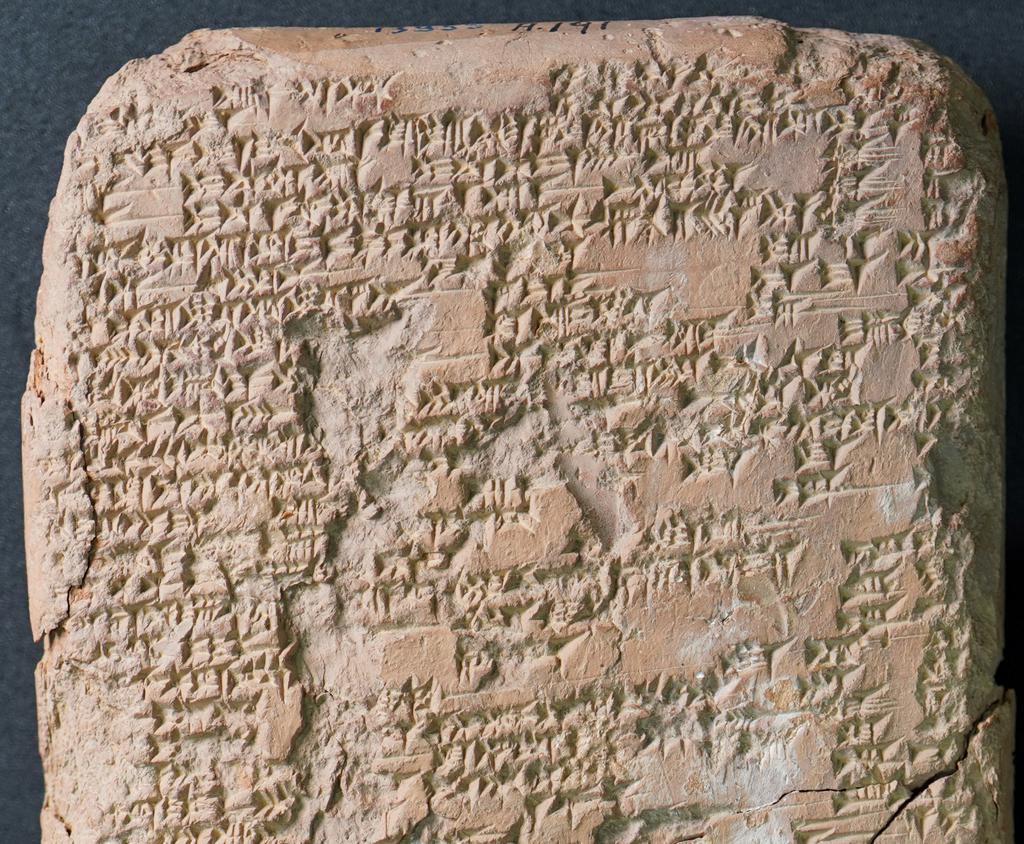
In the ritual of the Bit Meseri, you do the following:
In the house whose entrance lies to the sunrise you erect an Urigallu, and perform the ritual of the Bit Meseri.
You create a hole that is seven fingers wide, and seven fingers deep.
You paint four Apkallu in red color on the four sides of the house,
two Apkallu on the door post and one on the top of the door.
You draw a white dog, a black dog, a red dog, a green dog, a colorful dog, on the left and right sides of the entrance.
You put a chain (?) of bronze of 7 sheqels, underneath the waists, and on the sides of the bed you will you surround the bed and the Urigallu with a (multicolored) cord. You put a torch by the head of patient. You sit an oil lamp by the head of the sick person.
You perform the rituals of Mîs-Pî and Pit-Pî to the images. (an activation ritual, meaning: washing and opening of the mouth).
You place the portable altar in front of the oil lamp, and recite the incantation of “White Dog Black Dog”.
In the evening, you place the portable altar in front of the oil lamp. Morning and evening you will burn incense for the drawings of the Apkallu sages. You will recite the incantation of […] and the Ašipu [priest] stands in front of the patient. Reciting the incantation of “I am a pure man” […]
A. What topics are mentioned in those chapters? What have they got to do with each other?
B. Can you think of a title for these chapters? The "incest laws" are not satisfactory, given the Molek, Ob Ve'Yidoni, vomiting of the land, and cursing of one's parents in them...
C. What can these verses imply as the meaning of sexuality according to the text?
(א) וַיְדַבֵּ֥ר יְהֹוָ֖ה אֶל־מֹשֶׁ֥ה לֵּאמֹֽר׃ (ב) דַּבֵּר֙ אֶל־בְּנֵ֣י יִשְׂרָאֵ֔ל וְאָמַרְתָּ֖ אֲלֵהֶ֑ם אֲנִ֖י יְהֹוָ֥ה אֱלֹהֵיכֶֽם׃ (ג) כְּמַעֲשֵׂ֧ה אֶֽרֶץ־מִצְרַ֛יִם אֲשֶׁ֥ר יְשַׁבְתֶּם־בָּ֖הּ לֹ֣א תַעֲשׂ֑וּ וּכְמַעֲשֵׂ֣ה אֶֽרֶץ־כְּנַ֡עַן אֲשֶׁ֣ר אֲנִי֩ מֵבִ֨יא אֶתְכֶ֥ם שָׁ֙מָּה֙ לֹ֣א תַעֲשׂ֔וּ וּבְחֻקֹּתֵיהֶ֖ם לֹ֥א תֵלֵֽכוּ׃ (ד) אֶת־מִשְׁפָּטַ֧י תַּעֲשׂ֛וּ וְאֶת־חֻקֹּתַ֥י תִּשְׁמְר֖וּ לָלֶ֣כֶת בָּהֶ֑ם אֲנִ֖י יְהֹוָ֥ה אֱלֹהֵיכֶֽם׃ (ה) וּשְׁמַרְתֶּ֤ם אֶת־חֻקֹּתַי֙ וְאֶת־מִשְׁפָּטַ֔י אֲשֶׁ֨ר יַעֲשֶׂ֥ה אֹתָ֛ם הָאָדָ֖ם וָחַ֣י בָּהֶ֑ם אֲנִ֖י יְהֹוָֽה׃ {ס}
(ו) אִ֥ישׁ אִישׁ֙ אֶל־כׇּל־שְׁאֵ֣ר בְּשָׂר֔וֹ לֹ֥א תִקְרְב֖וּ לְגַלּ֣וֹת עֶרְוָ֑ה אֲנִ֖י יְהֹוָֽה׃ {ס}
(ז) עֶרְוַ֥ת אָבִ֛יךָ וְעֶרְוַ֥ת אִמְּךָ֖ לֹ֣א תְגַלֵּ֑ה אִמְּךָ֣ הִ֔וא לֹ֥א תְגַלֶּ֖ה עֶרְוָתָֽהּ׃ {ס}
(ח) עֶרְוַ֥ת אֵֽשֶׁת־אָבִ֖יךָ לֹ֣א תְגַלֵּ֑ה עֶרְוַ֥ת אָבִ֖יךָ הִֽוא׃ {ס}
(ט) עֶרְוַ֨ת אֲחֽוֹתְךָ֤ בַת־אָבִ֙יךָ֙ א֣וֹ בַת־אִמֶּ֔ךָ מוֹלֶ֣דֶת בַּ֔יִת א֖וֹ מוֹלֶ֣דֶת ח֑וּץ לֹ֥א תְגַלֶּ֖ה עֶרְוָתָֽן׃ {ס}
(י) עֶרְוַ֤ת בַּת־בִּנְךָ֙ א֣וֹ בַֽת־בִּתְּךָ֔ לֹ֥א תְגַלֶּ֖ה עֶרְוָתָ֑ן כִּ֥י עֶרְוָתְךָ֖ הֵֽנָּה׃ {ס}
(יא) עֶרְוַ֨ת בַּת־אֵ֤שֶׁת אָבִ֙יךָ֙ מוֹלֶ֣דֶת אָבִ֔יךָ אֲחוֹתְךָ֖ הִ֑וא לֹ֥א תְגַלֶּ֖ה עֶרְוָתָֽהּ׃ {ס}
(יב) עֶרְוַ֥ת אֲחוֹת־אָבִ֖יךָ לֹ֣א תְגַלֵּ֑ה שְׁאֵ֥ר אָבִ֖יךָ הִֽוא׃ {ס}
(יג) עֶרְוַ֥ת אֲחֽוֹת־אִמְּךָ֖ לֹ֣א תְגַלֵּ֑ה כִּֽי־שְׁאֵ֥ר אִמְּךָ֖ הִֽוא׃ {ס}
(יד) עֶרְוַ֥ת אֲחִֽי־אָבִ֖יךָ לֹ֣א תְגַלֵּ֑ה אֶל־אִשְׁתּוֹ֙ לֹ֣א תִקְרָ֔ב דֹּדָֽתְךָ֖ הִֽוא׃ {ס}
(טו) עֶרְוַ֥ת כַּלָּֽתְךָ֖ לֹ֣א תְגַלֵּ֑ה אֵ֤שֶׁת בִּנְךָ֙ הִ֔וא לֹ֥א תְגַלֶּ֖ה עֶרְוָתָֽהּ׃ {ס}
(טז) עֶרְוַ֥ת אֵֽשֶׁת־אָחִ֖יךָ לֹ֣א תְגַלֵּ֑ה עֶרְוַ֥ת אָחִ֖יךָ הִֽוא׃ {ס}
(יז) עֶרְוַ֥ת אִשָּׁ֛ה וּבִתָּ֖הּ לֹ֣א תְגַלֵּ֑ה אֶֽת־בַּת־בְּנָ֞הּ וְאֶת־בַּת־בִּתָּ֗הּ לֹ֤א תִקַּח֙ לְגַלּ֣וֹת עֶרְוָתָ֔הּ שַׁאֲרָ֥ה הֵ֖נָּה זִמָּ֥ה הִֽוא׃ (יח) וְאִשָּׁ֥ה אֶל־אֲחֹתָ֖הּ לֹ֣א תִקָּ֑ח לִצְרֹ֗ר לְגַלּ֧וֹת עֶרְוָתָ֛הּ עָלֶ֖יהָ בְּחַיֶּֽיהָ׃ (יט) וְאֶל־אִשָּׁ֖ה בְּנִדַּ֣ת טֻמְאָתָ֑הּ לֹ֣א תִקְרַ֔ב לְגַלּ֖וֹת עֶרְוָתָֽהּ׃ (כ) וְאֶל־אֵ֙שֶׁת֙ עֲמִֽיתְךָ֔ לֹא־תִתֵּ֥ן שְׁכׇבְתְּךָ֖ לְזָ֑רַע לְטׇמְאָה־בָֽהּ׃ (כא) וּמִֽזַּרְעֲךָ֥ לֹא־תִתֵּ֖ן לְהַעֲבִ֣יר לַמֹּ֑לֶךְ וְלֹ֧א תְחַלֵּ֛ל אֶת־שֵׁ֥ם אֱלֹהֶ֖יךָ אֲנִ֥י יְהֹוָֽה׃ (כב) וְאֶ֨ת־זָכָ֔ר לֹ֥א תִשְׁכַּ֖ב מִשְׁכְּבֵ֣י אִשָּׁ֑ה תּוֹעֵבָ֖ה הִֽוא׃ (כג) וּבְכׇל־בְּהֵמָ֛ה לֹא־תִתֵּ֥ן שְׁכׇבְתְּךָ֖ לְטׇמְאָה־בָ֑הּ וְאִשָּׁ֗ה לֹֽא־תַעֲמֹ֞ד לִפְנֵ֧י בְהֵמָ֛ה לְרִבְעָ֖הּ תֶּ֥בֶל הֽוּא׃
(כד) אַל־תִּֽטַּמְּא֖וּ בְּכׇל־אֵ֑לֶּה כִּ֤י בְכׇל־אֵ֙לֶּה֙ נִטְמְא֣וּ הַגּוֹיִ֔ם אֲשֶׁר־אֲנִ֥י מְשַׁלֵּ֖חַ מִפְּנֵיכֶֽם׃ (כה) וַתִּטְמָ֣א הָאָ֔רֶץ וָאֶפְקֹ֥ד עֲוֺנָ֖הּ עָלֶ֑יהָ וַתָּקִ֥א הָאָ֖רֶץ אֶת־יֹשְׁבֶֽיהָ׃ (כו) וּשְׁמַרְתֶּ֣ם אַתֶּ֗ם אֶת־חֻקֹּתַי֙ וְאֶת־מִשְׁפָּטַ֔י וְלֹ֣א תַעֲשׂ֔וּ מִכֹּ֥ל הַתּוֹעֵבֹ֖ת הָאֵ֑לֶּה הָֽאֶזְרָ֔ח וְהַגֵּ֖ר הַגָּ֥ר בְּתוֹכְכֶֽם׃ (כז) כִּ֚י אֶת־כׇּל־הַתּוֹעֵבֹ֣ת הָאֵ֔ל עָשׂ֥וּ אַנְשֵֽׁי־הָאָ֖רֶץ אֲשֶׁ֣ר לִפְנֵיכֶ֑ם וַתִּטְמָ֖א הָאָֽרֶץ׃ (כח) וְלֹֽא־תָקִ֤יא הָאָ֙רֶץ֙ אֶתְכֶ֔ם בְּטַֽמַּאֲכֶ֖ם אֹתָ֑הּ כַּאֲשֶׁ֥ר קָאָ֛ה אֶת־הַגּ֖וֹי אֲשֶׁ֥ר לִפְנֵיכֶֽם׃ (כט) כִּ֚י כׇּל־אֲשֶׁ֣ר יַעֲשֶׂ֔ה מִכֹּ֥ל הַתּוֹעֵבֹ֖ת הָאֵ֑לֶּה וְנִכְרְת֛וּ הַנְּפָשׁ֥וֹת הָעֹשֹׂ֖ת מִקֶּ֥רֶב עַמָּֽם׃ (ל) וּשְׁמַרְתֶּ֣ם אֶת־מִשְׁמַרְתִּ֗י לְבִלְתִּ֨י עֲשׂ֜וֹת מֵחֻקּ֤וֹת הַתּֽוֹעֵבֹת֙ אֲשֶׁ֣ר נַעֲשׂ֣וּ לִפְנֵיכֶ֔ם וְלֹ֥א תִֽטַּמְּא֖וּ בָּהֶ֑ם אֲנִ֖י יְהֹוָ֥ה אֱלֹהֵיכֶֽם׃ {פ}
(1) יהוה spoke to Moses, saying: (2) Speak to the Israelite people and say to them: I יהוה am your God. (3) You shall not copy the practices of the land of Egypt where you dwelt, or of the land of Canaan to which I am taking you; nor shall you follow their laws. (4) My rules alone shall you observe, and faithfully follow My laws: I יהוה am your God. (5) You shall keep My laws and My rules, by the pursuit of which human beings shall live: I am יהוה. (6) None of you men shall come near anyone of his own flesh to uncover nakedness: I am יהוה. (7) Your father’s nakedness, that is, the nakedness of your mother, you shall not uncover; she is your mother—you shall not uncover her nakedness. (8) Do not uncover the nakedness of your father’s wife; it is the nakedness of your father. (9) The nakedness of your sister—your father’s daughter or your mother’s, whether born into the household or outside—do not uncover their nakedness. (10) The nakedness of your son’s daughter, or of your daughter’s daughter—do not uncover their nakedness; for their nakedness is yours. (11) The nakedness of your father’s wife’s daughter, who was born into your father’s household—she is your sister; do not uncover her nakedness. (12) Do not uncover the nakedness of your father’s sister; she is your father’s flesh. (13) Do not uncover the nakedness of your mother’s sister; for she is your mother’s flesh. (14) Do not uncover the nakedness of your father’s brother: do not approach his wife; she is your aunt. (15) Do not uncover the nakedness of your daughter-in-law: she is your son’s wife; you shall not uncover her nakedness. (16) Do not uncover the nakedness of your brother’s wife; it is the nakedness of your brother. (17) Do not uncover the nakedness of a woman and her daughter; nor shall you take [into your household as a wife] her son’s daughter or her daughter’s daughter and uncover her nakedness: they are kindred; it is depravity. (18) Do not take [into your household as a wife] a woman as a rival to her sister and uncover her nakedness in the other’s lifetime. (19) Do not come near a woman during her menstrual period of impurity to uncover her nakedness. (20) Do not have carnal relations with your neighbor’s wife and defile yourself with her. (21) Do not allow any of your offspring to be offered up to Molech, and do not profane the name of your God: I am יהוה. (22) Do not lie with a male as one lies with a woman; it is an abhorrence. (23) Do not have carnal relations with any beast and defile yourself thereby. Likewise for a woman: she shall not lend herself to a beast to mate with it; it is perversion. (24) Do not defile yourselves in any of those ways, for it is by such that the nations that I am casting out before you defiled themselves. (25) Thus the land became defiled; and I called it to account for its iniquity, and the land spewed out its inhabitants. (26) But you must keep My laws and My rules, and you must not do any of those abhorrent things, neither the citizen nor the stranger who resides among you; (27) for all those abhorrent things were done by the people who were in the land before you, and the land became defiled. (28) So let not the land spew you out for defiling it, as it spewed out the nation that came before you. (29) All who do any of those abhorrent things—such persons shall be cut off from their people. (30) You shall keep My charge not to engage in any of the abhorrent practices that were carried on before you, and you shall not defile yourselves through them: I יהוה am your God.
Verily at the first Chaos came to be, but next wide-bosomed Gaia (Earth), the ever-sure foundations of all the deathless ones who hold the peaks of snowy Olympus, and dim Tartarus (Abyss) in the depth of the wide-pathed Earth, and Eros (Love), fairest among the deathless gods, who unnerves the limbs and overcomes the mind and wise counsels of all gods and all men within them.
From Chaos came forth Erebus (Darkness) and black Night; but of Night were born Aether (Bright Upper Sky) and Day, whom she conceived and bare from union in love with Erebus.
And Earth first bare starry Heaven, equal to herself, to cover her on every side, and to be an ever-sure abiding-place for the blessed gods.
And she brought forth long Hills, graceful haunts of the goddess-Nymphs who dwell amongst the glens of the hills. She bare also the fruitless deep with his raging swell, Pontus (the Sea), without sweet union of love.
A. Yom Kippur and the Holy of Holies, is the holiest day of the year, in which the high priest enters the holiest place on the earth. How should we imagine holiness? as a vector? a pyramid? a sphere? a circle?
B. About the root ק.ר.ב: What has approaching or coming close (להתקרב), got to do with offering sacrifice (להקריב), initiating sexual contact (לקרב), and interacting with holiness (לקרב)?
C. What is the role of sexuality- of body-spirit interaction and experience - in the idea of holiness?