


1. Report of Invasion (18:13-16)
a. Invasion of Yehuda (18:13)
b. Hezekiah's response: apology/tribute (18:14-16)
2. Sennacherib's Threat to Yerushalaim from Lachish (18:17-19:7)
i. Threat
a. Setting (18:17-18)
b. Rabsahekeh's 1st address (18:19-27)
c. Rabshakeh's 2nd address (18:28-36)
ii. Coping with the threat - prayer and prophecy
a. Hezekiah' ascent to the Temple (19:1-7)
b. Isaiah's reply: prophecy of salvation (19:2-7)
3. Sennacherib's Threat to Yerushalaim from Libnah (19:8-34)
i. Threat
a Setting (19:8-9)
b. 3rd address, to Hezekiah (19:10-13)
ii. Coping with the threat - prayer and prophecy
a. Hezekiah's ascent to the Temple and prayer (19:14-19)
b. Isaiah's reply: prophecy of salvation (19:20-34)
4. Salvation: Assyrian Threat Eliminated
a. Miraculous elimination of Assyrians (19:35-36)
b. Sennacherib assassination (19:37)
a. Invasion of Yehuda (18:13)
b. Hezekiah's response: apology/tribute (18:14-16)
2. Sennacherib's Threat to Yerushalaim from Lachish (18:17-19:7)
i. Threat
a. Setting (18:17-18)
b. Rabsahekeh's 1st address (18:19-27)
c. Rabshakeh's 2nd address (18:28-36)
ii. Coping with the threat - prayer and prophecy
a. Hezekiah' ascent to the Temple (19:1-7)
b. Isaiah's reply: prophecy of salvation (19:2-7)
3. Sennacherib's Threat to Yerushalaim from Libnah (19:8-34)
i. Threat
a Setting (19:8-9)
b. 3rd address, to Hezekiah (19:10-13)
ii. Coping with the threat - prayer and prophecy
a. Hezekiah's ascent to the Temple and prayer (19:14-19)
b. Isaiah's reply: prophecy of salvation (19:20-34)
4. Salvation: Assyrian Threat Eliminated
a. Miraculous elimination of Assyrians (19:35-36)
b. Sennacherib assassination (19:37)
(א) וַיְהִ֗י כִּשְׁמֹ֙עַ֙ הַמֶּ֣לֶךְ חִזְקִיָּ֔הוּ וַיִּקְרַ֖ע אֶת־בְּגָדָ֑יו וַיִּתְכַּ֣ס בַּשָּׂ֔ק וַיָּבֹ֖א בֵּ֥ית יְהֹוָֽה׃
(1) When King Hezekiah heard this, he rent his clothes, and covered himself with sackcloth, and went into the House of the LORD.
(ו) וַיֹּ֣אמֶר מֹשֶׁ֣ה אֶֽל־אַהֲרֹ֡ן וּלְאֶלְעָזָר֩ וּלְאִֽיתָמָ֨ר ׀ בָּנָ֜יו רָֽאשֵׁיכֶ֥ם אַל־תִּפְרָ֣עוּ ׀ וּבִגְדֵיכֶ֤ם לֹֽא־תִפְרֹ֙מוּ֙ וְלֹ֣א תָמֻ֔תוּ וְעַ֥ל כׇּל־הָעֵדָ֖ה יִקְצֹ֑ף וַאֲחֵיכֶם֙ כׇּל־בֵּ֣ית יִשְׂרָאֵ֔ל יִבְכּוּ֙ אֶת־הַשְּׂרֵפָ֔ה אֲשֶׁ֖ר שָׂרַ֥ף יְהֹוָֽה׃
(6) And Moses said to Aaron and to his sons Eleazar and Ithamar, “Do not bare your heads and do not rend your clothes, lest you die and anger strike the whole community. But your kin, all the house of Israel, shall bewail the burning that יהוה has wrought.
(ג) וַיֹּאמְר֣וּ אֵלָ֗יו כֹּ֚ה אָמַ֣ר חִזְקִיָּ֔הוּ יוֹם־צָרָ֧ה וְתֽוֹכֵחָ֛ה וּנְאָצָ֖ה הַיּ֣וֹם הַזֶּ֑ה כִּ֣י בָ֤אוּ בָנִים֙ עַד־מַשְׁבֵּ֔ר וְכֹ֥חַ אַ֖יִן לְלֵדָֽה׃
(3) They said to him, “Thus said Hezekiah: This day is a day of distress, of chastisement, and of disgrace. The babes have reached the birthstool, but the strength to give birth is lacking.-a
עַד מַשְׁבֵּר. עַד צָרָה הַדּוֹמָה לְאִשָּׁה יוֹשֶׁבֶת עַל מַשְׁבֵּר וְאֵין בָּהּ כֹּחַ לֵילֵד.
As far as the birthstool. As far as a distress similar to a woman sitting on the birthstool, but not having strength to give birth.
באו בנים עד משבר. המשיל הצרה לאשה אשר יאחזוה חבליה ובא הבן עד המשבר והוא הרחם מקום יציאת הולד כי אז חבליה יותר קשים כשהולד קרוב לצאת ואם אין כח ליולדת לחזק עצמה להוליד הולד הנה היא בחוזק חבליה בלי תקוה למנוחה כן הצרה גדולה עלינו ואין לנו כח לצאת ממנה אם לא יעזרנו האל:
(ח) וַיָּ֙שׇׁב֙ רַבְשָׁקֵ֔ה וַיִּמְצָא֙ אֶת־מֶ֣לֶךְ אַשּׁ֔וּר נִלְחָ֖ם עַל־לִבְנָ֑ה כִּ֣י שָׁמַ֔ע כִּ֥י נָסַ֖ע מִלָּכִֽישׁ׃
(8) The Rabshakeh, meanwhile, heard that [the king] had left Lachish; he turned back and found the king of Assyria attacking Libnah.
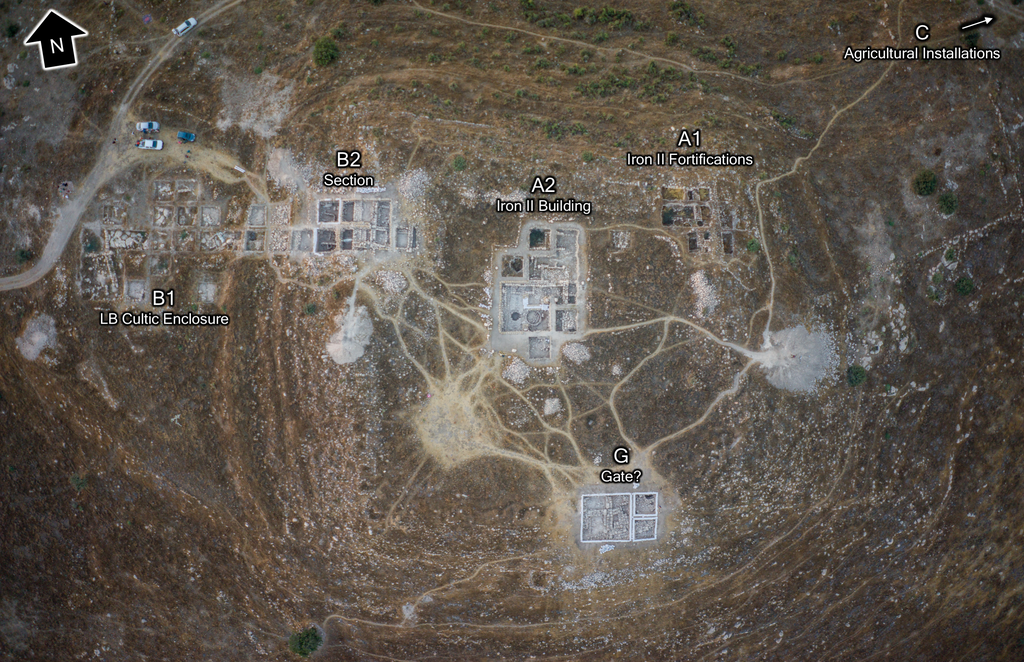
https://telburna.wordpress.com/program-overview/academic/
(לה) וַיְהִי֮ בַּלַּ֣יְלָה הַהוּא֒ וַיֵּצֵ֣א ׀ מַלְאַ֣ךְ יְהֹוָ֗ה וַיַּךְ֙ בְּמַחֲנֵ֣ה אַשּׁ֔וּר מֵאָ֛ה שְׁמוֹנִ֥ים וַחֲמִשָּׁ֖ה אָ֑לֶף וַיַּשְׁכִּ֣ימוּ בַבֹּ֔קֶר וְהִנֵּ֥ה כֻלָּ֖ם פְּגָרִ֥ים מֵתִֽים׃ (לו) וַיִּסַּ֣ע וַיֵּ֔לֶךְ וַיָּ֖שׇׁב סַנְחֵרִ֣יב מֶֽלֶךְ־אַשּׁ֑וּר וַיֵּ֖שֶׁב בְּנִֽינְוֵֽה׃ (לז) וַיְהִי֩ ה֨וּא מִֽשְׁתַּחֲוֶ֜ה בֵּ֣ית ׀ נִסְרֹ֣ךְ אֱלֹהָ֗יו וְֽאַדְרַמֶּ֨לֶךְ וְשַׂרְאֶ֤צֶר [בָּנָיו֙] הִכֻּ֣הוּ בַחֶ֔רֶב וְהֵ֥מָּה נִמְלְט֖וּ אֶ֣רֶץ אֲרָרָ֑ט וַיִּמְלֹ֛ךְ אֵסַר־חַדֹּ֥ן בְּנ֖וֹ תַּחְתָּֽיו׃ {פ}
(35) That night an angel of the LORD went out and struck down one hundred and eighty-five thousand in the Assyrian camp, and the following morning they were all dead corpses. (36) So King Sennacherib of Assyria broke camp and retreated, and stayed in Nineveh. (37) While he was worshiping in the temple of his god Nisroch, his sons Adrammelech and Sarezer struck him down with the sword. They fled to the land of Ararat, and his son Esarhaddon succeeded him as king.
5. "Now when Sennacherib was returning from his Egyptian war to Jerusalem, he found his army under Rabshakeh his general in danger [by a plague], for God had sent a pestilential distemper upon his army; and on the very first night of the siege, a hundred fourscore and five thousand, with their captains and generals, were destroyed. So the king was in a great dread and in a terrible agony at this calamity; and being in great fear for his whole army, he fled with the rest of his forces to his own kingdom, and to his city Nineveh; and when he had abode there a little while, he was treacherously assaulted, and died by the hands of his elder sons, (3) Adrammelech and Seraser, and was slain in his own temple, which was called Araske. Now these sons of his were driven away on account of the murder of their father by the citizens, and went into A rmenia, while Assarachoddas took the kingdom of Sennacherib." And this proved to be the conclusion of this Assyrian expedition against the people of Jerusalem.
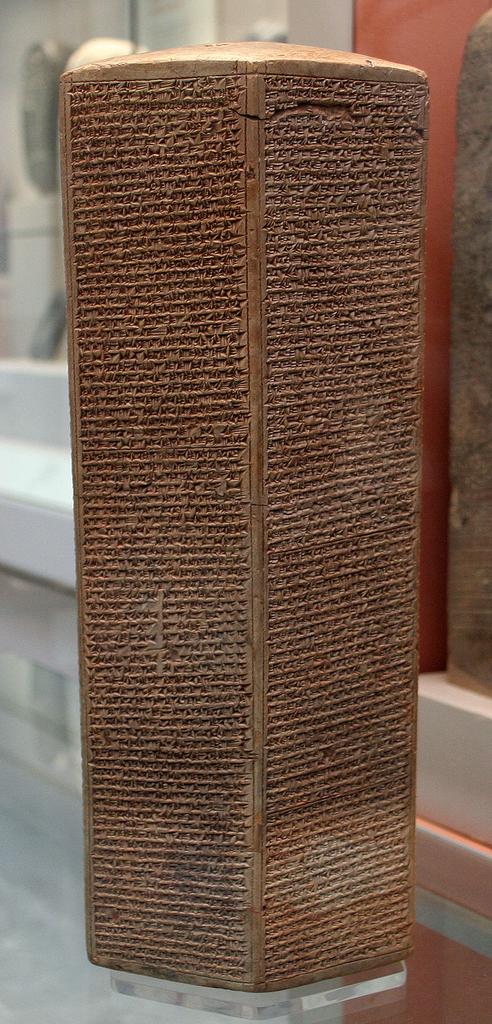
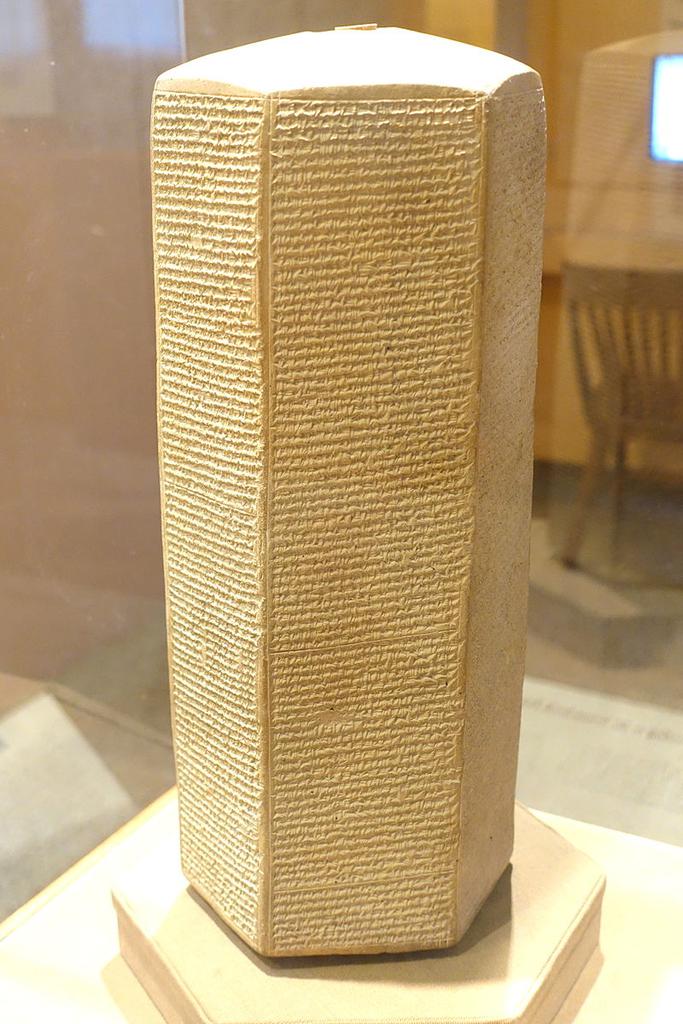
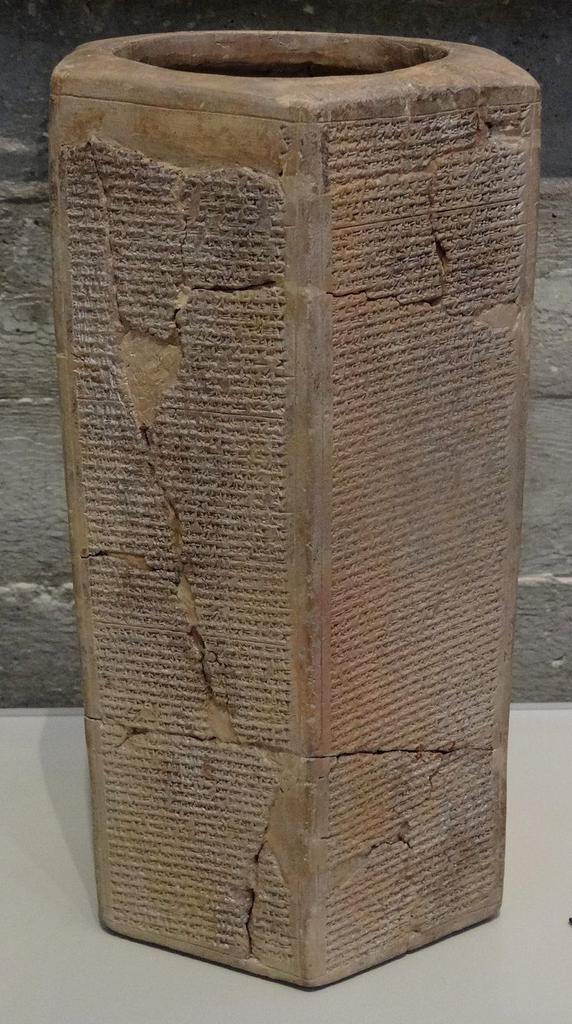
Sennacherib's Annals are the annals of the Assyrian king Sennacherib. They are found inscribed on a number of artifacts, and the final versions were found in three clay prisms inscribed with the same text: the Taylor Prism is in the British Museum, the Oriental Institute Prism in the Oriental Institute of Chicago, and the Jerusalem Prism is in the Israel Museum in Jerusalem.
The Taylor Prism is one of the earliest cuneiform artifacts analysed in modern Assyriology, having been found a few years before the modern deciphering of cuneiform.
The annals themselves are notable for describing Sennacherib's siege of Jerusalem during the reign of king Hezekiah. This event is recorded in several books contained in the Bible including Isaiah chapters 36 and 37; 2 Kings 18:17; 2 Chronicles 32:9. The invasion is mentioned by Herodotus, who does not refer to Judea and says the invasion ended at Pelusium on the edge of the Nile Delta.
The prisms contain six paragraphs of cuneiform written in Akkadian. They are hexagonal in shape, made of red baked clay, and stand 38.0 cm high by 14.0 cm wide. They were created during the reign of Sennacherib in 689 BC (Chicago) or 691 BC (London, Jerusalem).
The Taylor prism is thought to have been found by Colonel Robert Taylor (1790–1852) in 1830 at Nineveh, which was the ancient capital of the Assyrian Empire under Sennacherib, before its initial excavation[clarification needed] by Botta and Layard more than a decade later. Although the prism remained in Iraq until 1846, in 1835 a paper squeeze was made by the 25-year-old Henry Rawlinson, and a plaster cast was taken by Pierre-Victorien Lottin in c.1845.[3] The original was later thought to have been lost, until it was purchased from Colonel Taylor's widow in 1855 by the British Museum.[4] (Colonel Taylor may have been the father of John George Taylor, who, himself, became a noted Assyrian explorer and archaeologist.)[5]
General view and detail of the Taylor prism, British Museum.
Another version of this text is found on what is known as the Sennacherib Prism, now in the Oriental Institute. It was purchased by James Henry Breasted from a Baghdad antiques dealer in 1919 for the Oriental Institute.[6] The Jerusalem prism was acquired by the Israel Museum at a Sotheby's auction in 1970.[7] It was only published in 1990.[8]
The three known complete examples of this inscription are nearly identical, with only minor variants, although the dates on the prisms show that they were written sixteen months apart (the Taylor and Jerusalem Prisms in 691 BC and the Oriental Institute prism in 689 BC). There are also at least eight other fragmentary prisms preserving parts of this text, all in the British Museum, and most of them containing just a few lines.
The Chicago text was translated by Daniel David Luckenbill and the Akkadian text, along with a translation into English, is available in his book The Annals of Sennacherib (University of Chicago Press, 1924).
It is one of three accounts discovered so far which have been left by Sennacherib of his campaign against the Kingdom of Israel and Kingdom of Judah, giving a different perspective on these events from that of the Book of Kings in the Bible.
Some passages in the Hebrew Bible (2 Kings 18–19) agree with at least a few of the claims made on the prism. The Bible recounts a successful Assyrian attack on Samaria, as a result of which the population was deported, and later recounts that an attack on Lachish was ended by Hezekiah suing for peace, with Sennacherib demanding 300 talents of silver and 30 talents of gold, and Hezekiah giving him all the silver from his palace and from the Temple in Jerusalem, and the gold from doors and doorposts of the temple.[10] Compared to this, the Taylor Prism proclaims that 46 walled cities and innumerable smaller settlements were conquered by the Assyrians, with 200,150 people, and livestock, being deported, and the conquered territory being dispersed among the three kings of the Philistines instead of being given back. Additionally, the Prism says that Sennacherib’s siege resulted in Hezekiah being shut up in Jerusalem "like a caged bird", Hezekiah's mercenaries and 'Arabs' deserting him, and Hezekiah eventually buying off Sennacherib, having to give him antimony, jewels, ivory-inlaid furniture, his own daughters, harem, and musicians. It states that Hezekiah became a tributary ruler.
On Sennacherib's prism, he says this of Hezekiah: "As for the king of Judah, Hezekiah, who had not submitted to my authority, I besieged and captured forty-six of his fortified cities, along with many smaller towns, taken in battle with my battering rams. ... I took as plunder 200,150 people, both small and great, male and female, along with a great number of animals including horses, mules, donkeys, camels, oxen, and sheep. As for Hezekiah, I shut him up like a caged bird in his royal city of Jerusalem. I then constructed a series of fortresses around him, and I did not allow anyone to come out of the city gates. His towns which I captured I gave to the kings of Ashod, Ekron, and Gaza."
The tribute given by Hezekiah is then mentioned but in this account, nothing is said of Sennacherib capturing the city of Jerusalem.
The Taylor Prism is one of the earliest cuneiform artifacts analysed in modern Assyriology, having been found a few years before the modern deciphering of cuneiform.
The annals themselves are notable for describing Sennacherib's siege of Jerusalem during the reign of king Hezekiah. This event is recorded in several books contained in the Bible including Isaiah chapters 36 and 37; 2 Kings 18:17; 2 Chronicles 32:9. The invasion is mentioned by Herodotus, who does not refer to Judea and says the invasion ended at Pelusium on the edge of the Nile Delta.
The prisms contain six paragraphs of cuneiform written in Akkadian. They are hexagonal in shape, made of red baked clay, and stand 38.0 cm high by 14.0 cm wide. They were created during the reign of Sennacherib in 689 BC (Chicago) or 691 BC (London, Jerusalem).
The Taylor prism is thought to have been found by Colonel Robert Taylor (1790–1852) in 1830 at Nineveh, which was the ancient capital of the Assyrian Empire under Sennacherib, before its initial excavation[clarification needed] by Botta and Layard more than a decade later. Although the prism remained in Iraq until 1846, in 1835 a paper squeeze was made by the 25-year-old Henry Rawlinson, and a plaster cast was taken by Pierre-Victorien Lottin in c.1845.[3] The original was later thought to have been lost, until it was purchased from Colonel Taylor's widow in 1855 by the British Museum.[4] (Colonel Taylor may have been the father of John George Taylor, who, himself, became a noted Assyrian explorer and archaeologist.)[5]
General view and detail of the Taylor prism, British Museum.
Another version of this text is found on what is known as the Sennacherib Prism, now in the Oriental Institute. It was purchased by James Henry Breasted from a Baghdad antiques dealer in 1919 for the Oriental Institute.[6] The Jerusalem prism was acquired by the Israel Museum at a Sotheby's auction in 1970.[7] It was only published in 1990.[8]
The three known complete examples of this inscription are nearly identical, with only minor variants, although the dates on the prisms show that they were written sixteen months apart (the Taylor and Jerusalem Prisms in 691 BC and the Oriental Institute prism in 689 BC). There are also at least eight other fragmentary prisms preserving parts of this text, all in the British Museum, and most of them containing just a few lines.
The Chicago text was translated by Daniel David Luckenbill and the Akkadian text, along with a translation into English, is available in his book The Annals of Sennacherib (University of Chicago Press, 1924).
It is one of three accounts discovered so far which have been left by Sennacherib of his campaign against the Kingdom of Israel and Kingdom of Judah, giving a different perspective on these events from that of the Book of Kings in the Bible.
Some passages in the Hebrew Bible (2 Kings 18–19) agree with at least a few of the claims made on the prism. The Bible recounts a successful Assyrian attack on Samaria, as a result of which the population was deported, and later recounts that an attack on Lachish was ended by Hezekiah suing for peace, with Sennacherib demanding 300 talents of silver and 30 talents of gold, and Hezekiah giving him all the silver from his palace and from the Temple in Jerusalem, and the gold from doors and doorposts of the temple.[10] Compared to this, the Taylor Prism proclaims that 46 walled cities and innumerable smaller settlements were conquered by the Assyrians, with 200,150 people, and livestock, being deported, and the conquered territory being dispersed among the three kings of the Philistines instead of being given back. Additionally, the Prism says that Sennacherib’s siege resulted in Hezekiah being shut up in Jerusalem "like a caged bird", Hezekiah's mercenaries and 'Arabs' deserting him, and Hezekiah eventually buying off Sennacherib, having to give him antimony, jewels, ivory-inlaid furniture, his own daughters, harem, and musicians. It states that Hezekiah became a tributary ruler.
On Sennacherib's prism, he says this of Hezekiah: "As for the king of Judah, Hezekiah, who had not submitted to my authority, I besieged and captured forty-six of his fortified cities, along with many smaller towns, taken in battle with my battering rams. ... I took as plunder 200,150 people, both small and great, male and female, along with a great number of animals including horses, mules, donkeys, camels, oxen, and sheep. As for Hezekiah, I shut him up like a caged bird in his royal city of Jerusalem. I then constructed a series of fortresses around him, and I did not allow anyone to come out of the city gates. His towns which I captured I gave to the kings of Ashod, Ekron, and Gaza."
The tribute given by Hezekiah is then mentioned but in this account, nothing is said of Sennacherib capturing the city of Jerusalem.
(ה) כְּצִפֳּרִ֣ים עָפ֔וֹת כֵּ֗ן יָגֵ֛ן יְהֹוָ֥ה צְבָא֖וֹת עַל־יְרוּשָׁלָ֑͏ִם גָּנ֥וֹן וְהִצִּ֖יל פָּסֹ֥חַ וְהִמְלִֽיט׃
(5) Like the birds that fly, even so will the LORD of Hosts shield Jerusalem, shielding and saving, protecting and rescuing.