


The word shekhinah is not present in the Bible, and is first encountered in the rabbinic literature.
The Semitic root from which shekhinah is derived, š-k-n, means "to settle, inhabit, or dwell". In the verb form, it is often used to refer to the dwelling of a personor animal in a place, or to the dwelling of God. Nouns derived from the root included shachen ("neighbor") and mishkan (a dwelling-place, whether a secular home
Your dwellings, O Israel!
or a holy site such as the Tabernacle
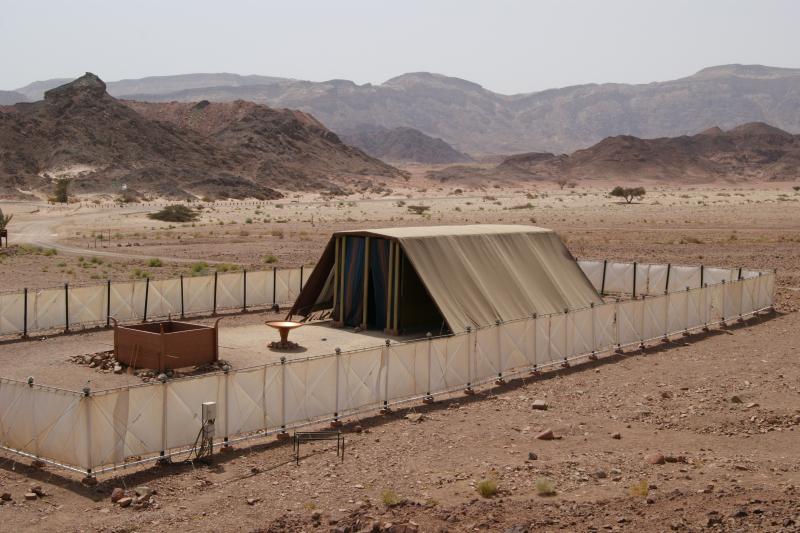
Tent of the Congregation (אֹ֣הֶל מוֹעֵד֩ ’ōhel mō‘êḏ, also Tent of Meeting, etc.), was the portable earthly dwelling place of Yahweh (the God of Israel)
The Shekhinah is being present in other contexts, not limited to:
- While a person (or people) study Torah, the Shekhinah is among them.
(ב) רַבִּי חֲנִינָא סְגַן הַכֹּהֲנִים אוֹמֵר, הֱוֵי מִתְפַּלֵּל בִּשְׁלוֹמָהּ שֶׁל מַלְכוּת, שֶׁאִלְמָלֵא מוֹרָאָהּ, אִישׁ אֶת רֵעֵהוּ חַיִּים בְּלָעוֹ. רַבִּי חֲנִינָא בֶן תְּרַדְיוֹן אוֹמֵר, שְׁנַיִם שֶׁיּוֹשְׁבִין וְאֵין בֵּינֵיהֶן דִּבְרֵי תוֹרָה, הֲרֵי זֶה מוֹשַׁב לֵצִים, שֶׁנֶּאֱמַר (תהלים א) וּבְמוֹשַׁב לֵצִים לֹא יָשָׁב. אֲבָל שְׁנַיִם שֶׁיּוֹשְׁבִין וְיֵשׁ בֵּינֵיהֶם דִּבְרֵי תוֹרָה, שְׁכִינָה שְׁרוּיָה בֵינֵיהֶם, שֶׁנֶּאֱמַר (מלאכי ג) אָז נִדְבְּרוּ יִרְאֵי יְיָ אִישׁ אֶל רֵעֵהוּ וַיַּקְשֵׁב יְיָ וַיִּשְׁמָע וַיִּכָּתֵב סֵפֶר זִכָּרוֹן לְפָנָיו לְיִרְאֵי יְיָ וּלְחֹשְׁבֵי שְׁמוֹ. אֵין לִי אֶלָּא שְׁנַיִם, מִנַּיִן שֶׁאֲפִלּוּ אֶחָד שֶׁיּוֹשֵׁב וְעוֹסֵק בַּתּוֹרָה, שֶׁהַקָּדוֹשׁ בָּרוּךְ הוּא קוֹבֵעַ לוֹ שָׂכָר, שֶׁנֶּאֱמַר (איכה ג) יֵשֵׁב בָּדָד וְיִדֹּם כִּי נָטַל עָלָיו:
but if two sit together and there are words of Torah [spoken] between them, then the Shekhinah abides among them, as it is said: “then they that feared the Lord spoke one with another; and the Lord hearkened and heard, and a book of remembrance was written before Him, for them that feared the Lord and that thought upon His name” (Malachi 3:16).
- "Whenever ten are gathered for prayer, there the Shekhinah rests."
Rabban Gamliel said to him: Why did you allow the sun to enter the house of the emperor? The emperor said to him: The sun rests upon all the world; no one can prevent it from shining. Rabban Gamliel said to him: And if the sun, which is one of ten thousand attendants that are before the Holy One, Blessed be He, rests upon all the world, the Divine Presence of the Holy One, Blessed be He, all the more so rests upon the world.
- "When three sit as judges, the Shekhinah is with them." Talmud Berachot 6a
- Cases of personal need: "The Shekhinah dwells over the headside of the sick man's bed", "Wheresoever they were exiled, the Shekhinah went with them." Talmud Megillah 29a
- "A man and woman - if they merit, the Shekhinah is between them. If not, fire consumes them."According to one interpretation of this source, the Shekhinah is the highest of six types of holy fire. When a married couple is worthy of this manifestation, all other types of fire are consumed by it. Ginsburgh, Yitzchak (1999). The Mystery of Marriage. Gal Einai. ISBN 965-7146-00-3.
- The Shekhinah as the Sabbath Bride recurs in the writings and songs. The masters of the Mishna used to go out on the eve of Shabbat to receive her on the road, and used to say: "'Come, O bride, come, O bride!' And one must sing and rejoice at the table in her honor ... one must receive the Lady with many lighted candles, many enjoyments, beautiful clothes, and a house embellished with many fine appointments ..."
The Talmud states that "the Shekhinah rests on man neither through gloom, nor through sloth, nor through frivolity, nor through levity, nor through talk, nor through idle chatter, but only through a matter of joy in connection with a mitzvah." [source: Wikipedia]