


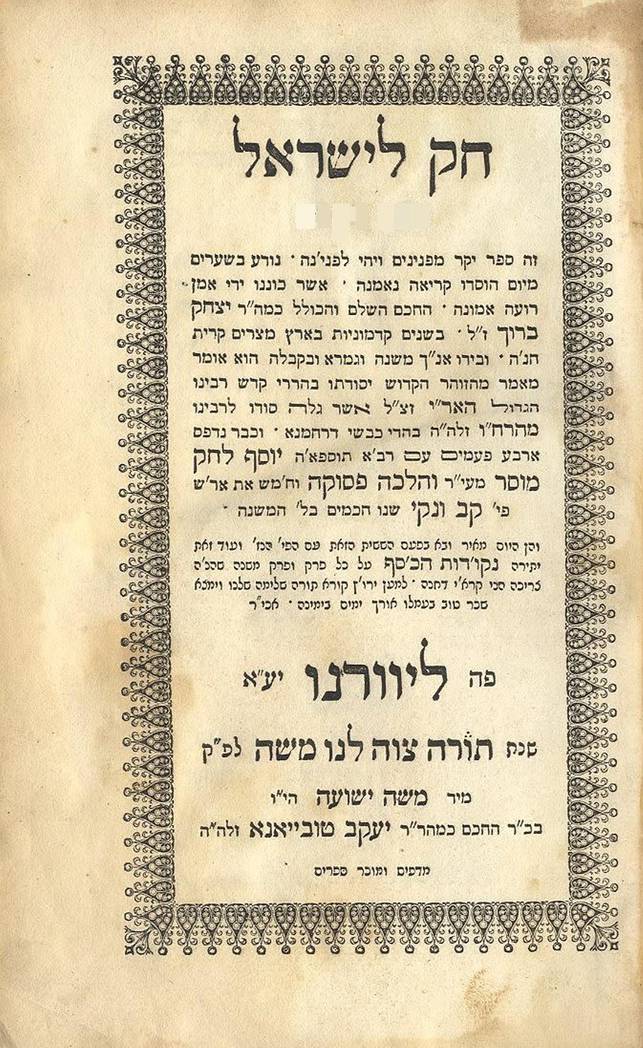
תורה
יכוין בקריאת ששה פסוקים אלו שהם כנגד וָ דמילוי וו דשם ב''ן לקנות הארת מתוספת נפש יתרה משבת הבאה:
לב (יט) וְאָֽמַרְתָּ֙ לְעַבְדְּךָ֣ לְיַעֲקֹ֔ב מִנְחָ֥ה הִוא֙ שְׁלוּחָ֔ה לַֽאדֹנִ֖י לְעֵשָׂ֑ו וְהִנֵּ֥ה גַם־ה֖וּא אַחֲרֵֽינוּ׃
וְתֵימַר לְעַבְדָּךְ לְיַעֲקֹב תִּקְרֻבְתָּא הִיא דִּמְשַׁלְּחָא לְרִבּוֹנִי לְעֵשָׂו וְהָא אַף הוּא אָתֵי בַתְרָנָא:
(כ) וַיְצַ֞ו גַּ֣ם אֶת־הַשֵּׁנִ֗י גַּ֚ם אֶת־הַשְּׁלִישִׁ֔י גַּ֚ם אֶת־כׇּל־הַהֹ֣לְכִ֔ים אַחֲרֵ֥י הָעֲדָרִ֖ים לֵאמֹ֑ר כַּדָּבָ֤ר הַזֶּה֙ תְּדַבְּר֣וּן אֶל־עֵשָׂ֔ו בְּמֹצַאֲכֶ֖ם אֹתֽוֹ׃
וּפַקִּיד אַף יָת תִּנְיָנָא אַף יָת תְּלִיתָאָה אַף יָת כָּל דְּאָזְלִין בָּתַר עֲדָרַיָּא לְמֵימָר כְּפִתְגָּמָא הָדֵין תְּמַלְּלוּן עִם עֵשָׂו כַּד תַּשְׁכְּחוּן יָתֵיהּ:
(כא) וַאֲמַרְתֶּ֕ם גַּ֗ם הִנֵּ֛ה עַבְדְּךָ֥ יַעֲקֹ֖ב אַחֲרֵ֑ינוּ כִּֽי־אָמַ֞ר אֲכַפְּרָ֣ה פָנָ֗יו בַּמִּנְחָה֙ הַהֹלֶ֣כֶת לְפָנָ֔י וְאַחֲרֵי־כֵן֙ אֶרְאֶ֣ה פָנָ֔יו אוּלַ֖י יִשָּׂ֥א פָנָֽי׃
וְתֵימְרוּן אַף הָא עַבְדָּךְ יַעֲקֹב אָתֵי בַתְרָנָא אֲרֵי אֲמַר אַנְחִנֵּיהּ לְרוּגְזֵיהּ בְּתִקְרֻבְתָּא דְּאָזְלַת לָקֳדָמַי וּבָתַר כֵּן אֶחֱזֵי אַפּוֹהִי מָאִים יִסַּב אַפָּי:
(כב) וַתַּעֲבֹ֥ר הַמִּנְחָ֖ה עַל־פָּנָ֑יו וְה֛וּא לָ֥ן בַּלַּֽיְלָה־הַה֖וּא בַּֽמַּחֲנֶֽה׃
וַעֲבָרַת תִּקְרֻבְתָּא עַל אַפּוֹהִי וְהוּא בָת בְּלֵילְיָא הַהוּא בְּמַשְׁרִיתָא:
(כג) וַיָּ֣קׇם ׀ בַּלַּ֣יְלָה ה֗וּא וַיִּקַּ֞ח אֶת־שְׁתֵּ֤י נָשָׁיו֙ וְאֶת־שְׁתֵּ֣י שִׁפְחֹתָ֔יו וְאֶת־אַחַ֥ד עָשָׂ֖ר יְלָדָ֑יו וַֽיַּעֲבֹ֔ר אֵ֖ת מַעֲבַ֥ר יַבֹּֽק׃
וְקָם בְּלֵילְיָא הוּא וּדְבַר יָת תַּרְתֵּין נְשׁוֹהִי וְיָת תַּרְתֵּין לְחֵינָתֵיהּ וְיָת חַד עֲסַר בְּנוֹהִי וַעֲבַר יָת מַעֲבַר יוּבְקָא:
(כד) וַיִּ֨קָּחֵ֔ם וַיַּֽעֲבִרֵ֖ם אֶת־הַנָּ֑חַל וַֽיַּעֲבֵ֖ר אֶת־אֲשֶׁר־לֽוֹ׃
וּדְבָרִנּוּן וְעַבָּרִנּוּן יָת נַחְלָא וְאַעְבַּר יָת דִּילֵיהּ:
32 (19) Then thou shalt say, They are thy servant Ya῾aqov’s, it is a present sent to my lord ῾Esav: and, behold, also he is behind us.
(20) And so commanded he the second, and the third, and all that followed the droves, saying, In this manner shall you speak to ῾Esav, when you find him.
(21) And say moreover, Behold, thy servant Ya῾aqov is behind us. For he said, I will appease him with the present that goes before me, and afterwards I will see his face; perhaps he will accept me.
(22) So the present went over before him: and he himself lodged that night in the camp.
(23) And he rose up that night, and took his two wives, and his two womenservants, and his eleven sons, and passed over the ford of Yabboq.
(24) And he took them, and sent them over the wadi, and sent over that which he had.
נביאים
א (טז) כִּ֗י כַּֽאֲשֶׁ֤ר שְׁתִיתֶם֙ עַל־הַ֣ר קׇדְשִׁ֔י יִשְׁתּ֥וּ כׇֽל־הַגּוֹיִ֖ם תָּמִ֑יד וְשָׁת֣וּ וְלָע֔וּ וְהָי֖וּ כְּל֥וֹא הָיֽוּ׃
אֲרֵי כְּמָא דַחֲדֵיתוּן עַל מְחַת טוּרָא דְקוּדְשִׁי יִשְׁתּוּן כָּל עַמְמַיָא כֵּס פּוּרְעֲנוּתְהוֹן תְּדִירָא וְיִשְׁתּוּן וְיִסְתַּלְעֲמוּן וִיהוֹן כִּדְלָא הֲווֹ:
(יז) וּבְהַ֥ר צִיּ֛וֹן תִּהְיֶ֥ה פְלֵיטָ֖ה וְהָ֣יָה קֹ֑דֶשׁ וְיָֽרְשׁוּ֙ בֵּ֣ית יַֽעֲקֹ֔ב אֵ֖ת מוֹרָֽשֵׁיהֶֽם׃
וּבְטוּרָא דְצִיוֹן תְּהֵי מְשֵׁיזַבְתָּא וִיהוֹן קַדִישִׁין וְיַחְסְנוּן דְבֵית יַעֲקֹב נִכְסֵי עַמְמַיָא דַהֲווֹ מַחְסְנִין לְהוֹן:
(יח) וְהָיָה֩ בֵית־יַעֲקֹ֨ב אֵ֜שׁ וּבֵ֧ית יוֹסֵ֣ף לֶהָבָ֗ה וּבֵ֤ית עֵשָׂו֙ לְקַ֔שׁ וְדָלְק֥וּ בָהֶ֖ם וַאֲכָל֑וּם וְלֹֽא־יִֽהְיֶ֤ה שָׂרִיד֙ לְבֵ֣ית עֵשָׂ֔ו כִּ֥י יְהֹוָ֖ה דִּבֵּֽר׃
וִיהוֹן דְבֵית יַעֲקֹב תְּקִיפִין כְּאֵשָׁתָא וּדְבֵית יוֹסֵף חֲסִינִין כְּשַׁלְהוֹבִיתָא וּדְבֵית עֵשָׂו חֲלָשִׁין כְּקַשָׁא וְיִשְׁלְטוּן בְּהוֹן וְיִקְטְלוֹנוּנוּן וְלָא יְהֵי שֵׁיזְבָא לְבֵית עֵשָׂו אֲרֵי יְיָ גְזִיר כֵּן:
(יט) וְיָרְשׁ֨וּ הַנֶּ֜גֶב אֶת־הַ֣ר עֵשָׂ֗ו וְהַשְּׁפֵלָה֙ אֶת־פְּלִשְׁתִּ֔ים וְיָרְשׁוּ֙ אֶת־שְׂדֵ֣ה אֶפְרַ֔יִם וְאֵ֖ת שְׂדֵ֣ה שֹׁמְר֑וֹן וּבִנְיָמִ֖ן אֶת־הַגִּלְעָֽד׃
וְיַחְסְנוּן יַתְבֵי דָרוֹמָא יַת כְּרַכָּא דְעֵשָׂו וְיַתְבֵי שְׁפֶלְתָּא יַת אַרְעָא דִפְלִשְׁתָּאֵי וְיַחְסְנוּן יַת קִרְוֵי אֶפְרַיִם וְיַת קִרְוֵי שֹׁמְרוֹן וּדְבֵית בִּנְיָמִין יַת יַתְבֵי אַרְעָא דְגִלְעָד:
(כ) וְגָלֻ֣ת הַֽחֵל־הַ֠זֶּ֠ה לִבְנֵ֨י יִשְׂרָאֵ֤ל אֲשֶֽׁר־כְּנַעֲנִים֙ עַד־צָ֣רְפַ֔ת וְגָלֻ֥ת יְרוּשָׁלַ֖͏ִם אֲשֶׁ֣ר בִּסְפָרַ֑ד יִֽרְשׁ֕וּ אֵ֖ת עָרֵ֥י הַנֶּֽגֶב׃
וְגָלוּת עַמָא הָדֵין דִבְנֵי יִשְׂרָאֵל דִבְאַרְעָא כְנַעֲנָאֵי עַד צָרְפַת וְגָלוּת יְרוּשְׁלֵם דִבְאַסְפַּמְיָא יַחְסְנוּן יַת קִרְוֵי אַרְעָא דְדָרוֹמָא:
(כא) וְעָל֤וּ מֽוֹשִׁעִים֙ בְּהַ֣ר צִיּ֔וֹן לִשְׁפֹּ֖ט אֶת־הַ֣ר עֵשָׂ֑ו וְהָיְתָ֥ה לַֽיהֹוָ֖ה הַמְּלוּכָֽה׃
וְיִסְקוּן מְשֵׁיזְבִין בְּטוּרָא דְצִיוֹן לְמֵידַן יַת כְּרַכָּא דְעֵשָׂו וְתִתְגְלֵי מַלְכוּתָא דַייָ עַל כָּל יַתְבֵי אַרְעָא:
1 (16) For as you have drunk upon my holy mountain, so shall all the nations drink continually, indeed, they shall drink, and they shall swallow down, and they shall be as though they had not been.
(17) But upon mount Żiyyon, there shall be deliverance, and there shall be holiness; and the house of Ya῾aqov shall possess their own possessions.
(18) And the house of Ya῾aqov shall be fire, and the house of Yosef flame, and the house of ῾Esav for stubble, and they shall kindle in them, and devour them; and there shall not be any remaining of the house of ῾Esav; for the
Lord has spoken it.
(19) And they of the Negev shall occupy the mountain of ῾Esav; and they of the Shefela the land of the Pelishtim: and they shall occupy the field of Efrayim and the field of Shomeron: and Binyamin shall occupy the Gil῾ad.
(20) And this exiled host of the children of Yisra᾽el who are among the Kena῾anim as far as Żarefat, and the exiles of Yerushalayim who are in Sefarad, shall occupy the cities of the Negev.
(21) And liberators shall ascend upon mount Żiyyon to judge the mountain of ῾Esav; and the kingdom shall be the Lord’s.
כתובים
ז (כג) עַ֤ד יְפַלַּ֪ח חֵ֡ץ כְּֽבֵד֗וֹ כְּמַהֵ֣ר צִפּ֣וֹר אֶל־פָּ֑ח וְלֹא־יָ֝דַ֗ע כִּֽי־בְנַפְשׁ֥וֹ הֽוּא׃
וְהֵיךְ אַיְלָא דְמַפְרִיחַ גִירָא בְּכַבְדֵיהּ וּמִסְתַּרְהַב הֵיךְ צַפְרָא לְוַת פּוּחָא וְלָא יְדַע דִלְמוֹתָא דְנַפְשֵׁיהּ אָזֵיל:
(כד) וְעַתָּ֣ה בָ֭נִים שִׁמְעוּ־לִ֑י וְ֝הַקְשִׁ֗יבוּ לְאִמְרֵי־פִֽי׃
וְהַשְׁתָּא בְנַיָא שְׁמַעוּן לִי וַאֲצִיתוּ לְמֵימְרִי דְפוּמִי:
(כה) אַל־יֵ֣שְׂטְ אֶל־דְּרָכֶ֣יהָ לִבֶּ֑ךָ אַל־תֵּ֝֗תַע בִּנְתִיבוֹתֶֽיהָ׃
לָא יִסְטֵי לִבָּךְ לְאָרְחָתָהָא וְלָא תִטְעֵי בִּשְׁבִילָהָא:
(כו) כִּֽי־רַבִּ֣ים חֲלָלִ֣ים הִפִּ֑ילָה וַ֝עֲצֻמִ֗ים כׇּל־הֲרֻגֶֽיהָ׃
מְטוּל דְסַגִיעֵי קְטִילַיָא אַפְּלַת וַעֲשִׁינִין כּוּלְהוֹן קְטִילַיָא:
(כז) דַּרְכֵ֣י שְׁא֣וֹל בֵּיתָ֑הּ יֹ֝רְד֗וֹת אֶל־חַדְרֵי־מָֽוֶת׃ {פ}
אָרְחָתָא דִשְׁיוֹל בַּיְתָהּ נָחֲתָן לְקִיטוֹנֵי דְקִבְרָא:
ח (א) הֲלֹֽא־חׇכְמָ֥ה תִקְרָ֑א וּ֝תְבוּנָ֗ה תִּתֵּ֥ן קוֹלָֽהּ׃
מְטוּל הֵיכְנָא חָכְמְתָא תִקְרָא וּבְיוּנָא תִרְמֵי קָלָא:
7 (23) till a dart strike through his liver; as a bird hastens to the snare, and knows not that it is for his life.
(24) Hearken to me now therefore, O you children, and attend to the words of my mouth.
(25) Let not thy heart decline to her ways, do not go astray in her paths.
(26) For she has cast down many wounded: and many strong men have been slain by her.
(27) Her house is the way to She᾽ol, going down to the chambers of death.
8 (1) Does not wisdom call? and understanding put forth her voice?
משנה
א. הַחוֹבֵל בַּחֲבֵרוֹ חַיָּב עָלָיו מִשּׁוּם חֲמִשָּׁה דְבָרִים, בְּנֶזֶק, בְּצַעַר, בְּרִפּוּי, בְּשֶׁבֶת, וּבְבֹשֶׁת. בְּנֶזֶק כֵּיצַד. סִמָּא אֶת עֵינוֹ, קָטַע אֶת יָדוֹ, שִׁבֵּר אֶת רַגְלוֹ, רוֹאִין אוֹתוֹ כְּאִלּוּ הוּא עֶבֶד נִמְכָּר בַּשּׁוּק וְשָׁמִין כַּמָּה הָיָה יָפֶה וְכַמָּה הוּא יָפֶה. צַעַר, כְּוָאוֹ בְשַׁפּוּד אוֹ בְמַסְמֵר, וַאֲפִלּוּ עַל צִפָּרְנוֹ, מְקוֹם שֶׁאֵינוֹ עוֹשֶׂה חַבּוּרָה, אוֹמְדִין כַּמָּה אָדָם כַּיּוֹצֵא בָזֶה רוֹצֶה לִטֹּל לִהְיוֹת מִצְטַעֵר כָּךְ. רִפּוּי, הִכָּהוּ חַיָּב לְרַפְּאֹתוֹ. עָלוּ בוֹ צְמָחִים, אִם מֵחֲמַת הַמַּכָּה, חַיָּב. שֶׁלֹּא מֵחֲמַת הַמַּכָּה, פָּטוּר. חָיְתָה וְנִסְתְּרָה, חָיְתָה וְנִסְתְּרָה, חַיָּב לְרַפְּאֹתוֹ. חָיְתָה כָל צָרְכָּהּ, אֵינוֹ חַיָּב לְרַפְּאֹתוֹ. שֶׁבֶת, רוֹאִין אוֹתוֹ כְּאִלוּ הוּא שׁוֹמֵר קִשּׁוּאִין, שֶׁכְּבָר נָתַן לוֹ דְמֵי יָדוֹ וּדְמֵי רַגְלוֹ. בֹּשֶׁת, הַכֹּל לְפִי הַמְבַיֵּשׁ וְהַמִּתְבַּיֵּשׁ. הַמְבַיֵּשׁ אֶת הֶעָרֹם, הַמְבַיֵּשׁ אֶת הַסּוּמָא, וְהַמְבַיֵּשׁ אֶת הַיָּשֵׁן, חַיָּב. וְיָשֵׁן שֶׁבִּיֵּשׁ, פָּטוּר. נָפַל מִן הַגָּג, וְהִזִּיק וּבִיֵּשׁ, חַיָּב עַל הַנֶּזֶק וּפָטוּר עַל הַבֹּשֶׁת, שֶׁנֶּאֱמַר (דברים כה) וְשָׁלְחָה יָדָהּ וְהֶחֱזִיקָה בִּמְבֻשָׁיו, אֵינוֹ חַיָּב עַל הַבֹּשֶׁת עַד שֶׁיְהֵא מִתְכַּוֵּן:
ב. זֶה חֹמֶר בָּאָדָם מִבַּשּׁוֹר, שֶׁהָאָדָם מְשַׁלֵּם נֶזֶק, צַעַר, רִפּוּי, שֶׁבֶת, וּבֹשֶׁת, וּמְשַׁלֵּם דְּמֵי וְלָדוֹת, וְשׁוֹר אֵינוֹ מְשַׁלֵּם אֶלָּא נֶזֶק, וּפָטוּר מִדְּמֵי וְלָדוֹת:
ג. הַמַּכֶּה אֶת אָבִיו וְאֶת אִמּוֹ וְלֹא עָשָׂה בָהֶם חַבּוּרָה, וְחוֹבֵל בַּחֲבֵרוֹ בְּיוֹם הַכִּפּוּרִים, חַיָּב בְּכֻלָּן. הַחוֹבֵל בְּעֶבֶד עִבְרִי, חַיָּב בְּכֻלָּן חוּץ מִן הַשֶּׁבֶת, בִּזְמַן שֶׁהוּא שֶׁלּוֹ. הַחוֹבֵל בְּעֶבֶד כְּנַעֲנִי שֶׁל אֲחֵרִים, חַיָּב בְּכֻלָּן. רַבִּי יְהוּדָה אוֹמֵר, אֵין לָעֲבָדִים בֹּשֶׁת:
ד. חֵרֵשׁ, שׁוֹטֶה וְקָטָן, פְּגִיעָתָן רָעָה. הַחוֹבֵל בָּהֶן חַיָּב, וְהֵם שֶׁחָבְלוּ בַּאֲחֵרִים פְּטוּרִין. הָעֶבֶד וְהָאִשָּׁה, פְּגִיעָתָן רָעָה. הַחוֹבֵל בָּהֶן חַיָּב, וְהֵם שֶׁחָבְלוּ בָּאֲחֵרִים, פְּטוּרִין, אֲבָל מְשַׁלְּמִין לְאַחַר זְמָן. נִתְגָּרְשָׁה הָאִשָּׁה, נִשְׁתַּחְרֵר הָעֶבֶד, חַיָּבִין לְשַׁלֵּם:
ה. הַמַּכֶּה אָבִיו וְאִמּוֹ וְעָשָׂה בָהֶן חַבּוּרָה, וְהַחוֹבֵל בַּחֲבֵרוֹ בְּשַׁבָּת, פָּטוּר מִכֻּלָּן, מִפְּנֵי שֶׁהוּא נִדּוֹן בְּנַפְשׁוֹ. וְהַחוֹבֵל בְּעֶבֶד כְּנַעֲנִי שֶׁלּוֹ, פָּטוּר מִכֻּלָּן:
ו. הַתּוֹקֵעַ לַחֲבֵרוֹ, נוֹתֵן לוֹ סֶלַע. רַבִּי יְהוּדָה אוֹמֵר מִשּׁוּם רַבִּי יוֹסֵי הַגְּלִילִי, מָנֶה. סְטָרוֹ, נוֹתֵן לוֹ מָאתַיִם זוּז. לְאַחַר יָדוֹ, נוֹתֵן לוֹ אַרְבַּע מֵאוֹת זוּז. צָרַם בְּאָזְנוֹ, תָּלַשׁ בִּשְׂעָרוֹ, רָקַק וְהִגִּיעַ בּוֹ רֻקּוֹ, הֶעֱבִיר טַלִּיתוֹ מִמֶּנּוּ, פָּרַע רֹאשׁ הָאִשָּׁה בַּשּׁוּק, נוֹתֵן אַרְבַּע מֵאוֹת זוּז. זֶה הַכְּלָל הַכֹּל לְפִי כְבוֹדוֹ. אָמַר רַבִּי עֲקִיבָא, אֲפִילוּ עֲנִיִּים שֶׁבְּיִשְׂרָאֵל, רוֹאִין אוֹתָם כְּאִלּוּ הֵם בְּנֵי חוֹרִין שֶׁיָּרְדוּ מִנִּכְסֵיהֶם, שֶׁהֵם בְּנֵי אַבְרָהָם, יִצְחָק וְיַעֲקֹב. וּמַעֲשֶׂה בְּאֶחָד שֶׁפָּרַע רֹאשׁ הָאִשָּׁה בַּשּׁוּק, בָּאת לִפְנֵי רַבִּי עֲקִיבָא, וְחִיְּבוֹ לִתֵּן לָהּ אַרְבַּע מֵאוֹת זוּז. אָמַר לוֹ רַבִּי, תֶּן לִי זְמַן. וְנָתַן לוֹ זְמַן. שְׁמָרָהּ עוֹמֶדֶת עַל פֶּתַח חֲצֵרָהּ וְשָׁבַר אֶת הַכַּד בְּפָנֶיהָ, וּבוֹ כְּאִסָּר שֶׁמֶן. גִּלְּתָה אֶת רֹאשָׁהּ, וְהָיְתָה מְטַפַּחַת וּמַנַּחַת יָדָהּ עַל רֹאשָׁהּ. הֶעֱמִיד עָלֶיהָ עֵדִים, וּבָא לִפְנֵי רַבִּי עֲקִיבָא. אָמַר לוֹ, רַבִּי, לָזוֹ אֲנִי נוֹתֵן אַרְבַּע מֵאוֹת זוּז. אָמַר לוֹ, לֹא אָמַרְתָּ כְּלוּם. הַחוֹבֵל בְּעַצְמוֹ, אַף עַל פִּי שֶׁאֵינוֹ רַשַּׁאי, פָּטוּר. אֲחֵרִים שֶׁחָבְלוּ בּוֹ, חַיָּבִין. וְהַקּוֹצֵץ נְטִיעוֹתָיו, אַף עַל פִּי שֶׁאֵינוֹ רַשַּׁאי, פָּטוּר. אֲחֵרִים שֶׁקָּצְצוּ אֶת נְטִיעוֹתָיו, חַיָּבִים:
ז. אַף עַל פִּי שֶׁהוּא נוֹתֵן לוֹ, אֵין נִמְחָל לוֹ עַד שֶׁיְּבַקֵּשׁ מִמֶּנּוּ, שֶׁנֶּאֱמַר (בראשית כ) וְעַתָּה הָשֵׁב אֵשֶׁת וְגוֹ'. וּמִנַּיִן שֶׁלֹּא יְהֵא הַמּוֹחֵל אַכְזָרִי, שֶׁנֶּאֱמַר (שם) וַיִּתְפַּלֵּל אַבְרָהָם אֶל הָאֱלֹהִים וַיִּרְפָּא אֱלֹהִים אֶת אֲבִימֶלֶךְ וְגוֹ'. הָאוֹמֵר סַמֵּא אֶת עֵינִי, קְטַע אֶת יָדִי, שְׁבֹר אֶת רַגְלִי, חַיָּב. עַל מְנָת לִפְטֹר, חַיָּב. קְרַע אֶת כְּסוּתִי, שְׁבֹר אֶת כַּדִּי, חַיָּב. עַל מְנָת לִפְטֹר, פָּטוּר. עֲשֵׂה כֵן לְאִישׁ פְּלוֹנִי, עַל מְנָת לִפְטֹר, חַיָּב, בֵּין בְּגוּפוֹ בֵּין בְּמָמוֹנוֹ:
1. One who injures another is liable to pay compensation for that injury due to five types of indemnity: He must pay for damage, for pain, for medical costs, for loss of livelihood, and for humiliation. How is payment for damage assessed? If one blinded another’s eye, severed his hand, broke his leg, or caused any other injury, the court views the injured party as though he were a slave being sold in the slave market, and the court appraises how much he was worth before the injury and how much he is worth after the injury. The difference between these two sums is the amount that one must pay for causing damage. How is payment for pain assessed? If one burned another with a skewer [beshapud] or with a hot nail, or even if one burned another on his fingernail, which is a place where he does not cause a bruise that would affect the victim’s value on the slave market, the court evaluates how much money a person with a similar threshold for pain as the victim is willing to take in order to be made to suffer in this way. The one who burned the victim must then pay this amount. How is payment for medical costs assessed? If one struck another, then he is liable to heal him by paying for his medical costs. In a case where growths, e.g., blisters or rashes, appeared on the injured party, if the growths are due to the blow, the one who struck him is liable; if the growths are not due to the blow, the one who struck him is exempt. In a case where the wound healed, and then reopened, and again healed, and then reopened, the one who struck him remains liable to heal the injured party by paying for his medical costs, as it is apparent that the current wound resulted from the original injury. If the injury healed fully, the one who struck him is not liable to heal him by paying for any subsequent medical costs. How is payment for loss of livelihood assessed? The court views the injured party as though he were a watchman of cucumbers, and the one who caused him injury must compensate him based on that pay scale for the income that he lost during his convalescence. This indemnity does not take into account the value of the standard wages of the injured party because the one who caused him injury already gave him compensation for his hand or compensation for his leg, and that compensation took into account his professional skills. How is payment for humiliation assessed? It all depends on the stature of the one who humiliates the other and the one who is humiliated. One who humiliates a naked person, or one who humiliates a blind person, or one who humiliates a sleeping person is liable, but a sleeping person who humiliates another is exempt. If one fell from the roof onto another person, and thereby caused him damage and humiliated him, then the one who fell is liable for the indemnity of damage, since a person is always considered forewarned, and exempt from the indemnity of humiliation, as it is stated: “and putting out her hand, she takes hold of his private parts” (Deuteronomy 25:11); a person is not liable for humiliation unless he intends to humiliate the other person.
2. This halakha is a stringency with regard to a person who caused injury, compared to the halakha with regard to an ox that caused injury: The halakha is that the person pays compensation for damage, pain, medical costs, loss of livelihood, and humiliation; and if he caused a woman to miscarry he also pays compensation for miscarried offspring, as the verse states (see Exodus 21:22). But in the case of an ox that caused injury, the owner pays only compensation for damage, and he is exempt from paying compensation for miscarried offspring.
3. The mishna continues: One who strikes his father or his mother but did not cause them to have a bruise, and therefore is not liable to receive court-imposed capital punishment, and one who injures another on Yom Kippur, the punishment for which is not court-imposed capital punishment, is liable to pay for all of the five types of indemnity. One who injures a Hebrew slave is liable to pay for all of the five types of indemnity. This is except for compensation for loss of livelihood suffered during the time that the injured slave belongs to the one that injured him. Since the right to the slave’s labor belongs to his master, his inability to work is his master’s loss. One who injures a Canaanite slave belonging to others is liable to pay for all of the five types of indemnity. Rabbi Yehuda says: Canaanite slaves do not have humiliation, so the one who injures the slave pays only the other four types of indemnity.
4. The mishna continues: With regard to a deaf-mute, an imbecile, or a minor, an encounter with them is disadvantageous. In other words, no favorable outcome is possible for someone involved in an incident with one of these people, since one who injures them is liable. But if they were the ones who injured others, they are exempt. This is because they lack awareness and are not responsible for their actions. Similarly, with regard to a slave and a married woman, an encounter with them is disadvantageous, since one who injures them is liable. But if they were the ones who injured others, they are exempt, because they do not have money with which to pay compensation. But they pay compensation at a later time. The exemption is only temporary, as, if the woman becomes divorced or the slave becomes emancipated, and they then have their own money, they are liable to pay compensation.
5. The mishna continues: One who strikes his father or his mother and causes them to have a bruise, or one who injures another on Shabbat, is exempt from paying all of the five types of indemnity, because he is judged with losing his life. The court imposes capital punishment for these acts, so there is no additional monetary punishment. And one who injures his own Canaanite slave is exempt from paying all of the five types of indemnity, because his slave is his property.
6. One who strikes another must give him a sela. Rabbi Yehuda says in the name of Rabbi Yosei HaGelili that he must give him one hundred dinars. If he slapped another on the cheek, he must give him two hundred dinars. If he slapped him on the cheek with the back of his hand, which is more degrading than a slap with the palm, he must give him four hundred dinars. If he pulled his ear, or pulled out his hair, or spat at him and his spittle reached him, or if he removed the other’s cloak from him, or if he uncovered the head of a woman in the marketplace, in all of these cases, he must give the injured party four hundred dinars. This is the principle of assessing payment for humiliation caused to another: It is all evaluated in accordance with the honor of the one who was humiliated, as the Gemara will explain. Rabbi Akiva said: Even with regard to the poor among the Jewish people, they are viewed as though they were freemen who lost their property and were impoverished. And their humiliation is calculated according to this status, as they are the children of Abraham, Isaac, and Jacob, and are all of prominent lineage. The mishna relates: And an incident occurred involving one who uncovered the head of a woman in the marketplace, and the woman came before Rabbi Akiva to request that he render the assailant liable to pay for the humiliation that she suffered, and Rabbi Akiva rendered the assailant liable to give her four hundred dinars. The man said to Rabbi Akiva: My teacher, give me time to pay the penalty, and Rabbi Akiva gave him time. The man then waited for her until she was standing by the opening of her courtyard, and he broke a jug in front of her, and there was the value of about an issar of oil inside the jug. The woman then exposed her own head and she was wetting [metapaḥat] her hand in the oil, and placing her hand on her head to make use of the oil. The man set up witnesses to observe her actions, and he came before Rabbi Akiva, and he said to him: Will I give four hundred dinars to this woman for having uncovered her head? By uncovering her head for a minimal benefit, she has demonstrated that this does not cause her humiliation. Rabbi Akiva said to him: You did not say anything, i.e., this claim will not exempt you. One who injures himself, although it is not permitted for him to do so, is nevertheless exempt from any sort of penalty, but others who injured him are liable to pay him. In this case as well, the man was liable to compensate the woman for shaming her, despite the fact that she did the same to herself. Similarly, one who cuts down his own saplings, although it is not permitted for him to do so, as this violates the prohibition of: “You shall not destroy” (see Deuteronomy 20:19), is exempt from any penalty, but others who cut down his saplings are liable to pay him.
7. Despite the fact that the assailant who caused damage gives to the victim all of the required payments for the injury, his transgression is not forgiven for him in the heavenly court until he requests forgiveness from the victim, as it is stated that God told Abimelech after he had taken Sarah from Abraham: “Now therefore restore the wife of the man; for he is a prophet, and he shall pray for you, and you shall live” (Genesis 20:7). And from where is it derived that if the victim does not forgive him that he is cruel? As it is stated: “And Abraham prayed to God; and God healed Abimelech, and his wife, and his maidservants; and they bore children” (Genesis 20:17). The mishna continues: With regard to one who says to another: Blind my eye, or: cut off my hand, or: break my leg, and he does so, the one who performed these actions is liable to pay for the damage, despite having been instructed to do so. Even if he explicitly instructed him: Do so on the condition that you will be exempt from payment, he is nevertheless liable. With regard to one who says to another: Tear my garment, or: break my jug, and he does so, he is liable to pay for the damage. But if he instructed him explicitly: Do so on the condition that you will be exempt from payment, he is exempt from payment. If one says to another: Do so, i.e., cause damage, to so-and-so on the condition that you will be exempt from payment, and he did so, he is liable, whether the instructions were with regard to the victim himself, or whether the instructions were with regard to his property.
גמרא
תָּנוּ רַבָּנָן כָּל אֵלּוּ שֶׁאָמְרוּ דְמֵי בּוֹשְׁתּוֹ אֲבָל צַעֲרוֹ אֲפִילוּ הֵבִיא כָּל אֵילֵי נְבָיוֹת שֶׁבָּעוֹלָם אֵין נִמְחַל לוֹ עַד שֶׁיְּבַקֵּשׁ מִמֶּנּוּ שֶׁנֶּאֱמַר (בראשית כ') הָשֵׁב אֵשֶׁת הָאִישׁ כִּי נָבִיא הוּא וְיִתְפַּלֵּל בַּעַדְךָ. דְּאֵשֶׁת נָבִיא בָּעֵי אַהֲדוּרֵי אֵשֶׁת אַחֵר לָא בָעֵי אַהֲדוּרֵי. אָמַר רִבִּי שְׁמוּאֵל בַּר נַחְמָנִי אָמַר רִבִּי יוֹנָתָן הָשֵׁב אֵשֶׁת הָאִישׁ מִכָּל מָקוֹם וּדְקָא אֲמַרְתְּ הֲגוֹי גַּם צַדִּיק תַּהֲרוֹג הֲלוֹא הוּא אָמַר לִי אֲחוֹתִי הִיא וְהִיא גַם הִיא אָמְרָה אָחִי הוּא נָבִיא הוּא וּכְבָר לָמַד אַכְסְנָאי שֶׁבָּא לָעִיר עַל עִסְקֵי אֲכִילָה וּשְׁתִיָּה שׁוֹאֲלִין אוֹתוֹ אוֹ עַל עִסְקֵי אִשְׁתּוֹ שׁוֹאֲלִין אוֹתוֹ אִשְׁתְּךָ הִיא אֲחוֹתְךָ הִיא מִכָּאן לְבֶן נֹחַ שֶׁנֶּהֱרַג שֶׁהָיָה לוֹ לִלְמוֹד וְלֹא לָמַד. (שם) כִּי עָצוֹר עָצַר ה' אָמַר רִבִּי אֶלְעָזָר שְׁתֵּי עֲצִירוֹת הַלָּלוּ לָמָּה. אַחַת בְּאִישׁ שִׁכְבַת זֶרַע. שְׁתַּיִם בְּאִשָּׁה שִׁכְבַת זֶרַע וְלֵידָה. בְּמַתְנִיתָא תָּנָא שְׁתַּיִם בְּאִישׁ שִׁכְבַת זֶרַע וּקְטַנִּים. שְׁלשָׁה בְּאִשָּׁה שִׁכְבַת זֶרַע וּקְטַנִים וְלֵידָה. רָבִינָא אָמַר שָׁלשׁ בְּאִישׁ שִׁכְבַת זֶרַע וּקְטַנִּים וּפִי טַבַּעַת. אַרְבָּעָה בְּאִשָּׁה שִׁכְבַת זֶרַע וּקְּטַנִּים וְלֵידָה וּפִי טַבַּעַת. בְּעַד כָּל רֶחֶם אַמְרֵי דְבֵי רִבִּי יַנַּאי אֲפִילוּ תַּרְנְגוֹלֶת שֶׁל בֵּית אֲבִימֶלֶךְ לֹא הִטִּילָה בֵּיצָתָהּ. אָמַר לֵיהּ רָבָא לְרַבָּה בַּר מָרִי מְנָא הָא מִלְתָא דְאָמוּר רַבָּנָן כָּל הַמְּבַקֵּשׁ רַחֲמִים עַל חֲבֵירוֹ וְהוּא צָרִיךְ לְאוֹתוֹ דָבָר הוּא נֶעֱנֶה תְּחִלָּה. אָמַר לֵיהּ דִּכְתִיב (איוב מ''ב) וַה' שָׁב אֶת שְׁבוּת אִיּוֹב בְּהִתְפַּלְלוֹ בְּעַד רֶעֵהוּ אָמַר לֵיהּ אַתְּ אֲמַרְתְּ מֵהָתָם וַאֲנָא אֲמִינָא מֵהָכָא (בראשית כ') וַיִּתְפַּלֵּל אַבְרָהָם אֶל הָאֱלֹהִים וַיִּרְפָּא אֱלֹהִים אֶת אֲבִימֶלֶךְ וְאֶת אִשְׁתּוֹ וְאַמְהוֹתָיו וַיֵּלֵדוּ וּכְתִיב (שם כ''א) וַה' פָּקַד אֶת שָׂרָה כַּאֲשֶׁר אָמָר וְגו' כַּאֲשֶׁר אָמַר אַבְרָהָם אֶל אֲבִימֶלֶךְ:
GEMARA: The Sages taught: All these sums that in the previous mishna they said one is liable to pay for humiliating another are the compensation for his humiliation, for which there is a set amount. But for the victim’s pain caused by the assailant, even if the assailant brings as offerings all the rams of Nebaioth (see Isaiah 60:7) that are in the world, which are of the best quality, his transgression is not forgiven for him in the heavenly court until he requests forgiveness from the victim, as it is stated: “Restore the wife of the man; for he is a prophet, and he shall pray for you” (Genesis 20:7).
Having quoted the verse, the Gemara asks: Shall one infer from here that the wife of a prophet needs to be returned, but the wife of another individual need not be returned?
The Gemara answers. Rabbi Shmuel bar Naḥmani says that Rabbi Yonatan says: This is how the verse should be understood: “Restore the wife of the man” in any case, since she is his wife. And with regard to that which you, Abimelech, said: “Will you slay even a righteous nation? Did he not say himself to me: She is my sister, and she, even she herself, said: He is my brother?” (Genesis 20:4–5), the answer is that you, Abimelech, are not so righteous, since the reason Abraham said that Sarah was his sister is that he is a prophet, and he already learned how to conduct himself based on your behavior. As with regard to a guest [akhsenai] who comes to town, does one ask him about matters concerning eating and drinking, or does one ask him about matters concerning his wife? Does one ask a guest: Is she your wife? Is she your sister? Abimelech was to be blamed, since Abraham thought that he intended to steal his wife.
The Gemara remarks: From here it can be derived that a gentile is executed for having transgressed a prohibition without awareness that the act was prohibited, since he should have learned and he did not learn.
Having mentioned the verses concerning the incident of Abraham and Abimelech, the Gemara explains other related verses. “For the Lord had obstructed [atzor atzar] all the wombs of the house of Abimelech” (Genesis 20:18). Rabbi Elazar says: Why are these two obstructions [atzor atzar] both stated? One is stated with regard to a man, that semen will not be discharged, and two are stated with regard to a woman, that semen will not be discharged from her, and that she will not give birth.
It was taught in a baraita: Two are stated with regard to a man: Semen and urine, i.e., that the men were unable to both urinate and discharge semen; three are stated with regard to a woman: Semen, and urine, and birth.
Ravina says: Three are stated with regard to a man: Semen, and urine, and the anal sphincter, i.e., that they were unable to discharge stool as well. Consequently, they would be unable to relieve themselves at all. Four are stated with regard to a woman: Semen, and birth, and urine, and the anal sphincter.
The verse states: “For the Lord had obstructed all the wombs of the house of Abimelech.” The Sages of the school of Rabbi Yannai say: Even a hen of the house of Abimelech did not lay her egg during that time.
§ The Gemara cites a series of questions that Rava asked Rabba bar Mari, the first one being related to the previous topic of discussion. Rava said to Rabba bar Mari: From where is this matter derived whereby the Sages stated: Anyone who asks for compassion from Heaven on behalf of another, and he requires compassion from Heaven concerning that same matter, he is answered first? Rabba bar Mari said to him that the source for this is as it is written: “And the Lord changed the fortune of Job, when he prayed for his friends” (Job 42:10).
Rava said to him: You said the proof from there, from a verse in the Writings, and I say the proof from here, from a verse in the Torah. As it is written: “And Abraham prayed to God; and God healed Abimelech, and his wife, and his maidservants, and they bore children” (Genesis 20:17), and it is written immediately following that: “And the Lord remembered Sarah, as He had said” (Genesis 21:1), with the pronoun interpreted homiletically: As Abraham said with regard to Abimelech. Because Abraham prayed for Abimelech that the women of his household should give birth, Abraham himself was answered concerning that matter.
זוהר
וְהוּא עָבַר לִפְנֵיהֶם וַיִּשְׁתַּחוּ אַרְצָה שֶׁבַע פְּעָמִים עַד גִּשְׁתּוֹ עַד אָחִיו רַבִּי אֶלְעָזָר פָּתַח וְאָמַר (שמות ל''ד) כִּי לֹא תִשְׁתַּחֲוֶה לְאֵל אַחֵר כִּי יְיָ קַנָּא שְׁמוֹ, וְכִי יַעֲקֹב דְּאִיהוּ שְׁלֵימָא דַּאֲבָהָן דְּאִתְבַּרִיר חוּלָקָא שְׁלֵימָתָא לְקֻדְשָׁא בְּרִיךְ הוּא וְאִיהוּ אִתְקְרִיב לְגַבֵּיהּ יַתִּיר (ס''א וְאִשְׁתַּלִּים לְעֵילָא וּלְתַתָּא) הֵיךְ סָגִיד לֵיהּ לְהַהוּא רָשָׁע דְּעֵשָׂו דְּאִיהוּ בְּסִטְרָא דְּאֵל אַחֵר וּמַאן דְּסָגִיד לֵיהּ סָגִיד לְאֵל אַחֵר, אִי תֵּימָא בְּגִין דְּאָמְרוּ תַּעֲלֶא בְּעִדְנֵיהּ סָגִיד לֵיהּ לָאו הָכִי דְּהָא עֵשָׂו כְּאֵל אַחֵר הַוָּה וְיַעֲקֹב לָא יִסְגוֹד לְהַהוּא סִטְרָא וּלְהַהוּא חוּלָקָא כְּלָל. (פָּתַח רַבִּי אַבָּא וְאָמַר) אֶלָּא כְּתִיב (שמואל א' כ''ה) וַאֲמַרְתֶּם כֹּה לֶחָי וְאַתָּה שָׁלוֹם וּבֵיתְךָ שָׁלוֹם וְכֹל אֲשֶׁר לְךָ שָׁלוֹם, וְהָא אִתְמָר דְּאָסִיר (ד''א ל''ג לֵיהּ) לַאֲקְדוּמֵי לְהוּ שְׁלָם לִרְשִׁיעַיָּא וְכֵיוָן דְּאָסִיר הֵיכֵי אַשְׁכַּחְנָא דְּדָוִד אָמַר הַאי קְרָא לְנָבָל אֶלָּא הָא אוֹקְמוּהָ (שמות כ''ג ב) דִּלְקֻדְשָׁא בְּרִיךְ הוּא קָאָמַר בְּגִין לְקַשָּׁרָא לֵיהּ לְחַי, וְחָשִׁיב נָבָל דַּעֲלֵיהּ קָאָמַר כְּגַוְנָא דָּא (בראשית י''ב) וַיִּשְׁתַּחוּ יִשְׂרָאֵל עַל רֹאשׁ הַמִּטָּה וְכִי לְגַבֵּי דִּבְּרֵיהּ סָגִיד, אֶלָּא לְאַתְרֵיהּ דִּשְׁכִינְתָּא קָא כָּרַע וְסָגִיד, אוֹף הָכָא וְהוּא עָבַר לִפְנֵיהֶם מַאי וְהוּא דָּא שְׁכִינְתָּא עִלָּאָה דַּהֲוָה אָזְלָא קַמֵּיהּ (כָּרַע) וְדָא הוּא נְטִירוּ עִלָּאָה, כֵּיוָן דְּחָמָא יַעֲקֹב אָמַר הָא עִידָן לְסַגְּדָא לְגַבֵּיהּ דְּקֻדְשָׁא בְּרִיךְ הוּא דַּהֲוָה אָזִיל קַמֵּיהּ, כָּרַע וְסָגִיד שֶׁבַע זִמְנִין עַד גִּשְׁתּוֹ עַד אָחִיו וְלֹא כְּתִיב וַיִּשְׁתַּחוּ לְעֵשָׂו אֶלָּא כֵּיוָן דְּחָמָא דְּהָא קֻדְשָׁא בְּרִיךְ הוּא אָזַל קַמֵּיהּ כְּדֵין סָגִיד לְקִבְלֵיהּ בְּגִין דְּלָא לְמֵיהַב יְקָר לְמִסְגָד לְאָחֳרָא בַּר מִנֵּיהּ וְכֹלָּא אִיהוּ כִּדְקָא יָאוּת, זַכָּאִין אִנּוּן צַדִּיקַיָּא דְּכָל עוֹבָדֵיהוֹן דְּקָא עָבְדֵי בְּגִין יִקְרָא דְּמָארֵיהוֹן אִיהוּ וּבְגִין דְּלָא יִסְטוּן לִימִינָא וְלִשְׂמָאלָא:
וְהוּא עָבַר לִפְנֵיהֶם וְגוֹ'. רַבִּי אֶלְעָזָר פָּתַח וְאָמַר, (שמות ל''ד) כִּי לֹא תִשְׁתַּחֲוֶה לְאֵל נֵכָר וְגוֹ', וּמַקְשֶׁה, וְכִי יַעֲקֹב, שֶׁהוּא הַבְּחִיר שֶׁבָּאָבוֹת שֶׁנִּבְחָר חֵלֶק שָׁלֵם לְהַקָּדוֹשׁ בָּרוּךְ הוּא, וְנִתְקָרֵב לוֹ בְּיוֹתֵר, אֵיךְ הִשְׁתַּחֲוֶה לְאוֹתוֹ רָשָׁע עֵשָׂו, שֶׁהוּא בְּצַד אֵל אַחֵר, וּמִי שֶׁמִּשְׁתַּחֲוֶה לוֹ מִשְׁתַּחֲוֶה לְאֵל אַחֵר. וְאִם תֹּאמַר שֶׁהוּא מִשּׁוּם שֶׁאָמְרוּ, הַשּׁוּעָל שֶׁהִגִּיעַ שַׁעְתּוֹ הִשְׁתַּחֲוֶה לוֹ, מָשָׁל הוּא, שֶׁיֵּשׁ זְמָן שֶׁהַשּׁוּעָל מוֹלֵךְ עַל כָּל הַחַיּוֹת, וְאָז אַף עַל פִּי שֶׁהוּא הַקָּטָן שֶׁבַּחַיּוֹת, כֻּלָּם מִשְׁתַּחֲוִים לוֹ, וְגַם כָּאן תֹּאמַר שֶׁעַל כֵּן הִשְׁתַּחֲוֶה יַעֲקֹב לְעֵשָׂו, מִפְּנֵי שֶׁהַשָּׁעָה הָיְתָה מְשַׂחֶקֶת לוֹ, אֵינוֹ כֵּן, כִּי עֵשָׂו הוּא כְּאֵל אַחֵר, וְיַעֲקֹב לְעוֹלָם לֹא יִשְׁתַּחֲוֶה לְאוֹתוֹ הַצַד וּלְאוֹתוֹ הַחֵלֶק. אֶלָּא כָּתוּב, וַאֲמַרְתֶּם כֹּה לֶחָי וְאַתָּה שָׁלוֹם וְגוֹ', וַהֲרֵי לָמַדְנוּ, שֶׁאָסוּר לְהַקְדִּים שָׁלוֹם לָרְשָׁעִים, וְאִם אָסוּר אֵיךְ מָצָאנוּ, שֶׁדָּוִד אָמַר אֶת הַמִּקְרָא הַזֶּה לְנָבָל, שֶׁהָיָה רָשָׁע וְאוֹמֵר, אֶלָּא בֵּאֲרוּהוּ שֶׁלְהַקָּדוֹשׁ בָּרוּךְ הוּא אָמַר זֹאת, כְּדֵי לְקַשֵּׁר אֶת נָבָל לְחַי שֶׁהוּא הַקָּדוֹשׁ בָּרוּךְ הוּא. כְּעֵין זֶה וַיִּשְׁתַּחוּ יִשְׂרָאֵל עַל רֹאשׁ הַמִּטָּה, שֶׁקָּשֶׁה, וְכִי לִבְנוֹ הִשְׁתַּחֲוֶה, אֶלָּא לְמָקוֹם הַשְּׁכִינָה הָיָה כּוֹרֵעַ וּמִשְׁתַּחֲוֶה, שֶׁהָיְתָה בְּרֹאשׁ הַמִּטָּה, כִּי הַשְּׁכִינָה נִמְצֵאת לִמְרַאֲשׁוֹתָיו שֶׁל חוֹלֶה. אַף כָּאן, וְהוּא עָבַר לִפְנֵיהֶם, מַהוּ וְהוּא, זֶהוּ הַשְּׁכִינָה הָעֶלְיוֹנָה שֶׁהָיְתָה הוֹלֶכֶת לְפָנָיו, שֶׁהִיא הַשְּׁמִירָה הָעֶלְיוֹנָה שֶׁהָיְתָה מְשַׁמַּרְתּוֹ, כֵּיוָן שֶׁרָאָה אוֹתָהּ יַעֲקֹב, אָמַר עַתָּה הִגִּיעָה הַשָּׁעָה לְהִשְׁתַּחֲווֹת אֶל הַקָּדוֹשׁ בָּרוּךְ הוּא, שֶׁהָיָה הוֹלֵךְ לְפָנָיו. כָּרַע וְהִשְׁתַּחֲוֶה שֶׁבַע פְּעָמִים עַד גִּשְׁתּוֹ עַד אָחִיו, וְלֹא כָּתוּב וַיִּשְׁתַּחוּ לְעֵשָׂו, אֶלָּא כֵּיוָן שֶׁרָאָה שֶׁהַקָּדוֹשׁ בָּרוּךְ הוּא הוֹלֵךְ לְפָנָיו, אָז הִשְׁתַּחֲוֶה לְנֶגְדוֹ. כְּדֵי שֶׁלֹּא לָתֵת כָּבוֹד לְהִשְׁתַּחֲווֹת לְאַחֵר זוּלָתוֹ, וְהַכֹּל הוּא כָּרָאוּי. אַשְׁרֵיהֶם הַצַדִּיקִים שֶׁכָּל מַעֲשֵׂיהֶם שֶׁעוֹשִׂים הֵם בִּשְׁבִיל כְּבוֹדוֹ שֶׁל רִבּוֹנָם, וּכְדֵי שֶׁלֹּא יַטּוּ יָמִין וּשְׂמֹאל.
הלכה פסוקה
א. כְּשֵׁם שֶׁאָדָם מְצֻוֶּה בִּכְבוֹד אָבִיו וּבְיִרְאָתוֹ כַּךְ הוּא חַיָּיב בִּכְבוֹד רַבּוֹ וְיִרְאָתוֹ יוֹתֵר מֵאָבִיו שֶׁאָבִיו מְבִיאוֹ לְחַיֵּי הָעוֹלָם הַזֶה וְרַבּוֹ שֶׁלִּמְדוֹ חָכְמָה מְבִיאוֹ לְחַיֵי הָעוֹלָם הַבָּא רָאָה אֲבֵידַת אָבִיו וַאֲבֵידַת רַבּוֹ שֶׁל רַבּוֹ קוֹדֶמֶת לְשֶׁל אָבִיו. אָבִיו וְרַבּוֹ נוֹשְׂאִים בְמַשָּׂא מַנִּיחַ אֶת שֶׁל רַבּוֹ וְאַחַר כַּךְ שֶׁל אָבִיו. אָבִיו וְרַבּוֹ שְׁבוּיִים בַשִׁבְיָּה פּוֹדֶה אֶת רַבּוֹ וְאַחַר כַּךְ פּוֹדֶה אֶת אָבִיו וְאִם הָיָה אָבִיו תַּלְמִיד חָכָם פּוֹדֶה אֶת אָבִיו תְּחִלָּה וְכֵן אִם הָיָה אָבִיו תַּלְמִיד חָכָם אַף עַל פִּי שֶׁאֵינוֹ שָׁקוּל כְּנֶגֶד רַבּוֹ מֵשִׁיב אֲבֵדָתוֹ וְאַחַר כַּךְ מֵשִׁיב אֲבֵידַת רַבּוֹ וְאֵין לָךְ כָּבוֹד גָדוֹל מִכְּבוֹד הָרָב וְלֹא מוֹרָא מִמוֹרָא הָרָב. אָמְרוּ חֲכָמִים מוֹרָא רַבָּךְ כְּמוֹרָא שָׁמַיִם לְפִיכָךְ אָמְרוּ כָּל הַחוֹלֵק עַל רַבּוֹ כְּחוֹלֵק עַל הַשְּׁכִינָה שֶׁנֶּאֱמַר (במדבר כ''ו) בְּהַצוֹתָם עַל ה' וְכָל הָעוֹשֶׂה מְרִיבָה עִם רַבּוֹ כְּעוֹשֶׂה מְרִיבָה עִם הַשְּׁכִינָה שֶׁנֶּאֱמַר (שם כ') אֲשֶׁר רָבוּ בְנֵי יִשְׂרָאֵל אֶת ה' וַיִקָּדֵשׁ בָּם. וְכָל הַמִּתְרַעֵם עַל רַבּוֹ כְּמִתְרַעֵם עַל ה' שֶׁנֶּאֱמַר (שמות ט''ז) לֹא עָלֵינוּ תְּלוּנוֹתֵיכֶם כִּי עַל ה'. וְכָל הַמְהַרְהֵר אַחַר רַבּוֹ כְּאִלּוּ מְהַרְהֵר אַחַר הַשְּׁכִינָה שֶׁנֶּאֱמַר (במדבר כ''א) וַיְדַבֵּר הָעָם בֵּאלֹהִים וּבְמשֶׁה:
ב. אֵיזֶהוּ חוֹלֵק עַל רַבּוֹ זֶה שֶׁקּוֹבֵעַ לוֹ מִדְרָשׁ וְיוֹשֵׁב וְדוֹרֵשׁ וּמְלַמֵּד שֶׁלֹא בִּרְשׁוּת רַבּוֹ וְרַבּוֹ קַיָּים וְאַף עַל פִּי שֶׁרַבּוֹ בִּמְדִינָה אַחֶרֶת וְאָסוּר לְאָדָם לְהוֹרוֹת בִּפְנֵי רַבּוֹ לְעוֹלָם וְכָל הַמּוֹרֶה הֲלָכָה בִּפְנֵי רַבּוֹ חַיָּיב מִיתָה:
ג. הָיָה בֵּינוֹ וּבֵין רַבּוֹ שְׁתֵּים עֶשְׂרֵה מִיל וְשָׁאַל לוֹ אָדָם דְּבַר הֲלָכָה מֻתָּר לְהָשִׁיב. וּלְהַפְרִישׁ מִן הָאִסוּר אֲפִילוּ בִּפְנֵי רַבּוֹ מֻתָּר לְהוֹרוֹת כֵּיצַד כְּגוֹן שֶׁרָאָה אָדָם עוֹשֶׂה דָבָר הָאָסוּר מִפְּנֵי שֶׁלֹּא יָדַע בְּאִיסוּרוֹ אוֹ מִפְּנֵי רִשְׁעוֹ יֵשׁ לוֹ לְהַפְרִישׁוֹ וְלוֹמַר לוֹ דָבָר זֶה אָסוּר וַאֲפִילוּ בִּפְנֵי רַבּוֹ וְאַף עַל פִּי שֶׁלֹא נָתַן לוֹ רַבּוֹ רְשׁוּת שֶׁכָּל מָקוֹם שֶׁיֵּשׁ חִלּוּל הַשֵּׁם אֵין חוֹלְקִין כָּבוֹד לְרַב בַּמֶּה דְבָרִים אֲמוּרִים בְּדָבָר שֶׁנִּקְרֶה מִקְרֶה אֲבָל לִקְבּוֹעַ עַצְמוֹ לְהוֹרָאָה וְלֵישֵׁב וּלְהוֹרוֹת לְכָל שׁוֹאֵל אֲפִילוּ הוּא בְּסוֹף הָעוֹלָם וְרַבּוֹ בְּסוֹף הָעוֹלָם אָסוּר לוֹ לְהוֹרוֹת עַד שֶׁיָּמוּת רַבּוֹ אֶלָּא אִם כֵּן נָטַל רְשׁוּת מֵרַבּוֹ. וְלֹא כָּל מִי שֶׁמֵּת רַבּוֹ מֻתָּר לוֹ לֵישֵׁב וּלְהוֹרוֹת בַּתּוֹרָה אֶלָּא אִם כֵּן הָיָה תַּלְמִיד שֶׁהִגִּיעַ לְהוֹרָאָה:
Even as a man is under command to honor his father and fear him, so is he obliged to honor his master, but fear him yet more than his father; his father brought him to life upon this world but his master who taught him wisdom, brings him to life in the world to come. If he chances upon a lost article of his father and a lost article of his master, reclaiming that of his master precedes the one of his father. If his father and his master are burdened with a load, he should unburden the load of his master first and then that of his father. If his father and his master be incarcerated in a prison, he should free the master first and afterward free his father. If his father was a disciple of the wise, he should free his father first. Likewise if his father be a disciple of the wise, even though not weighty alongside his master, he should reclaim the lost article of his father first and after that reclaim the lost article of his master. There is no honor greater than the honor due a master, nor awe greater than the awe due a master. The sages said: "The awe of thy master is likened to the awe of Him Who is in heaven." (Pirke Abot, 4.15). They have, therefore, said: "He who differs with his master is likened unto one who differs with the Shekinah, even as it is said: 'When they strove against God'" (Num. 26.9; Sanhedrin, 110a). Whosoever strives with his master is like unto one who strives against the Shekinah, even as it is said: "Where the children of Israel strove with the Lord and He was sanctified in them" (Ibid. 20.13); and whosoever murmurs against his master is like unto one who murmurs against the Lord, even as it is said: "Your murmurs are not against us, but against the Lord" (Ex. 16.8); and whosoever has suspicious thoughts against his master is like unto one who has suspicious thoughts against the Shekinah, as it is said: "And the people spoke against God and against Moses" (Num. 25).1Baba Mezi’a, 33a; Horayot, 14b; The text herein is that of the Talmud Yer. C. G.
Who is considered differing from his master? It is he who establishes by himself a school and settles down to preach and instruct without having authority from his master to do so, and his master is living, even though in another state. It is even forbidden to render a decision in the presence of one's master, and whosoever renders a decision in the presence of his master is guilty of an offense punishable by death.2Sanhedrin, 5b; Erubin, 62b and 63a. Such disciple is considered a rebel.C.G.
If the distance between one and his master be twelve miles, and a man asked him a question, he is permitted to answer it. To separate one from committing a forbidden act, one may decide even in the presence of his master. For instance? Suppose he saw a man doing something which is really forbidden, because he did not know that it is forbidden, or because of his wickedness, he has authority to prevent him from doing it, and say to him: "This act is forbidden," even in the presence of his master, and even though his master did not give him the authority to act, for wherever there is a likelihood that the Name would be blasphemed, no honor is meted out to a master. Whereat are these words said? Only in matters which come to pass incidentally, but for one to establish himself for the purpose of rendering decisions, and to sit in a master's chair and render decisions to everyone who may ask of him, even though he be in one end of the world and his master be in the other end of the world, it is forbidden to do so prior to his master's demise, unless he obtained authority from his master. But not everyone whose master died may occupy a master's seat and teach the Torah, save if he be a disciple who attained judicial rank.3Sanhedrin, 5b; See Berakot, 63a and b. C. G.
מוסר
ספר צידה לדרך דף ר"ו ע"ב
הַמּוֹתָרוֹת הוּא רִבּוּי עוֹבֵר גְּבוּל דֵּי הַסִפּוּק אֶל הַתּוֹסֶפֶת אֲשֶׁר אֵין צוֹרֶךְ בָּהֶם לְאָדָם כְּמוֹ רִבּוּי אֲכִילָה וּשְׁתִיָּה וּמַלְבּוּשִׁים וּבִיאוֹת וְהוּא נֶעֱנַשׁ עָלָיו כְּשֶׁהוּא מִשְׁתַּדֵּל לְמַלֹּאת תַּאֲוָתוֹ וְהוּא עוֹבֵר עַל מִצְוַת יוֹצְרוֹ וְדָבַק בְּיִצְרוֹ הַזּוֹנֶה הַמְבִיאוֹ לִשְׁאוֹל תַּחְתִּית. הַקִּצוּר מִידֵי סִפּוּק בִדְבָרִים שֶׁזָכַרְתִּי אִם הוּא עוֹשֶׂה לְשֵׁם שָׁמַיִם לִפְרִישׁוּת מִן הָעוֹלָם וּלְשַׁבֵּר תַּאֲוָתוֹ לְהִתְקָרֵב בוֹ אֶל הַשֵּׁם אָז טוֹב לוֹ כְּשֶׁיַּעֲשֶׂנוּ עַל דֶרֶךְ הָרְפוּאָה כְּמוֹ הַחוֹלֶה שֶׁחָלָה מֵרוֹב הַמַּאֲכָל שֶׁיִּמְנַע מִמֶּנּוּ הַמַּאֲכָל עַד שֶׁיִּתְּכוּ הַמוֹתָרוֹת שֶׁנַּעֲשׂוּ בְּסִבַּת רוֹב הַמַאֲכָל וְכֵן יַעֲשֶׂה זֶה הַמְּנִיעוֹת מֵהַדְּבָרִים הַצְרִיכִים לְשַׁבֵּר תַּאֲוַת הַיֵּצֶר. וְאִם יַעֲשֶׂה זֶה לְשֵׁם וְלִתְהִלָה וּלְרַמּוֹת בּוֹ בְּנֵי הָעוֹלָם הוּא מְגוּנֶה וְחוֹמֵס אֶת נַפְשׁוֹ וְגוּפוֹ וְהוּא דוֹמֶה לִמְכַבֶּה אֶת הָאֵשׁ בְּתֶבֶן: