


Eloheinu Melech ha-olam
asher kid'shanu b'mitzvotav
v'tzivanu la'asok b'divrei Torah.
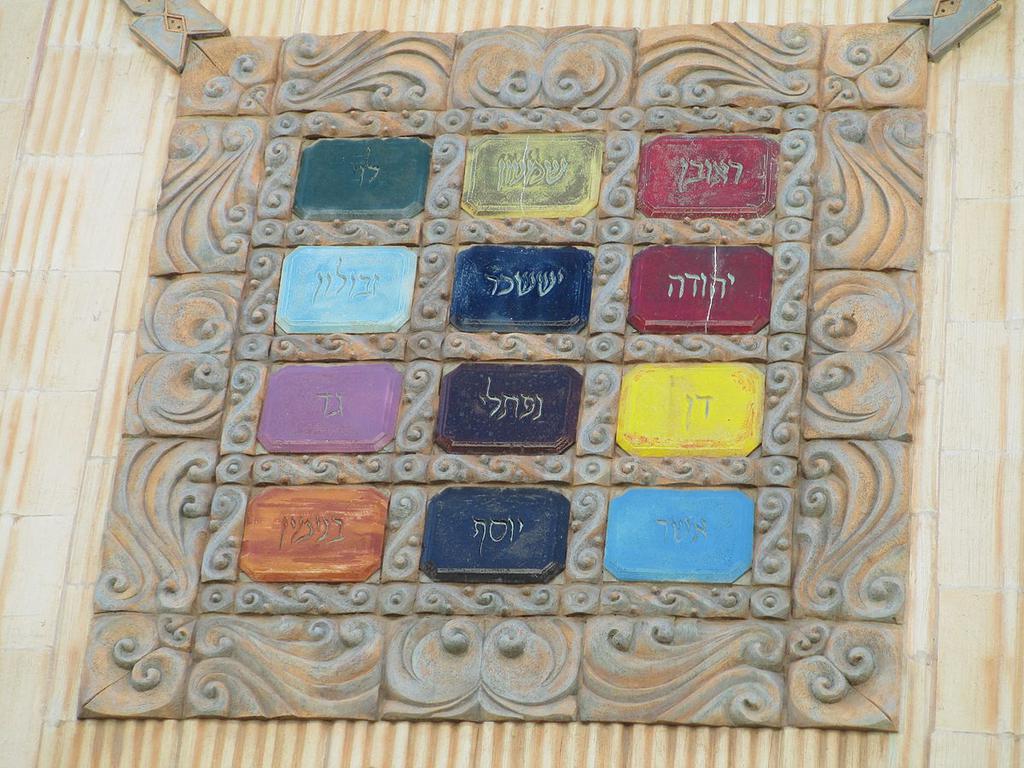
(ח) וַיַּ֧עַשׂ אֶת־הַחֹ֛שֶׁן מַעֲשֵׂ֥ה חֹשֵׁ֖ב כְּמַעֲשֵׂ֣ה אֵפֹ֑ד זָהָ֗ב תְּכֵ֧לֶת וְאַרְגָּמָ֛ן וְתוֹלַ֥עַת שָׁנִ֖י וְשֵׁ֥שׁ מׇשְׁזָֽר׃ (ט) רָב֧וּעַ הָיָ֛ה כָּפ֖וּל עָשׂ֣וּ אֶת־הַחֹ֑שֶׁן זֶ֧רֶת אׇרְכּ֛וֹ וְזֶ֥רֶת רׇחְבּ֖וֹ כָּפֽוּל׃ (י) וַיְמַ֨לְאוּ־ב֔וֹ אַרְבָּעָ֖ה ט֣וּרֵי אָ֑בֶן ט֗וּר אֹ֤דֶם פִּטְדָה֙ וּבָרֶ֔קֶת הַטּ֖וּר הָאֶחָֽד׃ (יא) וְהַטּ֖וּר הַשֵּׁנִ֑י נֹ֥פֶךְ סַפִּ֖יר וְיָהֲלֹֽם׃ (יב) וְהַטּ֖וּר הַשְּׁלִישִׁ֑י לֶ֥שֶׁם שְׁב֖וֹ וְאַחְלָֽמָה׃ (יג) וְהַטּוּר֙ הָֽרְבִיעִ֔י תַּרְשִׁ֥ישׁ שֹׁ֖הַם וְיָשְׁפֵ֑ה מֽוּסַבֹּ֛ת מִשְׁבְּצֹ֥ת זָהָ֖ב בְּמִלֻּאֹתָֽם׃
Jonathan remains one of the nation’s most eloquent and outspoken advocates for equality and racial justice in our nation’s schools. Now, more than ever, in this time of the pandemic and mounting racial tensions, teachers of young children reach out to him repeatedly for support and guidance as they struggle to bring love and joy and healing to our divided nation.
Check out Jonathan Kozol's website here: https://www.jonathankozol.com/
Victor Acosta and eight other boys and girls meet with me in the freshman counselors’ office. They talk about “the table of brotherhood”—the words of Dr. King that we have heard recited by the theater class upstairs. “We are not yet seated at that table,” Victor says. “The table is set but no one’s in the chairs,” says a black student who, I later learn, is named Carissa. Alexander, a 16-year-old student who was brought here by his parents from Jamaica just a year ago, says this: “You can understand things better when you go among the wealthy. You look around you at their school, although it’s impolite to do that, and you take a deep breath at the sight of all those beautiful surroundings. Then you come back home and see that these are things you do not have. You think of the difference. Not at first, it takes a while to settle in.” I ask him why these differences exist. “Let me answer that,” says Israel, a small, wiry Puerto Rican boy. “If you threw us all into some different place, some ugly land, and put white children in this building in our place, this school would start to shine. No question. The parents would say: ‘This building sucks. It’s ugly. Fix it up.’ They’d fix it fast—no question. “People on the outside,” he goes on, “may think that we don’t know what it is like for other students, but we visit other schools and we have eyes and we have brains. You cannot hide the differences. You see it and compare.… “Most of the students in this school won’t go to college. Many of them will join the military. If there’s a war, we have to fight. Why should I go to war and fight for opportunities I can’t enjoy—for things rich people value, for their freedom, but I do not have that freedom and I can’t go to their schools?” “You tell your friends, ‘I go to Morris High,’ ” Carissa says. “They make a face. How does that make you feel?” She points to the floor beside the water barrel. “I found wild mushrooms growing in that corner.” “Big fat ugly things with hairs,” says Victor. Alexander then begins an explanation of the way that inequality becomes ensconced. “See,” he says, “the parents of rich children have the money to get into better schools. Then, after a while, they begin to say, ‘Well, I have this. Why not keep it for my children?’ In other words, it locks them into the idea of always having something more. After that, these things—the extra things they have—are seen like an inheritance. They feel it’s theirs and they don’t understand why we should question it. “See, that’s where the trouble starts. They get used to what they have. They think it’s theirs by rights because they had it from the start. So it leaves those children with a legacy of greed. I don’t think most people understand this.” One of the counselors, who sits nearby, looks at me and then at Alexander. Later he says, “It’s quite remarkable how much these children see. You wouldn’t know it from their academic work. Most of them write poorly. There is a tremendous gulf between their skills and capabilities. This gulf, this dissonance, is frightening. I mean, it says so much about the squandering of human worth.…”
ויתום הכסף מארץ מצרים, “Egypt completely ran out of money,” money stopped circulating as there was too little of it both in Egypt and in the land of Canaan. The reason why the Torah had to mention that money had also run out in the land of Canaan was that the Egyptians said to Joseph: “seeing that there is no point in your waiting for more buyers from the land of Canaan, as they have no money with which to buy, you might as well introduce a new bartering system in Egypt. If you keep waiting for customers and we die in the meantime, you will be left with tons of supplies and no one who will buy it from you. The disappearance of money from circulation occurred gradually, beginning with the poor running out of cash first. The words ויתם הכסף describe a state when even the wealthy people had no more ready cash. According to the Midrash Joseph had been equipped with a degree of prophecy so much so that he knew how much money every person still possessed. He used this knowledge to charge higher prices to the rich and lower prices to the poor, in order to preserve a certain degree of equality amongst the population when it came to obtaining the necessities of life.
~R' Jacob ben Asher (c. 1269 - c. 1343)
(6) Instruct the child according to his way, and when he ages it will not leave him.
-
Verbal-linguistic intelligence (well-developed verbal skills and sensitivity to the sounds, meanings and rhythms of words)
-
Logical-mathematical intelligence (ability to think conceptually and abstractly, and capacity to discern logical and numerical patterns)
-
Spatial-visual intelligence (capacity to think in images and pictures, to visualize accurately and abstractly)
-
Bodily-kinesthetic intelligence (ability to control one’s body movements and to handle objects skillfully)
-
Musical intelligences (ability to produce and appreciate rhythm, pitch and timber)
-
Interpersonal intelligence (capacity to detect and respond appropriately to the moods, motivations and desires of others)
-
Intrapersonal (capacity to be self-aware and in tune with inner feelings, values, beliefs and thinking processes)
-
Naturalist intelligence (ability to recognize and categorize plants, animals and other objects in nature)
-
Existential intelligence (sensitivity and capacity to tackle deep questions about human existence such as, “What is the meaning of life? Why do we die? How did we get here?”
Gardner (2013) asserts that regardless of which subject you teach—“the arts, the sciences, history, or math”—you should present learning materials in multiple ways. Gardner goes on to point out that anything you are deeply familiar with “you can describe and convey … in several ways. We teachers discover that sometimes our own mastery of a topic is tenuous, when a student asks us to convey the knowledge in another way and we are stumped.” Thus, conveying information in multiple ways not only helps students learn the material, it also helps educators increase and reinforce our mastery of the content.
https://www.niu.edu/citl/resources/guides/instructional-guide/gardners-theory-of-multiple-intelligences.shtml
“Two nations are in your womb,
Two separate peoples shall issue from your body;
One people shall be mightier than the other,
And the older shall serve the younger.” (24) When her time to give birth was at hand, there were twins in her womb. (25) The first one emerged red, like a hairy mantle all over; so they named him Esau. (26) Then his brother emerged, holding on to the heel of Esau; so they named him Jacob. Isaac was sixty years old when they were born. (27) When the boys grew up, Esau became a skillful hunter, a man of the outdoors; but Jacob became a mild man, raising livestock. (28) Isaac favored Esau because he had a taste for game; but Rebekah favored Jacob.
~Rabbi Samson Raphael Hirsch (1808-1888, Germany)
quoted from "Educating Both Jacob and Esau," by Rabbi Todd Berman
https://blogs.timesofisrael.com/educating-both-jacob-and-esau/
חֲזַק חֲזַק וְנִתְחַזֵּק
Chazak chazak v'nitchazek
Be strong, be strong, and let us be encouraged!
When we study, we traditionally study with a partner in chevruta, in "fellowship." In the Babylonian Talmud, Taanit 7a, we are told: As fire does not burn when isolated, so will the word of Torah not be preserved when studied by oneself. The Torah itself and its enduring impact are threatened if each of us studies alone. When we study with others, we learn dimensions of Torah that would otherwise elude us. The meaning that Torah has for each of us is enhanced and enriched when we realize it is not meant for our own individual sake, but for ourselves together with the others we engage with.
Finally, g'milut chasidim, "acts of loving-kindness," are predicated on there being others in the world for whom we care, with whom we identify, and toward whom we extend our presence, our love, our kindness. We cannot fulfill the mitzvot of visiting the sick, caring for the widow and the orphan, burying the dead, and so on if we do not see ourselves as part of a larger whole.
~Rabbi Nancy H. Wiener
https://reformjudaism.org/learning/torah-study/torah-commentary/chazak-chazak-vnitchazeik-1
(לד) וַיְכַ֥ס הֶעָנָ֖ן אֶת־אֹ֣הֶל מוֹעֵ֑ד וּכְב֣וֹד יְהֹוָ֔ה מָלֵ֖א אֶת־הַמִּשְׁכָּֽן׃ (לה) וְלֹא־יָכֹ֣ל מֹשֶׁ֗ה לָבוֹא֙ אֶל־אֹ֣הֶל מוֹעֵ֔ד כִּֽי־שָׁכַ֥ן עָלָ֖יו הֶעָנָ֑ן וּכְב֣וֹד יְהֹוָ֔ה מָלֵ֖א אֶת־הַמִּשְׁכָּֽן׃ (לו) וּבְהֵעָל֤וֹת הֶֽעָנָן֙ מֵעַ֣ל הַמִּשְׁכָּ֔ן יִסְע֖וּ בְּנֵ֣י יִשְׂרָאֵ֑ל בְּכֹ֖ל מַסְעֵיהֶֽם׃ (לז) וְאִם־לֹ֥א יֵעָלֶ֖ה הֶעָנָ֑ן וְלֹ֣א יִסְע֔וּ עַד־י֖וֹם הֵעָלֹתֽוֹ׃ (לח) כִּי֩ עֲנַ֨ן יְהֹוָ֤ה עַֽל־הַמִּשְׁכָּן֙ יוֹמָ֔ם וְאֵ֕שׁ תִּהְיֶ֥ה לַ֖יְלָה בּ֑וֹ לְעֵינֵ֥י כׇל־בֵּֽית־יִשְׂרָאֵ֖ל בְּכׇל־מַסְעֵיהֶֽם׃
חֲזַק חֲזַק וְנִתְחַזֵּק
Chazak chazak v'nitchazek
Be strong, be strong, and let us be encouraged!