


On the first day you shall take the product of hadar trees, branches of palm trees, boughs of leafy trees, and willows of the brook, and you shall rejoice before the LORD your God seven days.
דבר אחר: פרי עץ הדר, אלו ישראל. מה אתרוג זה, יש בו טעם ויש בו ריח. כך ישראל, יש בהם בני אדם, שיש בהם תורה, ויש בהם מעשים טובים. כפות תמרים, אלו ישראל. מה התמרה הזו, יש בו טעם ואין בו ריח. כך הם ישראל, יש בהם שיש בהם תורה ואין בהם מעשים טובים. וענף עץ עבות, אלו ישראל. מה הדס, יש בו ריח ואין בו טעם.כך ישראל, יש בהם שיש בהם מעשים טובים ואין בהם תורה. וערבי נחל, אלו ישראל. מה ערבה זו, אין בה טעם ואין בה ריח. כך הם ישראל, יש בהם בני אדם שאין בהם לא תורה ולא מעשים טובים. ומה הקב"ה עושה להם? לאבדן אי אפשר, אלא אמר הקדוש ברוך הוא יוקשרו כולם אגודה אחת, והן מכפרין אלו על אלו
The four species are likened to different categories in the Jewish people.
The Etrog, which has both taste and smell, is likened to those that study Torah and do mitzvot. The palm branch, which has taste, but no smell, is likened to those who have only Torah study. The myrtle, which has smell but no taste, is likened to those who have only mitzvot. The willow, which has neither taste nor smell, is likened to those who are without Torah study and without mitzvot. And Hashem says "bind them all together and let them atone one for the other."...

1. To which element of the four species do you most relate?
2. Which is "the best" to be?
3. Why do we need to be bound together in order to atone?
4. Are there any "types" of Jews missing from this list? What might you add to the lulav cluster to represent these types?
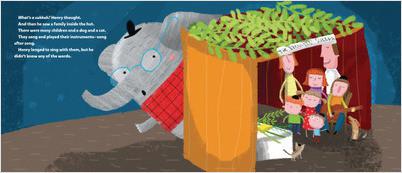
However, if one utilized his animal as a wall for a sukka and did not establish the entire sukka atop the animal, Rabbi Meir deems it unfit and Rabbi Yehuda deems it fit, as Rabbi Meir would say: With regard to any animate object, one may neither establish it as a wall for the sukka, nor as a side post placed at the entrance to an alleyway to render it permitted to carry in the alleyway on Shabbat, nor as one of the upright boards placed around wells to render the area a private domain and permit one to draw water from the well on Shabbat, nor as the covering for a grave. In the name of Rabbi Yosei HaGelili the Sages said: Nor may one write bills of divorce on it. The Gemara asks: What is the rationale for the opinion of Rabbi Meir, who rules that an animal is unfit for use as a partition in areas of halakha where a partition is required? Abaye said: It is due to the concern lest the animal die, leaving the sukka without a wall. Rabbi Zeira said: It is due to the concern lest it flee. The Gemara explains the practical halakhic differences between the two opinions. In the case where one established a wall with a tied elephant, everyone agrees that the sukka is fit, as even if it dies and falls, its carcass still has a height of ten handbreadths and is fit for the wall of a sukka. Where they disagree is in the case of an elephant that is not tied. According to the one who said: It is due to the concern lest the animal die, we are not concerned in this case, as the carcass would remain a fit wall. According to the one who said: It is due to a decree lest it flee, we remain concerned. The Gemara asks: According to the one who said: It is due to a decree lest it die, let us also be concerned lest it flee, as that too is a reasonable concern. Rather, this is the explanation: In the case where one established a wall with an elephant that is not tied, everyone agrees that the sukka is unfit lest it flee. Where they disagree is in the case of a tied animal. According to the one who said: It is due to a decree lest the animal die, we are concerned, as although it cannot flee, it might die, and the carcass of a typical animal is not ten handbreadths high. And according to the one who said: It is due to a decree lest it flee, we are not concerned. The Gemara asks: And according to the one who said: It is due to a decree lest it flee, let us also be concerned lest it die. The Gemara answers: That is not a concern because death is not common. The Sages do not issue decrees with regard to uncommon circumstances. The Gemara asks: But according to all opinions, isn’t there the space between its legs, which is like a breach in a wall? How can one establish a partition whose breached segment exceeds its standing segment? The Gemara answers: He establishes a partition for it by filling the gaps with hard palm leaves and laurel leaves, sealing the breach. The Gemara asks further: And even though there is no concern lest the animal die, perhaps it will crouch, leaving a wall that is less than ten handbreadths? The Gemara answers: It is referring to a case where the animal is tied with ropes from above so that it cannot crouch. Based on that explanation, the Gemara asks: And according to the one who said: It is due to a decree lest it die, there is also no concern since it is tied with ropes from above. Even if the animal died, it would remain in place as a fit partition. The Gemara answers: Sometimes the ten-handbreadth wall consists of the animal that is a bit higher than seven handbreadths established adjacent to the roofing, less than three handbreadths away. And once it dies, it contracts to be more than three handbreadths from the roofing, and it does not enter his mind to fix it because it is not noticeable. In that case, the principle of lavud would not apply, and the result would be a wall that is less than the minimum requisite height.
https://www.aju.edu/sites/default/files/sites/default/default/docs/Walking%20With%20God/Walking%20With%20the%20Jewish%20Calendar/6%20-%20u5%20-%20sukkot.pdf
(יז) רַבִּי אֶלְעָזָר בֶּן עֲזַרְיָה אוֹמֵר, אִם אֵין תּוֹרָה, אֵין דֶּרֶךְ אֶרֶץ. אִם אֵין דֶּרֶךְ אֶרֶץ, אֵין תּוֹרָה. אִם אֵין חָכְמָה, אֵין יִרְאָה. אִם אֵין יִרְאָה, אֵין חָכְמָה. אִם אֵין בִּינָה, אֵין דַּעַת. אִם אֵין דַּעַת, אֵין בִּינָה. אִם אֵין קֶמַח, אֵין תּוֹרָה. אִם אֵין תּוֹרָה, אֵין קֶמַח. הוּא הָיָה אוֹמֵר, כָּל שֶׁחָכְמָתוֹ מְרֻבָּה מִמַּעֲשָׂיו, לְמַה הוּא דוֹמֶה, לְאִילָן שֶׁעֲנָפָיו מְרֻבִּין וְשָׁרָשָׁיו מֻעָטִין, וְהָרוּחַ בָּאָה וְעוֹקַרְתּוֹ וְהוֹפַכְתּוֹ עַל פָּנָיו, שֶׁנֶּאֱמַר (ירמיה יז) וְהָיָה כְּעַרְעָר בָּעֲרָבָה וְלֹא יִרְאֶה כִּי יָבוֹא טוֹב וְשָׁכַן חֲרֵרִים בַּמִּדְבָּר אֶרֶץ מְלֵחָה וְלֹא תֵשֵׁב. אֲבָל כָּל שֶׁמַּעֲשָׂיו מְרֻבִּין מֵחָכְמָתוֹ, לְמַה הוּא דוֹמֶה, לְאִילָן שֶׁעֲנָפָיו מֻעָטִין וְשָׁרָשָׁיו מְרֻבִּין, שֶׁאֲפִלּוּ כָל הָרוּחוֹת שֶׁבָּעוֹלָם בָּאוֹת וְנוֹשְׁבוֹת בּוֹ אֵין מְזִיזִין אוֹתוֹ מִמְּקוֹמוֹ, שֶׁנֶּאֱמַר (שם) וְהָיָה כְּעֵץ שָׁתוּל עַל מַיִם וְעַל יוּבַל יְשַׁלַּח שָׁרָשָׁיו וְלֹא יִרְאֶה כִּי יָבֹא חֹם, וְהָיָה עָלֵהוּ רַעֲנָן, וּבִשְׁנַת בַּצֹּרֶת לֹא יִדְאָג, וְלֹא יָמִישׁ מֵעֲשׂוֹת פֶּרִי:
(17) Rabbi Elazar ben Azariah says: If there is no Torah, there is no worldly occupation; if there is no worldly occupation, there is no Torah. If there is no wisdom, there is no fear; if there is no fear, there is no wisdom. If there is no understanding, there is no knowledge; if there is no knowledge, there is no understanding. If there is no flour, there is no Torah; if there is no Torah, there is no flour. He would say: Anyone whose wisdom exceeds his deeds, to what is he compared? To a tree whose branches are many but whose roots are few; and the wind comes and uproots it and turns it upside down; as it is said; "And he shall be like a lonely juniper tree in the wasteland and shall not see when good comes, but shall inhabit the parched places of the wilderness, a salty land that is uninhabitable." (Jeremiah 17:6). But one whose deeds exceed his wisdom, what is he like? Like a tree whose branches are few but whose roots are many; since even if all the winds of the world come and blow upon it, they do not move it from its place, as it is said; "He shall be like a tree planted by the waters, and spreads out its roots by the river, and shall not perceive when heat comes, but its leaf shall remain fresh; and it will not be troubled in the year of drought, nor will it cease to bear fruit." (Jeremiah 17:8).
The Omer on Pesach was from the barley harvest. The offering on Shavuot was of wheat. Barley is mainly food for animals. Wheat is food for human beings. The Torah hints to us that physical independence by itself still leaves man – from the Torah perspective – on the animal level. The counting of the forty-nine days signifies a sevenfold refining process and marks our progress to full human status with our acceptance of the Torah at Sinai, seven weeks after the Exodus.
Daniel Joseph (http://shoresh.ca/on-the-relationship-between-flour-and-torah/):
Shavuot is known both as the ‘Time of the Giving of our Torah’ and also as the ‘Day of First Fruits’. Both names indicate the receiving of one type of sustenance. The Torah represents our spiritual endeavours and is the source of our spiritual sustenance. Shavuot is called the ‘Day of First Fruits’ because it is the day of the first barley harvest. Barley flour can make bread, physical sustenance in ancient Israel and the western world. Through both of these names, we can see how Shavuot celebrates and emphasizes harmony between the physical and spiritual gifts we receive.
*Sefer HaChinuch: Composed in Middle-Age Spain (c.1255 - c.1285 CE). The Sefer ha-Chinuch (Book of Education), is a work which systematically discusses the 613 commandments of the Torah. It was published anonymously in 13th century Spain.
-Rabbi Noah Farkas
Read more: https://forward.com/food/147426/without-flour-there-is-no-torah/


