


בַּעֲשָׂרָה מַאֲמָרוֹת נִבְרָא הָעוֹלָם.
וּמַה תַּלְמוּד לוֹמַר, וַהֲלֹא בְמַאֲמָר אֶחָד יָכוֹל לְהִבָּרְאוֹת,
אֶלָּא לְהִפָּרַע מִן הָרְשָׁעִים שֶׁמְּאַבְּדִין אֶת הָעוֹלָם שֶׁנִּבְרָא בַעֲשָׂרָה מַאֲמָרוֹת,
וְלִתֵּן שָׂכָר טוֹב לַצַּדִּיקִים שֶׁמְּקַיְּמִין אֶת הָעוֹלָם שֶׁנִּבְרָא בַעֲשָׂרָה מַאֲמָרוֹת:
שֶׁמְּאַבְּדִים אֶת הָעוֹלָם. שֶׁכָּל הַמְאַבֵּד נֶפֶשׁ אַחַת מִיִּשְׂרָאֵל כְּאִלּוּ אִבֵּד עוֹלָם מָלֵא, וְהָרְשָׁעִים שֶׁבַּעֲוֹנָם מְאַבְּדִים אֶת נַפְשָׁם כְּאִלּוּ מְאַבְּדִים אֶת הָעוֹלָם. כָּךְ מָצָאתִי. וְלִי נִרְאֶה, שֶׁמְּאַבְּדִין אֶת הָעוֹלָם מַמָּשׁ, שֶׁמַּכְרִיעִים אֶת כָּל הָעוֹלָם כֻּלּוֹ לְכַף חוֹבָה, וְנִמְצָא הָעוֹלָם אָבֵד בִּשְׁבִילָם:
אלא להפרע מן הרשעים. זה למדנו ממה שנברא בעשרה מאמרות שאינו דומה המאבד מלאכת יום אחד למאבד מלאכת הרבה ימים והרשעים יש עליהם דין מאבד דבר הנעשה ביגיעה כשהן מאבדין העולם לא שהעולם אובד אלא שהן מאבדין עצמם ממנו:
בעשרה מאמרות כשתסתכל בכל מה שבא במעשה בראשית ויאמר תמצאם תשעה ובראשית עשירי
ואף ע"פ שלא התבאר בו מלת ויאמר הענין מורה עליו וכאילו אמר ויאמר אלהים יהיו השמים והארץ כי לא נהיו מבלתי מאמר
והיה יכול לספר בריאה כולה במאמר אחד כשיאמר ויאמר אלהים יהיו שמים וארץ ויהי רקיע ויקוו המים וגו' ואמנם ייחד מאמר לכל ענין להודיע גודל זה המציאות וטוב סדרו ושמפסידו מפסיד דבר גדול ומתקנו יתקן דבר גדול רוצה לומר שמפסידו מי שיפסיד נפשו אשר בידו לתקנה ולהפסידה וכאילו הוא התכלית האחרון מכלל המציאות אשר אמר בו עשרה מאמרות כמו שבארנו בפתיחת חבורנו זה:
בעשרה מאמרות נברא העולם (משנה אבות, פרק ה, משנה א), ואלו הן:
- "וַיֹּאמֶר אֱלֹהִים יְהִי אוֹר", (בראשית א, ו):
- "וַיֹּאמֶר אֱלֹהִים יְהִי רָקִיעַ", (בראשית א, ט):
- "וַיֹּאמֶר אֱלֹהִים יִקָּווּ הַמַּיִם", (בראשית א, יא):
- "וַיֹּאמֶר אֱלֹהִים תַּדְשֵׁא הָאָרֶץ", (בראשית א, יד):
- "וַיֹּאמֶר אֱלֹהִים יְהִי מְאֹרֹת", (בראשית א, כ):
- "וַיֹּאמֶר אֱלֹהִים יִשְׁרְצוּ הַמַּיִם", (בראשית א, כד):
- "וַיֹּאמֶר אֱלֹהִים תּוֹצֵא הָאָרֶץ", (בראשית א, כו):
- "וַיֹּאמֶר אֱלֹהִים נַעֲשֶׂה אָדָם", (בראשית א, כט):
- "וַיֹּאמֶר אֱלֹהִים הִנֵּה נָתַתִּי לָכֶם", (בראשית ב, יח):
- "וַיֹּאמֶר אֱלֹהִים לֹא טוֹב הֱיוֹת הָאָדָם לְבַדּוֹ".
ובשלשה כוללו, ואלו הן: בחכמה, בתבונה ובדעת, שנאמר
- ה' בחכמה יסד ארץ
- כונן שמים בתבונה
- בדעתו תהומות נבקעו.
ובשלשתן נעשה המשכן, שנאמר (שמות לא, ג): "וָאֲמַלֵּא אֹתוֹ רוּחַ אֱלֹהִים בְּחָכְמָה וּבִתְבוּנָה וּבְדַעַת".
ובשלשתן נעשה בית המקדש, שנאמר (מ"א ז, יד): "בֶּן אִשָּׁה אַלְמָנָה הוּא מִמַּטֵּה נַפְתָּלִי וְאָבִיו אִישׁ צֹרִי חֹרֵשׁ נְחֹשֶׁת וַיִּמָּלֵא אֶת הַחָכְמָה וְאֶת הַתְּבוּנָה וְאֶת הַדַּעַת".
ובשלשתן עתיד להבנות, שנאמר (משלי כד, ג): "בְּחָכְמָה יִבָּנֶה בָּיִת וּבִתְבוּנָה יִתְכּוֹנָן וּבְדַעַת חֲדָרִים יִמָּלְאוּ".
מבחינות אלה האדם הוא המצווה והגמול, נדון הוא עצמו על כל מעשיו, וכל העולם כלו נדון לפי מעשיו לשבט או לחסד. וזהו עומק מאמר רז״ל: ״בעשרה מאמרות נברא העולם, והלא במאמר אחד יכול היה להבראות, אלא להפרע מן הרשעים… ולתת שכר לצדיקים שמקיימים את העולם״ (אבות ה, מ״א).
קהלת, ככל הפילוסופים האחרונים, חוקר ומהפך בשאלה זו, לא מפני נטית הכפירה – להרוס מופתים סופיסטיים, אלא הוא עומד בתחלת חקירתו, בראשית התחלת עיונו על יסוד דברי תורה המאומתים והמקובלים:
״מה יתרון לאדם בכל עמלו שיעמול תחת השמש?״, אין יתרון לאדם בעולם השפל העכור מצד עצמו ומקבל אורה מאחרים שלמעלה ממנו,
אבל יש יתרון לאדם למעלה מהשמש, זאת אומרת לפני יצירת השמש, רוח אלקים שקדמה לבריאת עולם ומהוה אצילות נשמתו, מוכרחה להיות מיותרת ומעולה בכושר בחירתה ומדעה, וכדרכה של כל דעת אמת, שסופה נעוץ בתחלתה, אף דברי קהלת ראשם וסופם הם דברי תורה, היסוד שכל התורה עומדת עליו: ״כי זה כל האדם״, כל העולם לא נברא אלא בשביל זה, והאדם עומד ומעמיד לדין את כל העולם עמו. בדברים יותר בהירים הביעו רז״ל רעיון זה לאמר: בעשרה מאמרות נברא העולם – להפרע מן הרשעים שמאבדין את העולם שנברא בעשרה מאמרות וליתן שכר טוב לצדיקים שמקימים את העולם שנברא בעשרה מאמרות (אבות ה, א).
ושמעתי בשם אחד שפירש מאמר חז"ל (אבות פ"ה מ"א) בעשרה מאמרות נברא העולם כו' כדי כו'. ופירש על דרך מאמר חז"ל (סנהדרין לח.) יתוש קדמך במעשה בראשית, היינו שעל ידי שיזכור האדם שיתוש הוא קודם לפניו במעשה בראשית עי"ז לא יתגאה האדם, ואם היה נברא העולם במאמר אחד היו כל הנבראים בפעם אחת בהשוואה ולא היה קדימת היתוש, וכשנברא בעשרה מאמרות היה קדימת היתוש, ועל ידי זה יגיע שפלות לאדם ולא יתגאה ויהיה שכר טוב לצדיקים.
אבל הענין הוא אומרם זכרונם לברכה: בעשרה מאמרות נברא העולם והם כנגד עשרת הדברות כארז״ל שהסתכל בתורה וברא את העולם
However, the matter is as they stated, may their memory be for blessing: "With Ten Utterances was the world created and they are juxtaposed to the Ten Commandments, as out Sages of blessed memory stated, that He looked into the Torah and created the world.
עֲשָׂרָה דוֹרוֹת מֵאָדָם וְעַד נֹחַ, לְהוֹדִיעַ כַּמָּה אֶרֶךְ אַפַּיִם לְפָנָיו, שֶׁכָּל הַדּוֹרוֹת הָיוּ מַכְעִיסִין וּבָאִין עַד שֶׁהֵבִיא עֲלֵיהֶם אֶת מֵי הַמַּבּוּל.
עֲשָׂרָה דוֹרוֹת מִנֹּחַ וְעַד אַבְרָהָם, לְהוֹדִיעַ כַּמָּה אֶרֶךְ אַפַּיִם לְפָנָיו, שֶׁכָּל הַדּוֹרוֹת הָיוּ מַכְעִיסִין וּבָאִין, עַד שֶׁבָּא אַבְרָהָם וְקִבֵּל עָלָיו שְׂכַר כֻּלָּם:
וְקִבֵּל עָלָיו שְׂכַר כֻּלָּם. עָשָׂה מַעֲשִׂים טוֹבִים כְּנֶגֶד מַה שֶּׁהָיָה רָאוּי שֶׁיַּעֲשׂוּ כֻּלָּם, לְפִיכָךְ נִצּוֹלוּ כֻּלָּם בִּזְכוּתוֹ.
וּכְמוֹ שֶׁנָּטַל עָלָיו עֹל מִצְוֹת בָּעוֹלָם הַזֶּה כְּנֶגֶד כֻּלָּם כָּךְ קִבֵּל בָּעוֹלָם הַבָּא שָׂכָר כְּנֶגֶד כֻּלָּם, שֶׁכָּל אָדָם יֵשׁ לוֹ שְׁנֵי חֲלָקִים, אֶחָד בְּגַן עֵדֶן וְאֶחָד בַּגֵּיהִנֹם, זָכָה נוֹטֵל חֶלְקוֹ וְחֵלֶק חֲבֵרוֹ בְּגַן עֵדֶן, נִתְחַיֵּב, נוֹטֵל חֶלְקוֹ וְחֵלֶק חֲבֵרוֹ בַּגֵּיהִנֹם (חגיגה טו:):
אלו הדורות הם דברי התורה פלוני הוליד פלוני על הסדר וזכר זה ומה שאחריו
מפני זכרו עשרה מאמרות שבהן מוסר לאדם לזרז אותו ולתקן נפשו במעלות המדות ובמעלות השכליות שזהו כוונת זאת המסכתא:
עשרה דורות מאדם ועד נח וכי מה הוצרך לבאי עולם לכך אלא ללמדך שכל הדורות היו מכעיסין ובאין ולא הביא הקב״ה עליהם את מי המבול בשביל צדיקים וחסידים שהיו בהם.
וי״א כל זמן שהיה מתושלח חי לא ירד מבול לעולם וכשמת מתושלח עוד נתלה להם שבעת ימים לאחר מיתתו שנא׳ (בראשית ז׳:י׳) ויהי לשבעת הימים מה טיבן של שבעת הימים הללו? אלו ימי אבלו של צדיק שעיכב את הפורענות.
לפיכך נאמר ויהי לשבעת הימים.
ד"א ויהי לשבעת הימים מלמד שקבע הקב״ה להם זמן לאחר ק״כ שנה שמא יעשו תשובה ולא עשו ולכך נאמר ויהי לשבעת הימים.
ד״א מלמד ששינה עליהם הקב״ה סידורו של עולם והיתה חמה יוצאת ממערב ושוקעת במזרח שמא יבינו ויתייראו ויעשו תשובה ולא עשו לכך נאמר ויהי לשבעת הימים.
There were ten generations from Adam until Noah.
And why was it necessary to bring all those people into the world? This teaches you that even as all those generations continued to anger the Holy Blessed One, He did not bring the flood upon them because of the righteous and saintly among them. And some say that as long as Methuselah was alive, the flood did not come upon the world; and even when Methuselah died, it was still held off for another seven days, as it says (Genesis 7:10), “And it was seven days, [and the waters of the flood were on the earth].” What was happening during those seven days? These were the [seven] days of mourning for that righteous man, who had prevented the punishment. That is why it says, “And it was seven days.”
Another interpretation of, “And it was seven days”: This teaches that the Holy Blessed One fixed a specific time, after 120 years, hoping that they might repent. But they did not, and so it says, “And it was seven days” [i.e., the final seven days of the countdown].
Another interpretation of, “And it was seven days”: This teaches that the Holy Blessed One changed the order of the world [which was created in seven days] for them, and had the sun rise from the west and set in the east, hoping that maybe they would understand and become afraid and repent. But they did not, and so it says, “And it was seven days.”
עֲשָׂרָה נִסְיוֹנוֹת נִתְנַסָּה אַבְרָהָם אָבִינוּ עָלָיו הַשָּׁלוֹם וְעָמַד בְּכֻלָּם, לְהוֹדִיעַ כַּמָּה חִבָּתוֹ שֶׁל אַבְרָהָם אָבִינוּ עָלָיו הַשָּׁלוֹם:
עֲשָׂרָה נִסְיוֹנוֹת.
אֶחָד, אוּר כַּשְׂדִים, שֶׁהִשְׁלִיכוֹ נִמְרוֹד לְכִבְשַׁן הָאֵשׁ.
שֵׁנִי, לֶךְ לְךָ מֵאַרְצְךָ.
שְׁלִישִׁי, וַיְהִי רָעָב.
רְבִיעִי, וַתֻּקַּח הָאִשָּׁה בֵּית פַּרְעֹה.
חֲמִישִׁי, מִלְחֶמֶת הַמְּלָכִים.
שִׁשִּׁי, מַעֲמַד בֵּין הַבְּתָרִים, שֶׁהֶרְאָהוּ שִׁעְבּוּד מַלְכֻיּוֹת.
שְׁבִיעִי, הַמִּילָה.
שְׁמִינִי, וַיִּשְׁלַח אֲבִימֶלֶךְ וַיִקַּח אֶת שָׂרָה.
תְּשִׁיעִי, גָּרֵשׁ הָאָמָה הַזֹּאת וְאֶת בְּנָהּ.
עֲשִׂירִי, הָעֲקֵדָה:
וברמב״ם המה מנויים כך: א' לך לך מארצך. ב' ויה' רעב בארץ. ג' ותלקח שרה. ד' בהלחמו במלכים. ה' לקיחת הגר לאשה. ו' מילה. ז' לקיחת שרה לאבימלר. ח' גרוש הגר. ט' גרוש ישמעאל. י' העקידה:
בראשית רבה לח יג, פרשת נח
אמר ר' חייא בנו של ר' אדא מיפו: תרח עובד צלמים היה. פעם אחת יצא למקום אחד, הושיב אברהם מוכר תחתיו … (נשברו הפסלים).
(אמר אברהם:) עמד הגדול שבהם ונטל את המקל ושברם.
אמר לו: מה אתה משטה בי? וכי יודעים הם?
אמר לו: ולא ישמעו אוזניך מה שפיך אומר?
נטלו ומסרו לנמרוד,
אמר לו נמרוד: נשתחווה לאש. אמר לו אברהם: נשתחווה למים שמכבים את האש.
אמר לו נמרוד: נשתחווה למים. אמר לו: נשתחווה לענן שהוא טעון מים.
אמר לו: נשתחווה לענן. אמר לו: נשתחווה לרוח שהוא מפזר את העננים.
אמר לו: נשתחווה לרוח. אמר לו: נשתחווה לאדם הסובל את הרוח.
אמר לו: דברים אתה מספר, אני איני משתחווה אלא לָאוּר.
הרי אני משליכך בתוכו, ויבוא אלוה שאתה משתחווה לו ויצילך הימנו.
מקור: מחלקי המים.
אָבִינוּ. שֶׁאָנוּ זוֹכִים וּמְקַבְּלִים טוֹבָה בִּזְכוּתוֹ זֶה שֶׁעָמַד בְּכָל נִסְיוֹנוֹתָיו, לְפִיכָךְ קְרָאוֹ הַתַּנָּא בְּכָאן אָבִינוּ. נִרְאֶה לִי:
עשרה נסיונות נתנסה אברהם אבינו, ועמד בכולן. הנס הראשון, כשנולד אברהם בקשו כל גדולי מלכות והקוסמים להרגו ונחבא בבית הרן שלש עשרה שנה
ולאחר שלש עשרה שנה יצא מבית הרן מדבר בלשון הקדש ומאס באלילים ומשקץ את הפסילים ובטח בשם יוצרו ואמר אשרי אדם בוטח בך.
OUR father Abraham was tried with ten trials, || and he stood firm in them all. The first trial was when our father Abraham was born; all the magnates of the kingdom and the magicians sought to kill him, and he was hidden under the earth for thirteen years without seeing sun or moon. After thirteen years he went forth from beneath the earth, speaking the holy language; and he despised idols and held in abomination the graven images, and he trusted in the shadow of his Creator, and said: "Blessed is the man who trusts in thee" (Ps. 84:12).
עֲשָׂרָה נִסִּים נַעֲשׂוּ לַאֲבוֹתֵינוּ בְמִצְרַיִם וַעֲשָׂרָה עַל הַיָּם.
עֶשֶׂר מַכּוֹת הֵבִיא הַקָּדוֹשׁ בָּרוּךְ הוּא עַל הַמִּצְרִיִּים בְּמִצְרַיִם וְעֶשֶׂר עַל הַיָּם.
עֲשָׂרָה נִסְיוֹנוֹת נִסּוּ אֲבוֹתֵינוּ אֶת הַמָּקוֹם בָּרוּךְ הוּא בַמִּדְבָּר, שֶׁנֶּאֱמַר (במדבר יד) "וַיְנַסּוּ אֹתִי זֶה עֶשֶׂר פְּעָמִים וְלֹא שָׁמְעוּ בְּקוֹלִי":
עֲשָׂרָה נִסִּים נַעֲשׂוּ לַאֲבוֹתֵינוּ בְּמִצְרַיִם. שֶׁנִּצּוֹלוּ מֵעֶשֶׂר מַכּוֹת. וְכֻלָּם הָיוּ בַּמִּצְרִיִּים וְלֹא בְּיִשְׂרָאֵל:
וַעֲשָׂרָה עַל הַיָּם.
אֶחָד, וַיִּבָּקְעוּ הַמָּיִם.
שֵׁנִי, שֶׁנַּעֲשָׂה הַיָּם כְּמִין אֹהֶל וְנִכְנְסוּ יִשְׂרָאֵל לְתוֹכוֹ, דִּכְתִיב (חבקוק ג) נָקַבְתָּ בְמַטָּיו רֹאשׁ פְּרָזָיו.
שְׁלִישִׁי, שֶׁנַּעֲשָׂה קַרְקָעִית הַיָּם יָבֵשׁ בְּלֹא חֹמֶר וְטִיט, דִּכְתִיב (שמות יד) וּבְנֵי יִשְׂרָאֵל הָלְכוּ בַיַּבָּשָׁה.
רְבִיעִי, שֶׁקַּרְקָעִית הַיָּם שֶׁדָּרְכוּ בּוֹ הַמִּצְרִיִּים שֶׁהָיוּ רוֹדְפִים אַחֲרֵי יִשְׂרָאֵל נִתְחַלְחֵל וְנַעֲשָׂה חֹמֶר וְטִיט, דִּכְתִיב (חבקוק ג) חֹמֶר מַיִם רַבִּים.
חֲמִישִׁי, שֶׁהַמַּיִם הַנִּקְפָּאִים בְּקַרְקַע הַיָּם לֹא הָיוּ חֲתִיכָה אַחַת אֶלָּא חֲתִיכוֹת קְטַנּוֹת, כְּעֵין לְבֵנִים וְאַבְנֵי הַבִּנְיָן מְסֻדָּרִים זֶה אֵצֶל זֶה, כְּדִכְתִיב (תהלים עד) אַתָּה פוֹרַרְתָּ בְעָזְּךָ יָם, שֶׁנַּעֲשָׂה כְּעֵין פֵּרוּרִים.
שִׁשִּׁי, שֶׁנִּתְקַשּׁוּ הַמַּיִם הַנִּקְפָּאִים וְנַעֲשׂוּ קָשִׁים כִּסְלָעִים, כְּדִכְתִיב (שם) שִׁבַּרְתָּ רָאשֵׁי תַנִּינִים עַל הַמָּיִם, וְהַמִּצְרִיִּים נִקְרְאוּ תַּנִּינִים.
שְׁבִיעִי, שֶׁנִּגְזַר הַיָּם לִשְׁנֵים עָשָׂר גְּזָרִים כְּדֵי שֶׁיַּעַבְרוּ כָּל שֵׁבֶט וְשֵׁבֶט בְּדֶרֶךְ אֶחָד לְבַדּוֹ, וְהַיְנוּ דִּכְתִיב (שם קלו) לְגוֹזֵר יַם סוּף לִגְזָרִים.
שְׁמִינִי, שֶׁקָּפְאוּ הַמַּיִם כְּסַפִּיר וְשֹׁהַם וּזְכוּכִית, כְּדֵי שֶׁיִּרְאוּ הַשְּׁבָטִים אֵלּוּ אֶת אֵלּוּ, שֶׁעַמּוּד הָאֵשׁ הָיָה מֵאִיר לָהֶם, וְזֶהוּ שֶׁנֶּאֱמַר (שם יח) חֶשְׁכַת מַיִם עָבֵי שְׁחָקִים, כְּלוֹמַר קִבּוּץ הַמַּיִם הָיָה כָּעֳבִי שְׁחָקִים כְּעֶצֶם הַשָּׁמַיִם לָטֹהַר.
תְּשִׁיעִי, שֶׁהָיוּ יוֹצְאִים מִמֶּנּוּ מַיִם מְתוּקִים שֶׁהָיוּ שׁוֹתִים אוֹתָם, וְזֶהוּ שֶׁנֶּאֱמַר נוֹזְלִים.
עֲשִׂירִי, שֶׁלְּאַחַר שֶׁשָּׁתוּ מֵהֶם מַה שֶּׁרָצוּ, הַנּוֹתָרִים מֵהֶם הָיוּ נִקְפָּאִים וְנַעֲשִׂים עֲרֵמוֹת, דִּכְתִיב (שמות טו) נֶעֶרְמוּ מַיִם נִצְּבוּ כְמוֹ נֵד נוֹזְלִים:
(א) אָ֣ז יָשִֽׁיר־מֹשֶׁה֩ וּבְנֵ֨י יִשְׂרָאֵ֜ל אֶת־הַשִּׁירָ֤ה הַזֹּאת֙ לַֽיהֹוָ֔ה וַיֹּאמְר֖וּ לֵאמֹ֑ר אָשִׁ֤ירָה לַֽיהֹוָה֙ כִּֽי־גָאֹ֣ה גָּאָ֔ה ס֥וּס וְרֹכְב֖וֹ רָמָ֥ה בַיָּֽם׃ (ב) עׇזִּ֤י וְזִמְרָת֙ יָ֔הּ וַֽיְהִי־לִ֖י לִֽישׁוּעָ֑ה זֶ֤ה אֵלִי֙ וְאַנְוֵ֔הוּ אֱלֹהֵ֥י אָבִ֖י וַאֲרֹמְמֶֽנְהוּ׃ (ג) יְהֹוָ֖ה אִ֣ישׁ מִלְחָמָ֑ה יְהֹוָ֖ה שְׁמֽוֹ׃ (ד) מַרְכְּבֹ֥ת פַּרְעֹ֛ה וְחֵיל֖וֹ יָרָ֣ה בַיָּ֑ם וּמִבְחַ֥ר שָֽׁלִשָׁ֖יו טֻבְּע֥וּ בְיַם־סֽוּף׃ (ה) תְּהֹמֹ֖ת יְכַסְיֻ֑מוּ יָרְד֥וּ בִמְצוֹלֹ֖ת כְּמוֹ־אָֽבֶן׃ (ו) יְמִֽינְךָ֣ יְהֹוָ֔ה נֶאְדָּרִ֖י בַּכֹּ֑חַ יְמִֽינְךָ֥ יְהֹוָ֖ה תִּרְעַ֥ץ אוֹיֵֽב׃ (ז) וּבְרֹ֥ב גְּאוֹנְךָ֖ תַּהֲרֹ֣ס קָמֶ֑יךָ תְּשַׁלַּח֙ חֲרֹ֣נְךָ֔ יֹאכְלֵ֖מוֹ כַּקַּֽשׁ׃ (ח) וּבְר֤וּחַ אַפֶּ֙יךָ֙ נֶ֣עֶרְמוּ מַ֔יִם נִצְּב֥וּ כְמוֹ־נֵ֖ד נֹזְלִ֑ים קָֽפְא֥וּ תְהֹמֹ֖ת בְּלֶב־יָֽם׃ (ט) אָמַ֥ר אוֹיֵ֛ב אֶרְדֹּ֥ף אַשִּׂ֖יג אֲחַלֵּ֣ק שָׁלָ֑ל תִּמְלָאֵ֣מוֹ נַפְשִׁ֔י אָרִ֣יק חַרְבִּ֔י תּוֹרִישֵׁ֖מוֹ יָדִֽי׃ (י) נָשַׁ֥פְתָּ בְרוּחֲךָ֖ כִּסָּ֣מוֹ יָ֑ם צָֽלְלוּ֙ כַּֽעוֹפֶ֔רֶת בְּמַ֖יִם אַדִּירִֽים׃ (יא) מִֽי־כָמֹ֤כָה בָּֽאֵלִם֙ יְהֹוָ֔ה מִ֥י כָּמֹ֖כָה נֶאְדָּ֣ר בַּקֹּ֑דֶשׁ נוֹרָ֥א תְהִלֹּ֖ת עֹ֥שֵׂה פֶֽלֶא׃ (יב) נָטִ֙יתָ֙ יְמִ֣ינְךָ֔ תִּבְלָעֵ֖מוֹ אָֽרֶץ׃ (יג) נָחִ֥יתָ בְחַסְדְּךָ֖ עַם־ז֣וּ גָּאָ֑לְתָּ נֵהַ֥לְתָּ בְעׇזְּךָ֖ אֶל־נְוֵ֥ה קׇדְשֶֽׁךָ׃ (יד) שָֽׁמְע֥וּ עַמִּ֖ים יִרְגָּז֑וּן חִ֣יל אָחַ֔ז יֹשְׁבֵ֖י פְּלָֽשֶׁת׃ (טו) אָ֤ז נִבְהֲלוּ֙ אַלּוּפֵ֣י אֱד֔וֹם אֵילֵ֣י מוֹאָ֔ב יֹֽאחֲזֵ֖מוֹ רָ֑עַד נָמֹ֕גוּ כֹּ֖ל יֹשְׁבֵ֥י כְנָֽעַן׃ (טז) תִּפֹּ֨ל עֲלֵיהֶ֤ם אֵימָ֙תָה֙ וָפַ֔חַד בִּגְדֹ֥ל זְרוֹעֲךָ֖ יִדְּמ֣וּ כָּאָ֑בֶן עַד־יַעֲבֹ֤ר עַמְּךָ֙ יְהֹוָ֔ה עַֽד־יַעֲבֹ֖ר עַם־ז֥וּ קָנִֽיתָ׃ (יז) תְּבִאֵ֗מוֹ וְתִטָּעֵ֙מוֹ֙ בְּהַ֣ר נַחֲלָֽתְךָ֔ מָכ֧וֹן לְשִׁבְתְּךָ֛ פָּעַ֖לְתָּ יְהֹוָ֑ה מִקְּדָ֕שׁ אֲדֹנָ֖י כּוֹנְנ֥וּ יָדֶֽיךָ׃ (יח) יְהֹוָ֥ה ׀ יִמְלֹ֖ךְ לְעֹלָ֥ם וָעֶֽד׃ (יט) כִּ֣י בָא֩ ס֨וּס פַּרְעֹ֜ה בְּרִכְבּ֤וֹ וּבְפָרָשָׁיו֙ בַּיָּ֔ם וַיָּ֧שֶׁב יְהֹוָ֛ה עֲלֵהֶ֖ם אֶת־מֵ֣י הַיָּ֑ם וּבְנֵ֧י יִשְׂרָאֵ֛ל הָלְכ֥וּ בַיַּבָּשָׁ֖ה בְּת֥וֹךְ הַיָּֽם׃ {פ}
(כ) וַתִּקַּח֩ מִרְיָ֨ם הַנְּבִיאָ֜ה אֲח֧וֹת אַהֲרֹ֛ן אֶת־הַתֹּ֖ף בְּיָדָ֑הּ וַתֵּצֶ֤אןָ כׇֽל־הַנָּשִׁים֙ אַחֲרֶ֔יהָ בְּתֻפִּ֖ים וּבִמְחֹלֹֽת׃ (כא) וַתַּ֥עַן לָהֶ֖ם מִרְיָ֑ם שִׁ֤ירוּ לַֽיהֹוָה֙ כִּֽי־גָאֹ֣ה גָּאָ֔ה ס֥וּס וְרֹכְב֖וֹ רָמָ֥ה בַיָּֽם׃ {ס} (כב) וַיַּסַּ֨ע מֹשֶׁ֤ה אֶת־יִשְׂרָאֵל֙ מִיַּם־ס֔וּף וַיֵּצְא֖וּ אֶל־מִדְבַּר־שׁ֑וּר וַיֵּלְכ֧וּ שְׁלֹֽשֶׁת־יָמִ֛ים בַּמִּדְבָּ֖ר וְלֹא־מָ֥צְאוּ מָֽיִם׃ (כג) וַיָּבֹ֣אוּ מָרָ֔תָה וְלֹ֣א יָֽכְל֗וּ לִשְׁתֹּ֥ת מַ֙יִם֙ מִמָּרָ֔ה כִּ֥י מָרִ֖ים הֵ֑ם עַל־כֵּ֥ן קָרָֽא־שְׁמָ֖הּ מָרָֽה׃ (כד) וַיִּלֹּ֧נוּ הָעָ֛ם עַל־מֹשֶׁ֥ה לֵּאמֹ֖ר מַה־נִּשְׁתֶּֽה׃ (כה) וַיִּצְעַ֣ק אֶל־יְהֹוָ֗ה וַיּוֹרֵ֤הוּ יְהֹוָה֙ עֵ֔ץ וַיַּשְׁלֵךְ֙ אֶל־הַמַּ֔יִם וַֽיִּמְתְּק֖וּ הַמָּ֑יִם שָׁ֣ם שָׂ֥ם ל֛וֹ חֹ֥ק וּמִשְׁפָּ֖ט וְשָׁ֥ם נִסָּֽהוּ׃ (כו) וַיֹּ֩אמֶר֩ אִם־שָׁמ֨וֹעַ תִּשְׁמַ֜ע לְק֣וֹל ׀ יְהֹוָ֣ה אֱלֹהֶ֗יךָ וְהַיָּשָׁ֤ר בְּעֵינָיו֙ תַּעֲשֶׂ֔ה וְהַֽאֲזַנְתָּ֙ לְמִצְוֺתָ֔יו וְשָׁמַרְתָּ֖ כׇּל־חֻקָּ֑יו כׇּֽל־הַמַּחֲלָ֞ה אֲשֶׁר־שַׂ֤מְתִּי בְמִצְרַ֙יִם֙ לֹא־אָשִׂ֣ים עָלֶ֔יךָ כִּ֛י אֲנִ֥י יְהֹוָ֖ה רֹפְאֶֽךָ׃ {ס} (כז) וַיָּבֹ֣אוּ אֵילִ֔מָה וְשָׁ֗ם שְׁתֵּ֥ים עֶשְׂרֵ֛ה עֵינֹ֥ת מַ֖יִם וְשִׁבְעִ֣ים תְּמָרִ֑ים וַיַּחֲנוּ־שָׁ֖ם עַל־הַמָּֽיִם׃
I will sing to יהוה, for He has triumphed gloriously;
Horse and driver He has hurled into the sea.
(2) יהוה is my strength and might;
He is become my deliverance.
This is my God and I will enshrine Him;
The God of my father’s [house], and I will exalt Him.
(3) יהוה, the Warrior—
יהוה is His name!
(4) Pharaoh’s chariots and his army
He has cast into the sea;
And the pick of his officers
Are drowned in the Sea of Reeds.
(5) The deeps covered them;
They went down into the depths like a stone.
(6) Your right hand, יהוה, glorious in power,
Your right hand, יהוה, shatters the foe!
(7) In Your great triumph You break Your opponents;
You send forth Your fury, it consumes them like straw.
(8) At the blast of Your nostrils the waters piled up,
The floods stood straight like a wall;
The deeps froze in the heart of the sea.
(9) The foe said,
“I will pursue, I will overtake,
I will divide the spoil;
My desire shall have its fill of them.
I will bare my sword—
My hand shall subdue them.”
(10) You made Your wind blow, the sea covered them;
They sank like lead in the majestic waters.
(11) Who is like You, יהוה, among the celestials;
Who is like You, majestic in holiness,
Awesome in splendor, working wonders!
(12) You put out Your right hand,
The earth swallowed them.
(13) In Your love You lead the people You redeemed;
In Your strength You guide them to Your holy abode.
(14) The peoples hear, they tremble;
Agony grips the dwellers in Philistia.
(15) Now are the clans of Edom dismayed;
The tribes of Moab—trembling grips them;
All the dwellers in Canaan are aghast.
(16) Terror and dread descend upon them;
Through the might of Your arm they are still as stone—
Till Your people cross over, יהוה,
Till Your people cross whom You have ransomed.
(17) You will bring them and plant them in Your own mountain,
The place You made to dwell in, יהוה,
The sanctuary, O my lord, which Your hands established.
(18) יהוה will reign for ever and ever! (19) For the horses of Pharaoh, with his chariots and riders, went into the sea; and יהוה turned back on them the waters of the sea; but the Israelites marched on dry ground in the midst of the sea. (20) Then Miriam the prophet, Aaron’s sister, picked up a hand-drum, and all the women went out after her in dance with hand-drums. (21) And Miriam chanted for them:
Sing to יהוה, for He has triumphed gloriously;
Horse and driver He has hurled into the sea. (22) Then Moses caused Israel to set out from the Sea of Reeds. They went on into the wilderness of Shur; they traveled three days in the wilderness and found no water. (23) They came to Marah, but they could not drink the water of Marah because it was bitter; that is why it was named Marah. (24) And the people grumbled against Moses, saying, “What shall we drink?” (25) So he cried out to יהוה, and יהוה showed him a piece of wood; he threw it into the water and the water became sweet. There [God] made for them a fixed rule; there they were put to the test. (26) [God] said, “If you will heed your God יהוה diligently, doing what is upright in God’s sight, giving ear to God’s commandments and keeping all God’s laws, then I will not bring upon you any of the diseases that I brought upon the Egyptians, for I יהוה am your healer.” (27) And they came to Elim, where there were twelve springs of water and seventy palm trees; and they encamped there beside the water.
עֲשָׂרָה נִסְיוֹנוֹת נִסּוּ אֲבוֹתֵינוּ אֶת הַמָּקוֹם בָּרוּךְ הוּא בַמִּדְבָּר, שֶׁנֶּאֱמַר: "וַיְנַסּוּ אֹתִי זֶה עֶשֶׂר פְּעָמִים וְלֹא שָׁמְעוּ בְּקוֹלִי" (במדבר יד, כב). בניגוד למתואר במשנה הקודמת, העוסקת בעשרת הניסים שאירעו לעם ישראל במצרים ועל ים סוף, מזכירה משנה זו את התנהגותו כפויית הטובה של העם. לא רק שלא הודה על כל הניסים שזכה להם, אלא אף הטריח על הקב"ה וניסה לבדוק את כוחותיו, יכולותיו ובעיקר את סבלנותו ואורך רוחו בהציגו בפניו כל פעם אתגר אחר, כגון הוצאת מים מסלע והספקת מזון במדבר, או דברי תלונה ותואנות שונות.
אמת, אפשר ש"עשר" שבפסוק הוא מספר עגול בלבד (ראו לעיל ה, א) – וכך אמנם פירשו הרשב"ם ("עשר: הרבה") ואבן עזרא ("עשר: רבים. והזכיר 'עשר' בעבור היותו סך חשבון [=מספר עגול], כי הוא סוף האחדים וראש העשרות") – אך המדרשים (ראו להלן) יודעים לפרט באלו ניסיונות המדובר.
עֲשָׂרָה נִסִּים נַעֲשׂוּ לַאֲבוֹתֵינוּ בְּבֵית הַמִּקְדָּשׁ. לֹא הִפִּילָה אִשָּׁה מֵרֵיחַ בְּשַׂר הַקֹּדֶשׁ, וְלֹא הִסְרִיחַ בְּשַׂר הַקֹּדֶשׁ מֵעוֹלָם, וְלֹא נִרְאָה זְבוּב בְּבֵית הַמִּטְבָּחַיִם, וְלֹא אֵרַע קֶרִי לְכֹהֵן גָּדוֹל בְּיוֹם הַכִּפּוּרִים, וְלֹא כִבּוּ גְשָׁמִים אֵשׁ שֶׁל עֲצֵי הַמַּעֲרָכָה, וְלֹא נָצְחָה הָרוּחַ אֶת עַמּוּד הֶעָשָׁן, וְלֹא נִמְצָא פְסוּל בָּעֹמֶר וּבִשְׁתֵּי הַלֶּחֶם וּבְלֶחֶם הַפָּנִים, עוֹמְדִים צְפוּפִים וּמִשְׁתַּחֲוִים רְוָחִים, וְלֹא הִזִּיק נָחָשׁ וְעַקְרָב בִּירוּשָׁלַיִם מֵעוֹלָם, וְלֹא אָמַר אָדָם לַחֲבֵרוֹ צַר לִי הַמָּקוֹם שֶׁאָלִין בִּירוּשָׁלַיִם:
וּמִשְׁתַּחֲוִים רְוָחִים. בִּשְׁעַת הִשְׁתַּחֲוָיָה נַעֲשָׂה לָהֶם נֵס וּמִשְׁתַּחֲוִים בְּרֶוַח כָּל אֶחָד רָחוֹק מֵחֲבֵרוֹ אַרְבַּע אַמּוֹת, כְּדֵי שֶׁלֹּא יִשְׁמַע אֶת חֲבֵרוֹ כְּשֶׁהוּא מִתְוַדֶּה וּמַזְכִּיר עֲוֹנוֹתָיו:
צַר לִי הַמָּקוֹם שֶׁאָלִין בִּירוּשָׁלַיִם. גָּרְסִינַן. לְפִי שֶׁהָיָה הַמָּקוֹם מַזְמִין לָהֶם פַּרְנָסָתָן וְלֹא הֻצְרַךְ אֶחָד מֵהֶם לָצֵאת מִשָּׁם וְלוֹמַר פַּרְנָסָתִי [דְּחוּקָה] וְאֵינִי יָכוֹל לָדוּר בִּירוּשָׁלַיִם. וְיֵשׁ סְפָרִים שֶׁכָּתוּב בָּהֶן כְּשֶׁאָלִין. וְעַל הָעוֹלִים לָרֶגֶל נֶאֱמָר, שֶׁלֹּא הָיָה אֶחָד מֵהֶם מֵצֵר כְּשֶׁהָיָה לָן בִּירוּשָׁלַיִם מֵחֲמַת דֹּחַק הַמָּקוֹם. כְּמוֹ צַר לִי הַמָּקוֹם גְּשָׁה לִי וְאֵשֵׁבָה (ישעיה מט):
עשרה נסים נעשו לאבותינו בבית המקדש מעולם לא נראה זבוב בבית המטבחים ולא אירע קרי לכהן גדול ביום הכפורים חוץ מרבי ישמעאל בן קמחית שיצא להסיח עם שר אחד ונתזה צינורא מפיו ונפל על בגדיו ונכנס אחיו ושמש בכהונה גדולה תחתיו וראתה אותן אמן בו ביום שני כהנים גדולים. ראוה חכמים ואמרו מה זכות היה בידך ואמרה מעולם לא ראו קורות ביתי שער ראשי.
Ten miracles were performed for our ancestors in the Holy Temple: 1. Flies were never seen in the slaughterhouse. 2. No high priest ever had an emission on Yom Kippur – except for Rabbi Yishmael ben Kimkhit, who went out to speak with a certain official, and some saliva came out of [the official’s] mouth and fell on the clothes [of Rabbi Yishmael], and so his brother went in to serve as the high priest in his place. So his mother was able to see two of her sons serve as the high priest on the same day. The sages saw her and asked her, “How did you merit this honor?” She replied, “Because the walls of my house never saw my hair uncovered.”
עֲשָׂרָה דְבָרִים נִבְרְאוּ בְּעֶרֶב שַׁבָּת בֵּין הַשְּׁמָשׁוֹת, וְאֵלּוּ הֵן,
פִּי הָאָרֶץ,
וּפִי הַבְּאֵר,
וּפִי הָאָתוֹן,
וְהַקֶּשֶׁת,
וְהַמָּן,
וְהַמַּטֶּה,
וְהַשָּׁמִיר,
וְהַכְּתָב,
וְהַמִּכְתָּב,
וְהַלּוּחוֹת.
וְיֵשׁ אוֹמְרִים:
אַף הַמַּזִּיקִין,
וּקְבוּרָתוֹ שֶׁל משֶׁה,
וְאֵילוֹ שֶׁל אַבְרָהָם אָבִינוּ.
וְיֵשׁ אוֹמְרִים, אַף צְבָת בִּצְבָת עֲשׂוּיָה:
Ten things were created on the eve of the Sabbath at twilight, and these are they:
[1] the mouth of the earth,
[2] the mouth of the well,
[3] the mouth of the donkey,
[4] the rainbow,
[5] the manna,
[6] the staff [of Moses],
[7] the shamir,
[8] the letters,
[9] the writing,
[10] and the tablets.
And some say:
also the demons,
the grave of Moses,
and the ram of Abraham, our father.
And some say:
and also tongs, made with tongs.
פי הארץ. היינו שנברא ג"כ בששת ימי בראשית שיצא בעתו כי עת לכל חפץ וכולם נבראו על אופן זה שיהיה סתים וגנוז עד שיבא עתו (חסר):
שֶׁבְּכָל מָקוֹם שֶׁהָיוּ הוֹלְכִים הַבְּאֵר עוֹלֶה וְנוֹבֵעַ מַיִם, וְנִבְרָא אֶל הַבְּאֵר הַזֶּה פֶּה שֶׁיֵּצְאוּ הַמַּיִם בְּכָל מָקוֹם שֶׁהוֹלְכִין. דֶּרֶךְ חַיִּים. וְזֶהוּ גַּם כֵּן כַּוָּנַת רַשִׁ"י שֶׁהַסֶּלַע הָיָה הוֹלֵךְ וּמִתְגַּלְגֵּל. דְּאִי כִּפְשׁוּטוֹ הָיָה לוֹ כָּאן לְהַזְכִּיר הַנֵּס שֶׁהַסֶּלַע נָתַן מַיִם בְּתָלוּשׁ:
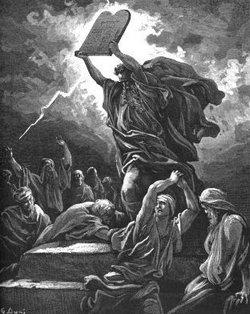
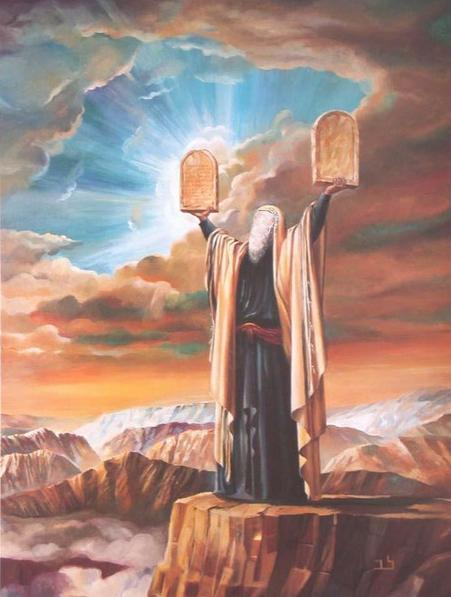
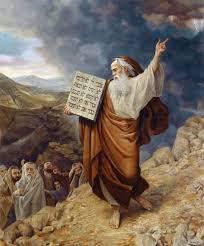
וְהַלּוּחוֹת. שֶׁל סְנַפִּרִינוֹן הָיוּ, אָרְכָּן שִׁשָּׁה, וְרָחְבָּן שִׁשָּׁה, וְעָבְיָן שְׁלֹשָׁה.
כְּאֶבֶן אַחַת שֶׁאָרְכָּהּ וְרָחְבָּהּ וְעָבְיָהּ שָׁוִין, וְנֶחְלְקָה לִשְׁתַּיִם.
וְנִגְלָלִים הָיוּ, וַחֲצוּבִים מִגַּלְגַּל חַמָּה:
the tablets: were [made] of sapphire. Their length was six and their width was six and their thickness was three, l
ike a stone whose length, width and thickness are equal and it was split into two.
And they were soft and they were quarried from the ball of the sun.

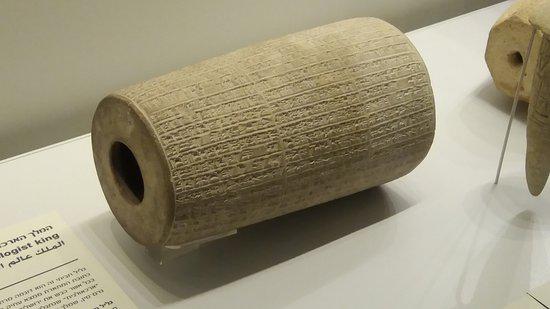
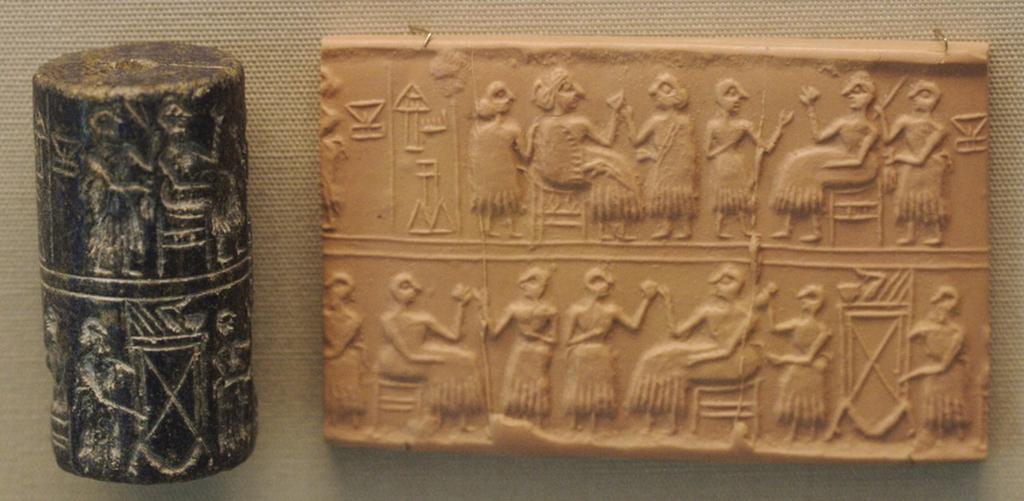
יִשְׂמַח מֹשֶׁה בְּמַתְּנַת חֶלְקוֹ, כִּי עֶבֶד נֶאֱמָן קָרָאתָ לּוֹ. כְּלִיל תִּפְאֶרֶת בְּרֹאשׁוֹ נָתַתָּ, בְּעָמְדוֹ לְפָנֶיךָ עַל הַר סִינַי. וּשְׁנֵי לוּחוֹת אֲבָנִים הוֹרִיד בְּיָדוֹ, וְכָתוּב בָּהֶם שְׁמִירַת שַׁבָּת, וְכֵן כָּתוּב בְּתוֹרָתֶךָ:
בְגִין דָּא, שְׁנֵי לוּחוֹת אֲבָנִים הוֹרִיד בְּיָדוֹ, וְלָא בְּיָדָיו.
והלוחות. חצובים מגלגל חמה. כלומר לפיכך היו נגללים. תמה אני היכן ראו זה שהיו נגללים. וההפך מבואר בגמרא. שמניח חשבון ארכן רחבן ועבין. לפרנס בהן ארכו רחבו ועביו של ארון. ואם היו בגלילה. לא יבוא החשבון מכוון.
אם שמענו בס"ת שנגלל. לא שמענו בלוחות. כי אם שהיה להם ארבע רוחות. שהיו בצורת מעוקב גם גלגל חמה עם היותו מתגלגל. אינו נגלל.
אַף הַמַּזִּיקִין. אֵלּוּ הַשֵּׁדִים. שֶׁלְּאַחַר שֶׁבָּרָא הַקָּדוֹשׁ בָּרוּךְ הוּא אָדָם וְחַוָּה הָיָה מִתְעַסֵּק בִּבְרִיאָתָן, וּכְשֶׁבָּרָא רוּחוֹתֵיהֶן לֹא הִסְפִּיק לִבְרֹא גּוּפֵיהֶן עַד שֶׁקִּדַּשׁ הַיּוֹם, וְנִשְׁאֲרוּ רוּחוֹת בְּלֹא גּוּף:
שמונה דברים נבראו ביום ראשון, ואלו הן: שמים וארץ, ואור, וחושך, ותהו ובהו, ורוח ומים...
ושמונה ביום השני, ואלו הן: הבאר והמן והמטה והקשת והכתב והמכתב והכתונת והמזיקין.
ועשרה דברים עלו במחשבה: ירושלים
ורוחות אבות
ואורחות הצדיקים
וגיהנום
ומי המבול ולוחות השניים,
והשבת והמקדש והארון
ואור לעולם הבא.
Eight things were created on the first day, namely, Heaven, Earth, Light, Darkness, Tohu (Chaos), Bohu (Void), Wind (or Spirit), and Water, as it is said, "And the wind of God was moving upon the face of the waters" (Gen. 1:2).
(ו) וַיִּקְבֹּ֨ר אֹת֤וֹ בַגַּי֙ בְּאֶ֣רֶץ מוֹאָ֔ב מ֖וּל בֵּ֣ית פְּע֑וֹר
וְלֹא־יָדַ֥ע אִישׁ֙ אֶת־קְבֻ֣רָת֔וֹ עַ֖ד הַיּ֥וֹם הַזֶּֽה׃
(6) [God] buried him in the valley in the land of Moab, near Beth-peor;
and no one knows his burial place to this day.
וקברו של משה. שלא חצב הקב"ה קבר בשעת מיתתו שלא עשה הקב"ה מעשה אחר ששת ימי בראשית ולא מצינו שנכתבה בו בריאה בששת ימי בראשית אם כן מתי נברא ודאי בין השמשות נברא
וזה על דעת מי שאמר בראשון מסוטה שהקב"ה קבר אותו
שנא' ויקבור אותו בגי ויש רמז בדבר ויקבור אותו בגי חסר אל"ף בגימטריא י"ה שמו של הקב"ה
\\ (בגי <=> י"ה)
ואף לדברי האומר הוא קבר את עצמו הקבר כבר היה עשוי
עֲשָׂרָה דְבָרִים נִבְרְאוּ בְעֶרֶב שַׁבָּת בֵּין הַשְּׁמָשׁוֹת.
כלומר, בערב השבת הראשונה של בריאת העולם, ממש ברגע שבו נכנסה השבת (ורגע זה שבין יום ללילה קרוי "בין השמשות"). בבריאת דברים אלו תמה מלאכתו של האלוהים, שעליה נאמר "וירא אלהים את כל אשר עשה והנה טוב מאד" (בראשית א, לא).
משנתנו קובעת כי בששת ימי הבריאה נבראה כל המציאות הפיסית, גם זו שעתידה להתרחש או להתחדש במהלך ההיסטוריה, וכי גם מה שנראה כנס, כשינוי סדרי הטבע, או כדבר חדש שטרם היה כמותו, גם הוא חלק ממעשה האלוהים בבריאת העולם, בכוח אם לא בפועל.
הַשָּׁמִיר. היא תולעת פלאית שבעזרתה, על פי האגדה, בנה שלמה את המקדש, תולעת שהיה בכוחה לבקע ולסתת אבנים, וזאת כיוון שנאסר לבנות את המקום המקודש תוך שימוש בברזל (שמות כ, כא; מלכים א ו, ז), וְהַכְּתָב. צורת אותיות האל"ף־בי"ת,
וְהַמִּכְתָּב. (ויש מנקדים: מַכְתֵב, על משקל כלי מלאכה כגון מגהץ או מסמר, אף שהתורה מדברת על "מִכְתַּב אלוהים" החרות על הלוחות [שמות לא, יח]) הוא הכלי שבו נכתבו עשרת הדיברות על לוחות הברית