


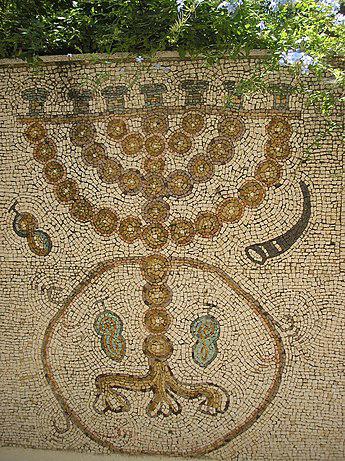
מתוך פסיפס מעון (העתק מבית הנשיא)
השופר
1) תוקעים אבל במה?
2) השופר בתפילה ובפולקלור
3) לשם מה (או מי) תוקעים בשופר?
4) מי תקע בשופרות במעמד הר סיני: קריאה פסיכואנטלית של תיאודור רייק
5) השופר כסמל
6) השופר כאן ועכשיו
1) תוקעים אבל במה?
2) השופר בתפילה ובפולקלור
3) לשם מה (או מי) תוקעים בשופר?
4) מי תקע בשופרות במעמד הר סיני: קריאה פסיכואנטלית של תיאודור רייק
5) השופר כסמל
6) השופר כאן ועכשיו
The Shofar
1) Blowing but what? (the Torah vs. Chaza"l)
2) The role of the shofar in Jewish law and lore
3) For what (or whom) do we blow the shorar?
4) Who blew the shofar at Sinai: a psychoanalytic reading of Theodor Reik
5) The shofar here and now
1) Blowing but what? (the Torah vs. Chaza"l)
2) The role of the shofar in Jewish law and lore
3) For what (or whom) do we blow the shorar?
4) Who blew the shofar at Sinai: a psychoanalytic reading of Theodor Reik
5) The shofar here and now
(יט) וַיִּֽקַּֽח־ל֥וֹ לֶ֖מֶךְ שְׁתֵּ֣י נָשִׁ֑ים שֵׁ֤ם הָֽאַחַת֙ עָדָ֔ה וְשֵׁ֥ם הַשֵּׁנִ֖ית צִלָּֽה׃ (כ) וַתֵּ֥לֶד עָדָ֖ה אֶת־יָבָ֑ל ה֣וּא הָיָ֔ה אֲבִ֕י יֹשֵׁ֥ב אֹ֖הֶל וּמִקְנֶֽה׃ (כא) וְשֵׁ֥ם אָחִ֖יו יוּבָ֑ל ה֣וּא הָיָ֔ה אֲבִ֕י כׇּל־תֹּפֵ֥שׂ כִּנּ֖וֹר וְעוּגָֽב׃
(19) Lamech took to himself two wives: the name of the one was Adah, and the name of the other was Zillah. (20) Adah bore Jabal; he was the ancestor of those who dwell in tents and amidst herds. (21) And the name of his brother was Jubal; he was the ancestor of all who play the lyre and the pipe.
(א) וּבַחֹ֨דֶשׁ הַשְּׁבִיעִ֜י בְּאֶחָ֣ד לַחֹ֗דֶשׁ מִֽקְרָא־קֹ֙דֶשׁ֙ יִהְיֶ֣ה לָכֶ֔ם כׇּל־מְלֶ֥אכֶת עֲבֹדָ֖ה לֹ֣א תַעֲשׂ֑וּ י֥וֹם תְּרוּעָ֖ה יִהְיֶ֥ה לָכֶֽם׃
(1) In the seventh month, on the first day of the month, you shall observe a sacred occasion: you shall not work at your occupations. You shall observe it as a day when the horn is sounded.
(כג) וַיְדַבֵּ֥ר יהוה אֶל־מֹשֶׁ֥ה לֵּאמֹֽר׃ (כד) דַּבֵּ֛ר אֶל־בְּנֵ֥י יִשְׂרָאֵ֖ל לֵאמֹ֑ר בַּחֹ֨דֶשׁ הַשְּׁבִיעִ֜י בְּאֶחָ֣ד לַחֹ֗דֶשׁ יִהְיֶ֤ה לָכֶם֙ שַׁבָּת֔וֹן זִכְר֥וֹן תְּרוּעָ֖ה מִקְרָא־קֹֽדֶשׁ׃
(23) יהוה spoke to Moses, saying: (24) Speak to the Israelite people thus: In the seventh month, on the first day of the month, you shall observe complete rest, a sacred occasion commemorated with loud blasts.

(א) וַיְדַבֵּ֥ר יהוה אֶל־מֹשֶׁ֥ה לֵּאמֹֽר׃ (ב) עֲשֵׂ֣ה לְךָ֗ שְׁתֵּי֙ חֲצֽוֹצְרֹ֣ת כֶּ֔סֶף מִקְשָׁ֖ה תַּעֲשֶׂ֣ה אֹתָ֑ם וְהָי֤וּ לְךָ֙ לְמִקְרָ֣א הָֽעֵדָ֔ה וּלְמַסַּ֖ע אֶת־הַֽמַּחֲנֽוֹת׃ (ג) וְתָקְע֖וּ בָּהֵ֑ן וְנֽוֹעֲד֤וּ אֵלֶ֙יךָ֙ כׇּל־הָ֣עֵדָ֔ה אֶל־פֶּ֖תַח אֹ֥הֶל מוֹעֵֽד׃
(ד) וְאִם־בְּאַחַ֖ת יִתְקָ֑עוּ וְנוֹעֲד֤וּ אֵלֶ֙יךָ֙ הַנְּשִׂיאִ֔ים רָאשֵׁ֖י אַלְפֵ֥י יִשְׂרָאֵֽל׃
(ה) וּתְקַעְתֶּ֖ם תְּרוּעָ֑ה וְנָֽסְעוּ֙ הַֽמַּחֲנ֔וֹת הַחֹנִ֖ים קֵֽדְמָה׃ (ו) וּתְקַעְתֶּ֤ם תְּרוּעָה֙ שֵׁנִ֔ית וְנָֽסְעוּ֙ הַֽמַּחֲנ֔וֹת הַחֹנִ֖ים תֵּימָ֑נָה תְּרוּעָ֥ה יִתְקְע֖וּ לְמַסְעֵיהֶֽם׃
(ז)וּבְהַקְהִ֖יל אֶת־הַקָּהָ֑ל תִּתְקְע֖וּ וְלֹ֥א תָרִֽיעוּ׃ (ח) וּבְנֵ֤י אַהֲרֹן֙ הַכֹּ֣הֲנִ֔ים יִתְקְע֖וּ בַּחֲצֹֽצְר֑וֹת וְהָי֥וּ לָכֶ֛ם לְחֻקַּ֥ת עוֹלָ֖ם לְדֹרֹתֵיכֶֽם׃
(ט) וְכִֽי־תָבֹ֨אוּ מִלְחָמָ֜ה בְּאַרְצְכֶ֗ם עַל־הַצַּר֙ הַצֹּרֵ֣ר אֶתְכֶ֔ם וַהֲרֵעֹתֶ֖ם בַּחֲצֹצְרֹ֑ת וְנִזְכַּרְתֶּ֗ם לִפְנֵי֙ יהוה אֱלֹֽהֵיכֶ֔ם וְנוֹשַׁעְתֶּ֖ם מֵאֹיְבֵיכֶֽם׃
(י)וּבְי֨וֹם שִׂמְחַתְכֶ֥ם וּֽבְמוֹעֲדֵיכֶם֮ וּבְרָאשֵׁ֣י חׇדְשֵׁיכֶם֒ וּתְקַעְתֶּ֣ם בַּחֲצֹֽצְרֹ֗ת עַ֚ל עֹלֹ֣תֵיכֶ֔ם וְעַ֖ל זִבְחֵ֣י שַׁלְמֵיכֶ֑ם וְהָי֨וּ לָכֶ֤ם לְזִכָּרוֹן֙ לִפְנֵ֣י אֱלֹֽהֵיכֶ֔ם אֲנִ֖י יהוה אֱלֹהֵיכֶֽם׃ {פ}
(ד) וְאִם־בְּאַחַ֖ת יִתְקָ֑עוּ וְנוֹעֲד֤וּ אֵלֶ֙יךָ֙ הַנְּשִׂיאִ֔ים רָאשֵׁ֖י אַלְפֵ֥י יִשְׂרָאֵֽל׃
(ה) וּתְקַעְתֶּ֖ם תְּרוּעָ֑ה וְנָֽסְעוּ֙ הַֽמַּחֲנ֔וֹת הַחֹנִ֖ים קֵֽדְמָה׃ (ו) וּתְקַעְתֶּ֤ם תְּרוּעָה֙ שֵׁנִ֔ית וְנָֽסְעוּ֙ הַֽמַּחֲנ֔וֹת הַחֹנִ֖ים תֵּימָ֑נָה תְּרוּעָ֥ה יִתְקְע֖וּ לְמַסְעֵיהֶֽם׃
(ז)וּבְהַקְהִ֖יל אֶת־הַקָּהָ֑ל תִּתְקְע֖וּ וְלֹ֥א תָרִֽיעוּ׃ (ח) וּבְנֵ֤י אַהֲרֹן֙ הַכֹּ֣הֲנִ֔ים יִתְקְע֖וּ בַּחֲצֹֽצְר֑וֹת וְהָי֥וּ לָכֶ֛ם לְחֻקַּ֥ת עוֹלָ֖ם לְדֹרֹתֵיכֶֽם׃
(ט) וְכִֽי־תָבֹ֨אוּ מִלְחָמָ֜ה בְּאַרְצְכֶ֗ם עַל־הַצַּר֙ הַצֹּרֵ֣ר אֶתְכֶ֔ם וַהֲרֵעֹתֶ֖ם בַּחֲצֹצְרֹ֑ת וְנִזְכַּרְתֶּ֗ם לִפְנֵי֙ יהוה אֱלֹֽהֵיכֶ֔ם וְנוֹשַׁעְתֶּ֖ם מֵאֹיְבֵיכֶֽם׃
(י)וּבְי֨וֹם שִׂמְחַתְכֶ֥ם וּֽבְמוֹעֲדֵיכֶם֮ וּבְרָאשֵׁ֣י חׇדְשֵׁיכֶם֒ וּתְקַעְתֶּ֣ם בַּחֲצֹֽצְרֹ֗ת עַ֚ל עֹלֹ֣תֵיכֶ֔ם וְעַ֖ל זִבְחֵ֣י שַׁלְמֵיכֶ֑ם וְהָי֨וּ לָכֶ֤ם לְזִכָּרוֹן֙ לִפְנֵ֣י אֱלֹֽהֵיכֶ֔ם אֲנִ֖י יהוה אֱלֹהֵיכֶֽם׃ {פ}
(1) יהוה spoke to Moses, saying: (2) Have two silver trumpets made; make them of hammered work. They shall serve you to summon [military bodies of] the community and to set the divisions in motion. (3) When both are blown in long blasts,*long blasts Meaning of Heb. uncertain. the whole company [of fighters]*company [of fighters] See note at 1.2. shall assemble before you at the entrance of the Tent of Meeting; (4) and if only one is blown, the chieftains, heads of Israel’s contingents, shall assemble before you. (5) But when you sound short blasts,*short blasts Meaning of Heb. teru‘a uncertain. the divisions encamped on the east shall move forward; (6) and when you sound short blasts a second time, those encamped on the south shall move forward. Thus short blasts shall be blown for setting them in motion, (7) while to convoke [military bodies of] the congregation you shall blow long blasts, not short ones. (8) The trumpets shall be blown by Aaron’s sons, the priests; they shall be for you an institution for all time throughout the ages. (9) When you are at war*When you are at war Meaning of Heb. uncertain. in your land against an aggressor who attacks you, you shall sound short blasts on the trumpets, that you may be remembered before your God יהוה and be delivered from your enemies. (10) And on your joyous occasions—your fixed festivals and new moon days—you shall sound the trumpets over your burnt offerings and your sacrifices of well-being. They shall be a reminder of you before your God: I, יהוה, am your God.
(א)אַתָּה נִגְלֵֽיתָ בַּעֲנַן כְּבוֹדֶֽךָ עַל עַם קָדְשֶׁךָ לְדַבֵּר עִמָּם. מִן הַשָּׁמַֽיִם הִשְׁמַעְתָּם קוֹלֶֽךָ וְנִגְלֵֽיתָ עֲלֵיהֶם בְּעַרְפְלֵי טֹֽהַר. גַּם (כָּל) הָעוֹלָם כֻּלּוֹ חָל מִפָּנֶֽיךָ וּבְרִיּוֹת בְּרֵאשִׁית חָרְדוּ מִמֶּֽךָּ בְּהִגָּלוֹתְךָ מַלְכֵּֽנוּ עַל־הַר סִינַי לְלַמֵּד לְעַמְּךָ תּוֹרָה וּמִצְווֹת. וַתַּשְׁמִיעֵם אֶת הוֹד קוֹלֶֽךָ וְדִבְּרוֹת קָדְשְׁךָ מִלַּהֲבוֹת אֵשׁ. בְּקוֹלוֹת וּבְרָקִים עֲלֵיהֶם נִגְלֵֽיתָ וּבְקוֹל שׁוֹפָר עֲלֵיהֶם הוֹפָֽעְתָּ: כַּכָּתוּב בְּתוֹרָתֶֽךָ, וַיְהִי בַיּוֹם הַשְּׁלִישִׁי בִּהְיֹת הַבֹּֽקֶר וַיְהִי קֹלֹת וּבְרָקִים וְעָנָן כָּבֵד עַל הָהָר וְקֹל שֹׁפָר חָזָק מְאֹד וַיֶּחֱרַד כָּל הָעָם אֲשֶׁר בַּמַּחֲנֶה: וְנֶאֱמַר וַיְהִי קוֹל הַשֹּׁפָר הוֹלֵךְ וְחָזֵק מְאֹד משֶׁה יְדַבֵּר וְהָאֱלֹהִים יַעֲנֶֽנּוּ בְקוֹל: וְנֶאֱמַר וְכָל הָעָם רֹאִים אֶת הַקּוֹלֹת וְאֶת הַלַּפִּידִם וְאֵת קוֹל הַשֹּׁפָר וְאֶת הָהָר עָשֵׁן וַיַּרְא הָעָם וַיָּנֻֽעוּ וַיַּעַמְדוּ מֵרָחֹק:
(ב)וּבְדִבְרֵי קָדְשְׁךָ כָּתוּב לֵאמֹר: עָלָה אֱלֹהִים בִּתְרוּעָה יהוה בְּקוֹל שׁוֹפָר: וְנֶאֱמַר בַּחֲצוֹצְרוֹת וְקוֹל שׁוֹפָר הָרִֽיעוּ לִפְנֵי הַמֶּֽלֶךְ יהוה: וְנֶאֱמַר, תִּקְעוּ בַחֹֽדֶשׁ שׁוֹפָר בַּכֶּֽסֶה לְיוֹם חַגֵּֽנוּ: כִּי חֹק לְיִשְׂרָאֵל הוּא מִשְׁפָּט לֵאלֹהֵי יַעֲקֹב: וְנֶאֱמַר, הַלְלוּיָהּ הַלְלוּ אֵל בְּקָדְשׁוֹ הַלְלֽוּהוּ בִּרְקִֽיעַ עֻזּוֹ: הַלְלֽוּהוּ בִגְבוּרֹתָיו הַלְלֽוּהוּ כְּרֹב גֻּדְלוֹ: הַלְלֽוּהוּ בְּתֵֽקַע שׁוֹפָר הַלְלֽוּהוּ בְּנֵֽבֶל וְכִנּוֹר: הַלְלֽוּהוּ בְתֹף וּמָחוֹל הַלְלֽוּהוּ בְּמִנִּים וְעֻגָב: הַלְלֽוּהוּ בְצִלְצְלֵי שָֽׁמַע הַלְלֽוּהוּ בְּצִלְצְלֵי תְרוּעָה: כֹּל הַנְּשָׁמָה תְּהַלֵּל יָהּ הַלְלוּיָהּ:
(ג)וְעַל יְדֵי עֲבָדֶֽיךָ הַנְּבִיאִים כָּתוּב לֵאמֹר: כָּל ישְׁבֵי תֵבֵל וְשֹֽׁכְנֵי אָֽרֶץ כִּנְּשׂא נֵס הָרִים תִּרְאוּ וְכִתְקֹֽעַ שׁוֹפָר תִּשְׁמָֽעוּ: וְנֶאֱמַר, וְהָיָה בַּיּוֹם הַהוּא יִתָּקַע בְּשׁוֹפָר גָּדוֹל וּבָֽאוּ הָאֹבְדִים בְּאֶֽרֶץ אַשּׁוּר וְהַנִּדָּחִים בְּאֶֽרֶץ מִצְרָֽיִם וְהִשְׁתַּחֲווּ לַיהוה בְּהַר הַקֹּֽדֶשׁ בִּירוּשָׁלָֽםִ: וְנֶאֱמַר, וַיהוה עֲלֵיהֶם יֵרָאֶה וְיָצָא כַבָּרָק חִצּוֹ וַאדני יהוה בַּשּׁוֹפָר יִתְקָע וְהָלַךְ בְּסַעֲרוֹת תֵּימָן: יהוה צְבָאוֹת יָגֵן עֲלֵיהֶם. כֵּן תָּגֵן עַל עַמְּךָ יִשְׂרָאֵל בִּשְׁלוֹמֶֽךָ:
(ד)אֱלֹהֵֽינוּ וֵאלֹהֵי אֲבוֹתֵֽינוּ תְּקַע בְּשׁוֹפָר גָּדוֹל לְחֵרוּתֵֽנוּ וְשָׂא נֵס לְקַבֵּץ גָּלֻיּוֹתֵֽינוּ וְקָרֵב פְּזוּרֵֽינוּ מִבֵּין הַגּוֹיִם וּנְפוּצוֹתֵֽינוּ כַּנֵּס מִיַּרְכְּתֵי אָֽרֶץ וַהֲבִיאֵֽנוּ לְצִיּוֹן עִירְךָ בְּרִנָּה וְלִירוּשָׁלַֽםִ בֵּית מִקְדָּשְׁךָ בְּשִׂמְחַת עוֹלָם וְשָׁם נַעֲשֶׂה לְפָנֶֽיךָ אֶת קָרְבְּנוֹת חוֹבוֹתֵֽינוּ כִּמְצֻוָּה עָלֵֽינוּ בְתוֹרָתֶֽךָ עַל יְדֵי משֶׁה עַבְדֶּךָ מִפִּי כְבוֹדֶֽךָ כָּאָמוּר: וּבְיוֹם שִׂמְחַתְכֶם וּבְמוֹעֲדֵיכֶם וּבְרָאשֵׁי חָדְשֵׁיכֶם וּתְקַעְתֶּם בַּחֲצֹצְרֹת עַל עֹלֹתֵיכֶם וְעַל זִבְחֵי שַׁלְמֵיכֶם וְהָיוּ לָכֶם לְזִכָּרוֹן לִפְנֵי אֱלֹהֵיכֶם אֲנִי יהוה אֱלֹהֵיכֶם: כִּי אַתָּה שׁוֹמֵֽעַ קוֹל שׁוֹפָר וּמַאֲזִין תְּרוּעָה וְאֵין דּֽוֹמֶה לָּךְ: בָּרוּךְ אַתָּה יהוה שׁוֹמֵֽעַ קוֹל תְּרוּעַת עַמּוֹ יִשְׂרָאֵל בְּרַחֲמִים:
(ה) תקיעה: שברים תרועה: תקיעה:1
(ו) הַיּוֹם הֲרַת עוֹלָם. הַיּוֹם יַעֲמִיד בַּמִּשְׁפָּט כָּל יְצוּרֵי עוֹלָמִים. אִם כְּבָנִים. אִם כַּעֲבָדִים. אִם כְּבָנִים רַחֲמֵֽנוּ כְּרַחֵם אָב עַל בָּנִים. וְאִם כַּעֲבָדִים עֵינֵֽינוּ לְךָ תְלוּיוֹת. עַד שֶׁתְּחָנֵּֽנוּ וְתוֹצִיא כָאוֹר מִשְׁפָּטֵֽנוּ אָיּוֹם קָדוֹשׁ:
(ז) אֲרֶֽשֶׁת שְׂפָתֵֽינוּ יֶעֱרַב לְפָנֶֽיךָ אֵל רָם וְנִשָּׂא. מֵבִין וּמַאֲזִין מַבִּיט וּמַקְשִׁיב לְקוֹל תְּקִיעָתֵֽנוּ וּתְקַבֵּל בְּרַחֲמִים וּבְרָצוֹן סֵֽדֶר שׁוֹפְרוֹתֵֽינוּ:
(ב)וּבְדִבְרֵי קָדְשְׁךָ כָּתוּב לֵאמֹר: עָלָה אֱלֹהִים בִּתְרוּעָה יהוה בְּקוֹל שׁוֹפָר: וְנֶאֱמַר בַּחֲצוֹצְרוֹת וְקוֹל שׁוֹפָר הָרִֽיעוּ לִפְנֵי הַמֶּֽלֶךְ יהוה: וְנֶאֱמַר, תִּקְעוּ בַחֹֽדֶשׁ שׁוֹפָר בַּכֶּֽסֶה לְיוֹם חַגֵּֽנוּ: כִּי חֹק לְיִשְׂרָאֵל הוּא מִשְׁפָּט לֵאלֹהֵי יַעֲקֹב: וְנֶאֱמַר, הַלְלוּיָהּ הַלְלוּ אֵל בְּקָדְשׁוֹ הַלְלֽוּהוּ בִּרְקִֽיעַ עֻזּוֹ: הַלְלֽוּהוּ בִגְבוּרֹתָיו הַלְלֽוּהוּ כְּרֹב גֻּדְלוֹ: הַלְלֽוּהוּ בְּתֵֽקַע שׁוֹפָר הַלְלֽוּהוּ בְּנֵֽבֶל וְכִנּוֹר: הַלְלֽוּהוּ בְתֹף וּמָחוֹל הַלְלֽוּהוּ בְּמִנִּים וְעֻגָב: הַלְלֽוּהוּ בְצִלְצְלֵי שָֽׁמַע הַלְלֽוּהוּ בְּצִלְצְלֵי תְרוּעָה: כֹּל הַנְּשָׁמָה תְּהַלֵּל יָהּ הַלְלוּיָהּ:
(ג)וְעַל יְדֵי עֲבָדֶֽיךָ הַנְּבִיאִים כָּתוּב לֵאמֹר: כָּל ישְׁבֵי תֵבֵל וְשֹֽׁכְנֵי אָֽרֶץ כִּנְּשׂא נֵס הָרִים תִּרְאוּ וְכִתְקֹֽעַ שׁוֹפָר תִּשְׁמָֽעוּ: וְנֶאֱמַר, וְהָיָה בַּיּוֹם הַהוּא יִתָּקַע בְּשׁוֹפָר גָּדוֹל וּבָֽאוּ הָאֹבְדִים בְּאֶֽרֶץ אַשּׁוּר וְהַנִּדָּחִים בְּאֶֽרֶץ מִצְרָֽיִם וְהִשְׁתַּחֲווּ לַיהוה בְּהַר הַקֹּֽדֶשׁ בִּירוּשָׁלָֽםִ: וְנֶאֱמַר, וַיהוה עֲלֵיהֶם יֵרָאֶה וְיָצָא כַבָּרָק חִצּוֹ וַאדני יהוה בַּשּׁוֹפָר יִתְקָע וְהָלַךְ בְּסַעֲרוֹת תֵּימָן: יהוה צְבָאוֹת יָגֵן עֲלֵיהֶם. כֵּן תָּגֵן עַל עַמְּךָ יִשְׂרָאֵל בִּשְׁלוֹמֶֽךָ:
(ד)אֱלֹהֵֽינוּ וֵאלֹהֵי אֲבוֹתֵֽינוּ תְּקַע בְּשׁוֹפָר גָּדוֹל לְחֵרוּתֵֽנוּ וְשָׂא נֵס לְקַבֵּץ גָּלֻיּוֹתֵֽינוּ וְקָרֵב פְּזוּרֵֽינוּ מִבֵּין הַגּוֹיִם וּנְפוּצוֹתֵֽינוּ כַּנֵּס מִיַּרְכְּתֵי אָֽרֶץ וַהֲבִיאֵֽנוּ לְצִיּוֹן עִירְךָ בְּרִנָּה וְלִירוּשָׁלַֽםִ בֵּית מִקְדָּשְׁךָ בְּשִׂמְחַת עוֹלָם וְשָׁם נַעֲשֶׂה לְפָנֶֽיךָ אֶת קָרְבְּנוֹת חוֹבוֹתֵֽינוּ כִּמְצֻוָּה עָלֵֽינוּ בְתוֹרָתֶֽךָ עַל יְדֵי משֶׁה עַבְדֶּךָ מִפִּי כְבוֹדֶֽךָ כָּאָמוּר: וּבְיוֹם שִׂמְחַתְכֶם וּבְמוֹעֲדֵיכֶם וּבְרָאשֵׁי חָדְשֵׁיכֶם וּתְקַעְתֶּם בַּחֲצֹצְרֹת עַל עֹלֹתֵיכֶם וְעַל זִבְחֵי שַׁלְמֵיכֶם וְהָיוּ לָכֶם לְזִכָּרוֹן לִפְנֵי אֱלֹהֵיכֶם אֲנִי יהוה אֱלֹהֵיכֶם: כִּי אַתָּה שׁוֹמֵֽעַ קוֹל שׁוֹפָר וּמַאֲזִין תְּרוּעָה וְאֵין דּֽוֹמֶה לָּךְ: בָּרוּךְ אַתָּה יהוה שׁוֹמֵֽעַ קוֹל תְּרוּעַת עַמּוֹ יִשְׂרָאֵל בְּרַחֲמִים:
(ה) תקיעה: שברים תרועה: תקיעה:1
(ו) הַיּוֹם הֲרַת עוֹלָם. הַיּוֹם יַעֲמִיד בַּמִּשְׁפָּט כָּל יְצוּרֵי עוֹלָמִים. אִם כְּבָנִים. אִם כַּעֲבָדִים. אִם כְּבָנִים רַחֲמֵֽנוּ כְּרַחֵם אָב עַל בָּנִים. וְאִם כַּעֲבָדִים עֵינֵֽינוּ לְךָ תְלוּיוֹת. עַד שֶׁתְּחָנֵּֽנוּ וְתוֹצִיא כָאוֹר מִשְׁפָּטֵֽנוּ אָיּוֹם קָדוֹשׁ:
(ז) אֲרֶֽשֶׁת שְׂפָתֵֽינוּ יֶעֱרַב לְפָנֶֽיךָ אֵל רָם וְנִשָּׂא. מֵבִין וּמַאֲזִין מַבִּיט וּמַקְשִׁיב לְקוֹל תְּקִיעָתֵֽנוּ וּתְקַבֵּל בְּרַחֲמִים וּבְרָצוֹן סֵֽדֶר שׁוֹפְרוֹתֵֽינוּ:
(1)You were revealed in Your cloud of glory to Your holy people to speak to them. From the heavens, You let them hear Your voice, and revealed Yourself to them in pure clouds. So too, the entire world quivered before You, and the works of creation trembled before You, when You, our King revealed Yourself upon Mount Sinai to teach Your people Torah and mitzvos. You let them hear the majestic splendor of Your voice, and Your holy words from flames of fire; amidst thunder and lightning You revealed Yourself to them, and with the sound of a shofar, You appeared to them, as it is written in Your Torah: “And it was on the third day, as morning dawned there was thunder and lightning, and a dense cloud over the mountain, and the sound of a shofar was exceedingly loud; and all the people in the camp trembled.” And it is said: “And the sound of the shofar became increasingly louder; Moshe spoke and God answered him by voice.” And it is said: “And all the people saw the sounds and the flames, and the sound of the shofar, and the mountain in smoke; and the people saw and were shaken, and stood from afar.”
(2)And in Your holy words it is written: “God has ascended with a blast, Adonoy, with the sound of a shofar.” And it is said: “With trumpets and the sound of a shofar raise your voices before the King, Adonoy.” And it is said: “Blow a shofar on the New Moon, as the appointed time for our festive-day. For it is a statute for Yisrael, a day of judgment of the God of Yaakov.” And it is said: “Praise God. Praise the Almighty in His Sanctuary Praise God in the firmament of His might. Praise Him for His mighty deeds, Praise Him according to the abundance of His greatness. Praise Him with the blowing of a shofar, Praise Him with lyre and harp. Praise Him with drum and dance, Praise Him with stringed instruments and flute. Praise Him with resounding cymbals, Praise Him with clanging cymbals. Let every soul praise God, Praise God.”
(3)And by the hand of Your servants, the Prophets it is written: “All who inhabit the world of man and who dwell on earth— when the banner is raised on the mountains you will see it; and when a shofar will be sounded, you will hear it.” And it is said: “And it will be on that day, that a great shofar will be sounded, and they will come— those who were lost in the land of Ashur, and those who were outcasts in the land of Mitzrayim, and they will prostrate themselves to Adonoy, on the holy mountain in Yerushalayim.” And it is said: “And Adonoy will appear over them, and His arrow will go forth like lightning; and my Master, Adonoy, will sound the shofar and go forth in the whirlwinds of the south. Adonoy Tzevaos will protect them.” So may You be a shield over Your people, Yisrael, with Your peace.
(4)Our God and God of our fathers, sound a great shofar for our liberty and raise a banner to gather our exiles. And bring near our scattered people from among the nations, and gather our dispersed from the ends of [the] earth. Bring us to Tziyon, Your city, with joyous song,— to Yerushalayim, House of Your Sanctuary, with eternal joy. And there we will offer before You our obligatory sacrifices, as we were commanded in Your Torah, through the hands of Moshe, Your servant, from the mouth of Your glory, as it is said: “And on the day of your rejoicing, and on your appointed festivals, and on your Rosh Chodesh days, you will sound the trumpets over your burnt-offerings and over the sacrifices of your peace offerings, and they will be a memorial for you before your God; I am Adonoy, your God.” For You hear the sound of shofar, and listen to the teruah; and there is none like You. Blessed are You, Adonoy, Who hears the sound of the teruah of His people, Yisrael, with compassion.
(5)Se toca el Shofar, siempre que la festividad no acaezca en ShabatTEKIA, SHEVARIM TERUA, TEKIA
(6) On this day, the world came into being; On this day, He makes stand in judgment— all the creatures of the worlds— whether as children, or as servants; if as children, have compassion on us as a father has compassion on his children! If as servants, our eyes are fixed on You until You favor us, and bring forth our judgment as the light, Revered and Holy One!
(7)This paragraph is omitted on Shabbos May the utterance of our lips be pleasing unto You, Almighty, Most High and Uplifted, Who understands, and gives ear, Who perceives and listens to the sound of our shofar blast, and accept with compassion and desire the order of our prayers concerning the shofar.
(2)And in Your holy words it is written: “God has ascended with a blast, Adonoy, with the sound of a shofar.” And it is said: “With trumpets and the sound of a shofar raise your voices before the King, Adonoy.” And it is said: “Blow a shofar on the New Moon, as the appointed time for our festive-day. For it is a statute for Yisrael, a day of judgment of the God of Yaakov.” And it is said: “Praise God. Praise the Almighty in His Sanctuary Praise God in the firmament of His might. Praise Him for His mighty deeds, Praise Him according to the abundance of His greatness. Praise Him with the blowing of a shofar, Praise Him with lyre and harp. Praise Him with drum and dance, Praise Him with stringed instruments and flute. Praise Him with resounding cymbals, Praise Him with clanging cymbals. Let every soul praise God, Praise God.”
(3)And by the hand of Your servants, the Prophets it is written: “All who inhabit the world of man and who dwell on earth— when the banner is raised on the mountains you will see it; and when a shofar will be sounded, you will hear it.” And it is said: “And it will be on that day, that a great shofar will be sounded, and they will come— those who were lost in the land of Ashur, and those who were outcasts in the land of Mitzrayim, and they will prostrate themselves to Adonoy, on the holy mountain in Yerushalayim.” And it is said: “And Adonoy will appear over them, and His arrow will go forth like lightning; and my Master, Adonoy, will sound the shofar and go forth in the whirlwinds of the south. Adonoy Tzevaos will protect them.” So may You be a shield over Your people, Yisrael, with Your peace.
(4)Our God and God of our fathers, sound a great shofar for our liberty and raise a banner to gather our exiles. And bring near our scattered people from among the nations, and gather our dispersed from the ends of [the] earth. Bring us to Tziyon, Your city, with joyous song,— to Yerushalayim, House of Your Sanctuary, with eternal joy. And there we will offer before You our obligatory sacrifices, as we were commanded in Your Torah, through the hands of Moshe, Your servant, from the mouth of Your glory, as it is said: “And on the day of your rejoicing, and on your appointed festivals, and on your Rosh Chodesh days, you will sound the trumpets over your burnt-offerings and over the sacrifices of your peace offerings, and they will be a memorial for you before your God; I am Adonoy, your God.” For You hear the sound of shofar, and listen to the teruah; and there is none like You. Blessed are You, Adonoy, Who hears the sound of the teruah of His people, Yisrael, with compassion.
(5)Se toca el Shofar, siempre que la festividad no acaezca en ShabatTEKIA, SHEVARIM TERUA, TEKIA
(6) On this day, the world came into being; On this day, He makes stand in judgment— all the creatures of the worlds— whether as children, or as servants; if as children, have compassion on us as a father has compassion on his children! If as servants, our eyes are fixed on You until You favor us, and bring forth our judgment as the light, Revered and Holy One!
(7)This paragraph is omitted on Shabbos May the utterance of our lips be pleasing unto You, Almighty, Most High and Uplifted, Who understands, and gives ear, Who perceives and listens to the sound of our shofar blast, and accept with compassion and desire the order of our prayers concerning the shofar.
(טז) וַיְהִי֩ בַיּ֨וֹם הַשְּׁלִישִׁ֜י בִּֽהְיֹ֣ת הַבֹּ֗קֶר וַיְהִי֩ קֹלֹ֨ת וּבְרָקִ֜ים וְעָנָ֤ן כָּבֵד֙ עַל־הָהָ֔ר וְקֹ֥ל שֹׁפָ֖ר חָזָ֣ק מְאֹ֑ד וַיֶּחֱרַ֥ד כׇּל־הָעָ֖ם אֲשֶׁ֥ר בַּֽמַּחֲנֶֽה׃ (יז) וַיּוֹצֵ֨א מֹשֶׁ֧ה אֶת־הָעָ֛ם לִקְרַ֥את הָֽאֱלֹהִ֖ים מִן־הַֽמַּחֲנֶ֑ה וַיִּֽתְיַצְּב֖וּ בְּתַחְתִּ֥ית הָהָֽר׃ (יח) וְהַ֤ר סִינַי֙ עָשַׁ֣ן כֻּלּ֔וֹ מִ֠פְּנֵ֠י אֲשֶׁ֨ר יָרַ֥ד עָלָ֛יו יהוה בָּאֵ֑שׁ וַיַּ֤עַל עֲשָׁנוֹ֙ כְּעֶ֣שֶׁן הַכִּבְשָׁ֔ן וַיֶּחֱרַ֥ד כׇּל־הָהָ֖ר מְאֹֽד׃ (יט) וַיְהִי֙ ק֣וֹל הַשֹּׁפָ֔ר הוֹלֵ֖ךְ וְחָזֵ֣ק מְאֹ֑ד מֹשֶׁ֣ה יְדַבֵּ֔ר וְהָאֱלֹהִ֖ים יַעֲנֶ֥נּוּ בְקֽוֹל׃
(16) On the third day, as morning dawned, there was thunder, and lightning, and a dense cloud upon the mountain, and a very loud blast of the horn; and all the people who were in the camp trembled. (17) Moses led the people out of the camp toward God, and they took their places at the foot of the mountain. (18) Now Mount Sinai was all in smoke, for יהוה had come down upon it in fire; the smoke rose like the smoke of a kiln, and the whole mountain*the whole mountain Some Hebrew manuscripts and the Greek read “all the people”; cf. v. 16. trembled violently. (19) The blare of the horn grew louder and louder. As Moses spoke, God answered him in thunder.
(טו) וְכׇל־הָעָם֩ רֹאִ֨ים אֶת־הַקּוֹלֹ֜ת וְאֶת־הַלַּפִּידִ֗ם וְאֵת֙ ק֣וֹל הַשֹּׁפָ֔ר וְאֶת־הָהָ֖ר עָשֵׁ֑ן וַיַּ֤רְא הָעָם֙ וַיָּנֻ֔עוּ וַיַּֽעַמְד֖וּ מֵֽרָחֹֽק׃ (טז) וַיֹּֽאמְרוּ֙ אֶל־מֹשֶׁ֔ה דַּבֵּר־אַתָּ֥ה עִמָּ֖נוּ וְנִשְׁמָ֑עָה וְאַל־יְדַבֵּ֥ר עִמָּ֛נוּ אֱלֹהִ֖ים פֶּן־נָמֽוּת׃
(15) All the people witnessed the thunder and lightning, the blare of the horn and the mountain smoking; and when the people saw it, they fell back and stood at a distance. (16) “You speak to us,” they said to Moses, “and we will obey; but let not God speak to us, lest we die.”
(יד) וַֽיהוה עֲלֵיהֶ֣ם יֵֽרָאֶ֔ה וְיָצָ֥א כַבָּרָ֖ק חִצּ֑וֹ וַֽאדני יהוה בַּשּׁוֹפָ֣ר יִתְקָ֔ע וְהָלַ֖ךְ בְּסַעֲר֥וֹת תֵּימָֽן׃
(14) And GOD will be made manifest to Judah,kJudah Heb. “them.” With arrows that flash like lightning;My Sovereign GOD shall sound the ram’s hornAnd advance in a stormy tempest.lstormy tempest Lit. “tempests of wind”; for teman in the sense of wind, cf. Job 9.9; 39.26.
(יג) וְהָיָ֣ה ׀ בַּיּ֣וֹם הַה֗וּא יִתָּקַע֮ בְּשׁוֹפָ֣ר גָּדוֹל֒ וּבָ֗אוּ הָאֹֽבְדִים֙ בְּאֶ֣רֶץ אַשּׁ֔וּר וְהַנִּדָּחִ֖ים בְּאֶ֣רֶץ מִצְרָ֑יִם וְהִשְׁתַּחֲו֧וּ לַֽיהוה בְּהַ֥ר הַקֹּ֖דֶשׁ בִּירוּשָׁלָֽ͏ִם׃ {פ}
(13) And in that day, a great ram’s horn shall be sounded; and the strayed who are in the land of Assyria and the expelled who are in the land of Egypt shall come and worship GOD on the holy mount, in Jerusalem.
(ז) הַתּוֹקֵעַ לְתוֹךְ הַבּוֹר אוֹ לְתוֹךְ הַדּוּת אוֹ לְתוֹךְ הַפִּטָּס, אִם קוֹל שׁוֹפָר שָׁמַע, יָצָא. וְאִם קוֹל הֲבָרָה שָׁמַע, לֹא יָצָא. וְכֵן מִי שֶׁהָיָה עוֹבֵר אֲחוֹרֵי בֵית הַכְּנֶסֶת, אוֹ שֶׁהָיָה בֵיתוֹ סָמוּךְ לְבֵית הַכְּנֶסֶת, וְשָׁמַע קוֹל שׁוֹפָר אוֹ קוֹל מְגִלָּה, אִם כִּוֵּן לִבּוֹ, יָצָא, וְאִם לָאו, לֹא יָצָא. אַף עַל פִּי שֶׁזֶּה שָׁמַע וְזֶה שָׁמַע, זֶה כִּוֵּן לִבּוֹ וְזֶה לֹא כִוֵּן לִבּוֹ:
(ח) וְהָיָה כַּאֲשֶׁר יָרִים משֶׁה יָדוֹ וְגָבַר יִשְׂרָאֵל וְגוֹ' (שמות יז), וְכִי יָדָיו שֶׁל משֶׁה עוֹשׂוֹת מִלְחָמָה אוֹ שׁוֹבְרוֹת מִלְחָמָה. אֶלָּא לוֹמַר לְךָ, כָּל זְמַן שֶׁהָיוּ יִשְׂרָאֵל מִסְתַּכְּלִים כְּלַפֵּי מַעְלָה וּמְשַׁעְבְּדִין אֶת לִבָּם לַאֲבִיהֶם שֶׁבַּשָּׁמַיִם הָיוּ מִתְגַּבְּרִים. וְאִם לָאו, הָיוּ נוֹפְלִין. כַּיּוֹצֵא בַדָּבָר אַתָּה אוֹמֵר (במדבר כא), עֲשֵׂה לְךָ שָׂרָף וְשִׂים אֹתוֹ עַל נֵס, וְהָיָה כָּל הַנָּשׁוּךְ וְרָאָה אֹתוֹ וָחָי. וְכִי נָחָשׁ מֵמִית, אוֹ נָחָשׁ מְחַיֶּה. אֶלָּא, בִּזְמַן שֶׁיִּשְׂרָאֵל מִסְתַּכְּלִין כְּלַפֵּי מַעְלָה וּמְשַׁעְבְּדִין אֶת לִבָּם לַאֲבִיהֶן שֶׁבַּשָּׁמַיִם, הָיוּ מִתְרַפְּאִים, וְאִם לָאו, הָיוּ נִמּוֹקִים. חֵרֵשׁ, שׁוֹטֶה, וְקָטָן, אֵין מוֹצִיאִין אֶת הָרַבִּים יְדֵי חוֹבָתָן. זֶה הַכְּלָל, כֹּל שֶׁאֵינוֹ מְחֻיָּב בַּדָּבָר, אֵינוֹ מוֹצִיא אֶת הָרַבִּים יְדֵי חוֹבָתָן:
(ח) וְהָיָה כַּאֲשֶׁר יָרִים משֶׁה יָדוֹ וְגָבַר יִשְׂרָאֵל וְגוֹ' (שמות יז), וְכִי יָדָיו שֶׁל משֶׁה עוֹשׂוֹת מִלְחָמָה אוֹ שׁוֹבְרוֹת מִלְחָמָה. אֶלָּא לוֹמַר לְךָ, כָּל זְמַן שֶׁהָיוּ יִשְׂרָאֵל מִסְתַּכְּלִים כְּלַפֵּי מַעְלָה וּמְשַׁעְבְּדִין אֶת לִבָּם לַאֲבִיהֶם שֶׁבַּשָּׁמַיִם הָיוּ מִתְגַּבְּרִים. וְאִם לָאו, הָיוּ נוֹפְלִין. כַּיּוֹצֵא בַדָּבָר אַתָּה אוֹמֵר (במדבר כא), עֲשֵׂה לְךָ שָׂרָף וְשִׂים אֹתוֹ עַל נֵס, וְהָיָה כָּל הַנָּשׁוּךְ וְרָאָה אֹתוֹ וָחָי. וְכִי נָחָשׁ מֵמִית, אוֹ נָחָשׁ מְחַיֶּה. אֶלָּא, בִּזְמַן שֶׁיִּשְׂרָאֵל מִסְתַּכְּלִין כְּלַפֵּי מַעְלָה וּמְשַׁעְבְּדִין אֶת לִבָּם לַאֲבִיהֶן שֶׁבַּשָּׁמַיִם, הָיוּ מִתְרַפְּאִים, וְאִם לָאו, הָיוּ נִמּוֹקִים. חֵרֵשׁ, שׁוֹטֶה, וְקָטָן, אֵין מוֹצִיאִין אֶת הָרַבִּים יְדֵי חוֹבָתָן. זֶה הַכְּלָל, כֹּל שֶׁאֵינוֹ מְחֻיָּב בַּדָּבָר, אֵינוֹ מוֹצִיא אֶת הָרַבִּים יְדֵי חוֹבָתָן:
(7) If one sounds a shofarinto a pit, or into a cistern, or into a large jug, if he clearly heard the sound of the shofar, he has fulfilled his obligation; but if he heard the sound of an echo, he has not fulfilled his obligation. And similarly, if one was passing behind a synagogue,or his house was adjacent to the synagogue, and he heard the sound of the shofar or the sound of the Scroll of Esther being read, if he focused his heart, i.e. his intent, to fulfill his obligation, he has fulfilled his obligation; but if not, he has not fulfilled his obligation. It is therefore possible for two people to hear the shofar blasts, but only one of them fulfills his obligation. Even though this one heard and also the other one heard, nevertheless, this one focused his heart to fulfill his obligation and has therefore indeed fulfilled it, but the other one did not focus his heart, and so he has not fulfilled his obligation.
(8) Incidental to the discussion of the required intent when sounding the shofar, the mishna cites the verse: “And it came to pass, when Moses held up his hand, that Israel prevailed; and when he let down his hand, Amalek prevailed” (Exodus 17:11). It may be asked: Did the hands of Moses make war when he raised them or break war when he lowered them? Rather, the verse comes to tell you that as long as the Jewish people turned their eyes upward and subjected their hearts to their Father in Heaven, they prevailed, but if not, they fell.Similarly, you can say: The verse states: “Make for yourself a fiery serpent, and set it upon a pole; and it shall come to pass, that everyone that is bitten, when he sees it, he shall live” (Numbers 21:8). Once again it may be asked: Did the serpent kill, or did the serpent preserve life? Rather, when the Jewish people turned their eyes upward and subjected their hearts to their Father in Heaven, they were healed, but if not, they rotted from their snakebites. Returning to its halakhic discussion, the mishna continues: A deaf-mute, an imbecile, or a minor who sounds the shofarcannot discharge the obligation on behalf of the community. This is the principle with regard to similar matters: Whoever is not obligated to do a certain matter cannot discharge the obligation on behalf of the community.
(8) Incidental to the discussion of the required intent when sounding the shofar, the mishna cites the verse: “And it came to pass, when Moses held up his hand, that Israel prevailed; and when he let down his hand, Amalek prevailed” (Exodus 17:11). It may be asked: Did the hands of Moses make war when he raised them or break war when he lowered them? Rather, the verse comes to tell you that as long as the Jewish people turned their eyes upward and subjected their hearts to their Father in Heaven, they prevailed, but if not, they fell.Similarly, you can say: The verse states: “Make for yourself a fiery serpent, and set it upon a pole; and it shall come to pass, that everyone that is bitten, when he sees it, he shall live” (Numbers 21:8). Once again it may be asked: Did the serpent kill, or did the serpent preserve life? Rather, when the Jewish people turned their eyes upward and subjected their hearts to their Father in Heaven, they were healed, but if not, they rotted from their snakebites. Returning to its halakhic discussion, the mishna continues: A deaf-mute, an imbecile, or a minor who sounds the shofarcannot discharge the obligation on behalf of the community. This is the principle with regard to similar matters: Whoever is not obligated to do a certain matter cannot discharge the obligation on behalf of the community.
טקס גירוש הדיבוק באמצעות שופרות (דקה 155.10)
מתוך: "הדיבוק" בתרגום חיים נחמן ביאליק (מצוטט מפרויקט בן יהודה)ר' עזריאל: בעל כורחך תצא מגופה של הבתולה לאה בת חנה.
לאה: (הדיבוק. בתוקף) לא אצא!
ר' עזריאל: בשם אלוהי העולם אני משביעך בפעם האחרונה, שתצא מן הבתולה לאה בת חנה! ואם לא תשמע גם הפעם בקולי, אטיל עליך חרם ואמסרך בידי מלאכי חבלה!
(הפסקה של אימה)
לאה: (הדיבוק) בשם אלוהי העולם הריני דבוק ומדובק בבת זוגי ולא אפרד ממנה עד עולם.
ר' עזריאל: מיכאל! תן לעדה אצטליות לבנות, צו להוציא שבעה ספרי תורה והכן שבעה שופרות ושבעה נרות שחורים.
(מיכאל יוצא. הפסקה של אימה. מיכאל שב ובידו שופרות ונרות שחורים. המשולח נושא אחריו אצטליות לבנות. מיכאל פותח את ארון הקודש. המשולח מינה את האצטליות)
[...]
לאה: (הדיבוק) אויה לי!
ר' עזריאל: ואני מחרים אותך מכלל ישראל. תרועה!
(מריעים)
המשולח: הניצוץ האחרון נבלע בשלהבת.
לאה: (הדיבוק בקול גווע) נכון אני.
ר' עזריאל: ולא תשוב עוד אליה?
לאה: (הדיבוק) לא אשוב עוד…
ר' עזריאל: [...] אלוהי ישראל! פתח לפני הנפש העלובה פתחי עולם והמצא לה מקום מנוחה בגנזי מרומים ויהי שלום בחילך ושלווה בארמונותייך, אמן!
כולם: אמן!
לאה: (הדיבוק בקול גווע) אמרו “קדיש”. כלה הזמן!
סנדר: יתגדל ויתקדש שמיה רבא. בעלמא די ברא כרעותיה.
(השעון משמיע שתים עשרה. לאה נעקרת ממקומה, משמיעה קול צווחה ונופלת על הספסל)
מתוך: "הדיבוק" בתרגום חיים נחמן ביאליק (מצוטט מפרויקט בן יהודה)ר' עזריאל: בעל כורחך תצא מגופה של הבתולה לאה בת חנה.
לאה: (הדיבוק. בתוקף) לא אצא!
ר' עזריאל: בשם אלוהי העולם אני משביעך בפעם האחרונה, שתצא מן הבתולה לאה בת חנה! ואם לא תשמע גם הפעם בקולי, אטיל עליך חרם ואמסרך בידי מלאכי חבלה!
(הפסקה של אימה)
לאה: (הדיבוק) בשם אלוהי העולם הריני דבוק ומדובק בבת זוגי ולא אפרד ממנה עד עולם.
ר' עזריאל: מיכאל! תן לעדה אצטליות לבנות, צו להוציא שבעה ספרי תורה והכן שבעה שופרות ושבעה נרות שחורים.
(מיכאל יוצא. הפסקה של אימה. מיכאל שב ובידו שופרות ונרות שחורים. המשולח נושא אחריו אצטליות לבנות. מיכאל פותח את ארון הקודש. המשולח מינה את האצטליות)
[...]
לאה: (הדיבוק) אויה לי!
ר' עזריאל: ואני מחרים אותך מכלל ישראל. תרועה!
(מריעים)
המשולח: הניצוץ האחרון נבלע בשלהבת.
לאה: (הדיבוק בקול גווע) נכון אני.
ר' עזריאל: ולא תשוב עוד אליה?
לאה: (הדיבוק) לא אשוב עוד…
ר' עזריאל: [...] אלוהי ישראל! פתח לפני הנפש העלובה פתחי עולם והמצא לה מקום מנוחה בגנזי מרומים ויהי שלום בחילך ושלווה בארמונותייך, אמן!
כולם: אמן!
לאה: (הדיבוק בקול גווע) אמרו “קדיש”. כלה הזמן!
סנדר: יתגדל ויתקדש שמיה רבא. בעלמא די ברא כרעותיה.
(השעון משמיע שתים עשרה. לאה נעקרת ממקומה, משמיעה קול צווחה ונופלת על הספסל)
(ג) דָּבָר אַחֵר, וַיהוה נָתַן קוֹלוֹ, אֵלּוּ הָרְעָמִים שֶׁקּוֹלָן הוֹלֵךְ לִפְנֵי חֵילוֹ שֶׁל הַקָּדוֹשׁ בָּרוּךְ הוּא. שֶׁכֵּיוָן שֶׁהָרַעַם יוֹצֵא, הוּא מַרְעִים, וְהַבְּרִיּוֹת יוֹדְעִים שֶׁהַגְּשָׁמִים יוֹרְדִין. וּכְשֶׁהָרַעַם יוֹצֵא, הַבָּרָק בָּא אַחֲרָיו. דָּבָר אַחֵר, יהוה נָתַן קוֹלוֹ, זֶה רֹאשׁ הַשָּׁנָה שֶׁבּוֹ תְּקִיעַת שׁוֹפָר. לִפְנֵי חֵילוֹ, אֵלּוּ יִשְׂרָאֵל שֶׁהֵן מִזְדַּעְזְעִין וַחֲרֵדִין מִקּוֹל הַשּׁוֹפָר וְחוֹזְרִין בִּתְשׁוּבָה כְּדֵי לִזְכּוֹת בַּדִּין בְּיוֹם הַכִּפּוּרִים.
(3) Another comment on And the Lord uttereth His voice before His army. This refers to the thunderous sounds that precede the host of the Holy One, blessed be He. For example, when the thunder goes forth it roars, and mankind know that rain will fall; and when thunder resounds, lightning will follow.3The Etz Joseph commentary corrects the text, noting that lightning precedes the thunder. Another comment on And the Lord uttereth His voice. This refers to Rosh Hashanah, the day on which the shofar is sounded. Before His army refers to the Israelites, who tremble and quake at the sound of the shofar and then repent in order to be judged meritoriously on Yom Kippur.
(ג) רַבִּי יְהוּדָה בְּרַבִּי נַחְמָן פָּתַח (תהלים מז, ו): עָלָה אֱלֹהִים בִּתְרוּעָה יהוה בְּקוֹל שׁוֹפָר, בְּשָׁעָה שֶׁהַקָּדוֹשׁ בָּרוּךְ הוּא יוֹשֵׁב וְעוֹלֶה עַל כִּסֵּא דִּין, בַּדִּין הוּא עוֹלֶה, מַאי טַעַם, עָלָה אֱלֹהִים בִּתְרוּעָה, וּבְשָׁעָה שֶׁיִּשְׂרָאֵל נוֹטְלִין אֶת שׁוֹפְרֵיהֶן וְתוֹקְעִין לִפְנֵי הַקָּדוֹשׁ בָּרוּךְ הוּא, עוֹמֵד מִכִּסֵּא הַדִּין וְיוֹשֵׁב בְּכִסֵּא רַחֲמִים, דִּכְתִיב: יהוה בְּקוֹל שׁוֹפָר, וּמִתְמַלֵּא עֲלֵיהֶם רַחֲמִים וּמְרַחֵם עֲלֵיהֶם וְהוֹפֵךְ עֲלֵיהֶם מִדַּת הַדִּין לְרַחֲמִים, אֵימָתַי בַּחֹדֶשׁ הַשְּׁבִיעִי.
(3) Rabbi Yehuda ben Rabbi Naḥman began: “God ascends with a blast, the Lord with the sound of a shofar” (Psalms 47:6). When the Holy One blessed be He sits and ascends on the throne of justice, He ascends in justice.6He begins the proceedings with the divine attribute of justice. What is the source? “God [Elohim]7Elohim is the name of God that represents the attribute of justice. ascends with a blast.” When Israel take their shofars and sound them before the Holy One blessed be He, He rises from the throne of justice and sits on the throne of mercy, as it is written: “The Lord8The Tetragrammaton, translated as Lord, is the name of God that represents the attribute of mercy. with the sound of a shofar.” When? In the seventh month.
(ו) רַבִּי בֶּרֶכְיָה פָּתַח (תהלים פא, ד): תִּקְעוּ בַּחֹדֶשׁ שׁוֹפָר,[...] אִי אַתָּה מוֹצֵא אֶלָּא בְּחֹדֶשׁ תִּשְׁרֵי, בְּחֹדֶשׁ זֶה תְּחַדְּשׁוּ מַעֲשֵׂיכֶם בַּשּׁוֹפָר, בַּחֹדֶשׁ הַזֶּה שַׁפְּרוּ מַעֲשֵׂיכֶם. אָמַר לָהֶן הַקָּדוֹשׁ בָּרוּךְ הוּא לְיִשְׂרָאֵל, אִם שִׁפַּרְתֶּם מַעֲשֵׂיכֶם הֲרֵינִי נַעֲשָׂה לָכֶם כַּשּׁוֹפָר הַזֶּה, מַה שּׁוֹפָר זֶה מַכְנִיס בָּזוֹ וּמוֹצִיא בָּזוֹ, כָּךְ אֲנִי עוֹמֵד מִכִּסֵּא הַדִּין וְיוֹשֵׁב עַל כִּסֵּא רַחֲמִים וְהוֹפֵךְ לָכֶם מִדַּת הַדִּין לְמִדַּת רַחֲמִים, אֵימָתַי בַּחֹדֶשׁ הַשְּׁבִיעִי.
(6) Rabbi Berekhya began: “Sound the shofar at the New Moon [at the covering of our festive day]” (Psalms 81:4). Are all the months not the New Moon?12How is it clear from the verse that the mitzva to sound the shofar is specific to Rosh HaSshana? “At the covering,”13The moon is not visible at the beginning of every month. – is [the moon] not covered [at the beginning] of all months? Rather, “of our festive day.” But is Nisan also not a month that is covered and has its own festival? Rather, which is the month that is covered, has a festival, and its festival is on that day? You find it only in the month of Tishrei. In this month, renew your actions.14The phrase “at the New Moon [baḥodesh]” is expounded to mean renew [teḥadeshu] your actions, meaning reexamine and improve your ways. “The shofar” – in this month, improve [shaperu] your actions. The Holy One blessed be He said to Israel: ‘If you have improved your actions, I will become like this shofar for you. Just as this shofar takes in from this side and lets out from that side, so I rise from My throne of justice and sit on My throne of mercy and transform the attribute of justice to the attribute of mercy.’ When? In the seventh month.
(א) יוֹם טוֹב שֶׁל רֹאשׁ הַשָּׁנָה שֶׁחָל לִהְיוֹת בְּשַׁבָּת, בַּמִּקְדָּשׁ הָיוּ תוֹקְעִים, אֲבָל לֹא בַמְּדִינָה. מְשֶּׁחָרַב בֵּית הַמִּקְדָּשׁ, הִתְקִין רַבָּן יוֹחָנָן בֶּן זַכַּאי, שֶׁיְּהוּ תּוֹקְעִין בְּכָל מָקוֹם שֶׁיֶּשׁ בּוֹ בֵית דִּין. אָמַר רַבִּי אֶלְעָזָר, לֹא הִתְקִין רַבָּן יוֹחָנָן בֶּן זַכַּאי אֶלָּא בְיַבְנֶה בִּלְבָד. אָמְרוּ לוֹ, אֶחָד יַבְנֶה וְאֶחָד כָּל מָקוֹם שֶׁיֶּשׁ בּוֹ בֵית דִּין:
(ב) וְעוֹד זֹאת הָיְתָה יְרוּשָׁלַיִם יְתֵרָה עַל יַבְנֶה, שֶׁכָּל עִיר שֶׁהִיא רוֹאָה וְשׁוֹמַעַת וּקְרוֹבָה וִיכוֹלָה לָבֹא, תּוֹקְעִין. וּבְיַבְנֶה לֹא הָיוּ תוֹקְעִין אֶלָּא בְּבֵית דִּין בִּלְבָד:
(ב) וְעוֹד זֹאת הָיְתָה יְרוּשָׁלַיִם יְתֵרָה עַל יַבְנֶה, שֶׁכָּל עִיר שֶׁהִיא רוֹאָה וְשׁוֹמַעַת וּקְרוֹבָה וִיכוֹלָה לָבֹא, תּוֹקְעִין. וּבְיַבְנֶה לֹא הָיוּ תוֹקְעִין אֶלָּא בְּבֵית דִּין בִּלְבָד:
(1) With regard to the Festival day of Rosh HaShana that occurs on Shabbat, in the Temple they would sound the shofar as usual. However, they would not sound it in the rest of the country outside the Temple. After the Temple was destroyed, Rabban Yoḥanan ben Zakkai instituted that the people should sound the shofar on Shabbat in every place where there is a court of twenty-three judges. Rabbi Elazar said: Rabban Yoḥanan ben Zakkai instituted this practice only in Yavne, where the Great Sanhedrin of seventy-one judges resided in his time, but nowhere else. They said to him: He instituted the practice both in Yavne and in any place where there is a court.(2) The mishna adds: And Jerusalem in earlier times had this additional superiority over Yavne after Rabban Yoḥanan ben Zakkai instituted this practice, for in any city whose residents could see Jerusalem and hear the sounding of the shofar from there, and which was near to Jerusalem and people could come to Jerusalem from there, they would sound the shofar there as well, as it was considered part of Jerusalem. But in Yavne they would sound the shofaronly in the court itself, not in the surrounding cities.
בבלי, ראש השנה כט עמוד ב Bavli Rosh HaShanah 29b
מִשֶּׁחָרַב בֵּית הַמִּקְדָּשׁ הִתְקִין רַבָּן יוֹחָנָן בֶּן זַכַּאי וְכוּ׳. תָּנוּ רַבָּנַן: פַּעַם אַחַת חָל רֹאשׁ הַשָּׁנָה לִהְיוֹת בְּשַׁבָּת, וְהָיוּ כׇל הֶעָרִים מִתְכַּנְּסִין. אָמַר לָהֶם רַבָּן יוֹחָנָן בֶּן זַכַּאי לִבְנֵי בְּתִירָה: נִתְקַע! אָמְרוּ לוֹ: נָדוּן.
אָמַר לָהֶם: נִתְקַע, וְאַחַר כָּךְ נָדוּן. לְאַחַר שֶׁתָּקְעוּ, אָמְרוּ לוֹ: נָדוּן! אָמַר לָהֶם: כְּבָר נִשְׁמְעָה קֶרֶן בְּיַבְנֶה, וְאֵין מְשִׁיבִין לְאַחַר מַעֲשֶׂה.
אָמַר רַבִּי אֶלְעָזָר: לֹא הִתְקִין רַבָּן יוֹחָנָן בֶּן זַכַּאי אֶלָּא בְּיַבְנֶה בִּלְבַד. אָמְרוּ לוֹ: אֶחָד יַבְנֶה וְאֶחָד כׇּל מָקוֹם שֶׁיֵּשׁ בּוֹ בֵּית דִּין [...]
"After the Temple was destroyed, Rabban Yoḥanan ben Zakkai instituted that" the Sages taught: Once Rosh HaShana occurred on Shabbat, and all the cities gathered Rabban Yoḥanan ben Zakkai said to the sons of Beteira, Let us sound. They said to him: Let us discuss! said to them: Let us sound [it], and afterward, let us discuss. After they sounded said to Rabban Yoḥanan ben Zakkai: Let us [now] discuss [the issue]. He said to them: The horn has already been heard in Yavne, and one does not refute [a ruling] after action!
Rabbi Elazar said: Rabban Yoḥanan ben Zakkai instituted this not only in Yavneh. They said to him: both in Yavneh and in anywhere where there is a court [...].
מִשֶּׁחָרַב בֵּית הַמִּקְדָּשׁ הִתְקִין רַבָּן יוֹחָנָן בֶּן זַכַּאי וְכוּ׳. תָּנוּ רַבָּנַן: פַּעַם אַחַת חָל רֹאשׁ הַשָּׁנָה לִהְיוֹת בְּשַׁבָּת, וְהָיוּ כׇל הֶעָרִים מִתְכַּנְּסִין. אָמַר לָהֶם רַבָּן יוֹחָנָן בֶּן זַכַּאי לִבְנֵי בְּתִירָה: נִתְקַע! אָמְרוּ לוֹ: נָדוּן.
אָמַר לָהֶם: נִתְקַע, וְאַחַר כָּךְ נָדוּן. לְאַחַר שֶׁתָּקְעוּ, אָמְרוּ לוֹ: נָדוּן! אָמַר לָהֶם: כְּבָר נִשְׁמְעָה קֶרֶן בְּיַבְנֶה, וְאֵין מְשִׁיבִין לְאַחַר מַעֲשֶׂה.
אָמַר רַבִּי אֶלְעָזָר: לֹא הִתְקִין רַבָּן יוֹחָנָן בֶּן זַכַּאי אֶלָּא בְּיַבְנֶה בִּלְבַד. אָמְרוּ לוֹ: אֶחָד יַבְנֶה וְאֶחָד כׇּל מָקוֹם שֶׁיֵּשׁ בּוֹ בֵּית דִּין [...]
"After the Temple was destroyed, Rabban Yoḥanan ben Zakkai instituted that" the Sages taught: Once Rosh HaShana occurred on Shabbat, and all the cities gathered Rabban Yoḥanan ben Zakkai said to the sons of Beteira, Let us sound. They said to him: Let us discuss! said to them: Let us sound [it], and afterward, let us discuss. After they sounded said to Rabban Yoḥanan ben Zakkai: Let us [now] discuss [the issue]. He said to them: The horn has already been heard in Yavne, and one does not refute [a ruling] after action!
Rabbi Elazar said: Rabban Yoḥanan ben Zakkai instituted this not only in Yavneh. They said to him: both in Yavneh and in anywhere where there is a court [...].
(ט) סֵדֶר תְּקִיעוֹת, שָׁלשׁ, שֶׁל שָׁלשׁ שָׁלשׁ. שִׁעוּר תְּקִיעָה כְּשָׁלשׁ תְּרוּעוֹת. שִׁעוּר תְּרוּעָה כְּשָׁלשׁ יְבָבוֹת. תָּקַע בָּרִאשׁוֹנָה, וּמָשַׁךְ בַּשְּׁנִיָּה כִשְׁתַּיִם, אֵין בְּיָדוֹ אֶלָּא אֶחָת. מִי שֶׁבֵּרַךְ וְאַחַר כָּךְ נִתְמַנָּה לוֹ שׁוֹפָר, תּוֹקֵעַ וּמֵרִיעַ וְתוֹקֵעַ שָׁלשׁ פְּעָמִים. כְּשֵׁם שֶׁשְּׁלִיחַ צִבּוּר חַיָּב, כָּךְ כָּל יָחִיד וְיָחִיד חַיָּב. רַבָּן גַּמְלִיאֵל אוֹמֵר, שְׁלִיחַ צִבּוּר מוֹצִיא אֶת הָרַבִּים יְדֵי חוֹבָתָן:
(9)The order of the blasts is three sets of three blasts each, which are: Tekia, terua, and tekia. The length of a tekia is equal to the length of three teruot, and the length of a terua is equal to the length of three whimpers. If one sounded the firsttekia of the initial series of tekia, terua, tekia, and then extended the secondtekia of that series to the length of twotekiot, so that it should count as both the second tekia of the first set and the first tekia of the second set, he has in his hand the fulfillment of only onetekia, and he must begin the second set with a new tekia. With regard to one who recited the blessings of the additional prayer, and only afterward a shofar became available to him, he sounds a tekia, sounds a terua, and sounds a tekia, an order he repeats three times.Just as the prayer leader is obligated in the prayer of Rosh HaShana, so too, each and every individual is obligated in these prayers. Rabban Gamliel disagrees and says: Individuals are not obligated, as the prayer leader fulfills the obligation on behalf of the many.
בָּרוּךְ אַתָּה יהוה אֱלהֵינוּ מֶלֶךְ הָעולָם, אֲשֶׁר קִדְּשָׁנוּ בְּמִצְוֹתָיו וְצִוָּנוּ לִשְׁמוֹעַ קוֹל שׁוֹפָר.
(טו) כת' רבי' סעדיה מה שצונו הבורא יתברך לתקוע בשופר בראש השנה יש בזה עשרה ענינים. הענין הראשון מפני שהיום היתה תחלת הבריאה שבו ברא הקב"ה את העולם ומלך עליו וכן עושים המלכים בתחלת מלכותם שתוקעים לפניהם בחצוצרות ובקרנות להודיע ולהשמיע בכל מקום התחלת מלכותם וכן אנו ממליכין עלינו את הבורא ליום זה וכך אמר דוד בחצוצרות וקול שופר הריעו לפני המלך יהוה. והענין השני כי יום ראש השנה הוא ראשון לעשרת ימי תשובה ותוקעי' בו בשופר להכריז על ראשנו כמי שמזהיר ואומר כל הרוצה לשוב ישוב ואם לאו אל יקרא תגר על עצמו. וכן עושין המלכים מזהירין את העם תחלה בגזרותם וכל העובר אחר ההזהרה אין שומעין לו טענה. והענין השלישי להזכירנו מעמד הר סיני שנא' בו וקול שופר חזק מאד ונקבל על עצמנו מה שקבלו אבותינו על עצמם נעשה ונשמע. והענין הרביעי להזכירנו דברי הנביאים שנמשלו בתקיעת שופר שנא' ושמע השומע את קול השופר ולא נזהר ותבא חרב ותקחהו דמו בראשו יהיה והוא נזהר נפשו מלט. והענין החמשי להזכירנו חרבן בית המקדש וקול תרועת מלחמות האויבים כמו שנאמ' כי קול שופר שמעה נפשי תרועת מלחמה וכשאנו שומעים קול השופר נבקש מאת השם על בנין בית המקדש. והענין הששי להזכירנו עקידת יצחק שמסר נפשו לשמים וכן אנחנו נמסור נפשנו על קדושת שמו ויעלה זכרוננו לפניו לטובה. והענין השביעי כשנשמע תקיעת השופר נירא ונחרד ונשבר עצמנו לפני הבורא כי כך הוא טבע השופר מרעיד ומחריד כמו שנאמ' אם יתקע שופר בעיר ועם לא יחרדו. והענין השמיני להזכיר יום הדין הגדול ולירא ממנו שנא' בו קרוב יום יהוה הגדול קרוב ומהר מאד יום שופר ותרועה. והענין התשיעי להזכירנו קבוץ נדחה ישראל ולהתאוות אליו שנא' בו והיה ביום ההוא יתקע בשופר גדול ובאו האובדים בארץ אשור וכו'. והענין העשירי להזכירנו תחיית המתי ולהאמין בה שנאמר בה כל יושבי תבל ושוכני ארץ כנשוא נס הרים תראו וכתקוע שופר תשמעו.
Abudarham, Rosh HaShanah, Blowing the Shofar 15 (consized)
Rav Saadia Gaon writes that there are 10 reasons why Hashem commanded us to blow the shofar on Rosh Hashana.
1. This day is the beginning of creation when G-d createad the world and ruled over it. At the beginning of a king's reign, they sounds the trumpets and shofars, to promulgate in all locations that the new reign has begun; likewise, we accept upon ourselves G-d's reign on this day [by sounding the shofar]...
2. RH is the 1st of the 10 Days of Teshuva, and we blow the shofar in order to announce that all those who wish to do teshuva, should do so!
3. The shofar reminds us of the shofar at Mt. Sinai, when we accepted the Torah.
4. The shofar reminds us of the Prophets, whose voice exhorts us to improve our ways.
5. The Shofar reminds us of the destruction of the Holy Temple and the cries of war. When we hear this sound, we will beseech Hashem to rebuild the Beis HaMikdash!
6. The shofar (ram's horn) reminds us of the Binding of Isaac, who was ready to give his life for the sake of Heaven; likewise, we should also dedicate ourselves to sanctifying His name, and He will surely recall us for the good.
7. When we hear the sound of the shofar, we will tremble. This is the nature of the sound of the shofar, it causes one to tremble with trepidation.
8. The shofar reminds us of the ultimate Day of Judgment (i.e. when Moshiach comes).
9. The shofar reminds us of the Gathering of the Exiles (when Moshiach arrives) when the shofar will be sounded, and this causes us to yearn for that time.
10. The shofar reminds us to believe in the resurrection of the dead.
Rav Saadia Gaon writes that there are 10 reasons why Hashem commanded us to blow the shofar on Rosh Hashana.
1. This day is the beginning of creation when G-d createad the world and ruled over it. At the beginning of a king's reign, they sounds the trumpets and shofars, to promulgate in all locations that the new reign has begun; likewise, we accept upon ourselves G-d's reign on this day [by sounding the shofar]...
2. RH is the 1st of the 10 Days of Teshuva, and we blow the shofar in order to announce that all those who wish to do teshuva, should do so!
3. The shofar reminds us of the shofar at Mt. Sinai, when we accepted the Torah.
4. The shofar reminds us of the Prophets, whose voice exhorts us to improve our ways.
5. The Shofar reminds us of the destruction of the Holy Temple and the cries of war. When we hear this sound, we will beseech Hashem to rebuild the Beis HaMikdash!
6. The shofar (ram's horn) reminds us of the Binding of Isaac, who was ready to give his life for the sake of Heaven; likewise, we should also dedicate ourselves to sanctifying His name, and He will surely recall us for the good.
7. When we hear the sound of the shofar, we will tremble. This is the nature of the sound of the shofar, it causes one to tremble with trepidation.
8. The shofar reminds us of the ultimate Day of Judgment (i.e. when Moshiach comes).
9. The shofar reminds us of the Gathering of the Exiles (when Moshiach arrives) when the shofar will be sounded, and this causes us to yearn for that time.
10. The shofar reminds us to believe in the resurrection of the dead.
"קול השופר הופך [...] לדברי תוכחה המזכירים את ההחלטה לא לשוב ולבצע את אותו עוון קדום וכן לוותר על סיפוקן של אותן משאלות לא מודעות שדחפו לביצוע של אותו עוון. ...] קול השופר מקבל מתוך כך את משמעותו הרצינית [=כלומר, לא הזיכרון של העקידה], והוא מגלם בחייו הנפשיים הלא מודעים של השומע את הפחד ואת פרפורי הגסיסה האחרונים של האב [...] זו שירת הברבור של האב [...]. [התקיעה בשופר היא] ביצוע הרצח פעם נוספת בצורה קצרה ותמציתית"
תיאודור רייק, השופר: מחקר פסיכואנליטי של הריטואל היהודי, תירגם מגרמנית יואב ספיר, ערך והוסיף הקדמה והערות רון מרגולין, הוצאת רסלינג, 2005
תיאודור רייק, השופר: מחקר פסיכואנליטי של הריטואל היהודי, תירגם מגרמנית יואב ספיר, ערך והוסיף הקדמה והערות רון מרגולין, הוצאת רסלינג, 2005
קראו עוד:
דליה מרקס, "קורס הכנה לבריאה - שופר באלול", בזמן: מסעות בלוח השנה היהודי ישראלי, 337-334.
https://www.ybook.co.il/book/7328/%D7%91%D7%96%D7%9E%D7%9F
Read more:
Dalia Marx, "Lamaze for Creation: Shofar during Elul", From Time to Time: Journeys in the Jewish Calendar, 342-345
http://time.ccarpress.org/
דליה מרקס, "קורס הכנה לבריאה - שופר באלול", בזמן: מסעות בלוח השנה היהודי ישראלי, 337-334.
https://www.ybook.co.il/book/7328/%D7%91%D7%96%D7%9E%D7%9F
Read more:
Dalia Marx, "Lamaze for Creation: Shofar during Elul", From Time to Time: Journeys in the Jewish Calendar, 342-345
http://time.ccarpress.org/