


- Rules for taking a census of the Israelites
- Preparations for the anointment of the priests
- Commandment to keep Shabbat
- Israelites ask Aaron to build them a Golden Calf
- Moshe breaks tablets, implores God not to destroy the Israelites
- Moshe goes up the mountain for another 40 days
- The prophet Eliyahu conducts a contest with the Ba'al prophets on Mount Carmel
(כ) וַיִּשְׁלַ֥ח אַחְאָ֖ב בְּכׇל־בְּנֵ֣י יִשְׂרָאֵ֑ל וַיִּקְבֹּ֥ץ אֶת־הַנְּבִיאִ֖ים אֶל־הַ֥ר הַכַּרְמֶֽל׃ (כא) וַיִּגַּ֨שׁ אֵלִיָּ֜הוּ אֶל־כׇּל־הָעָ֗ם וַיֹּ֙אמֶר֙ עַד־מָתַ֞י אַתֶּ֣ם פֹּסְחִים֮ עַל־שְׁתֵּ֣י הַסְּעִפִּים֒ אִם־ה' הָאֱלֹקִים֙ לְכ֣וּ אַחֲרָ֔יו וְאִם־הַבַּ֖עַל לְכ֣וּ אַחֲרָ֑יו וְלֹא־עָנ֥וּ הָעָ֛ם אֹת֖וֹ דָּבָֽר׃ (כב) וַיֹּ֤אמֶר אֵלִיָּ֙הוּ֙ אֶל־הָעָ֔ם אֲנִ֞י נוֹתַ֧רְתִּי נָבִ֛יא לַה' לְבַדִּ֑י וּנְבִיאֵ֣י הַבַּ֔עַל אַרְבַּע־מֵא֥וֹת וַחֲמִשִּׁ֖ים אִֽישׁ׃ (כג) וְיִתְּנוּ־לָ֜נוּ שְׁנַ֣יִם פָּרִ֗ים וְיִבְחֲר֣וּ לָהֶם֩ הַפָּ֨ר הָאֶחָ֜ד וִינַתְּחֻ֗הוּ וְיָשִׂ֙ימוּ֙ עַל־הָ֣עֵצִ֔ים וְאֵ֖שׁ לֹ֣א יָשִׂ֑ימוּ וַאֲנִ֞י אֶעֱשֶׂ֣ה ׀ אֶת־הַפָּ֣ר הָאֶחָ֗ד וְנָֽתַתִּי֙ עַל־הָ֣עֵצִ֔ים וְאֵ֖שׁ לֹ֥א אָשִֽׂים׃ (כד) וּקְרָאתֶ֞ם בְּשֵׁ֣ם אֱלֹקֵיכֶ֗ם וַֽאֲנִי֙ אֶקְרָ֣א בְשֵׁם־ה' וְהָיָ֧ה הָאֱלֹקִ֛ים אֲשֶׁר־יַעֲנֶ֥ה בָאֵ֖שׁ ה֣וּא הָאֱלֹקִ֑ים וַיַּ֧עַן כׇּל־הָעָ֛ם וַיֹּאמְר֖וּ ט֥וֹב הַדָּבָֽר׃
(20) Ahab sent orders to all the Israelites and gathered the prophets at Mount Carmel. (21) Elijah approached all the people and said, “How long will you keep hopping between two opinions? If the LORD is God, follow Him; and if Baal, follow him!” But the people answered him not a word. (22) Then Elijah said to the people, “I am the only prophet of the LORD left, while the prophets of Baal are four hundred and fifty men. (23) Let two young bulls be given to us. Let them choose one bull, cut it up, and lay it on the wood, but let them not apply fire; I will prepare the other bull, and lay it on the wood, and will not apply fire. (24) You will then invoke your god by name, and I will invoke the LORD by name; and let us agree: the god who responds with fire, that one is God.” And all the people answered, “Very good!”
(לט) וַיַּרְא֙ כׇּל־הָעָ֔ם וַֽיִּפְּל֖וּ עַל־פְּנֵיהֶ֑ם וַיֹּ֣אמְר֔וּ ה' ה֣וּא הָאֱלֹקִ֔ים ה' ה֥וּא הָאֱלֹקִֽים׃
(39) When they saw this, all the people flung themselves on their faces and cried out: “The LORD alone is God, The LORD alone is God!”
(ד) וַיִּקַּ֣ח מִיָּדָ֗ם וַיָּ֤צַר אֹתוֹ֙ בַּחֶ֔רֶט וַֽיַּעֲשֵׂ֖הוּ עֵ֣גֶל מַסֵּכָ֑ה וַיֹּ֣אמְר֔וּ אֵ֤לֶּה אֱלֹקֶ֙יךָ֙ יִשְׂרָאֵ֔ל אֲשֶׁ֥ר הֶעֱל֖וּךָ מֵאֶ֥רֶץ מִצְרָֽיִם׃
(4) This he took from them and cast in a mold, and made it into a molten calf. And they exclaimed, “This is your god, O Israel, who brought you out of the land of Egypt!”
*** THE HALF SHEKEL ***
(יא) וַיְדַבֵּ֥ר ה' אֶל־מֹשֶׁ֥ה לֵּאמֹֽר׃ (יב) כִּ֣י תִשָּׂ֞א אֶת־רֹ֥אשׁ בְּנֵֽי־יִשְׂרָאֵל֮ לִפְקֻדֵיהֶם֒ וְנָ֨תְנ֜וּ אִ֣ישׁ כֹּ֧פֶר נַפְשׁ֛וֹ לַה' בִּפְקֹ֣ד אֹתָ֑ם וְלֹא־יִהְיֶ֥ה בָהֶ֛ם נֶ֖גֶף בִּפְקֹ֥ד אֹתָֽם׃ (יג) זֶ֣ה ׀ יִתְּנ֗וּ כׇּל־הָעֹבֵר֙ עַל־הַפְּקֻדִ֔ים מַחֲצִ֥ית הַשֶּׁ֖קֶל בְּשֶׁ֣קֶל הַקֹּ֑דֶשׁ עֶשְׂרִ֤ים גֵּרָה֙ הַשֶּׁ֔קֶל מַחֲצִ֣ית הַשֶּׁ֔קֶל תְּרוּמָ֖ה לַֽה'׃ (יד) כֹּ֗ל הָעֹבֵר֙ עַל־הַפְּקֻדִ֔ים מִבֶּ֛ן עֶשְׂרִ֥ים שָׁנָ֖ה וָמָ֑עְלָה יִתֵּ֖ן תְּרוּמַ֥ת ה'׃ (טו) הֶֽעָשִׁ֣יר לֹֽא־יַרְבֶּ֗ה וְהַדַּל֙ לֹ֣א יַמְעִ֔יט מִֽמַּחֲצִ֖ית הַשָּׁ֑קֶל לָתֵת֙ אֶת־תְּרוּמַ֣ת ה' לְכַפֵּ֖ר עַל־נַפְשֹׁתֵיכֶֽם׃ (טז) וְלָקַחְתָּ֞ אֶת־כֶּ֣סֶף הַכִּפֻּרִ֗ים מֵאֵת֙ בְּנֵ֣י יִשְׂרָאֵ֔ל וְנָתַתָּ֣ אֹת֔וֹ עַל־עֲבֹדַ֖ת אֹ֣הֶל מוֹעֵ֑ד וְהָיָה֩ לִבְנֵ֨י יִשְׂרָאֵ֤ל לְזִכָּרוֹן֙ לִפְנֵ֣י ה' לְכַפֵּ֖ר עַל־נַפְשֹׁתֵיכֶֽם׃ {פ}
(11) יהוה spoke to Moses, saying: (12) When you take a census of the Israelite men according to their army enrollment, each shall pay יהוה a ransom for himself on being enrolled, that no plague may come upon them through their being enrolled. (13) This is what everyone who is entered in the records shall pay: a half-shekel by the sanctuary weight—twenty gerah s to the shekel—a half-shekel as an offering to יהוה. (14) Everyone who is entered in the records, from the age of twenty years up, shall give יהוה’s offering: (15) the rich shall not pay more and the poor shall not pay less than half a shekel when giving יהוה’s offering as expiation for your persons. (16) You shall take the expiation money from the Israelites and assign it to the service of the Tent of Meeting; it shall serve the Israelites as a reminder before יהוה, as atonement for your persons.
״אִם עַל הַמֶּלֶךְ טוֹב יִכָּתֵב לְאַבְּדָם וַעֲשֶׂרֶת אֲלָפִים כִּכַּר כֶּסֶף וְגוֹ׳״, אָמַר רֵישׁ לָקִישׁ: גָּלוּי וְיָדוּעַ לִפְנֵי מִי שֶׁאָמַר וְהָיָה הָעוֹלָם שֶׁעָתִיד הָמָן לִשְׁקוֹל שְׁקָלִים עַל יִשְׂרָאֵל, לְפִיכָךְ הִקְדִּים שִׁקְלֵיהֶן לִשְׁקָלָיו.
Therefore, Haman concluded: “If it please the king, let it be written that they be destroyed, and I will weigh out ten thousand talents of silver into the hands of those who have the charge of the business, to bring it into the king’s treasuries” (Esther 3:9). Reish Lakish said: It is revealed and known in advance to the One Who spoke and the world came into being, that in the future Haman was going to weigh out shekels against the Jewish people; therefore, He arranged that the Jewish people’s shekels that were given to the Temple preceded Haman’s shekels.
כי תשא. לְשׁוֹן קַבָּלָה, כְּתַרְגּוּמוֹ; כְּשֶׁתַּחְפֹּץ לְקַבֵּל סְכוּם מִנְיָנָם לָדַעַת כַּמָּה הֵם, אַל תִּמְנֵם לַגֻּלְגֹּלֶת, אֶלָּא יִתְּנוּ כָּל אֶחָד מַחֲצִית הַשֶּׁקֶל וְתִמְנֶה אֶת הַשְּׁקָלִים וְתֵדַע מִנְיָנָם:
כי תשא This has the meaning of obtaining: WHEN THOU TAKEST [THE SUM], (not of “lifting up” as in Genesis 40:13); as the Targum has it, תקבל. The sense is: when you wish to obtain the sum total of their number — to know how many they are — do not take their census by their polls but each of them shall give half a shekel, and you shall count these, and so ascertain their number.
ולא יהיה בהם נגף. שֶׁהַמִּנְיָן שׁוֹלֵט בּוֹ עַיִן הָרָע, וְהַדֶּבֶר בָּא עֲלֵיהֶם, כְּמוֹ שֶׁמָּצִינוּ בִימֵי דָּוִד (שמואל ב כ"ד):
ולא יהיה בהם נגף THAT THERE BE NO CALAMITY AMONG THEM — for numbers (i. e. things that have been numbered) are subject to the influence of the “evil eye”, and therefore if you count them by their polls pestilence may befall them, as we find happened, in the days of David (II Samuel 24:10 and 15).
כי תשא ... שמה שהמנין מזיק אל הנגף יש בו ג' טעמים: א) מצד עה"ר כמש"ש שעמו, ב) מצד שאין הברכה שורה אלא בדבר הסמוי מן העין, וכשיספור אותם תסולק הברכה, וגם זה בארתי שם היטב בטעמו, ולשני טעמים האלה היה מועיל כופר נפש להסיר הרע הנצמח בסבת הנגף, ועוד כתבתי שם טעם, ג) כי כל עוד שהעם מתאחדים והם כלם כאיש אחד זכות הרבים גדול מאד, אבל כשמונים אותם שאז מפרידים כל איש בפ"ע ויחופשו מעשיהם ואז ישלט בהם נגף, ולתקן זה צוה שכל אחד ישן מחצית השקל, שזה מורה על אגודתם שכל יחיד והוא רק מחצית ולא דבר שלם וצריך שיצטרף אחר עמו עד יעשה כדבר שלם ...
(כה) וְכֶ֛סֶף פְּקוּדֵ֥י הָעֵדָ֖ה מְאַ֣ת כִּכָּ֑ר וְאֶ֩לֶף֩ וּשְׁבַ֨ע מֵא֜וֹת וַחֲמִשָּׁ֧ה וְשִׁבְעִ֛ים שֶׁ֖קֶל בְּשֶׁ֥קֶל הַקֹּֽדֶשׁ׃ (כו) בֶּ֚קַע לַגֻּלְגֹּ֔לֶת מַחֲצִ֥ית הַשֶּׁ֖קֶל בְּשֶׁ֣קֶל הַקֹּ֑דֶשׁ לְכֹ֨ל הָעֹבֵ֜ר עַל־הַפְּקֻדִ֗ים מִבֶּ֨ן עֶשְׂרִ֤ים שָׁנָה֙ וָמַ֔עְלָה לְשֵׁשׁ־מֵא֥וֹת אֶ֙לֶף֙ וּשְׁלֹ֣שֶׁת אֲלָפִ֔ים וַחֲמֵ֥שׁ מֵא֖וֹת וַחֲמִשִּֽׁים׃ (כז) וַיְהִ֗י מְאַת֙ כִּכַּ֣ר הַכֶּ֔סֶף לָצֶ֗קֶת אֵ֚ת אדושם הַקֹּ֔דֶשׁ וְאֵ֖ת אדושם הַפָּרֹ֑כֶת מְאַ֧ת אֲדָנִ֛ים לִמְאַ֥ת הַכִּכָּ֖ר כִּכָּ֥ר לָאָֽדֶן׃ (כח) וְאֶת־הָאֶ֜לֶף וּשְׁבַ֤ע הַמֵּאוֹת֙ וַחֲמִשָּׁ֣ה וְשִׁבְעִ֔ים עָשָׂ֥ה וָוִ֖ים לָעַמּוּדִ֑ים וְצִפָּ֥ה רָאשֵׁיהֶ֖ם וְחִשַּׁ֥ק אֹתָֽם׃
(25) The silver of those of the community who were recorded came to 100 talents and 1,775 shekels by the sanctuary weight: (26) a half-shekel a head, half a shekel by the sanctuary weight, for each one who was entered in the records, from the age of twenty years up, 603,550 men. (27) The 100 talents of silver were for casting the sockets of the sanctuary and the sockets for the curtain, 100 sockets to the 100 talents, a talent a socket. (28) And of the 1,775 shekels he made hooks for the posts, overlay for their tops, and bands around them.
tend them and sustain them forever.
ובשם החכם הר"ש בן אלקביץ ז"ל שמעתי שהוא להורות את בני ישראל יחס אחדותם בל יעלה על לב איש מהם שהוא נפרד מחברו כ"א כאלו כל א' חצי ובהתחברו עם כל א' וא' מישראל נעשה אחד שלם. ע"כ כל א' יביאה מחצית:
או יבואר, לפקודיהם, לשון חסרון. הכלל שיראה אדם את עצמו כאשר הוא באמת עדיין לא התחיל לעבוד את ה' ואז הוא באיזה מדריגה אבל כשעולה חס ושלום על דעת האדם שהוא עובד את ה' אז בוודאי אינו משיג כלל שום בחינה מעבדות הבורא ברוך הוא ... כשיודע האדם החסרון שלו אז הוא דבוק בה':
Another approach to understanding the opening verse of our portion is based on the fact that the root פקד frequently is used to describe something that is missing or lacking. Sometimes a person feels he is on the way to becoming a tzaddik, or has already become one. Such exaggerated self-esteem is not proof of a spiritual accomplishment, but, on the contrary, indicates at least immaturity if not arrogance. Anyone thinking of himself in such terms has not even begun his career as a servant of the Lord ... When is man truly attached, ‘glued to’ G’d? When he is truly aware of his shortcomings.
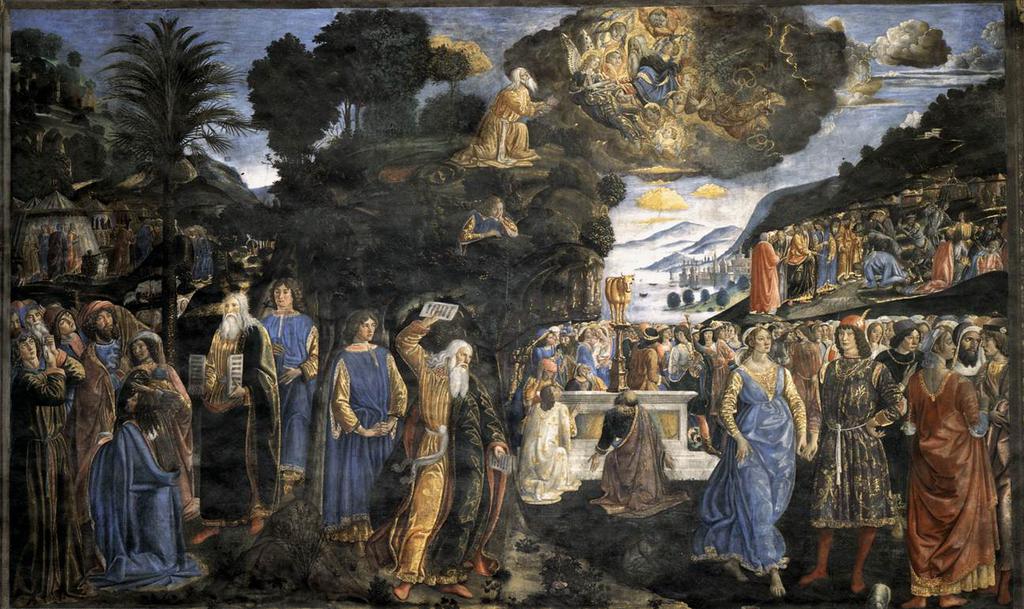
*** THE GOLDEN CALF ***
(א) וַיַּ֣רְא הָעָ֔ם כִּֽי־בֹשֵׁ֥שׁ מֹשֶׁ֖ה לָרֶ֣דֶת מִן־הָהָ֑ר וַיִּקָּהֵ֨ל הָעָ֜ם עַֽל־אַהֲרֹ֗ן וַיֹּאמְר֤וּ אֵלָיו֙ ק֣וּם ׀ עֲשֵׂה־לָ֣נוּ אֱלֹקִ֗ים אֲשֶׁ֤ר יֵֽלְכוּ֙ לְפָנֵ֔ינוּ כִּי־זֶ֣ה ׀ מֹשֶׁ֣ה הָאִ֗ישׁ אֲשֶׁ֤ר הֶֽעֱלָ֙נוּ֙ מֵאֶ֣רֶץ מִצְרַ֔יִם לֹ֥א יָדַ֖עְנוּ מֶה־הָ֥יָה לֽוֹ׃ (ב) וַיֹּ֤אמֶר אֲלֵהֶם֙ אַהֲרֹ֔ן פָּֽרְקוּ֙ נִזְמֵ֣י הַזָּהָ֔ב אֲשֶׁר֙ בְּאׇזְנֵ֣י נְשֵׁיכֶ֔ם בְּנֵיכֶ֖ם וּבְנֹתֵיכֶ֑ם וְהָבִ֖יאוּ אֵלָֽי׃ (ג) וַיִּתְפָּֽרְקוּ֙ כׇּל־הָעָ֔ם אֶת־נִזְמֵ֥י הַזָּהָ֖ב אֲשֶׁ֣ר בְּאׇזְנֵיהֶ֑ם וַיָּבִ֖יאוּ אֶֽל־אַהֲרֹֽן׃ (ד) וַיִּקַּ֣ח מִיָּדָ֗ם וַיָּ֤צַר אֹתוֹ֙ בַּחֶ֔רֶט וַֽיַּעֲשֵׂ֖הוּ עֵ֣גֶל מַסֵּכָ֑ה וַיֹּ֣אמְר֔וּ אֵ֤לֶּה אֱלֹקֶ֙יךָ֙ יִשְׂרָאֵ֔ל אֲשֶׁ֥ר הֶעֱל֖וּךָ מֵאֶ֥רֶץ מִצְרָֽיִם׃ (ה) וַיַּ֣רְא אַהֲרֹ֔ן וַיִּ֥בֶן מִזְבֵּ֖חַ לְפָנָ֑יו וַיִּקְרָ֤א אַֽהֲרֹן֙ וַיֹּאמַ֔ר חַ֥ג לַה' מָחָֽר׃ (ו) וַיַּשְׁכִּ֙ימוּ֙ מִֽמׇּחֳרָ֔ת וַיַּעֲל֣וּ עֹלֹ֔ת וַיַּגִּ֖שׁוּ שְׁלָמִ֑ים וַיֵּ֤שֶׁב הָעָם֙ לֶֽאֱכֹ֣ל וְשָׁת֔וֹ וַיָּקֻ֖מוּ לְצַחֵֽק׃ {פ}
(1) When the people saw that Moses was so long in coming down from the mountain, the people gathered against Aaron and said to him, “Come, make us a god who shall go before us, for that man Moses—the man who brought us from the land of Egypt—we do not know what has happened to him.” (2) Aaron said to them, “[You men,] take off the gold rings that are on the ears of your wives, your sons, and your daughters, and bring them to me.” (3) And all the people took off the gold rings that were in their ears and brought them to Aaron. (4) This he took from them and cast in a mold, and made it into a molten calf. And they exclaimed, “This is your god, O Israel, who brought you out of the land of Egypt!” (5) When Aaron saw this, he built an altar before it; and Aaron announced: “Tomorrow shall be a festival of יהוה !” (6) Early next day, the people offered up burnt offerings and brought sacrifices of well-being; they sat down to eat and drink, and then rose to dance.
כי בשש משה ... כִּי כְּשֶׁעָלָה מֹשֶׁה לָהָר אָמַר לָהֶם לְסוֹף אַרְבָּעִים יוֹם אֲנִי בָא בְּתוֹךְ שֵׁשׁ שָׁעוֹת, כִּסְבוּרִים הֵם שֶׁאוֹתוֹ יוֹם שֶׁעָלָה מִן הַמִּנְיָן הוּא, וְהוּא אָמַר לָהֶם שְׁלֵמִים – אַרְבָּעִים יוֹם וְלֵילוֹ עִמּוֹ – וְיוֹם עֲלִיָּתוֹ אֵין לֵילוֹ עִמּוֹ, שֶׁהֲרֵי בְז' בְּסִיוָן עָלָה, נִמְצָא יוֹם אַרְבָּעִים בְּשִׁבְעָה עָשָׂר בְּתַמּוּז. בְּי"ו בָּא שָׂטָן וְעִרְבֵּב אֶת הָעוֹלָם, וְהֶרְאָה דְּמוּת חֹשֶׁךְ וַאֲפֵלָה וְעִרְבּוּבְיָה, לוֹמַר וַדַּאי מֵת מֹשֶׁה לְכָךְ בָּא עִרְבּוּבְיָא לָעוֹלָם, אָמַר לָהֶם מֵת מֹשֶׁה, שֶׁכְּבָר בָּאוּ שֵׁשׁ שָׁעוֹת וְלֹא בָּא וְכוּ' כִּדְאִיתָא בְמַסֶּכֶת שַׁבָּת (דף פ"ט)
כי בשש משה [AND WHEN THE PEOPLE SAW] THAT MOSES DELAYED LONG ... For when Moses ascended the mountain he said to them (to the Israelites): at the end of a period of forty days (i. e. on the fortieth day) I shall return during the first six hours of the day (before noon). They thought that the day on which he ascended the mountain (the seventh of Sivan) was to be included in this number (thus — Sivan having 30 days — he was expected back before noon on the sixteenth of Tammuz). In fact, however, he had said to them “after forty days” meaning complete days — forty days, each day together with its night that precedes it — (as is the customary Jewish reckoning; cf. Genesis 1:5: ויהי ערב ויהי בקר). Now, as regards the day of this ascent, its night was not part of it that it can be reckoned as a complete day, for he ascended on the seventh of Sivan early in the morning (cf. Rashi on Exodus 19:3); it follows therefore that the fortieth day really fell on the seventeenth of Tammuz and not as the people had believed on the sixteenth. On the sixteenth of Tammuz Satan came and threw the world into confusion, giving it the appearance of darkness, gloom and disorder that people should say: “Surely Moses is dead, and that is why confusion has come into the world!” He said to them, “Yes, Moses is dead, for six hours (noon) has already come (בשש = בא שש) and he has not returned etc.” — as is related in Treatise Shabbat 89a.
תָּא שְׁמַע דְּאָמַר עוּלָּא עֲלוּבָה כַּלָּה שֶׁזִּינְּתָה בְּקֶרֶב חוּפָּתָהּ אָמַר רַב מָרִי בְּרַהּ דְּבַת שְׁמוּאֵל מַאי קְרָא עַד שֶׁהַמֶּלֶךְ בִּמְסִבּוֹ נִרְדִּי נָתַן רֵיחוֹ אָמַר רָבָא עֲדַיִין חַבִּיבוּתָא הוּא גַּבַּן דִּכְתִיב נָתַן וְלָא כְּתִיב הִסְרִיחַ
Come and hear that which Ulla said in describing the Jewish people after they sinned with the Golden Calf immediately following the revelation at Sinai: Insolent [aluva] is the bride who is promiscuous under her wedding canopy. Rav Mari, son of Shmuel’s daughter, says: What is the verse from which it is derived? “While the king sat at his table, my spikenard sent forth its fragrance” (Song of Songs 1:12). He understands the verse in the following manner: While the king was still involved in his celebration, i.e., God had just given the Torah, the perfume of the Jewish people gave off an unpleasant odor, i.e., they sinned with the Golden Calf. Rava says: Nevertheless, it is apparent from the verse that the affection of God is still upon us, as it is written euphemistically as “sent forth its fragrance” and the verse is not written: It reeked.
לֶךְ רֵד כִּי שִׁחֵת עַמְּךָ, הָעָם אֵין כְּתִיב כָּאן אֶלָא עַמְּךָ, אָמַר משֶׁה רִבּוֹן הָעוֹלָם מִנַּיִן הֵם עַמִּי, אָמַר לוֹ הַקָּדוֹשׁ בָּרוּךְ הוּא עַמְּךָ הֵם, שֶׁעַד שֶׁהָיוּ בְּמִצְרַיִם אָמַרְתִּי לְךָ (שמות ז, ד): וְהוֹצֵאתִי אֶת צִבְאֹתַי אֶת עַמִּי, אָמַרְתִּי לְךָ שֶׁלֹא לְעָרֵב בָּהֶם עֵרֶב רָב, אַתָּה שֶׁהָיִיתָ עָנָו וְכָשֵׁר אָמַרְתָּ לִי לְעוֹלָם מְקַבְּלִים הַשָּׁבִים, וַאֲנִי הָיִיתִי יוֹדֵעַ מַה הֵם עֲתִידִין לַעֲשׂוֹת, אָמַרְתִּי לְךָ, לָאו, וְעָשִׂיתִי רְצוֹנְךָ, וְהֵם הֵם שֶׁעָשׂוּ אֶת הָעֵגֶל, שֶׁהָיוּ עוֹבְדִים עֲבוֹדַת כּוֹכָבִים וְהֵם עָשׂוּ אוֹתוֹ וְגָרְמוּ לְעַמִּי לַחֲטֹא. רְאֵה מַה כְּתִיב אֵלֶּה אֱלֹקֵינוּ אֵין כְּתִיב כָּאן, אֶלָּא (שמות לב, ד): אֵלֶּה אֱלֹקֶיךָ, שֶׁהַגֵּרִים שֶׁעָלוּ עִם משֶׁה הֵם עֲשָׂאוּהוּ וְאָמְרוּ לְיִשְׂרָאֵל אֵלֶה אֱלֹקֶיךָ, לְכָךְ הַקָּדוֹשׁ בָּרוּךְ הוּא אָמַר לְמשֶׁה: לֶךְ רֵד כִּי שִׁחֵת עַמְּךָ.
(צז) אָמַר הֶחָבֵר: כִּי הָאֻמּוֹת כֻּלָּם בַּזְּמָן הַהוּא הָיוּ עוֹבְדִים צוּרוֹת ... אָז גָבְרָה הַמַּחֲשָׁבָה הָרָעָה עַל קְצָת הֶהָמוֹן הַהוּא הַגָּדוֹל וְהִתְחִילוּ הֲמוֹן הָעָם לְהֵחָלֵק מַחְלְקוֹת וּמַרְבִּים הָעֵצוֹת וְהַמַּחֲשָׁבוֹת עַד שֶׁנִּצְטָרְכוּ מֵהֶם אֲנָשִׁים לְבַקֵּשׁ נֶעֱבָד מֻרְגָּשׁ יְכַוְּנוּ נֶגְדּוֹ כִשְׁאָר הָאֻמּוֹת, מִבְּלִי שֶׁיְּכַחֲשׁוּ בֶאֱלֹהוּת מוֹצִיאָם מִמִּצְרַיִם, אֲבָל – שֶׁיִּהְיֶה מֻנָּח לָהֶם לְהַקְבִּיל אֵלָיו, כְּשֶׁיְּסַפְּרוּ נִפְלְאוֹת אֱלֹהֵיהֶם ... וְחַטָּאתָם הָיְתָה בַצִּיּוּר אֲשֶׁר נֶאֱסַר עֲלֵיהֶם וְשֶׁיִּחֲסוּ עִנְיָן אֱלֹקִי אֶל מַה שֶּׁעָשׂוּ בְיָדָם וּרְצוֹנָם מִבְּלִי מִצְוַת הָאֱלֹקִים ... וְהַדָּבָר הַהוּא הוּא מְרֻחָק וּמְגֻנֶּה אֶצְלֵנוּ, מִפְּנֵי שֶׁאֵין בַּזְּמָן הַזֶּה צוּרוֹת נֶעֱבָדוֹת בְּרֹב הָאֻמּוֹת וְהָיָה קַל בַּזְּמָן הַהוּא, מִפְּנֵי שֶׁהָיוּ עוֹשִׂים כָּל הָאֻמּוֹת צוּרוֹת לַעֲבֹד אוֹתָם.
97. The Rabbi: All nations were given to idolatry at that time ... An evil spirit overpowered a portion of the people, and they began to divide into parties and factions. Many views and opinions were expressed, till at last some decided to do like the other nations, and seek an object in which they could have faith, without, however, prejudicing the supremacy of Him who had brought them out of Egypt. On the contrary, this was to be something to which they could point when relating the wonders of God ... Their sin consisted in the manufacture of an image of a forbidden thing, and in attributing divine power to a creation of their own, something chosen by themselves without the guidance of God ... The whole affair is repulsive to us, because in this age the majority of nations have abandoned the worship of images. It appeared less objectionable at that time, because all nations were then idolators.
(י) וּדְמ֣וּת פְּנֵיהֶם֮ פְּנֵ֣י אָדָם֒ וּפְנֵ֨י אַרְיֵ֤ה אֶל־הַיָּמִין֙ לְאַרְבַּעְתָּ֔ם וּפְנֵי־שׁ֥וֹר מֵהַשְּׂמֹ֖אול לְאַרְבַּעְתָּ֑ן וּפְנֵי־נֶ֖שֶׁר לְאַרְבַּעְתָּֽן׃
(10) Each of them had a human face [at the front]; each of the four had the face of a lion on the right; each of the four had the face of an ox on the left; and each of the four had the face of an eagle [at the back].
(כו) וּמִמַּ֗עַל לָרָקִ֙יעַ֙ אֲשֶׁ֣ר עַל־רֹאשָׁ֔ם כְּמַרְאֵ֥ה אֶבֶן־סַפִּ֖יר דְּמ֣וּת כִּסֵּ֑א וְעַל֙ דְּמ֣וּת הַכִּסֵּ֔א דְּמ֞וּת כְּמַרְאֵ֥ה אָדָ֛ם עָלָ֖יו מִלְמָֽעְלָה׃
(26) Above the expanse over their heads was the semblance of a throne, in appearance like sapphire; and on top, upon this semblance of a throne, there was the semblance of a human form.
(יד) וְאַרְבָּעָ֥ה פָנִ֖ים לְאֶחָ֑ד פְּנֵ֨י הָאֶחָ֜ד פְּנֵ֣י הַכְּר֗וּב וּפְנֵ֤י הַשֵּׁנִי֙ פְּנֵ֣י אָדָ֔ם וְהַשְּׁלִישִׁי֙ פְּנֵ֣י אַרְיֵ֔ה וְהָרְבִיעִ֖י פְּנֵי־נָֽשֶׁר׃
(14) Each one had four faces: One was a cherub’s face, the second a human face, the third a lion’s face, and the fourth an eagle’s face.
(ט) וַיַּ֥עַל מֹשֶׁ֖ה וְאַהֲרֹ֑ן נָדָב֙ וַאֲבִיה֔וּא וְשִׁבְעִ֖ים מִזִּקְנֵ֥י יִשְׂרָאֵֽל׃ (י) וַיִּרְא֕וּ אֵ֖ת אֱלֹקֵ֣י יִשְׂרָאֵ֑ל וְתַ֣חַת רַגְלָ֗יו כְּמַעֲשֵׂה֙ לִבְנַ֣ת הַסַּפִּ֔יר וּכְעֶ֥צֶם הַשָּׁמַ֖יִם לָטֹֽהַר׃
(9) Then Moses and Aaron, Nadab and Abihu, and seventy elders of Israel ascended; (10) and they saw the God of Israel—under whose feet was the likeness of a pavement of sapphire, like the very sky for purity.
(כו) וַיֹּ֥אמֶר יָרׇבְעָ֖ם בְּלִבּ֑וֹ עַתָּ֛ה תָּשׁ֥וּב הַמַּמְלָכָ֖ה לְבֵ֥ית דָּוִֽד׃ (כז) אִֽם־יַעֲלֶ֣ה ׀ הָעָ֣ם הַזֶּ֗ה לַעֲשׂ֨וֹת זְבָחִ֤ים בְּבֵית־ה' בִּיר֣וּשָׁלַ֔͏ִם וְ֠שָׁ֠ב לֵ֣ב הָעָ֤ם הַזֶּה֙ אֶל־אֲדֹ֣נֵיהֶ֔ם אֶל־רְחַבְעָ֖ם מֶ֣לֶךְ יְהוּדָ֑ה וַהֲרָגֻ֕נִי וְשָׁ֖בוּ אֶל־רְחַבְעָ֥ם מֶלֶךְ־יְהוּדָֽה׃ (כח) וַיִּוָּעַ֣ץ הַמֶּ֔לֶךְ וַיַּ֕עַשׂ שְׁנֵ֖י עֶגְלֵ֣י זָהָ֑ב וַיֹּ֣אמֶר אֲלֵהֶ֗ם רַב־לָכֶם֙ מֵעֲל֣וֹת יְרוּשָׁלַ֔͏ִם הִנֵּ֤ה אֱלֹקֶ֙יךָ֙ יִשְׂרָאֵ֔ל אֲשֶׁ֥ר הֶעֱל֖וּךָ מֵאֶ֥רֶץ מִצְרָֽיִם׃ (כט) וַיָּ֥שֶׂם אֶת־הָאֶחָ֖ד בְּבֵֽית־אֵ֑ל וְאֶת־הָאֶחָ֖ד נָתַ֥ן בְּדָֽן׃ (ל) וַיְהִ֛י הַדָּבָ֥ר הַזֶּ֖ה לְחַטָּ֑את וַיֵּלְכ֥וּ הָעָ֛ם לִפְנֵ֥י הָאֶחָ֖ד עַד־דָּֽן׃
(26) Jeroboam said to himself, “Now the kingdom may well return to the House of David. (27) If these people still go up to offer sacrifices at the House of the LORD in Jerusalem, the heart of these people will turn back to their master, King Rehoboam of Judah; they will kill me and go back to King Rehoboam of Judah.” (28) So the king took counsel and made two golden calves. He said to the people, “You have been going up to Jerusalem long enough. This is your god, O Israel, who brought you up from the land of Egypt!” (29) He set up one in Bethel and placed the other in Dan. (30) That proved to be a cause of sin, for the people went to worship [the calf at Bethel and] the one at Dan.
*** HOLINESS IN STONES ***
(טו) וַיִּ֜פֶן וַיֵּ֤רֶד מֹשֶׁה֙ מִן־הָהָ֔ר וּשְׁנֵ֛י לֻחֹ֥ת הָעֵדֻ֖ת בְּיָד֑וֹ לֻחֹ֗ת כְּתֻבִים֙ מִשְּׁנֵ֣י עֶבְרֵיהֶ֔ם מִזֶּ֥ה וּמִזֶּ֖ה הֵ֥ם כְּתֻבִֽים׃ (טז) וְהַ֨לֻּחֹ֔ת מַעֲשֵׂ֥ה אֱלֹקִ֖ים הֵ֑מָּה וְהַמִּכְתָּ֗ב מִכְתַּ֤ב אֱלֹקִים֙ ה֔וּא חָר֖וּת עַל־הַלֻּחֹֽת׃ (יז) וַיִּשְׁמַ֧ע יְהוֹשֻׁ֛עַ אֶת־ק֥וֹל הָעָ֖ם בְּרֵעֹ֑ה וַיֹּ֙אמֶר֙ אֶל־מֹשֶׁ֔ה ק֥וֹל מִלְחָמָ֖ה בַּֽמַּחֲנֶֽה׃ (יח) וַיֹּ֗אמֶר אֵ֥ין קוֹל֙ עֲנ֣וֹת גְּבוּרָ֔ה וְאֵ֥ין ק֖וֹל עֲנ֣וֹת חֲלוּשָׁ֑ה ק֣וֹל עַנּ֔וֹת אָנֹכִ֖י שֹׁמֵֽעַ׃ (יט) וַֽיְהִ֗י כַּאֲשֶׁ֤ר קָרַב֙ אֶל־הַֽמַּחֲנֶ֔ה וַיַּ֥רְא אֶת־הָעֵ֖גֶל וּמְחֹלֹ֑ת וַיִּֽחַר־אַ֣ף מֹשֶׁ֗ה וַיַּשְׁלֵ֤ךְ מִיָּדָו֙ אֶת־הַלֻּחֹ֔ת וַיְשַׁבֵּ֥ר אֹתָ֖ם תַּ֥חַת הָהָֽר׃
(15) Thereupon Moses turned and went down from the mountain bearing the two tablets of the Pact, tablets inscribed on both their surfaces: they were inscribed on the one side and on the other. (16) The tablets were God’s work, and the writing was God’s writing, incised upon the tablets. (17) When Joshua heard the sound of the people in its boisterousness, he said to Moses, “There is a cry of war in the camp.” (18) But he answered, “It is not the sound of the tune of triumph, or the sound of the tune of defeat; It is the sound of song that I hear!” (19) As soon as Moses came near the camp and saw the calf and the dancing, he became enraged; and he hurled the tablets from his hands and shattered them at the foot of the mountain.
אֲשֶׁר שִׁבַּרְתָּ ... מָשָׁל לְמָה הַדָּבָר דּוֹמֶה. לַמֶּלֶךְ שֶׁקִּדֵּשׁ אִשָּׁה, אָמַר לָהּ: לְאַחַר זְמַן אֲנִי מְשַׁלֵּחַ לָךְ כְּתֻבָּתֵיךְ בְּיַד שׁוֹשְׁבִין. שָׁלַח הַמֶּלֶךְ אַחַר זְמָן. עַד שֶׁהוּא הוֹלֵךְ, מָצָא אוֹתָהּ שֶׁקִּלְקְלָה עִם אַחֵר. מֶה עָשָׂה אוֹתוֹ שׁוֹשְׁבִין. קָרַע אוֹתָהּ כְּתֻבָּה, אָמַר מוּטָב שֶׁיָּדוּן אוֹתָהּ כִּפְנוּיָה, וְלֹא כְּאֵשֶׁת אִישׁ. כָּךְ הַקָּדוֹשׁ בָּרוּךְ הוּא קִדֵּשׁ אֶת יִשְׂרָאֵל, שֶׁנֶּאֱמַר: וְקִדַּשְׁתָּם הַיּוֹם וּמָחָר (שמות יט, י). בָּא מֹשֶׁה לִתֵּן לָהֶם אֶת הַתּוֹרָה, וּמְצָאָן שֶׁעָשׂוּ אוֹתוֹ הַמַּעֲשֶׂה. מֶה עָשָׂה. שָׁבַר אֶת הַלּוּחוֹת, שֶׁנֶּאֱמַר: וָאֵרֶא וְהִנֵּה חֲטָאתֶם לַה' אֱלֹקֵיכֶם, וָאֶתְפֹּשׂ בִּשְׁנֵי הַלּוּחוֹת וָאַשְׁלִיכֵם מֵעַל שְׁתֵּי יָדַי וָאֶשְׁבְּרֵם לְעֵינֵיכֶם.
That you smashed (Deuteronomy 10:2) ... There is a [relevant] parable: To what is the matter comparable? To a a king who betrothed a woman. He said to her, "After some time, I will send your marriage contract through a nuptial agent. After some time the king sent [it]. While [the agent] was going, he found that she was sullied with another [man]. What did the agent do? He tore that marriage contract. He said, "It is better that [the king] judge her as a single woman, and not as a married woman." So [too,] did the Holy One, blessed be He, betroth Israel, as it is stated (Exodus 19:10), "and you shall be sanctified (a word sometimes used to denote marriage) today and tomorrow." Moshe [then] came to give them the Torah, and found that they did that act [of the golden calf]. What did he do? He broke the talets, as it is stated (Deuteronomy 9:16-17), "I saw how you had sinned against the Lord, your God [...]. Thereupon I gripped the two tablets and flung them away with both my hands, smashing them before your eyes."
לְמָה הַדָּבָר דּוֹמֶה לְשַׂר שֶׁשָּׁלַח לְקַדֵּשׁ אִשָּׁה עִם הַסַּרְסוּר, הָלַךְ וְקִלְקְלָה עִם אַחֵר, הַסַּרְסוּר שֶׁהָיָה נָקִי מֶה עָשָׂה נָטַל אֶת כְּתֻבָּתָהּ מַה שֶּׁנָּתַן לוֹ הַשַֹּׂר לְקַדְשָׁהּ וּקְרָעָהּ, אָמַר מוּטָב שֶׁתִּדּוֹן כִּפְנוּיָה וְלֹא כְּאֵשֶׁת אִישׁ. כָּךְ עָשָׂה משֶׁה כֵּיוָן שֶׁעָשׂוּ יִשְׂרָאֵל אוֹתוֹ מַעֲשֶׂה נָטַל אֶת הַלּוּחוֹת וּשְׁבָרָן, כְּלוֹמַר שֶׁאִלּוּ הָיוּ רוֹאִין עָנְשָׁן לֹא חָטָאוּ. וְעוֹד אָמַר משֶׁה מוּטָב נִדּוֹנִין כְּשׁוֹגְגִין וְאַל יְהוּ מְזִידִין ...
אֶלָּא: הַנַּח לָהֶם לְיִשְׂרָאֵל, מוּטָב שֶׁיִּהְיוּ שׁוֹגְגִין וְאַל יִהְיוּ מְזִידִין.
Rather, the accepted principle is: Leave the Jews alone; it is better that they be unwitting sinners and not be intentional sinners. If people engage in a certain behavior that cannot be corrected, it is better not to reprove them, as they are likely to continue regardless of the reproof, and then they will be sinning intentionally. It is therefore preferable for them to be unaware that they are violating a prohibition and remain merely unwitting sinners.
אָמַר לְךָ רַבִּי יוֹסֵי: יוֹם אֶחָד הוֹסִיף מֹשֶׁה מִדַּעְתּוֹ. דְּתַנְיָא: שְׁלֹשָׁה דְּבָרִים עָשָׂה מֹשֶׁה מִדַּעְתּוֹ, וְהִסְכִּים הַקָּדוֹשׁ בָּרוּךְ הוּא עִמּוֹ. הוֹסִיף יוֹם אֶחָד מִדַּעְתּוֹ, וּפֵירַשׁ מִן הָאִשָּׁה, וְשָׁבַר אֶת הַלּוּחוֹת.
The Gemara answers: Rabbi Yosei could have said to you: Moses added one day to the number of days that God commanded based on his own perception, as it was taught in a baraita: Moses did three things based on his own perception, and the Holy One, Blessed be He, agreed with him. He added one day to the days of separation before the revelation at Sinai based on his own perception. And he totally separated from his wife after the revelation at Sinai. And he broke the tablets following the sin of the Golden Calf.
דָּבָר אַחֵר, פְּסָל לְךָ, זֶה שֶׁאָמַר הַכָּתוּב (קהלת ז, ט): אַל תְּבַהֵל בְּרוּחֲךָ לִכְעוֹס כִּי כַעַס בְּחֵיק כְּסִילִים יָנוּחַ. וּמִי הָיָה זֶה שֶׁכָּעַס, זֶה משֶׁה, שֶׁנֶּאֱמַר (שמות לב, יט): וַיִּחַר אַף משֶׁה וַיַּשְׁלֵךְ מִיָּדָו אֶת הַלֻּחֹת, אָמַר לוֹ הַקָּדוֹשׁ בָּרוּךְ הוּא הָא משֶׁה, אַתָּה מֵפִיג חֲמָתְךָ בְּלוּחוֹת הַבְּרִית, מְבַקֵּשׁ אַתְּ שֶׁאָפִיג אֶת חֲמָתִי וְאַתְּ רוֹאֶה שֶׁאֵין הָעוֹלָם יָכוֹל לַעֲמֹד אֲפִלּוּ שָׁעָה אֶחָת ...
עַל מָה שִׁבְּרָן. עַל שֶׁפָּרַח הַכְּתָב מֵעֲלֵיהֶם, וּלְפִיכָךְ שִׁבְּרָן. מָשָׁל לְמָה הַדָּבָר דּוֹמֶה. לְדֹאַר שֶׁהָיָה מְהַלֵּךְ וּפְרוֹזְדּוֹגיי״א בְּיָדוֹ לְהִכָּנֵס בַּמְּדִינָה, וְעָבַר בְּתוֹךְ הַנָּהָר וְנָפְלוּ הַכְּתָבִים לְתוֹךְ הַמַּיִם וְנִמֹּחוּ הָאוֹתִיּוֹת. מֶה עָשָׂה אוֹתוֹ הַדֹּאַר. קְרָעָן, שֶׁנֶּאֱמַר: וָאֵרֶא וְהִנֵּה חֲטָאתֶם לַה' אֱלֹקֵיכֶם. מָה רָאָה, רָאָה הָאוֹתִיּוֹת שֶׁפָּרְחוּ. וְאַף הוּא שִׁבְּרָן, שֶׁנֶּאֱמַר: אֲשֶׁר שִׁבַּרְתָּ.
Why did he break them? Because the writing upon them flew away. And therefore he broke them. There is a [relevant] parable. To what is the matter comparable? To a courier who was going to bring a royal edict in his hand to a province. And he passed through a river and the [documents] fell into the water and the letters were erased. What did that courier do? He tore them. As it is stated (Deuteronomy 9;16), "I saw how you had sinned against the Lord, your God." What did he see? He saw the letters flying away. And so he also broke [the tablets], as it is stated, "which you broke."
*** RADIANT MOSHE ***
(כט) וַיְהִ֗י בְּרֶ֤דֶת מֹשֶׁה֙ מֵהַ֣ר סִינַ֔י וּשְׁנֵ֨י לֻחֹ֤ת הָֽעֵדֻת֙ בְּיַד־מֹשֶׁ֔ה בְּרִדְתּ֖וֹ מִן־הָהָ֑ר וּמֹשֶׁ֣ה לֹֽא־יָדַ֗ע כִּ֥י קָרַ֛ן ע֥וֹר פָּנָ֖יו בְּדַבְּר֥וֹ אִתּֽוֹ׃ (ל) וַיַּ֨רְא אַהֲרֹ֜ן וְכׇל־בְּנֵ֤י יִשְׂרָאֵל֙ אֶת־מֹשֶׁ֔ה וְהִנֵּ֥ה קָרַ֖ן ע֣וֹר פָּנָ֑יו וַיִּֽירְא֖וּ מִגֶּ֥שֶׁת אֵלָֽיו׃ (לא) וַיִּקְרָ֤א אֲלֵהֶם֙ מֹשֶׁ֔ה וַיָּשֻׁ֧בוּ אֵלָ֛יו אַהֲרֹ֥ן וְכׇל־הַנְּשִׂאִ֖ים בָּעֵדָ֑ה וַיְדַבֵּ֥ר מֹשֶׁ֖ה אֲלֵהֶֽם׃ (לב) וְאַחֲרֵי־כֵ֥ן נִגְּשׁ֖וּ כׇּל־בְּנֵ֣י יִשְׂרָאֵ֑ל וַיְצַוֵּ֕ם אֵת֩ כׇּל־אֲשֶׁ֨ר דִּבֶּ֧ר ה' אִתּ֖וֹ בְּהַ֥ר סִינָֽי׃ (לג) וַיְכַ֣ל מֹשֶׁ֔ה מִדַּבֵּ֖ר אִתָּ֑ם וַיִּתֵּ֥ן עַל־פָּנָ֖יו מַסְוֶֽה׃ (לד) וּבְבֹ֨א מֹשֶׁ֜ה לִפְנֵ֤י ה' לְדַבֵּ֣ר אִתּ֔וֹ יָסִ֥יר אֶת־הַמַּסְוֶ֖ה עַד־צֵאת֑וֹ וְיָצָ֗א וְדִבֶּר֙ אֶל־בְּנֵ֣י יִשְׂרָאֵ֔ל אֵ֖ת אֲשֶׁ֥ר יְצֻוֶּֽה׃ (לה) וְרָא֤וּ בְנֵֽי־יִשְׂרָאֵל֙ אֶת־פְּנֵ֣י מֹשֶׁ֔ה כִּ֣י קָרַ֔ן ע֖וֹר פְּנֵ֣י מֹשֶׁ֑ה וְהֵשִׁ֨יב מֹשֶׁ֤ה אֶת־הַמַּסְוֶה֙ עַל־פָּנָ֔יו עַד־בֹּא֖וֹ לְדַבֵּ֥ר אִתּֽוֹ׃ {ס}
(29) So Moses came down from Mount Sinai. And as Moses came down from the mountain bearing the two tablets of the Pact, Moses was not aware that the skin of his face was radiant, since he had spoken with God. (30) Aaron and all the Israelites saw that the skin of Moses’ face was radiant; and they shrank from coming near him. (31) But Moses called to them, and Aaron and all the chieftains in the assembly returned to him, and Moses spoke to them. (32) Afterward all the Israelites came near, and he instructed them concerning all that יהוה had imparted to him on Mount Sinai. (33) And when Moses had finished speaking with them, he put a veil over his face. (34) Whenever Moses went in before יהוה to converse, he would leave the veil off until he came out; and when he came out and told the Israelites what he had been commanded, (35) the Israelites would see how radiant the skin of Moses’ face was. Moses would then put the veil back over his face until he went in to speak with God.
(א) וַיַּ֣רְא הָעָ֔ם כִּֽי־בֹשֵׁ֥שׁ מֹשֶׁ֖ה לָרֶ֣דֶת מִן־הָהָ֑ר וַיִּקָּהֵ֨ל הָעָ֜ם עַֽל־אַהֲרֹ֗ן וַיֹּאמְר֤וּ אֵלָיו֙ ק֣וּם ׀ עֲשֵׂה־לָ֣נוּ אֱלֹקִ֗ים אֲשֶׁ֤ר יֵֽלְכוּ֙ לְפָנֵ֔ינוּ כִּי־זֶ֣ה ׀ מֹשֶׁ֣ה הָאִ֗ישׁ אֲשֶׁ֤ר הֶֽעֱלָ֙נוּ֙ מֵאֶ֣רֶץ מִצְרַ֔יִם לֹ֥א יָדַ֖עְנוּ מֶה־הָ֥יָה לֽוֹ׃
(1) When the people saw that Moses was so long in coming down from the mountain, the people gathered against Aaron and said to him, “Come, make us a god who shall go before us, for that fellow Moses—the man who brought us from the land of Egypt—we do not know what has happened to him.”
(א) וַיְדַבֵּ֨ר ה' אֶל־מֹשֶׁה֙ לֵ֣ךְ עֲלֵ֣ה מִזֶּ֔ה אַתָּ֣ה וְהָעָ֔ם אֲשֶׁ֥ר הֶֽעֱלִ֖יתָ מֵאֶ֣רֶץ מִצְרָ֑יִם אֶל־הָאָ֗רֶץ אֲשֶׁ֣ר נִ֠שְׁבַּ֠עְתִּי לְאַבְרָהָ֨ם לְיִצְחָ֤ק וּֽלְיַעֲקֹב֙ לֵאמֹ֔ר לְזַרְעֲךָ֖ אֶתְּנֶֽנָּה׃ (ב) וְשָׁלַחְתִּ֥י לְפָנֶ֖יךָ מַלְאָ֑ךְ וְגֵֽרַשְׁתִּ֗י אֶת־הַֽכְּנַעֲנִי֙ הָֽאֱמֹרִ֔י וְהַֽחִתִּי֙ וְהַפְּרִזִּ֔י הַחִוִּ֖י וְהַיְבוּסִֽי׃ (ג) אֶל־אֶ֛רֶץ זָבַ֥ת חָלָ֖ב וּדְבָ֑שׁ כִּי֩ לֹ֨א אֶֽעֱלֶ֜ה בְּקִרְבְּךָ֗ כִּ֤י עַם־קְשֵׁה־עֹ֙רֶף֙ אַ֔תָּה פֶּן־אֲכֶלְךָ֖ בַּדָּֽרֶךְ׃
(1) Then יהוה said to Moses, “Set out from here, you and the people that you have brought up from the land of Egypt, to the land of which I swore to Abraham, Isaac, and Jacob, saying, ‘To your offspring will I give it’— (2) I will send a messenger before you, and I will drive out the Canaanites, the Amorites, the Hittites, the Perizzites, the Hivites, and the Jebusites— (3) a land flowing with milk and honey. But I will not go in your midst, since you are a stiffnecked people, lest I destroy you on the way.”
(ג) וְהָאִ֥ישׁ מֹשֶׁ֖ה עָנָ֣ו מְאֹ֑ד מִכֹּל֙ הָֽאָדָ֔ם אֲשֶׁ֖ר עַל־פְּנֵ֥י הָאֲדָמָֽה׃ {ס}
(3) Now Moses the man was very humble, more so than any other human being on earth.
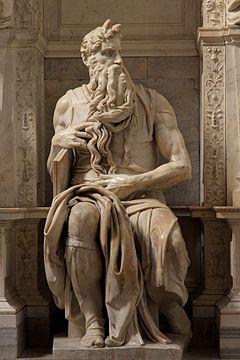
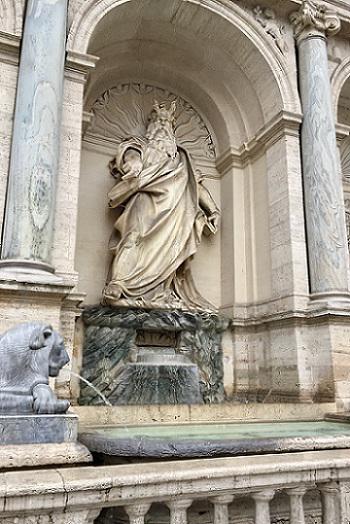
כי קרן - לשון הוד וכמוהו: קרנים מידו לו. והמדמהו לקרני ראם קרניו אינו אלא שטות. כי שתי המחלוקת הם ברוב תיבות שבתורה. וגם מנחם כן פירש.
כי קרן, an expression denoting majesty. The word occurs in this sense also in Chabakuk 3,4 קרנים מידו לו, “which gives off rays from every side.” Anyone who compares the meaning of the words קרן עור פניו in Deuteronomy 33,17 וקרני ראם לו, “having horns like the reem,” is completely foolish. It is quite normal for words in the Torah to have more than one meaning, depending on the context in which they are used.