Save "Parshat Tetzaveh: The Importance of being "Clothes Minded"
"
Parshat Tetzaveh: The Importance of being "Clothes Minded"

והוצאתי אתכם, והצלתי אתכם, וגאלתי אתכם, ולקחתי אתכם, כנגד ד׳ זכיות שבידם, שלא שינו את לשונם, ולא חילפו את שמלותם, ולא גילו את סודם, דכתי׳ ושאלה אשה משכנתה (שמות ג כב), ולא בטלו ברית מילה. ד׳ מיני גאולות, כנגד ד׳ כוסות שראה שר המשקים בחלום, והושקו בו מצרים ונעשו ישראל ד׳ דגלים.

(א) וְאַתָּ֡ה הַקְרֵ֣ב אֵלֶ֩יךָ֩ אֶת־אַהֲרֹ֨ן אָחִ֜יךָ וְאֶת־בָּנָ֣יו אִתּ֗וֹ מִתּ֛וֹךְ בְּנֵ֥י יִשְׂרָאֵ֖ל לְכַהֲנוֹ־לִ֑י אַהֲרֹ֕ן נָדָ֧ב וַאֲבִיה֛וּא אֶלְעָזָ֥ר וְאִיתָמָ֖ר בְּנֵ֥י אַהֲרֹֽן׃ (ב) וְעָשִׂ֥יתָ בִגְדֵי־קֹ֖דֶשׁ לְאַהֲרֹ֣ן אָחִ֑יךָ לְכָב֖וֹד וּלְתִפְאָֽרֶת׃ (ג) וְאַתָּ֗ה תְּדַבֵּר֙ אֶל־כׇּל־חַכְמֵי־לֵ֔ב אֲשֶׁ֥ר מִלֵּאתִ֖יו ר֣וּחַ חׇכְמָ֑ה וְעָשׂ֞וּ אֶת־בִּגְדֵ֧י אַהֲרֹ֛ן לְקַדְּשׁ֖וֹ לְכַהֲנוֹ־לִֽי׃
(1) You shall bring forward your brother Aaron, with his sons, from among the Israelites, to serve Me as priests: Aaron, Nadab and Abihu, Eleazar and Ithamar, the sons of Aaron. (2) Make sacral vestments for your brother Aaron, for dignity and adornment. (3) Next you shall instruct all who are skillful, whom I have endowed with the gift of skill, to make Aaron’s vestments, for consecrating him to serve Me as priest.
(א) לכבוד לכבוד האל יתברך בהיותם בגדי קדש לעבודתו: (ב) ולתפארת שיהיה כהן מורה נורא על כל סביביו, שהם תלמידיו החקוקים על לבו וכתפיו:
(1) לכבוד, to render honour and glory to the Almighty through the wearing of such resplendent garments when performing Temple service. (2) ולתפארת, also the Priest should inspire awe among the Israelites who are all considered his disciples seeing he had the names of all the tribes engraved on these garments right opposite his heart when he wore them in his official capacity.
לקדשו לכהנו לי. לְקַדְּשׁוֹ לְהַכְנִיסוֹ בִּכְהֻנָּה עַ"יְ הַבְּגָדִים שֶׁיְּהֵא כֹהֵן לִי, וּלְשׁוֹן כְּהֻנָּה שֵׁרוּת הוּא, שנטרי"אה בְּלַעַז:
לקדשו לכהנו לי TO SANCTIFY HIM, TO APPOINT HIM AS PRIEST TO ME — to sanctify him, i. e. to instal him into the priesthood by means of the garments here specified, so that he may become priest unto Me. The expression of כהונה denotes service — serventrie in old French

ועשית בגדי קדש, הנה הבגדים שצוה לעשות היה כפי הגלוי בגדים חיצונים, שיספר ענינם איך עשו אותם האומנים במלאכה, אבל באמת היו מורים על בגדים פנימים שיעשו כהני ה' להלביש בם את נפשותיהם בדעות ובמדות ובתכונות טובות שהם מלבושי הנפש, ומלבושים אלה לא עשו האומנים, וצוה ה' אל משה שהוא יעשה בגדי קדש אלה, היינו ללמדם תקון נפשותיהם ומדותיהם באופן שילבישו הוד והדר את נפשם הפנימית. ופי' ועשית בגדי קדש לכבוד, כי התבאר אצלנו בכ"מ שנפש האדם נקראת בשם כבוד בכתבי הקדש [כמ"ש למען יזמרך כבוד וכדומה] תעשה בגדי קדש שבם יתלבש הכבוד שהיא הנפש, וכבר בארתי בפי' ישעיה (סימן ה') שיש הבדל בין כבוד ובין תפארת, שיכובד האדם גם במעלה טבעית אבל לא יתפאר רק במעלה בחירית, ומצד הרוחנית שיש לנפש בטבעה מצד מקור מחצבתה נקראת כבוד, ומצד האור וההדר שתזכה ע"י עבודתה וקדושתה נקראת תפארת, ושתי מדרגות אלה יתלבשו בבגדי קדש שיעשה להם משה, ר"ל שילמדם ויסייע אותם בזכותו להתלבש בלבושי יקר והדר ובזה יעשה בגדי קדש לנפש הנקראת כבוד ולנפש הנקראת תפארת:

And you shall make sacred garments: Behold, the garments that He commanded to make were ostensibly outer garments, such that their makeup is discussed - how the craftsmen are to make them with their work. But they really indicate inner clothes that the priests of God should make - to clothe their souls with thoughts and traits and proper tendencies, which are the clothes of the soul; and the craftsmen did not make those garments. But God commanded Moses that he should make these sacred garments - meaning to teach them how to refine their souls and traits, in such a way they will wear majesty and splendor upon their internal souls. And the explanation of "And you shall make sacred garments for glory," is that it is understood by us that every place that the soul of a man is called glory (as in Psalms 30:13, "In order that my glory sings"), you shall make sacred garments for the glory - meaning the soul - and I have already explained in my commentary to in Isiah (Chapter 5) that there is a distinction between glory and beauty, for a man is glorified also by his natural traits but is beautified only be his traits of volition. Corresponding to the spirituality within the soul naturally sourced in its depths is called glory, and corresponding to the light and splendor which one merits through divine service and its holiness is called beauty. And these two levels clothe in the holy garments that Moshe made, which is to say that he [Moshe] taught and aided them to merit to be garbed in precious garments and splendor and through this they "made holy garments" for the soul - which is called glory - and the soul - which is called beauty.

בָּרוּךְ אַתָּה ה' אֱלֹקֵֽינוּ מֶֽלֶךְ הָעוֹלָם מַלְבִּישׁ עֲרֻמִּים:
Blessed are You, Adonoy our God, King of the Universe, Who clothes the naked.
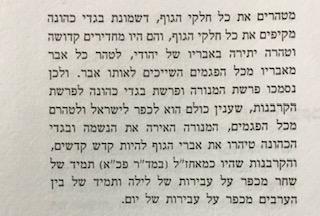
Rav Schwab on Prayer; The teachings of Rabbi Shimon Schwab z'l on the Siddur (2002) p. 34
Who Clothes the Naked - The simple meaning of this Beracha is to thank Hakadosh Baruch Hu for giving us clothing as protection against the elements. More profoundly, though, it refers to the gift of garments by Hakadosh Baruch Hu to Adam and Chavah when they left Gan Eden. The human being was originally created naked. However, when he gave preeminence to the demands of his body and committed the sin of the eitz hadaas (Tree of Knowledge) in an animal-like fashion, it became necessary for Hakadosh Baruch Hu to clothe his body, which is similar to that of an animal so that he be ever cognizant of his superiority over the animals. The human being is the only creature on earth that has free will. He has the ability to overcome his animalistic urges. Clothing, then, symbolically distinguishes men from animals. Thus, the concept of tzenius (modesty) was born. One covers those portions of the body which humans have in common with the animals. However, the face, which portrays man's superiority over animals, and the hands, with which we control the world, need not be clothed.
(ז) וַתִּפָּקַ֙חְנָה֙ עֵינֵ֣י שְׁנֵיהֶ֔ם וַיֵּ֣דְע֔וּ כִּ֥י עֵֽירֻמִּ֖ם הֵ֑ם וַֽיִּתְפְּרוּ֙ עֲלֵ֣ה תְאֵנָ֔ה וַיַּעֲשׂ֥וּ לָהֶ֖ם חֲגֹרֹֽת׃ (ח) וַֽיִּשְׁמְע֞וּ אֶת־ק֨וֹל ה' אֱלֹקִ֛ים מִתְהַלֵּ֥ךְ בַּגָּ֖ן לְר֣וּחַ הַיּ֑וֹם וַיִּתְחַבֵּ֨א הָֽאָדָ֜ם וְאִשְׁתּ֗וֹ מִפְּנֵי֙ ה' אֱלֹקִ֔ים בְּת֖וֹךְ עֵ֥ץ הַגָּֽן׃ (ט) וַיִּקְרָ֛א ה' אֱלֹקִ֖ים אֶל־הָֽאָדָ֑ם וַיֹּ֥אמֶר ל֖וֹ אַיֶּֽכָּה׃ (י) וַיֹּ֕אמֶר אֶת־קֹלְךָ֥ שָׁמַ֖עְתִּי בַּגָּ֑ן וָאִירָ֛א כִּֽי־עֵירֹ֥ם אָנֹ֖כִי וָאֵחָבֵֽא׃ (יא) וַיֹּ֕אמֶר מִ֚י הִגִּ֣יד לְךָ֔ כִּ֥י עֵירֹ֖ם אָ֑תָּה הֲמִן־הָעֵ֗ץ אֲשֶׁ֧ר צִוִּיתִ֛יךָ לְבִלְתִּ֥י אֲכׇל־מִמֶּ֖נּוּ אָכָֽלְתָּ׃
(7) Then the eyes of both of them were opened and they perceived that they were naked; and they sewed together fig leaves and made themselves loincloths. (8) They heard the sound of God יהוה moving about in the garden at the breezy time of day; and the Human and his wife hid from God יהוה among the trees of the garden. (9) God יהוה called out to the Human and said to him, “Where are you?” (10) He replied, “I heard the sound of You in the garden, and I was afraid because I was naked, so I hid.” (11) “Who told you that you were naked? Did you eat of the tree from which I had forbidden you to eat?”
כֹּהֲנֶ֥יךָ יִלְבְּשׁוּ־צֶ֑דֶק וַחֲסִידֶ֥יךָ יְרַנֵּֽנוּ׃
Your priests are clothed in triumph;
Your loyal ones sing for joy.
Covenant & Conversation - Exodus: The Book Of Redemption by Rabbi Jonathan Sacks, p. 247
In a famous phrase, the book of Psalms contains the prayer, "May your priests be clothed in righteousness." It is clear that the phrase in Tetzaveh, "for glory and for beauty" does not mean "for the glory and beauty of the priests." It means "for the glory of G-d and the beauty of His presence." The task of the kohen- and the message of his clothes - was to be a "signal of transcendence," to point in himself to something beyond himself, to be a living symbol of the Divine Presence in the midst of the nation.
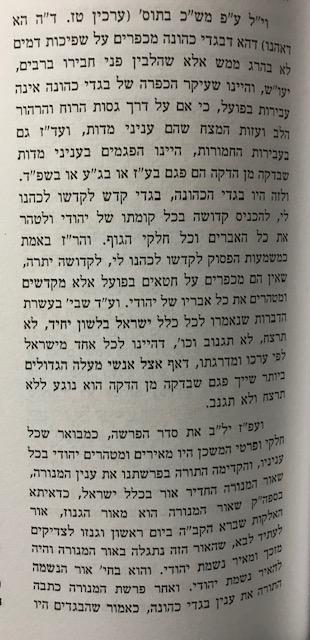
איני והא אמר ר' ענני בר ששון למה נסמכה פרשת בגדי כהונה לפרשת קרבנות לומר לך מה קרבנות מכפרין אף בגדי כהונה מכפרין כתונת מכפרת על שפיכות דמים דכתיב (בראשית לז, לא) ויטבלו את הכתנת בדם מכנסים מכפרים על גילוי עריות דכתיב (שמות כח, מב) ועשה להם מכנסי בד לכסות בשר ערוה מצנפת מכפרת על גסי הרוח כדרבי חנינא דא"ר חנינא יבא דבר שבגובה ויכפר על מעשה גובה אבנט מכפרת על הרהור הלב אהיכא דאיתיה (דכתיב (שמות כח, לה) והיה על לב אהרן) חושן מכפר על הדינין דכתיב (שמות כח, טו) ועשית חושן משפט אפוד מכפר על עבודה זרה דכתיב (הושע ג, ד) אין אפוד ותרפים מעיל מכפר על לשון הרע אמר הקב"ה יבא דבר שבקול ויכפר על מעשה הקול ציץ מכפר על מעשה עזי פנים כתיב הכא (שמות כח, לח) והיה על מצח אהרן וכתיב התם (ירמיהו ג, ג) ומצח אשה זונה היה לך
The Gemara asks: Is that so? Doesn’t Rabbi Anani bar Sason say: Why was the passage in the Torah that discusses the priestly vestments (Leviticus 8) juxtaposed to the passage that discusses offerings (Leviticus, chapters 1–7)? To tell you that just as offerings atone, so too the priestly vestments atone. For what does each garment atone? The tunic [ketonet] atones for bloodshed, as it is written with regard to Joseph’s brothers after they plotted to kill him: “And they killed a goat, and dipped the coat [ketonet] in the blood” (Genesis 37:31). The trousers atone for forbidden sexual relations, as it is written with regard to the priestly vestments: “And you shall make them linen trousers to cover the flesh of their nakedness” (Exodus 28:42). The mitre atones for the arrogant, in accordance with the opinion of Rabbi Ḥanina, as Rabbi Ḥanina says: It is logical that an item placed at an elevation, i.e., on the head of a priest, shall come and atone for the matter of an elevated heart. The belt atones for thought of the heart. The Gemara elaborates: The belt atones for the sins occurring where it is situated, i.e., over the heart, as it is written: “And you shall put in the breastplate of judgment the Urim and the Tummim; and it shall be upon Aaron’s heart, when he goes in before the Lord; and Aaron shall bear the judgment of the children of Israel upon his heart before the Lord continually” (Exodus 28:30). The breastplate of the High Priest atones for improper judgments, as it is written: “And you shall make a breastplate of judgment” (Exodus 28:15). The ephod of the High Priest atones for idol worship, as it is written: “And without ephod or teraphim” (Hosea 3:4), that is to say, when there is no ephod, the sin of teraphim, i.e., idol worship, is found. This indicates that if there is an ephod, there is no sin of idol worship. The robe of the High Priest atones for malicious speech, as the Holy One, Blessed be He says: Let an item that produces sound, i.e., the bells of the robe, come and atone for an act of malicious sound, i.e., malicious speech. Finally, the frontplate of the High Priest atones for an act of brazenness. From where is this derived? Here, with regard to the frontplate, it is written: “And it shall be upon Aaron’s forehead” (Exodus 28:38), and there, with regard to brazenness, it is written: “And you had a prostitute’s forehead” (Jeremiah 3:3). The statement of Rabbi Anani bar Sason indicates that the robe worn by the High Priest atones for malicious speech, which means that one is not punished by leprosy, as claimed by Rabbi Shmuel bar Naḥmani.