


Based on Likutei Shichos 26 page 200-203
(לו) וְעָשִׂ֥יתָ צִּ֖יץ זָהָ֣ב טָה֑וֹר וּפִתַּחְתָּ֤ עָלָיו֙ פִּתּוּחֵ֣י חֹתָ֔ם קֹ֖דֶשׁ לַֽיהֹוָֽה׃ (לז) וְשַׂמְתָּ֤ אֹתוֹ֙ עַל־פְּתִ֣יל תְּכֵ֔לֶת וְהָיָ֖ה עַל־הַמִּצְנָ֑פֶת אֶל־מ֥וּל פְּנֵֽי־הַמִּצְנֶ֖פֶת יִהְיֶֽה׃ (לח) וְהָיָה֮ עַל־מֵ֣צַח אַהֲרֹן֒ וְנָשָׂ֨א אַהֲרֹ֜ן אֶת־עֲוֺ֣ן הַקֳּדָשִׁ֗ים אֲשֶׁ֤ר יַקְדִּ֙ישׁוּ֙ בְּנֵ֣י יִשְׂרָאֵ֔ל לְכׇֽל־מַתְּנֹ֖ת קׇדְשֵׁיהֶ֑ם וְהָיָ֤ה עַל־מִצְחוֹ֙ תָּמִ֔יד לְרָצ֥וֹן לָהֶ֖ם לִפְנֵ֥י יְהֹוָֽה׃
(36) You shall make a frontlet of pure gold and engrave on it the seal inscription: “Holy to the LORD.”
(37) Suspend it on a cord of blue, so that it may remain on the headdress; it shall remain on the front of the headdress.
(38) It shall be on Aaron’s forehead, that Aaron may take away any sin arising from the holy things that the Israelites consecrate, from any of their sacred donations; it shall be on his forehead at all times, to win acceptance for them before the LORD.

What is the purpose and meaning of the Tzitz?
The robe of the High Priest atones for malicious speech. From where is this known? Rabbi Ḥanina says: It is logical that an item that produces sound, i.e., the robe, which has bells, shall come and atone for an evil sound.
And the frontplate of the High Priest atones for brazenness.
This is derived from the fact that with regard to the frontplate it is written: “And it shall be upon Aaron’s forehead” (Exodus 28:38), and with regard to brazenness it is written: “And you had a harlot’s forehead” (Jeremiah 3:3).
How was the Tzitz Made?
(ב) וְהָאוֹתִיּוֹת בּוֹלְטוֹת בְּפָנָיו. [כֵּיצַד]. חוֹפֵר אֶת הָאוֹתִיּוֹת מֵאַחֲרָיו וְהוּא מְדֻבָּק עַל הַשַּׁעֲוָה עַד שֶׁבּוֹלֵט. וְהוּא נָקוּב בִּשְׁתֵּי קְצוֹתָיו. וּפְתִיל תְּכֵלֶת לְמַטָּה מִמֶּנּוּ נִכְנָס מִנֶּקֶב לְנֶקֶב כְּדֵי שֶׁיִּהְיֶה נִקְשָׁר בִּפְתִיל כְּנֶגֶד הָעֹרֶף:
2) The letters would project outward. How was this done? [A craftsman] would engrave the letters on the back of the plate while it was pressed to beeswax6 until they project.
It had holes on each of its ends. There was a strand of sky-blue wool below it that ran from hole to hole so that it could be tied with this strand at the nape [of the neck].7
Abaye said to him: And is the frontplate a woven fabric? Wasn’t it taught in a baraita: The frontplate is made like a kind of smooth plate of gold, and its width is two fingerbreadths, and it encircles the forehead from ear to ear.
And on it is written in two lines: Yod heh, i.e., the Tetragrammaton, above, and kodesh lamed, i.e., sacred to, below. Thus, the words: Sacred to God, were written on the frontplate.
And Rabbi Eliezer, son of Rabbi Yosei, said: I saw it in the Caesar’s treasury in the city of Rome and Sacred to God was written on one line. In any case, since the frontplate is a gold plate, how can it serve as a source for ritual impurity in fabrics?
In deference to the name of God, it would be written on the top line, and the words: Sacred to, on the line below.
Where is the Tzitz Now?
Background story to Rabbi Eliezer, son of Rabbi Yosei seeing the Tzitz...
The Halacha - One line or two lines?
כֵּיצַד מַעֲשֵׂה הַצִּיץ. עוֹשֶׂה טַס שֶׁל זָהָב רֹחַב שְׁתֵּי אֶצְבָּעוֹת וּמַקִּיף מֵאֹזֶן לְאֹזֶן וְכוֹתֵב עָלָיו שֵׁנִי שִׁיטִין קֹדֶשׁ לַה' קֹדֶשׁ מִלְּמַטָּה לַה' מִלְמַעְלָה. וְאִם כְּתָבוֹ בְּשִׁיטָה אַחַת כָּשֵׁר. וּפְעָמִים כְּתָבוּהוּ בְּשִׁיטָה אַחַת:
How is the forehead plate made? We make a plate of gold two fingerbreadths wide that extends [over the forehead of the High Priest] from one ear to the other. Upon it is written, קדש לה'ה in two lines, קדש on the lower line and לה'ה on the upper line. If [the words] were written on one line it was valid. There were times when they were written on one line.
How could the Rabbi's argue on an eye witness testimony?
They were not questioning his trust worthiness...
Why would the Temple have a Tzitz for the high priest that was only kosher in expo facto situations?
Also even its good in expo facto situation that should only last until you have a chance to recreate it...
הציץ היה דומה כמין טס של זהב.... ואע"פ שמגדולי החכמים העידו אני ראיתיו ברומי וכתוב עליו קדש לי"י בשיטה אחת לא הכחישו את הידוע אצלם אף בעדות ראיה:
And even though one of the great sages testified that he saw the tzitz in Rome and it was written on one line. This didn't change what was known to them (oral tradition - Mesorah). Even though it was a eye witness testimony.
Mesorah - Tradition - Oral Law
The tradition/Mesorah was so strong that it held major weight. And therefor the Code of Jewish law follows the tradition over the one that was seen in Rome.
Points to Ponder: How does one prove a historical event?
The Menorah Oral Tradition vs painting/artifacts

The Arch of Titus was constructed in the year 81 by the Emperor Domitian shortly after the death of his older brother Titus to commemorate Titus' victories, including the siege and plunder of Jerusalem just a few years earlier. The sculptural art inside the arch includes two panel reliefs commemorating the joint triumph celebrated by Titus and his father Vespasian. On one of the reliefs is the scene depicting the triumphal procession with the booty from the Temple in Jerusalem, including the sacred menorah.
The Arch became a symbol of the Jewish exile, and eventually Pope Paul IV made it the place of a yearly oath of submission of the Jews.
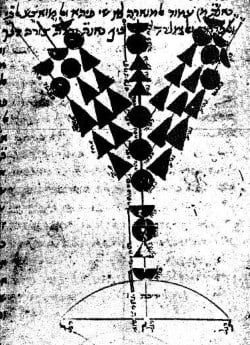
Rabbi Abraham ben Harambam
Lest there be any confusion, Maimonides’ son, Rabbi Abraham ben Harambam, in his commentary to Exodus,10 writes that the branches “extend from the stem of the menorah to the top in a straight line (beyosher), as my father of blessed memory drew, not in arc-shape as others have drawn.”
The Lubavitcher Rebbe
The Rebbe offers a number of possible explanations. Firstly, it should be noted that the design on the arch is not an exact replica of the menorah and is an artistic interpretation. For one, the Temple menorah had feet extending from its base, and the menorah on the Arch of Titus has no feet. Additionally, on the menorah’s shaft is the form of a sea dragon, one of the false deities worshiped by the Romans and something that was certainly not on the Temple menorah. Accordingly, it cannot be relied on as an accurate source regarding the design of the menorah.
Two other points:
A) The Temple was a source of light for many many people and they tried to mimic and recreate these ideas in their homes or places of worship...
B) Josephus when he recounts the story says they brought 2 Menorahs to Titus to choose.
The Dead Sea Scrolls - A modern day example
Sheds Light on the Dead Sea Scrolls:
Our tradition triumphs. We can speculate about the scrolls where they came from? Why they were there? Who wrote them... But the only thing we know for sure is that we found some scrolls that were tucked away.
Perhaps they were buried because of mistakes, But our tradition is passed down from generation to generation back to Moshe.