


Parasha: Shemot 27:20-30:10
- Olive oil for "constantly burning light" above the sanctuary
- Aharon and his sons are chosed to serve as priests
- God instructs Moshe to make special clothes for the priests
- Aharon and his sons are ordained in a seven-day ceremony
- Aharon is commanded to burn incense on an altar twice daily
Haftara: Yechezkel 43:10-27
- Vision of the Temple (in the days to come) and its consecration
(י) אַתָּ֣ה בֶן־אָדָ֗ם הַגֵּ֤ד אֶת־בֵּֽית־יִשְׂרָאֵל֙ אֶת־הַבַּ֔יִת וְיִכָּלְמ֖וּ מֵעֲוֺנֽוֹתֵיהֶ֑ם וּמָדְד֖וּ אֶת־תׇּכְנִֽית׃ (יא) וְאִֽם־נִכְלְמ֞וּ מִכֹּ֣ל אֲשֶׁר־עָשׂ֗וּ צוּרַ֣ת הַבַּ֡יִת וּתְכוּנָת֡וֹ וּמוֹצָאָ֡יו וּמוֹבָאָ֣יו וְֽכׇל־צוּרֹתָ֡ו וְאֵ֣ת כׇּל־חֻקֹּתָיו֩ וְכׇל־צ֨וּרֹתָ֤ו וְכׇל־תּֽוֹרֹתָו֙ הוֹדַ֣ע אוֹתָ֔ם וּכְתֹ֖ב לְעֵינֵיהֶ֑ם וְיִשְׁמְר֞וּ אֶת־כׇּל־צוּרָת֛וֹ וְאֶת־כׇּל־חֻקֹּתָ֖יו וְעָשׂ֥וּ אוֹתָֽם׃ (יב) זֹ֖את תּוֹרַ֣ת הַבָּ֑יִת עַל־רֹ֣אשׁ הָ֠הָ֠ר כׇּל־גְּבֻל֞וֹ סָבִ֤יב ׀ סָבִיב֙ קֹ֣דֶשׁ קׇדָשִׁ֔ים הִנֵּה־זֹ֖את תּוֹרַ֥ת הַבָּֽיִת׃
(10) [Now] you, O mortal, describe the Temple to the House of Israel, and let them measure its design. But let them be ashamed of their iniquities: (11) When they are ashamed of all they have done, make known to them the plan of the Temple and its layout, its exits and entrances—its entire plan, and all the laws and instructions pertaining to its entire plan. Write it down before their eyes, that they may faithfully follow its entire plan and all its laws. (12) Such are the instructions for the Temple on top of the mountain: the entire area of its enclosure shall be most holy. Thus far the instructions for the Temple.
*** AHARON'S PARASHA ***
(כ) וְאַתָּ֞ה תְּצַוֶּ֣ה ׀ אֶת־בְּנֵ֣י יִשְׂרָאֵ֗ל וְיִקְח֨וּ אֵלֶ֜יךָ שֶׁ֣מֶן זַ֥יִת זָ֛ךְ כָּתִ֖ית לַמָּא֑וֹר לְהַעֲלֹ֥ת נֵ֖ר תָּמִֽיד׃ (כא) בְּאֹ֣הֶל מוֹעֵד֩ מִח֨וּץ לַפָּרֹ֜כֶת אֲשֶׁ֣ר עַל־הָעֵדֻ֗ת יַעֲרֹךְ֩ אֹת֨וֹ אַהֲרֹ֧ן וּבָנָ֛יו מֵעֶ֥רֶב עַד־בֹּ֖קֶר לִפְנֵ֣י ה' חֻקַּ֤ת עוֹלָם֙ לְדֹ֣רֹתָ֔ם מֵאֵ֖ת בְּנֵ֥י יִשְׂרָאֵֽל׃ {ס}
(20) You shall further instruct the Israelites to bring you clear oil of beaten olives for lighting, for kindling lamps regularly. (21) Aaron and his sons shall set them up in the Tent of Meeting, outside the curtain which is over [the Ark of] the Pact, [to burn] from evening to morning before the LORD. It shall be a due from the Israelites for all time, throughout the ages.
(א) וְאַתָּ֡ה הַקְרֵ֣ב אֵלֶ֩יךָ֩ אֶת־אַהֲרֹ֨ן אָחִ֜יךָ וְאֶת־בָּנָ֣יו אִתּ֗וֹ מִתּ֛וֹךְ בְּנֵ֥י יִשְׂרָאֵ֖ל לְכַהֲנוֹ־לִ֑י אַהֲרֹ֕ן נָדָ֧ב וַאֲבִיה֛וּא אֶלְעָזָ֥ר וְאִיתָמָ֖ר בְּנֵ֥י אַהֲרֹֽן׃ (ב) וְעָשִׂ֥יתָ בִגְדֵי־קֹ֖דֶשׁ לְאַהֲרֹ֣ן אָחִ֑יךָ לְכָב֖וֹד וּלְתִפְאָֽרֶת׃ (ג) וְאַתָּ֗ה תְּדַבֵּר֙ אֶל־כׇּל־חַכְמֵי־לֵ֔ב אֲשֶׁ֥ר מִלֵּאתִ֖יו ר֣וּחַ חׇכְמָ֑ה וְעָשׂ֞וּ אֶת־בִּגְדֵ֧י אַהֲרֹ֛ן לְקַדְּשׁ֖וֹ לְכַהֲנוֹ־לִֽי׃
(1) You shall bring forward your brother Aaron, with his sons, from among the Israelites, to serve Me as priests: Aaron, Nadab and Abihu, Eleazar and Ithamar, the sons of Aaron. (2) Make sacral vestments for your brother Aaron, for dignity and adornment. (3) Next you shall instruct all who are skillful, whom I have endowed with the gift of skill, to make Aaron’s vestments, for consecrating him to serve Me as priest.
(כב) וְנוֹעַדְתִּ֣י לְךָ֮ שָׁם֒ וְדִבַּרְתִּ֨י אִתְּךָ֜ מֵעַ֣ל הַכַּפֹּ֗רֶת מִבֵּין֙ שְׁנֵ֣י הַכְּרֻבִ֔ים אֲשֶׁ֖ר עַל־אֲר֣וֹן הָעֵדֻ֑ת אֵ֣ת כׇּל־אֲשֶׁ֧ר אֲצַוֶּ֛ה אוֹתְךָ֖ אֶל־בְּנֵ֥י יִשְׂרָאֵֽל׃ {פ}
(22) There I will meet with you, and I will impart to you—from above the cover, from between the two cherubim that are on top of the Ark of the Pact—all that I will command you concerning the Israelite people.
(מג) וְנֹעַדְתִּ֥י שָׁ֖מָּה לִבְנֵ֣י יִשְׂרָאֵ֑ל וְנִקְדַּ֖שׁ בִּכְבֹדִֽי׃ (מד) וְקִדַּשְׁתִּ֛י אֶת־אֹ֥הֶל מוֹעֵ֖ד וְאֶת־הַמִּזְבֵּ֑חַ וְאֶת־אַהֲרֹ֧ן וְאֶת־בָּנָ֛יו אֲקַדֵּ֖שׁ לְכַהֵ֥ן לִֽי׃ (מה) וְשָׁ֣כַנְתִּ֔י בְּת֖וֹךְ בְּנֵ֣י יִשְׂרָאֵ֑ל וְהָיִ֥יתִי לָהֶ֖ם לֵאלֹקִֽים׃
(43) and there I will meet with the Israelites, and it shall be sanctified by My Presence. (44) I will sanctify the Tent of Meeting and the altar, and I will consecrate Aaron and his sons to serve Me as priests. (45) I will reside among the Israelites, and I will be their God.
ואתה תצוה לא הזכיר משה בזה הסדר משא''כ בכל החומש שמשעה שנולד משה אין סדר שלא הוזכר בה (חוץ ממשנה תורה) והטעם משום שאמר מחני נא מספרך אשר כתבת וקללת חכם אפי' על תנאי באה ונתקיים בזה.
You shall command the B’nei Yisrael. This is the only parshah in the Torah since Moshe first appears in which he is not mentioned (outside of the book of Devarim in which he is the narrator). This is in fulfillment of the curse that he proclaimed against himself, “[And if not,] blot me out from Your book” (Shemos 32:32). Although this curse was conditional upon God’s refusal to forgive the people for the sin of the Calf, the curse of a scholar is fulfilled in some way, even when made conditionally.
(לב) וְעַתָּ֖ה אִם־תִּשָּׂ֣א חַטָּאתָ֑ם וְאִם־אַ֕יִן מְחֵ֣נִי נָ֔א מִֽסִּפְרְךָ֖ אֲשֶׁ֥ר כָּתָֽבְתָּ׃
(32) Now, if You will forgive their sin [well and good]; but if not, erase me from the book which You have written!”
(ה) וַיָּ֨מׇת שָׁ֜ם מֹשֶׁ֧ה עֶבֶד־ה' בְּאֶ֥רֶץ מוֹאָ֖ב עַל־פִּ֥י ה'׃ (ו) וַיִּקְבֹּ֨ר אֹת֤וֹ בַגַּי֙ בְּאֶ֣רֶץ מוֹאָ֔ב מ֖וּל בֵּ֣ית פְּע֑וֹר וְלֹא־יָדַ֥ע אִישׁ֙ אֶת־קְבֻ֣רָת֔וֹ עַ֖ד הַיּ֥וֹם הַזֶּֽה׃ (ז) וּמֹשֶׁ֗ה בֶּן־מֵאָ֧ה וְעֶשְׂרִ֛ים שָׁנָ֖ה בְּמֹת֑וֹ לֹא־כָהֲתָ֥ה עֵינ֖וֹ וְלֹא־נָ֥ס לֵחֹֽה׃ (ח) וַיִּבְכּוּ֩ בְנֵ֨י יִשְׂרָאֵ֧ל אֶת־מֹשֶׁ֛ה בְּעַֽרְבֹ֥ת מוֹאָ֖ב שְׁלֹשִׁ֣ים י֑וֹם וַֽיִּתְּמ֔וּ יְמֵ֥י בְכִ֖י אֵ֥בֶל מֹשֶֽׁה׃
(5) So Moses the servant of the LORD died there, in the land of Moab, at the command of the LORD. (6) He buried him in the valley in the land of Moab, near Beth-peor; and no one knows his burial place to this day. (7) Moses was a hundred and twenty years old when he died; his eyes were undimmed and his vigor unabated. (8) And the Israelites bewailed Moses in the steppes of Moab for thirty days. The period of wailing and mourning for Moses came to an end.
(א) וַֽיְהִ֗י אַחֲרֵ֛י מ֥וֹת מֹשֶׁ֖ה עֶ֣בֶד ה' וַיֹּ֤אמֶר ה' אֶל־יְהוֹשֻׁ֣עַ בִּן־נ֔וּן מְשָׁרֵ֥ת מֹשֶׁ֖ה לֵאמֹֽר׃ (ב) מֹשֶׁ֥ה עַבְדִּ֖י מֵ֑ת וְעַתָּה֩ ק֨וּם עֲבֹ֜ר אֶת־הַיַּרְדֵּ֣ן הַזֶּ֗ה אַתָּה֙ וְכׇל־הָעָ֣ם הַזֶּ֔ה אֶל־הָאָ֕רֶץ אֲשֶׁ֧ר אָנֹכִ֛י נֹתֵ֥ן לָהֶ֖ם לִבְנֵ֥י יִשְׂרָאֵֽל׃
(1) After the death of Moses the servant of the LORD, the LORD said to Joshua son of Nun, Moses’ attendant: (2) “My servant Moses is dead. Prepare to cross the Jordan, together with all this people, into the land that I am giving to the Israelites.
(י) וַיְצַ֣ו יְהוֹשֻׁ֔עַ אֶת־שֹׁטְרֵ֥י הָעָ֖ם לֵאמֹֽר׃ (יא) עִבְר֣וּ ׀ בְּקֶ֣רֶב הַֽמַּחֲנֶ֗ה וְצַוּ֤וּ אֶת־הָעָם֙ לֵאמֹ֔ר הָכִ֥ינוּ לָכֶ֖ם צֵידָ֑ה כִּ֞י בְּע֣וֹד ׀ שְׁלֹ֣שֶׁת יָמִ֗ים אַתֶּם֙ עֹֽבְרִים֙ אֶת־הַיַּרְדֵּ֣ן הַזֶּ֔ה לָבוֹא֙ לָרֶ֣שֶׁת אֶת־הָאָ֔רֶץ אֲשֶׁר֙ ה' אֱלֹֽקֵיכֶ֔ם נֹתֵ֥ן לָכֶ֖ם לְרִשְׁתָּֽהּ׃ {פ}
(10) Joshua thereupon gave orders to the officials of the people: (11) “Go through the camp and charge the people thus: Get provisions ready, for in three days’ time you are to cross the Jordan, in order to enter and possess the land that the LORD your God is giving you as a possession.”
(יט) וְהָעָ֗ם עָלוּ֙ מִן־הַיַּרְדֵּ֔ן בֶּעָשׂ֖וֹר לַחֹ֣דֶשׁ הָרִאשׁ֑וֹן וַֽיַּחֲנוּ֙ בַּגִּלְגָּ֔ל בִּקְצֵ֖ה מִזְרַ֥ח יְרִיחֽוֹ׃
(19) The people came up from the Jordan on the tenth day of the first month, and encamped at Gilgal on the eastern border of Jericho.
וּמִנַּיִן שֶׁבְּשִׁבְעָה בַּאֲדָר נוֹלַד מֹשֶׁה שֶׁנֶּאֱמַר וַיֹּאמֶר אֲלֵהֶם בֶּן מֵאָה וְעֶשְׂרִים שָׁנָה אָנֹכִי הַיּוֹם לֹא אוּכַל עוֹד לָצֵאת וְלָבוֹא שֶׁאֵין תַּלְמוּד לוֹמַר הַיּוֹם מָה תַּלְמוּד לוֹמַר הַיּוֹם מְלַמֵּד שֶׁהַקָּדוֹשׁ בָּרוּךְ הוּא יוֹשֵׁב וּמְמַלֵּא שְׁנוֹתֵיהֶם שֶׁל צַדִּיקִים מִיּוֹם לְיוֹם וּמֵחֹדֶשׁ לְחֹדֶשׁ שֶׁנֶּאֱמַר אֶת מִסְפַּר יָמֶיךָ אֲמַלֵּא
The baraita continues: And from where is it derived that Moses was born on the seventh of Adar? It is as it is stated: “And he said to them, I am one hundred and twenty years old today; I can no more go out and come in” (Deuteronomy 31:2). As there is no need for the verse to state “today,” since Moses could have said simply: I am one hundred and twenty years old. What is the meaning when the verse states “today”? One can learn from it that Moses was born on that date, i.e., he was exactly one hundred and twenty years old. This teaches that the Holy One, Blessed be He, sits and completes the years of the righteous from day to day and from month to month, as it is stated: “The number of your days I will fulfill” (Exodus 23:26).
*** THE CHERUBIM ***
(יח) וְעָשִׂ֛יתָ שְׁנַ֥יִם כְּרֻבִ֖ים זָהָ֑ב מִקְשָׁה֙ תַּעֲשֶׂ֣ה אֹתָ֔ם מִשְּׁנֵ֖י קְצ֥וֹת הַכַּפֹּֽרֶת׃ (יט) וַ֠עֲשֵׂ֠ה כְּר֨וּב אֶחָ֤ד מִקָּצָה֙ מִזֶּ֔ה וּכְרוּב־אֶחָ֥ד מִקָּצָ֖ה מִזֶּ֑ה מִן־הַכַּפֹּ֛רֶת תַּעֲשׂ֥וּ אֶת־הַכְּרֻבִ֖ים עַל־שְׁנֵ֥י קְצוֹתָֽיו׃ (כ) וְהָי֣וּ הַכְּרֻבִים֩ פֹּרְשֵׂ֨י כְנָפַ֜יִם לְמַ֗עְלָה סֹכְכִ֤ים בְּכַנְפֵיהֶם֙ עַל־הַכַּפֹּ֔רֶת וּפְנֵיהֶ֖ם אִ֣ישׁ אֶל־אָחִ֑יו אֶ֨ל־הַכַּפֹּ֔רֶת יִהְי֖וּ פְּנֵ֥י הַכְּרֻבִֽים׃
(18) Make two cherubim of gold—make them of hammered work—at the two ends of the cover. (19) Make one cherub at one end and the other cherub at the other end; of one piece with the cover shall you make the cherubim at its two ends. (20) The cherubim shall have their wings spread out above, shielding the cover with their wings. They shall confront each other, the faces of the cherubim being turned toward the cover.
(א) וְאֶת־הַמִּשְׁכָּ֥ן תַּעֲשֶׂ֖ה עֶ֣שֶׂר יְרִיעֹ֑ת שֵׁ֣שׁ מׇשְׁזָ֗ר וּתְכֵ֤לֶת וְאַרְגָּמָן֙ וְתֹלַ֣עַת שָׁנִ֔י כְּרֻבִ֛ים מַעֲשֵׂ֥ה חֹשֵׁ֖ב תַּעֲשֶׂ֥ה אֹתָֽם׃
(1) As for the tabernacle, make it of ten strips of cloth; make these of fine twisted linen, of blue, purple, and crimson yarns, with a design of cherubim worked into them.
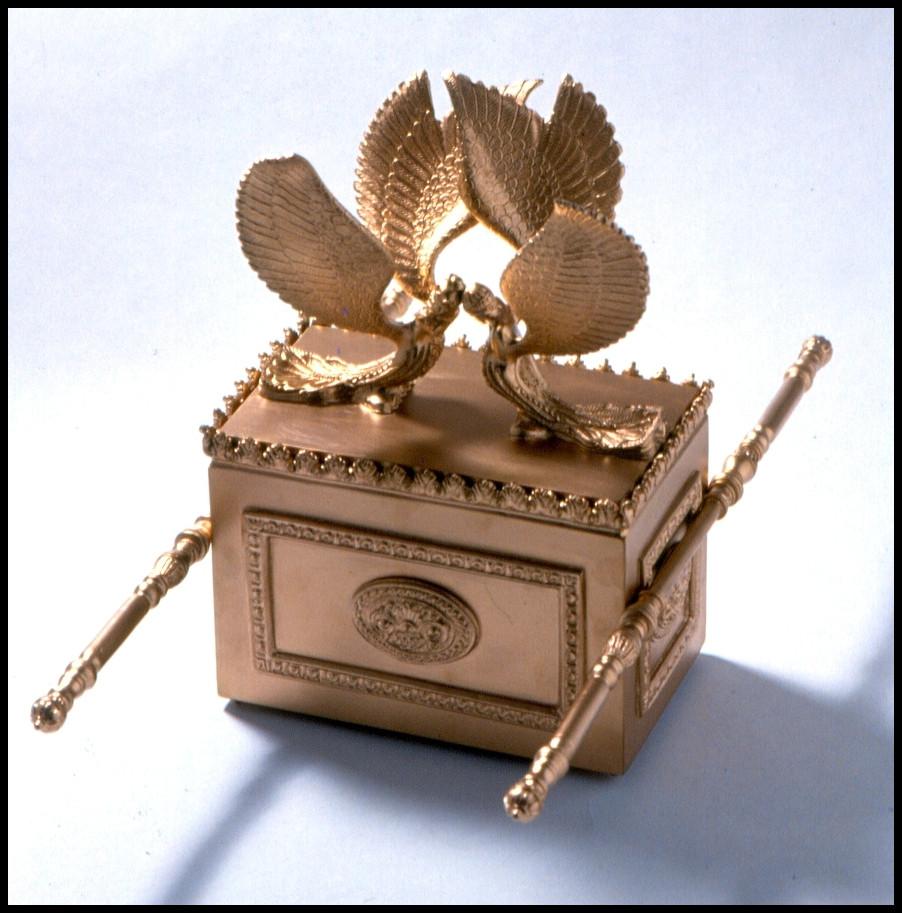

כרבים. דְּמוּת פַּרְצוּף תִּינוֹק לָהֶם:
כרבים CHERUBIM — They had the form of a child’s face (Sukkah 5a).
כרבים מעשה חשב. כְּרוּבִים הָיוּ מְצֻיָּרִין בָּהֶם בַּאֲרִיגָתָן, וְלֹא בִרְקִימָה שֶׁהוּא מַעֲשֵׂה מַחַט, אֶלָּא בַאֲרִיגָה בִשְׁנֵי כְּתָלִים, פַּרְצוּף אֶחָד מִכָּאן וּפַרְצוּף אֶחָד מִכָּאן – אֲרִי מִצַּד זֶה וְנֶשֶׁר מִצַּד זֶה – כְּמוֹ שֶׁאוֹרְגִין חֲגוֹרוֹת שֶׁל מֶשִׁי שֶׁקּוֹרִין בְּלַעַז פיישי"שא:
כרבים מעשה חשב WITH CHERUBIM, THE WORK OF AN ARTIST — Cherubim were figured on them (on the curtains) in the process of weaving them, not afterwards by embroidery which is needlework — but by weaving it on its two surfaces, one design on one side, a different design on the other; e. g., a lion on one side and an eagle on the other side, just as the silken girdles are woven which are called in old French faisee (Yoma 72b, Jerusalem Talmud Shekalim 8:4).
כרבים - עופות, כדכתיב: (יחזקאל כח) את כרוב ממשח הסוכך. עוף גדול בעל כנפים. וחכמים פירשו: פני תינוק.
כרובים. Birds. (shapes of) We base this on Ezekiel 28,14 את כרוב ממשח הסוכך, “as a cherub with protective outstretched wings.” (compare Rashi) It is a large bird. Our sages (Sukkah 5) understand the word to mean “having the faces of young children, toddlers.”
וּמַאי כְּרוּב? אָמַר רַבִּי אֲבָהוּ: כְּרָבְיָא, שֶׁכֵּן בְּבָבֶל קוֹרִין לְיָנוֹקָא רָבְיָא. אֲמַר לֵיהּ אַבָּיֵי: אֶלָּא מֵעַתָּה, דִּכְתִיב: ״פְּנֵי הָאֶחָד פְּנֵי הַכְּרוּב וּפְנֵי הַשֵּׁנִי פְּנֵי אָדָם״, הַיְינוּ כְּרוּב הַיְינוּ אָדָם! אַפֵּי רַבְרְבֵי וְאַפֵּי זוּטְרֵי.
And what is the form of the face of a cherub [keruv]? Rabbi Abbahu said: Like that of a child [keravya], as in Babylonia one calls a child ravya. Abaye said to him: But if so, what is the meaning of that which is written about the faces of the celestial beasts drawing the celestial chariot: “The face of the first was the face of the cherub, and the face of the second was the face of a man” (Ezekiel 10:14)? According to your explanation, this face of the cherub is the same as that face of a man. The Gemara answers: Although two of the celestial beasts drawing that chariot had the face of a man, the difference between them is that one was a large face and one was a small face. In other words, the face described as the face of a man was the face of an adult, and the face described as the face of a cherub was that of a child.
שנים כרובים ופניהם איש אל אחיו כמו שני חברים שנושאין ונותנין בדברי תורה:
שנים כרובים. And they were facing each other, like two friends who are talking back and forth on Torah matters.
אָמַר רַב קַטִּינָא: בְּשָׁעָה שֶׁהָיוּ יִשְׂרָאֵל עוֹלִין לָרֶגֶל, מְגַלְּלִין לָהֶם אֶת הַפָּרוֹכֶת, וּמַרְאִין לָהֶם אֶת הַכְּרוּבִים שֶׁהָיוּ מְעוֹרִים זֶה בָּזֶה, וְאוֹמְרִים לָהֶן: רָאוּ חִבַּתְכֶם לִפְנֵי הַמָּקוֹם כְּחִבַּת זָכָר וּנְקֵבָה.
Rav Ketina said: When the Jewish people would ascend for one of the pilgrimage Festivals, the priests would roll up the curtain for them and show them the cherubs, which were clinging to one another, and say to them: See how you are beloved before God, like the love of a male and female. The two cherubs symbolize the Holy One, Blessed be He, and the Jewish people.
כאיש המעורה בלוייה שלו אמר ריש לקיש בשעה שנכנסו נכרים להיכל ראו כרובים המעורין זה בזה הוציאון לשוק ואמרו ישראל הללו שברכתן ברכה וקללתן קללה יעסקו בדברים הללו מיד הזילום שנאמר (איכה א, ח) כל מכבדיה הזילוה כי ראו ערותה
It means like a man joined and clinging to his livaya, his partner, i.e., his wife. In other words, the cherubs appeared to be embracing one another. Reish Lakish said: When gentiles destroyed the Second Temple and entered the Sanctuary, they saw these drawings of cherubs clinging to one another. They peeled them from the wall, took them out to the market, and said: These Jews, whose blessing is a blessing and whose curse is a curse, due to their great fear of God, should they be occupied with such matters, making images of this kind? They immediately debased and destroyed them, as it is stated: “All who honored her debase her because they have seen her nakedness” (Lamentations 1:8).
לֹֽ֣א תַֽעֲשֶׂ֨ה־לְךָ֥֣ פֶ֣֙סֶל֙ ׀ וְכָל־תְּמוּנָ֡֔ה אֲשֶׁ֤֣ר בַּשָּׁמַ֣֙יִם֙ ׀ מִמַּ֡֔עַל וַֽאֲשֶׁ֥ר֩ בָּאָ֖֨רֶץ מִתַָּ֑֜חַת וַאֲשֶׁ֥֣ר בַּמַּ֖֣יִם ׀ מִתַּ֥֣חַת לָאָֽ֗רֶץ
You shall not make for yourself a sculptured image, or any likeness of what is in the heavens above, or on the earth below, or in the waters under the earth.
והונחו על הארון שני הכרובים לרמוז שהית' התור' האלהית נתונה מהשם ית' באמצעות השכלים הנבדלים ולכן היו פורשי כנפים למעלה להודיע כי מן הגבוה מעל גבוה היה השפע התוריי מגיע ... והיו פניהם איש אל אחיו לרמוז היותם כלם אהובים כלם ברורים כמו שאמרו הקדושים עליהם. ואפשר עוד אצלי שהיו הכרובים ההם על הארץ כדמות שני ילדים קטני' אשר אין בהם כל מום ולא טעמו חטא. הא' בצורת זכר. והב' בצורת נקבה. לרמוז וללמד שכל איש ואשה אשר מבני ישראל המה ראוי שמילדותם יתמידו ויכלו ימיהם על תורת האלקי' ויהגו בה יומם ולילה אם בקריאתה ואם בקיום מצותיה כי בזה יקנו שלמותם ואשרם ... וג"כ יהיו פניהם איש אל אחיו ר"ל באהבת הרעים במה שבינו לחבירו. ואמר שנית אל הכפרת יהיו פני הכרובי' להגיד כי בב' הדברי' האלה ר"ל במצות שבינו למקו' ובמצות שבל"ח בכלם יתנהג כפי התורה אשר בארון ...
The two cherubs were placed on the ark to symbolize that the Torah was given from God through the senses, and therefore they had their wings drawn up to show that from above came the Torah ... And they faced each other to symbolize that they are loved and wholesome, as our sages said. And it's also possible further that these cherubs were in the image of two small children, who are pure and have not tasted the taste of sin. One in male form. One in female form. To symbolize and teach that every man and woman of Israel should, from a young age, study Torah day and night, reading it, fulfilling its commandments, for this is how they will become full and happy ... And they faced each other to show the brotherly love between two friends. And they were also on the kaporet to symbolize that in these two things - commandments between man and God, and commandments between man and man - in all of them one should behave as the Torah in the ark teaches ...
וצריך שתתבונן במאמרם זה כי היו הכרובים כצורה הזו למשל נמרץ להעיד על הפלגת הדבקות שבין הקב"ה לישראל בלא שום אמצעי, כי הוא יתעלה בדד ינחנו לישראל ואין עמו אל נכר כשאר העו"ג אשר חלק להם שרים של מעלה. והיה אפשר שהיו הכרובים האחד כצורת אדם גדול והשני כצורת ילד קטן כענין שראה יחזקאל פני האחד פני הכרוב ופני השני פני אדם, ודרשו רז"ל היינו כרוב היינו אדם אלא אפי רברבי ואפי זוטרי, ויהיה זה להעיד על אהבתו לישראל כאהבת האב לבנו שהיא אהבה חזקה, אבל רצה לעשות משל בדבקות גופני שאין למעלה ממנו שאי אפשר באמצעי והוא יותר חזק כשהוא מנעורים כענין שכתוב (משלי ה׳:י״ח) ושמח מאשת נעוריך, וכל זה כדי שנדע ונשכיל שדבקותו יתעלה עמנו דבקות גדול וחזק בלא שום אמצעי, ולפי שדבקותו יתעלה עם שאר העו"ג אינו אלא ע"י אמצעיים כשרצה להודיענו בתורה שדבקותו עמנו בלא שום אמצעי אי אפשר להודיענו אלא ע"י משל זה בהכרח.
It is necessary to understand these similes correctly. The Rabbis meant that the very shape and position of the cherubs was such that they suggested a readiness to embrace each other. They did not mean that these cherubs performed such activities, especially not when exposed to public view. The idea the Rabbis wanted to convey was that as opposed to the Gentiles who require an intermediary in their approach to the Lord, the Jewish people are so beloved of G’d that they do not require an intermediary just as man and wife do not require an intermediary if they want to express their love for one another. For He, the Exalted, leads Israel all by Himself without the help of any intermediary (compare Deut. 32,12). The Gentiles, on the other hand, are assigned to intermediaries as we know from Deut. 4,19).It would have been possible to construct the cherubs in a way that one was the figure of an adult and the other the figure of a child. Ezekiel saw it like this in his vision (Ezekiel 10,14) “the appearance of the face of one was that of a minor whereas the face of the other looked like that of אדם, “an adult person.” In his vision the message would have been that the love of G’d for Israel was like the love of a father for a son, a very formidable kind of love. However, in the Tabernacle the intention was to describe an ongoing close relationship. Seeing that it was impossible to inform us of the type of relationship which exists between G’d and the Jewish people, the Torah decided to describe this by means of the cherubs in the Tabernacle.
ופניהם איש אל אחיו דברים הללו מוכיחים שלא נעשו לתמונה כדי להשתחות, כיצד אלו לא היה מהם רק אחד או אם היו פני האחד נגד העם ופני האחד אל אחיו, היה פתחון פה לבעל דין לומר שנעשה לשם יראה, עכשו כשפני שניהם איש אל אחיו ועוד ששני פניהם כבושים אל הכפורת מקום השכינה והתורה, ועוד שלא היו נראין לשום בריה רק לכהן גדול ד׳ פעמים ליום אחד בשנה הדבר ידוע כי לא היו שם רק לנוי דוגמת שמשים. כענין שנאמר שרפים עומדים וגו'.
ופניהם איש אל אחיו, “and they are to face one another;” these details all prove that these cherubs were not intended to be deities to be worshipped, else they would have faced their onlookers so that these could prostrate themselves in front of them. How is this proof? Supposing there had been only one cherub on the lid of the Holy Ark, or if the face of one of them (if there were two) had been turned toward the people, one could have perhaps understood the symbolism as meaning that their purpose was to inspire awe of them in their onlookers. Seeing, however, that they faced each other, is clear proof that they had no interest in any onlooker. Furthermore, though their wings were pointing upwards, their faces were looking down at the lid, i.e. the space from which G-d’s words would emanate to Moses, and the area in which the Torah was kept. The most important proof that they were not meant to be worshipped by anyone, is the fact that they were in a place that was inaccessible to the people on pain of death. Their function therefore was merely to be servants of G-d rather than His competitors, just as the cherubs (seraphim) in Isaiah 6,2 were perceived as G-d’s servants standing in attendance before G-d’s throne.
הנה התבאר במה שהקדמנוהו שאמונת מציאות המלאכים נמשכת אחר אמונת מציאות האלוק ובה תתכן הנבואה והתורה. ולחיזוק אמונת זאת הפינה צוה האלוק ית' לעשות על ה'ארון' צורת 'שני מלאכים' - לקיים מציאות המלאכים באמונת ההמון אשר הוא דעת אמיתי שני לאמונת מציאות האלוק והוא התחלה לנבואה ולתורה ומבטל 'עבודה זרה' - כמו שבארנו.
ואילו היתה צורה אחת - רצוני לומר 'כרוב אחד' - היה בו הטעאה שהיו חושבים שהיא - צורת האל הנעבד כמו שהיו עושים 'עובדי עבודה זרה' או שהמלאך הוא איש אחד גם כן והיה זה מביא לקצת שניות; וכאשר עשה 'שני כרובים' עם באור "ה' אלוקינו ה' אחד" התבאר קיום הדעת במציאות המלאכים ושהם רבים והיה הענין בטוח מתעות בהם בני אדם שיחשבו שהם אלוק - אחר שהאלוה אחד והוא ברא אלו הרבים:
From the preceding remarks it is clear that the belief in the existence of angels is connected with the belief in the Existence of God; and the belief in God and angels leads to the belief in Prophecy and in the truth of the Law. In order to firmly establish this creed, God commanded [the Israelites] to make over the ark the form of two angels. The belief in the existence of angels is thus inculcated into the minds of the people, and this belief is in importance next to the belief in God's Existence; it leads us to believe in Prophecy and in the Law, and opposes idolatry.
If there had only been one figure of a cherub, the people would have been misled and would have mistaken it for God's image which was to be worshipped, in the fashion of the heathen; or they might have assumed that the angel [represented by the figure] was also a deity, and would thus have adopted a Dualism. By making two cherubim and distinctly declaring "the Lord is our God, the Lord is One," Moses clearly proclaimed the theory of the existence of a number of angels; he left no room for the error of considering those figures as deities, since [he declared that) God is one, and that He is the Creator of the angels, who are more than one.
(כד) וַיְגָ֖רֶשׁ אֶת־הָֽאָדָ֑ם וַיַּשְׁכֵּן֩ מִקֶּ֨דֶם לְגַן־עֵ֜דֶן אֶת־הַכְּרֻבִ֗ים וְאֵ֨ת לַ֤הַט הַחֶ֙רֶב֙ הַמִּתְהַפֶּ֔כֶת לִשְׁמֹ֕ר אֶת־דֶּ֖רֶךְ עֵ֥ץ הַֽחַיִּֽים׃ {ס}
(24) He drove the man out, and stationed east of the garden of Eden the cherubim and the fiery ever-turning sword, to guard the way to the tree of life.
את הכרובים. מַלְאֲכֵי חַבָּלָה:
את הכרבים THE CHERUBIM — Angels of destruction (Exodus Rabbah 9:11).
הכרבים צורות מפחידות את רואיהן, ובידם להט החרב המתהפכת שיש לה להט משני צדדיה.
הכרובים “the cherubs;” who were these cherubs? They were creatures whose very appearance frightened all those who merely looked at them. They carried gleaming swords in their hands. המתהפכת, “these swords exuded flashes of lightning from either side of the blade.”
(א) וָאֶרְאֶ֗ה וְהִנֵּ֤ה אֶל־הָרָקִ֙יעַ֙ אֲשֶׁר֙ עַל־רֹ֣אשׁ הַכְּרֻבִ֔ים כְּאֶ֣בֶן סַפִּ֔יר כְּמַרְאֵ֖ה דְּמ֣וּת כִּסֵּ֑א נִרְאָ֖ה עֲלֵיהֶֽם׃ (ב) וַיֹּ֜אמֶר אֶל־הָאִ֣ישׁ ׀ לְבֻ֣שׁ הַבַּדִּ֗ים וַיֹּ֡אמֶר בֹּא֩ אֶל־בֵּינ֨וֹת לַגַּלְגַּ֜ל אֶל־תַּ֣חַת לַכְּר֗וּב וּמַלֵּ֨א חׇפְנֶ֤יךָ גַֽחֲלֵי־אֵשׁ֙ מִבֵּינ֣וֹת לַכְּרֻבִ֔ים וּזְרֹ֖ק עַל־הָעִ֑יר וַיָּבֹ֖א לְעֵינָֽי׃ (ג) וְהַכְּרֻבִ֗ים עֹ֥מְדִ֛ים מִימִ֥ין לַבַּ֖יִת בְּבֹא֣וֹ הָאִ֑ישׁ וְהֶעָנָ֣ן מָלֵ֔א אֶת־הֶחָצֵ֖ר הַפְּנִימִֽית׃
(1) I looked, and on the expanse over the heads of the cherubs, there was something like a sapphire stone; an appearance resembling a throne could be seen over them. (2) He spoke to the man clothed in linen and said, “Step inside the wheelwork, under the cherubs, and fill your hands with glowing coals from among the cherubs, and scatter them over the city.” And he went in as I looked on. (3) Now the cherubs were standing on the south side of the House when the man entered, and the cloud filled the inner court.
וְאַרְבָּעָ֥ה פָנִ֖ים לְאֶחָ֑ד פְּנֵ֨י הָאֶחָ֜ד פְּנֵ֣י הַכְּר֗וּב וּפְנֵ֤י הַשֵּׁנִי֙ פְּנֵ֣י אָדָ֔ם וְהַשְּׁלִישִׁי֙ פְּנֵ֣י אַרְיֵ֔ה וְהָרְבִיעִ֖י פְּנֵי־נָֽשֶׁר׃
Each one had four faces: One was a cherub’s face, the second a human face, the third a lion’s face, and the fourth an eagle’s face.
פני האחד פני הכרוב. הם היו פני השור שנהפכו לכרוב:
the face of one was the face of the cherub That was the face of the ox, which was transformed into a cherub.
*** VESTIS VIRUM FACIT ***
(ב) וְעָשִׂ֥יתָ בִגְדֵי־קֹ֖דֶשׁ לְאַהֲרֹ֣ן אָחִ֑יךָ לְכָב֖וֹד וּלְתִפְאָֽרֶת׃
(2) Make sacral vestments for your brother Aaron, for dignity and adornment.
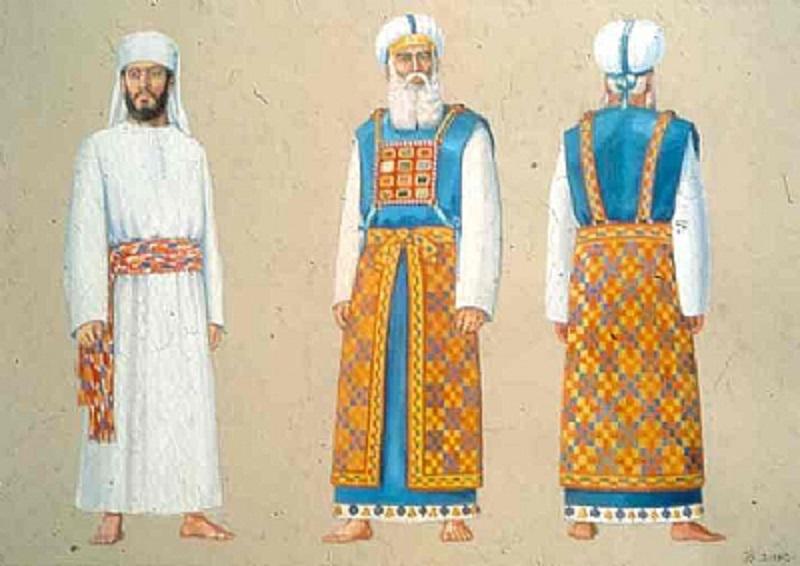
משרשי המצוה. היסוד הקבוע לנו כי האדם נפעל לפי פעלותיו ואחרי מחשבותיו וכונותיו, והשליח המכפר צריך להתפיס כל מחשבותיו וכונתו אל העבודה, על כן ראוי ללבוש בגדים מיחדים אליה. שכשיסתכל בכל מקום שבגופו מיד יהיה נזכר ומתעורר בלבו לפני מי הוא עובד. וזה כעין תפילין שנצטוו הכל להניח בקצת הגוף שיהיה לזכרון מחשבת הכשר. ואף על פי שגם הכהן היה מניח תפילין, לגדל ענינו היה צריך גם זה.
From the roots of the commandment is the principle established for us, that a person is impacted according to his actions and pursuant to his thoughts and intentions. And the agent that atones must attach all of his thoughts and intentions to the [Divine] service. Therefore, it is fit that he wears special clothes for it; as when he stares at any place of his body, he will immediately remember and be aroused in his heart as to in front of Whom he is serving. And this is like the tefillin that all have been commanded to place on a part of the body, that it be to remember proper thought. And even though the priest also wears tefillin, due to the greatness of his matter, he needs this too.
לכבוד ולתפארת. באשר נדרש הענין שיהא אהרן מקדש עצמו ומתנהג בחסידות ובפרישות נבדל מכלל ישראל. וזה א״א אלא באופן שיהא נכבד בעיני הבריות שידעו ויבינו כי הוא במעלה עליונה מהם. ולא יחשבו זאת לרמות רוחא. מש״ה היו הבגדים לתועלת שהיה בעיני ישראל לכבוד ולתפארת. והבינו מזה כי חפץ ה׳ ביקרו. וראוי להיות מרכבה לשכינה.
For honor and splendor. This is only said about the garments of the Kohein Gadol. Aharon was required to act with special piety and to set himself apart from the people, which was liable to bring upon him an accusation of haughtiness. Therefore it was necessary that he be distinguished in his dress so that he will be honored in the eyes of people and all would know that God had chosen him to be the “Throne” of the Shechinah.
כִּֽי־יִתְפֹּ֨שׂ אִ֤ישׁ בְּאָחִיו֙ בֵּ֣ית אָבִ֔יו שִׂמְלָ֣ה לְכָ֔ה קָצִ֖ין תִּֽהְיֶה־לָּ֑נוּ וְהַמַּכְשֵׁלָ֥ה הַזֹּ֖את תַּ֥חַת יָדֶֽךָ׃
For should a man seize his brother, in whose father’s house there is clothing: “Come, be a chief over us, and let this ruin be under your care,”
(יח) בַּיּ֨וֹם הַה֜וּא יָסִ֣יר אדושם אֵ֣ת תִּפְאֶ֧רֶת הָעֲכָסִ֛ים וְהַשְּׁבִיסִ֖ים וְהַשַּׂהֲרֹנִֽים׃ (יט) הַנְּטִפ֥וֹת וְהַשֵּׁיר֖וֹת וְהָרְעָלֽוֹת׃ (כ) הַפְּאֵרִ֤ים וְהַצְּעָדוֹת֙ וְהַקִּשֻּׁרִ֔ים וּבָתֵּ֥י הַנֶּ֖פֶשׁ וְהַלְּחָשִֽׁים׃ (כא) הַטַּבָּע֖וֹת וְנִזְמֵ֥י הָאָֽף׃ (כב) הַמַּֽחֲלָצוֹת֙ וְהַמַּ֣עֲטָפ֔וֹת וְהַמִּטְפָּח֖וֹת וְהָחֲרִיטִֽים׃ (כג) וְהַגִּלְיֹנִים֙ וְהַסְּדִינִ֔ים וְהַצְּנִיפ֖וֹת וְהָרְדִידִֽים׃ (כד) וְהָיָה֩ תַ֨חַת בֹּ֜שֶׂם מַ֣ק יִֽהְיֶ֗ה וְתַ֨חַת חֲגוֹרָ֤ה נִקְפָּה֙ וְתַ֨חַת מַעֲשֶׂ֤ה מִקְשֶׁה֙ קׇרְחָ֔ה וְתַ֥חַת פְּתִיגִ֖יל מַֽחֲגֹ֣רֶת שָׂ֑ק כִּי־תַ֖חַת יֹֽפִי׃
(18) In that day, the LORD will strip off the finery of the anklets, the fillets, and the crescents; (19) of the eardrops, the bracelets, and the veils; (20) the turbans, the armlets, and the sashes; of the talismans and the amulets; (21) the signet rings and the nose rings; (22) of the festive robes, the mantles, and the shawls; the purses, (23) the lace gowns, and the linen vests; and the kerchiefs and the capes. (24) And then, instead of perfume, there shall be rot; and instead of an apron, a rope; instead of a diadem of beaten-work, a shorn head; instead of a rich robe, a girding of sackcloth; a burn instead of beauty.
(א) וּמׇרְדֳּכַ֗י יָדַע֙ אֶת־כׇּל־אֲשֶׁ֣ר נַעֲשָׂ֔ה וַיִּקְרַ֤ע מׇרְדֳּכַי֙ אֶת־בְּגָדָ֔יו וַיִּלְבַּ֥שׁ שַׂ֖ק וָאֵ֑פֶר וַיֵּצֵא֙ בְּת֣וֹךְ הָעִ֔יר וַיִּזְעַ֛ק זְעָקָ֥ה גְדוֹלָ֖ה וּמָרָֽה׃
(1) When Mordecai learned all that had happened, Mordecai tore his clothes and put on sackcloth and ashes. He went through the city, crying out loudly and bitterly,
(א) וַיְהִ֣י ׀ בַּיּ֣וֹם הַשְּׁלִישִׁ֗י וַתִּלְבַּ֤שׁ אֶסְתֵּר֙ מַלְכ֔וּת וַֽתַּעֲמֹ֞ד בַּחֲצַ֤ר בֵּית־הַמֶּ֙לֶךְ֙ הַפְּנִימִ֔ית נֹ֖כַח בֵּ֣ית הַמֶּ֑לֶךְ וְ֠הַמֶּ֠לֶךְ יוֹשֵׁ֞ב עַל־כִּסֵּ֤א מַלְכוּתוֹ֙ בְּבֵ֣ית הַמַּלְכ֔וּת נֹ֖כַח פֶּ֥תַח הַבָּֽיִת׃
(1) On the third day, Esther put on royal apparel and stood in the inner court of the king’s palace, facing the king’s palace, while the king was sitting on his royal throne in the throne room facing the entrance of the palace.
בַּיּוֹם הַשְּׁלִישִׁי שֶׁל אֶסְתֵּר, (אסתר ה, א): וַיְהִי בַּיּוֹם הַשְּׁלִישִׁי וַתִּלְבַּשׁ אֶסְתֵּר מַלְכוּת, לָבְשָׁה מַלְכוּת בֵּית אָבִיהָ.
On Esther’s third day “Now it came to pass on the third day, that Esther clothed herself regally…” (Esther 5:1) The royalty of her father’s house.
(ז) וַיֹּ֥אמֶר הָמָ֖ן אֶל־הַמֶּ֑לֶךְ אִ֕ישׁ אֲשֶׁ֥ר הַמֶּ֖לֶךְ חָפֵ֥ץ בִּיקָרֽוֹ׃ (ח) יָבִ֙יאוּ֙ לְב֣וּשׁ מַלְכ֔וּת אֲשֶׁ֥ר לָֽבַשׁ־בּ֖וֹ הַמֶּ֑לֶךְ וְס֗וּס אֲשֶׁ֨ר רָכַ֤ב עָלָיו֙ הַמֶּ֔לֶךְ וַאֲשֶׁ֥ר נִתַּ֛ן כֶּ֥תֶר מַלְכ֖וּת בְּרֹאשֽׁוֹ׃ (ט) וְנָת֨וֹן הַלְּב֜וּשׁ וְהַסּ֗וּס עַל־יַד־אִ֞ישׁ מִשָּׂרֵ֤י הַמֶּ֙לֶךְ֙ הַֽפַּרְתְּמִ֔ים וְהִלְבִּ֙ישׁוּ֙ אֶת־הָאִ֔ישׁ אֲשֶׁ֥ר הַמֶּ֖לֶךְ חָפֵ֣ץ בִּֽיקָר֑וֹ וְהִרְכִּיבֻ֤הוּ עַל־הַסּוּס֙ בִּרְח֣וֹב הָעִ֔יר וְקָרְא֣וּ לְפָנָ֔יו כָּ֚כָה יֵעָשֶׂ֣ה לָאִ֔ישׁ אֲשֶׁ֥ר הַמֶּ֖לֶךְ חָפֵ֥ץ בִּיקָרֽוֹ׃ (י) וַיֹּ֨אמֶר הַמֶּ֜לֶךְ לְהָמָ֗ן מַ֠הֵ֠ר קַ֣ח אֶת־הַלְּב֤וּשׁ וְאֶת־הַסּוּס֙ כַּאֲשֶׁ֣ר דִּבַּ֔רְתָּ וַֽעֲשֵׂה־כֵן֙ לְמׇרְדֳּכַ֣י הַיְּהוּדִ֔י הַיּוֹשֵׁ֖ב בְּשַׁ֣עַר הַמֶּ֑לֶךְ אַל־תַּפֵּ֣ל דָּבָ֔ר מִכֹּ֖ל אֲשֶׁ֥ר דִּבַּֽרְתָּ׃ (יא) וַיִּקַּ֤ח הָמָן֙ אֶת־הַלְּב֣וּשׁ וְאֶת־הַסּ֔וּס וַיַּלְבֵּ֖שׁ אֶֽת־מׇרְדֳּכָ֑י וַיַּרְכִּיבֵ֙הוּ֙ בִּרְח֣וֹב הָעִ֔יר וַיִּקְרָ֣א לְפָנָ֔יו כָּ֚כָה יֵעָשֶׂ֣ה לָאִ֔ישׁ אֲשֶׁ֥ר הַמֶּ֖לֶךְ חָפֵ֥ץ בִּיקָרֽוֹ׃
(7) So Haman said to the king, “For the man whom the king desires to honor, (8) let royal garb which the king has worn be brought, and a horse on which the king has ridden and on whose head a royal diadem has been set; (9) and let the attire and the horse be put in the charge of one of the king’s noble courtiers. And let the man whom the king desires to honor be attired and paraded on the horse through the city square, while they proclaim before him: This is what is done for the man whom the king desires to honor!” (10) “Quick, then!” said the king to Haman. “Get the garb and the horse, as you have said, and do this to Mordecai the Jew, who sits in the king’s gate. Omit nothing of all you have proposed.” (11) So Haman took the garb and the horse and arrayed Mordecai and paraded him through the city square; and he proclaimed before him: This is what is done for the man whom the king desires to honor!
*** MISHKAN = HOME ***

R. Shlomo Riskin
Home
Ark = Closet
Menorah = Lighting
Table for Bread = Dining Table
Altar = Kitchen
Laver = Sink
Friday Night - Shabbat
Shabbat Candles = Menorah
Parents' Blessing = Priestly Blessing (Birkat Kohanim)
Blessing over the Wine (Kiddush) = Wine Libations on the Altar
Washing of the Hands (Netilat Yada'im) = Laver
Shabbat Challah (HaMotzi) = Table for Bread
Dipping Challah in Salt = Salt Offering with Every Sacrifice
Singing (Zemirot) = Singing of the Levites
Parasha Teaching (Devar Torah) = Priestly Teachings