Save "Parshat Truma: It's All About The Details
"
Parshat Truma: It's All About The Details
(א) וַיְדַבֵּ֥ר ה' אֶל־מֹשֶׁ֥ה לֵּאמֹֽר׃ (ב) דַּבֵּר֙ אֶל־בְּנֵ֣י יִשְׂרָאֵ֔ל וְיִקְחוּ־לִ֖י תְּרוּמָ֑ה מֵאֵ֤ת כׇּל־אִישׁ֙ אֲשֶׁ֣ר יִדְּבֶ֣נּוּ לִבּ֔וֹ תִּקְח֖וּ אֶת־תְּרוּמָתִֽי׃ (ג) וְזֹאת֙ הַתְּרוּמָ֔ה אֲשֶׁ֥ר תִּקְח֖וּ מֵאִתָּ֑ם זָהָ֥ב וָכֶ֖סֶף וּנְחֹֽשֶׁת׃ (ד) וּתְכֵ֧לֶת וְאַרְגָּמָ֛ן וְתוֹלַ֥עַת שָׁנִ֖י וְשֵׁ֥שׁ וְעִזִּֽים׃ (ה) וְעֹרֹ֨ת אֵילִ֧ם מְאׇדָּמִ֛ים וְעֹרֹ֥ת תְּחָשִׁ֖ים וַעֲצֵ֥י שִׁטִּֽים׃ (ו) שֶׁ֖מֶן לַמָּאֹ֑ר בְּשָׂמִים֙ לְשֶׁ֣מֶן הַמִּשְׁחָ֔ה וְלִקְטֹ֖רֶת הַסַּמִּֽים׃ (ז) אַבְנֵי־שֹׁ֕הַם וְאַבְנֵ֖י מִלֻּאִ֑ים לָאֵפֹ֖ד וְלַחֹֽשֶׁן׃ (ח) וְעָ֥שׂוּ לִ֖י מִקְדָּ֑שׁ וְשָׁכַנְתִּ֖י בְּתוֹכָֽם׃ (ט) כְּכֹ֗ל אֲשֶׁ֤ר אֲנִי֙ מַרְאֶ֣ה אוֹתְךָ֔ אֵ֚ת תַּבְנִ֣ית הַמִּשְׁכָּ֔ן וְאֵ֖ת תַּבְנִ֣ית כׇּל־כֵּלָ֑יו וְכֵ֖ן תַּעֲשֽׂוּ׃ {ס}
(1) The LORD spoke to Moses, saying: (2) Tell the Israelite people to bring Me gifts; you shall accept gifts for Me from every person whose heart so moves him. (3) And these are the gifts that you shall accept from them: gold, silver, and copper; (4) blue, purple, and crimson yarns, fine linen, goats’ hair; (5) tanned ram skins, dolphin skins, and acacia wood; (6) oil for lighting, spices for the anointing oil and for the aromatic incense; (7) lapis lazuli and other stones for setting, for the ephod and for the breastpiece. (8) And let them make Me a sanctuary that I may dwell among them. (9) Exactly as I show you—the pattern of the Tabernacle and the pattern of all its furnishings—so shall you make it.
וכן תעשו אתם כדי שאשכון בתוככם, לדבר עמך ולקבל תפלת ועבודת ישראל, לא כמו שהיה הענין קודם העגל כאמרו בכל המקום כו' אבא אליך:
And so should you make [it]. Hashem’s presence would dwell among them only by means of the Tabernacle. This was a step down from what He had promised them before the sin of the Calf, “In every place that I permit My Name to be mentioned I will come to you and bless you” (20:21).
ונראה כי אומרו ועשו לי מקדש היא מצות עשה כוללת כל הזמנים בין במדבר בין בכניסתן לארץ בכל זמן שיהיו ישראל שם לדורות, וצריכין היו ישראל לעשות כן אפילו בגליות אלא שמצינו שאסר ה' כל המקומות מעת שנבנה בית המקדש כאומרו (דברים י''ב ט') כי לא באתם עד עתה אל המנוחה ואל הנחלה, ולזה לא אמר ועשו משכן שיהיה נשמע שעל אותו זמן לבד נאמרה מצוה זו. ואחר שצוה דרך כלל אמר פרט הנעשה במדבר שאינו מקום לבנות בו בנין אבנים שיעשה משכן כסדר האמור. ותמצא שכתב רמב''ם בפ''א מהלכות בית הבחירה מצות עשה לעשות בית לה' דכתיב ועשו לי מקדש עד כאן, וטעמו הוא משינוי הלשון כמו שכתבנו. עוד ירצה באומרו ועשו לי מקדש כי מעת שעושים אותו לשמו יתברך כאומרו לי הגם שעדיין לא שרתה בו שכינה הרי הוא מקדש ודין קודש יש לו:
We may assume that the term Sanctuary covers the instruction to erect a Temple both at the time and during later periods of Jewish history. It is a comprehensive positive commandment basically applicable not only in the desert but whenever the Jewish people reside in the Holy Land. Actually this duty is incumbent upon Israel even while the nation is in exile. The only reason this commandment cannot be fulfilled when the people are exiled is that G'd has specifically forbidden that any site other than the Temple Mount in Jerusalem serve as such a Sanctuary once the first Temple had been built by Solomon. Compare the legislation in Deut. 12,9, where G'd speaks of Israel's having attained מנוחה ונחלה, "rest and inheritance," as prerequisites for the erecting of a permanent (as opposed to collapsible) Sanctuary for G'd. This is why the Torah does not introduce this subject matter by referring to a משכן, a temporary structure. Had the Torah mentioned this term first we would have thought that the commandment was of a temporary nature. Once the Torah had introduced the concept of a Sanctuary for G'd it could proceed to give us the details that were applicable in the desert at the time the Torah had been given. You will find that Maimonides writes in the first chapter of the section of his code dealing with the laws applicable to the Temple that it is a positive commandment to build a house for G'd as the Torah has written: "and they shall construct a Sanctuary for Me." He based himself on the fact that the Torah called the Sanctuary משכן already in the very verse following this commandment. Another reason it is called Sanctuary is that as soon as the people would begin construction it was already considered sacred although the structure had not yet been completed and G'd's presence had not yet taken up residence therein.
דָּבָר אַחֵר, מִשְׁכַּן הָעֵדֻת עֵדוּת לְכָל הָאֻמּוֹת שֶׁנִתְרַצָּה הַקָּדוֹשׁ בָּרוּךְ הוּא לְיִשְׂרָאֵל עַל מַעֲשֵׂה הָעֵגֶל. כֵּיצַד, כְּשֶׁעָשׂוּ אוֹתוֹ מַעֲשֶׂה, עָמַד מֹשֶׁה וְלִמֵּד עֲלֵיהֶם סַנֵּגוֹרְיָא, עַד שֶׁנִּתְרַצָּה לָהֶם הַקָּדוֹשׁ בָּרוּחַ הוּא. אָמַר מֹשֶׁה, רִבּוֹנוֹ שֶׁל עוֹלָם, וּמִי מוֹדִיעַ לָאֻמּוֹת שֶׁנִּתְרַצִּיתָ. אָמַר לוֹ: לֵךְ אֱמֹר לָהֶם, וְעָשׂוּ לִי מִקְדָּשׁ וְשָׁכַנְתִּי בְּתוֹכָם (שמות כה, ח). לְכָךְ כְּתִיב מִשְׁכַּן הָעֵדֻת, שֶׁהַמִּשְׁכָּן מֵעִד שֶׁהַשְּׁכִינָה בְּיִשְׂרָאֵל.
Another comment on the Tabernacle of testimony. It bears testimony to all people that the Holy One, blessed be He, would be reconciled with Israel despite the episode of the calf. How did that happen? When they made the calf, Moses arose and pleaded, as their advocate, until the Holy One, blessed be He, forgave them. Then Moses cried out: But Master of the Universe, who will make known to the nations that Thou hast forgiven them? He replied: Go tell them. Let them make Me a Sanctuary that I may dwell among them (Exod. 25:8). Hence it is written: The Tabernacle of the testimony, for the Tabernacle testifies to the fact that the Shekhinah is with Israel.
וכן תעשו. לְדוֹרוֹת (סנהדרין ט"ז), אִם יֹאבַד אֶחָד מִן הַכֵּלִים, אוֹ כְּשֶׁתַּעֲשׂוּ לִי כְּלֵי בֵית עוֹלָמִים, כְּגוֹן שֻׁלְחָנוֹת וּמְנוֹרוֹת וְכִיּוֹרוֹת וּמְכוֹנוֹת שֶׁעָשָׂה שְׁלֹמֹה, כְּתַבְנִית אֵלּוּ תַּעֲשׂוּ אוֹתָם; וְאִם לֹא הָיָה הַמִּקְרָא מְחֻבָּר לְמַעְלָה הֵימֶנּוּ, לֹא הָיָה לוֹ לִכְתֹּב וְכֵן תַּעֲשׂוּ אֶלָּא כֵּן תַּעֲשׂוּ, וְהָיָה מְדַבֵּר עַל עֲשִׂיַּת אֹהֶל מוֹעֵד וְכֵלָיו:
וכן תעשו AND SO SHALL YE MAKE IT also in future generations (cf. Sanhedrin 16b); if one of the vessels is lost, or when you make for Me the vessels for the “House of Eternity” (another name for the Temple in Jerusalem), — as e. g., the tables, candlesticks, lavers and stands which Solomon had made — you shall make them after the pattern of these (the vessels of the Tabernacle), If, however, the verse were not to be connected with the preceding one but formed a new statement, Scripture ought not to have written: וכן תעשו “and so shall ye make them” but כן תעשו “so shall ye make them” and then it would be speaking of the making of the tent of meeting and its vessels and not of the vessels of the Temple, and the translation would be: according to all that I am showing you the pattern of the Tabernacle and the pattern of all its vessels, even so shall you make them.
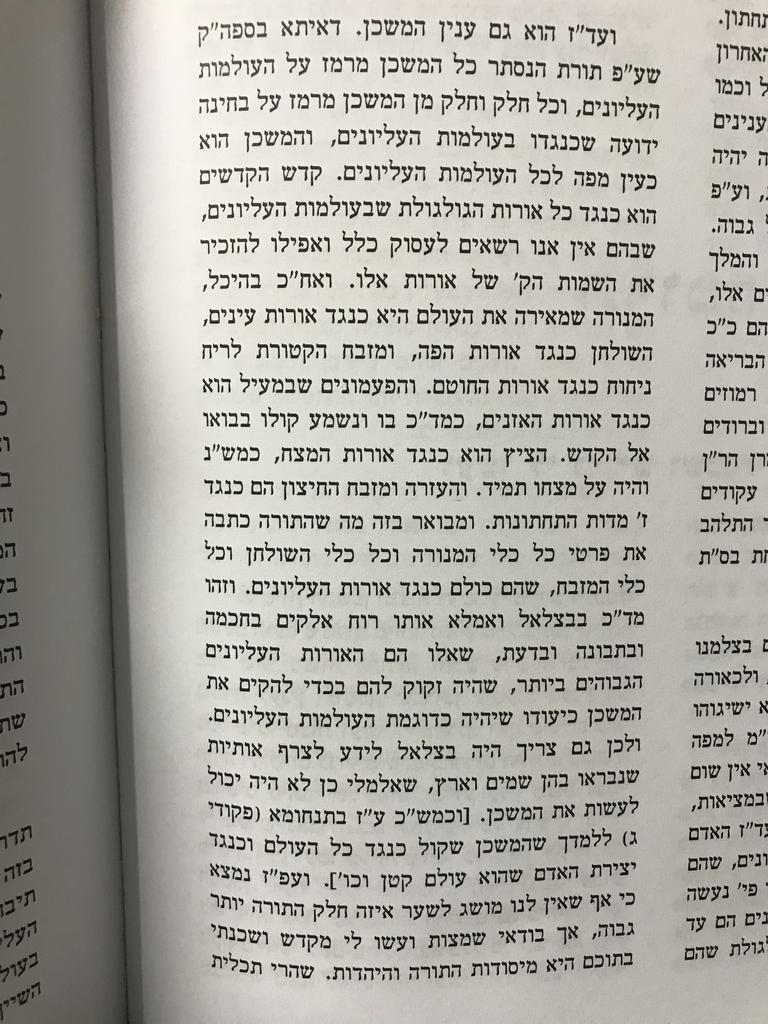
אָמַר רַב יְהוּדָה אָמַר רַב: יוֹדֵעַ הָיָה בְּצַלְאֵל לְצָרֵף אוֹתִיּוֹת שֶׁנִּבְרְאוּ בָּהֶן שָׁמַיִם וָאָרֶץ. כְּתִיב הָכָא: ״וַיְמַלֵּא אֹתוֹ רוּחַ אֱלֹקִים בְּחׇכְמָה וּבִתְבוּנָה וּבְדַעַת״, וּכְתִיב הָתָם: ״ה׳ בְּחׇכְמָה יָסַד אָרֶץ כּוֹנֵן שָׁמַיִם בִּתְבוּנָה״. וּכְתִיב: ״בְּדַעְתּוֹ תְּהוֹמוֹת נִבְקָעוּ״.
Rav Yehuda said that Rav said: Bezalel knew how to join the letters with which heaven and earth were created. From where do we derive this? It is written here in praise of Bezalel: “And I have filled him with the spirit of God, in wisdom, and in understanding, and in knowledge, and in all manner of workmanship” (Exodus 31:3); and it is written there with regard to creation of heaven and earth: “The Lord, by wisdom, founded the earth; by understanding He established the heavens” (Proverbs 3:19), and it is written: “By His knowledge the depths were broken up and the skies drop down the dew” (Proverbs 3:20). We see that wisdom, understanding, and knowledge, the qualities with which the heavens and earth were created, are all found in Bezalel.
Rabbi David Wolkenfeld, The Mishkan and the Wide World Beyond (5774)
Professor Nechama Leibowitz was one of the most influential and insightful teachers of parshanut in the 20th century. From a modest apartment in Jerusalem, she mailed mimeographed parsha sheets all over the world, guiding her students to a greater appreciation of the Torah and of parshanut, the timeless endeavor to understand the meaning of significance of the Torah. It was Nechama Leibowitz who emphasized and highlighted and found new linguistic evidence for the conceptual link between the creation of the mishkan, the tabernacle - the subject of this week’s Torah portion - and the Torah’s description of the creation of the world. Key phrases like, “made”, “saw”, “complete,” “work” appear in the Torah’s narrative of creation, and then again, in the Torah’s description of the creation of this mishkan.
(כז) כִּ֚י הַֽאֻמְנָ֔ם יֵשֵׁ֥ב אֱלֹקִ֖ים עַל־הָאָ֑רֶץ הִ֠נֵּ֠ה הַשָּׁמַ֜יִם וּשְׁמֵ֤י הַשָּׁמַ֙יִם֙ לֹ֣א יְכַלְכְּל֔וּךָ אַ֕ף כִּֽי־הַבַּ֥יִת הַזֶּ֖ה אֲשֶׁ֥ר בָּנִֽיתִי׃
(27) “But will God really dwell on earth? Even the heavens to their uttermost reaches cannot contain You, how much less this House that I have built!
(א) כֹּ֚ה אָמַ֣ר ה' הַשָּׁמַ֣יִם כִּסְאִ֔י וְהָאָ֖רֶץ הֲדֹ֣ם רַגְלָ֑י אֵי־זֶ֥ה בַ֙יִת֙ אֲשֶׁ֣ר תִּבְנוּ־לִ֔י וְאֵי־זֶ֥ה מָק֖וֹם מְנוּחָתִֽי׃
(1) Thus said the LORD:
The heaven is My throne
And the earth is My footstool:
Where could you build a house for Me,
What place could serve as My abode?

ישֵׁב בְּסֵתֶר עֶלְיוֹן, אָמַר רַבִּי יְהוּדָה בַּר רַבִּי סִימוֹן יוֹשֵׁב בְּסֵתֶר הוּא עֶלְיוֹן עַל כָּל בְּרִיּוֹתָיו, מַהוּ (תהלים צא, צ): בְּצֵל שַׁדַּי, בְּצֵל אֵל, בְּצֵל רַחוּם, בְּצֵל חַנּוּן, אֵין כְּתִיב כָּאן, אֶלָּא בְּצֵל שַׁדַּי, בְּצֵל שֶׁעָשָׂה בְּצַלְאֵל, לְכָךְ נֶאֱמַר: בְּצֵל שַׁדַּי יִתְלוֹנָן, אָמַר הַקָּדוֹשׁ בָּרוּךְ הוּא לֹא כְּשֵׁם שֶׁאַתָּה סָבוּר כָּךְ אֲנִי סָבוּר, אֶלָּא כ' קֶרֶשׁ בַּצָּפוֹן וְכ' בַּדָּרוֹם וְח' בַּמַעֲרָב, וְלֹא עוֹד אֶלָּא שֶׁאֵרֵד וַאֲצַמְצֵם שְׁכִינָתִי בְּתוֹךְ אַמָּה עַל אַמָּה.

R’ Yehudah bar R’ Simon said: The One who dwells in the hidden place is above all His creations. What does the continuation “…in the shadow of the Almighty,” mean? In the shadow of Gd (b’tzel el). It is not written as ‘in the shadow of the Merciful’ or ‘in the shadow of the Gracious,’ but rather ‘in the shadow of the Almighty.’ In the shadow which Betzalel made, that is why it says ‘in the shadow of the Almighty’. The Holy One replied to Moshe ‘I do not see things the same way as you do. Rather it says twenty in the north, twenty in the south and eight in the west. Furthermore, I will I will come down and contract my Presence within a space of one cubit by one cubit.’

Rabbi Lord Jonathan Sacks z'l, Covenant & Conversation: The Architecture of Holiness (5772,5777)
God creates order in the natural universe. We are charged with creating order in the human universe. That means painstaking care in what we say, what we do, and what we must restrain ourselves from doing. There is a precise choreography to the moral and spiritual life as there is a precise architecture to the tabernacle. Being good, specifically being holy, is not a matter of acting as the spirit moves us. It is a matter of aligning ourselves to the Will that made the world. Law, structure, precision: of these things the cosmos is made and without them it would cease to be. It was to signal that the same applies to human behaviour that the Torah records the precise dimensions of the Tabernacle and Noah’s ark.

וְכֵן אָמַר רַב שְׁמוּאֵל בַּר אַבָּא, אָמַר הַקָּדוֹשׁ בָּרוּךְ הוּא לְיִשְׂרָאֵל, אַף עַל פִּי שֶׁבֵּית הַמִּקְדָּשׁ עָתִיד לֵיחָרֵב וְהַקָּרְבָּנוֹת בְּטֵלִין, לֹא תְּשַׁכְּחוּ עַצְמְכֶם לְסַדֵּר הַקָּרְבָּנוֹת, אֶלָּא הִזָּהֲרוּ לִקְרוֹת בָּהֶן וְלִשְׁנוֹת בָּהֶן. וְאִם תַּעַסְקוּ בָּהֶן, אֲנִי מַעֲלֶה עֲלֵיכֶם כְּאִלּוּ בַּקָּרְבָּנוֹת אַתֶּם עוֹסְקִים. וְאִם רְצוֹנְךָ לֵידַע, בֹּא וּרְאֵה, כְּשֶׁהַקָּדוֹשׁ בָּרוּךְ הוּא מַרְאֶה לִיחֶזְקֵאל אֶת צוּרַת הַבַּיִת, מַה הוּא אוֹמֵר, הַגֵּד אֶת בֵּית יִשְׂרָאֵל אֶת הַבַּיִת וְיִכָּלְמוּ מֵעֲוֹנוֹתֵיהֶם וּמָדְדוּ אֶת תָּכְנִית (יחזקאל מג, י). אָמַר יְחֶזְקֵאל לִפְנֵי הַקָּדוֹשׁ בָּרוּךְ הוּא, רִבּוֹנוֹ שֶׁל עוֹלָם, עַד עַכְשָׁו אָנוּ נְתוּנִים בַּגּוֹלָה בְּאֶרֶץ שׂוֹנְאֵינוּ, וְאַתָּה אוֹמֵר לִי לֵילֵךְ וּלְהוֹדִיעַ לְיִשְׂרָאֵל צוּרַת הַבַּיִת, וּכְתֹב לְעֵינֵיהֶם, וְיִשְׁמְרוּ אֶת כָּל צוּרָתוֹ וְאֶת כָּל חֻקֹּתָיו (יחזקאל מג, יא). וְכִי יְכוֹלִין הֵן לַעֲשׂוֹת. הַנִּיחַ לָהֶם עַד שֶׁיַּעֲלוּ מִן הַגּוֹלָה, וְאַחַר כָּךְ אֲנִי הוֹלֵךְ וְאוֹמֵר לָהֶם. אָמַר לוֹ הַקָּדוֹשׁ בָּרוּךְ הוּא לִיחֶזְקֵאל, וּבִשְׁבִיל שֶׁבָּנַי נְתוּנִים בַּגּוֹלָה, יְהֵא בִּנְיַן בֵּיתִי בָּטֵל. אָמַר לוֹ הַקָּדוֹשׁ בָּרוּךְ הוּא, גָּדוֹל קְרִיָּתָהּ בַּתּוֹרָה כְּבִנְיָנָהּ. לֵךְ אֱמֹר לָהֶם, וְיִתְעַסְּקוּ לִקְרוֹת צוּרַת הַבַּיִת בַּתּוֹרָה. וּבִשְׂכַר קְרִיָּתָהּ שֶׁיִּתְעַסְּקוּ לִקְרוֹת בָּהּ, אֲנִי מַעֲלֶה עֲלֵיהֶם כְּאִלּוּ הֵם עוֹסְקִין בְּבִנְיַן הַבַּיִת...

And so did Rav Shmuel bar Abba say, "The Holy One, blessed be He, said to Israel, 'Even though the Temple is destined to be destroyed in the future and the sacrifices to be nullified, do not [allow] yourselves to forget the order of the sacrifices; but rather be careful to read about them and review them. And if you occupy yourselves with them, I will count it for you as if you were occupied with the sacrifices [themselves].'" And if you want to know [that this is so], come and see that when the Holy One, blessed be He, showed Yechezkel the form of the [Temple], what did He say? "Describe the [Temple] to the House of Israel; let them be ashamed of their iniquities, and measure the plan" (Ezekiel 43:10). Yehezkel [responded] to the Holy One, blessed be He, "Until now, we are put into exile in the land of our enemies; and You say to me to go and inform Israel [about] the form of the [Temple], and 'write [it] in their eyes, and they should preserve its form and all of its statutes [and do them]' (Ezekiel 43:11). And are they able to do [them]? Leave them until they emerge from the exile, and afterwards, I will go and tell them." [So] the Holy One, blessed be He, said to Yechezkel, "And because My children are in exile, the building of My [Temple] should be idle?" The Holy One, blessed be He, said to him, "Its reading in the Torah is as great as its building. Go and say it to them, and they will occupy themselves to read the form of the [Temple] in the Torah. And in reward for its reading, that they occupy themselves to read about it, I count it for them as if they were occupied with the building of the [Temple]."