


Parasha: Shemot 25:1-27:19
- God asks the Israelites to donate gifts for the building of the Tabernacle
- Instructions for the construction of the Ark, the Table, and the Menorah
- Instructions for the building of the Tabernacle itself
- Instructions for the external altar and the Tabernacle's exterior
Haftara: I Kings 5:26-6:13
- King Shlomo builds the Temple in Jerusalem
(א) וַיְהִ֣י בִשְׁמוֹנִ֣ים שָׁנָ֣ה וְאַרְבַּ֣ע מֵא֣וֹת שָׁנָ֡ה לְצֵ֣את בְּנֵֽי־יִשְׂרָאֵ֣ל מֵאֶֽרֶץ־מִצְרַ֩יִם֩ בַּשָּׁנָ֨ה הָרְבִיעִ֜ית בְּחֹ֣דֶשׁ זִ֗ו ה֚וּא הַחֹ֣דֶשׁ הַשֵּׁנִ֔י לִמְלֹ֥ךְ שְׁלֹמֹ֖ה עַל־יִשְׂרָאֵ֑ל וַיִּ֥בֶן הַבַּ֖יִת לַה'׃
(1) In the four hundred and eightieth year after the Israelites left the land of Egypt, in the month of Ziv—that is, the second month—in the fourth year of his reign over Israel, Solomon began to build the House of the LORD.
א. מִצְוַת עֲשֵׂה לַעֲשׂוֹת בַּיִת לַה׳ מוּכָן לִהְיוֹת מַקְרִיבִים בּוֹ הַקָּרְבָּנוֹת. וְחוֹגְגִין אֵלָיו שָׁלֹשׁ פְּעָמִים בַּשָּׁנָה שֶׁנֶּאֱמַר (שמות כה ח) "וְעָשׂוּ לִי מִקְדָּשׁ". וּכְבָר נִתְפָּרֵשׁ בַּתּוֹרָה מִשְׁכָּן שֶׁעָשָׂה משֶׁה רַבֵּנוּ. וְהָיָה לְפִי שָׁעָה שֶׁנֶּאֱמַר (דברים יב ט) "כִּי לֹא בָאתֶם עַד עָתָּה" וְגוֹ':
ב. כֵּיוָן שֶׁנִּכְנְסוּ לָאָרֶץ הֶעֱמִידוּ הַמִּשְׁכָּן בַּגִּלְגָּל אַרְבַּע עֶשְׂרֵה שָׁנָה שֶׁכָּבְשׁוּ וְשֶׁחִלְּקוּ. וּמִשָּׁם בָּאוּ לְשִׁילֹה וּבָנוּ שָׁם בַּיִת שֶׁל אֲבָנִים וּפָרְשׂוּ יְרִיעוֹת הַמִּשְׁכָּן עָלָיו וְלֹא הָיְתָה שָׁם תִּקְרָה. וְשס''ט שָׁנָה עָמַד מִשְׁכַּן שִׁילֹה וּכְשֶׁמֵּת עֵלִי חָרַב וּבָאוּ לְנֹב וּבָנוּ שָׁם מִקְדָּשׁ. וּכְשֶׁמֵּת שְׁמוּאֵל חָרַב וּבָאוּ לְגִבְעוֹן וּבָנוּ שָׁם מִקְדָּשׁ. וּמִגִּבְעוֹן בָּאוּ לְבֵית הָעוֹלָמִים. וִימֵי נֹב וְגִבְעוֹן שֶׁבַע וַחֲמִשִּׁים שָׁנָה:
ג. כֵּיוָן שֶׁנִּבְנָה הַמִּקְדָּשׁ בִּירוּשָׁלַיִם נֶאֶסְרוּ כָּל הַמְּקוֹמוֹת כֻּלָּן לִבְנוֹת בָּהֶן בַּיִת לַה׳ וּלְהַקְרִיב בָּהֶן קָרְבָּן. וְאֵין שָׁם בַּיִת לְדוֹרֵי הַדּוֹרוֹת אֶלָּא בִּירוּשָׁלַיִם בִּלְבַד וּבְהַר הַמּוֹרִיָּה שֶׁבָּהּ נֶאֱמַר (דברי הימים א כב א) "וַיֹּאמֶר דָּוִיד זֶה הוּא בֵּית ה׳ הָאֱלֹקִים וְזֶה מִּזְבֵּחַ לְעלָה לְיִשְׂרָאֵל" וְאוֹמֵר (תהילים קלב יד) "זֹאת מְנוּחָתִי עֲדֵי עַד":
ד. בִּנְיָן שֶׁבָּנָה שְׁלֹמֹה כְּבָר מְפֹרָשׁ בִּמְלָכִים. וְכֵן בִּנְיָן הֶעָתִיד לְהִבָּנוֹת אַף עַל פִּי שֶׁהוּא כָּתוּב בִּיחֶזְקֵאל אֵינוֹ מְפֹרָשׁ וּמְבֹאָר. וְאַנְשֵׁי בַּיִת שֵׁנִי כְּשֶׁבָּנוּ בִּימֵי עֶזְרָא בָּנוּהוּ כְּבִנְיַן שְׁלֹמֹה וּמֵעֵין דְּבָרִים הַמְפֹרָשִׁים בִּיחֶזְקֵאל:
1. It is a positive mitzvah to build a house for God where offerings may be brought and to make pilgrimage to it three times a year as it says "and they shall make Me a sanctuary." The tabernacle which Moses made in the desert has already been described in the Torah, but it was a temporary measure, as it says "for you have not yet reached, etc."
2. As soon as the Israelites entered Eretz Yisrael, they set up the portable sanctuary (Mishkan) in Gilgal for the fourteen years during which they occupied and divided the land. From there they came to Shiloh and built a sanctuary of stones, over which they spread the curtains of the Mishkan, since it had no ceiling. The sanctuary of Shiloh lasted three hundred and sixty-nine years. It was destroyed when Eli died, so they came to Nov and built a sanctuary there. It was destroyed when Samuel died, so they came to Gibeon and built a sanctuary there. From Gibeon they came to Jerusalem to build the permanent sanctuary. Nov and Gibeon lasted fifty-seven years.
3. As soon as the Temple was built in Jerusalem, it was prohibited to build a sanctuary for the Lord or to offer a sacrifice in any other place. Only the Temple in Jerusalem, on Mount Moriah, was intended for all generations.
4. The building which Solomon built has already been described in I Kings. Similarly, the Temple which will be built in the future which is mentioned in Ezekiel, is not described clearly or completely. The people of the Second commonwealth built their Temple like Solomon's with some of the features described explicitly in Ezekiel.

*** PURPOSE OF THE TABERNACLE ***
וְנוֹעַדְתִּ֣י לְךָ֮ שָׁם֒ וְדִבַּרְתִּ֨י אִתְּךָ֜ מֵעַ֣ל הַכַּפֹּ֗רֶת מִבֵּין֙ שְׁנֵ֣י הַכְּרֻבִ֔ים אֲשֶׁ֖ר עַל־אֲרֹ֣ן הָעֵדֻ֑ת אֵ֣ת כָּל־אֲשֶׁ֧ר אֲצַוֶּ֛ה אוֹתְךָ֖ אֶל־בְּנֵ֥י יִשְׂרָאֵֽל׃ (פ)
There I will meet with you, and I will impart to you—from above the cover, from between the two cherubim that are on top of the Ark of the Pact—all that I will command you concerning the Israelite people.
והנה עקר החפץ במשכן הוא מקום מנוחת השכינה שהוא הארון, כמו שאמר (שמות כ״ה:כ״ב) ונועדתי לך שם ודברתי אתך מעל הכפרת ... וסוד המשכן הוא, שיהיה הכבוד אשר שכן על הר סיני שוכן עליו בנסתר וכמו שנאמר שם (שמות כ״ד:ט״ז) וישכן כבוד ה' על הר סיני, וכתיב (דברים ה כא) הן הראנו ה' אלקינו את כבודו ואת גדלו, כן כתוב במשכן וכבוד ה' מלא את המשכן (שמות מ׳:ל״ד) ... וכן אמר הכתוב (להלן כט מב מג) אשר אועד לכם שמה לדבר אליך שם ונקדש בכבודי, כי שם יהיה בית מועד לדבור ונקדש בכבודי:
Thus the main purpose of the Tabernacle was to contain a place in which the Divine Glory rests, this being the ark, just as He said, And there will I meet with thee, and I will speak with thee from above the ark-cover ... The secret of the Tabernacle is that the Glory which abode upon Mount Sinai [openly] should abide upon it in a concealed manner. For just as it is said there, And the glory of the Eternal abode upon Mount Sinai, and it is further written, Behold, the Eternal our G-d hath shown us His glory and His greatness, so it is written of the Tabernacle, and the glory of the Eternal filled the Tabernacle. Twice is this verse, and the glory of the Eternal filled the Tabernacle mentioned in connection with the Tabernacle, to correspond with His glory and His greatness ... And Scripture so states: where I will meet with you, to speak there unto thee; and it shall be sanctified by My glory, for there [in the Tabernacle] will be the appointed place for the Divine utterance, and it will be sanctified by My glory.
(טז) שָׁל֣וֹשׁ פְּעָמִ֣ים ׀ בַּשָּׁנָ֡ה יֵרָאֶ֨ה כׇל־זְכוּרְךָ֜ אֶת־פְּנֵ֣י ׀ ה' אֱלֹקֶ֗יךָ בַּמָּקוֹם֙ אֲשֶׁ֣ר יִבְחָ֔ר בְּחַ֧ג הַמַּצּ֛וֹת וּבְחַ֥ג הַשָּׁבֻע֖וֹת וּבְחַ֣ג הַסֻּכּ֑וֹת וְלֹ֧א יֵרָאֶ֛ה אֶת־פְּנֵ֥י ה' רֵיקָֽם׃
(16) Three times a year—on the Feast of Unleavened Bread, on the Feast of Weeks, and on the Feast of Booths—all your males shall appear before the LORD your God in the place that He will choose. They shall not appear before the LORD empty-handed,
וּדְלָא כִּי הַאי תַּנָּא דְּתַנְיָא יוֹחָנָן בֶּן דַּהֲבַאי אוֹמֵר מִשּׁוּם רַבִּי יְהוּדָה סוֹמֵא בְּאַחַת מֵעֵינָיו פָּטוּר מִן הָרְאִיָּיה שֶׁנֶּאֱמַר יִרְאֶה יֵרָאֶה כְּדֶרֶךְ שֶׁבָּא לִרְאוֹת כָּךְ בָּא לֵירָאוֹת מָה לִרְאוֹת בִּשְׁתֵּי עֵינָיו אַף לֵירָאוֹת בִּשְׁתֵּי עֵינָיו
The Gemara notes: And this is not in accordance with the opinion of this tanna, as it is taught in a baraita that Yoḥanan ben Dehavai says in the name of Rabbi Yehuda: One who is blind in one of his eyes is exempt from the mitzva of appearance, as it is stated: “Three occasions in the year all your males will appear [yera’e] before the Lord God” (Exodus 23:17). Since there are no vowels in the text, this can be read as: All your males will see [yireh] the Lord God. This teaches that in the same manner that one comes to see, so he comes to be seen: Just as the usual way to see is with both one’s eyes, so too the obligation to be seen applies only to one who comes with the sight of both his eyes. Therefore, one who is blind in one eye is not obligated in the mitzva of appearance in the Temple.
יראה יראה - [יראה] כתיב וקרינן יראה יראה ... הקיש הכתוב ראייתך לראייתו: כדרך שבא לראותך - כך הוא בא ליראות ממך: מה לראותך - בשתי עיניו: אף - כאן ליראות מן האדם בשתי עיניו של אדם:
YERA'E YIREH It is written Yera'e but we can read it yireh ... Scripture compared between your vision and his vision. Just as He (God) came to see you, so He comes to be seen by you. And just as He sees you with both His eyes, so he should be seen by man with man's two eyes.
רַב הוּנָא כִּי מָטֵי לְהַאי קְרָא יִרְאֶה יֵרָאֶה בָּכֵי אָמַר עֶבֶד שֶׁרַבּוֹ מְצַפֶּה לוֹ לִרְאוֹתוֹ יִתְרַחֵק מִמֶּנּוּ דִּכְתִיב כִּי תָבוֹאוּ לֵרָאוֹת פָּנָי מִי בִקֵּשׁ זֹאת מִיֶּדְכֶם רְמוֹס חֲצֵרָי
The Gemara relates that when Rav Huna reached this verse, which can be read as: “Will see” [yireh] and “shall appear” [yera’e], he cried. He said: Can it happen to a slave whose master expects to see him, that the master will eventually distance himself from him and not want him anymore? As it is written: “When you come to appear before Me, who has required this at your hand, to trample My courts?” (Isaiah 1:12).
(י) שִׁמְע֥וּ דְבַר־ה' קְצִינֵ֣י סְדֹ֑ם הַאֲזִ֛ינוּ תּוֹרַ֥ת אֱלֹקֵ֖ינוּ עַ֥ם עֲמֹרָֽה׃ (יא) לָמָּה־לִּ֤י רֹב־זִבְחֵיכֶם֙ יֹאמַ֣ר ה' שָׂבַ֛עְתִּי עֹל֥וֹת אֵילִ֖ים וְחֵ֣לֶב מְרִיאִ֑ים וְדַ֨ם פָּרִ֧ים וּכְבָשִׂ֛ים וְעַתּוּדִ֖ים לֹ֥א חָפָֽצְתִּי׃ (יב) כִּ֣י תָבֹ֔אוּ לֵֽרָא֖וֹת פָּנָ֑י מִֽי־בִקֵּ֥שׁ זֹ֛את מִיֶּדְכֶ֖ם רְמֹ֥ס חֲצֵרָֽי׃
(10) Hear the word of the LORD, you chieftains of Sodom; give ear to our God’s instruction, you folk of Gomorrah! (11) “What need have I of all your sacrifices?” says the LORD. “I am sated with burnt offerings of rams, and suet of fatlings, and blood of bulls; and I have no delight in lambs and he-goats. (12) That you come to appear before Me - who asked that of you, to trample My courts?
*** THE MATERIALS ***
(ג) וְזֹאת֙ הַתְּרוּמָ֔ה אֲשֶׁ֥ר תִּקְח֖וּ מֵאִתָּ֑ם זָהָ֥ב וָכֶ֖סֶף וּנְחֹֽשֶׁת׃ (ד) וּתְכֵ֧לֶת וְאַרְגָּמָ֛ן וְתוֹלַ֥עַת שָׁנִ֖י וְשֵׁ֥שׁ וְעִזִּֽים׃ (ה) וְעֹרֹ֨ת אֵילִ֧ם מְאׇדָּמִ֛ים וְעֹרֹ֥ת תְּחָשִׁ֖ים וַעֲצֵ֥י שִׁטִּֽים׃ (ו) שֶׁ֖מֶן לַמָּאֹ֑ר בְּשָׂמִים֙ לְשֶׁ֣מֶן הַמִּשְׁחָ֔ה וְלִקְטֹ֖רֶת הַסַּמִּֽים׃ (ז) אַבְנֵי־שֹׁ֕הַם וְאַבְנֵ֖י מִלֻּאִ֑ים לָאֵפֹ֖ד וְלַחֹֽשֶׁן׃
(3) And these are the gifts that you shall accept from them: gold, silver, and copper; (4) blue, purple, and crimson yarns, fine linen, goats’ hair; (5) tanned ram skins, dolphin skins, and acacia wood; (6) oil for lighting, spices for the anointing oil and for the aromatic incense; (7) lapis lazuli and other stones for setting, for the ephod and for the breastpiece.
מַאי הָוֵי עֲלֵהּ דְּתַחַשׁ שֶׁהָיָה בִּימֵי מֹשֶׁה? אָמַר רַבִּי אִלָּעָא אָמַר רַבִּי שִׁמְעוֹן בֶּן לָקִישׁ, אוֹמֵר הָיָה רַבִּי מֵאִיר: תַּחַשׁ שֶׁהָיָה בִּימֵי מֹשֶׁה בְּרִיָּה בִּפְנֵי עַצְמָהּ הָיָה, וְלֹא הִכְרִיעוּ בּוֹ חֲכָמִים אִם מִין חַיָּה הוּא, אִם מִין בְּהֵמָה הוּא. וְקֶרֶן אַחַת הָיְתָה לוֹ בְּמִצְחוֹ, וּלְפִי שָׁעָה נִזְדַּמֵּן לוֹ לְמֹשֶׁה וְעָשָׂה מִמֶּנּוּ מִשְׁכָּן וְנִגְנַז.
The Gemara asks: What is the halakhic conclusion reached about this matter of the taḥash that existed in the days of Moses? Rabbi Ela said that Rabbi Shimon ben Lakish said that Rabbi Meir used to say: The taḥash that existed in the days of Moses was a creature unto itself, and the Sages did not determine whether it was a type of undomesticated animal or a type of domesticated animal. And it had a single horn on its forehead, and this taḥash happened to come to Moses for the moment while the Tabernacle was being built, and he made the covering for the Tabernacle from it. And from then on, the taḥash was suppressed and is no longer found.
כתיב (שמות כו) והבריח התיכון בתוך הקרשים. אמר ר' לוי: והבריח התיכון שנים ושלושים אמה היו בו. מהיכן מצאו אותו לשעה? אלא מלמד, שהיו מוצנעין עמהם מימות יעקב אבינו, הה"ד (שם לה): וכל אשר נמצא אתו עצי שטים, אשר ימצא אתו אין כתיב כאן, אלא אשר נמצא אתו.
It is written (Shemot 26): The center bar halfway up the planks. R. Levi said: the central plank was 32 cubits long. Where did they find it? We learn that they had these trees with them since the days of Ya'akov, as it is written (there 35): and everyone who had in his possession acacia wood. It doesn't say "found with him" but rather "in his possesion".
ועצי שטים. יש מקדמונינו שאמרו שיעקב אבינו נטעם וישראל הוציאם ממצרים במצות משה והראיה וכל אשר נמצא אתו. כמו התכלת והארגמן ויש לתמוה למה נאמר אשר נמצא אתו לצרכו ואם אמרנו כן יש לתמוה למה הוציאו עצי שטים כי מה צורך יש להם ועוד הנה המצרים חושבים כי לזבוח הם הולכים ואחר כך ישובו ועל כן השאילום ואיך יוציאו קרשים רבים אורך כל א' מהם עשר אמות גם בריחים והם עברו על מצרים מקום המלוכה ומה היתה תשובה לשואליהם למה יוליכו עצי שטים והם הולכים לזבוח דרך שלשת ימים. והנה לא ידענו אם קבלה היתה היא ביד אבותינו שממצרים הוציאום גם אנחנו נסור אל משמעתם.
ואם סברא היא יש לבקש דרך אחרת. ונאמר כי היה סמוך אל הר סיני יער עצי שטים. ובבאם שם אמר להם ששם יתעכבו הרבה ואין עליהם ענן כאשר פירשתי. אז עשה כל אחד סוכה והנשיאים עשו כדמות חצרות כל אחד כפי מעלתו וכרתו כל היער כי עם רב היה ועשו סוכות ומשה לא דבר להם דבר המשכן רק אחר יוה"כ. וזה טעם וכל אשר נמצא אתו:
AND ACACIA-WOOD. Some of our ancient sages said that the patriarch Jacob planted acacia trees in Egypt, and Israel, upon the command of Moses, brought them out. And every man, with whom was found acacia-wood…brought it (Ex. 35:24) is proof of this. They possessed acacia as they possessed the blue and the purple. However, one wonders, why does Scripture say, with whom was found, which means it was used for personal needs. Now, if we so interpret it, then we must ask, why did the Israelites take acacia wood out of Egypt? What need did they have for acacia wood? Furthermore, it is clear that the Egyptians thought that the Israelites were going to offer sacrifices and then return to Egypt. That is why the Egyptians lent the Israelites [gold and silver jewels plus raiment]. How could the Israelites take out many boards, each one of which was ten cubits? The boards were also accompanied by bars. In Egypt they passed by the seat of the king. What was their answer to those who asked them why they were carrying acacia wood when they were going on a three-day journey to offer sacrifices? Now we do not know whether our ancestors had a tradition that the Israelites took the acacia wood out of Egypt. If they did, then we will accept their tradition.
However, if their statement is based on reasoning, then we must seek another explanation. We suggest that there was a forest of acacia trees next to Mount Sinai. When Israel came to Sinai, Moses told them that they would be spending a long time there. I have already explained that there was no cloud over them at this time. Each one of them then made a booth. The princes made court-like structures, each one in accordance with his status. They cut the entire forest down, for they were a large nation. They made booths. Moses did not speak to them regarding the tabernacle until after the Day of Atonement. This is the meaning of with whom was found (Ex. 35:24).
ועצי שטים במדבר היו יערים שגדלים בהם אותם עצים הקרויים שטים וכן כתיב וישב ישראל בשטים.
ועצי שטים, “and (boards of) acacia trees.” There were forests in the desert in which these trees grew. This is why the Israelites were described as dwelling at Shittim, (Numbers 25,1).
ויאכלו מעבור הארץ. מהישן אכלו מצות וקלוי כי החדש היה אסור להם עד אחר הקרבת העומר בששה עשר בניסן ואפילו למצות מצה אסור מן החדש שאין מצות עשה דוחה את לא תעשה אלא אם כן היתה כתובה בצדה ומאין היה להם ישן ממה שהיו תגרי אומות מוכרים להם ומלת מעבור מוכיח שהוא מן הישן כי אמר כי נקרא עבור הדגן שהוא משנים שעברו ושנה הבאה נקרא תבואה:
They ate of the produce (meavor) of the country: They ate matza and parched grain from the old grain, since the new grain was forbidden to them until after the bringing of the omer on the sixteenth of Nissan. And even for matza, matza is forbidden from the new grain... And from where did they have old grain? From that which the merchants of the [other] nations sold to them. And the word meavor proves that it was from the old grain. For I say that the grain that is from the year that passed (avrah) is called avor, and [grain from] the next year is called produce (tevuah).
עולת תמיד לדרתיכם. יעשה ככה בבואם אל ארץ כנען. כי לא הקריבו עולות רק חמשים יום במדבר סיני ... ועל דרך הסברא לא הקריבו ישראל עולות וזבחים רק בסיני לבדו. ויום הכפורים בשנה השנית ... כי ישראל עמדו במדבר בתהו יליל וישימון כמו שמנה ושלשים שנה. ומאין היה להם בכל יום חצי הין שמן זית גם כן יין ואיך יוליכו עמהם כמו ארבעה עשר אלף הין. ומאין היה להם שני כבשים בני שנה בכל יום. ותוספת בשבת ובמועדים ואין טענה ממלת אנחנו ובעירנו. כי בקדש היו ושם בישוב קנו ובזאת השנה שללו מדין וארץ סיחון ועוג ויהי לכלם מקנה רב.
IT SHALL BE A CONTINUAL BURNT-OFFERING THROUGHOUT YOUR GENERATIONS. They shall bring these offerings when they enter the land of Canaan. For the Israelites offered burnt offerings only for fifty days in the desert of Sinai ... Logically speaking, the Israelites offered burnt offerings and sacrifices only at Sinai and on Yom Kippur in the second year ... Israel spent about thirty-eight years in a wasteland, in a howling wilderness (Deut. 32:10). Where did they get half a hin of olive oil and a half hin of wine daily? How could they carry almost fourteen thousand hin around with them? Where did they get two lambs daily in the first year? Where did they get the animals for the additional sacrifices on the Sabbath and the festivals? The statement we and our cattle (Num. 20:4) does not refute our contention, for Israel was then at Kadesh, and they bought cattle from the settled population. Furthermore, they looted the Midianites and the lands of Sihon and Og in that year. They thus had an abundance of cattle.
(י) וְעָשׂ֥וּ אֲר֖וֹן עֲצֵ֣י שִׁטִּ֑ים אַמָּתַ֨יִם וָחֵ֜צִי אָרְכּ֗וֹ וְאַמָּ֤ה וָחֵ֙צִי֙ רׇחְבּ֔וֹ וְאַמָּ֥ה וָחֵ֖צִי קֹמָתֽוֹ׃ (יא) וְצִפִּיתָ֤ אֹתוֹ֙ זָהָ֣ב טָה֔וֹר מִבַּ֥יִת וּמִח֖וּץ תְּצַפֶּ֑נּוּ וְעָשִׂ֧יתָ עָלָ֛יו זֵ֥ר זָהָ֖ב סָבִֽיב׃ (יב) וְיָצַ֣קְתָּ לּ֗וֹ אַרְבַּע֙ טַבְּעֹ֣ת זָהָ֔ב וְנָ֣תַתָּ֔ה עַ֖ל אַרְבַּ֣ע פַּעֲמֹתָ֑יו וּשְׁתֵּ֣י טַבָּעֹ֗ת עַל־צַלְעוֹ֙ הָֽאֶחָ֔ת וּשְׁתֵּי֙ טַבָּעֹ֔ת עַל־צַלְע֖וֹ הַשֵּׁנִֽית׃ (יג) וְעָשִׂ֥יתָ בַדֵּ֖י עֲצֵ֣י שִׁטִּ֑ים וְצִפִּיתָ֥ אֹתָ֖ם זָהָֽב׃ (יד) וְהֵֽבֵאתָ֤ אֶת־הַבַּדִּים֙ בַּטַּבָּעֹ֔ת עַ֖ל צַלְעֹ֣ת הָאָרֹ֑ן לָשֵׂ֥את אֶת־הָאָרֹ֖ן בָּהֶֽם׃ (טו) בְּטַבְּעֹת֙ הָאָרֹ֔ן יִהְי֖וּ הַבַּדִּ֑ים לֹ֥א יָסֻ֖רוּ מִמֶּֽנּוּ׃ (טז) וְנָתַתָּ֖ אֶל־הָאָרֹ֑ן אֵ֚ת הָעֵדֻ֔ת אֲשֶׁ֥ר אֶתֵּ֖ן אֵלֶֽיךָ׃
(10) They shall make an ark of acacia wood, two and a half cubits long, a cubit and a half wide, and a cubit and a half high. (11) Overlay it with pure gold—overlay it inside and out—and make upon it a gold molding round about. (12) Cast four gold rings for it, to be attached to its four feet, two rings on one of its side walls and two on the other. (13) Make poles of acacia wood and overlay them with gold; (14) then insert the poles into the rings on the side walls of the ark, for carrying the ark. (15) The poles shall remain in the rings of the ark: they shall not be removed from it. (16) And deposit in the Ark [the tablets of] the Pact which I will give you.
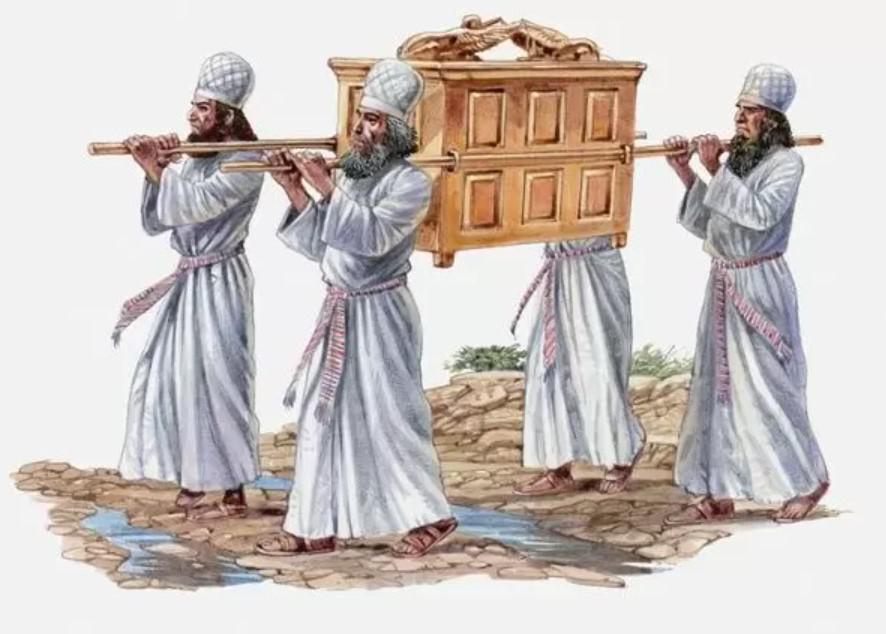
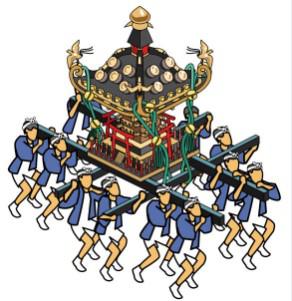
שלא להוציא בדי הארון, שנאמר "לֹא יָסֻרוּ מִמֶּנּוּ" (שמות כה, טו).
Not to remove the staves from the Ark, as it is said, “…. they shall not be taken from it” (Ex. 25:15).
משרשי המצוה. לפי שהארון משכן התורה, והוא כל עקרנו וכבודנו, ונתחיבנו לנהוג בו כל כבוד וכל הדר בכל יכלתנו, על כן נצטוינו לבל נסיר בדי הארון ממנו פן נהיה צריכים לצאת עם הארון לשום מקום במהירות, ואולי מתוך הטרדה והחפזון לא נבדק יפה להיות בדיו חזקים כל הצרך, ושמא חס ושלום יפל מידם ואין זה כבודו...
It is from the roots of the commandment [that it is] because the ark is the residence of the Torah, and [the latter] is our essence and our glory. And [so], we have been commanded all glory and all majesty towards it, to all of our ability. Therefore, we were commanded not to remove the poles of the ark from it, lest we need to go out with the ark to any place quickly, and maybe due to the preoccupation and the rush, we will not check well that its poles are strong enough; and lest, God forbid, it will fall from their hands, and this is not [fit for] its glory...
(כב) וְנוֹעַדְתִּ֣י לְךָ֮ שָׁם֒ וְדִבַּרְתִּ֨י אִתְּךָ֜ מֵעַ֣ל הַכַּפֹּ֗רֶת מִבֵּין֙ שְׁנֵ֣י הַכְּרֻבִ֔ים אֲשֶׁ֖ר עַל־אֲר֣וֹן הָעֵדֻ֑ת אֵ֣ת כׇּל־אֲשֶׁ֧ר אֲצַוֶּ֛ה אוֹתְךָ֖ אֶל־בְּנֵ֥י יִשְׂרָאֵֽל׃ {פ}
(22) There I will meet with you, and I will impart to you—from above the cover, from between the two cherubim that are on top of the Ark of the Pact—all that I will command you concerning the Israelite people.
(ו) כִּ֣י לֹ֤א יָשַׁ֙בְתִּי֙ בְּבַ֔יִת לְ֠מִיּ֠וֹם הַעֲלֹתִ֞י אֶת־בְּנֵ֤י יִשְׂרָאֵל֙ מִמִּצְרַ֔יִם וְעַ֖ד הַיּ֣וֹם הַזֶּ֑ה וָאֶֽהְיֶה֙ מִתְהַלֵּ֔ךְ בְּאֹ֖הֶל וּבְמִשְׁכָּֽן׃
(6) From the day that I brought the people of Israel out of Egypt to this day I have not dwelt in a house, but have moved about in Tent and Tabernacle.
(יג) בָּנֹ֥ה בָנִ֛יתִי בֵּ֥ית זְבֻ֖ל לָ֑ךְ מָכ֥וֹן לְשִׁבְתְּךָ֖ עוֹלָמִֽים׃
(13) I have now built for You a stately House, a place where You may dwell forever.”
(ח) וַֽיַּאֲרִ֘כוּ֮ הַבַּדִּים֒ וַיֵּֽרָאוּ֩ רָאשֵׁ֨י הַבַּדִּ֤ים מִן־הַקֹּ֙דֶשׁ֙ עַל־פְּנֵ֣י הַדְּבִ֔יר וְלֹ֥א יֵרָא֖וּ הַח֑וּצָה וַיִּ֣הְיוּ שָׁ֔ם עַ֖ד הַיּ֥וֹם הַזֶּֽה׃
(8) The poles projected so that the ends of the poles were visible in the sanctuary in front of the Shrine, but they could not be seen outside; and there they remain to this day.
ויאריכו הבדים. האריכו אותם לחוץ כלומר שמשכו אותם כלפי חוץ לפי שלא היה צריך עוד לשאת בכתף...
THE POLES WERE PROJECTED. They were extended outwards, as they were no longer necessary for carrying on the shoulder...
*** ONE ***
(ו) וְעָשִׂ֕יתָ חֲמִשִּׁ֖ים קַרְסֵ֣י זָהָ֑ב וְחִבַּרְתָּ֨ אֶת־הַיְרִיעֹ֜ת אִשָּׁ֤ה אֶל־אֲחֹתָהּ֙ בַּקְּרָסִ֔ים וְהָיָ֥ה הַמִּשְׁכָּ֖ן אֶחָֽד׃
(6) And make fifty gold clasps, and couple the cloths to one another with the clasps, so that the tabernacle becomes one whole.
והנה עשר יריעות הוא המשכן והמשכן קראו אחד כולל הכל. כי כל גוף אינו דבר אחד רק הוא מחובר מאחדים. וככה השם הנכבד שהוא אחד כולל הכל ונקרא אחד. וכן העולם הקטן והגדול:
[THAT THE TABERNACLE MAY BE ONE WHOLE.] But the term tabernacle refers to the ten curtains. And yet the tabernacle is called one, and it encompasses all ten [curtains] for all physical entities are made of various elements. Similarly God the revered, who is One. God includes everything and is called One. The same is true with the microcosm and the macrocosm.
(ה) וַיִּקְרָ֨א אֱלֹקִ֤ים ׀ לָאוֹר֙ י֔וֹם וְלַחֹ֖שֶׁךְ קָ֣רָא לָ֑יְלָה וַֽיְהִי־עֶ֥רֶב וַֽיְהִי־בֹ֖קֶר י֥וֹם אֶחָֽד׃ {פ}
(5) God called the light Day, and the darkness He called Night. And there was evening and there was morning, a first day.
(ט) וַיֹּ֣אמֶר אֱלֹקִ֗ים יִקָּו֨וּ הַמַּ֜יִם מִתַּ֤חַת הַשָּׁמַ֙יִם֙ אֶל־מָק֣וֹם אֶחָ֔ד וְתֵרָאֶ֖ה הַיַּבָּשָׁ֑ה וַֽיְהִי־כֵֽן׃
(9) God said, “Let the water below the sky be gathered into one area, that the dry land may appear.” And it was so.
(כד) עַל־כֵּן֙ יַֽעֲזׇב־אִ֔ישׁ אֶת־אָבִ֖יו וְאֶת־אִמּ֑וֹ וְדָבַ֣ק בְּאִשְׁתּ֔וֹ וְהָי֖וּ לְבָשָׂ֥ר אֶחָֽד׃
(24) Hence a man leaves his father and mother and clings to his wife, so that they become one flesh.
שְׁמַ֖ע יִשְׂרָאֵ֑ל ה' אֱלֹקֵ֖ינוּ ה' ׀ אֶחָֽד׃
Hear, O Israel! The LORD is our God, the LORD is One.