


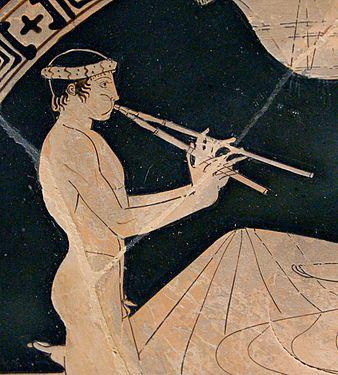
(ג) ... אֵין פּוֹחֲתִין מִשְּׁנֵי נְבָלִין וְלֹא מוֹסִיפִין עַל שִׁשָּׁה. אֵין פּוֹחֲתִין מִשְּׁנֵי חֲלִילִין וְלֹא מוֹסִיפִין עַל שְׁנֵים עָשָׂר. וּבִשְׁנֵים עָשָׂר יוֹם בַּשָּׁנָה הֶחָלִיל מַכֶּה לִפְנֵי הַמִּזְבֵּחַ. בִּשְׁחִיטַת פֶּסַח רִאשׁוֹן, וּבִשְׁחִיטַת פֶּסַח שֵׁנִי, וּבְיוֹם טוֹב רִאשׁוֹן שֶׁל פֶּסַח, וּבְיוֹם טוֹב שֶׁל עֲצֶרֶת, וּבִשְׁמוֹנַת יְמֵי הֶחָג, וְלֹא הָיָה מַכֶּה בְּאַבּוּב שֶׁל נְחשֶׁת אֶלָּא בְּאַבּוּב שֶׁל קָנֶה, מִפְּנֵי שֶׁקּוֹלוֹ עָרֵב. וְלֹא הָיָה מַחֲלִיק אֶלָּא בְאַבּוּב יְחִידִי, מִפְּנֵי שֶׁהוּא מַחֲלִיק יָפֶה:
(3) ... When accompanying their song with instruments, the Levites do not use fewer than two lyres and do not use more than six. When flutes are played, they do not use fewer than two flutes and do not use more than twelve. And there are twelve days during the year when the flute plays before the altar: At the time of the slaughter of the first Paschal offering, on the fourteenth of Nisan; and at the time of the slaughter of the second Paschal offering, on the fourteenth of Iyyar; and on the first festival day of Passover; and on the festival of Shavuot; and on all eight days of the festival of Sukkot. And one would not play with a copper flute; rather, one would play with a flute of reed, because its sound is more pleasant. And one would conclude the music only with a single flute, because it concludes the music nicely.
ובשנים עשר יום בשנה החליל מכה כו'. שבאלו הימים גומרין את ההלל
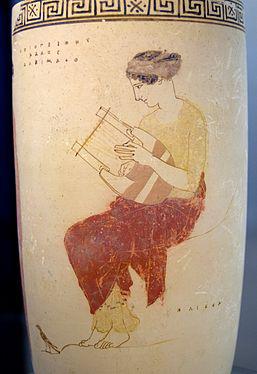
with the lyre and melodious song.
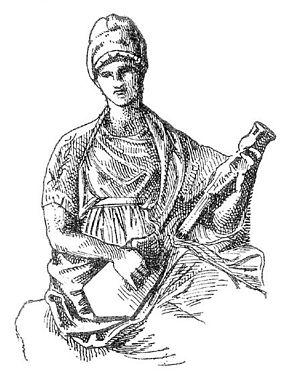

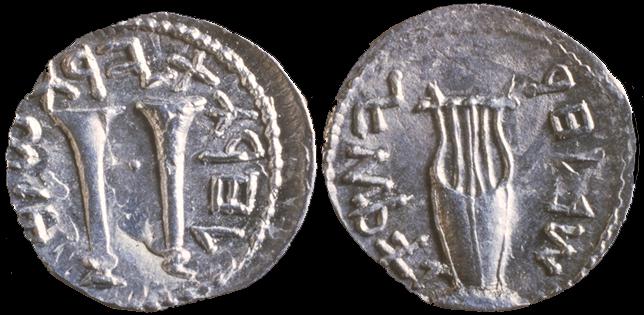
(ה) ... אֵין פּוֹחֲתִין מִשְּׁתֵּי חֲצוֹצְרוֹת, וּמוֹסִיפִין עַד לְעוֹלָם. אֵין פּוֹחֲתִין מִתִּשְׁעָה כִנּוֹרוֹת, וּמוֹסִיפִין עַד לְעוֹלָם. וְהַצִּלְצָל לְבָד:
(5) ... One plays no fewer than two trumpets and no fewer than nine harps in the Temple, and one may add up to an infinite number. And the cymbal was played alone, and none may be added to it.
(ו) אֵין פּוֹחֲתִין מִשְּׁנֵים עָשָׂר לְוִיִּם עוֹמְדִים עַל הַדּוּכָן, וּמוֹסִיפִין עַד לְעוֹלָם. אֵין קָטָן נִכְנָס לָעֲזָרָה לַעֲבוֹדָה אֶלָּא בְשָׁעָה שֶׁהַלְוִיִּם עוֹמְדִים בַּשִּׁיר. וְלֹא הָיוּ אוֹמְרִים בְּנֵבֶל וְכִנּוֹר אֶלָּא בַפֶּה, כְּדֵי לִתֵּן תְּבַל בַּנְּעִימָה. רַבִּי אֱלִיעֶזֶר בֶּן יַעֲקֹב אוֹמֵר, אֵין עוֹלִין לַמִּנְיָן, וְאֵין עוֹמְדִים עַל הַדּוּכָן, אֶלָּא בָאָרֶץ הָיוּ עוֹמְדִין, וְרָאשֵׁיהֶן מִבֵּין רַגְלֵי הַלְוִיִּם, וְצוֹעֲרֵי הַלְוִיִּם הָיוּ נִקְרָאִין:
(6) In the Temple, there are no fewer than twelve Levites standing on the platform adjacent to the altar and singing, and one may add Levites on the platform up to an infinite number. A minor Levite may enter the Temple courtyard for service only at a time when the Levites are engaging in song, so that he may accompany them. And minors would not engage in playing a lyre and in playing a harp; rather, they would engage in singing with the mouth, in order to provide flavor to the music with their pure, high voices. Rabbi Eliezer ben Ya’akov says: Minors are not tallied in the minimum total of twelve Levites, and they do not ascend to the platform; rather, they would stand on the ground and their heads would reach to between the legs of the Levites, and they were called cadets [tzoarei] of the Levites.
(ד) הַשִּׁיר שֶׁהָיוּ הַלְוִיִּם אוֹמְרִים בַּמִּקְדָּשׁ, בַּיּוֹם הָרִאשׁוֹן הָיוּ אוֹמְרִים (תהילים כ״ד:א׳), לַה' הָאָרֶץ וּמְלוֹאָהּ תֵּבֵל וְיֹשְׁבֵי בָהּ. בַּשֵּׁנִי הָיוּ אוֹמְרִים (שם מח), גָּדוֹל ה' וּמְהֻלָּל מְאֹד בְּעִיר אֱלֹקֵינוּ הַר קָדְשׁוֹ. בַּשְּׁלִישִׁי הָיוּ אוֹמְרִים (שם פב), אֱלֹקִים נִצָּב בַּעֲדַת אֵל בְּקֶרֶב אֱלֹקִים יִשְׁפֹּט. בָּרְבִיעִי הָיוּ אוֹמְרִים (שם צד), אֵל נְקָמוֹת ה' אֵל נְקָמוֹת הוֹפִיעַ וְגוֹ'. בַּחֲמִישִׁי הָיוּ אוֹמְרִים (שם פא), הַרְנִינוּ לֵאלֹקִים עוּזֵּנוּ, הָרִיעוּ לֵאלֹקֵי יַעֲקֹב. בַּשִּׁשִּׁי הָיוּ אוֹמְרִים (שם צג), ה' מָלָךְ גֵּאוּת לָבֵשׁ וְגוֹ'. בְּשַׁבָּת הָיוּ אוֹמְרִים (שם צב), מִזְמוֹר שִׁיר לְיוֹם הַשַּׁבָּת, מִזְמוֹר שִׁיר לֶעָתִיד לָבֹא, לְיוֹם שֶׁכֻּלּוֹ שַׁבָּת מְנוּחָה לְחַיֵּי הָעוֹלָמִים:
(4) The following is a list of each daily psalm that the Levites would recite in the Temple. On the first day of the week they would recite the psalm beginning: “A psalm of David. The earth is the Lord’s and all it contains, the world and all who live in it” (Psalms, chapter 24). On the second day they would recite the psalm beginning: “A song; a psalm of the sons of Korah. Great is the Lord and highly to be praised in the city of God, on His sacred mountain” (Psalms, chapter 48). On the third day they would recite the psalm beginning: “A psalm of Asaph. God stands in the divine assembly; among the judges He delivers judgment” (Psalms, chapter 82). On the fourth day they would recite the psalm beginning: “O Lord God, to Whom vengeance belongs, God to Whom vengeance belongs, shine forth” (Psalms, chapter 94). On the fifth day they would recite the psalm beginning: “For the leader; upon the Gittith, a psalm of Asaph. Sing for joy to God, our strength; shout aloud to the God of Jacob” (Psalms, chapter 81). On the sixth day they would recite the psalm beginning: “The Lord reigns: He is robed in majesty; the Lord is robed, girded with strength” (Psalms, chapter 93). On Shabbat they would recite the psalm beginning: “A psalm, a song for Shabbat day” (Psalms, chapter 92). This is interpreted as a psalm, a song for the future, for the day that will be entirely Shabbat and rest for everlasting life.
רב מתנה אמר מהכא (דברים כח, מז) "תחת אשר לא עבדת את ה' אלקיך בשמחה ובטוב לבב" איזו היא עבודה שבשמחה ובטוב לבב? הוי אומר: זה שירה
Rav Mattana said that the source for the requirement to accompany the Temple offerings with song is derived from here: “Because you did not serve the Lord your God with joyfulness, and with goodness of heart” (Deuteronomy 28:47). What is this service of God that is performed with joyfulness and with goodness of heart? You must say that this is song
...וְחָלִיל זֶה דּוֹחֶה שַׁבָּת מִפְּנֵי שֶׁהוּא חָלִיל שֶׁל קָרְבָּן, וְחָלִיל שֶׁל קָרְבַּן עֲבוֹדָה הִיא, וְדוֹחָה אֶת הַשַּׁבָּת:
...חליל של קרבן דוחה שבת, שעבודה היא, וענין חליל לקרבן, הוא שעומדים לויים על הדוכן בכל יום לומר שירה על הקרבן; ואע"פ שעיקר שירה זו בפה ובמזמורים שאומרים בנגינה, והכלי אינו בא אלא ליפות את השיר ולנאותו, מ"מ הואיל וסרך מצוה היא, ואין בה אלא שבות, הותרו להם
[R Melamed]
(א) הֶחָלִיל חֲמִשָּׁה וְשִׁשָּׁה. זֶהוּ הֶחָלִיל שֶׁל בֵּית הַשּׁוֹאֵבָה, שֶׁאֵינָה דּוֹחָה לֹא אֶת הַשַּׁבָּת וְלֹא אֶת יוֹם טוֹב. אָמְרוּ, כָּל מִי שֶׁלֹּא רָאָה שִׂמְחַת בֵּית הַשּׁוֹאֵבָה, לֹא רָאָה שִׂמְחָה מִיָּמָיו:
(1) The flute is played on the festival of Sukkot for five or six days. This is the flute of the Place of the Drawing of the Water, whose playing overrides neither Shabbat nor the Festival. One who did not see the Celebration of the Place of the Drawing of the Water never saw celebration in his days.
(כ) וַתֵּ֥לֶד עָדָ֖ה אֶת־יָבָ֑ל ה֣וּא הָיָ֔ה אֲבִ֕י יֹשֵׁ֥ב אֹ֖הֶל וּמִקְנֶֽה׃ (כא) וְשֵׁ֥ם אָחִ֖יו יוּבָ֑ל ה֣וּא הָיָ֔ה אֲבִ֕י כׇּל־תֹּפֵ֥שׂ כִּנּ֖וֹר וְעוּגָֽב׃
with voice and lyre together.
sing a hymn to You with a ten-stringed harp,
(א) הַ֥לְלוּ־יָ֨הּ ׀ הַֽלְלוּ־אֵ֥ל בְּקׇדְשׁ֑וֹ הַֽ֝לְל֗וּהוּ בִּרְקִ֥יעַ עֻזּֽוֹ׃ (ב) הַלְל֥וּהוּ בִגְבוּרֹתָ֑יו הַ֝לְל֗וּהוּ כְּרֹ֣ב גֻּדְלֽוֹ׃ (ג) הַ֭לְלוּהוּ בְּתֵ֣קַע שׁוֹפָ֑ר הַ֝לְל֗וּהוּ בְּנֵ֣בֶל וְכִנּֽוֹר׃ (ד) הַ֭לְלוּהוּ בְּתֹ֣ף וּמָח֑וֹל הַֽ֝לְל֗וּהוּ בְּמִנִּ֥ים וְעֻגָֽב׃ (ה) הַלְל֥וּהוּ בְצִלְצְלֵי־שָׁ֑מַע הַֽ֝לְל֗וּהוּ בְּֽצִלְצְלֵ֥י תְרוּעָֽה׃ (ו) כֹּ֣ל הַ֭נְּשָׁמָה תְּהַלֵּ֥ל יָ֗הּ הַֽלְלוּ־יָֽהּ׃
Praise God in His sanctuary;
praise Him in the sky, His stronghold. (2) Praise Him for His mighty acts;
praise Him for His exceeding greatness. (3) Praise Him with blasts of the horn;
praise Him with harp and lyre. (4) Praise Him with timbrel and dance;
praise Him with lute and pipe. (5) Praise Him with resounding cymbals;
praise Him with loud-clashing cymbals. (6) Let all that breathes praise the LORD.
Hallelujah.
(טז) וַיֹּ֣אמֶר דָּוִיד֮ לְשָׂרֵ֣י הַלְוִיִּם֒ לְהַעֲמִ֗יד אֶת־אֲחֵיהֶם֙ הַמְשֹׁ֣רְרִ֔ים בִּכְלֵי־שִׁ֛יר נְבָלִ֥ים וְכִנֹּר֖וֹת וּמְצִלְתָּ֑יִם מַשְׁמִיעִ֥ים לְהָרִֽים־בְּק֖וֹל לְשִׂמְחָֽה׃ {פ}
(כ) וַיַּשְׁכֵּם֙ יְחִזְקִיָּ֣הוּ הַמֶּ֔לֶךְ וַיֶּאֱסֹ֕ף אֵ֖ת שָׂרֵ֣י הָעִ֑יר וַיַּ֖עַל בֵּ֥ית ה'׃ (כה) וַיַּעֲמֵ֨ד אֶת־הַלְוִיִּ֜ם בֵּ֣ית ה' בִּמְצִלְתַּ֙יִם֙ בִּנְבָלִ֣ים וּבְכִנֹּר֔וֹת בְּמִצְוַ֥ת דָּוִ֛יד וְגָ֥ד חֹזֵֽה־הַמֶּ֖לֶךְ וְנָתָ֣ן הַנָּבִ֑יא כִּ֧י בְיַד־ה' הַמִּצְוָ֖ה בְּיַד־נְבִיאָֽיו׃
(20) King Hezekiah rose early, gathered the officers of the city, and went up to the House of the LORD. (25) He stationed the Levites in the House of the LORD with cymbals and harps and lyres, as David and Gad the king’s seer and Nathan the prophet had ordained, for the ordinance was by the LORD through His prophets.
(כג) וְהָיָ֗ה בִּֽהְי֤וֹת רֽוּחַ־אֱלֹקִים֙ אֶל־שָׁא֔וּל וְלָקַ֥ח דָּוִ֛ד אֶת־הַכִּנּ֖וֹר וְנִגֵּ֣ן בְּיָד֑וֹ וְרָוַ֤ח לְשָׁאוּל֙ וְט֣וֹב ל֔וֹ וְסָ֥רָה מֵעָלָ֖יו ר֥וּחַ הָרָעָֽה׃ {פ}
As the musician played, the hand of the LORD came upon him,
(י) מִי שֶׁהָיָה עֶבֶד אוֹ אִשָּׁה אוֹ קָטָן מַקְרִין אוֹתוֹ, עוֹנֶה אַחֲרֵיהֶן מַה שֶּׁהֵן אוֹמְרִין, וּתְהִי לוֹ מְאֵרָה. אִם הָיָה גָדוֹל מַקְרֵא אוֹתוֹ, עוֹנֶה אַחֲרָיו הַלְלוּיָהּ:
(10) With regard to one for whom a Canaanite slave, a woman, or a minor was reciting hallel, he repeats after them what they are saying word for word. The mishna notes: And may a curse come to him for being so ignorant that he needs them to recite it for him. If an adult male was reciting hallel on his behalf, he need not repeat each word, as the adult male can fulfill the obligation to recite hallel on his behalf. Rather, he simply answers: Halleluya, to each phrase that is recited.
(ד) בּוֹ בַיּוֹם דָּרַשׁ רַבִּי עֲקִיבָא (שמות טו), אָז יָשִׁיר משֶׁה וּבְנֵי יִשְׂרָאֵל אֶת הַשִּׁירָה הַזֹּאת לַה' וַיֹּאמְרוּ לֵאמֹר, שֶׁאֵין תַּלְמוּד לוֹמַר לֵאמֹר, וּמַה תַּלְמוּד לוֹמַר לֵאמֹר, מְלַמֵּד שֶׁהָיוּ יִשְׂרָאֵל עוֹנִין אַחֲרָיו שֶׁל משֶׁה עַל כָּל דָּבָר וְדָבָר, כְּקוֹרִין אֶת הַהַלֵּל, לְכָךְ נֶאֱמַר לֵאמֹר. רַבִּי נְחֶמְיָה אוֹמֵר, כְּקוֹרִין אֶת שְׁמַע וְלֹא כְקוֹרִין אֶת הַהַלֵּל:
(4) Additionally, on that same day Rabbi Akiva interpreted the verse: “Then Moses and the children of Israel sang this song to the Lord, and said, saying” (Exodus 15:1), as follows: As there is no need for the verse to state the word “saying,” because it states the word “said” immediately prior to it, why must the verse state the word “saying”? It teaches that the Jewish people would repeat in song after Moses every single statement he said, as is done when reciting hallel. After Moses would recite a verse, they would say as a refrain: “I will sing to the Lord, for He is highly exalted” (Exodus 15:1). It is for this reason that the word “saying” is stated, in addition to the word “said.” Rabbi Neḥemya says: The people sang the song together with Moses as is done when reciting Shema, which is recited in unison after the prayer leader begins, and not as is done when reciting hallel.
תנו רבנן כל הכלים שעשה משה כשרים לו וכשרים לדורות; חצוצרות כשרות לו ופסולות לדורות
§ The Sages taught in a baraita: All of the vessels that Moses fashioned were fit for his generation and were fit for future generations. Yet the trumpets that Moses fashioned were fit for his generation but were unfit for future generations.
And Rabbi Shefatya said that Rabbi Yoḥanan said: Concerning anyone who reads from the Torah without a melody or studies the Mishna without a song, the verse states: “So too I gave them statutes that were not good, and judgments whereby they should not live” (Ezekiel 20:25), as one who studies Torah through song demonstrates that he is fond of his learning
happy the man who takes refuge in Him!