


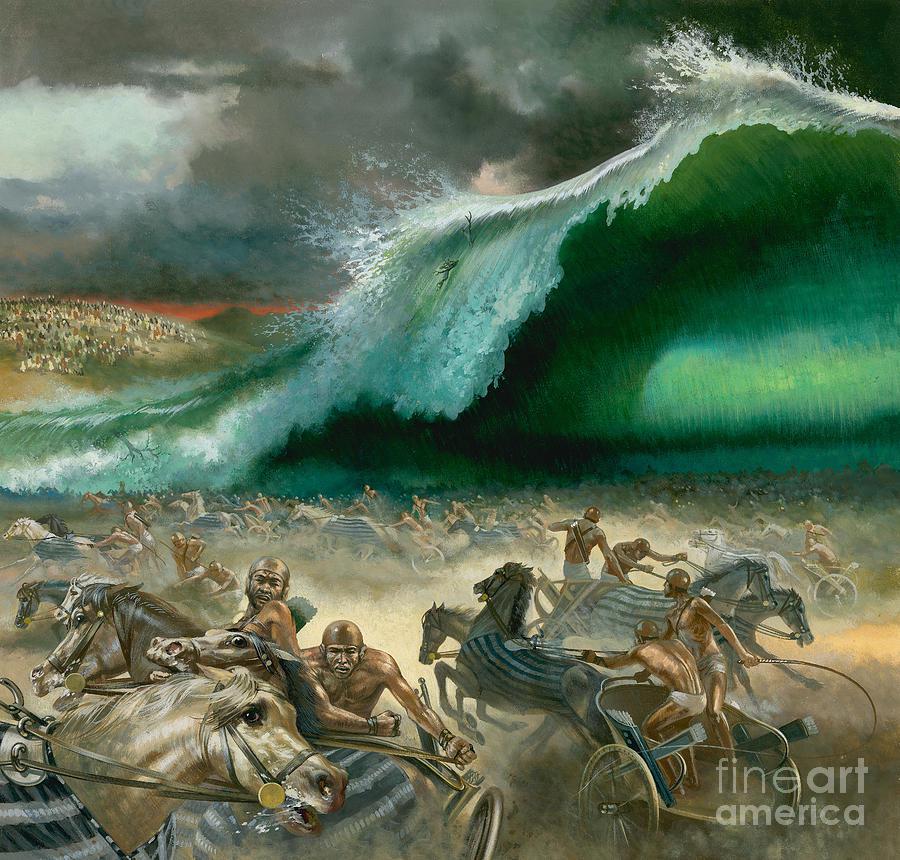
Introduction: Last week's Parsha ended with Pharaoh, finally allows the Israelites to serve Hashem in the desert. Not so long after, Pharaoh does the unthinkable and changes his mind. He decided to chase after the Israelites and wage war with them by Yam Suf. This decision leaves us scratching our heads. Why would Pharaoh do this? Why not let the Israelites serve Hashem and return? What exactly is Pharaoh's motivation here. Let's take a look at the Pasukim and see if we can understand.....
(ה) וַיֻּגַּד֙ לְמֶ֣לֶךְ מִצְרַ֔יִם כִּ֥י בָרַ֖ח הָעָ֑ם וַ֠יֵּהָפֵ֠ךְ לְבַ֨ב פַּרְעֹ֤ה וַעֲבָדָיו֙ אֶל־הָעָ֔ם וַיֹּֽאמְרוּ֙ מַה־זֹּ֣את עָשִׂ֔ינוּ כִּֽי־שִׁלַּ֥חְנוּ אֶת־יִשְׂרָאֵ֖ל מֵעָבְדֵֽנוּ׃ (ו) וַיֶּאְסֹ֖ר אֶת־רִכְבּ֑וֹ וְאֶת־עַמּ֖וֹ לָקַ֥ח עִמּֽוֹ׃ (ז) וַיִּקַּ֗ח שֵׁשׁ־מֵא֥וֹת רֶ֙כֶב֙ בָּח֔וּר וְכֹ֖ל רֶ֣כֶב מִצְרָ֑יִם וְשָׁלִשִׁ֖ם עַל־כֻּלּֽוֹ׃ (ח) וַיְחַזֵּ֣ק יְהֹוָ֗ה אֶת־לֵ֤ב פַּרְעֹה֙ מֶ֣לֶךְ מִצְרַ֔יִם וַיִּרְדֹּ֕ף אַחֲרֵ֖י בְּנֵ֣י יִשְׂרָאֵ֑ל וּבְנֵ֣י יִשְׂרָאֵ֔ל יֹצְאִ֖ים בְּיָ֥ד רָמָֽה׃ (ט) וַיִּרְדְּפ֨וּ מִצְרַ֜יִם אַחֲרֵיהֶ֗ם וַיַּשִּׂ֤יגוּ אוֹתָם֙ חֹנִ֣ים עַל־הַיָּ֔ם כׇּל־סוּס֙ רֶ֣כֶב פַּרְעֹ֔ה וּפָרָשָׁ֖יו וְחֵיל֑וֹ עַל־פִּי֙ הַֽחִירֹ֔ת לִפְנֵ֖י בַּ֥עַל צְפֹֽן׃
(5) When the king of Egypt was told that the people had fled, Pharaoh and his courtiers had a change of heart about the people and said, “What is this we have done, releasing Israel from our service?” (6) He ordered his chariot and took his men with him; (7) he took six hundred of his picked chariots, and the rest of the chariots of Egypt, with officers in all of them. (8) The LORD stiffened the heart of Pharaoh king of Egypt, and he gave chase to the Israelites. As the Israelites were departing defiantly, (9) the Egyptians gave chase to them, and all the chariot horses of Pharaoh, his horsemen, and his warriors overtook them encamped by the sea, near Pi-hahiroth, before Baal-zephon.
Discussion Questions:
(1) What does Pharaoh command his army to do?
(2) What is Pharaoh's reasoning for this?
(3) What does it mean "that the People (the Israelites) had fled"? Didn't Pharaoh let them go?
Discussion Question:
(1) How does Rashi explain why Pharaoh chased after Israelites?
(2) According to Rashi, isn't Pharaoh justified in chasing them? They said they would return in 3 days, yet they haven't...
(3) Did Hashem lie to Pharaoh and mislead him? Does Hashem really need to lie?
Discussion Question:
(1) How does the Sforno explain why Pharaoh chased the Israelites?
(2) How is his explanation different than Rashi's?
The explanation of the Sforno above seems to be supported by the text of the Torah itself. Pharaoh's motivation for chasing the Israelites now may be related why Pharaoh chose to enslave them to begin with. Let's take a look:
(ח) וַיָּ֥קׇם מֶֽלֶךְ־חָדָ֖שׁ עַל־מִצְרָ֑יִם אֲשֶׁ֥ר לֹֽא־יָדַ֖ע אֶת־יוֹסֵֽף׃ (ט) וַיֹּ֖אמֶר אֶל־עַמּ֑וֹ הִנֵּ֗ה עַ֚ם בְּנֵ֣י יִשְׂרָאֵ֔ל רַ֥ב וְעָצ֖וּם מִמֶּֽנּוּ׃ (י) הָ֥בָה נִֽתְחַכְּמָ֖ה ל֑וֹ פֶּן־יִרְבֶּ֗ה וְהָיָ֞ה כִּֽי־תִקְרֶ֤אנָה מִלְחָמָה֙ וְנוֹסַ֤ף גַּם־הוּא֙ עַל־שֹׂ֣נְאֵ֔ינוּ וְנִלְחַם־בָּ֖נוּ וְעָלָ֥ה מִן־הָאָֽרֶץ׃
(8) A new king arose over Egypt who did not know Joseph. (9) And he said to his army, “Look, the Israelite army are much too numerous for us. (10) Let us deal shrewdly with them, so that they may not increase; otherwise in the event of war they may join our enemies in fighting against us and rise from the ground.”-a
Discussion Question:
(1) What is Pharaoh afraid the Israelites will do?
(2) What does he do to prevent these fears from coming true?
(3) How is the word "עם" translated here? How is this different from what we are used to?
We see from the text above, Pharaoh's main concern is that the Israelite army will outnumber the Egyptian army and the Israelites will make war and take over the country.
With this in mind, let us take a second look at the beginning of the Parsha and see if we can understand Pharaoh's motivation to attacking the Israelites.
(יח) וַיַּסֵּ֨ב אֱלֹהִ֧ים ׀ אֶת־הָעָ֛ם דֶּ֥רֶךְ הַמִּדְבָּ֖ר יַם־ס֑וּף וַחֲמֻשִׁ֛ים עָל֥וּ בְנֵי־יִשְׂרָאֵ֖ל מֵאֶ֥רֶץ מִצְרָֽיִם׃
(18) So God led the people round about, by way of the wilderness at the Sea of Reeds.
Now the Israelites went up armed out of the land of Egypt.
(1) The LORD said to Moses: (2) Tell the Israelites to turn back and encamp before Pi-hahiroth, between Migdol and the sea, before Baal-zephon; you shall encamp facing it, by the sea. (3) Pharaoh will say of the Israelites, “They are astray in the land; the wilderness has closed in on them.” (4) Then I will stiffen Pharaoh’s heart and he will pursue them, that I may gain glory through Pharaoh and all his host; and the Egyptians shall know that I am the LORD.
And they did so. (5) When the king of Egypt was told that the people had fled, Pharaoh and his courtiers had a change of heart about the people and said, “What is this we have done, releasing Israel from our service?” (6) He ordered his chariot and took his men with him; (7) he took six hundred of his picked chariots, and the rest of the chariots of Egypt, with officers in all of them. (8) The LORD stiffened the heart of Pharaoh king of Egypt, and he gave chase to the Israelites. As the Israelites were departing defiantly, (9) the Egyptians gave chase to them, and all the chariot horses of Pharaoh, his horsemen, and his warriors overtook them encamped by the sea, near Pi-hahiroth, before Baal-zephon.
Discussion Question:
(1) How do the Pasukim describe the Israelites as they left? What are they carrying?
(2) Why would this make Pharaoh afraid?
(3) How would this motivate Pharaoh to attack now?
Conclusion: We see from the text that the Israelites leave Egypt with weapons. They travel towards to the desert, as per the agreement with Pharaoh, however, they encamp in Pi-hahiroth, which Rashi tells us (14:2) is Pithom, one of the cities in Egypt that the Israelites helped build. Pharaoh doesn't chase the Israelites because they left the land, rather, he chases them because they didn't leave! The Israelites are armed with weapons and stationing themselves in Egypt. Pharaoh greatest fears are being realized! The Israelite army outnumbers his, he has to act quick if he wants to stop the Israelites from rebelling.
This is part of Hashem's brilliance. He creates situations that guide individuals to where He wants them to be. He makes Pharaoh's greatest fear come true, through that, Hashem is able to finally bring an end to Egypt and allow the Israelites to truly be free!