14 Cheshvan 5778 | November 3, 2017
Parshat Vayera
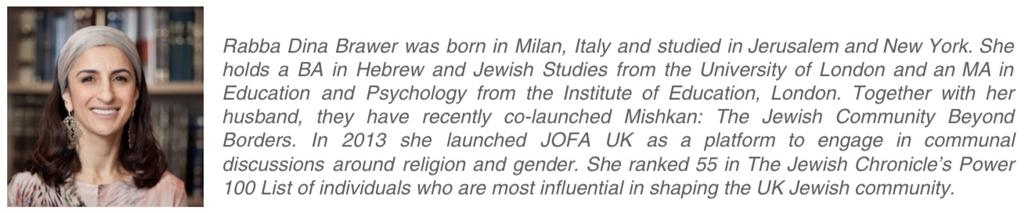
Rabba Dina Brawer
Class of 2018
The opening of Vayera depicts a compelling scene.
Visited by God as he is convalescing from his recent circumcision, Avraham excuses himself mid-conversation to see to the needs of three travelers he has seen approaching in the distance.
His enthusiasm in taking leave of God to direct his attention towards fatigued people conveys the importance and holiness of Hachnasat Orchim, welcoming guests.
This is a mitzvah that, on the surface, our community appears to excel at. However, I want to probe into the essence of Hachnasat Orchim and consider what are the values at its core and how they might at times come into conflict with other values.
To this end I want to introduce you to Abba Hilkiyah, a talmudic character, that at first appears to violate all the rules of hospitality we cherish. He is introduced as the grandson of Honi the Circle-Drawer, a first century sage famous as a ‘rainmaker’. Our story (Ta’anit 23a/b) unfolds as the Rabbis sent a delegation of scholars to Abba Hilkiah to ask him to pray for rain as there had been a long draught.
When the scholars arrive at his house, Abba Hilkiah is out. They search for him and find him labouring in the field. When they greet him, Abba Hilkiyah ignores them. They wait for him to finish work and follow him home. When he finally arrives home accompanied by his wife and with the scholars in tow, he invites his wife to enter first, he immediately follows her into the house and only then invites the scholars to enter.
Abba Hilkiyah continues to behave in a very unwelcoming if not downright rude manner. He sits down to eat dinner with his family but doesn’t invite the scholars to join him and in fact he doesn’t exchange any words with the visiting scholars until he has conclude his meal and successfully prayed for rain!
The fact that his prayer for rain is immediately answered indicates that he must be a holy person which is quite dissonant with his standoffish behaviour.
The visiting scholars struggle indeed to make sense of his actions. They have accomplished their mission in obtaining rain but they cannot leave before asking Abba Hilkiyah to clarify his strange behaviour:
מַאי טַעְמָא עָיְילָא הִיא בְּרֵישָׁא, וַהֲדַר עָיֵיל מָר אַבָּתְרַהּ, וַהֲדַר עָיְילִינַן אֲנַן? אֲמַר לְהוּ מִשּׁוּם דְּלָא בְּדִיקִיתוּ לִי.
’Why, Sir, did your wife enter first, and you after her, and then we?’ He replied: ‘Because I did not know your character’.
Is Abba Hilkiyah saying that he would suspect scholars of improper behaviour? Not necessarily so, but neither is he assuming they are of upstanding morals based solely on their status as scholars.
מַאי טַעְמָא כִּי כָּרֵיךְ מָר רִיפְתָּא לָא אֲמַר לַן ״אֵיתוֹ כְּרוּכוּ״? מִשּׁוּם דְּלָא נְפִישָׁא רִיפְתָּא, וְאָמֵינָא: לָא אַחְזֵיק בְּהוּ בְּרַבָּנַן טֵיבוּתָא בְּחִנָּם
’Why, Sir, did you not ask us to join you in the meal?’ ‘Because there was not sufficient bread and I said to myself that I should not gain credit from the Sages for nothing’.
Abba Hilkiyah is not a man of means and the food at his table is just enough for his family. He is conscious of the social pressure to invite guest, especially important ones such as the scholars, to dine with him. But he is wary of extending an ‘empty’ invitation, one that may make him gain status, but that he ultimately cannot fulfill.
When both family members and strangers stand at the threshold to our home, demanding our time and attention, who should we prioritize? How do we safeguard our family members? Should we assume people are upright based on their title or communal standing? Even if they are safe- are they appropriate for your family?
When it comes to feeding others in addition to our family, for most of us it may not be a question of sufficient bread to share, but a question of sufficient emotional resources. Are we depriving our family of their due portion by inviting guests?
Abba Hilkiyah’s story invites us to re-consider how we fulfill Hachnasat Orchim. To ask ourselves questions that drill down to the essence of its underlying value, consider what it might conflict with, and mindfully navigate between the two.