Rosh Hashana 2018/5779
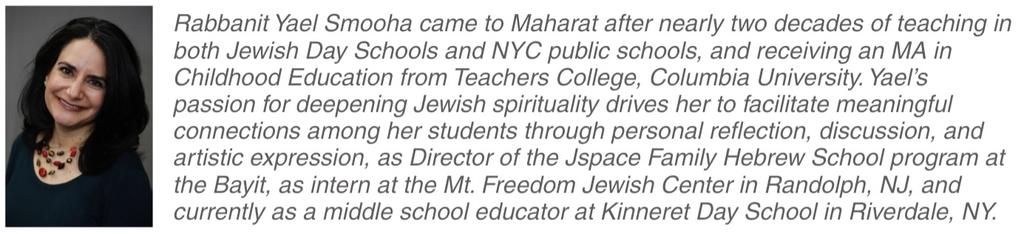
Rabbanit Yael Smooha
Class of 2021
I always had trouble with the term "Yamim Noraim", the Days of Awe, the term generally used to refer to the holidays of Rosh Hashana and Yom Kippur. As a native Hebrew speaker, the term is particularly troubling, as the word nora is generally used in contemporary Hebrew to describe something really awful.
In biblical Hebrew though, the word nora has a different connotation. The first use of the word nora in Tanach occurs in the story of Yaakov fleeing from the murderous intentions of his brother Esav. Yaakov stops to rest along his journey, has a vivid celestial dream, and exclaims upon his waking:
Yaakov is shaken up, afraid. But what preceded this statement?
Four things happen before Yaakov makes his exclamation. Yaakov lodges out in the open, with the ground under him as his bed. He dreams of a ladder upon which angels ascend and descend. God addresses Yaakov in his dream, promising him that in some seemingly far-off future his offspring will be internationally recognized for their great gifts. God also promises Yaakov that He will protect him through it all.
It is significant that this dream narrative takes place when Yaakov is most vulnerable. Indeed, I think it's a prerequisite for Yaakov's ability to perceive and receive the message of God that he be at his humblest -- hated by his brother, misunderstood by his father, and on his way to a foreign land to place himself at the mercy of a relative he has yet to meet. The imagery of celestial angels, and their up and down movement, reflects the comforting eternal truth that things are always changing, that fortune and misfortune have no permanent address, that one who has everything could at once lose everything, and one who has nothing but the shirt on his back (just like Yaakov at this moment) may at a moment's notice be a proud patriarch of his own growing internationally recognized tribe.
This vulnerability is a recurring theme in the liturgy of Rosh Hashana and Yom Kippur. We are compared to "clay in the hand of the potter," etc. And we are reminded that at this time of year our fate is decided. No one can escape the day of judgment. Furthermore, on Yom Kippur we are required to practice self-denial, as a prerequisite for atonement. Humility is a prerequisite for divine revelation.
What is Yaakov's reaction to his incredible revelation?
First, Yaakov wakes up! He acknowledges his lack of awareness. He now identifies the place that he is in as an awesome dwelling place of God. This theme of waking up from our hazy lack of consciousness is reflected in the Rambam's discussion of the shofar blown on Rosh Hashana, whose purpose is to arouse us to reflect on our habits and return to our purest forms:
עוּרוּ יְשֵׁנִים מִשְּׁנַתְכֶם וְנִרְדָּמִים הָקִיצוּ מִתַּרְדֵּמַתְכֶם וְחַפְּשׂוּ בְּמַעֲשֵׂיכֶם וְחִזְרוּ בִּתְשׁוּבָה
"Wake up from your slumber, those who are asleep...and examine your actions and return!"
Now that Yaakov has acknowledged his newfound awareness, he ritualizes the moment of revelation, grounding this celestial moment, much like the stepladder in his dream. He makes a verbal commitment of generosity towards God, in return for God's protection.
(יח) וַיַּשְׁכֵּ֨ם יַעֲקֹ֜ב בַּבֹּ֗קֶר וַיִּקַּ֤ח אֶת־הָאֶ֙בֶן֙ אֲשֶׁר־שָׂ֣ם מְרַֽאֲשֹׁתָ֔יו וַיָּ֥שֶׂם אֹתָ֖הּ מַצֵּבָ֑ה וַיִּצֹ֥ק שֶׁ֖מֶן עַל־רֹאשָֽׁהּ׃ ... (כ) וַיִּדַּ֥ר יַעֲקֹ֖ב נֶ֣דֶר לֵאמֹ֑ר אִם־יִהְיֶ֨ה אֱלֹקִ֜ים עִמָּדִ֗י וּשְׁמָרַ֙נִי֙ בַּדֶּ֤רֶךְ הַזֶּה֙ אֲשֶׁ֣ר אָנֹכִ֣י הוֹלֵ֔ךְ וְנָֽתַן־לִ֥י לֶ֛חֶם לֶאֱכֹ֖ל וּבֶ֥גֶד לִלְבֹּֽשׁ׃ (כא) וְשַׁבְתִּ֥י בְשָׁל֖וֹם אֶל־בֵּ֣ית אָבִ֑י וְהָיָ֧ה יקוק לִ֖י לֵאלֹקִֽים׃ (כב) וְהָאֶ֣בֶן הַזֹּ֗את אֲשֶׁר־שַׂ֙מְתִּי֙ מַצֵּבָ֔ה יִהְיֶ֖ה בֵּ֣ית אֱלֹקִ֑ים וְכֹל֙ אֲשֶׁ֣ר תִּתֶּן־לִ֔י עַשֵּׂ֖ר אֲעַשְּׂרֶ֥נּוּ לָֽךְ׃
(18) Early in the morning, Jacob took the stone that he had put under his head and set it up as a pillar and poured oil on the top of it. ... (20) Jacob then made a vow, saying, “If God remains with me, if He protects me on this journey that I am making, and gives me bread to eat and clothing to wear, (21) and if I return safe to my father’s house—the LORD shall be my God. (22) And this stone, which I have set up as a pillar, shall be God’s abode; and of all that You give me, I will set aside a tithe for You.”
It is not enough for Yaakov to have his mind-bending experience. He takes the time in the midst of his harried journey to recognize his newfound awareness of God's presence, to make a temporary memorial as a way of concretizing this moment, and he makes a verbal commitment to give back to God in return for God's kindness towards him.
Yaakov's experience informs our approach to the Yamim Noraim. We declare in our tefillot:
וּתְשׁוּבָה וּתְפִלָּה וּצְדָקָה מַעֲבִירִין אֶת רֹעַ הַגְּזֵרָה.
But repentance, prayer and charitable giving remove the evil decree.
Repentance: newfound spiritual awareness. Prayer: recognizing God's protection. Charitable Giving: putting one's money where one's mouth is. This combination of self-work, prayer, and plain doing -- devoting ourselves with our whole hearts (tefilla), souls (teshuva), and means (tzedaka), echo the words of the Shma:
בְּכָל֯־לְ֯בָבְ֒ךָ וּבְכָל־נַפְשְׁ֒ךָ וּבְכָל־מְאֹדֶֽךָ:
[And you shall love Hashem your God] with all your heart and with all your being and with all your means.
This is what shifts our realities. And when we shift our inner worlds, then naturally our destinies change as well.
This is the ultimate destination of the "awesome place" -- not a destination in time or place, but a state of being. We begin with our humility, our brokenness, our vulnerability. We open ourselves up to seeing what we did not see before. Then we let that new awareness fuel our next steps. We concretize our goals, speak our minds to God, and enlist all of our resources to our newly articulated purpose.
It's up to us. Let's get started.