Yom Kippur 2018/5779
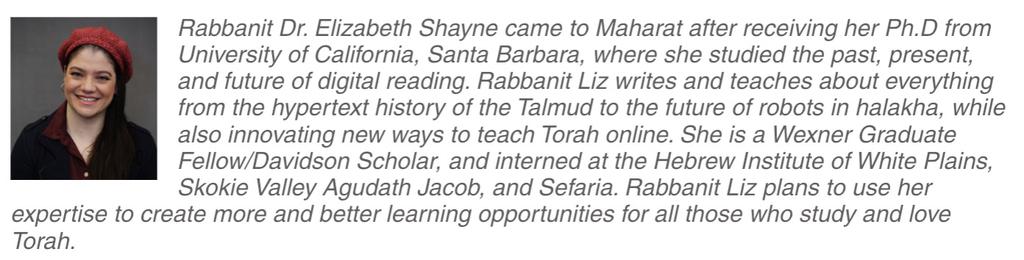
Rabbanit Dr. Liz Shayne
Class of 2021
When I was a child, I used to count down the number of pages between the first page of the mussaf amidah on Yom Kippur and my favorite piyut. I loved, and still love, מראה כהן, and I am not alone. Other people in my shul talk about looking forward to it and, in college, it was one of the highlights of Yom Kippur davening for everyone. Even now, it ranks just below ונתנה תקף on my personal list of things that must be sung with the right tune. But with all of that said, the bulk of my interest in the poem has been in the refrain:
Truly how splendid was the High Priest, as he came out of the Holy of Holies in peace, without harm.
That was the fun part to sing, after all. The stanzas were said by the chazzan and so I paid them less attention than they were due. The time has come to rectify that.
Like many of the piyutim that we say on the Yamim Noraim, מראה כהן is an alphabetic acrostic, which means it has 22 stanzas that progress in order from א to ת. Each of those stanzas suggests a simile for the appearance of the High Priest after he emerges, unharmed, from the Holy of Holies. The figurative language covers a wide range: he is said to look like everything from a lily peering out among the thorns, to the planet Venus rising in the morning sky, to Moshe Rabbeinu hiding while God passed before him. Many of these comparisons seem to be inspired by the description of the כהן גדול in Chapter 50 of the book of Ben Sira, but the paytan, the author of the piyut, expands significantly on those five verses.
Because מראה כהן is an acrostic, the similes are organized alphabetically, rather than by topic. It is, however, possible to rearrange them into four distinct categories of experiences to which the appearance of the כהן גדול may be compared. The first category is of celestial phenomena, such as the sky, the rainbow, and the morning star (Venus) on the horizon. The second is of religious experiences, such as the appearance of angels, and Moshe's encounter with God. The third groups together the accoutrements of royalty, such as crowns, military commanders, and rooms of azure and violet. Finally, the fourth category describes moments of sudden beauty amid the ordinary, such as the rose at the heart of the garden, the light in the windows at night, and the grace of a groom on his wedding day.
When a poem appears to get carried away with its use of figurative language, it is because the poem or piyut is trying to convey an emotional experience. Each of our four categories describes something else about the כהן גדול's reappearance -- not merely what he looked like, but what the moment felt like. Each one of these categories is trying to capture different facets of the experience.
To start with the first category, what are these depictions of celestial phenomena trying to convey? Along with the sky, rainbow, and Venus mentioned above, the piyut includes the sunrise and the constellations כסיל וכימה--Orion and the Pleiades. These stanzas describe the sense of visual anticipation. The same way one looks carefully at the clouds after the rain, one waits with bated breath for the כהן גדול to appear. Waiting for the כהן גדול is both like waiting for the sun to rise, with the expectation it will happen, and waiting for the morning star to appear, knowing that it might not this time. Above all, the כהן גדול in this series of similes is something majestic one watches from a distance.
The second category adds a sense of religious awe to our experience. Comparing the כהן גדול to the lightning that shines forth from the face of the חיות, a type of angel, might seem counterintuitive. After all, isn’t the purpose of a simile to learn about something by comparing it to another thing with which we are more familiar? The paytan, writing some time between the 3rd and 5th centuries, is doing something different by linking the experience of seeing the כהן גדול to that of receiving prophecy. By connecting the experiences of prophecy--the lightning that appears in Ezekiel’s description of the חיות in chapter 1, verse 13--with the experience of seeing the כהן גדול emerge, the purpose of the simile shifts. Rather than focusing on appearance, these similes focus on encountering God. And though neither experience is one that we have immediate access to, both are experiences whose religious importance we can understand and imagine. The piyut emphasizes that the occasion is not merely beautiful and splendid, it is also religious. The awesomeness of the occasion is like being in the presence of God.
But, as the third category of similes goes into at some length, the experience is also beautiful and splendid. Rooms of royal purple, golden bells, crowns, and grand armor are all part of how the piyut refers to grandeur on a more human scale than that of the stars. The כהן גדול is also a person and the trappings of royalty are, in their own way, a closer and more relatable metaphor for how he is perceived. Emerging from the Holy of Holies, the כהן גדול carries God's kingship the way a king is marked by his crown. Taken in conversation with the first category, celestial glory and material glory are both experiences that inform how we imagine the כהן גדול, and the paytan urges us to draw on both to understand what it might have been like to be there.
The last category, and my favorite of the four, is the one I called sudden beauty amid the ordinary. The piyut likens the כוהן גדול to a lamp that gleams out from between windows and a lily among thorns, capturing the sense of surprise and joy that the experience entails. There's no guarantee of light in the darkness, just like the כוהן גדול's fate hangs in the balance until he is seen. But the relief at seeing the lamp, or the joy at finding a blossom among the thorns, is transformative. There is, however, another kind of beauty amid the ordinary. The chesed - kindness or grace - that lights up the face of a groom on his wedding day is neither unexpected nor unwarranted, but it is sudden in the transformation it enacts. Being in the Holy of Holies is, in its own way, like being in love. The Jewish people are often called God's beloved and presenting the כוהן גדול wearing the face of a man transformed by love emphasizes the ways in which Yom Kippur can also be a day to celebrate what the future holds.
Although one can tease out similarities between the similes used, the beauty of the alphabetic structure lies in how it jumbles them all together so that even the experience of the language is a bit overwhelming, much like the experience in the Temple probably was. Seeing the כהן גדול emerge cannot be described in prose, and so the paytan turns to poetry to capture his feelings about what it must have been like. It should not come as a surprise that the two times of year that are the most emotional and fraught, Tisha B’Av and the Yamim Noraim, are the times when we turn to liturgical poetry to express our indescribable feelings. There is certainly more to be said about the poetry of מראה כהן, but there is a point where poetry can no longer be talked about, but must be read and felt on its own. On this and every Yom Kippur, it is my hope that we allow the words and music of the liturgy, in whatever language we read them, to bring us not merely to repentance, but to experience the day in such a way that we can look around say אמת מה נהדר, truly how splendid.