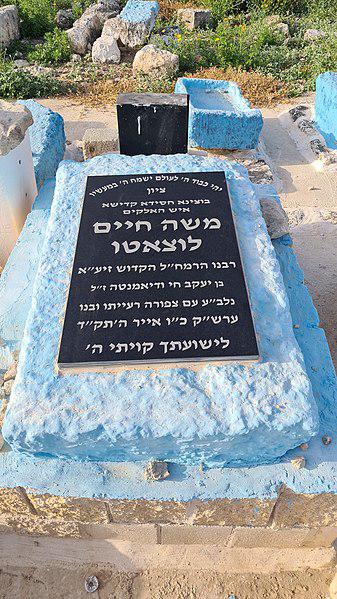
- Ya'akov blesses his grandchildren Ephraim and Menashe
- Ya'akov, on his deathbed, gives an evaluation of each son
- Yosef buries Ya'akov in the Cave of the Machpelah
- Before dying, Yosef promises brothers they will return; asks to be buried in Israel
- Before his death, David commands son, Shlomo, what to do
*** HAFTARAH - I KINGS ***
(א) וַיִּקְרְב֥וּ יְמֵֽי־דָוִ֖ד לָמ֑וּת וַיְצַ֛ו אֶת־שְׁלֹמֹ֥ה בְנ֖וֹ לֵאמֹֽר׃
(1) When David’s life was drawing to a close, he instructed his son Solomon as follows:
(כט) וַיִּקְרְב֣וּ יְמֵֽי־יִשְׂרָאֵל֮ לָמוּת֒ וַיִּקְרָ֣א ׀ לִבְנ֣וֹ לְיוֹסֵ֗ף וַיֹּ֤אמֶר לוֹ֙ אִם־נָ֨א מָצָ֤אתִי חֵן֙ בְּעֵינֶ֔יךָ שִֽׂים־נָ֥א יָדְךָ֖ תַּ֣חַת יְרֵכִ֑י וְעָשִׂ֤יתָ עִמָּדִי֙ חֶ֣סֶד וֶאֱמֶ֔ת אַל־נָ֥א תִקְבְּרֵ֖נִי בְּמִצְרָֽיִם׃
(29) And when the time approached for Israel to die, he summoned his son Joseph and said to him, “Do me this favor, place your hand under my thigh as a pledge of your steadfast loyalty: please do not bury me in Egypt.
*** THE ONLY "CLOSED" PARASHA ***
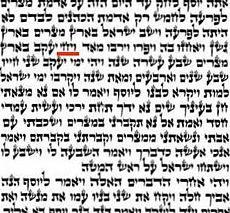
ויחי יעקב. לָמָּה פָּרָשָׁה זוֹ סְתוּמָה? לְפִי שֶׁכֵּיוָן שֶׁנִּפְטַר יַעֲקֹב אָבִינוּ נִסְתְּמוּ עֵינֵיהֶם וְלִבָּם שֶׁל יִשְׂרָאֵל מִצָּרַת הַשִּׁעְבּוּד, שֶׁהִתְחִילוּ לְשַׁעְבְּדָם; דָּבָר אַחֵר: שֶׁבִּקֵּשׁ לְגַלּוֹת אֶת הַקֵּץ לְבָנָיו, וְנִסְתַּם מִמֶּנּוּ. בִּבְ"רַ:
ויחי יעקב AND JACOB LIVED — Why is this section (Sidra) totally closed? Because, comprising as it does an account of the death of Jacob, as soon as our father Jacob departed this life the hearts and eyes of Israel were closed (their eyes became dim and their hearts troubled) because of the misery of the bondage which they then began to impose upon them. Another reason is: because he (Jacob) wished to reveal to his sons the date of the End of Days, but the vision was closed (concealed) from him (Genesis Rabbah 96:1).
... וְכָל אֵלּוּ הַדְּבָרִים וְכַיּוֹצֵא בָּהֶן לֹא יֵדַע אָדָם אֵיךְ יִהְיוּ עַד שֶׁיִּהְיוּ. שֶׁדְּבָרִים סְתוּמִין הֵן אֵצֶל הַנְּבִיאִים. גַּם הַחֲכָמִים אֵין לָהֶם קַבָּלָה בִּדְבָרִים אֵלּוּ אֶלָּא לְפִי הֶכְרֵעַ הַפְּסוּקִים וּלְפִיכָךְ יֵשׁ לָהֶם מַחְלֹקֶת בִּדְבָרִים אֵלּוּ. וְעַל כָּל פָּנִים אֵין סִדּוּר הֲוָיַת דְּבָרִים אֵלּוּ וְלֹא דִּקְדּוּקֵיהֶן עִקָּר בַּדָּת. וּלְעוֹלָם לֹא יִתְעַסֵּק אָדָם בְּדִבְרֵי הַהַגָּדוֹת וְלֹא יַאֲרִיךְ בַּמִּדְרָשׁוֹת הָאֲמוּרִים בְּעִנְיָנִים אֵלּוּ וְכַיּוֹצֵא בָּהֶן וְלֹא יְשִׂימֵם עִקָּר, שֶׁאֵין מְבִיאִין לֹא לִידֵי יִרְאָה וְלֹא לִידֵי אַהֲבָה. וְכֵן לֹא יְחַשֵּׁב הַקִּצִּין. אָמְרוּ חֲכָמִים תִּפַּח רוּחָם שֶׁל מְחַשְּׁבֵי הַקִּצִּים. אֶלָּא יְחַכֶּה וְיַאֲמִין בִּכְלַל הַדָּבָר כְּמוֹ שֶׁבֵּאַרְנוּ:
... But regarding all these matters and similar, no one knows how it will be until it will be. For these matters were unclear to the Prophets. Even the Sages themselves did not have a Tradition regarding these matters and only could attempt to understand the verses. Thus, there were disagreements in these matters. Nevertheless, neither the order that these events will occur nor their details are fundamental to the religion. Thus, a person must never busy himself with the Aggadohs and not dwell on the Midrashim regarding these matters or similar issues. He must not make them dogma. For these do not result in either love (for G-d) nor fear (of sin). Similarly, one should not calculate the Ends. Our Sages have said that the spirit of those who calculate the Ends will expire. Rather, one is to (simply) wait and believe in the principle of this matter, as we have explained.
(יט) וַיֹּ֧אמֶר אֲלֵהֶ֛ם יוֹסֵ֖ף אַל־תִּירָ֑אוּ כִּ֛י הֲתַ֥חַת אֱלֹקִ֖ים אָֽנִי׃ (כ) וְאַתֶּ֕ם חֲשַׁבְתֶּ֥ם עָלַ֖י רָעָ֑ה אֱלֹקִים֙ חֲשָׁבָ֣הּ לְטֹבָ֔ה לְמַ֗עַן עֲשֹׂ֛ה כַּיּ֥וֹם הַזֶּ֖ה לְהַחֲיֹ֥ת עַם־רָֽב׃
(19) But Joseph said to them, “Have no fear! Am I a substitute for God? (20) Besides, although you intended me harm, God intended it for good, so as to bring about the present result—the survival of many people.
*** THE FOREIGN GRANDSONS ***
(טז) הַמַּלְאָךְ֩ הַגֹּאֵ֨ל אֹתִ֜י מִכׇּל־רָ֗ע יְבָרֵךְ֮ אֶת־הַנְּעָרִים֒ וְיִקָּרֵ֤א בָהֶם֙ שְׁמִ֔י וְשֵׁ֥ם אֲבֹתַ֖י אַבְרָהָ֣ם וְיִצְחָ֑ק וְיִדְגּ֥וּ לָרֹ֖ב בְּקֶ֥רֶב הָאָֽרֶץ׃
(16) The Angel who has redeemed me from all harm— bless the lads. In them may my name be recalled, and the names of my fathers Abraham and Isaac, and may they be teeming multitudes upon the earth.
(כ) וַיְבָ֨רְכֵ֜ם בַּיּ֣וֹם הַהוּא֮ לֵאמוֹר֒ בְּךָ֗ יְבָרֵ֤ךְ יִשְׂרָאֵל֙ לֵאמֹ֔ר יְשִֽׂמְךָ֣ אֱלֹקִ֔ים כְּאֶפְרַ֖יִם וְכִמְנַשֶּׁ֑ה וַיָּ֥שֶׂם אֶת־אֶפְרַ֖יִם לִפְנֵ֥י מְנַשֶּֽׁה׃
(20) So he blessed them that day, saying, “By you shall Israel invoke blessings, saying: God make you like Ephraim and Manasseh.” Thus he put Ephraim before Manasseh.
(נא) וַיִּקְרָ֥א יוֹסֵ֛ף אֶת־שֵׁ֥ם הַבְּכ֖וֹר מְנַשֶּׁ֑ה כִּֽי־נַשַּׁ֤נִי אֱלֹקִים֙ אֶת־כׇּל־עֲמָלִ֔י וְאֵ֖ת כׇּל־בֵּ֥ית אָבִֽי׃ (נב) וְאֵ֛ת שֵׁ֥ם הַשֵּׁנִ֖י קָרָ֣א אֶפְרָ֑יִם כִּֽי־הִפְרַ֥נִי אֱלֹקִ֖ים בְּאֶ֥רֶץ עׇנְיִֽי׃
(51) Joseph named the first-born Manasseh, meaning, “God has made me forget completely my hardship and my parental home.” (52) And the second he named Ephraim, meaning, “God has made me fertile in the land of my affliction.”
(א) וַיְהִ֗י אַחֲרֵי֙ הַדְּבָרִ֣ים הָאֵ֔לֶּה וַיֹּ֣אמֶר לְיוֹסֵ֔ף הִנֵּ֥ה אָבִ֖יךָ חֹלֶ֑ה וַיִּקַּ֞ח אֶת־שְׁנֵ֤י בָנָיו֙ עִמּ֔וֹ אֶת־מְנַשֶּׁ֖ה וְאֶת־אֶפְרָֽיִם׃
(1) Some time afterward, Joseph was told, “Your father is ill.” So he took with him his two sons, Manasseh and Ephraim.
(ה) וְעַתָּ֡ה שְׁנֵֽי־בָנֶ֩יךָ֩ הַנּוֹלָדִ֨ים לְךָ֜ בְּאֶ֣רֶץ מִצְרַ֗יִם עַד־בֹּאִ֥י אֵלֶ֛יךָ מִצְרַ֖יְמָה לִי־הֵ֑ם אֶפְרַ֙יִם֙ וּמְנַשֶּׁ֔ה כִּרְאוּבֵ֥ן וְשִׁמְע֖וֹן יִֽהְיוּ־לִֽי׃ (ו) וּמוֹלַדְתְּךָ֛ אֲשֶׁר־הוֹלַ֥דְתָּ אַחֲרֵיהֶ֖ם לְךָ֣ יִהְי֑וּ עַ֣ל שֵׁ֧ם אֲחֵיהֶ֛ם יִקָּרְא֖וּ בְּנַחֲלָתָֽם׃
(5) Now, your two sons, who were born to you in the land of Egypt before I came to you in Egypt, shall be mine; Ephraim and Manasseh shall be mine no less than Reuben and Simeon. (6) But progeny born to you after them shall be yours; they shall be recorded instead of their brothers in their inheritance.
(ז) וַאֲנִ֣י ׀ בְּבֹאִ֣י מִפַּדָּ֗ן מֵ֩תָה֩ עָלַ֨י רָחֵ֜ל בְּאֶ֤רֶץ כְּנַ֙עַן֙ בַּדֶּ֔רֶךְ בְּע֥וֹד כִּבְרַת־אֶ֖רֶץ לָבֹ֣א אֶפְרָ֑תָה וָאֶקְבְּרֶ֤הָ שָּׁם֙ בְּדֶ֣רֶךְ אֶפְרָ֔ת הִ֖וא בֵּ֥ית לָֽחֶם׃ (ח) וַיַּ֥רְא יִשְׂרָאֵ֖ל אֶת־בְּנֵ֣י יוֹסֵ֑ף וַיֹּ֖אמֶר מִי־אֵֽלֶּה׃
(7) When I was returning from Paddan, Rachel died, to my sorrow, while I was journeying in the land of Canaan, when still some distance short of Ephrath; and I buried her there on the road to Ephrath”—now Bethlehem. (8) Noticing Joseph’s sons, Israel asked, “Who are these?”
וירא ישראל את בני יוסף. בִּקֵּשׁ לְבָרְכָם וְנִסְתַּלְּקָה שְׁכִינָה מִמֶּנּוּ, לְפִי שֶׁעָתִיד יָרָבְעָם וְאַחְאָב לָצֵאת מֵאֶפְרַיִם וְיֵהוּא וּבָנָיו מִמְּנַשֶּׁה:
וירא ישראל את בני יוסף AND ISRAEL SAW JOSEPH’S SONS — he wished to bless them but the Divine Presence departed from him because he saw that from Ephraim would be born the wicked kings Jeroboam and Ahab, and from Manasseh Jehu and his sons (Midrash Tanchuma, Vayechi 6).
ויאמר מי אלה. מֵהֵיכָן יָצְאוּ אֵלּוּ, שֶׁאֵינָן רְאוּיִין לִבְרָכָה:
ויאמר מי אלה AND HE SAID “WHO ARE THESE?” — Whence come these who are unfitted for blessing?
(ה) וַיִּשָּׂ֣א אֶת־עֵינָ֗יו וַיַּ֤רְא אֶת־הַנָּשִׁים֙ וְאֶת־הַיְלָדִ֔ים וַיֹּ֖אמֶר מִי־אֵ֣לֶּה לָּ֑ךְ וַיֹּאמַ֕ר הַיְלָדִ֕ים אֲשֶׁר־חָנַ֥ן אֱלֹקִ֖ים אֶת־עַבְדֶּֽךָ׃
(5) Looking about, he saw the women and the children. He asked: “Who are these with you?” He answered, “The children with whom God has favored your servant.”
(ט) וַיֹּ֤אמֶר יוֹסֵף֙ אֶל־אָבִ֔יו בָּנַ֣י הֵ֔ם אֲשֶׁר־נָֽתַן־לִ֥י אֱלֹקִ֖ים בָּזֶ֑ה וַיֹּאמַ֕ר קָֽחֶם־נָ֥א אֵלַ֖י וַאֲבָרְכֵֽם׃
(9) And Joseph said to his father, “They are my sons, whom God has given me here.” “Bring them up to me,” he said, “that I may bless them.”
ואני בבאי מפדן וגו'. וְאַעַ"פִּ שֶׁאֲנִי מַטְרִיחַ עָלֶיךָ לְהוֹלִיכֵנִי לְהִקָּבֵר בְּאֶרֶץ כְּנַעַן, וְלֹא כָךְ עָשִׂיתִי לְאִמְּךָ, שֶׁהֲרֵי מֵתָה סָמוּךְ לְבֵית לֶחֶם:
'ואני בבאי מפדן וגו AND AS FOR ME, WHEN I CAME FROM PADAN etc. — “And although I trouble you to take me for burial into the land of Canaan and I did not do this for your mother (i.e., I did not take the trouble to bury her in a place other than that in which she died, which was by the road-side) which I might easily have done since she died quite close to Bethlehem”.
אקברה שם. וְלֹא הוֹלַכְתִּיהָ אֲפִלּוּ לְבֵית לֶחֶם לְהַכְנִיסָהּ לָאָרֶץ, וְיָדַעְתִּי שֶׁיֵּשׁ בְּלִבְּךָ עָלַי; אֲבָל דַּע לְךָ שֶׁעַל פִּי הַדִּבּוּר קְבַרְתִּיהָ שָׁם, שֶׁתְּהֵא לְעֶזְרָה לְבָנֶיהָ כְּשֶׁיַּגְלֶה אוֹתָם נְבוּזַרְאֲדָן, וְהָיוּ עוֹבְרִים דֶּרֶךְ שָׁם, יוֹצֵאת רָחֵל עַל קִבְרָהּ וּבוֹכָה וּמְבַקֶּשֶׁת עֲלֵיהֶם רַחֲמִים, שֶׁנֶּאֱמַר קוֹל בְּרָמָה נִשְׁמָע וְגוֹ' וְהַקָּבָּ"ה מְשִׁיבָהּ יֵשׁ שָׂכָר לִפְעֻלָּתֵךְ נְאֻם ה' וְשָׁבוּ בָנִים לִגְבוּלָם (ירמיהו ל"א).
ואקברה שם AND I BURIED HERE THERE and did not carry her even the short distance to Bethlehem to bring her into a city. I know that in your heart you feel some resentment against me. Know, however, that I buried her there by the command of God”. And the future proved that God had commanded him to do this in order that she might help her children when Nebuzaradan would take them into captivity. For when .they were passing along that road Rachel came forth from her grave and stood by her tomb weeping and beseeching mercy for them, as it is said, (Jeremiah 31:15) “A voice is heard in Rama, [the sound of weeping … Rachel weeping for her children]”, and the Holy One, blessed be He, replied to her (v. 16) “There is a reward for thy work, says the Lord etc. (v. 17) for thy children will return to their own border”.
*** DID YA'AKOV DIE? ***
(לג) וַיְכַ֤ל יַעֲקֹב֙ לְצַוֺּ֣ת אֶת־בָּנָ֔יו וַיֶּאֱסֹ֥ף רַגְלָ֖יו אֶל־הַמִּטָּ֑ה וַיִּגְוַ֖ע וַיֵּאָ֥סֶף אֶל־עַמָּֽיו׃
(33) When Jacob finished his instructions to his sons, he drew his feet into the bed and, breathing his last, he was gathered to his people.
ויגוע ויאסף. וּמִיתָה לֹא נֶאֶמְרָה בוֹ, וְאָ"רַ יַעֲקֹב אָבִינוּ לֹא מֵת:
ויגוע AND HE EXPIRED — but the word death is not mentioned in his case, and our Teachers therefore said: (Taanit 5b) “Jacob, our father, is not dead”.
רַב נַחְמָן וְרַבִּי יִצְחָק הֲווֹ יָתְבִי בִּסְעוּדְתָּא. אֲמַר לֵיהּ רַב נַחְמָן לְרַבִּי יִצְחָק: לֵימָא מָר מִילְּתָא. אֲמַר לֵיהּ, הָכִי אָמַר רַבִּי יוֹחָנָן: אֵין מְסִיחִין בִּסְעוּדָה, שֶׁמָּא יַקְדִּים קָנֶה לְוֶשֶׁט וְיָבֹא לִידֵי סַכָּנָה. בָּתַר דִּסְעוּד אֲמַר לֵיהּ, הָכִי אָמַר רַבִּי יוֹחָנָן: יַעֲקֹב אָבִינוּ לֹא מֵת. אֲמַר לֵיהּ: וְכִי בִּכְדִי סְפַדוּ סַפְדָּנַיָּא וַחֲנַטוּ חָנְטַיָּיא וּקְבַרוּ קַבָּרַיָּיא? אֲמַר לֵיהּ: מִקְרָא אֲנִי דּוֹרֵשׁ, שֶׁנֶּאֱמַר: ״וְאַתָּה אַל תִּירָא עַבְדִּי יַעֲקֹב נְאֻם ה׳ וְאַל תֵּחַת יִשְׂרָאֵל כִּי הִנְנִי מוֹשִׁיעֲךָ מֵרָחוֹק וְאֶת זַרְעֲךָ מֵאֶרֶץ שִׁבְיָם״, מַקִּישׁ הוּא לְזַרְעוֹ: מָה זַרְעוֹ בַּחַיִּים — אַף הוּא בַּחַיִּים.
Rav Naḥman and Rabbi Yitzḥak were sitting and eating together at a meal. Rav Naḥman said to Rabbi Yitzḥak: Let the Master say a matter, i.e., share a Torah idea with me. Rabbi Yitzḥak said to Rav Naḥman that Rabbi Yoḥanan said: One may not speak during a meal, lest the trachea will precede the esophagus. Food is meant to enter the esophagus, and when one speaks his trachea opens and the food might enter there. And therefore, one should not speak during a meal, as he might come into the danger of choking. After they had eaten, Rabbi Yitzḥak said to Rav Naḥman that Rabbi Yoḥanan said as follows: Our patriarch Jacob did not die. Rav Naḥman asked him in surprise: And was it for naught that the eulogizers eulogized him and the embalmers embalmed him and the buriers buried him? Rabbi Yitzḥak replied to Rav Naḥman: I am interpreting a verse, as it is stated: “Therefore do not fear, Jacob My servant, says the Lord, neither be dismayed, Israel, for I will save you from afar, and your seed from the land of their captivity” (Jeremiah 30:10). This verse juxtaposes Jacob to his seed: Just as his seed is alive when redeemed, so too, Jacob himself is alive.
ויגוע ויאסף ומיתה לא נאמרה בו ואמרו רבותינו (תענית ה) יעקב אבינו לא מת לשון רש"י (רש"י על בראשית מ״ט:ל״ג) ולדעת רבותינו הרי יעקב הזכיר מיתה בעצמו (בראשית מ״ח:כ״א) הנה אנכי מת והיה אלקים עמכם ואולי לא ידע הוא בנפשו או שלא רצה לתת כבוד לשמו וכן (בראשית נ׳:ט״ו) ויראו אחי יוסף כי מת אביהם כי להם מת הוא או שלא ידעו הם בזה כלל וענין המדרש הזה כי נפשות הצדיקים צרורות בצרור החיים וזו תחופף עליו כל היום לובשת לבושה השני שלא יפשטנה ערומה כיעקב או תתלבש לעתים מזומנות ויובן הענין הזה במסכת שבת (שבת קנ״ב) ובמסכת כתובות (קג.):
Now according to this opinion of our Rabbis, the difficulty arises: Now Jacob applied the term “death” to himself, as it is written, Behold, I die, but G-d shall be with you! Now perhaps he did not know it himself, or it may be that he did not wish to pay honor to himself. Similarly, with respect to the verse, And when Joseph’s brethren saw that their father was dead, we must say that to them he was dead, or it may be that they did not at all know of this. Now the purport of this Midrash [which states that “Jacob, our father, did not die],” is that the souls of the righteous are bound in the bind of life with the Eternal, and his soul covereth him all the day, “wearing a scarlet garment” so that she not be stripped naked, as Jacob’s [soul was privileged to do continually], or which she dons at certain occasions [as do the souls of lesser righteous individuals]. This matter will be understood in the light of what is told in Tractate Shabbath and Tractate Kethuboth.
וַיָּ֤קָם אָדָם֙ לִרְדָפְךָ֔ וּלְבַקֵּ֖שׁ אֶת־נַפְשֶׁ֑ךָ וְֽהָיְתָה֩ נֶ֨פֶשׁ אֲדֹנִ֜י צְרוּרָ֣ה ׀ בִּצְר֣וֹר הַחַיִּ֗ים אֵ֚ת ה' אֱלֹקֶ֔יךָ וְאֵ֨ת נֶ֤פֶשׁ אֹיְבֶ֙יךָ֙ יְקַלְּעֶ֔נָּה בְּת֖וֹךְ כַּ֥ף הַקָּֽלַע׃
And if anyone sets out to pursue you and seek your life, the life of my lord will be bound up in the bundle of life in the care of the LORD; but He will fling away the lives of your enemies as from the hollow of a sling.
כָּל נֶפֶשׁ הָאֲמוּרָה בְּעִנְיָן זֶה אֵינָהּ הַנְּשָׁמָה הַצְּרִיכָה לַגּוּף אֶלָּא צוּרַת הַנֶּפֶשׁ שֶׁהִיא הַדֵּעָה שֶׁהִשִּׂיגָה מֵהַבּוֹרֵא כְּפִי כֹּחָהּ וְהֶשֵּׂגָהּ הַדֵּעוֹת הַנִּפְרָדוֹת וּשְׁאָר הַמַּעֲשִׂים וְהִיא הַצּוּרָה שֶׁבֵּאַרְנוּ עִנְיָנָהּ בְּפֶרֶק רְבִיעִי מֵהִלְכוֹת יְסוֹדֵי הַתּוֹרָה הִיא הַנִּקְרֵאת נֶפֶשׁ בְּעִנְיָן זֶה. חַיִּים אֵלּוּ לְפִי שֶׁאֵין עִמָּהֶם מָוֶת שֶׁאֵין הַמָּוֶת אֶלָּא מִמְּאֹרְעוֹת הַגּוּף וְאֵין שָׁם גּוּף נִקְרְאוּ צְרוֹר הַחַיִּים שֶׁנֶּאֱמַר (שמואל א כה כט) "וְהָיְתָה נֶפֶשׁ אֲדֹנִי צְרוּרָה בִּצְרוֹר הַחַיִּים". וְזֶהוּ הַשָּׂכָר שֶׁאֵין שָׂכָר לְמַעְלָה מִמֶּנּוּ וְהַטּוֹבָה שֶׁאֵין אַחֲרֶיהָ טוֹבָה וְהִיא שֶׁהִתְאַוּוּ לָהּ כָּל הַנְּבִיאִים:
The term soul employed on this subject refers not to the breath of life necessary for the body, but the form of the soul which is the intelligence by which it attained knowledge of the Creator's Being according to its intellectual power, and by which it attained knowledge of the non-concrete intelligences and other works of God, even it is the form which we have explained in the fourth chapter of the treatise concerning Fundamentals of the Torah, and it is called soul for the purpose of this subject. The life herein spoken of, because there is no death connected with it, seeing that death is only incidental to the happenings which befall a body, and as there exists no body, is called a collection of life, even as it is said: "Yet the soul of my lord shall be bound in the bundle of life" (I. Sam. 25.29). And, this reward is such that there is no reward higher than it, and the kind of good after which no other good exists, and it is for it that all of the prophets craved.
ואם אתה המעיין מאחת השתי כתות הראשונות לא תשגיח בדברי ולא בשום דבר מזה הענין לפי שלא יהיה נאות לך שום דבר ממנו אבל יזיקך ותשנאהו ... ואם אתה מן הכת השלישית כשתראה דבר מדבריהם שהדעת מרחיק אותו תעמוד ותתבונן בו ודע שהוא חידה ומשל ותשכב עשוק הלב וטירוד הרעיון בחבורו ובסברתו ותחשוב למצא כוונת השכל ואמונת היושר כמו שנאמר למצוא דברי חפץ וכתוב יושר דברי אמת ואז תסתכל בספרי זה ויועיל לך בע"ה:
And if you, the reader, are from one of the first two groups, do not pay attention to my words and not to any matter of it; since no part of it will be fit for you, but [rather] it will hurt you and you will hate it ... But if you are from the third group, [so that] when you see one of their words that intelligence pushes off, you stop and reflect about it and know that it is a riddle and a parable, and you lay burdened in your heart and occupied by the meaning of the idea in the composition and in its rational meaning and think to find the intelligent intention and the straight faith, as is states (Ecclesiastes 12:10), "to find words of desire and written straightly, even words of truth" - and [if so], look into this book of mine and it will help you, with God's help.
*** GOD'S DELIVERANCE ***
(טז) דָּ֖ן יָדִ֣ין עַמּ֑וֹ כְּאַחַ֖ד שִׁבְטֵ֥י יִשְׂרָאֵֽל׃ (יז) יְהִי־דָן֙ נָחָ֣שׁ עֲלֵי־דֶ֔רֶךְ שְׁפִיפֹ֖ן עֲלֵי־אֹ֑רַח הַנֹּשֵׁךְ֙ עִקְּבֵי־ס֔וּס וַיִּפֹּ֥ל רֹכְב֖וֹ אָחֽוֹר׃ (יח) לִישׁוּעָֽתְךָ֖ קִוִּ֥יתִי ה'׃ {ס} (יט) גָּ֖ד גְּד֣וּד יְגוּדֶ֑נּוּ וְה֖וּא יָגֻ֥ד עָקֵֽב׃ {ס}
(16) Dan shall govern his people, as one of the tribes of Israel. (17) Dan shall be a serpent by the road, a viper by the path, that bites the horse’s heels so that his rider is thrown backward.
(18) I wait for Your deliverance, O LORD! (19) Gad shall be raided by raiders, but he shall raid at their heels.
לישועתך קויתי ה'. נִתְנַבֵּא שֶׁיְּנַקְּרוּ פְּלִשְׁתִּים אֶת עֵינָיו, וְסוֹפוֹ לוֹמַר זָכְרֵנִי נָא וְחַזְּקֵנִי נָא אַךְ הַפַּעַם וְגוֹ' (שופטים ט"ז):
'לישועתך קויתי ה I HOPE FOR THY AID, O ETERNAL — He prophesied that the Philistines would put out his (Samson’s) eyes, and that he would have to say (Judges 16:28) “Remember me, I pray Thee, and strengthen me, I pray Thee, only this once etc.”
לישועתך - דן.
קויתי ה' - שיושיע אותך וישגבך על האומות.
לישועתך קויתי ה', I pray to the Lord that He may save you - Dan - and elevate you over the gentile nations.