


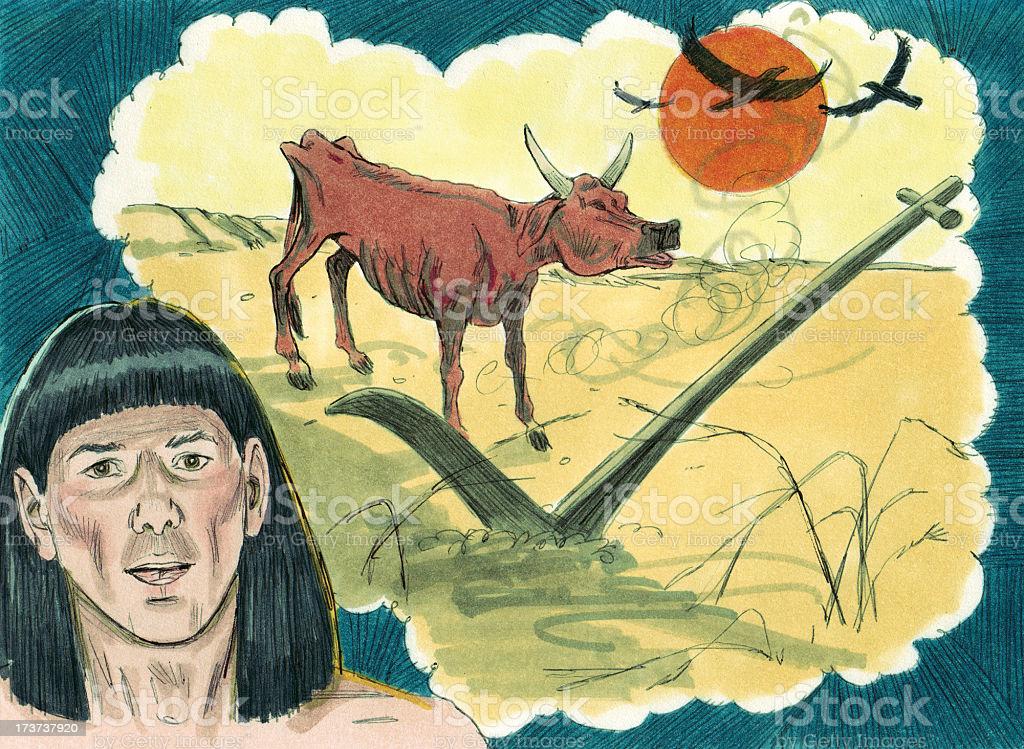
Introduction: Parshas Meiketz begins with the famous dream of Pharaoh. Despite Pharaoh having an impressive numbers individuals attempt to interpret his dream, none are successful, none other than Yosef. This begs the questions, why is Yosef able to succeed where so many others failed? How was Yosef able to interpret Pharaoh's dream? We don't see Yosef receive any messages from Hashem explaining the dream, so how does Yosef do it?
Instructions: The sources below will attempt to answer this question.
(ח) וַיְהִ֤י בַבֹּ֙קֶר֙ וַתִּפָּ֣עֶם רוּח֔וֹ וַיִּשְׁלַ֗ח וַיִּקְרָ֛א אֶת־כׇּל־חַרְטֻמֵּ֥י מִצְרַ֖יִם וְאֶת־כׇּל־חֲכָמֶ֑יהָ וַיְסַפֵּ֨ר פַּרְעֹ֤ה לָהֶם֙ אֶת־חֲלֹמ֔וֹ וְאֵין־פּוֹתֵ֥ר אוֹתָ֖ם לְפַרְעֹֽה׃ (ט) וַיְדַבֵּר֙ שַׂ֣ר הַמַּשְׁקִ֔ים אֶת־פַּרְעֹ֖ה לֵאמֹ֑ר אֶת־חֲטָאַ֕י אֲנִ֖י מַזְכִּ֥יר הַיּֽוֹם׃ (י) פַּרְעֹ֖ה קָצַ֣ף עַל־עֲבָדָ֑יו וַיִּתֵּ֨ן אֹתִ֜י בְּמִשְׁמַ֗ר בֵּ֚ית שַׂ֣ר הַטַּבָּחִ֔ים אֹתִ֕י וְאֵ֖ת שַׂ֥ר הָאֹפִֽים׃ (יא) וַנַּֽחַלְמָ֥ה חֲל֛וֹם בְּלַ֥יְלָה אֶחָ֖ד אֲנִ֣י וָה֑וּא אִ֛ישׁ כְּפִתְר֥וֹן חֲלֹמ֖וֹ חָלָֽמְנוּ׃ (יב) וְשָׁ֨ם אִתָּ֜נוּ נַ֣עַר עִבְרִ֗י עֶ֚בֶד לְשַׂ֣ר הַטַּבָּחִ֔ים וַ֨נְּסַפֶּר־ל֔וֹ וַיִּפְתׇּר־לָ֖נוּ אֶת־חֲלֹמֹתֵ֑ינוּ אִ֥ישׁ כַּחֲלֹמ֖וֹ פָּתָֽר׃ (יג) וַיְהִ֛י כַּאֲשֶׁ֥ר פָּֽתַר־לָ֖נוּ כֵּ֣ן הָיָ֑ה אֹתִ֛י הֵשִׁ֥יב עַל־כַּנִּ֖י וְאֹת֥וֹ תָלָֽה׃ (יד) וַיִּשְׁלַ֤ח פַּרְעֹה֙ וַיִּקְרָ֣א אֶת־יוֹסֵ֔ף וַיְרִיצֻ֖הוּ מִן־הַבּ֑וֹר וַיְגַלַּח֙ וַיְחַלֵּ֣ף שִׂמְלֹתָ֔יו וַיָּבֹ֖א אֶל־פַּרְעֹֽה׃ (טו) וַיֹּ֤אמֶר פַּרְעֹה֙ אֶל־יוֹסֵ֔ף חֲל֣וֹם חָלַ֔מְתִּי וּפֹתֵ֖ר אֵ֣ין אֹת֑וֹ וַאֲנִ֗י שָׁמַ֤עְתִּי עָלֶ֙יךָ֙ לֵאמֹ֔ר תִּשְׁמַ֥ע חֲל֖וֹם לִפְתֹּ֥ר אֹתֽוֹ׃ (טז) וַיַּ֨עַן יוֹסֵ֧ף אֶת־פַּרְעֹ֛ה לֵאמֹ֖ר בִּלְעָדָ֑י אֱלֹהִ֕ים יַעֲנֶ֖ה אֶת־שְׁל֥וֹם פַּרְעֹֽה׃ (יז) וַיְדַבֵּ֥ר פַּרְעֹ֖ה אֶל־יוֹסֵ֑ף בַּחֲלֹמִ֕י הִנְנִ֥י עֹמֵ֖ד עַל־שְׂפַ֥ת הַיְאֹֽר׃ (יח) וְהִנֵּ֣ה מִן־הַיְאֹ֗ר עֹלֹת֙ שֶׁ֣בַע פָּר֔וֹת בְּרִיא֥וֹת בָּשָׂ֖ר וִיפֹ֣ת תֹּ֑אַר וַתִּרְעֶ֖ינָה בָּאָֽחוּ׃ (יט) וְהִנֵּ֞ה שֶֽׁבַע־פָּר֤וֹת אֲחֵרוֹת֙ עֹל֣וֹת אַחֲרֵיהֶ֔ן דַּלּ֨וֹת וְרָע֥וֹת תֹּ֛אַר מְאֹ֖ד וְרַקּ֣וֹת בָּשָׂ֑ר לֹֽא־רָאִ֧יתִי כָהֵ֛נָּה בְּכׇל־אֶ֥רֶץ מִצְרַ֖יִם לָרֹֽעַ׃ (כ) וַתֹּאכַ֙לְנָה֙ הַפָּר֔וֹת הָרַקּ֖וֹת וְהָרָע֑וֹת אֵ֣ת שֶׁ֧בַע הַפָּר֛וֹת הָרִאשֹׁנ֖וֹת הַבְּרִיאֹֽת׃ (כא) וַתָּבֹ֣אנָה אֶל־קִרְבֶּ֗נָה וְלֹ֤א נוֹדַע֙ כִּי־בָ֣אוּ אֶל־קִרְבֶּ֔נָה וּמַרְאֵיהֶ֣ן רַ֔ע כַּאֲשֶׁ֖ר בַּתְּחִלָּ֑ה וָאִיקָֽץ׃ (כב) וָאֵ֖רֶא בַּחֲלֹמִ֑י וְהִנֵּ֣ה ׀ שֶׁ֣בַע שִׁבֳּלִ֗ים עֹלֹ֛ת בְּקָנֶ֥ה אֶחָ֖ד מְלֵאֹ֥ת וְטֹבֽוֹת׃ (כג) וְהִנֵּה֙ שֶׁ֣בַע שִׁבֳּלִ֔ים צְנֻמ֥וֹת דַּקּ֖וֹת שְׁדֻפ֣וֹת קָדִ֑ים צֹמְח֖וֹת אַחֲרֵיהֶֽם׃ (כד) וַתִּבְלַ֙עְןָ֙ הַשִּׁבֳּלִ֣ים הַדַּקֹּ֔ת אֵ֛ת שֶׁ֥בַע הַֽשִּׁבֳּלִ֖ים הַטֹּב֑וֹת וָֽאֹמַר֙ אֶל־הַֽחַרְטֻמִּ֔ים וְאֵ֥ין מַגִּ֖יד לִֽי׃ (כה) וַיֹּ֤אמֶר יוֹסֵף֙ אֶל־פַּרְעֹ֔ה חֲל֥וֹם פַּרְעֹ֖ה אֶחָ֣ד ה֑וּא אֵ֣ת אֲשֶׁ֧ר הָאֱלֹהִ֛ים עֹשֶׂ֖ה הִגִּ֥יד לְפַרְעֹֽה׃ (כו) שֶׁ֧בַע פָּרֹ֣ת הַטֹּבֹ֗ת שֶׁ֤בַע שָׁנִים֙ הֵ֔נָּה וְשֶׁ֤בַע הַֽשִּׁבֳּלִים֙ הַטֹּבֹ֔ת שֶׁ֥בַע שָׁנִ֖ים הֵ֑נָּה חֲל֖וֹם אֶחָ֥ד הֽוּא׃ (כז) וְשֶׁ֣בַע הַ֠פָּר֠וֹת הָֽרַקּ֨וֹת וְהָרָעֹ֜ת הָעֹלֹ֣ת אַחֲרֵיהֶ֗ן שֶׁ֤בַע שָׁנִים֙ הֵ֔נָּה וְשֶׁ֤בַע הַֽשִּׁבֳּלִים֙ הָרֵק֔וֹת שְׁדֻפ֖וֹת הַקָּדִ֑ים יִהְי֕וּ שֶׁ֖בַע שְׁנֵ֥י רָעָֽב׃ (כח) ה֣וּא הַדָּבָ֔ר אֲשֶׁ֥ר דִּבַּ֖רְתִּי אֶל־פַּרְעֹ֑ה אֲשֶׁ֧ר הָאֱלֹהִ֛ים עֹשֶׂ֖ה הֶרְאָ֥ה אֶת־פַּרְעֹֽה׃ (כט) הִנֵּ֛ה שֶׁ֥בַע שָׁנִ֖ים בָּא֑וֹת שָׂבָ֥ע גָּד֖וֹל בְּכׇל־אֶ֥רֶץ מִצְרָֽיִם׃ (ל) וְ֠קָ֠מוּ שֶׁ֜בַע שְׁנֵ֤י רָעָב֙ אַחֲרֵיהֶ֔ן וְנִשְׁכַּ֥ח כׇּל־הַשָּׂבָ֖ע בְּאֶ֣רֶץ מִצְרָ֑יִם וְכִלָּ֥ה הָרָעָ֖ב אֶת־הָאָֽרֶץ׃ (לא) וְלֹֽא־יִוָּדַ֤ע הַשָּׂבָע֙ בָּאָ֔רֶץ מִפְּנֵ֛י הָרָעָ֥ב הַה֖וּא אַחֲרֵי־כֵ֑ן כִּֽי־כָבֵ֥ד ה֖וּא מְאֹֽד׃ (לב) וְעַ֨ל הִשָּׁנ֧וֹת הַחֲל֛וֹם אֶל־פַּרְעֹ֖ה פַּעֲמָ֑יִם כִּֽי־נָכ֤וֹן הַדָּבָר֙ מֵעִ֣ם הָאֱלֹהִ֔ים וּמְמַהֵ֥ר הָאֱלֹהִ֖ים לַעֲשֹׂתֽוֹ׃
(8) Next morning, his spirit was agitated, and he sent for all the magicians of Egypt, and all its wise men; and Pharaoh told them his dreams, but none could interpret them for Pharaoh. (9) The chief cupbearer then spoke up and said to Pharaoh, “I must make mention today of my offenses. (10) Once Pharaoh was angry with his servants, and placed me in custody in the house of the chief steward, together with the chief baker. (11) We had dreams the same night, he and I, each of us a dream with a meaning of its own. (12) A Hebrew youth was there with us, a servant of the chief steward; and when we told him our dreams, he interpreted them for us, telling each of the meaning of his dream. (13) And as he interpreted for us, so it came to pass: I was restored to my post, and the other was impaled.” (14) Thereupon Pharaoh sent for Joseph, and he was rushed from the pit. He had his hair cut and changed his clothes, and he appeared before Pharaoh. (15) And Pharaoh said to Joseph, “I have had a dream, but no one can interpret it. Now I have heard it said of you that for you to hear a dream is to tell its meaning.” (16) Joseph answered Pharaoh, saying, “Not I! God will see to Pharaoh’s welfare.” (17) Then Pharaoh said to Joseph, “In my dream, I was standing on the bank of the Nile, (18) when out of the Nile came up seven sturdy and well-formed cows and grazed in the reed grass. (19) Presently there followed them seven other cows, scrawny, ill-formed, and emaciated—never had I seen their likes for ugliness in all the land of Egypt! (20) And the seven lean and ugly cows ate up the first seven cows, the sturdy ones; (21) but when they had consumed them, one could not tell that they had consumed them, for they looked just as bad as before. And I awoke. (22) In my other dream, I saw seven ears of grain, full and healthy, growing on a single stalk; (23) but right behind them sprouted seven ears, shriveled, thin, and scorched by the east wind. (24) And the thin ears swallowed the seven healthy ears. I have told my magicians, but none has an explanation for me.” (25) And Joseph said to Pharaoh, “Pharaoh’s dreams are one and the same: God has told Pharaoh what He is about to do. (26) The seven healthy cows are seven years, and the seven healthy ears are seven years; it is the same dream. (27) The seven lean and ugly cows that followed are seven years, as are also the seven empty ears scorched by the east wind; they are seven years of famine. (28) It is just as I have told Pharaoh: God has revealed to Pharaoh what He is about to do. (29) Immediately ahead are seven years of great abundance in all the land of Egypt. (30) After them will come seven years of famine, and all the abundance in the land of Egypt will be forgotten. As the land is ravaged by famine, (31) no trace of the abundance will be left in the land because of the famine thereafter, for it will be very severe. (32) As for Pharaoh having had the same dream twice, it means that the matter has been determined by God, and that God will soon carry it out.
Discussion Questions:
(1) What word is used to describe where Yosef was in prison? Where else in the Torah have we seen that word before in relation to Yosef?
(2) The Pasuk says "The cows grazed by the swamp". What Hebrew word is used that is translated as swamp? How else could that work be translated?
(3) What words are used to describe the look of the healthy cows? What words are used to describe the unhealthy cows? Where else have we seen these words before?
(4) Where have we seen a pair of 7 years (7 years followed by another 7 years)?
(5) Why are Pharaoh's magicians unable to understand the dream? What key piece of information are they missing?
The sources below will show us how Yosef is able to interpret the dream of Pharaoh.
(כג) וַֽיְהִ֕י כַּֽאֲשֶׁר־בָּ֥א יוֹסֵ֖ף אֶל־אֶחָ֑יו וַיַּפְשִׁ֤יטוּ אֶת־יוֹסֵף֙ אֶת־כֻּתׇּנְתּ֔וֹ אֶת־כְּתֹ֥נֶת הַפַּסִּ֖ים אֲשֶׁ֥ר עָלָֽיו׃ (כד) וַיִּ֨קָּחֻ֔הוּ וַיַּשְׁלִ֥כוּ אֹת֖וֹ הַבֹּ֑רָה וְהַבּ֣וֹר רֵ֔ק אֵ֥ין בּ֖וֹ מָֽיִם׃
(23) When Joseph came up to his brothers, they stripped Joseph of his tunic, the ornamented tunic that he was wearing, (24) and took him and cast him into the pit. The pit was empty; there was no water in it.
We see from the above source, Yosef was stripped of his clothing and thrown into a pit by his brothers. By the case of Pharaoh, Yosef is in the pit, removed, and given new clothing. The Pasukim in our Parsha seem to be describing a reversal of the sale of Yosef. These are connections that Yosef likely noticed. If we continue looking, the parallels between the stories get even stronger.
(טז) וּלְלָבָ֖ן שְׁתֵּ֣י בָנ֑וֹת שֵׁ֤ם הַגְּדֹלָה֙ לֵאָ֔ה וְשֵׁ֥ם הַקְּטַנָּ֖ה רָחֵֽל׃ (יז) וְעֵינֵ֥י לֵאָ֖ה רַכּ֑וֹת וְרָחֵל֙ הָֽיְתָ֔ה יְפַת־תֹּ֖אַר וִיפַ֥ת מַרְאֶֽה׃
(16) Now Laban had two daughters; the name of the older one was Leah, and the name of the younger was Rachel. (17) Leah had weak eyes; Rachel was shapely and beautiful.
Again, we see similarities in the description of the cows and the description of Rachel and Leah. Leah's eyes are described as "Rakos", which is the same word (spelled differently) used to describe the weak cows in Pharaoh's dream. The same words of beauty are used to describe the cows as those used to describe Rachel.
(יח) וַיֶּאֱהַ֥ב יַעֲקֹ֖ב אֶת־רָחֵ֑ל וַיֹּ֗אמֶר אֶֽעֱבׇדְךָ֙ שֶׁ֣בַע שָׁנִ֔ים בְּרָחֵ֥ל בִּתְּךָ֖ הַקְּטַנָּֽה׃ (יט) וַיֹּ֣אמֶר לָבָ֗ן ט֚וֹב תִּתִּ֣י אֹתָ֣הּ לָ֔ךְ מִתִּתִּ֥י אֹתָ֖הּ לְאִ֣ישׁ אַחֵ֑ר שְׁבָ֖ה עִמָּדִֽי׃ (כ) וַיַּעֲבֹ֧ד יַעֲקֹ֛ב בְּרָחֵ֖ל שֶׁ֣בַע שָׁנִ֑ים וַיִּהְי֤וּ בְעֵינָיו֙ כְּיָמִ֣ים אֲחָדִ֔ים בְּאַהֲבָת֖וֹ אֹתָֽהּ׃
(18) Jacob loved Rachel; so he answered, “I will serve you seven years for your younger daughter Rachel.” (19) Laban said, “Better that I give her to you than that I should give her to an outsider. Stay with me.” (20) So Jacob served seven years for Rachel and they seemed to him but a few days because of his love for her.
(כז) מַלֵּ֖א שְׁבֻ֣עַ זֹ֑את וְנִתְּנָ֨ה לְךָ֜ גַּם־אֶת־זֹ֗את בַּעֲבֹדָה֙ אֲשֶׁ֣ר תַּעֲבֹ֣ד עִמָּדִ֔י ע֖וֹד שֶֽׁבַע־שָׁנִ֥ים אֲחֵרֽוֹת׃ (כח) וַיַּ֤עַשׂ יַעֲקֹב֙ כֵּ֔ן וַיְמַלֵּ֖א שְׁבֻ֣עַ זֹ֑את וַיִּתֶּן־ל֛וֹ אֶת־רָחֵ֥ל בִּתּ֖וֹ ל֥וֹ לְאִשָּֽׁה׃ (כט) וַיִּתֵּ֤ן לָבָן֙ לְרָחֵ֣ל בִּתּ֔וֹ אֶת־בִּלְהָ֖ה שִׁפְחָת֑וֹ לָ֖הּ לְשִׁפְחָֽה׃ (ל) וַיָּבֹא֙ גַּ֣ם אֶל־רָחֵ֔ל וַיֶּאֱהַ֥ב גַּֽם־אֶת־רָחֵ֖ל מִלֵּאָ֑ה וַיַּעֲבֹ֣ד עִמּ֔וֹ ע֖וֹד שֶֽׁבַע־שָׁנִ֥ים אֲחֵרֽוֹת׃
(27) Wait until the bridal week of this one is over and we will give you that one too, provided you serve me another seven years.” (28) Jacob did so; he waited out the bridal week of the one, and then he gave him his daughter Rachel as wife.— (29) Laban had given his maidservant Bilhah to his daughter Rachel as her maid.— (30) And Jacob cohabited with Rachel also; indeed, he loved Rachel more than Leah. And he served him another seven years.
Once again we see a parallel between Yosef's life and the dream of Pharaoh. Just like in Yosef's life, 7 refers to 7 years, so too it must be that the 7 is Pharaoh's dream must be referring to years. It is through this that Yosef is able to figure out the meaning of Pharaoh's dream. Yosef can see Hashem speaking to him, not through direct prophecy, but through hints and signs. Even without prophecy, it is still possible for Hashem to speak to us!
Conclusion: We see from the story of Pharaoh's dream and Yosef's ability to interpret them, that Hashem was speaking to Yosef in hints and signs. While Hashem did not speak to Yosef directly, it He was still sending Yosef messages.
We are currently celebrating the holiday of Chanukah. The miracle of Chanukah occured in a time without prophecy, where Hashem could only speak to us in hints and signs. Similar to the story of Yosef, how do we see Hashem communicating with us in the Chanukah story? More broadly, in what ways do we think Hashem speaks to us and sends us messages?