


(י) לֹֽא־יִמָּצֵ֣א בְךָ֔ מַעֲבִ֥יר בְּנֽוֹ־וּבִתּ֖וֹ בָּאֵ֑שׁ קֹסֵ֣ם קְסָמִ֔ים מְעוֹנֵ֥ן וּמְנַחֵ֖שׁ וּמְכַשֵּֽׁף׃ (יא) וְחֹבֵ֖ר חָ֑בֶר וְשֹׁאֵ֥ל אוֹב֙ וְיִדְּעֹנִ֔י וְדֹרֵ֖שׁ אֶל־הַמֵּתִֽים׃ (יב) כִּֽי־תוֹעֲבַ֥ת יקוק כׇּל־עֹ֣שֵׂה אֵ֑לֶּה וּבִגְלַל֙ הַתּוֹעֵבֹ֣ת הָאֵ֔לֶּה יקוק אֱלֹקֶ֔יךָ מוֹרִ֥ישׁ אוֹתָ֖ם מִפָּנֶֽיךָ׃ (יג) תָּמִ֣ים תִּֽהְיֶ֔ה עִ֖ם יקוק אֱלֹקֶֽיךָ׃
(10) Let no one be found among you who consigns his son or daughter to the fire, or who is an augur, a soothsayer, a diviner, a sorcerer, (11) one who casts spells, or one who consults ghosts or familiar spirits, or one who inquires of the dead. (12) For anyone who does such things is abhorrent to the LORD, and it is because of these abhorrent things that the LORD your God is dispossessing them before you. (13) You must be wholehearted with the LORD your God.
(יא) וַיִּקְרָא֙ גַּם־פַּרְעֹ֔ה לַֽחֲכָמִ֖ים וְלַֽמְכַשְּׁפִ֑ים וַיַּֽעֲשׂ֨וּ גַם־הֵ֜ם חַרְטֻמֵּ֥י מִצְרַ֛יִם בְּלַהֲטֵיהֶ֖ם כֵּֽן׃
(11) Then Pharaoh, for his part, summoned the wise men and the sorcerers; and the Egyptian magicians, in turn, did the same with their spells;
(יז) מְכַשֵּׁפָ֖ה לֹ֥א תְחַיֶּֽה׃
(17) You shall not tolerate a sorceress.
According to many linguists, although some only trace this word to the Greek magikē, it may indeed come from an Aramaic term, magash, found in Chazal!
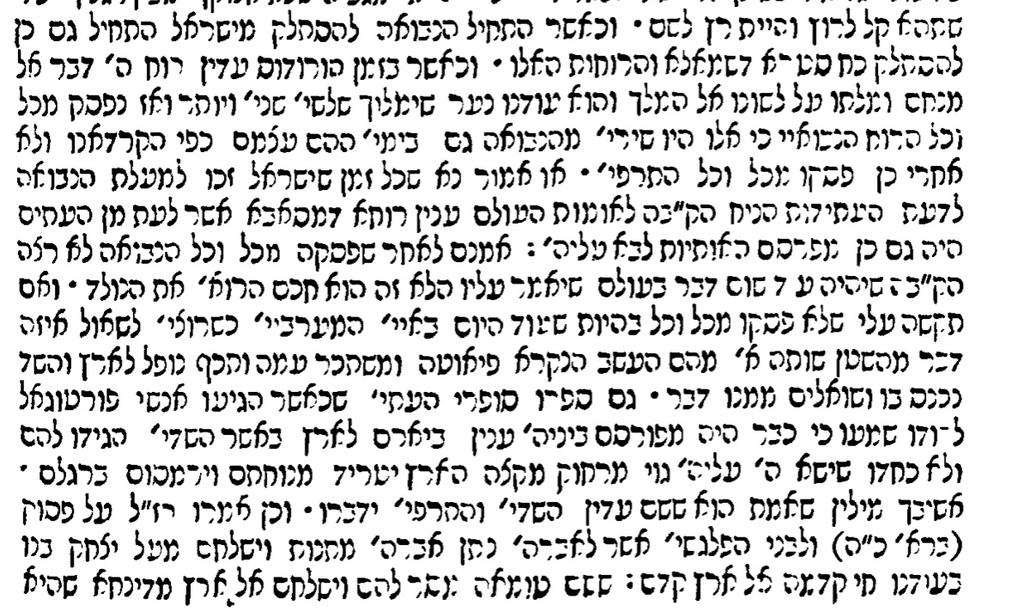
....אִתְּמַר קָרָא וְשָׁנָה וְלֹא שִׁימֵּשׁ תַּלְמִידֵי חֲכָמִים רַבִּי אֶלְעָזָר אוֹמֵר הֲרֵי זֶה עַם הָאָרֶץ רַבִּי שְׁמוּאֵל בַּר נַחְמָנִי אָמַר הֲרֵי זֶה בּוּר רַבִּי יַנַּאי אוֹמֵר הֲרֵי זֶה כּוּתִי רַב אַחָא בַּר יַעֲקֹב אוֹמֵר הֲרֵי זֶה מָגוֹשׁ (magician) אָמַר רַב נַחְמָן בַּר יִצְחָק מִסְתַּבְּרָא כְּרַב אַחָא בַּר יַעֲקֹב דְּאָמְרִי אִינָשֵׁי רָטֵין מָגוֹשָׁא וְלָא יָדַע מַאי אָמַר תָּנֵי תַּנָּא וְלָא יָדַע מַאי אָמַר
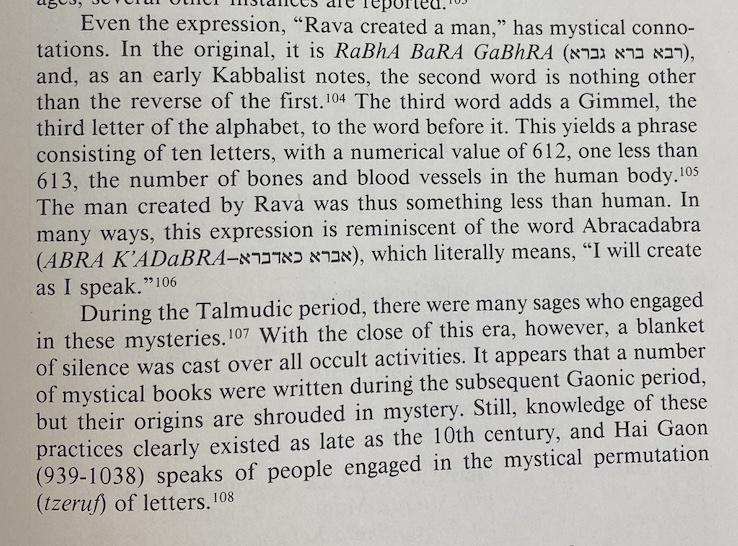
The following is from Rav Aryeh Kaplan's translation of Sefer Yetzira, in his introduction, p. xxi.
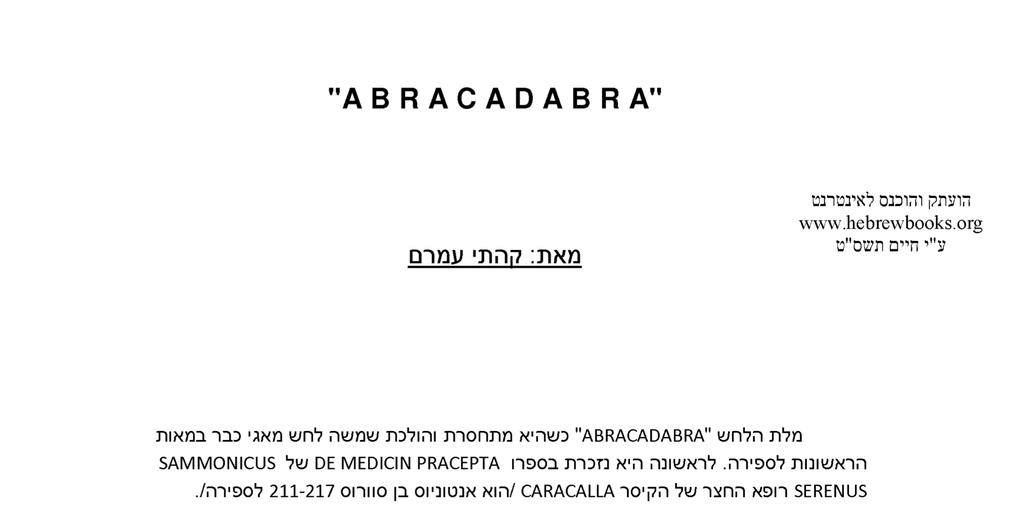
The following is an entire Sefer just on this one word!
(Talmud Yerushalmi Hagigah 2:2 77d)
None were allowed to sit in the Sanhedrin unless they had knowledge of magic.
(Sanhedrin, 68a)
Rav said to R. Hiyya: 'I myself saw an Arabian traveler take a sword and cut up a camel; then he rang a bell, at which the camelarose.' He replied, 'After that, was there any blood or dung? But that was merely an illusion.'... Ze'iri happened to go to Alexandria in Egypt and bought an ass. When he was about to water it, it dissolved, and there stood before him a landing board...
(Sanhedrin 67b)
Jannai came to an inn. He said to them, ‘Give me a drink of water,' and they offered him shattitha. Seeing the lips of the woman [who brought him this] moving, he [covertly] spilled a little thereof, which turned to snakes. Then he said, 'As I have drunk of yours, now do you come and drink of mine.' So he gave her to drink, and she was turned into an ass.
(ibid)
Acupuncture: Jewish Connections and Halachic Ramifications By Gabriella Englander
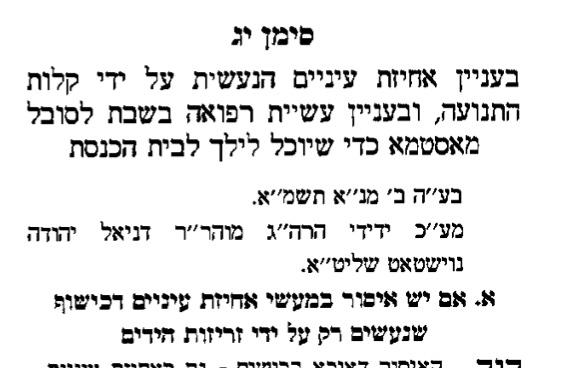
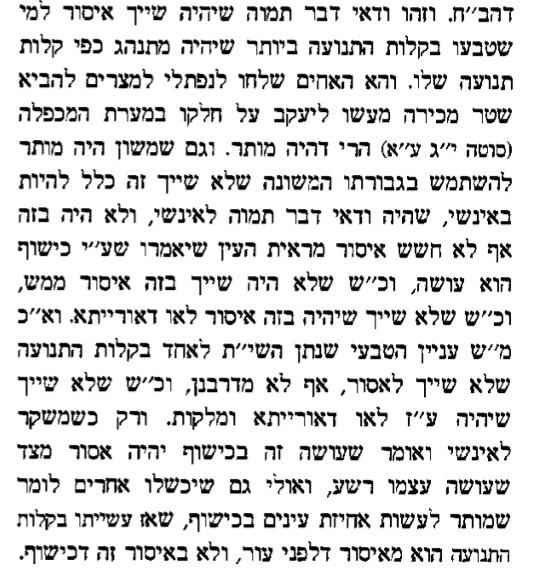
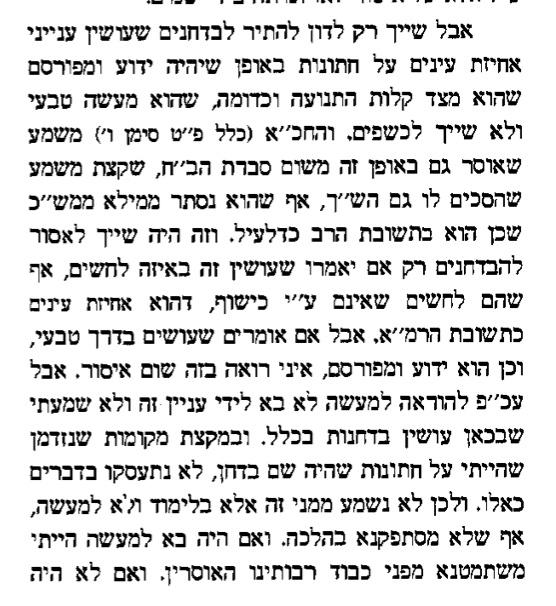
....The second halachic issue concerning acupuncture is the prohibition of sorcery (kishuf)... Rabbi Rephoel Szmerla wrote, based on the aforementioned commentaries that “an act that seems to violate the laws of nature but is not achieved through such rituals [those mentioned by Rivash] does not constitute kishuf” [6]. Since acupuncture contains none of these practices, it seems to be a form of natural therapy and not sorcery...
Nishmas Chaim from Rav Menashe ben Yisroel -Maamer 3 in part 17:
ח) אֵיזֶהוּ מְעוֹנֵן אֵלּוּ נוֹתְנֵי עִתִּים שֶׁאוֹמְרִים בְּאִצְטַגְנִינוּת יוֹם פְּלוֹנִי טוֹב יוֹם פְּלוֹנִי רַע יוֹם פְּלוֹנִי רָאוּי לַעֲשׂוֹת בּוֹ מְלָאכָה פְּלוֹנִית שָׁנָה פְּלוֹנִית אוֹ חֹדֶשׁ פְּלוֹנִי רַע לְדָבָר פְּלוֹנִי:
...הֲרֵי זֶה לוֹקֶה שֶׁנֶּאֱמַר (ויקרא יט כו) "לֹא תְעוֹנֵנוּ". וְכֵן הָאוֹחֵז אֶת הָעֵינַיִם וּמְדַמֶּה בִּפְנֵי הָרוֹאִים שֶׁעוֹשֶׂה מַעֲשֵׂה תִּמָּהוֹן וְהוּא לֹא עָשָׂה הֲרֵי זֶה בִּכְלַל מְעוֹנֵן וְלוֹקֶה:
(י) אֵיזֶהוּ חוֹבֵר ...
(יב) הַלּוֹחֵשׁ עַל הַמַּכָּה וְקוֹרֵא פָּסוּק מִן הַתּוֹרָה. וְכֵן הַקּוֹרֵא עַל הַתִּינוֹק שֶׁלֹּא יִבָּעֵת וְהַמַּנִּיחַ סֵפֶר תּוֹרָה אוֹ תְּפִלִּין עַל הַקָּטָן בִּשְׁבִיל שֶׁיִּישַׁן. לֹא דַּי לָהֶם שֶׁהֵם בִּכְלַל מְנַחֲשִׁים וְחוֹבְרִים אֶלָּא שֶׁהֵן בִּכְלַל הַכּוֹפְרִים בַּתּוֹרָה שֶׁהֵן עוֹשִׂין דִּבְרֵי תּוֹרָה רְפוּאַת גּוּף וְאֵינָן אֶלָּא רְפוּאַת נְפָשׁוֹת שֶׁנֶּאֱמַר (משלי ג כב) "וְיִהְיוּ חַיִּים לְנַפְשֶׁךָ". אֲבָל הַבָּרִיא שֶׁקָּרָא פְּסוּקִין וּמִזְמוֹר מִתְּהִלִּים כְּדֵי שֶׁתָּגֵן עָלָיו זְכוּת קְרִיאָתָן וְיִנָּצֵל מִצָּרוֹת וּמִנְּזָקִים הֲרֵי זֶה מֻתָּר:
(יג) אֵיזֶהוּ דּוֹרֵשׁ אֶל הַמֵּתִים...
(יד) אָסוּר לִשְׁאל בַּעַל אוֹב אוֹ בַּעַל יִדְּעֹנִי שֶׁנֶּאֱמַר (דברים יח י) "לֹא יִמָּצֵא בְךָ מַעֲבִיר" וְגוֹ' (דברים יח יא) "וְשֹׁאֵל אוֹב וְיִדְּעֹנִי". ...
(טו) הַמְכַשֵּׁף חַיָּב סְקִילָה וְהוּא שֶׁעָשָׂה מַעֲשֵׂה כְּשָׁפִים. אֲבָל הָאוֹחֵז אֶת הָעֵינַיִם וְהוּא שֶׁיֵּרָאֶה שֶׁעָשָׂה וְהוּא לֹא עָשָׂה לוֹקֶה מַכַּת מַרְדּוּת...
(טז) וּדְבָרִים הָאֵלּוּ כֻּלָּן דִּבְרֵי שֶׁקֶר וְכָזָב הֵן וְהֵם שֶׁהִטְעוּ בָּהֶן עוֹבְדֵי כּוֹכָבִים הַקַּדְמוֹנִים לְגוֹיֵי הָאֲרָצוֹת כְּדֵי שֶׁיִּנְהֲגוּ אַחֲרֵיהֶן. וְאֵין רָאוּי לְיִשְׂרָאֵל שֶׁהֵם חֲכָמִים מְחֻכָּמִים לְהִמָּשֵׁךְ בַּהֲבָלִים אֵלּוּ וְלֹא לְהַעֲלוֹת עַל לֵב שֶׁיֵּשׁ תּוֹעֶלֶת בָּהֶן... כָּל הַמַּאֲמִין בִּדְבָרִים הָאֵלּוּ וְכַיּוֹצֵא בָּהֶן וּמְחַשֵּׁב בְּלִבּוֹ שֶׁהֵן אֱמֶת וּדְבַר חָכְמָה אֲבָל הַתּוֹרָה אֲסָרָתַן ... בַּעֲלֵי הַחָכְמָה וּתְמִימֵי הַדַּעַת יֵדְעוּ בִּרְאָיוֹת בְּרוּרוֹת שֶׁכָּל אֵלּוּ הַדְּבָרִים שֶׁאָסְרָה תּוֹרָה אֵינָם דִּבְרֵי חָכְמָה אֶלָּא תֹּהוּ וְהֶבֶל שֶׁנִּמְשְׁכוּ בָּהֶן חַסְרֵי הַדַּעַת וְנָטְשׁוּ כָּל דַּרְכֵי הָאֱמֶת בִּגְלָלָן. וּמִפְּנֵי זֶה אָמְרָה תּוֹרָה כְּשֶׁהִזְהִירָה עַל כָּל אֵלּוּ הַהֲבָלִים (דברים יח יג) "תָּמִים תִּהְיֶה עִם יקוק אֱלֹקֶיךָ":
(ד) עוד אמרו חז"ל איזהו מעונן זה האוחז את העינים והוא מין מן התחבולה מחובר אליו קלות התנועה ביד עד שתדמה לאנשים שיעשה ענינים אין אמיתתו בהם כמו שנראה אותם יעשו תמיד יקחו חבל וישימו אותה בכנף בגדיהם ויוציאו נחש וישליך טבעת לאויר ואח"כ יוציאו מפי אדם א' העומד לפניו והעושה זה לוקה (רמב"ם במנין המצות סי' ל"ב) ומזה תראה שאותן הבדחנים שעושין כדברים אלו על החתונות ונקראין טאשין שפילער עוברים בלאו דאורייתא והמצוה לעשותן עובר משום לפני עור ולכן מי שבידו למחות צריך למחות וכ"ש שאסור להסתכל ולראותם אבל אם הוא נכרי שעושה נ"ל דמותר לראות:
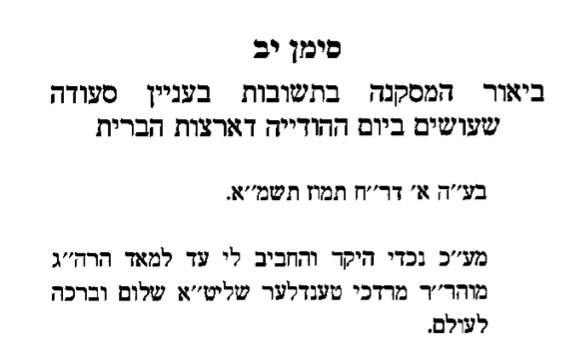
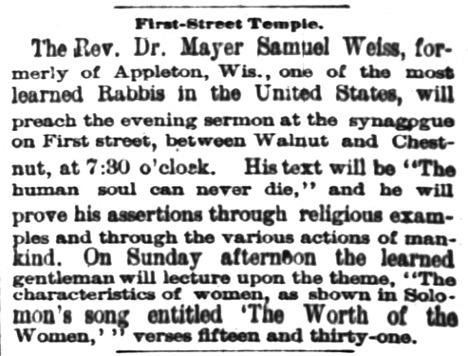
Friday, March 23, 1883, edition of The Courier-Journal. Aside for describing his upcoming class on Eishes Chayil, note how it also inconceivably asserts Dr. Weiss as being “one of the most learned Rabbis in the United States”
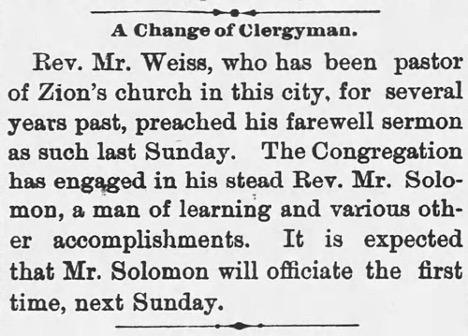
The Appleton Post from Thursday, August 10
FROM THIS AUTHOR -THREE COLUMNS ON HOUDINI:
Shul Chronicles 568
Houdini’s Rabbi and the First ‘Shul Chronicles’
Having recently constructed new book shelves, my sefarim, yarchonim (Torah journals), notes etc. were scattered for some time around my house and various offices.
Recently I took the time to gather them together to place on my new shelves. In that process, I came across sefarim I thought were long lost as well as old shiurim handout sheets. I also rediscovered English books I had forgotten that I owned.
One of these was a book published in 1948. It was purchased from the Cornell University Library by an unknown person. How I became its owner I do not remember, but I likely held onto it for a future Summer History Series column. At the rate our summer series is going, we will be up to the rabbanim of late 19th/early 20th century New York in some time, iy”H, so I wish to share a bit from this treasure now.
The title of this tome is ‘The Unfailing Light’, and it is one of only a handful of such volumes. That it is an autobiography is not what makes it unique, rather what does is that it one written by a rav about his life in rabbanus.
Rabbi Bernard (Dov Ber) Drachman was one of the first American Orthodox rabbis to both be born a in America. Born in 1861, he was raised in Jersey City. It was a disappointment to many of his reform teachers and their leaders when this smart and energetic young man returned from studying in Europe with a semicha and declaring himself Orthodox.
He would later go on to become the president of the Orthodox Union - which he actually assisted in forming, with the direct purpose of slowing the tide of Reform -he was a supporter of Rav Yaakov Yosef, and even translated some of Rav Hirsch’s works, specificly parts of ‘The Nineteen Letters’ (this was stunning, as some of Rabbi Drachman’s own ‘Orthodox’ teachers were named by Rav Hirsch as dangerous to our mesorah). He would even become a finalist to serve as the Chief Rabbi of Great Britain, losing in 1913 to Rav Yosef Tzvi Hertz (d. 1946; today best known for his translated-to-English ‘Hertz Chumash’).
Over Sukkos, I wrote a feature on the history of mechitzah in America -where the first synagogue without one first occurred. There we recounted, briefly, Rav Eliezer Silver’s famous testimony in the case of the Cleveland Jewish Center. He asserted the central role of halacha in general and mechitzah in particular. But he was not the lone voice.
The JTA reported at the time (November 4th, 1927) “…So far the testimony of Dr. B. Drachman, Rabbi Leo Jung, Rabbi M. S. Margolies, Rabbi Eliezar Silver of Springfield, Rabbi J. L. Selzer of the Union of Orthodox Rabbis, Rabbi Herbert S. Goldstein of the Union of Orthodox Congregations and Mr. Gedaliah Bublick, editor of the Orthodox “Jewish Daily News” has been taken. The witnesses are asked to answer to 33 questions which pertain to the charges brought by the Orthodox committee against Rabbi Goldman. Among the charges are that Rabbi Goldman had denied the Sinaitic origin of the Torah and the Decalogue, that he had permitted men and women to sit together in the synagogue…”
What I did not know at the time of that writing is that this was not the first time Rabbi Drachman fought such a Torah battle. After serving Oheb Shalom of Newark for two years, in the spring of 1887 Rabbi Drachman was hired by Congregation Beth Israel Bikkur Cholim to serve as their rav. Rabbi Drachman was engaged to be married, and very much needed this parnasah. But soon the winds of change swayed the fragile among his flock, and those susceptible to cultural swings soon demanded that their shul too shall demean the mechitzahto a religious artifact. Although he fought against it, ultimately it was up for a vote which mechitzah did not win (p 200).
Now married, and with a family he would need to support, what was he to do? The first Shabbos after the vote he arrived in shul as if nothing happened. Likely the congregants believed that, like them, he too quickly adapted to change thereby compromising his morals.
After leining, when the Torah was put away, it was time for the rav to speak. Many articles recount what happened next with simplicity, but his autobiography demonstrates how he had to still defeat the yetzer hara in his ear. He wondered to himself not if he should acquiesce but rather if he should choose a less dramatic venue and method to be mocheh (protest).
“Perhaps I should switch to an innocuous sermon” he thought to himself (p. 202). In the end, he gave his planned remarks. He was also helped by the fact his father-in-law, Mr. Weil, stopped by his home before davening to express his pride in what his new son-in-law was about to do.
And so, to the shock of the audience this typically soft-spoken man saw his voice steadily rise in passion as he discussed halacha, mesorah and the future of the children in the attendance. “I spoke with a fire and force quite unusual for me…but my feelings on the subject were so deeply stirred that once I began to speak I put my whole sould into my words”.
He concluded his drasha with the following words, “Since they had acted in direct opposition to Biblical passages and Talmudic dicta…I no longer consider[ed] the rabbinical post at this congregation worthy one, and that, with the conclusion of the present service, I would cease to be their spiritual leader”.
Perhaps the greatest surprise in reading him tell the story of his life is that he almost became an essential part to my background and that of both of my parents. In 1925 Rabbi Drachman was invited to become the rav of Toronto. Although tempted by the offer, he did not accept this position because his wife had just died (p.393). Toronto already had a great gaon -Rav Graubart-but perhaps the need for a new rav came when the Rav Graubart announced his departure for St. Loise (he would soon after return to his position in Toronto). Rav Graubart’s life and geonis will have to wait for another article (see HaPardes, November 1937 p.5ff for an article about his life).
There is so much more discuss about Rabbi Drachman’s life – including working with Rav Hillel Klein to found the Vaad L’mishmeres Shabbos (Rabbi Klein was married to the granddaughter of Rav Hirsh) and his being the rabbi of one of the most famous Americans of his day…Houdini!
Indeed, it is this last point that I want to focus on, as it relates to a serious shailah I just received. We will iy’H discuss what that current issue is next week.
Shul Chronicles 569
Houdini’s Rabbi & Rosenblatt’s’ Voice
- More on the life of Early New York’s Rabbi Drachman -
Born in New Jersey in 1861, he would go on to become one of, if the not the first American born and serving rav. I had found an old book in a box in my basement titled ‘The Unfailing Light’, which was Rabbi Brachman’s own autobiography.
Rabbi Drachman dedicates a chapter describing the sad state of affairs when it came to the observance of Shabbos, along with his efforts to repair it. He opens this chapter by expressing his surprise that here in America when we were finally granted a constitutional right that protects religious liberty in galus is also when so many turned away from yiddeshkeit. Of course, this is an old conundrum.
While he writes with great passion in defense of Shabbos, he also describes with delicate sensitivity the non-observant and the challenges they faced that may have led to this unholy breach.
Together with his brother, Gustave, Rabbi Drachman worked with politicians to change New York’s laws so that the shomrei Shabbos would be better fiscally protected. He also helped found an organization helping to educate Jewish Americans about the vitality of shemiras Shabbos. He was very successful in both of these endeavors.
Humbly, he does not mention in his book that he was elected the president of this early American vaad l’shmiras Shabbos organization, and it was left to the editors to add this fact in a footnote (p. 229). When I saw this, I was reminded of the great quote often attributed to Sir Winston Churchill that should inspire all those involved in tzarchei tzibbur b’emunah –“It is amazing what can be accomplished if one does not care who gets the credit”.
A more humorous portion of his story is his recounting of his and other early rabbanim’s relationship with chazanim. One of the chazanim tenured at Ohab Zedek was none other than the famed Yoselle Rosenblatt. The senior rav at the time was Rabbi Phillip Klein, grandson in-law of Rav Hirsch. Rabbi Klein and Rabbi Drachman worked well together, so when the shul requested an English speaking rav to work together with Rabbi Klein, Rabbi Drachman was the obvios choice (p.278). Rabbi Drachman would switch off each Shabbos between his main shuk -Zichron Ephraim -and Ohab Zedek each week. In any event, the latter had a rotation of chazanim, no one of which impressed Rabbi Drachman. Although an appreciator of music, he would describe some chazanim by their “sometimes joyous, sometimes pathetic rendition of the prayers”. Yet, because many of these members did not have a sophisticated understating of yiddishkeit, often chazanus was their only way to feel close to Hashem. IN fact, Rabbi Drachman reports that when Rabbi Klein would give his Shabbos Hagadol derasha -which was chock-full of lomdus and erudition – “…to the ordinary layman [in attendance] they were absolutely unintelligible”. He goes on to explain that therefore “To have a chazzan for Shabbos was the highest delight of the old-time Jew…Listening to those melodious outpourings, he forgot all about the hard realities of the unkind present and felt himself transplanted to a holy realm, in the company of the saints and sages of Israel’s past”.
As for Rosenblatt, Rabbi Drachman records that the annual income to the shul that this one chazan would bring in annually was $25,000, which corrected for inflation would equal about a quarter of a million dollars each year for the shul!
However, as anyone familiar with rabbanus is aware, rabbis and chazanim were often like oil and water. After recounting the large funds that just Yoselle Rosenblatt brought in to the shul, he immediately then writes, “In the matter of chazanus I did not see eye to eye with my congregants”. Before explaining his reasoning, he first wants the reader to be aware that he too loves music. He spends significant space recounting yiddeshkeit’s important connection to music. He then goes on to explain how too often the chazan’s role in the shul becomes exaggerated. Davening loses its religious function and becomes more of a concert. While he admits, “Even in the case of Joseph Rosenblatt, who was a sincerely devout Jew and strictly observant in the Law -which not all chazzanim are -his repute was not due to his [very real] conscientious piety and religious loyalty, but purely his musical ability.
Rabbi Drachman’s concern was specific for his time, when people would only come to shul for the concert, rarely daven themselves, and most certainly did not stay for the derasha.
He goes on to express his frustration in the constant repeating of words that some chazanim utilize. He recounts, “On a certain Shabbos, a chazzan -not Joseph Rosenblatt -was conducting the service.” It was rosh chodesh, and they were saying a piyyut that referenced the idea that we can’t bring the day’s korbonos because Titus destroyed the beis hamikdosh. When the chazan got to the words of that rasha “…he repeated them no less than eight times, each time in a different tone of lamentation and threnody”.
When after a davening a member asked the rav how he enjoyed the chazan, he replied, “He is worse than Titus!” “How can you say that” asked the befuddled congregant?” “Very simple” replied Rabbi Drachman, “Titus harasha destroyed Jerusalem but he did it only once, but this chazan destroyed the Holy City and the Temple eight times!”
Perhaps the most fascinating element of this autobiography is his description of his deep relationship with arguably the most person on earth at that time -Harry Houdini. It is hard today to understand just how celebrated this man was across the globe.
Ironically, or perhaps by design, there is a lot of mystery surrounding Houdini’s background. While we know his real last name was Weiss, there is some debate if his father was trully a rav. In addition, many say his first name was just simply Eric/Erich. According to Rabbi Drachman, his father was a rav, and his Houdini’s real Jewish first name was Yaakov (p. 337). Rabbi Drachman even shares how Houdini and his tw siblings went to Rabbi Drachman’s shul’s cheder,which was held inside Congregation Zichron Ephraim!
The Jewish life of Houdini, his relationship with his rav, as well as some more on Rabbi Drachman will all be discussed next week when we conclude the story of his life and rabbanus.
Shul Chronicles 570
Houdini’s Hesped
Rabbi Drachman, Sir Arthur Conan Doyle…and the Rambam?!
Why would Sir Arthur Conan Doyle -famed creator of Sherlock Holmes– quote a hesped from a rav, and do so with the express purpose of the world reading it?
The above question is intriguing, based on real history, and one of the oddest sentences I’ve ever put to paper.
For the last couple of weeks, we have been discussing the life of Rabbi Bernard (Dov Ber) Drachman, the first American-born Orthodox rabbi.
We ended last week with a section from his published (1948) autobiography, where he makes mention of his close relationship with Harry Houdini, who was, arguably, at one time the most famous man on earth. We discovered that Houdini’s first name was Yaakov -and not simply Eric(h), as all historians believe, and how as a young child, he and his brother and sister attended the Hebrew School housed in Rabbi Drachman’s shul. We will now pick up from there.
Houdini’s father is described by Rabbi Drachman as a rabbi, although refers to him as ‘Dr.’. I have indeed heard this fact before, and often repeated, “Did you know that Houdini was not just Jewish, but that his father was a rav?!” ‘Rav’ may be a strong term. Meir Samuel Weiss was a part of a lesser-known movement in Budapest called ‘Neolog’, a close cousin to modern-day conservative Judaism, although even this is a broad-brush description. An older woman in my shul who grew up in pre-war Hungary remembered her father not allowing her to step foot in those shuls. The full story of the Neolog’s, and how even Hungary’s Ksav Sofer once tried to approach them, will have to wait for another time, perhaps. Regardless, Rabbi M. S. Weiss was certainly learned.
Houdini’s greatest escape may have been at the age of three, when his father fled the poverty suffered in Hungary. R. Weiss would soon become the first rabbi in Appleton, Wisconsin. Sadly, he was let go after a just a few years.
Penniless and without skills, the Weiss’s would find themselves in New York where both father and son Eric(h) would support the family through working at the R. Richter and Sons tie factory.
It was at around this time when Rabbi Drachman began to study with and oversee a young Yaakov/Eric(h)’s, initially preparing him for his bar mitzvah.
Although Houdini would soon, R’l, leave yiddeshkeit, he retained his relationship with Rabbi Drachman, even during the peak of his fame. Rabbi Drachman would have Houdini to his home for seudos and sought to keep Houdini connected to the shul of his youth as much as possible.
Rabbi Drachman shares an amazing story of how his shul wished to raise funds so as to pay off their mortgage. He called Houdini when he had already “become a world-renowned and wealthy man”. After meeting with Houdini, he agreed to donate five-hundred dollars -which would be the equivalent of about fifteen-thousand dollars today. But Houdini had one condition (the following quote is taken directly from the book):
“I will gladly assist your synagogue. I will give five-hundred dollars toward your fund. But I want you to do me a favor too”. Rabbi Drachman wondered what the request may be for. Houdini continued, “You remember that set of Maimonides [the Rambam’s Yad Hachazaka] you bought of [from] my father? I would like to keep it in his memory”.
Within twenty-four hours of return the set of Rambam, the shul had the check from Houdini. Rabbi Drachman then records, “I considered it an extraordinary act of filial devotion on the part of Harry Houdini that, although his Hebrew attainments were extremely weak, and could not [himself] read the code of Maimonides, he desired to keep it out of respect for his father” (p, 338-339).
Later in his book, Rabbi Drachman discusses the death of Houdini and he being the rabbi who ran the levaya (p. 417). This recounting brings us back to how we opened this column, as it is here that Rabbi Drachman mentions how Doyle used his hesped in one of his books.
To get the basic background, Houdini spent his life disputing the occult, and explaining that all magic is but trickery and sleight-of-hand. In this, his view, lahavdil, matched the words of the Rambam who states that such matters are “emptiness and vanity which attracted the feebleminded” (yad, avodah zara 11:16; cf. Biur Hagra to siman 179 s.v. af al pi)).
In this point in history, the world was obsessed with the accult and black magic, ad it was Houdini who almost single handedly taught the world that these were all fakers, actors and charlatans. He thereby changed how the world approached magic shows, and while many poskim still forbid them, some poskim were far more lenient, now that world became aware that this is simply a human skill that can be practiced and learned by anyone (Rav Moshe, Chazon Ish, Klausenberger rebbe, etc.; next week many sources will be shared).
But not everyone was ready to let go of their ‘beliefs’. Many even believed that Houdini himself -although trying to disprove sorcery -was himself a sorcerer, and his outward cynicism was but a red-herring, a ruse, so that no one would catch on.
One of these true believers was Sir Arthur Conan Doyle who, while writing about great detectives was a horrible one himself. After the death of Houdini, he published a bestselling book, a collection of essays, titled ‘The Edge of the Unknown’.
There he writes, “At that burial [of Houdini] some curious and suggestive words were used by the presiding rabbi, Barnard Drachman. He said: ‘Houdini possessed a wondrous power that he never understood, and which he never revealed to anyone in life.’ Such an expression coming at so solemn a moment from one who may have been in a special position to know must show that my speculations are not extravagant or fantastic when I deal with the real source of those powers. The rabbi's speech is to be taken with Houdini's own remark, when he said: ‘There are some of my feats which my own wife does not know the secret of.’…”
Rabbi Drachman was aghast that his hesped was used by some as proof that their unsophisticated worldview was correct. He explains that he meant those words in “their narrowest and simplest sense”. Simply, that Houdini was talented, and had the ability to capture attention, etc.
But the story doesn’t end there. As we will see next week, Houdini, his relationship with Rabbi Drachman, and the returned Rambam has an impact on psak halacha till today.
Shul Chronicles 574
Abracadabra!
The Concluding Chapter of Houdini and Rabbi Drachman
Now, where were we?
Before Ami’s two wonderful Chanukah issues, we were in the midst of sharing the events surrounding the fascinating rabbinical life of Rabbi Bernard Drachman, the first American-born rav, and one of the founders of the Orthodox Union. We also spoke of his unique relationship with Houdini, who had grown up going to the Hebrew School in the very shul Rabbi Drachman would go on to serve as rav.
We will conclude his life this week where we will also touch upon a shailah with which every rav has had to deal -especially if their shul has a special youth department, a pirchei, etc.
One of Houdini’s life missions was to prove that magicians have no special powers. He travelled the word seeking to disprove the acts of psychics, shamans and other artists of the ‘occult’. The reader should note that until this undertaking, most audiences earnestly believed that magicians had special powers. The magicians themselves not only did nothing to dispel this thinking but would advertise as being the real deal! (See the book ‘Learned Pigs’ by R. Jay where he describes how these acts were presented and were viewed by audiences throughout history).
Therefore, not wishing to admit being bamboozled, many attacked Houdini’s mission. We even made mention how Sir Author Conan Doyle sought to use Rav Drachman’s hesped for Houdini to prove that even Houdini’s rav was aware of his ‘secret powers’.
But there was one story that is steeped in irony, that will then lead us to our shailah -Houdini’s Rambam.
After Houdini agreed to donate five-hundred dollars to Rabbi Drachman’s shul -a huge sum in those days - he had laid-down one condition (what follows is verbatim from his autobiography).
“You remember that set of Maimonides [the Rambam’s Yad Hachazaka] you bought of [from] my father? I would like to keep it in his memory”.
Rabbi Drachman then records, “I considered it an extraordinary act of filial devotion on the part of Harry Houdini that, although his Hebrew attainments were extremely weak, and could not [himself] read the code of Maimonides, he desired to keep it out of respect for his father” (‘The Unfailing Light’, p. 338-339).
Little did Houdini know that the Rambam may have held the strictest view when it came to the practice of magic. In line with this new 20th century movement, after describing all matters of the occult -from witchcraft, incantations, talking to the dead, magic, etc. -the Rambam concludes with the following words (Yad, avodah zara, 11:16):
“All the above matters are falsehood and lies.... It is not fitting for the Jews who are wise sages to be drawn into such emptiness…Whoever believes in [occult arts] of this nature and, in his heart, thinks that they are true and words of wisdom yet are forbidden by the Torah, is foolish and feebleminded…The masters of wisdom and those of perfect knowledge know with clear proof that all these crafts which the Torah forbade are not reflections of wisdom, but rather, emptiness and vanity which attracted the feebleminded and caused them to abandon all the paths of truth. For these reasons, when the Torah warned against all these empty matters, it advised (Devarim 18:13) ‘Be of perfect faith with God, your Lord.’”
After speaking to magicians -both frum and non-Jewish -in preparation for this article, it is clear that today any magician who even hints at having any ‘special powers’ is mamash excommunicated from their community. In other words - Houdini had great success in his mission.
Does this in any way effect halacha today? Does the fact that the audience is keenly aware, that it is fake, change its halachic status? Can we assume that they all have such an awareness?
Many camps, Beis Yaakovs, Shuls, etc. hire (frum) magicians from time-to-time. Should their rabbanim put an end to it?
Some may opine that, it would appear, according to the Rambam who mentions specifically the prohibition of ‘achizas aneyim’- which seemingly means stam illusions -Houdini’s influence on the world is then of no matter. For, Rambam appears to hold that magic has always been fake, and therefore that is precisely what the Torah prohibited! (For explanations as to how Rambam could hold a view that seems counter to many chazals, see Vilna Gaon in his Hagoas HaGra to Shulchan Aruch, yoreh deah, siman 179; shu’t Rashba 413; shu’t Radvaz 5:63; see below shu’t Igros Moshe for a novel reading of Rambam; see also the yarchan ‘Talpiot’, Tammuz 5709)
However, many others - such as the Ramban to Devarim ibid., Nemukei Yosef to Sanhedrin 16b, Rav Yehudah HaLevi in Kuzari 1:79, Maharal in Gur Aryeh to Bereishis 25 and Shemos 8, Ramchal in Derech Hashem 3:3, et al. – differ from Rambam and discuss the concept and the force behind real magic (still forbidden to practice!), as well as why it was created, and if this tradition is still known today.
The famed R’ Menashe ben Yisroel - about whom we spent much time discussing in our summer history series - writes that while the real forbidden magic about which the Torah speaks is no longer fully extant, it may still be found in pockets of India (Nishmas Chaim, p.186 in Hebrewbooks edition). Rav Shach is famously quoted as relaying a mesorah from the Chofetz Chaim that remnants of this forbidden tradition are found today mostly in Africa, somewhat in India, and a little among Native Americans.
Some would assume that this debate among rishonim -and lahavdil the mission of Houdini - is at the heart of how to view sleight of hand today, where the magicians wants the audience to know it is not real.
Before sharing the views of the major chadisheh and litvehshe poskim, it is fascinating to point out how some linguists trace the word ‘magic’ to a gemara in Sota 22a. There the gemara speaks of someone who issues halachic rulings without understanding the background. One view there states that such a person is like a ‘magush’; meaning a magician who says incantations without knowing their meaning (see ‘A Jewish Guide To The Mysterious’-with haskomos from gedolim -p. 291 note 3).
A more known connection to yiddeshkeit may have as its first source Rabbi Aryeh Kaplan’s hakadama to Sefer Yetzira (p. xvi). The gemara famously shares how Rava created a golem. The expression used is rava bara gavra (Sanhedrin 65b). He goes on to suggest that the term ‘Abracadabra’ comes from the Aramaic term ‘abrey k’adabrei -I will create as I speak’.
A few years ago, a sefer was published with haskamos from many leading poskim - like Rav Shlomo Miller - and written by Rav Rephoel Szmeria of Lakewood. In it, the author explicates the views of the rishonim regarding any alternative medical therapy and if violates any number of halachos. He wonderfully elucidates the above Rambam and how it applies to many things around us that science may have a hard time explaining. I highly recommend this sefer, titled ‘Alternative Medicine in Halacha’, Feldheim, especially the latter (Hebrew) section of this sefer. Indeed, I often call the mechaber when issues that relate to his focus come up in my shul or work.
So, how do we rule? Can one’s shul hire a magician for Avos U’Banim?
Of course, the rav of each shul will have to decide.
For instance, the Radvaz, (Metzudas Dovid, #61, first column) states “It is difficult for me to comprehend that the Torah prohibits mere trickery and sleight-of-hand”. Rav Moshe Feinstein, who after an innovative approach to the Rambam, demonstrates from the speed of Naftali, the strength of Shimshon and other natural-but-rare skills found in tanach that natural talent- no matter how baffling- would always be allowed. He says, however, that he would seek to avoid answering a direct shailah relating to magic (Igros Moshe, y’d 4:13). The previous Klausenberger rebbe was similarly inclined to be lenient, but wished to keep it theoretical (Divrei Yatziv 1:57; see also Sefer Hachinuch 250) and lhbch’lch Rav Moshe Shternbuch felt that so long as the magician makes it clear that it is all illusion and sleight-of-hand it is allowed, although regarding certain illusions stringency may be warrented (Teshuvos V’Hanhagos 1:455).
However, many other poskim follow the words of Rav Avraham Danzig (d. 1820) who disallowed even a badchan who performs tricks for a chosson and kalla (Chochmas Adam 89:6). Although, even regarding this strict view, some differentiate depending on what type of magic is being performed (shu’t Btzel Hachachmah, 4:13 end of os vav)
Everyone should of course follow the psak of their own rav.
Let us end with the words of the Nefesh Hachaim (3:12; see A Jewish Guide, ibid. p. 313), that we should approach our lives with temimus, and put our faith only in Hashem.