


אב ובן
חלוץ ושמרן
Father and son
Pioneer and conservative
(יט) וְאֵ֛לֶּה תּוֹלְדֹ֥ת יִצְחָ֖ק בֶּן־אַבְרָהָ֑ם אַבְרָהָ֖ם הוֹלִ֥יד אֶת־יִצְחָֽק׃
(19) This is the story of Isaac, son of Abraham. Abraham begot Isaac.
מדוע נכתב פעמיים - "יצחק בן אברהם - אברהם הוליד את יצחק" - הרי זאת חזרה מיותרת?
Why is it written twice - "Yitzchak ben Avraham - Avraham begot Yitzchak" - does this require unnecessarily repeated information?
החזרה איננה סתמית.
אפשר לומר שהנושא "יצחק בן אברהם" הוא נושא עיקרי ומהותי בפרשת השבוע.
כעת נקרא את פרק כ"ו בפרשה. הפרק מחולק לשלושה סיפורים/מאורעות שקורים ליצחק (ולרבקה) - כולם חוזרים על מאורעות שקרו גם אצל אברהם (ושרה).
The return is not random.
It can be said that "Yitzchak ben Avraham" is this week's Torah portion's main and essential theme.
We will now read chapter 26 in the parsha. The chapter contains three stories / events that happen to Isaac (and Rebecca) - all of which repeat events that happened also to Abraham (and Sarah).
יצחק
(א) וַיְהִ֤י רָעָב֙ בָּאָ֔רֶץ מִלְּבַד֙ הָרָעָ֣ב הָרִאשׁ֔וֹן אֲשֶׁ֥ר הָיָ֖ה בִּימֵ֣י אַבְרָהָ֑ם וַיֵּ֧לֶךְ יִצְחָ֛ק אֶל־אֲבִימֶ֥לֶךְ מֶֽלֶךְ־פְּלִשְׁתִּ֖ים גְּרָֽרָה׃
(1) There was a famine in the land—aside from the previous famine that had occurred in the days of Abraham—and Isaac went to Abimelech, king of the Philistines, in Gerar.
אברהם
(י) וַיְהִ֥י רָעָ֖ב בָּאָ֑רֶץ וַיֵּ֨רֶד אַבְרָ֤ם מִצְרַ֙יְמָה֙ לָג֣וּר שָׁ֔ם כִּֽי־כָבֵ֥ד הָרָעָ֖ב בָּאָֽרֶץ׃
(10) There was a famine in the land, and Abram went down to Egypt to sojourn there, for the famine was severe in the land.
יצחק
(ב) וַיֵּרָ֤א אֵלָיו֙ יְהֹוָ֔ה וַיֹּ֖אמֶר אַל־תֵּרֵ֣ד מִצְרָ֑יְמָה שְׁכֹ֣ן בָּאָ֔רֶץ אֲשֶׁ֖ר אֹמַ֥ר אֵלֶֽיךָ׃ (ג) גּ֚וּר בָּאָ֣רֶץ הַזֹּ֔את וְאֶֽהְיֶ֥ה עִמְּךָ֖ וַאֲבָרְכֶ֑ךָּ כִּֽי־לְךָ֣ וּֽלְזַרְעֲךָ֗ אֶתֵּן֙ אֶת־כׇּל־הָֽאֲרָצֹ֣ת הָאֵ֔ל וַהֲקִֽמֹתִי֙ אֶת־הַשְּׁבֻעָ֔ה אֲשֶׁ֥ר נִשְׁבַּ֖עְתִּי לְאַבְרָהָ֥ם אָבִֽיךָ׃ (ד) וְהִרְבֵּיתִ֤י אֶֽת־זַרְעֲךָ֙ כְּכוֹכְבֵ֣י הַשָּׁמַ֔יִם וְנָתַתִּ֣י לְזַרְעֲךָ֔ אֵ֥ת כׇּל־הָאֲרָצֹ֖ת הָאֵ֑ל וְהִתְבָּרְכ֣וּ בְזַרְעֲךָ֔ כֹּ֖ל גּוֹיֵ֥י הָאָֽרֶץ׃ (ה) עֵ֕קֶב אֲשֶׁר־שָׁמַ֥ע אַבְרָהָ֖ם בְּקֹלִ֑י וַיִּשְׁמֹר֙ מִשְׁמַרְתִּ֔י מִצְוֺתַ֖י חֻקּוֹתַ֥י וְתוֹרֹתָֽי׃
(2) The LORD had appeared to him and said, “Do not go down to Egypt; stay in the land which I point out to you. (3) Reside in this land, and I will be with you and bless you; I will assign all these lands to you and to your heirs, fulfilling the oath that I swore to your father Abraham. (4) I will make your heirs as numerous as the stars of heaven, and assign to your heirs all these lands, so that all the nations of the earth shall bless themselves by your heirs— (5) inasmuch as Abraham obeyed Me and kept My charge: My commandments, My laws, and My teachings.”
יצחק:
(ו) וַיֵּ֥שֶׁב יִצְחָ֖ק בִּגְרָֽר׃ (ז) וַֽיִּשְׁאֲל֞וּ אַנְשֵׁ֤י הַמָּקוֹם֙ לְאִשְׁתּ֔וֹ וַיֹּ֖אמֶר אֲחֹ֣תִי הִ֑וא כִּ֤י יָרֵא֙ לֵאמֹ֣ר אִשְׁתִּ֔י פֶּן־יַֽהַרְגֻ֜נִי אַנְשֵׁ֤י הַמָּקוֹם֙ עַל־רִבְקָ֔ה כִּֽי־טוֹבַ֥ת מַרְאֶ֖ה הִֽוא׃ (ח) וַיְהִ֗י כִּ֣י אָֽרְכוּ־ל֥וֹ שָׁם֙ הַיָּמִ֔ים וַיַּשְׁקֵ֗ף אֲבִימֶ֙לֶךְ֙ מֶ֣לֶךְ פְּלִשְׁתִּ֔ים בְּעַ֖ד הַֽחַלּ֑וֹן וַיַּ֗רְא וְהִנֵּ֤ה יִצְחָק֙ מְצַחֵ֔ק אֵ֖ת רִבְקָ֥ה אִשְׁתּֽוֹ׃ (ט) וַיִּקְרָ֨א אֲבִימֶ֜לֶךְ לְיִצְחָ֗ק וַיֹּ֙אמֶר֙ אַ֣ךְ הִנֵּ֤ה אִשְׁתְּךָ֙ הִ֔וא וְאֵ֥יךְ אָמַ֖רְתָּ אֲחֹ֣תִי הִ֑וא וַיֹּ֤אמֶר אֵלָיו֙ יִצְחָ֔ק כִּ֣י אָמַ֔רְתִּי פֶּן־אָמ֖וּת עָלֶֽיהָ׃ (י) וַיֹּ֣אמֶר אֲבִימֶ֔לֶךְ מַה־זֹּ֖את עָשִׂ֣יתָ לָּ֑נוּ כִּ֠מְעַ֠ט שָׁכַ֞ב אַחַ֤ד הָעָם֙ אֶת־אִשְׁתֶּ֔ךָ וְהֵבֵאתָ֥ עָלֵ֖ינוּ אָשָֽׁם׃ (יא) וַיְצַ֣ו אֲבִימֶ֔לֶךְ אֶת־כׇּל־הָעָ֖ם לֵאמֹ֑ר הַנֹּגֵ֜עַ בָּאִ֥ישׁ הַזֶּ֛ה וּבְאִשְׁתּ֖וֹ מ֥וֹת יוּמָֽת׃
(6) So Isaac stayed in Gerar. (7) When the men of the place asked him about his wife, he said, “She is my sister,” for he was afraid to say “my wife,” thinking, “The men of the place might kill me on account of Rebekah, for she is beautiful.” (8) When some time had passed, Abimelech king of the Philistines, looking out of the window, saw Isaac fondling his wife Rebekah. (9) Abimelech sent for Isaac and said, “So she is your wife! Why then did you say: ‘She is my sister?’” Isaac said to him, “Because I thought I might lose my life on account of her.” (10) Abimelech said, “What have you done to us! One of the people might have lain with your wife, and you would have brought guilt upon us.” (11) Abimelech then charged all the people, saying, “Anyone who molests this man or his wife shall be put to death.”
אברהם:
(א) וַיִּסַּ֨ע מִשָּׁ֤ם אַבְרָהָם֙ אַ֣רְצָה הַנֶּ֔גֶב וַיֵּ֥שֶׁב בֵּין־קָדֵ֖שׁ וּבֵ֣ין שׁ֑וּר וַיָּ֖גׇר בִּגְרָֽר׃ (ב) וַיֹּ֧אמֶר אַבְרָהָ֛ם אֶל־שָׂרָ֥ה אִשְׁתּ֖וֹ אֲחֹ֣תִי הִ֑וא וַיִּשְׁלַ֗ח אֲבִימֶ֙לֶךְ֙ מֶ֣לֶךְ גְּרָ֔ר וַיִּקַּ֖ח אֶת־שָׂרָֽה׃ (ג) וַיָּבֹ֧א אֱלֹהִ֛ים אֶל־אֲבִימֶ֖לֶךְ בַּחֲל֣וֹם הַלָּ֑יְלָה וַיֹּ֣אמֶר ל֗וֹ הִנְּךָ֥ מֵת֙ עַל־הָאִשָּׁ֣ה אֲשֶׁר־לָקַ֔חְתָּ וְהִ֖וא בְּעֻ֥לַת בָּֽעַל׃ (ד) וַאֲבִימֶ֕לֶךְ לֹ֥א קָרַ֖ב אֵלֶ֑יהָ וַיֹּאמַ֕ר אֲדֹנָ֕י הֲג֥וֹי גַּם־צַדִּ֖יק תַּהֲרֹֽג׃ (ה) הֲלֹ֨א ה֤וּא אָֽמַר־לִי֙ אֲחֹ֣תִי הִ֔וא וְהִֽיא־גַם־הִ֥וא אָֽמְרָ֖ה אָחִ֣י ה֑וּא בְּתׇם־לְבָבִ֛י וּבְנִקְיֹ֥ן כַּפַּ֖י עָשִׂ֥יתִי זֹֽאת׃ (ו) וַיֹּ֩אמֶר֩ אֵלָ֨יו הָֽאֱלֹהִ֜ים בַּחֲלֹ֗ם גַּ֣ם אָנֹכִ֤י יָדַ֙עְתִּי֙ כִּ֤י בְתׇם־לְבָבְךָ֙ עָשִׂ֣יתָ זֹּ֔את וָאֶחְשֹׂ֧ךְ גַּם־אָנֹכִ֛י אֽוֹתְךָ֖ מֵחֲטוֹ־לִ֑י עַל־כֵּ֥ן לֹא־נְתַתִּ֖יךָ לִנְגֹּ֥עַ אֵלֶֽיהָ׃ (ז) וְעַתָּ֗ה הָשֵׁ֤ב אֵֽשֶׁת־הָאִישׁ֙ כִּֽי־נָבִ֣יא ה֔וּא וְיִתְפַּלֵּ֥ל בַּֽעַדְךָ֖ וֶֽחְיֵ֑ה וְאִם־אֵֽינְךָ֣ מֵשִׁ֔יב דַּ֚ע כִּי־מ֣וֹת תָּמ֔וּת אַתָּ֖ה וְכׇל־אֲשֶׁר־לָֽךְ׃ (ח) וַיַּשְׁכֵּ֨ם אֲבִימֶ֜לֶךְ בַּבֹּ֗קֶר וַיִּקְרָא֙ לְכׇל־עֲבָדָ֔יו וַיְדַבֵּ֛ר אֶת־כׇּל־הַדְּבָרִ֥ים הָאֵ֖לֶּה בְּאׇזְנֵיהֶ֑ם וַיִּֽירְא֥וּ הָאֲנָשִׁ֖ים מְאֹֽד׃ (ט) וַיִּקְרָ֨א אֲבִימֶ֜לֶךְ לְאַבְרָהָ֗ם וַיֹּ֨אמֶר ל֜וֹ מֶֽה־עָשִׂ֤יתָ לָּ֙נוּ֙ וּמֶֽה־חָטָ֣אתִי לָ֔ךְ כִּֽי־הֵבֵ֧אתָ עָלַ֛י וְעַל־מַמְלַכְתִּ֖י חֲטָאָ֣ה גְדֹלָ֑ה מַעֲשִׂים֙ אֲשֶׁ֣ר לֹא־יֵֽעָשׂ֔וּ עָשִׂ֖יתָ עִמָּדִֽי׃ (י) וַיֹּ֥אמֶר אֲבִימֶ֖לֶךְ אֶל־אַבְרָהָ֑ם מָ֣ה רָאִ֔יתָ כִּ֥י עָשִׂ֖יתָ אֶת־הַדָּבָ֥ר הַזֶּֽה׃ (יא) וַיֹּ֙אמֶר֙ אַבְרָהָ֔ם כִּ֣י אָמַ֗רְתִּי רַ֚ק אֵין־יִרְאַ֣ת אֱלֹהִ֔ים בַּמָּק֖וֹם הַזֶּ֑ה וַהֲרָג֖וּנִי עַל־דְּבַ֥ר אִשְׁתִּֽי׃ (יב) וְגַם־אׇמְנָ֗ה אֲחֹתִ֤י בַת־אָבִי֙ הִ֔וא אַ֖ךְ לֹ֣א בַת־אִמִּ֑י וַתְּהִי־לִ֖י לְאִשָּֽׁה׃ (יג) וַיְהִ֞י כַּאֲשֶׁ֧ר הִתְע֣וּ אֹתִ֗י אֱלֹהִים֮ מִבֵּ֣ית אָבִי֒ וָאֹמַ֣ר לָ֔הּ זֶ֣ה חַסְדֵּ֔ךְ אֲשֶׁ֥ר תַּעֲשִׂ֖י עִמָּדִ֑י אֶ֤ל כׇּל־הַמָּקוֹם֙ אֲשֶׁ֣ר נָב֣וֹא שָׁ֔מָּה אִמְרִי־לִ֖י אָחִ֥י הֽוּא׃ (יד) וַיִּקַּ֨ח אֲבִימֶ֜לֶךְ צֹ֣אן וּבָקָ֗ר וַעֲבָדִים֙ וּשְׁפָחֹ֔ת וַיִּתֵּ֖ן לְאַבְרָהָ֑ם וַיָּ֣שֶׁב ל֔וֹ אֵ֖ת שָׂרָ֥ה אִשְׁתּֽוֹ׃ (טו) וַיֹּ֣אמֶר אֲבִימֶ֔לֶךְ הִנֵּ֥ה אַרְצִ֖י לְפָנֶ֑יךָ בַּטּ֥וֹב בְּעֵינֶ֖יךָ שֵֽׁב׃ (טז) וּלְשָׂרָ֣ה אָמַ֗ר הִנֵּ֨ה נָתַ֜תִּי אֶ֤לֶף כֶּ֙סֶף֙ לְאָחִ֔יךְ הִנֵּ֤ה הוּא־לָךְ֙ כְּס֣וּת עֵינַ֔יִם לְכֹ֖ל אֲשֶׁ֣ר אִתָּ֑ךְ וְאֵ֥ת כֹּ֖ל וְנֹכָֽחַת׃ (יז) וַיִּתְפַּלֵּ֥ל אַבְרָהָ֖ם אֶל־הָאֱלֹהִ֑ים וַיִּרְפָּ֨א אֱלֹהִ֜ים אֶת־אֲבִימֶ֧לֶךְ וְאֶת־אִשְׁתּ֛וֹ וְאַמְהֹתָ֖יו וַיֵּלֵֽדוּ׃ (יח) כִּֽי־עָצֹ֤ר עָצַר֙ יְהֹוָ֔ה בְּעַ֥ד כׇּל־רֶ֖חֶם לְבֵ֣ית אֲבִימֶ֑לֶךְ עַל־דְּבַ֥ר שָׂרָ֖ה אֵ֥שֶׁת אַבְרָהָֽם׃ {ס}
יצחק:
(יב) וַיִּזְרַ֤ע יִצְחָק֙ בָּאָ֣רֶץ הַהִ֔וא וַיִּמְצָ֛א בַּשָּׁנָ֥ה הַהִ֖וא מֵאָ֣ה שְׁעָרִ֑ים וַֽיְבָרְכֵ֖הוּ יְהֹוָֽה׃ (יג) וַיִּגְדַּ֖ל הָאִ֑ישׁ וַיֵּ֤לֶךְ הָלוֹךְ֙ וְגָדֵ֔ל עַ֥ד כִּֽי־גָדַ֖ל מְאֹֽד׃ (יד) וַֽיְהִי־ל֤וֹ מִקְנֵה־צֹאן֙ וּמִקְנֵ֣ה בָקָ֔ר וַעֲבֻדָּ֖ה רַבָּ֑ה וַיְקַנְא֥וּ אֹת֖וֹ פְּלִשְׁתִּֽים׃ (טו) וְכׇל־הַבְּאֵרֹ֗ת אֲשֶׁ֤ר חָֽפְרוּ֙ עַבְדֵ֣י אָבִ֔יו בִּימֵ֖י אַבְרָהָ֣ם אָבִ֑יו סִתְּמ֣וּם פְּלִשְׁתִּ֔ים וַיְמַלְא֖וּם עָפָֽר׃ (טז) וַיֹּ֥אמֶר אֲבִימֶ֖לֶךְ אֶל־יִצְחָ֑ק לֵ֚ךְ מֵֽעִמָּ֔נוּ כִּֽי־עָצַ֥מְתָּ מִמֶּ֖נּוּ מְאֹֽד׃ (יז) וַיֵּ֥לֶךְ מִשָּׁ֖ם יִצְחָ֑ק וַיִּ֥חַן בְּנַֽחַל־גְּרָ֖ר וַיֵּ֥שֶׁב שָֽׁם׃ (יח) וַיָּ֨שׇׁב יִצְחָ֜ק וַיַּחְפֹּ֣ר ׀ אֶת־בְּאֵרֹ֣ת הַמַּ֗יִם אֲשֶׁ֤ר חָֽפְרוּ֙ בִּימֵי֙ אַבְרָהָ֣ם אָבִ֔יו וַיְסַתְּמ֣וּם פְּלִשְׁתִּ֔ים אַחֲרֵ֖י מ֣וֹת אַבְרָהָ֑ם וַיִּקְרָ֤א לָהֶן֙ שֵׁמ֔וֹת כַּשֵּׁמֹ֕ת אֲשֶׁר־קָרָ֥א לָהֶ֖ן אָבִֽיו׃ (יט) וַיַּחְפְּר֥וּ עַבְדֵֽי־יִצְחָ֖ק בַּנָּ֑חַל וַיִּ֨מְצְאוּ־שָׁ֔ם בְּאֵ֖ר מַ֥יִם חַיִּֽים׃ (כ) וַיָּרִ֜יבוּ רֹעֵ֣י גְרָ֗ר עִם־רֹעֵ֥י יִצְחָ֛ק לֵאמֹ֖ר לָ֣נוּ הַמָּ֑יִם וַיִּקְרָ֤א שֵֽׁם־הַבְּאֵר֙ עֵ֔שֶׂק כִּ֥י הִֽתְעַשְּׂק֖וּ עִמּֽוֹ׃ (כא) וַֽיַּחְפְּרוּ֙ בְּאֵ֣ר אַחֶ֔רֶת וַיָּרִ֖יבוּ גַּם־עָלֶ֑יהָ וַיִּקְרָ֥א שְׁמָ֖הּ שִׂטְנָֽה׃ (כב) וַיַּעְתֵּ֣ק מִשָּׁ֗ם וַיַּחְפֹּר֙ בְּאֵ֣ר אַחֶ֔רֶת וְלֹ֥א רָב֖וּ עָלֶ֑יהָ וַיִּקְרָ֤א שְׁמָהּ֙ רְחֹב֔וֹת וַיֹּ֗אמֶר כִּֽי־עַתָּ֞ה הִרְחִ֧יב יְהֹוָ֛ה לָ֖נוּ וּפָרִ֥ינוּ בָאָֽרֶץ׃ (כג) וַיַּ֥עַל מִשָּׁ֖ם בְּאֵ֥ר שָֽׁבַע׃ (כד) וַיֵּרָ֨א אֵלָ֤יו יְהֹוָה֙ בַּלַּ֣יְלָה הַה֔וּא וַיֹּ֕אמֶר אָנֹכִ֕י אֱלֹהֵ֖י אַבְרָהָ֣ם אָבִ֑יךָ אַל־תִּירָא֙ כִּֽי־אִתְּךָ֣ אָנֹ֔כִי וּבֵֽרַכְתִּ֙יךָ֙ וְהִרְבֵּיתִ֣י אֶֽת־זַרְעֲךָ֔ בַּעֲב֖וּר אַבְרָהָ֥ם עַבְדִּֽי׃ (כה) וַיִּ֧בֶן שָׁ֣ם מִזְבֵּ֗חַ וַיִּקְרָא֙ בְּשֵׁ֣ם יְהֹוָ֔ה וַיֶּט־שָׁ֖ם אׇהֳל֑וֹ וַיִּכְרוּ־שָׁ֥ם עַבְדֵי־יִצְחָ֖ק בְּאֵֽר׃ (כו) וַאֲבִימֶ֕לֶךְ הָלַ֥ךְ אֵלָ֖יו מִגְּרָ֑ר וַאֲחֻזַּת֙ מֵֽרֵעֵ֔הוּ וּפִיכֹ֖ל שַׂר־צְבָאֽוֹ׃ (כז) וַיֹּ֤אמֶר אֲלֵהֶם֙ יִצְחָ֔ק מַדּ֖וּעַ בָּאתֶ֣ם אֵלָ֑י וְאַתֶּם֙ שְׂנֵאתֶ֣ם אֹתִ֔י וַתְּשַׁלְּח֖וּנִי מֵאִתְּכֶֽם׃ (כח) וַיֹּאמְר֗וּ רָא֣וֹ רָאִ֘ינוּ֮ כִּֽי־הָיָ֣ה יְהֹוָ֣ה ׀ עִמָּךְ֒ וַנֹּ֗אמֶר תְּהִ֨י נָ֥א אָלָ֛ה בֵּינוֹתֵ֖ינוּ בֵּינֵ֣ינוּ וּבֵינֶ֑ךָ וְנִכְרְתָ֥ה בְרִ֖ית עִמָּֽךְ׃ (כט) אִם־תַּעֲשֵׂ֨ה עִמָּ֜נוּ רָעָ֗ה כַּאֲשֶׁר֙ לֹ֣א נְגַֽעֲנ֔וּךָ וְכַאֲשֶׁ֨ר עָשִׂ֤ינוּ עִמְּךָ֙ רַק־ט֔וֹב וַנְּשַׁלֵּֽחֲךָ֖ בְּשָׁל֑וֹם אַתָּ֥ה עַתָּ֖ה בְּר֥וּךְ יְהֹוָֽה׃ (ל) וַיַּ֤עַשׂ לָהֶם֙ מִשְׁתֶּ֔ה וַיֹּאכְל֖וּ וַיִּשְׁתּֽוּ׃ (לא) וַיַּשְׁכִּ֣ימוּ בַבֹּ֔קֶר וַיִּשָּׁבְע֖וּ אִ֣ישׁ לְאָחִ֑יו וַיְשַׁלְּחֵ֣ם יִצְחָ֔ק וַיֵּלְכ֥וּ מֵאִתּ֖וֹ בְּשָׁלֽוֹם׃ (לב) וַיְהִ֣י ׀ בַּיּ֣וֹם הַה֗וּא וַיָּבֹ֙אוּ֙ עַבְדֵ֣י יִצְחָ֔ק וַיַּגִּ֣דוּ ל֔וֹ עַל־אֹד֥וֹת הַבְּאֵ֖ר אֲשֶׁ֣ר חָפָ֑רוּ וַיֹּ֥אמְרוּ ל֖וֹ מָצָ֥אנוּ מָֽיִם׃ (לג) וַיִּקְרָ֥א אֹתָ֖הּ שִׁבְעָ֑ה עַל־כֵּ֤ן שֵׁם־הָעִיר֙ בְּאֵ֣ר שֶׁ֔בַע עַ֖ד הַיּ֥וֹם הַזֶּֽה׃ {ס}
(12) Isaac sowed in that land and reaped a hundredfold the same year. The LORD blessed him, (13) and the man grew richer and richer until he was very wealthy: (14) he acquired flocks and herds, and a large household, so that the Philistines envied him. (15) And the Philistines stopped up all the wells which his father’s servants had dug in the days of his father Abraham, filling them with earth. (16) And Abimelech said to Isaac, “Go away from us, for you have become far too big for us.” (17) So Isaac departed from there and encamped in the wadi of Gerar, where he settled. (18) Isaac dug anew the wells which had been dug in the days of his father Abraham and which the Philistines had stopped up after Abraham’s death; and he gave them the same names that his father had given them. (19) But when Isaac’s servants, digging in the wadi, found there a well of spring water, (20) the herdsmen of Gerar quarreled with Isaac’s herdsmen, saying, “The water is ours.” He named that well Esek, because they contended with him. (21) And when they dug another well, they disputed over that one also; so he named it Sitnah. (22) He moved from there and dug yet another well, and they did not quarrel over it; so he called it Rehoboth, saying, “Now at last the LORD has granted us ample space to increase in the land.” (23) From there he went up to Beer-sheba. (24) That night the LORD appeared to him and said, “I am the God of your father Abraham. Fear not, for I am with you, and I will bless you and increase your offspring for the sake of My servant Abraham.” (25) So he built an altar there and invoked the LORD by name. Isaac pitched his tent there and his servants started digging a well. (26) And Abimelech came to him from Gerar, with Ahuzzath his councilor and Phicol chief of his troops. (27) Isaac said to them, “Why have you come to me, seeing that you have been hostile to me and have driven me away from you?” (28) And they said, “We now see plainly that the LORD has been with you, and we thought: Let there be a sworn treaty between our two parties, between you and us. Let us make a pact with you (29) that you will not do us harm, just as we have not molested you but have always dealt kindly with you and sent you away in peace. From now on, be you blessed of the LORD!” (30) Then he made for them a feast, and they ate and drank. (31) Early in the morning, they exchanged oaths. Isaac then bade them farewell, and they departed from him in peace. (32) That same day Isaac’s servants came and told him about the well they had dug, and said to him, “We have found water!” (33) He named it Shibah; therefore the name of the city is Beer-sheba to this day.
אברהם:
(כב) וַֽיְהִי֙ בָּעֵ֣ת הַהִ֔וא וַיֹּ֣אמֶר אֲבִימֶ֗לֶךְ וּפִיכֹל֙ שַׂר־צְבָא֔וֹ אֶל־אַבְרָהָ֖ם לֵאמֹ֑ר אֱלֹהִ֣ים עִמְּךָ֔ בְּכֹ֥ל אֲשֶׁר־אַתָּ֖ה עֹשֶֽׂה׃ (כג) וְעַתָּ֗ה הִשָּׁ֨בְעָה לִּ֤י בֵֽאלֹהִים֙ הֵ֔נָּה אִם־תִּשְׁקֹ֣ר לִ֔י וּלְנִינִ֖י וּלְנֶכְדִּ֑י כַּחֶ֜סֶד אֲשֶׁר־עָשִׂ֤יתִי עִמְּךָ֙ תַּעֲשֶׂ֣ה עִמָּדִ֔י וְעִם־הָאָ֖רֶץ אֲשֶׁר־גַּ֥רְתָּה בָּֽהּ׃ (כד) וַיֹּ֙אמֶר֙ אַבְרָהָ֔ם אָנֹכִ֖י אִשָּׁבֵֽעַ׃ (כה) וְהוֹכִ֥חַ אַבְרָהָ֖ם אֶת־אֲבִימֶ֑לֶךְ עַל־אֹדוֹת֙ בְּאֵ֣ר הַמַּ֔יִם אֲשֶׁ֥ר גָּזְל֖וּ עַבְדֵ֥י אֲבִימֶֽלֶךְ׃ (כו) וַיֹּ֣אמֶר אֲבִימֶ֔לֶךְ לֹ֣א יָדַ֔עְתִּי מִ֥י עָשָׂ֖ה אֶת־הַדָּבָ֣ר הַזֶּ֑ה וְגַם־אַתָּ֞ה לֹא־הִגַּ֣דְתָּ לִּ֗י וְגַ֧ם אָנֹכִ֛י לֹ֥א שָׁמַ֖עְתִּי בִּלְתִּ֥י הַיּֽוֹם׃ (כז) וַיִּקַּ֤ח אַבְרָהָם֙ צֹ֣אן וּבָקָ֔ר וַיִּתֵּ֖ן לַאֲבִימֶ֑לֶךְ וַיִּכְרְת֥וּ שְׁנֵיהֶ֖ם בְּרִֽית׃ (כח) וַיַּצֵּ֣ב אַבְרָהָ֗ם אֶת־שֶׁ֛בַע כִּבְשֹׂ֥ת הַצֹּ֖אן לְבַדְּהֶֽן׃ (כט) וַיֹּ֥אמֶר אֲבִימֶ֖לֶךְ אֶל־אַבְרָהָ֑ם מָ֣ה הֵ֗נָּה שֶׁ֤בַע כְּבָשֹׂת֙ הָאֵ֔לֶּה אֲשֶׁ֥ר הִצַּ֖בְתָּ לְבַדָּֽנָה׃ (ל) וַיֹּ֕אמֶר כִּ֚י אֶת־שֶׁ֣בַע כְּבָשֹׂ֔ת תִּקַּ֖ח מִיָּדִ֑י בַּעֲבוּר֙ תִּֽהְיֶה־לִּ֣י לְעֵדָ֔ה כִּ֥י חָפַ֖רְתִּי אֶת־הַבְּאֵ֥ר הַזֹּֽאת׃ (לא) עַל־כֵּ֗ן קָרָ֛א לַמָּק֥וֹם הַה֖וּא בְּאֵ֣ר שָׁ֑בַע כִּ֛י שָׁ֥ם נִשְׁבְּע֖וּ שְׁנֵיהֶֽם׃ (לב) וַיִּכְרְת֥וּ בְרִ֖ית בִּבְאֵ֣ר שָׁ֑בַע וַיָּ֣קׇם אֲבִימֶ֗לֶךְ וּפִיכֹל֙ שַׂר־צְבָא֔וֹ וַיָּשֻׁ֖בוּ אֶל־אֶ֥רֶץ פְּלִשְׁתִּֽים׃ (לג) וַיִּטַּ֥ע אֶ֖שֶׁל בִּבְאֵ֣ר שָׁ֑בַע וַיִּ֨קְרָא־שָׁ֔ם בְּשֵׁ֥ם יְהֹוָ֖ה אֵ֥ל עוֹלָֽם׃ (לד) וַיָּ֧גׇר אַבְרָהָ֛ם בְּאֶ֥רֶץ פְּלִשְׁתִּ֖ים יָמִ֥ים רַבִּֽים׃ {פ}
(22) At that time Abimelech and Phicol, chief of his troops, said to Abraham, “God is with you in everything that you do. (23) Therefore swear to me here by God that you will not deal falsely with me or with my kith and kin, but will deal with me and with the land in which you have sojourned as loyally as I have dealt with you.” (24) And Abraham said, “I swear it.” (25) Then Abraham reproached Abimelech for the well of water which the servants of Abimelech had seized. (26) But Abimelech said, “I do not know who did this; you did not tell me, nor have I heard of it until today.” (27) Abraham took sheep and oxen and gave them to Abimelech, and the two of them made a pact. (28) Abraham then set seven ewes of the flock by themselves, (29) and Abimelech said to Abraham, “What mean these seven ewes which you have set apart?” (30) He replied, “You are to accept these seven ewes from me as proof that I dug this well.” (31) Hence that place was called Beer-sheba, for there the two of them swore an oath. (32) When they had concluded the pact at Beer-sheba, Abimelech and Phicol, chief of his troops, departed and returned to the land of the Philistines. (33) [Abraham] planted a tamarisk at Beer-sheba, and invoked there the name of the LORD, the Everlasting God. (34) And Abraham resided in the land of the Philistines a long time.
רעיון מפורסם בעניין מופיע ברמב"ן:
A famous idea about this can be found in this Ramban commentary:
ויעבר אברם בארץ עד מקום שכם אומר לך כלל תבין אותו בכל הפרשיות הבאות בענין אברהם יצחק ויעקב והוא ענין גדול הזכירוהו רבותינו בדרך קצרה ואמרו (תנחומא ט) כל מה שאירע לאבות סימן לבנים ולכן יאריכו הכתובים בספור המסעות וחפירת הבארות ושאר המקרים ויחשוב החושב בהם כאלו הם דברים מיותרים אין בהם תועלת וכולם באים ללמד על העתיד כי כאשר יבוא המקרה לנביא משלשת האבות יתבונן ממנו הדבר הנגזר לבא לזרעו ודע כי כל גזירת עירין כאשר תצא מכח גזירה אל פועל דמיון תהיה הגזרה מתקיימת על כל פנים ולכן יעשו הנביאים מעשה בנבואות כמאמר ירמיהו שצוה לברוך והיה ככלותך לקרוא את דברי הספר הזה תקשור עליו אבן והשלכתו אל תוך פרת ואמרת ככה תשקע בבל וגו' (ירמיה נא סג סד) וכן ענין אלישע בהניחו זרועו על הקשת (מלכים ב יג טז-יז) ויאמר אלישע ירה ויור ויאמר חץ תשועה לה' וחץ תשועה בארם ונאמר שם (בראשית י״ב:י״ט) ויקצוף עליו איש האלהים ויאמר להכות חמש או שש פעמים אז הכית את ארם עד כלה ועתה שלש פעמים תכה את ארם ולפיכך החזיק הקב"ה את אברהם בארץ ועשה לו דמיונות בכל העתיד להעשות בזרעו והבן זה ואני מתחיל לפרש הענינים בפרט בפסוקים בעזרת השם:
AND ABRAM PASSED THROUGH THE LAND. I will tell you a principle by which you will understand all the coming portions of Scripture concerning Abraham, Isaac, and Jacob. It is indeed a great matter which our Rabbis mentioned briefly, saying: “Whatever has happened to the patriarchs is a sign to the children.” It is for this reason that the verses narrate at great length the account of the journeys of the patriarchs, the digging of the wells, and other events. Now someone may consider them unnecessary and of no useful purpose, but in truth they all serve as a lesson for the future: when an event happens to any one of the three patriarchs, that which is decreed to happen to his children can be understood.
Concerning all decisions of “the guardians [angels],” know that when they proceed from a potential decree to a symbolic act, the decree will in any case be effected. It is for this reason that the prophets often perform some act in conjunction with the prophecies, just as Jeremiah commanded Baruch his disciple, And it shall be, when thou hast made an end of reading this book, that thou shalt bind a stone to it, and cast it into the midst of the Euphrates, and thou shalt say: Thus shall Babylon sink. Likewise is the matter of Elisha when he put his arm on the bow [held by Joash, King of Israel]: And Elisha said, Shoot. And he shot. And he said, The Eternal’s arrow of victory, even the arrow of victory against Aram. And it is further stated there, And the man of G-d was wroth with him, and said, Thou shouldst have smitten five or six times; then hadst thou smitten Aram till thou hadst consumed it whereas now thou shalt smite Aram but thrice. It is for this reason that the Holy One, blessed be He, caused Abraham to take possession of the Land and symbolically did to him all that was destined to happen in the future to his children. Understand this principle. Now, with the help of G-d, I will begin to explain in detail the subject matter of the verses.
.”
"אחד היה אברהם" - אברהם הוא החלוץ ההולך לפני מחנה ישראל. יצחק הוא בנו ההולך בדרכי אביו אברהם בנאמנות ומסירות אין קץ.
מי עובד יותר קשה - יצחק או אברהם?
לפרוץ דרך זאת משימה יותר קשה מהליכה בדרך סלולה?
איפה אתה מוצא את עצמך? עם מי אתה מזדהה?
מומלץ לקרוא את שיחת הרב שטיינזלץ בספר חיי עולם.
One was Abraham - he was the pioneer that led the camp of Israel.
It is Isaac who walks in the ways of his father Abraham with endless loyalty and devotion.
Isaac or Abraham - who works harder?
Is it more difficult to break a new way than walking on a paved road?
How do you find yourself? With whom do you identify?
We recommend reading Rabbi Steinsaltz's talk from Hayei Olam (attached).
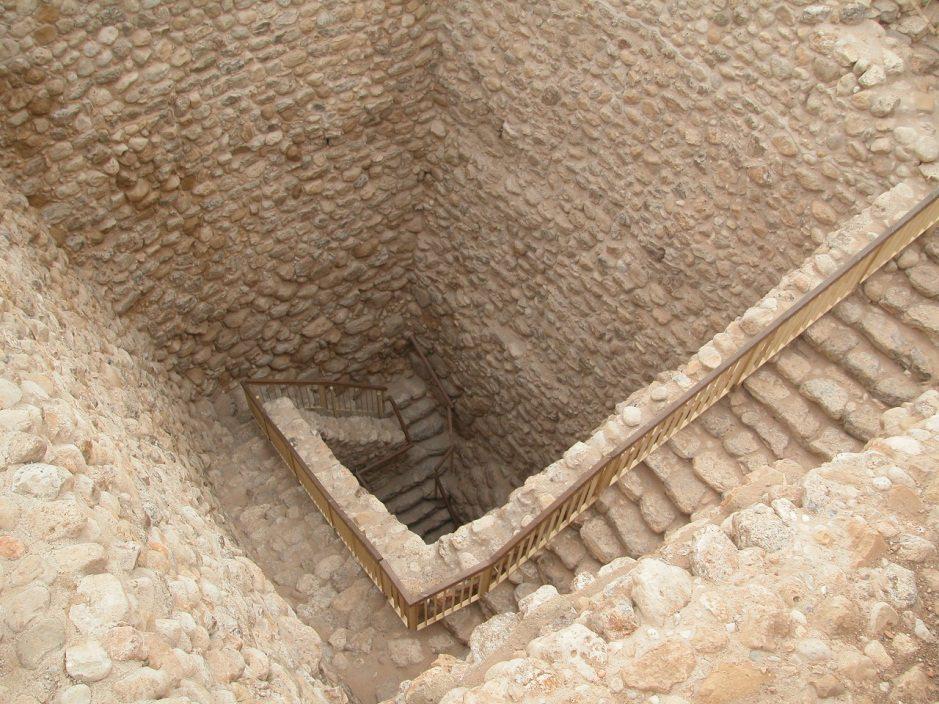
Ancient well of Be'er Sheva
ובניסוח קבלי-חסידי:
תורה אור - רבי שניאור זלמן מליאדי - פרשת תולדות יז, ג
וזהו מעשה אברהם הכנסת אורחים שנתן לערביים לאכול ואח"כ אמר להם דעו למי מברכים כו' בכדי להיות גילוי אלקות למטה שגם הערביים יכירו גדולתו כו' כ"ז הוא בחי' אברהם המשכה מלמעלה למטה.
ויצחק הי' חופר בארות שהוא בחי' גילוי ממטה למעלה מהעלם לגילוי כמשל הבור אשר המים שם בהעלם וע"י החפירה נגלו המים כו'.
והנה הגם שאברהם היה ג"כ חופר בארות אבל כתיב ויסתמום פלשתים כו' ויצחק חפר אותן וקרא להם שמות כשמת אשר קרא להן אביו הראשון מלא והשני חסר לפי שע"י חפירה דיצחק לא נפסק עוד נביעתם ונמשכים ונובעים הששה מדות שהן בחי' וי"ו ע"כ הוא שמות מלא בוי"ו. אבל שמת דאברהם חסר וי"ו לפי שסתמום פלשתים ויש לחיצונים יניקה מהם. לכן ע"י חפירה דיצחק הוא שמות בוי"ו (ועמ"ש כה"ג ע"פ ששת ימים תאכל מצות כו' מלא וי"ו) ולע"ל כתיב כי אתה אבינו שעיקר הצחוק והשמחה יהיה מבחי' יצחק שהוא ממטה למעלה אשר בחי' זו אין קץ ותכלית כו' משא"כ (אברהם) בבחי' ממעלה למטה יש לה גבול המשכה למטה ולכן באברהם כתיב ב"פ אברהם אברהם הא' הוא המשכה שיתהווה בחי' חו"ב דאצי' ואלקי אבותינו כנ"ל. והמשכה ב' בבי"ע. משא"כ יצחק בחי' מלמטה למעלה בחי' אין קץ ותכלית והכל ירוממוך סלה. ומזה נתהווה עיקר הצחוק כי גמירי משמיא מיהב יהבי משקל לא שקלי כו' מיהב הוא בחי' השתלשלות מאין ליש כו'. אבל עבודת האדם הוא ההיפוך והוא להיות בטול היש לאין והוא בחי' יצחק צחוק ותענוג גדול כו':
In a Hassidic-Kabbalistic articulation:
Tora Or - Rabbi Shneor Zalman of Liadi
In Abraham's act of hospitality, he gave the Arabs food and then told them who to bless, so as to reveal the divinity below, so that the Arabs can also see his greatness. This is an act who goes downwards - up to bottom.
Isaac dug wells, which is a way of discovery from below to above for the sake of discovering as in the parable of the pit, where the water was lost and by the excavation it was discovered.
Similarly, Abraham will dig wells here as well, but it is written that it will sealed by the Philistines.
Isaac dug these wells and named them as his father had named them, the first is full and the second is missing, and by the digging, their spring was no longer stopped.
The names of Abraham lack the letter וא"ו because they were sealed by the philistines and so the "outsiders" (=חיצונים) are nourished from them.