
5782 Or Zarua Torah Study - Zoom at Noon In Honor of Rabbi Jonathan Sacks Parshat Hayei Sarah
שִׁמְעוֹן הַצַּדִּיק הָיָה מִשְּׁיָרֵי כְנֶסֶת הַגְּדוֹלָה. הוּא הָיָה אוֹמֵר, עַל שְׁלשָׁה דְבָרִים הָעוֹלָם עוֹמֵד, עַל הַתּוֹרָה וְעַל הָעֲבוֹדָה וְעַל גְּמִילוּת חֲסָדִים:

Shimon the Righteous was one of the last of the men of the great assembly. He used to say: the world stands upon three things: the Torah, the Temple service, and the practice of acts of piety (loving-kindnesses).

על גמ״ח כיצד הרי הוא אומר (הושע ו) כי חסד חפצתי ולא זבח. העולם מתחלה לא נברא אלא בחסד שנאמר (תהלים פט) כי אמרתי עולם חסד יבנה שמים תכין אמונתך בהם. פעם אחת היה רבן יוחנן בן זכאי יוצא מירושלים והיה רבי יהושע הולך אחריו וראה בית המקדש חרב [אר״י אוי לנו על זה שהוא חרב] מקום שמכפרים בו עונותיהם של ישראל. א״ל בני אל ירע לך יש לנו כפרה אחת שהיא כמותה ואיזה זה גמ״ח שנאמר כי חסד חפצתי ולא זבח

On acts of kindness. How so? It says (Hosea 6:6), “For I desire kindness, not a well-being offering.” The world was created from the very beginning with kindness, as it says (Psalms 89:3), “For I have said that the world will be built on kindness, and the heavens will be established on Your faith.” Once, Rabban [our rabbi] Yohanan ben Zakkai, left Jerusalem, and Rabbi Yehoshua followed after him. And he saw the Holy Temple destroyed. [Rabbi Yehoshua said: Woe to us, for this is destroyed –] the place where all of Israel’s sins are forgiven! [Rabbi Yohanan] said to him: My son, do not be distressed, for we have a form of atonement just like it. And what is it? Acts of kindness, as it says (Psalms 89:3), “For I desire kindness, not a well-being offering.”

דָּרַשׁ רַבִּי שִׂמְלַאי תּוֹרָה תְּחִלָּתָהּ גְּמִילוּת חֲסָדִים וְסוֹפָהּ גְּמִילוּת חֲסָדִים תְּחִילָּתָהּ גְּמִילוּת חֲסָדִים דִּכְתִיב וַיַּעַשׂ ה׳ אֱלֹהִים לְאָדָם וּלְאִשְׁתּוֹ כׇּתְנוֹת עוֹר וַיַּלְבִּשֵׁם וְסוֹפָהּ גְּמִילוּת חֲסָדִים דִּכְתִיב וַיִּקְבֹּר אוֹתוֹ בַּגַּי
Rabbi Samlai taught: With regard to the Torah, its beginning is an act of kindness and its end is an act of kindness. Its beginning is an act of kindness, as it is written: “And the Lord God made for Adam and for his wife garments of skin, and clothed them” (Genesis 3:21). And its end is an act of kindness, as it is written: “And he was buried in the valley in the land of Moab” (Deuteronomy 34:6).
וְאָמַר רַבִּי חָמָא בְּרַבִּי חֲנִינָא מַאי דִּכְתִיב אַחֲרֵי ה׳ אֱלֹהֵיכֶם תֵּלֵכוּ וְכִי אֶפְשָׁר לוֹ לְאָדָם לְהַלֵּךְ אַחַר שְׁכִינָה וַהֲלֹא כְּבָר נֶאֱמַר כִּי ה׳ אֱלֹהֶיךָ אֵשׁ אוֹכְלָה הוּא אֶלָּא לְהַלֵּךְ אַחַר מִדּוֹתָיו שֶׁל הַקָּדוֹשׁ בָּרוּךְ הוּא מָה הוּא מַלְבִּישׁ עֲרוּמִּים דִּכְתִיב וַיַּעַשׂ ה׳ אֱלֹהִים לְאָדָם וּלְאִשְׁתּוֹ כׇּתְנוֹת עוֹר וַיַּלְבִּשֵׁם אַף אַתָּה הַלְבֵּשׁ עֲרוּמִּים הַקָּדוֹשׁ בָּרוּךְ הוּא בִּיקֵּר חוֹלִים דִּכְתִיב וַיֵּרָא אֵלָיו ה׳ בְּאֵלֹנֵי מַמְרֵא אַף אַתָּה בַּקֵּר חוֹלִים הַקָּדוֹשׁ בָּרוּךְ הוּא נִיחֵם אֲבֵלִים דִּכְתִיב וַיְהִי אַחֲרֵי מוֹת אַבְרָהָם וַיְבָרֶךְ אֱלֹהִים אֶת יִצְחָק בְּנוֹ אַף אַתָּה נַחֵם אֲבֵלִים הַקָּדוֹשׁ בָּרוּךְ הוּא קָבַר מֵתִים דִּכְתִיב וַיִּקְבֹּר אוֹתוֹ בַּגַּי אַף אַתָּה קְבוֹר מֵתִים

And Rabbi Ḥama, son of Rabbi Ḥanina, says: What is the meaning of that which is written: “After the Lord your God shall you walk, and Him shall you fear, and His commandments shall you keep, and unto His voice shall you hearken, and Him shall you serve, and unto Him shall you cleave” (Deuteronomy 13:5)? But is it actually possible for a person to follow the Divine Presence? But hasn’t it already been stated: “For the Lord your God is a devouring fire, a jealous God” (Deuteronomy 4:24), and one cannot approach fire. He explains: Rather, the meaning is that one should follow the attributes of the Holy One, Blessed be He. He provides several examples. Just as He clothes the naked, as it is written: “And the Lord God made for Adam and for his wife garments of skin, and clothed them” (Genesis 3:21), so too, should you clothe the naked. Just as the Holy One, Blessed be He, visits the sick, as it is written with regard to God’s appearing to Abraham following his circumcision: “And the Lord appeared unto him by the terebinths of Mamre” (Genesis 18:1), so too, should you visit the sick. Just as the Holy One, Blessed be He, consoles mourners, as it is written: “And it came to pass after the death of Abraham, that God blessed Isaac his son” (Genesis 25:11), so too, should you console mourners. Just as the Holy One, Blessed be He, buried the dead, as it is written: “And he was buried in the valley in the land of Moab” (Deuteronomy 34:6), so too, should you bury the dead.

תָּנוּ רַבָּנַן: בִּשְׁלֹשָׁה דְּבָרִים גְּדוֹלָה גְּמִילוּת חֲסָדִים יוֹתֵר מִן הַצְּדָקָה. צְדָקָה — בְּמָמוֹנוֹ; גְּמִילוּת חֲסָדִים — בֵּין בְּגוּפוֹ, בֵּין בְּמָמוֹנוֹ. צְדָקָה — לָעֲנִיִּים; גְּמִילוּת חֲסָדִים — בֵּין לָעֲנִיִּים בֵּין לָעֲשִׁירִים. צְדָקָה — לַחַיִּים; גְּמִילוּת חֲסָדִים — בֵּין לַחַיִּים בֵּין לַמֵּתִים.

The Sages taught that acts of kindness are superior to charity in three respects: Charity can be performed only with one’s money, while acts of kindness can be performed both with his person and with his money. Charity is given to the poor, while acts of kindness are performed both for the poor and for the rich. Charity is given to the living, while acts of kindness are performed both for the living and for the dead.

(יט) וְאַחֲרֵי־כֵן֩ קָבַ֨ר אַבְרָהָ֜ם אֶת־שָׂרָ֣ה אִשְׁתּ֗וֹ אֶל־מְעָרַ֞ת שְׂדֵ֧ה הַמַּכְפֵּלָ֛ה עַל־פְּנֵ֥י מַמְרֵ֖א הִ֣וא חֶבְר֑וֹן בְּאֶ֖רֶץ כְּנָֽעַן׃

(19) And then Abraham buried his wife Sarah in the cave of the field of Machpelah, facing Mamre—now Hebron—in the land of Canaan.

Many more acts of hesed were considered by the tradition as belonging to the category of Gemilut Hasadim.

(יב) וַיֹּאמַ֓ר ׀ יְהֹוָ֗ה אֱלֹהֵי֙ אֲדֹנִ֣י אַבְרָהָ֔ם הַקְרֵה־נָ֥א לְפָנַ֖י הַיּ֑וֹם וַעֲשֵׂה־חֶ֕סֶד עִ֖ם אֲדֹנִ֥י אַבְרָהָֽם׃ (יג) הִנֵּ֛ה אָנֹכִ֥י נִצָּ֖ב עַל־עֵ֣ין הַמָּ֑יִם וּבְנוֹת֙ אַנְשֵׁ֣י הָעִ֔יר יֹצְאֹ֖ת לִשְׁאֹ֥ב מָֽיִם׃ (יד) וְהָיָ֣ה הַֽנַּעֲרָ֗ אֲשֶׁ֨ר אֹמַ֤ר אֵלֶ֙יהָ֙ הַטִּי־נָ֤א כַדֵּךְ֙ וְאֶשְׁתֶּ֔ה וְאָמְרָ֣ה שְׁתֵ֔ה וְגַם־גְּמַלֶּ֖יךָ אַשְׁקֶ֑ה אֹתָ֤הּ הֹכַ֙חְתָּ֙ לְעַבְדְּךָ֣ לְיִצְחָ֔ק וּבָ֣הּ אֵדַ֔ע כִּי־עָשִׂ֥יתָ חֶ֖סֶד עִם־אֲדֹנִֽי׃
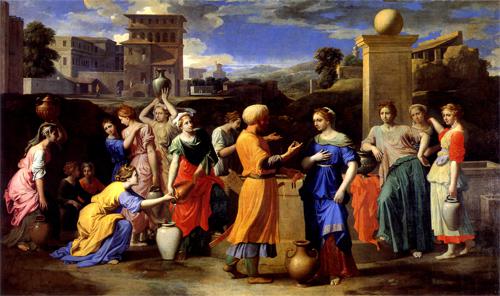
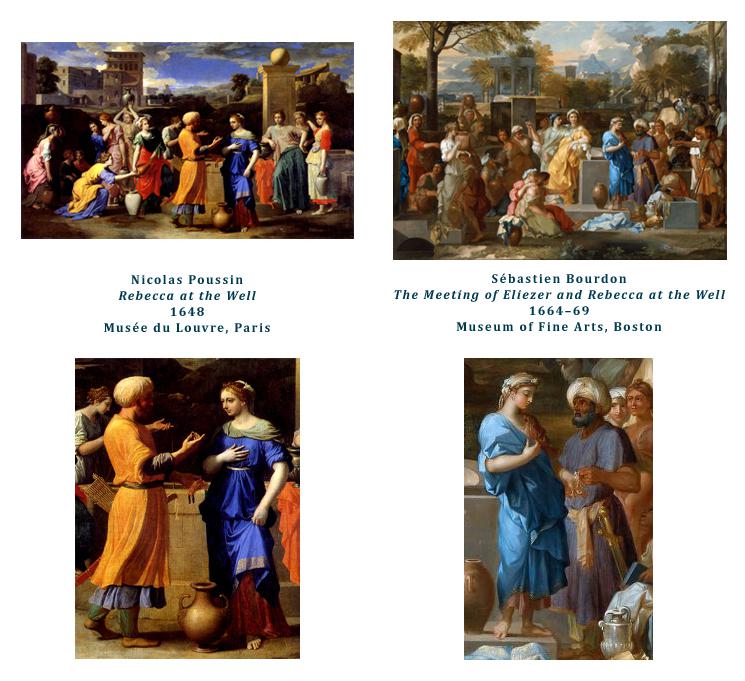
(12) And he said, “O LORD, God of my master Abraham, grant me good fortune this day, and deal graciously with my master Abraham: (13) Here I stand by the spring as the daughters of the townsmen come out to draw water; (14) let the maiden to whom I say, ‘Please, lower your jar that I may drink,’ and who replies, ‘Drink, and I will also water your camels’—let her be the one whom You have decreed for Your servant Isaac. Thereby shall I know that You have dealt graciously with my master.”
Nicolas Poussin
Rebecca at the Well, 1648
Musée du Louvre, Paris
June 1594 – 19 November 1665) He was the leading painter of the classical French Baroque style, although he spent most of his working life in Rome. Most of his works were on religious and mythological subjects painted for a small group of Italian and French collectors. (Wikipedia)
Sébastien Bourdon (2 February 1616 – 8 May 1671) was a French painter and engraver. His chef d'œuvre is The Crucifixion of St. Peter made for the cathedral of Notre Dame.
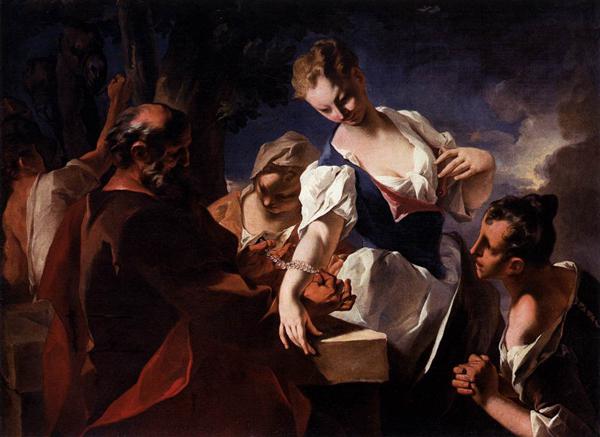
Rebecca at the Well / Nicolò Grassi (7 April 1682 – 6 October 1748), also known as Nicola Grassi, was an Italian painter, active in a late-Baroque or Rococo style. (Wikipedia)
(ד) וְהִנֵּה־בֹ֗עַז בָּ֚א מִבֵּ֣ית לֶ֔חֶם וַיֹּ֥אמֶר לַקּוֹצְרִ֖ים יְהֹוָ֣ה עִמָּכֶ֑ם וַיֹּ֥אמְרוּ ל֖וֹ יְבָרֶכְךָ֥ יְהֹוָֽה׃ (ה) וַיֹּ֤אמֶר בֹּ֙עַז֙ לְֽנַעֲר֔וֹ הַנִּצָּ֖ב עַל־הַקּוֹצְרִ֑ים לְמִ֖י הַנַּעֲרָ֥ה הַזֹּֽאת׃ (ו) וַיַּ֗עַן הַנַּ֛עַר הַנִּצָּ֥ב עַל־הַקּוֹצְרִ֖ים וַיֹּאמַ֑ר נַעֲרָ֤ה מֽוֹאֲבִיָּה֙ הִ֔יא הַשָּׁ֥בָה עִֽם־נׇעֳמִ֖י מִשְּׂדֵ֥י מוֹאָֽב׃ (ז) וַתֹּ֗אמֶר אֲלַקֳּטָה־נָּא֙ וְאָסַפְתִּ֣י בָעֳמָרִ֔ים אַחֲרֵ֖י הַקּוֹצְרִ֑ים וַתָּב֣וֹא וַֽתַּעֲמ֗וֹד מֵאָ֤ז הַבֹּ֙קֶר֙ וְעַד־עַ֔תָּה זֶ֛ה שִׁבְתָּ֥הּ הַבַּ֖יִת מְעָֽט׃ (ח) וַיֹּ֩אמֶר֩ בֹּ֨עַז אֶל־ר֜וּת הֲל֧וֹא שָׁמַ֣עַתְּ בִּתִּ֗י אַל־תֵּֽלְכִי֙ לִלְקֹט֙ בְּשָׂדֶ֣ה אַחֵ֔ר וְגַ֛ם לֹ֥א תַעֲבוּרִ֖י מִזֶּ֑ה וְכֹ֥ה תִדְבָּקִ֖ין עִם־נַעֲרֹתָֽי׃ (ט) עֵינַ֜יִךְ בַּשָּׂדֶ֤ה אֲשֶׁר־יִקְצֹרוּן֙ וְהָלַ֣כְתְּ אַחֲרֵיהֶ֔ן הֲל֥וֹא צִוִּ֛יתִי אֶת־הַנְּעָרִ֖ים לְבִלְתִּ֣י נׇגְעֵ֑ךְ וְצָמִ֗ת וְהָלַכְתְּ֙ אֶל־הַכֵּלִ֔ים וְשָׁתִ֕ית מֵאֲשֶׁ֥ר יִשְׁאֲב֖וּן הַנְּעָרִֽים׃ (י) וַתִּפֹּל֙ עַל־פָּנֶ֔יהָ וַתִּשְׁתַּ֖חוּ אָ֑רְצָה וַתֹּ֣אמֶר אֵלָ֗יו מַדּ֩וּעַ֩ מָצָ֨אתִי חֵ֤ן בְּעֵינֶ֙יךָ֙ לְהַכִּירֵ֔נִי וְאָנֹכִ֖י נָכְרִיָּֽה׃ (יא) וַיַּ֤עַן בֹּ֙עַז֙ וַיֹּ֣אמֶר לָ֔הּ הֻגֵּ֨ד הֻגַּ֜ד לִ֗י כֹּ֤ל אֲשֶׁר־עָשִׂית֙ אֶת־חֲמוֹתֵ֔ךְ אַחֲרֵ֖י מ֣וֹת אִישֵׁ֑ךְ וַתַּֽעַזְבִ֞י אָבִ֣יךְ וְאִמֵּ֗ךְ וְאֶ֙רֶץ֙ מֽוֹלַדְתֵּ֔ךְ וַתֵּ֣לְכִ֔י אֶל־עַ֕ם אֲשֶׁ֥ר לֹא־יָדַ֖עַתְּ תְּמ֥וֹל שִׁלְשֽׁוֹם׃ (יב) יְשַׁלֵּ֥ם יְהֹוָ֖ה פׇּעֳלֵ֑ךְ וּתְהִ֨י מַשְׂכֻּרְתֵּ֜ךְ שְׁלֵמָ֗ה מֵעִ֤ם יְהֹוָה֙ אֱלֹהֵ֣י יִשְׂרָאֵ֔ל אֲשֶׁר־בָּ֖את לַחֲס֥וֹת תַּֽחַת־כְּנָפָֽיו׃ (יג) וַ֠תֹּ֠אמֶר אֶמְצָא־חֵ֨ן בְּעֵינֶ֤יךָ אֲדֹנִי֙ כִּ֣י נִֽחַמְתָּ֔נִי וְכִ֥י דִבַּ֖רְתָּ עַל־לֵ֣ב שִׁפְחָתֶ֑ךָ וְאָֽנֹכִי֙ לֹ֣א אֶהְיֶ֔ה כְּאַחַ֖ת שִׁפְחֹתֶֽיךָ׃ (יד) וַיֹּ֩אמֶר֩ לָ֨ה בֹ֜עַז לְעֵ֣ת הָאֹ֗כֶל גֹּ֤שִֽׁי הֲלֹם֙ וְאָכַ֣לְתְּ מִן־הַלֶּ֔חֶם וְטָבַ֥לְתְּ פִּתֵּ֖ךְ בַּחֹ֑מֶץ וַתֵּ֙שֶׁב֙ מִצַּ֣ד הַקֹּצְרִ֔ים וַיִּצְבׇּט־לָ֣הּ קָלִ֔י וַתֹּ֥אכַל וַתִּשְׂבַּ֖ע וַתֹּתַֽר׃ (טו) וַתָּ֖קׇם לְלַקֵּ֑ט וַיְצַו֩ בֹּ֨עַז אֶת־נְעָרָ֜יו לֵאמֹ֗ר גַּ֣ם בֵּ֧ין הָעֳמָרִ֛ים תְּלַקֵּ֖ט וְלֹ֥א תַכְלִימֽוּהָ׃ (טז) וְגַ֛ם שֹׁל־תָּשֹׁ֥לּוּ לָ֖הּ מִן־הַצְּבָתִ֑ים וַעֲזַבְתֶּ֥ם וְלִקְּטָ֖ה וְלֹ֥א תִגְעֲרוּ־בָֽהּ׃ (יז) וַתְּלַקֵּ֥ט בַּשָּׂדֶ֖ה עַד־הָעָ֑רֶב וַתַּחְבֹּט֙ אֵ֣ת אֲשֶׁר־לִקֵּ֔טָה וַיְהִ֖י כְּאֵיפָ֥ה שְׂעֹרִֽים׃ (יח) וַתִּשָּׂא֙ וַתָּב֣וֹא הָעִ֔יר וַתֵּ֥רֶא חֲמוֹתָ֖הּ אֵ֣ת אֲשֶׁר־לִקֵּ֑טָה וַתּוֹצֵא֙ וַתִּתֶּן־לָ֔הּ אֵ֥ת אֲשֶׁר־הוֹתִ֖רָה מִשׇּׂבְעָֽהּ׃ (יט) וַתֹּ֩אמֶר֩ לָ֨הּ חֲמוֹתָ֜הּ אֵיפֹ֨ה לִקַּ֤טְתְּ הַיּוֹם֙ וְאָ֣נָה עָשִׂ֔ית יְהִ֥י מַכִּירֵ֖ךְ בָּר֑וּךְ וַתַּגֵּ֣ד לַחֲמוֹתָ֗הּ אֵ֤ת אֲשֶׁר־עָֽשְׂתָה֙ עִמּ֔וֹ וַתֹּ֗אמֶר שֵׁ֤ם הָאִישׁ֙ אֲשֶׁ֨ר עָשִׂ֧יתִי עִמּ֛וֹ הַיּ֖וֹם בֹּֽעַז׃
(4) Presently Boaz arrived from Bethlehem. He greeted the reapers, “The LORD be with you!” And they responded, “The LORD bless you!” (5) Boaz said to the servant who was in charge of the reapers, “Whose girl is that?” (6) The servant in charge of the reapers replied, “She is a Moabite girl who came back with Naomi from the country of Moab. (7) She said, ‘Please let me glean and gather among the sheaves behind the reapers.’ She has been on her feet ever since she came this morning. She has rested but little in the hut.”-a (8) Boaz said to Ruth, “Listen to me, daughter.-b Don’t go to glean in another field. Don’t go elsewhere, but stay here close to my girls. (9) Keep your eyes on the field they are reaping, and follow them. I have ordered the men not to molest you. And when you are thirsty, go to the jars and drink some of [the water] that the men have drawn.” (10) She prostrated herself with her face to the ground, and said to him, “Why are you so kind as to single me out, when I am a foreigner?” (11) Boaz said in reply, “I have been told of all that you did for your mother-in-law after the death of your husband, how you left your father and mother and the land of your birth and came to a people you had not known before. (12) May the LORD reward your deeds. May you have a full recompense from the LORD, the God of Israel, under whose wings you have sought refuge!” (13) She answered, “You are most kind, my lord, to comfort me and to speak gently to your maidservant—though I am not so much as one of your maidservants.” (14) At mealtime, Boaz said to her, “Come over here and partake of the meal, and dip your morsel in the vinegar.” So she sat down beside the reapers. He handed her roasted grain, and she ate her fill and had some left over. (15) When she got up again to glean, Boaz gave orders to his workers, “You are not only to let her glean among the sheaves, without interference, (16) but you must also pull some [stalks] out of the heaps and leave them for her to glean, and not scold her.” (17) She gleaned in the field until evening. Then she beat out what she had gleaned—it was about an ephah of barley— (18) and carried it back with her to the town. When her mother-in-law saw what she had gleaned, and when she also took out and gave her what she had left over after eating her fill, (19) her mother-in-law asked her, “Where did you glean today? Where did you work? Blessed be he who took such generous notice of you!” So she told her mother-in-law whom she had worked with, saying, “The name of the man with whom I worked today is Boaz.”
(כ) וַתֹּ֨אמֶר נׇעֳמִ֜י לְכַלָּתָ֗הּ בָּר֥וּךְ הוּא֙ לַיהֹוָ֔ה אֲשֶׁר֙ לֹא־עָזַ֣ב חַסְדּ֔וֹ אֶת־הַחַיִּ֖ים וְאֶת־הַמֵּתִ֑ים וַתֹּ֧אמֶר לָ֣הּ נׇעֳמִ֗י קָר֥וֹב לָ֙נוּ֙ הָאִ֔ישׁ מִֽגֹּאֲלֵ֖נוּ הֽוּא׃
(20) Naomi said to her daughter-in-law, “Blessed be he of the LORD, who has not failed in His kindness to the living or to the dead! For,” Naomi explained to her daughter-in-law, “the man is related to us; he is one of our redeeming kinsmen.”
(א) הוֹד֣וּ לַיהֹוָ֣ה כִּי־ט֑וֹב כִּ֖י לְעוֹלָ֣ם חַסְדּֽוֹ׃ (ב) ה֭וֹדוּ לֵאלֹהֵ֣י הָאֱלֹהִ֑ים כִּ֖י לְעוֹלָ֣ם חַסְדּֽוֹ׃ (ג) ה֭וֹדוּ לַאֲדֹנֵ֣י הָאֲדֹנִ֑ים כִּ֖י לְעוֹלָ֣ם חַסְדּֽוֹ׃ (ד) לְעֹ֘שֵׂ֤ה נִפְלָא֣וֹת גְּדֹל֣וֹת לְבַדּ֑וֹ כִּ֖י לְעוֹלָ֣ם חַסְדּֽוֹ׃ (ה) לְעֹשֵׂ֣ה הַ֭שָּׁמַיִם בִּתְבוּנָ֑ה כִּ֖י לְעוֹלָ֣ם חַסְדּֽוֹ׃ (ו) לְרֹקַ֣ע הָ֭אָרֶץ עַל־הַמָּ֑יִם כִּ֖י לְעוֹלָ֣ם חַסְדּֽוֹ׃ (ז) לְ֭עֹשֵׂה אוֹרִ֣ים גְּדֹלִ֑ים כִּ֖י לְעוֹלָ֣ם חַסְדּֽוֹ׃ (ח) אֶת־הַ֭שֶּׁמֶשׁ לְמֶמְשֶׁ֣לֶת בַּיּ֑וֹם כִּ֖י לְעוֹלָ֣ם חַסְדּֽוֹ׃ (ט) אֶת־הַיָּרֵ֣חַ וְ֭כוֹכָבִים לְמֶמְשְׁל֣וֹת בַּלָּ֑יְלָה כִּ֖י לְעוֹלָ֣ם חַסְדּֽוֹ׃ (י) לְמַכֵּ֣ה מִ֭צְרַיִם בִּבְכוֹרֵיהֶ֑ם כִּ֖י לְעוֹלָ֣ם חַסְדּֽוֹ׃ (יא) וַיּוֹצֵ֣א יִ֭שְׂרָאֵל מִתּוֹכָ֑ם כִּ֖י לְעוֹלָ֣ם חַסְדּֽוֹ׃ (יב) בְּיָ֣ד חֲ֭זָקָה וּבִזְר֣וֹעַ נְטוּיָ֑ה כִּ֖י לְעוֹלָ֣ם חַסְדּֽוֹ׃ (יג) לְגֹזֵ֣ר יַם־ס֭וּף לִגְזָרִ֑ים כִּ֖י לְעוֹלָ֣ם חַסְדּֽוֹ׃ (יד) וְהֶעֱבִ֣יר יִשְׂרָאֵ֣ל בְּתוֹכ֑וֹ כִּ֖י לְעוֹלָ֣ם חַסְדּֽוֹ׃ (טו) וְנִ֘עֵ֤ר פַּרְעֹ֣ה וְחֵיל֣וֹ בְיַם־ס֑וּף כִּ֖י לְעוֹלָ֣ם חַסְדּֽוֹ׃ (טז) לְמוֹלִ֣יךְ עַ֭מּוֹ בַּמִּדְבָּ֑ר כִּ֖י לְעוֹלָ֣ם חַסְדּֽוֹ׃ (יז) לְ֭מַכֵּה מְלָכִ֣ים גְּדֹלִ֑ים כִּ֖י לְעוֹלָ֣ם חַסְדּֽוֹ׃ (יח) וַֽ֭יַּהֲרֹג מְלָכִ֣ים אַדִּירִ֑ים כִּ֖י לְעוֹלָ֣ם חַסְדּֽוֹ׃ (יט) לְ֭סִיחוֹן מֶ֣לֶךְ הָאֱמֹרִ֑י כִּ֖י לְעוֹלָ֣ם חַסְדּֽוֹ׃ (כ) וּ֭לְעוֹג מֶ֣לֶךְ הַבָּשָׁ֑ן כִּ֖י לְעוֹלָ֣ם חַסְדּֽוֹ׃ (כא) וְנָתַ֣ן אַרְצָ֣ם לְנַחֲלָ֑ה כִּ֖י לְעוֹלָ֣ם חַסְדּֽוֹ׃ (כב) נַ֭חֲלָה לְיִשְׂרָאֵ֣ל עַבְדּ֑וֹ כִּ֖י לְעוֹלָ֣ם חַסְדּֽוֹ׃ (כג) שֶׁ֭בְּשִׁפְלֵנוּ זָ֣כַר לָ֑נוּ כִּ֖י לְעוֹלָ֣ם חַסְדּֽוֹ׃ (כד) וַיִּפְרְקֵ֥נוּ מִצָּרֵ֑ינוּ כִּ֖י לְעוֹלָ֣ם חַסְדּֽוֹ׃ (כה) נֹתֵ֣ן לֶ֭חֶם לְכׇל־בָּשָׂ֑ר כִּ֖י לְעוֹלָ֣ם חַסְדּֽוֹ׃ (כו) ה֭וֹדוּ לְאֵ֣ל הַשָּׁמָ֑יִם כִּ֖י לְעוֹלָ֣ם חַסְדּֽוֹ׃ {פ}
(1) Praise the LORD; for He is good,
His steadfast love is eternal.
(2) Praise the God of gods,
His steadfast love is eternal.
(3) Praise the Lord of lords,
His steadfast love is eternal;
(4) Who alone works great marvels,
His steadfast love is eternal;
(5) Who made the heavens with wisdom,
His steadfast love is eternal;
(6) Who spread the earth over the water,
His steadfast love is eternal;
(7) Who made the great lights,
His steadfast love is eternal;
(8) the sun to dominate the day,
His steadfast love is eternal;
(9) the moon and the stars to dominate the night,
His steadfast love is eternal;
(10) Who struck Egypt through their first-born,
His steadfast love is eternal;
(11) and brought Israel out of their midst,
His steadfast love is eternal;
(12) with a strong hand and outstretched arm,
His steadfast love is eternal;
(13) Who split apart the Sea of Reeds,
His steadfast love is eternal;
(14) and made Israel pass through it,
His steadfast love is eternal;
(15) Who hurled Pharaoh and his army into the Sea of Reeds,
His steadfast love is eternal;
(16) Who led His people through the wilderness,
His steadfast love is eternal;
(17) Who struck down great kings,
His steadfast love is eternal;
(18) and slew mighty kings—
His steadfast love is eternal;
(19) Sihon, king of the Amorites,
His steadfast love is eternal;
(20) Og, king of Bashan—
His steadfast love is eternal;
(21) and gave their land as a heritage,
His steadfast love is eternal;
(22) a heritage to His servant Israel,
His steadfast love is eternal;
(23) Who took note of us in our degradation,
His steadfast love is eternal;
(24) and rescued us from our enemies,
His steadfast love is eternal;
(25) Who gives food to all flesh,
His steadfast love is eternal.
(26) Praise the God of heaven,
His steadfast love is eternal.
What other Mitzvah Categories do acts of kindness fall into? (Both/and...not either/or!)
מִצְוַת עֲשֵׂה שֶׁל דִּבְרֵיהֶם לְבַקֵּר חוֹלִים. וּלְנַחֵם אֲבֵלִים. וּלְהוֹצִיא הַמֵּת. וּלְהַכְנִיס הַכַּלָּה. וּלְלַוּוֹת הָאוֹרְחִים. וּלְהִתְעַסֵּק בְּכָל צָרְכֵי הַקְּבוּרָה. לָשֵׂאת עַל הַכָּתֵף. וְלֵילֵךְ לְפָנָיו וְלִסְפֹּד וְלַחְפֹּר וְלִקְבֹּר. וְכֵן לְשַׂמֵּחַ הַכַּלָּה וְהֶחָתָן. וּלְסַעֲדָם בְּכָל צָרְכֵיהֶם. וְאֵלּוּ הֵן גְּמִילוּת חֲסָדִים שֶׁבְּגוּפוֹ שֶׁאֵין לָהֶם שִׁעוּר. אַף עַל פִּי שֶׁכָּל מִצְוֹת אֵלּוּ מִדִּבְרֵיהֶם הֲרֵי הֵן בִּכְלַל (ויקרא יט יח) "וְאָהַבְתָּ לְרֵעֲךָ כָּמוֹךָ". כָּל הַדְּבָרִים שֶׁאַתָּה רוֹצֶה שֶׁיַּעֲשׂוּ אוֹתָם לְךָ אֲחֵרִים. עֲשֵׂה אַתָּה אוֹתָן לְאָחִיךְ בְּתוֹרָה וּבְמִצְוֹת:
It is a rabbinic positive precept to visit the sick, comfort the mourners, escort the dead, dower the bride, accompany the [departing] guests — — as well as to cheer the bride and the groom, and to assist them in whatever they need. Even though all these precepts are of rabbinic origin, they are implied in the biblical verse: "You shall love your neighbor as yourself" (Leviticus 19:18); that is, whatever you would have others do to you, do to your brothers in Torah and precepts.