


(א) בְּנֵי הָעִיר שֶׁמָּכְרוּ רְחוֹבָהּ שֶׁל עִיר, לוֹקְחִין בְּדָמָיו בֵּית הַכְּנֶסֶת. בֵּית הַכְּנֶסֶת, לוֹקְחִין תֵּבָה. תֵּבָה, לוֹקְחִין מִטְפָּחוֹת. מִטְפָּחוֹת, לוֹקְחִין סְפָרִים. סְפָרִים, לוֹקְחִין תּוֹרָה. אֲבָל אִם מָכְרוּ תוֹרָה, לֹא יִקְחוּ סְפָרִים. סְפָרִים, לֹא יִקְחוּ מִטְפָּחוֹת. מִטְפָּחוֹת, לֹא יִקְחוּ תֵבָה. תֵּבָה, לֹא יִקְחוּ בֵית הַכְּנֶסֶת. בֵּית הַכְּנֶסֶת, לֹא יִקְחוּ אֶת הָרְחוֹב. וְכֵן בְּמוֹתְרֵיהֶן. אֵין מוֹכְרִין אֶת שֶׁל רַבִּים לְיָחִיד, מִפְּנֵי שֶׁמּוֹרִידִין אוֹתוֹ מִקְּדֻשָּׁתוֹ, דִּבְרֵי רַבִּי יְהוּדָה. אָמְרוּ לוֹ, אִם כֵּן, אַף לֹא מֵעִיר גְּדוֹלָה לְעִיר קְטַנָּה:
(1) Residents of a town who sold the town square, may purchase a synagogue.... who sold a synagogue, they may purchase an ark in which to house sacred scrolls. If they sold an ark, they may purchase wrapping cloths for the sacred scrolls. If they sold wrapping cloths, they may purchase scrolls of the Prophets and the Writings. If they sold scrolls of the Prophets and Writings, they may purchase a Torah scroll... They may not sell a sacred object belonging to the community to an individual, even if the object will still be used for the same purpose, due to the fact that by doing so they downgrade its degree of sanctity,...
א"ר שמואל בר נחמני אמר ר' יוחנן לא שנו אלא בית הכנסת של כפרים אבל של כרכים כיון דמעלמא קאתו לה הויא להו דרבים ולא מצו מזבני לה
ואפי' הוה ידוע שבני הכרך בנו אותה ולא סייעו להם מחוץ לעיר בהוצאת בנינה אפי' הכי כיון דמעלמא קאתו לה בני העיר הקדישוה לדעת כל העולם ...
והא דקאמרי' בירושלמי (ה"א) ...
פירוש יש לו זכייה בה ואפי' הסכימו כל הרגילים ליכנס לזאת העיר למוכרה שמא יש אחד בסוף העולם שהיה סמוך לעיר הזאת והיה רגיל ליכנס בה ולדעתו הוקדשה.. ...
...you can only only sell it with the opinion of the entire Jewish world....and the Yerushalmi says that this means that even if all of the people who regularly come to this city agree to sell it, what if there is one person at the edge of the world who felt close to this city, and at one point regularly attended this place and in his mind it is still holy...
(ז) והא דב"ה נמכר הני מילי של כפרים שאין באים אנשים ממקומות אחרים שלא נעשית אלא לבני הכפרים לבדם (ואפי' בנו אותם משל אחרים) (מרדכי ישן בשם ראבי"ה) ולכן יכולים למכרו ומכל מקום המעות נשארים בקדושתן ואינם רשאים להורידן מקדושתן והיינו כשמכרו בני העיר שלא מדעת פרנסיהם והוא הדין אם מכרו ז' טובי העיר שלא במעמד אנשי העיר אבל אם הסכימו שבעה טובי העיר באותו מכר והיו במעמד אנשי העיר רשאים להוציא המעות לכל מה שירצו ואם קבלו עליהם בני העיר בפירוש במכר זה כל מה שיעשו אפילו יחיד מה שעשה עשה: הגה וכל ששבעה טובי העיר מוכרים בפירסום מקרי במעמד אנשי העיר ואינן צריכין לומר הן או לאו (מרדכי) אבל של כרכים שבאים שם ממקומות אחרים אפילו בנו אותו משלהם אינו נמכר אא"כ תלו אותו בדעת היחיד שאז יעשה בו היחיד מה שירצה בהסכמת הצבור וה"ה לכל דברי קדושה שנזכרו כאן דכולהו גרירי בתר בית הכנסת: הגה יחיד שבנה ב"ה ונתנה לקהל דינה כב"ה של קהל אבל אם שייר לעצמו בה שום כח אין לה מכר כי אם על פי הקהל ועל פיו או יורשיו (א"ז והגהות אשר"י פ' בני העיר) וכל זה לא מיירי אלא כשיש להם ב"ה אחרת אבל אם אין להם רק ב"ה אחת אסור למכרו דהא אפילו לסתרו אסור עד שיבנו אחרת (רבי' ירוחם נ"ג ח"ה וב"י בשם הרמב"ן) כל דבר שבקדושה שנמכר ומותר לשנותו נמכר בלא הכרזה ואין בו אונאה אבל דבר שאסור לשנותו לקדושה קלה צריך הכרזה (תשובת רשב"א סי' תתר"ד):
(7) And that which a synagogue can be sold - this applies to [synagogues] of villages where people from other places do not come [to it] - as it was only made for the residents of the villages. And therefore they can sell it; however, the money retains its holiness and they are not permitted to lower them from their holiness.
And that is when the residents of the city sold it without the knowledge of their leaders; the same being true when the seven distinguished men of the city (ie. trustees) sold it not in the presence of the residents of the city.
But if the seven distinguished men of the city agreed to this sale, and they were in the presence of the residents of the city - they are permitted to spend the money for anything they would want. But if the residents of the city explicitly accepted [the authority of another] upon themselves with this sale, then everything they (ie. the authority) do - even if it's an individual - what was done is valid.
Rem"a: And as long as the seven distinguished men of the city sell it publicly, it is considered to be in the presence of the residents, and they do not need [their consent], to say yes or no (Mordechi).
But [synagogues] of cities, where [people] come to it from other places - even if they (ie. the residents) built it with their own [money] - it may not be sold, unless they made it dependent on the consent of [one] individual, for then the individual can do what he wants with it, with the agreement of the people. And the same applies to all holy objects that were mentioned here - as all of them follow [the laws of] a synagogue.
Rema: [Regarding] an individual who built a synagogue and gave it to the community, its laws are like a synagogue of the community. But if he left any authority in it for himself, there can be no sale of it without the [approval] of the community and his [approval] or that of his heirs' (Or Zarua and Hagahot Ashr"i in Perek B'nai Ha'ir). And all of this refers to when they have another synagogue. But if they have only one synagogue, it is forbidden to sell it, for even to demolish it is forbidden, until they build another (Rabbenu Yerucham 3:5 and Beit Yosef in the name of Ramban). Any holy object that is sold and is permitted to change [it's level of sanctity with the money from the sale] can be sold without announcement, and is not subject to price gouging (any price can be charged for it). But something that cannot be changed to a lower holiness requires an announcement (Rashba Responsum 1004).
§ Rav Ḥisda says: A person may not demolish a synagogue until he first builds another synagogue to take its place. There are those who say that the reason for this halakha is due to potential negligence, lest he fail to build a new structure after the old one has been razed. And there are those who say that the reason for this halakha is due to the disruption of prayer, for in the meantime there will be nowhere to pray.
.... מיהו אפילו בכרך אם בנו יחידים לעצמם בית הכנסת – יכולים למכור כמו בכפר (ט"ז סעיף קטן ו'). וזה מפורש בגמרא שם (מגילה כו א), בבית הכנסת של טרסיים שהיה בירושלים ומכרוהו, עיין שם. דכיון שהוא מיוחד רק לבעלי מלאכות, או למיעוט ציבור – שייך להם לבדם.
ודווקא בית הכנסת של כלל העיר בכרך אינו נמכר, ובכפר גם בכהאי גוונא נמכר.
Even in a village you can sell it....and a place people frequent is like a village, as we saw with the synagogue of the bronze workers in Jerusalem, as if it was only a place that was relevant to a specific profession, or a small group of people---then they have the right to sell it themselves. Only a synagogue for the entire city in a place that is frequented by travelers is impossible to sell...
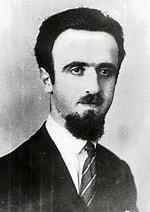
As told by his children Esther and Amos
Our father and mother got married in Berlin on November 9th, 1930. Already at the end of his studies at the Rabbinical Seminary our father was offered a position as a Rabbi in Oslo, the capitol of Norway, and soon after their wedding our parents settled in Oslo, where our father started his rabbinical duties. In Oslo our older brother Elchanan, in blessed memory, was born. (He passed away August 22nd, 1984), Also we, Ester and Amos, were born there.
Until the year 1851 Jews were prohibited from living in Norway. That year, as a result of the efforts of the Norwegian poet Henrik Wergeland, and six years after he passed away, the prohibition was abolished by the Norwegian parliament. Slowly Jews started to settle in Norway.
When our parents came to Norway there were mainly two places where Jews were concentrated: Oslo and Trondheim. In Oslo there were two communities, the oldest was officially established in 1892. The community in Trondheim was established in 1905. Other Jews were scattered in small towns with no organized Jewish life.
In Oslo there were two synagogues, which were conducted as strictly orthodox synagogues, though only few of their respective congregants were strictly observant of the Jewish laws.
During his years in office, our father tried to bring the Jewish community closer to Judaism in daily life. Often Halachic questions (questions about conduct according to Jewish laws) about matters of community life arose. In more complicated problems our father consulted his former Rabbi and Teacher, Rabbi Jacob Yechiel Weinberg, may he rest in peace. Some of Rabbi Weinberg’s answers are included in the book ‘Serideh Esh’ (‘The Remnants of the Fire’).
A few years ago some of the original letters of our father to Rabbi Weinberg were found, in an archive where letters sent to Rabbi Weinberg were kept. From the letters of our father, one can get an authentic picture of Jewish life in Norway in the period prior to the Holocaust.
םימן יח מתי מוכרים בית הכנסת ב"ה אור ליום ד' ו' טבת תרצ"ב לכבוד ידי"נ הרה"ג מהר"י סמואל ני"ו אבד"ק אוסלו יצ"ו אחד"ש כת"ר באה"ר ואחרי בקשת סליחה על איחור תשובתי
ע"ד שאלתו בעירו שיש שם שני בתיכנסת ביכ"נ גדול שגם כת"ר בתור רב ואב"ד מתפלל שם ועמו חשובי ונכבדי העדה וגם יש שם ביהכ"נ אחר שמתפללים שם אחינו בני חו"ל ובתחילה הי' להם רב מיוחד וזה כשנה עזב הרב אותם ואין ידם משגת למנות להם רב מיוחד ומאשר כי הם חייבים סכומים גדולים על ביהכ"נ לבעלי חוב עכו"ם ובע"ח נוגשים בהם ואין ידם משגת לשלם ויש לחשוש שהבע"ח ימכרו הביהכ"נ בערכאות ויבוא לידי בזיון קודש לכן הם רוצים למכור את הביהכ"נ ע"י ז' טובי העיר במעמד אנשי העיר ולשלם חובותיהם ובלא"ה רצונם זה כמה להתאחד עם ביהכ"נ של כת"ר ועדתו הקדושה כי אין בכוחם לכלכל ביהכ"נ מיוחד וגם הת"ת שלהם בטלה מחוסר כסף ובהתאחדו עם קהלת כת"ר ממילא יוכלו להנות מכל המוסדות הקדושים של עדתו ויעמדו תחת הנהגתו של כת"ר וישמעו לדרשותיו ולתוכחתו במילי דשמיא ושאלת כת"ר אם מותר להם למכור מאחר שיש לחשוש שיש לזה דין של ביהכ"נ של כרכים שאסור למוכרו
To the Rabbi Yitzchak Samuels, Rabbi of Oslo, and my apologies for the delayed response:
According to his question in his city that there are two synagogues: The Great Synagogue where he serves as a rabbi and the Av Beit Din prays there and with him as well are the important and respected community members, and also there is another synagogue where our brothers from abroad pray. Initially they had a special Rabbi there, but this past year the rabbi left them and they could not appoint a new special rabbi, as the synagogue has large debts to non-Jews and their institutions, and they don’t have the possibility of paying these debts.
They wanted to sell the synagogue by the Seven ‘Tovei Hair’ (wise elders) in the presence of the people of the city and pay their debts and despite their own wishes it seems they must unite with the synagogue of the main synagogue, because they do not have the power to finance a special synagogue and their treasury is void and lacks money and in uniting with the congregation of the main synagogue in any case they will be able to enjoy all the holy institutions of his congregation and will be under the leadership of the Rabbi and will listen to his sermons and rebukes in his holy words and the question of of this Rabbi is if they are allowed to sell the original synagogue.
תשובה בעז"ה הנה במכירת ביהכ"נ יש שני איסורים אחד איסור הורדת הקדושה שיש בביהכ"נ קדושה כשיטת הר"ן או משום דהוי כתשמישי מצוה כשיטת הרמב"ן ואיסור זה אפשר לסלק בכפר ע"י ז' טובי העיר במעמד אנשי העיר דיש בידם כח להפקיע הקדושה ע"י מכירה כמבואר באו"ח קנ"ג ס"ז ואיסור שני הוא ביטול מקום התפילה והוא בגדר מה שאמרו חז"ל בבא בתרא ג"ב לא ליסתור איניש בי כנשתא עד דבני בי כנשתא אחריתי ובכלל זה גם מכירה שהרי ע"י המכירה בטל מקום התפילה כמבואר ברמ"א או"ח סי' קנ"ג ס"ז בשם רבנו ירוחם והרמב"ן ואיסור זה אי אפשר לסלק ע"י ז' טובי העיר כמובן
In the selling of a synagogue, there are two main prohibitions. The first is the prohibition of lessening the Kedusha of the Beit Knesset...and this prohibition doesn’t apply in a village if it is sold by the seven elders of the city in the presence of the people of the city, as they have the power to expropriate the holiness by selling it, as explaining in the Shuclhan Aruch, OC 153:7. And the second prohibitions is the nullification of a place of Tefilah, and this is tied to what Chazal said in Bava Batra 3b: A person may not demolish a synagogue until he first builds another synagogue to take its place. And this is also tied to selling in addition to demolishing, because by selling you are nullifying a place of prayer, as described in the Rema OC: 153:7...and this prohibition cannot be nullified by the seven elders of the city.
והנה דעת הטו"ז דבמקום שיש עוד ביהכ"נ קבוע מלבד אותו שרוצים לסתור אז שרי לסותרו עי"ש באו"ח סי' קנ"ב סק"א וא"כ ממילא מותר גם למוכרו ע"י ז' טובי העיר לפי שאיסור הסתירה הוא משום ביטול התפילה ובמקום שיש ביהכ"נ קבוע אין שום איסור כזה וא"כ בעירו שיש ביהכ"נ קבוע ממילא מותר למוכרו ע"י ז' טובי העיר במעמד אנשי העיר אלא שיש מקום לחשוש שמא יש לביהכ"נ בעירו דין ביהכ"נ של כרכים דאינו נמכר אפילו ע"י ז' טובי העיר כמבואר באו"ח קנ"ג ס"ז ולזה לא מהני מה שיש בעיר ביהכ"נ אחר שאיסור המכירה בכרך אינו תלוי בזה כלל אלא בזה שאין רשות לז' טובי העיר למכור דבר ששייך לכל העולם ובכרך יש לחשוש שמא יש אחד בסוף העולם שאינו מסכים על המכירה כמ"ש המג"א ס"ק י"ב
And the Taz believes that in a place where there is at least one other regularly-meeting synagogue, if people wish to demolish it they can demolish it (the old synagogue) (Taz Orach Chaim 152:1). And if so, you can also sell it by the hands of the seven elders of the city, as the prohibition of the destruction is because of the idea of the nullification of prayer, but in a place with another set synagogue, there is no such prohibition, and all the more so in a city where the other, regular synagogue is bigger you are allowed to sell it via the seven elders of the city in the presence of the people of the city. Rather, the place of concern is whether or not this synagogue in this city fits under the legal category of a synagogue that has lots of visitors (people coming and going), as you cannot sell this synagogue EVEN WITH the permission of the seven elders of the city...as the seven elders of the city cannot sell something that belongs to the entire Jewish world, and there is a concern that there might be even one Jew at the edge of the world who would agree to the sale, as it says in the Magen Avraham 153:12…..
ונ"ל דיש כמה סניפים להתיר וראשונה נאמר דהנה ידוע דעת המבי"ט בח"ב סי' כ"ח דביהכ"נ של כרכים שאין מתפללין בו מותר למוכרו והובא במג"א סי' קנ"ג ס"ק י"ב וא"כ לאחר שיתאחרו עם כת"ר ויתחילו להתפלל בביהכ"נ של כת"ר יהי' ממילא לביהכ"נ שאין מתפללים בו ויהי' מותר למוכרו ובודאי שאין לאסור עזיבת ביהכ"נ הישן דאיזו איסור יש בזה והרי מותר לכל אדם להתפלל בכל ביהכ"נ שלבו חפץ ועיין בשו"ת חת"ס או"ח סי' ל"ב שכתב דסגירת דלתי ביהכ"נ וביטול התמיד ממקום זה ולקבוע במקום אחר פשוט יותר מביעתא בכותחא שאין כאן בית מיחוש כלל שאינו אסור אלא לנתוץ אבן אבל לא לסגור ביהכ"נ ואיסור ביטול התמיד אין כאן מכיון שאפשר להתפלל במקום אחר עי"ש שמוכיח זה מב"ב ג"ב דאמימר ומר זוטרא ה"ל בי סיתוא ובי קייטא ועי"ש בפירוש רש"י ותוס'
And I think I’ve found a few branches (approaches) to make it permissible. The first comes from the opinion of the Mabit (Moses b Joseph Tradi, 16th century Sefat)...that a synagogue where people are also coming and going, but still, no one is praying there---you can sell it. And this is especially so if the people have already begun to make themselves responsible for and to pray in the other synagogue of the main Rabbi….and the Chatam Sofer (Moses Sofer, early 19th century Bratislava) says that closing the doors of the synagogue is actually allowed if people aren’t praying there, it is only prohibited explicitly to sell the bricks of the building, and there is no real prohibition of nullifying prayer as people have another place to pray,,,
אולם בנידון דידן אין מקום להחמיר מטעם הנ"ל מאחר שיש תקנה לצבור שיתאחדו כולם לביהכ"נ אחד ויתפללו כולם ברוב עם הדרת מלך וישמעו לדרשות כת"ר החוצבות להבות אש קודש של יראת שמים ועי"ז יתרגלו כולם להתפלל בקביעות בכל יום ויום משא"כ עכשיו באין להם רב ומוכיח הם בטלים מתפילה בצבור כנהוג בארצות האלה ולכן לפי"ד יש מצרה גדולה לאחדם כולם לביהכ"נ שעי"ז יוקבע התמיד של תפילה בצבור והריב"ש לא אמר אלא במקום שעי"ז יבוטל התמיד ועיין בשו"מ מהדו"ג ח"א סי' נ"ח שכתב ג"כ כנ"ל וא"כ שפיר יש להורות להם שיתפללו כולם בביהכ"נ של כת"ר ואח"כ יהי' מותר למכור ע"י ז' טובי העיר במעמד אנשי העיר עפ"י היתרו של המבי"ט הנ"ל שביהכ"נ שאין מתפללים בו מותר למוכרו אפילו בכרך...
In general, what we have here is a case where we should not be overly strict---as there is a fix to unite the community into one synagogue, and everyone will pray together...and hear the drashot of the Rabbi, in order to bring the holy fire of the fear of heaven into everyone, and in this way everyone will learn to pray regularly every day, which isn’t the situation at the moment, as since they don’t have a Rabbi they are already nullifying their prayer...and in this case you could sell it even if it is a place where people are coming and going
Vibeke Kieding Banik
...the Oslo community was periodically riddled with internal strife. Personal differences rather than any major religious disagreements resulted in the establishment of a second Orthodox congregation in 1917, making cooperation in religious affairs, such as the cheider, impossible. Each built their own synagogue in the 1920s, and periodically employed a rabbi. Given the small number of Jews in Oslo, and the fact that even fewer had the opportunity to be an active member and to pay membership fees, the split resulted in a waste of human resources and a relatively poor economy for both synagogues. In addition, some regarded Zionism and other political or religious organizations such as the Agudists as factions that prevented unity among the Oslo Jews and for that reason as disintegrating factors for the small community. Lastly, the fact that the congregations were Orthodox with largely non-Orthodox members caused friction.