


The tradition of inviting the Ushpizin is not stated in the TaNaKH, Mishnah, or Talmud. We find the source for the Ushpizin in the Zohar.
The Zohar first appeared in Spain, then the Kingdom of León, in the 13th century. It was published by a Jewish writer named Moses de León (c. 1240–1305). De León ascribed the work to Shimon bar Yochai ("the Rashbi"), a tanna active after the Siege of Jerusalem (70 CE) and the destruction of the Second Temple during the protracted period known as the Jewish–Roman wars. According to Jewish legend, Shimon hid in a cave for thirteen years studying the Torah and was inspired by the Prophet Elijah to write the Zohar. This accords with the traditional claim by adherents that Kabbalah is the concealed part of the Oral Torah. (https://en.wikipedia.org/wiki/Zohar#Origin_and_history)
(ח) תָּא חֲזֵי, בְּשַׁעֲתָא דְּבַר נָשׁ יָתִיב בְּמָדוֹרָא דָּא, צִלָּא דִּמְהֵימְנוּתָא, שְׁכִינְתָּא פַּרְסָא גַּדְפָהָא עָלֵיהּ מִלְּעֵילָּא, וְאַבְרָהָם וַחֲמִשָּׁה צַדִּיקַיָּיא אָחֳרָנִין שַׁוְיָין מָדוֹרֵיהוֹן עִמֵּיהּ. אָמַר רִבִּי אַבָּא, אַבְרָהָם וַחֲמִשָּׁה צַדִּיקַיָּיא, וְדָוִד מַלְכָּא, שַׁוְיָין מָדוֹרֵיהוֹן עִמֵּיהּ...
(ט) ...כִּי הָא דְּרַב הַמְנוּנָא סָבָא, כַּד הֲוָה עָיֵיל לַסּוּכָּה הֲוָה חַדֵּי, וְקָאִים עַל פִּתְחָא לַסּוּכָּה מִלְּגָאו, וְאָמַר נְזַמֵּן לְאוּשְׁפִּיזִין.
8) Come and see, at the time when a person comes to dwell in the shade of the sukkah, which is the shade of faith, the Divine Presence spreads Her wings over him from above and Abraham and five other tzadikim and David make their dwelling with him...
9) And this is borne out by the custom of Rav Hamnuna Saba: When he entered the sukkah he would say, "The guests are invited to enter..."
The Aramaic text of the "invocation" of the Ushpizin is based on this invitation extended by Rav Hamnuna Saba, and can be found in the liturgy for Sukkot.
תִּיבוּ תִּיבוּ אוּשְׁפִּיזִין עִילָאִין, תִּיבוּ תִּיבוּ אוּשְׁפִּיזִין קַדִּישִׁין, תִּיבוּ תִּיבוּ אוּשְׁפִּיזִין דִמְהֵימְנוּתָא...
בלילה ראשון כשנכנס לסוכה קודם שישב לאכול ובכל יום קודם סעודתו יאמר זה: אֲזַמִין לִסְעוּדָתִי אוּשְׁפִּיזִין עִילָאִין אַבְרָהָם יִצְחָק יַעֲקב משֶׁה אַהֲרן יוסֵף וְדָּוִד:
ביום הראשון אומר: בְּמָטֵי מִינָךְ אַבְרָהָם אוּשְׁפִּיזִי עִילָאִי דְיַתְבֵי עִמִּי וְעִמָּךְ כָּל אוּשְׁפִּיזֵי עִילָאִי יִצְחָק יַעֲקב משֶׁה אַהֲרן יוסֵף וְדָּוִד:
וכך לכל הימים.
Sit, sit, [you] lofty guests; sit, sit [you] holy guests; sit, sit [you] guests of faith...
On the first night when one enters the sukkah before sitting to eat, and on every night before the meal, one should say: I am inviting the lofty guests, Abraham, Isaac, Jacob, Moses, Aaron, Joseph and David.
On the first day, one says:
If you please, Abraham, my lofty guest, may all of the exalted guests - Isaac, Jacob, Moses, Aaron, Joseph and David - sit with me and you.
And so forth for all the days.
Here is a fun modern version of the invocation, for both Ushpizin and Ushpizot, by Rabbi Geela Rayzel Raphael (1993), with so many cute rhyming verses for so many wonderful guests!
And here is a beautiful composition and presentation by Shani Ben Or & Boaz Dorot.
https://www.youtube.com/watch?v=9QaODwLCYvU&list=PLvsHoHtms9q-ZvjqGOsp80EK3qQjwJhBW&index=5
So, why do we invite the Ushpizin to our Sukkot? What are the Jewish values behind this custom? We will explore the following ideas:
1. Hachnassat Orchim: Hospitality
2. Gmilut Chassadim: Caring for the Poor
3. Zchut Avot: Merit of the Ancestors
4. V'Halachta Bidrachav: Walking in God's Ways
5. Simcha Shel Mitzvah: Joy in the Commandments
1. Hachnassat Orchim: Hopitality
אָמַר רַב יְהוּדָה אָמַר רַב: גְּדוֹלָה הַכְנָסַת אוֹרְחִין מֵהַקְבָּלַת פְּנֵי שְׁכִינָה, דִּכְתִיב: ״וַיֹּאמַר ה׳ אִם נָא מָצָאתִי חֵן בְּעֵינֶיךָ אַל נָא תַעֲבֹר וְגוֹ׳״.
Rav Yehuda said that Rav said on a related note: Hospitality toward guests is greater than receiving the Divine Presence, as when Abraham invited his guests it is written: “And he said: Lord, if now I have found favor in Your sight, please pass not from Your servant” (Genesis 18:3).
(Abraham requested that God, the Divine Presence, wait for him while he tended to his guests appropriately.)
Avraham is the guest to our Sukkah who is most associated with hospitality. In an interesting connection, in the apocrypha (ancient books written in biblical style that were not included in the canonization of the TaNakh), there is a story about Avraham and Sukkot in the Book of Jubilees. This is quite remarkable, since in TaNaKH the holiday of Sukkot has not yet been established at the time of Avraham, of course! The Book of Jubilees is also a fascinating book, because it tells the stories from creation through Exodus, as told to Moses by an angel.
(כא) והיא הרתה ללדת בן ונשוב בחודש השביעי ונמצא את שרה הרה לפנינו...
(כז) ויבן שם מזבח לה אשר הציל ושמח אותו בארץ מגוריו ויעש חג שמחה בחודש הזה שבעת ימים אצל המזבח אשר בנה בבאר שבע ויבן סוכות לו ולעבדיו בחג הזה:
(כח) ויעש את החג בראשונה על הארץ:
(21) and she would have conceived a son. And we returned in the seventh month, and found Sarah with child before us...
(27) And he built there an altar to the Lord who had delivered him, and who was making him rejoice in the land of his sojourning, and he celebrated a festival of joy in this month seven days... And he built booths for himself and for his servants on this festival,
(28) and he was the first to celebrate the feast of tabernacles on the earth.
Some have observed that all the Avot were "wanderers" who required hospitality in some way:
- Avraham left his father’s home for the land God promised to show him;
- Isaac went to Grar during a famine;
- Jacob fled from Esav to the home of Lavan;
- Yoseph was sold to merchants and taken to Egypt;
- Moses fled to Midian after killing an Egyptian;
- Moses and Aaron wandered the Sinai for forty years;
- David hid from Saul in the wilderness.
Hospitality is one of the most important mitzvot.
אָמַר רַב יְהוּדָה בַּר שֵׁילָא אָמַר רַבִּי אַסִּי אָמַר רַבִּי יוֹחָנָן: שִׁשָּׁה דְּבָרִים אָדָם אוֹכֵל פֵּירוֹתֵיהֶן בָּעוֹלָם הַזֶּה וְהַקֶּרֶן קַיֶּימֶת לוֹ לָעוֹלָם הַבָּא, וְאֵלּוּ הֵן: הַכְנָסַת אוֹרְחִין, וּבִיקּוּר חוֹלִים, וְעִיּוּן תְּפִלָּה, וְהַשְׁכָּמַת בֵּית הַמִּדְרָשׁ, וְהַמְגַדֵּל בָּנָיו לְתַלְמוּד תּוֹרָה, וְהַדָּן אֶת חֲבֵרוֹ לְכַף זְכוּת.
Rav Yehuda bar Sheila said that Rabbi Asi said that Rabbi Yoḥanan said: There are six matters a person enjoys the profits of in this world, and nevertheless the principal exists for him for the World-to-Come, and they are: Hospitality toward guests, and visiting the sick, and consideration during prayer, and rising early to the study hall, and one who raises his sons to engage in Torah study, and one who judges another favorably, giving him the benefit of the doubt.
2. Gmilut Chassadim: Caring for the Poor
(יג) חַ֧ג הַסֻּכֹּ֛ת תַּעֲשֶׂ֥ה לְךָ֖ שִׁבְעַ֣ת יָמִ֑ים בְּאׇ֨סְפְּךָ֔ מִֽגׇּרְנְךָ֖ וּמִיִּקְבֶֽךָ׃ (יד) וְשָׂמַחְתָּ֖ בְּחַגֶּ֑ךָ אַתָּ֨ה וּבִנְךָ֤ וּבִתֶּ֙ךָ֙ וְעַבְדְּךָ֣ וַאֲמָתֶ֔ךָ וְהַלֵּוִ֗י וְהַגֵּ֛ר וְהַיָּת֥וֹם וְהָאַלְמָנָ֖ה אֲשֶׁ֥ר בִּשְׁעָרֶֽיךָ׃
(13) After the ingathering from your threshing floor and your vat, you shall hold the Feast of Booths for seven days. (14) You shall rejoice in your festival, with your son and daughter, your male and female slave, the Levite, the stranger, the fatherless, and the widow in your communities.
(יז) שִׁבְעַת יְמֵי הַפֶּסַח וּשְׁמוֹנַת יְמֵי הֶחָג עִם שְׁאָר יָמִים טוֹבִים כֻּלָּם אֲסוּרִים בְּהֶסְפֵּד וְתַעֲנִית. וְחַיָּב אָדָם לִהְיוֹת בָּהֶן שָׂמֵחַ וְטוֹב לֵב הוּא וּבָנָיו וְאִשְׁתּוֹ וּבְנֵי בֵּיתוֹ וְכָל הַנִּלְוִים עָלָיו שֶׁנֶּאֱמַר (דברים טז יד) "וְשָׂמַחְתָּ בְּחַגֶּךָ" וְגוֹ'.
(יח) ...וּכְשֶׁהוּא אוֹכֵל וְשׁוֹתֶה חַיָּב לְהַאֲכִיל לַגֵּר לַיָּתוֹם וְלָאַלְמָנָה עִם שְׁאָר הָעֲנִיִּים הָאֻמְלָלִים. אֲבָל מִי שֶׁנּוֹעֵל דַּלְתוֹת חֲצֵרוֹ וְאוֹכֵל וְשׁוֹתֶה הוּא וּבָנָיו וְאִשְׁתּוֹ וְאֵינוֹ מַאֲכִיל וּמַשְׁקֶה לַעֲנִיִּים וּלְמָרֵי נֶפֶשׁ אֵין זוֹ שִׂמְחַת מִצְוָה אֶלָּא שִׂמְחַת כְּרֵסוֹ.
(17) The... eight days of Sukkot... one is obligated to be joyful and of a good heart on them—he, his children, his wife, the members of his household and all who accompany him. As it is stated (Deuteronomy 16:14), "And you shall rejoice in your holiday, etc."
(18)...While eating and drinking, one must feed the stranger, the orphan, the widow, and other poor unfortunates. Anyone, however, who locks the doors of his courtyard and eats and drinks along with his wife and children, without giving anything to eat and drink to the poor and the desperate, does not observe a religious celebration but indulges in the celebration of his stomach.
וּבָעֵי לְמֶחְדֵּי לְמִסְכְּנֵי. מַאי טַעֲמָא. בְּגִין דְּחוּלָקָא דְּאִינּוּן אוּשְׁפִּיזִין דְּזַמִּין דְּמִסְכְּנֵי הוּא.
It behooves us to gladden the poor. The reason is that the portion of the guests he invited (of the Ushpizin) belongs to the poor.
It turns out, that the "food" for the Ushpizin is actually to be given to the poor!
Another holiday that features hospitality to the poor is Passover. This is one of many interesting connections between these two week-long harvest holidays.
מַגִּיד
כָּל דִכְפִין יֵיתֵי וְיֵיכֹל, כָּל דִצְרִיךְ יֵיתֵי וְיִפְסַח.
Anyone who is famished should come and eat, anyone who is in need should come and partake of the Pesach sacrifice.
Just as we have the Ushpizin on Sukkot, we have Elijah the Prophet (and some add Miriam) on Passover.
מוזגים כוס של אליהו ופותחים את הדלת:
שְׁפֹךְ חֲמָתְךָ אֶל־הַגּוֹיִם אֲשֶׁר לֹא יְדָעוּךָ וְעַל־מַמְלָכוֹת אֲשֶׁר בְּשִׁמְךָ לֹא קָרָאוּ.
We pour the cup of Eliyahu and open the door.
Pour your wrath upon the nations that did not know You and upon the kingdoms that did not call upon Your Name!
We open the door for Elijah in a gesture of hospitality, but ironically, we do so to curse our enemies! It is an interesting contrast that in the story of Sukkot there really are no enemies, and we celebrate our unity with the other nations of the world and speak of a "Sukkat Shalom" - "A Sukkah of Peace."
3. Zechut Avot: Merit of the Ancestors
The idea of Zechut Avot - "The merit of our ancestors" - has been invoked recently in the calendar, on Rosh HaShanah and Yom Kippur, when we ask God to forgive us and we add the passages of "Zichronot" to our prayers. But what is this concept, really? In what ways are our attitudes towards our ancestors similar and different from those in other cultures where the spirits of the dead are called upon in various kinds of ancestor worship? You may remember this scene from the animated movie "Mulan," where the Fa family ancestors awaken, for example.
Religions and cultures around the world and throughout human history have had traditions of ancestor worship. Ancestor worship is any religious practice that’s based on a belief that deceased family members continue to exist in some capacity. In addition to Mulan, we can also think of the animated movie "Coco" where Miguel went on a whole journey to meet his ancestors on Dia de los Muertos. Below, you can see the "ofrenda" family altar, where pictures of the ancestors are surrounded by candles, flowers, food, sweets, etc.
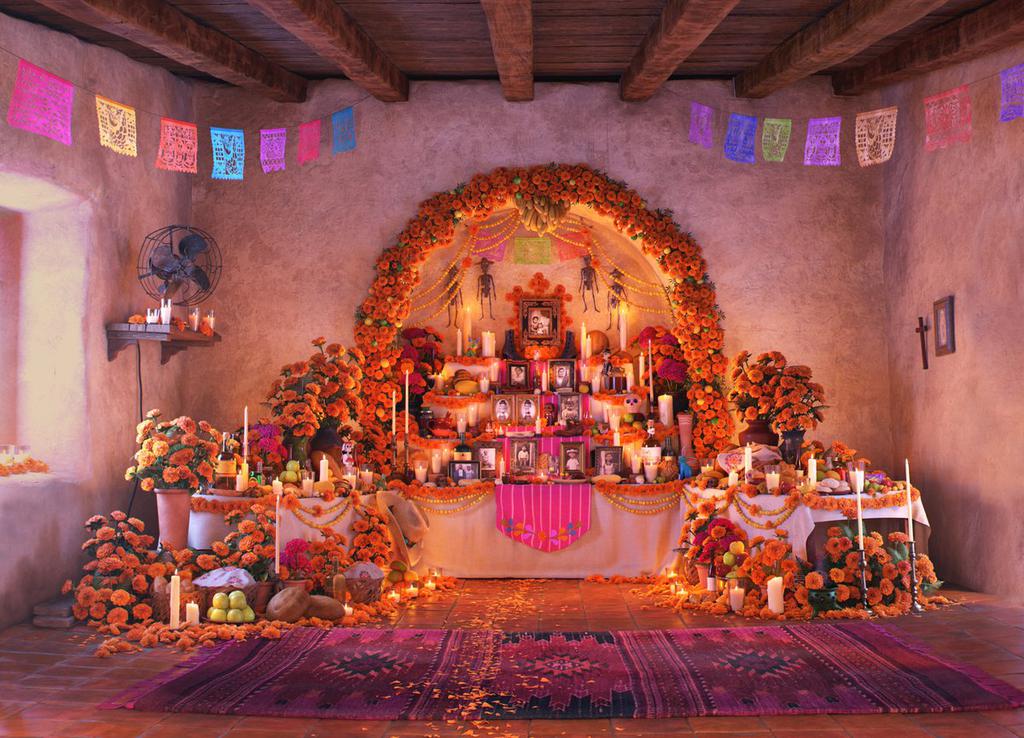
In many spiritual traditions around the world (Chinese, Haitian, Brazilian, Native-American, Hindu...) you will notice a common trend: The Feeding of Ancestors and Spirits. Two more interesting examples:
China: The 15th day of the 7th moon in the lunar calendar is called Ghost Day or Hungry Ghost Festival. A large feast is held for the ghosts on the fourteenth day of the seventh month, when people bring samples of food and place them on an offering table to please the ghosts and ward off bad luck.
Scotland: Most people know of Samhain as the pagan version of Halloween. The Celtic holiday of Samhain was originally a festival marking the end of fall and the beginning of winter. It was believed to be the time when the border between the living world and spiritual world dissolved, and it marked the time to celebrate ancestors, harvest, and the changing of the seasons. To honor the ancestors, celebrants offer food and drink to the ancestors and offer departed family members a seat at the feast.
Is our tradition of Ushpizin related to such customs? There are certainly many similarities. We may usually think of Purim as the "Jewish Halloween" but perhaps Sukkot is also a candidate.
4. V'Halachta Bidrachav: Walking in God's Ways
Another important aspect of the tradition is that each Ushpizin guest represents a different characteristic of God (a sefirah):
-
First day: Abraham – Chesed (חסד, "loving-kindness")
-
Second day: Isaac – Gevurah (גבורה, "strength")
-
Third day: Jacob – Tiferet (תפארת, "splendor')
-
Fourth day: Moses – Netzach (נצח, "eternity")
-
Fifth day: Aaron – Hod (הוד, "glory")
-
Sixth day: Joseph – Yesod (יסוד, "foundation")
-
Seventh day: David – Malchut (מלכות, "sovereignty")
יְקִֽימְךָ֨ ה' לוֹ֙ לְעַ֣ם קָד֔וֹשׁ כַּאֲשֶׁ֖ר נִֽשְׁבַּֽע־לָ֑ךְ כִּ֣י תִשְׁמֹ֗ר אֶת־מִצְוֺת֙ ה' אֱלֹהֶ֔יךָ וְהָלַכְתָּ֖ בִּדְרָכָֽיו׃
The LORD will establish you as His holy people, as He swore to you, if you keep the commandments of the LORD your God and walk in His ways.
להלך אחר מדותיו של הקב"ה מה הוא מלביש ערומים... אף אתה הלבש ערומים הקב"ה ביקר חולים... אף אתה בקר חולים הקב"ה ניחם אבלים... אף אתה נחם אבלים הקב"ה קבר מתים... אף אתה קבור מתים
The meaning is that one should follow the attributes of the Holy One, Blessed be He. Just as He clothes the naked... so too, should you clothe the naked. Just as the Holy One, Blessed be He, visits the sick... so too, should you visit the sick. Just as the Holy One, Blessed be He, consoles mourners... so too, should you console mourners. Just as the Holy One, Blessed be He, buried the dead... so too, should you bury the dead.
Our dead ancestors teach us about how to live in THIS world. Despite the fact that we have been thinking about life and death during this intense time of the holidays, we do not focus our energy on connecting to the after-life, per se. We focus our attention on living the best life we can here in this world, following the qualities and attributes of God.
5. Simcha Shel Mitzvah: Joy in the Commandments
The infamous town of Auschwitz was known as Oświęcim in Polish. In an ironic twist that we can only appreciate in hindsight, the Jews called the town Oshpitzin, making a connection to the Jewish idea of Ushpizin. According to one source: “This village was famous for its hospitality. Every Avrum, Yitz and Yankev seemed to know that if you were detained at the border while passports or merchandise awaited approval, you could find a good shul, a good bed, and a good meal here, as if you were as special as the ushpizin’s Abraham, Isaac and Jacob.” (from https://jewishweek.timesofisrael.com/before-auschwitz-was-auschwitz/)
The town’s yizkor book tells of a legend once popular in this extinct town. How long ago, before the war, the dead from the nearby fields would arise and daven in a favorite Oshpitzin shul. One Simchas Torah, after midnight, the shul filled with light, the doors were flung open, and invisible voices were heard singing and dancing. The living — those who dared to enter — and the dead were called up by name to the Torah reading. (https://www.jewishgen.org/yizkor/oswiecim1/oswiecim.html)
Apparently, the greatest desire of our Jewish ghosts is to come back to celebrate mitzvot and holidays with us, the living.
(א) הוֹד֣וּ לַיהֹוָ֣ה כִּי־ט֑וֹב כִּ֖י לְעוֹלָ֣ם חַסְדּֽוֹ!
(1) Praise the LORD; for He is good, His steadfast love is eternal!