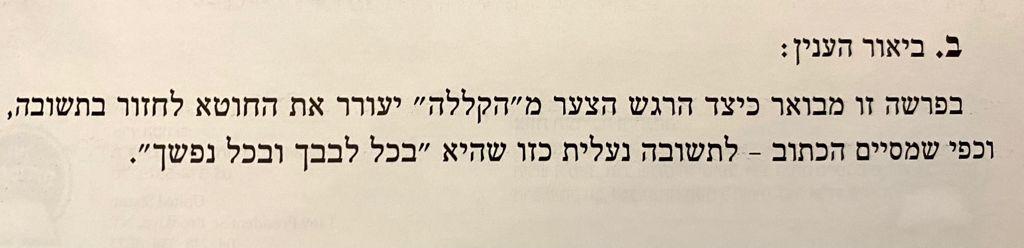
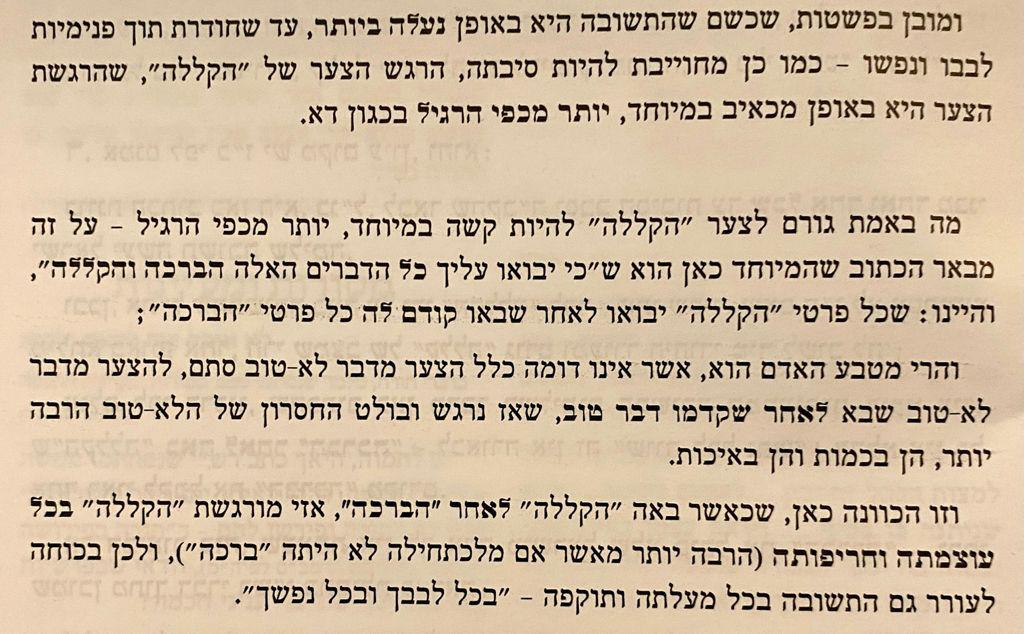
וְהָיָה֩ כִֽי־יָבֹ֨אוּ עָלֶ֜יךָ כׇּל־הַדְּבָרִ֣ים הָאֵ֗לֶּה הַבְּרָכָה֙ וְהַקְּלָלָ֔ה אֲשֶׁ֥ר נָתַ֖תִּי לְפָנֶ֑יךָ וַהֲשֵׁבֹתָ֙ אֶל־לְבָבֶ֔ךָ בְּכׇ֨ל־הַגּוֹיִ֔ם אֲשֶׁ֧ר הִדִּיחֲךָ֛ יְהֹוָ֥ה אֱלֹהֶ֖יךָ שָֽׁמָּה׃
When all these things befall you—the blessing and the curse that I have set before you—and you take them to heart amidst the various nations to which the LORD your God has banished you,
וְשַׁבְתָּ֞ עַד־יְהֹוָ֤ה אֱלֹהֶ֙יךָ֙ וְשָׁמַעְתָּ֣ בְקֹל֔וֹ כְּכֹ֛ל אֲשֶׁר־אָנֹכִ֥י מְצַוְּךָ֖ הַיּ֑וֹם אַתָּ֣ה וּבָנֶ֔יךָ בְּכׇל־לְבָבְךָ֖ וּבְכׇל־נַפְשֶֽׁךָ׃
and you return to the LORD your God, and you and your children heed His command with all your heart and soul, just as I enjoin upon you this day,
וַיֹּ֤אמֶר יְהֹוָה֙ אֶל־מֹשֶׁ֔ה הִנְּךָ֥ שֹׁכֵ֖ב עִם־אֲבֹתֶ֑יךָ וְקָם֩ הָעָ֨ם הַזֶּ֜ה וְזָנָ֣ה ׀ אַחֲרֵ֣י ׀ אֱלֹהֵ֣י נֵכַר־הָאָ֗רֶץ אֲשֶׁ֨ר ה֤וּא בָא־שָׁ֙מָּה֙ בְּקִרְבּ֔וֹ וַעֲזָבַ֕נִי וְהֵפֵר֙ אֶת־בְּרִיתִ֔י אֲשֶׁ֥ר כָּרַ֖תִּי אִתּֽוֹ׃
The LORD said to Moses: You are soon to lie with your fathers. This people will thereupon go astray after the alien gods in their midst, in the land that they are about to enter; they will forsake Me and break My covenant that I made with them.
וְחָרָ֣ה אַפִּ֣י ב֣וֹ בַיּוֹם־הַ֠ה֠וּא וַעֲזַבְתִּ֞ים וְהִסְתַּרְתִּ֨י פָנַ֤י מֵהֶם֙ וְהָיָ֣ה לֶאֱכֹ֔ל וּמְצָאֻ֛הוּ רָע֥וֹת רַבּ֖וֹת וְצָר֑וֹת וְאָמַר֙ בַּיּ֣וֹם הַה֔וּא הֲלֹ֗א עַ֣ל כִּי־אֵ֤ין אֱלֹהַי֙ בְּקִרְבִּ֔י מְצָא֖וּנִי הָרָע֥וֹת הָאֵֽלֶּה׃
Then My anger will flare up against them, and I will abandon them and hide My countenance from them. They shall be ready prey; and many evils and troubles shall befall them. And they shall say on that day, “Surely it is because our God is not in our midst that these evils have befallen us.”
ויש להעיר למה הוצרך לומר הברכה, כיון שדבר הסובב התשובה הוא מורא הקללה, לא היה לו לומר אלא כי יבא עליך הקללה. ונראה כי בא להעיר דבר שבו ישיב אל לבו לשוב בתשובה, והוא כי ישכיל בהטיבו מעשיו לפני ה' ברוך הוא הברכה אשר תסובבנו, ועת אשר יסור מני אורח החיים הקללה אשר תבואהו, ומזה ישכיל להשיב אל לבו, כי זולת מבחן הברכה שיהיה בה בעשות רצונו יתברך, לא יצדיק סיבת הקללה שהיא לצד עוזבו את ה':
We have to explain the need for the Torah to mention the blessing at this juncture altogether. It would have sufficed to write the word הקללה, "the curse," as this is the catalyst that sparks repentance. Perhaps the Torah describes some of the thought processes which preceded the penitence of the Israelites. As long as the Israelites had not sinned and had experienced blessings in abundance they had not attributed it to their lifestyle. They had taken such blessings for granted, considering them as their due. Only after being deprived of these blessings do the Israelites begin to perceive that the lifestyle they used to enjoy was due to G'd bestowing special blessings on them.
מספר הרב מאניס שיחי'
ר' מענדל פוטרפס היה חסיד בעל מסירות נפש שישב בסיביר שמונה שנים על הפצת היהדות ברוסיה
כשיצא מרוסיה הוא הגיע מיד לניו יורק כדי לפגוש את הרבי מליובאוויטש שאותו עדיין לא ראה
אחרי שיצא מהיחידות עם הרבי הוא נכנס לישיבה וראה את הבחורים הצעירים לומדים מאמר
מה לומדים הוא שואל, ותוך כדי הוא רואה את המילים חשבון הנפש במאמר
נו אתם יודעים איך עושים חשבון הנפש הוא שאל?
הבחורים לא ענו, הם חיכו שהוא יגיד
ור' מענדל ממשיך, נו חשבון שעושים ביום כיפור אתם יודעים איך, חושבים על כל העבירות שעשו במשך השנה, מה שעשו בחשון בכסלו וכו' ומתחרטים, לא כך?!
הבחורים הנהנו בהסכמה, נכון כך עושים חשבון הנפש.
ואז ר' מענדל מפתיע אותם ואומר פפפעעע...
לשבת ביום הכי קדוש בשנה ולהיזכר שוב בכל העבירות זה מגעיל
אני אגיד לכם איך עושים חשבון נפש
בראש השנה בעשרת ימי תשובה וביום כיפור חושבים על כל החסדים שהשם עשה לנו במשך השנה
מה שנתן לנו בתשרי בחשון בכסלו...
וכמה למרות איך שהתנהגנו הוא המשיך להשפיע עלינו כל טוב וכו' וכו'
ובסוף בנעילה כשהלב נמס ומלאה הכרת הטוב להשם ית' על מה שעושה בשבילנו,
עוצרים וחושבים ומה אני עשיתי בשבילו, מה אני החזרתי לו תמורת כל הטוב,
ומתחרטים ומחליטים להשתפר, ככה עושים חשבון הנפש אומר להם ר' מענדל
ר' מענדל פוטרפס היה חסיד בעל מסירות נפש שישב בסיביר שמונה שנים על הפצת היהדות ברוסיה
כשיצא מרוסיה הוא הגיע מיד לניו יורק כדי לפגוש את הרבי מליובאוויטש שאותו עדיין לא ראה
אחרי שיצא מהיחידות עם הרבי הוא נכנס לישיבה וראה את הבחורים הצעירים לומדים מאמר
מה לומדים הוא שואל, ותוך כדי הוא רואה את המילים חשבון הנפש במאמר
נו אתם יודעים איך עושים חשבון הנפש הוא שאל?
הבחורים לא ענו, הם חיכו שהוא יגיד
ור' מענדל ממשיך, נו חשבון שעושים ביום כיפור אתם יודעים איך, חושבים על כל העבירות שעשו במשך השנה, מה שעשו בחשון בכסלו וכו' ומתחרטים, לא כך?!
הבחורים הנהנו בהסכמה, נכון כך עושים חשבון הנפש.
ואז ר' מענדל מפתיע אותם ואומר פפפעעע...
לשבת ביום הכי קדוש בשנה ולהיזכר שוב בכל העבירות זה מגעיל
אני אגיד לכם איך עושים חשבון נפש
בראש השנה בעשרת ימי תשובה וביום כיפור חושבים על כל החסדים שהשם עשה לנו במשך השנה
מה שנתן לנו בתשרי בחשון בכסלו...
וכמה למרות איך שהתנהגנו הוא המשיך להשפיע עלינו כל טוב וכו' וכו'
ובסוף בנעילה כשהלב נמס ומלאה הכרת הטוב להשם ית' על מה שעושה בשבילנו,
עוצרים וחושבים ומה אני עשיתי בשבילו, מה אני החזרתי לו תמורת כל הטוב,
ומתחרטים ומחליטים להשתפר, ככה עושים חשבון הנפש אומר להם ר' מענדל
כִּֽי־יִהְיֶה֩ בְךָ֨ אֶבְי֜וֹן מֵאַחַ֤ד אַחֶ֙יךָ֙ בְּאַחַ֣ד שְׁעָרֶ֔יךָ בְּאַ֨רְצְךָ֔ אֲשֶׁר־יְהֹוָ֥ה אֱלֹהֶ֖יךָ נֹתֵ֣ן לָ֑ךְ לֹ֧א תְאַמֵּ֣ץ אֶת־לְבָבְךָ֗ וְלֹ֤א תִקְפֹּץ֙ אֶת־יָ֣דְךָ֔ מֵאָחִ֖יךָ הָאֶבְיֽוֹן׃
If, however, there is a needy person among you, one of your kinsmen in any of your settlements in the land that the LORD your God is giving you, do not harden your heart and shut your hand against your needy kinsman.
כִּֽי־פָתֹ֧חַ תִּפְתַּ֛ח אֶת־יָדְךָ֖ ל֑וֹ וְהַעֲבֵט֙ תַּעֲבִיטֶ֔נּוּ דֵּ֚י מַחְסֹר֔וֹ אֲשֶׁ֥ר יֶחְסַ֖ר לֽוֹ׃
Rather, you must open your hand and lend him sufficient for whatever he needs.
די מחסרו. וְאִי אַתָּה מְצֻוֶּה לְהַעֲשִׁירוֹ:
די מחסרו [LEND HIM ON PLEDGE] SUFFICIENT FOR HIS NEED — but you are not commanded to make him rich.
אשר יחסר לו. אֲפִלּוּ סוּס לִרְכֹּב עָלָיו וְעֶבֶד לָרוּץ לְפָנָיו (שם):
אשר יחסר לו [SUFFICIENT FOR HIS NEED] IN THAT WHICH HE LACKETH — This implies: you must provide him even with a horse to ride on and a slave to run before him (if he was accustomed to such and now feels the lack of them) (Sifrei Devarim 116:16; Ketubot 67b).
כִּֽי־אֲבִיאֶ֜נּוּ אֶֽל־הָאֲדָמָ֣ה ׀ אֲשֶׁר־נִשְׁבַּ֣עְתִּי לַאֲבֹתָ֗יו זָבַ֤ת חָלָב֙ וּדְבַ֔שׁ וְאָכַ֥ל וְשָׂבַ֖ע וְדָשֵׁ֑ן וּפָנָ֞ה אֶל־אֱלֹהִ֤ים אֲחֵרִים֙ וַעֲבָד֔וּם וְנִ֣אֲצ֔וּנִי וְהֵפֵ֖ר אֶת־בְּרִיתִֽי׃
When I bring them into the land flowing with milk and honey that I promised on oath to their fathers, and they eat their fill and grow fat and turn to other gods and serve them, spurning Me and breaking My covenant,
וְנָתַתָּ֧ עַֽל־הַשֻּׁלְחָ֛ן לֶ֥חֶם פָּנִ֖ים לְפָנַ֥י תָּמִֽיד׃ (פ)
And on the table you shall set the bread of display, to be before Me always.
וְלָקַחְתָּ֣ סֹ֔לֶת וְאָפִיתָ֣ אֹתָ֔הּ שְׁתֵּ֥ים עֶשְׂרֵ֖ה חַלּ֑וֹת שְׁנֵי֙ עֶשְׂרֹנִ֔ים יִהְיֶ֖ה הַֽחַלָּ֥ה הָאֶחָֽת׃
You shall take choice flour and bake of it twelve loaves, two-tenths of a measure for each loaf.
וְשַׂמְתָּ֥ אוֹתָ֛ם שְׁתַּ֥יִם מַֽעֲרָכ֖וֹת שֵׁ֣שׁ הַֽמַּעֲרָ֑כֶת עַ֛ל הַשֻּׁלְחָ֥ן הַטָּהֹ֖ר לִפְנֵ֥י יְהוָֽה׃
Place them on the pure table before the LORD in two rows, six to a row.
וְנָתַתָּ֥ עַל־הַֽמַּעֲרֶ֖כֶת לְבֹנָ֣ה זַכָּ֑ה וְהָיְתָ֤ה לַלֶּ֙חֶם֙ לְאַזְכָּרָ֔ה אִשֶּׁ֖ה לַֽיהוָֽה׃
With each row you shall place pure frankincense, which is to be a token offering for the bread, as an offering by fire to the LORD.
וארבעה כהנים נכנסין שנים בידם שני סדרים ושנים בידם שני בזיכין וארבעה מקדימין לפניהם שנים ליטול שני סדרים ושנים ליטול שני בזיכין
The mishna describes the manner in which it is ensured that the shewbread is constantly on the Table: And four priests enter, two with the two arrangements of the new shewbread in their hands and two with the two bowls of frankincense in their hands. And four priests precede them, entering the Sanctuary before them, two to take the two arrangements of the old shewbread from the Table, and two to take the two bowls of frankincense.
המכניסים עומדים בצפון ופניהם לדרום והמוציאין עומדים בדרום ופניהם בצפון אלו מושכין ואלו מניחין וטפחו של זה כנגד טפחו של זה שנאמר (שמות כה, ל) לפני תמיד
Those bringing the new shewbread into the Sanctuary stand in the north and their faces are to the south, and those removing the old shewbread stand in the south and their faces are to the north. These priests draw the old shewbread from the Table and those priests place the new shewbread on the Table, and for each handbreadth of this old shewbread that is removed from the Table a handbreadth of that new shewbread is placed upon the Table, so that the Table is never without loaves upon it, as it is stated: “And you shall set upon the Table shewbread before Me always” (Exodus 25:30).
ר' יוסי אומר אפילו אלו נוטלין ואלו מניחין אף היא היתה תמיד
Rabbi Yosei says: Even if these priests were to remove the shewbread from the Table entirely, and only afterward those priests were to place the new shewbread upon the Table, this too would fulfill the requirement that the shewbread always be on the Table. It is unnecessary to ensure the uninterrupted presence of the shewbread upon the Table, as long as it does not remain a single night without shewbread upon it.
גמ׳ תניא רבי יוסי אומר אפילו סילק את הישנה שחרית וסידר את החדשה ערבית אין בכך כלום אלא מה אני מקיים לפני תמיד שלא ילין שלחן בלא לחם
GEMARA: The mishna teaches that according to Rabbi Yosei, even if the priest first removes the old shewbread entirely, and only then places the new shewbread upon the Table, this fulfills the requirement that the shewbread always be on the Table. Moreover, it is taught in a baraita that Rabbi Yosei says: Even if the priest removed the old shewbread on the morning of Shabbat, and arranged the new shewbread toward evening, there is nothing wrong with that. Rather, how do I realize the meaning of the verse: “And you shall set upon the Table shewbread before Me always” (Exodus 25:30)? This means that the Table should not be left overnight without bread upon it.
אמר ר' אמי מדבריו של ר' יוסי נלמוד אפילו לא שנה אדם אלא פרק אחד שחרית ופרק אחד ערבית קיים מצות (יהושע א, ח) לא ימוש (את) ספר התורה הזה מפיך
The baraita teaches that according to Rabbi Yosei, even if the old shewbread remained on the Table for a short while in the morning, and the new shewbread was placed on the Table toward evening, and even though it did not reside constantly on the Table, this fulfills the requirement that the shewbread should always be on the Table. Rabbi Ami says: From Rabbi Yosei’s statement we may learn that even if a person learned only one chapter of the Mishna in the morning and one chapter of the Mishna in the evening, he has thereby fulfilled the mitzva of: “This Torah scroll shall not depart from your mouth, and you shall contemplate in it day and night, that you may take heed to do according to all that is written in it, for then you shall make your ways prosperous, and then you shall have good success” (Joshua 1:8).
אמר רבי יוחנן משום רבי שמעון בן יוחי אפילו לא קרא אדם אלא קרית שמע שחרית וערבית קיים לא ימוש ודבר זה אסור לאומרו בפני עמי הארץ ורבא אמר מצוה לאומרו בפני עמי הארץ
Rabbi Yoḥanan says in the name of Rabbi Shimon ben Yoḥai: Even if a person recited only the recitation of Shema in the morning and in the evening, he has fulfilled the mitzva of: “This Torah scroll shall not depart from your mouth.” And it is prohibited to state this matter in the presence of ignoramuses [amei ha’aretz], as they are likely to get the impression that there is no need to study Torah beyond this. And Rava says: On the contrary, it is a mitzva to state this matter in the presence of ignoramuses, as they will realize that if merely reciting the Shema leads to such a great reward, all the more so how great is the reward of those who study Torah all day and night.
אסור לאומרו - שלא יאמר בקרית שמע סגי ולא ירגיל בניו לתלמוד תורה:
מצוה לאומרו כו' - דסבר משום קרית שמע נוטל שכר גדול כזה כי אז תצליח את דרכיך אם היה עוסק כל היום כ"ש ששכרו גדול ומרגיל את בניו לתלמוד תורה...: