
Save "אלישע בן אבויה: סיפורו של כופר
"
אלישע בן אבויה: סיפורו של כופר

תָּנוּ רַבָּנַן אַרְבָּעָה נִכְנְסוּ בַּפַּרְדֵּס וְאֵלּוּ הֵן בֶּן עַזַּאי וּבֶן זוֹמָא אַחֵר וְרַבִּי עֲקִיבָא... בֶּן עַזַּאי הֵצִיץ וָמֵת [...] בֶּן זוֹמָא הֵצִיץ וְנִפְגַּע [...] אַחֵר קִיצֵּץ בִּנְטִיעוֹת רַבִּי עֲקִיבָא יָצָא בְּשָׁלוֹם

§ The Sages taught: Four entered the orchard [pardes], i.e., dealt with the loftiest secrets of Torah, and they are as follows: Ben Azzai; and ben Zoma; Aḥer, the other, a name for Elisha ben Avuya; and Rabbi Akiva. Rabbi Akiva, the senior among them, said to them: When, upon your arrival in the upper worlds, you reach pure marble stones, do not say: Water, water, although they appear to be water, because it is stated: “He who speaks falsehood shall not be established before My eyes” (Psalms 101:7). The Gemara proceeds to relate what happened to each of them: Ben Azzai glimpsed at the Divine Presence and died. And with regard to him the verse states: “Precious in the eyes of the Lord is the death of His pious ones” (Psalms 116:15). Ben Zoma glimpsed at the Divine Presence and was harmed, i.e., he lost his mind. And with regard to him the verse states: “Have you found honey? Eat as much as is sufficient for you, lest you become full from it and vomit it” (Proverbs 25:16). Aḥer chopped down the shoots of saplings. In other words, he became a heretic. Rabbi Akiva came out safely.

(תרגום מארמית: איתן כהן)

רַבִּי מֵאִיר היה יושב ודורש בבית המדרש של טבריה, ובא אלישע רבו והיה מסתובב בשוק רכוב על סוסו ביום שבת.

אָמְרוּ לְרַבִּי מֵאִיר "אֱלִישָׁע רַבָּךְ בא ומסתובב בשוק",

יצא אליו,

אֲמַר לֵיהּ [אלישע] בַּמֶּה היית עוסק?

אֲמַר לֵיהּ [ר' מאיר]... (קהלת ז, ח): "טוֹב אַחֲרִית דָּבָר מֵרֵאשִׁיתוֹ."

אֲמַר לֵיהּ [אלישע] וּמָה אֲמַרְתְּ?

אֲמַר לֵיהּ [ר' מאיר] יֵשׁ לְךָ אָדָם שֶׁהוּא קוֹנֶה סְחוֹרָה בְּנַעֲרוּתוֹ וְהוּא מַפְסִיד וּבְזִקְנוּתוֹ וְהוּא מִשְׂתַּכֵּר בָּהּ. דָּבָר אַחֵר[...] יֵשׁ לְךָ אָדָם שֶׁעוֹשֶׂה מַעֲשִׂים רָעִים בְּנַעֲרוּתוֹ וּבְזִקְנוּתוֹ עוֹשֶׂה מַעֲשִׂים טוֹבִים. דָּבָר אַחֵר[...] יֵשׁ לְךָ אָדָם שֶׁהוּא לֹמֵד תּוֹרָה בְּנַעֲרוּתוֹ וּמְשַׁכֵּחַ, וּבְזִקְנוּתוֹ הוּא חוֹזֵר עָלֶיהָ, הֱוֵי טוֹב אַחֲרִית דָּבָר מֵרֵאשִׁיתוֹ.

אֲמַר לֵיהּ [אלישע] עֲקִיבָא רַבְּךָ לֹא כָּךְ אָמַר, אֶלָּא, טוֹב אַחֲרִית דָּבָר כְּשֶׁהוּא טוֹב מֵרֵאשִׁיתוֹ. וּבִי הֲוָה מַעֲשֶׂה, אֲבוּיָה אָבִי הָיָה מִגְדּוֹלֵי הַדּוֹר וּכְשֶׁבָּא לְמוּלֵנִי קָרָא לְכָל גְּדוֹלֵי יְרוּשָׁלַיִם, וְקָרָא לְרַבִּי אֱלִיעֶזֶר וּלְרַבִּי יְהוֹשֻׁעַ עִמָּהֶם [...] הִתְחִילוּ בַּתּוֹרָה וּמִן הַתּוֹרָה לַנְּבִיאִים וּמִן הַנְּבִיאִים לַכְּתוּבִים וְהָיוּ הַדְּבָרִים שְׂמֵחִין כִּנְתִינָתָן מִסִּינַי [...] אָמַר [אבא שלי] "הוֹאִיל וְכֵן הוּא גָּדוֹל כֹּחָהּ שֶׁל תּוֹרָה, הַבֵּן הַזֶּה אִם מִתְקַיֵּם לִי הֲרֵינִי נוֹתְנוֹ לַתּוֹרָה", וְעַל יְדֵי שֶׁלֹא הָיְתָה כַּוָּנַת מַחֲשַׁבְתּוֹ לְשֵׁם שָׁמַיִם לֹא נִתְקַיְּמָה בִּי תּוֹרָתִי...

אֲמַר לֵיהּ [אלישע] חֲזֹר לָךְ.

אֲמַר לֵיהּ [ר' מאיר] לָמָּה?

אֲמַר לֵיהּ [אלישע] עַד כָּאן תְּחוּם שַׁבָּת.

אֲמַר לֵיהּ [ר' מאיר] מנין אתה יודע?

אָמַר [אלישע] ספרתי איך סוסי כְּבָר הָלַךְ אַלְפַּיִם אַמָּה.

אֲמַר לֵיהּ [ר' מאיר] אם אתה כל כך חכם, מדוע שלא תחזור יחד איתי?

אֲמַר לֵיהּ [אלישע] אינני יכול.

אֲמַר לֵיהּ לָמָּה?
"Stay the night", this night you stay without a husband, but this is the last night you spend without a husband. "Then, in the morning, if he will redeem you, very well; let him redeem you; but if he will not redeem you, then I will redeem you (Ruth 3:13)". Rabbi Meir was sitting and expounding and expounding the law in Tiberias and Elisha, his rabbi, passed by on the street riding a horse on Shabbat. And they said to Rabbi Meir: "Look! Elisha is passing by in the street!" Rabbi Meir greeted him and Elisha said: "what are you up to expounding?" Rabbi Meir said "and Hashem blessed the end of Job's life more than the beginning (Job 42:12)". And Elisha responded: "What are you saying about it?" And he replied: ""blessed" that is he doubled his wealth for him". And Elisha said to him "Akiva your teacher did not used to say that, but rather "And Hashem blessed the end of Job's life more than the beginning": because of his mindful repentance and good deeds which were in his hand at the beginning. What else?" And Rabbi Meir responded: "the end of a matter is better than its beginning (Ecclesiastes 7:8)". And Elisha said "What did you say about that"? And Rabbi Meir replied "you have the example of a man who buys merchandise in his youth and he has a loss, and he profits from it in old age. Another interpretation: "the end of a matter is better than its beginning" you have the example of a man who does evil deeds in his youth but good deeds in his old age. Another interpretation: "the end of a matter is better than its beginning": a man can learn Torah in his youth and forget it, but in his old age he can renew it, and so "the end of a matter is better than its beginning". And Elisha said to him: "Akiva your teacher did not say this, but rather "the end of a matter is good" that is when it is good "from its beginning". And for me there is this example: Avuyah, my father, was a great man of his generation and when the time came for my circumcision he invited all the great men of Jerusalem, and he invited Rabbi Eliezer and Rabbi Joshua among them. And when they ate and drank some sang songs and others alphabetic acrostics. Rabbi Eliezer said to Rabbi Joshua, these men are busying themselves on pointless things, and we are neglecting to pursue our affairs. So they began with the Torah and from the Torah the Prophets and from the Prophets to the writings and they rejoiced in these words as when they were given from Sinai surrounded by flaming fire. And were they not given from Sinai in fire, as it is said "And the mountain burned with a fire reaching up to the heart of the sky (Deuteronomy 4:11)"? And Avuya said "So great is the power of the Torah, this son of mine, if he survives, I will offer to give him to the Torah." And so because the intention of my thought was not for the sake of Heaven, my Torah did not continue in me. And what further did you discuss, Meir?" Rabbi Meir responded to him: "Gold or glass cannot match its value, Nor vessels of fine gold be exchanged for it (Job 28:17)". And he said: "What did you say about that?" And Rabbi Meir said: "These are words of the Torah which are difficult to buy as vessels of gold and easy to destroy like glass". Elisha responded: "Akiva your teacher did not speak this way, but rather as vessels of gold and glass if they are broken, it is possible to repair them, so a wise disciple that has lost his Mishnah is able to renew it". And then Elisha said: "return". And Rabbi Meir said: "Why?". And he responded: "because this is the edge of the Shabbat boundary". He responded: "How do you know?" Elisha said: "From the footsteps of my horse which has gone across 2,ooo amot. And Meir said: "And with all this wisdom of yours you will not return?" And Elisha responded: "That is not in my power". And he asked: "Why?". And Elisha explained to him "I was riding on a horse and while passing behind a synagogue on Yom Kippur that fell on Shabbat I heard a voice from Heaven break forth saying: "Turn back, O rebellious children (Jeremiah 3:22). Turn back to Me, and I will turn back to you (Malachi 3:7), except for Elisha the son of Avuya because he knows my strength and has rebelled against me". How did this thing happen to him? They said that one time he was sitting and reciting in the Valley of Geinosar and he saw that one man went to the top of a palm tree and took the mother bird with her young and descended without trouble, and on the day after Shabbat he saw another man go to the top of the palm tree and he took the young and sent away the mother and when he came down a snake bit him and he died. He said: "As it is written: "Let the mother go, and take only the young, in order that you may fare well and have a long life (Deuteronomy 22:7), but how is it good for this man and how is there a long life for this man?" And he did not know that it had been interpreted by Rabbi Akiva in public: "that you may fare well (tov)" in the world that is entirely good (<tov< i="">) and "have a long life (ha'arakhta)" that is in the length ('arokh) of eternity". And some were saying because he saw the tongue of Rabbi Judah the baker given to the mouth of a dog. And Elisha said: "If the tongue which occupied itself every day in Torah [is treated] thus, how much more the tongue of the one who knows nothing and is not occupied in Torah!" and thus he said "If so then there is no reward for the righteous and no resurrection of the dead!" And some were saying it is because his mother while pregnant was passing by the idolatrous temples and she smelled [the sacrifices] and they gave to her from the sacrificial meat and she ate it and it was poison spreading in her belly like the venom of a large snake. After many days Elisha the son of Avuya became sick and they said to Rabbi Meir: "Elisha your teacher is sick." He went to greet him and said "Repent again". And Elisha responded: "After this they would accept me?" And Rabbi Meir said: "You return man to dust (Psalm 90:3)”; until the crushing of the soul". As soon as he heard this Elisha son of Avuya wept and died. And Rabbi Meir was rejoicing and said: "my teacher was taken as he repented!". And when they buried Elisha, a light descended to burn his grave and they said to Rabbi Meir: "the grave of your teacher is burning". And he went and spread his tallit over it. And he said to Elisha: "Stay this night, and it shall be in the morning, that if he will perform unto thee the part of a kinsman, well (tov); let him do the kinsman's part but if he be not willing to do the part of a kinsman to thee, then will I do the part of a kinsman to thee, as Hashem lives; lie down until the morning.' (Ruth 3:13)". "Stay this night" in this world that is all night. "It shall be in the morning, that if he will perform unto thee the part of a kinsman, well": "It shall be in the morning" that is in the world that is all good"; "that if he will perform unto thee the part of a kinsman" that is the Holy One, blessed be He, as it is said "Good is Hashem to all (Psalm 145:9)". "If he be not willing to do the part of a kinsman to thee, then will I do the part of a kinsman to thee, as Hashem lives; lie down until the morning.'" and the fire stopped. And they said to him: "Our teacher, in the world to come if they say to you: 'would you rather see your father or your teacher', what would you say?" Rabbi Meir said: "my father and only then my teacher". And they said to him "Did they hear you or not?" And he replied: "Is it not the tradition that the case of the Torah with the Torah and the case of tefillin with tefillin may be saved? They save Elisha because of the merits of his Torah". After many days his daughters came seeking charity from Rabbi and he said: "May no one show him mercy; may none pity his orphans (Psalm 109:12)". They said to him "Do not consider his actions but his Torah!" And as soon as he heard that Rabbi began weeping and decreed that they should be given help, saying: "if he whose Torah was not for the name of Heaven stands thus, how much more so for he whose Torah was for the name of Heaven!" Rabbi Yose: "these are the three to whom the yetzer came to attack and they each strengthened themselves with an oath. And these are they: Joseph, David, and Boaz". Joseph, as it is written: "How then could I do this most wicked thing (Genesis 39:9)". Rabbi Chunya said in the name of Rabbi Idei: "Is the scripture ever mistaken? "And I sin against God (Genesis 39:9)"; but here "I sin against Hashem" is not written but "against God" and Joseph said "I will not sin and not do this most wicked thing". From where David? As it is said: "And David went on, “As Hashem lives, Hashem Himself will strike him down, or his time will come and he will die, or he will go down to battle and perish (1 Samuel 26:10)". To whom did he swear? Rabbi Eliezer and Rabbi Samuel the son of Nachman: Rabbi Eliezer said: "He swore to his yetzer". Rabbi Samuel son of Nachman: "He swore to Abishai son of Zeruah and he said: "As Hashem lives if you touch him I will mix your blood with his blood". From where Boaz? As it is said: "As Hashem lives lie down until the morning (Ruth 3:13)". Rabbi Yehudah and Rabbi Chunya: Rabbi Yehudah says "all that very night his yetzer fought with him and said: "You are unmarried and seek a wife, and she is unmarried and seeks a husband; stand up man and become the master of this woman!" And Boaz swore to his yetzer: "As Hashem lives I will not touch her!" And to the woman he said: "Stay this night. It shall be in the morning, that if he will perform unto thee the part of a kinsman, well". And Rabbi Chunya says: "It is written: "A wise man is strength (ba'oz) (Proverbs 24:5)"; [rather read] "A wise man is Boaz; a knowledgeable man exerts power" when he strengthened himself against his yetzer with an oath.

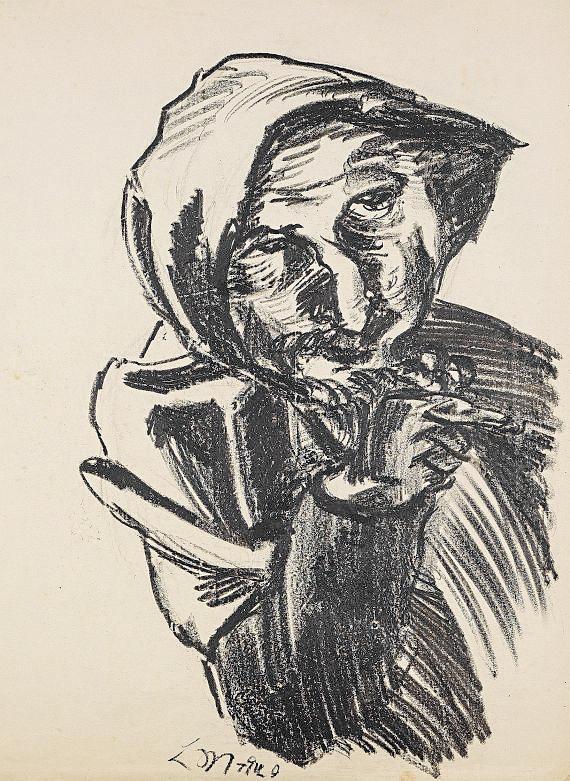
אלישע בן אבויה. ציור מאת לודויג מיידנר 1920

(1) אֱלִישָׁע בֶּן אֲבוּיָה אוֹמֵר, הַלּוֹמֵד יֶלֶד לְמַה הוּא דוֹמֶה? לִדְיוֹ כְתוּבָה עַל נְיָר חָדָשׁ. וְהַלּוֹמֵד זָקֵן לְמַה הוּא דוֹמֶה, לִדְיוֹ כְתוּבָה עַל נְיָר מָחוּק.

(2) רַבִּי יוֹסֵי בַר יְהוּדָה אִישׁ כְּפַר הַבַּבְלִי אוֹמֵר, הַלּוֹמֵד מִן הַקְּטַנִּים [קרי: טירונים] לְמַה הוּא דוֹמֶה? לְאֹכֵל עֲנָבִים קֵהוֹת וְשׁוֹתֶה יַיִן מִגִּתּוֹ. וְהַלּוֹמֵד מִן הַזְּקֵנִים [קרי: מומחים] לְמַה הוּא דוֹמֶה? לְאֹכֵל עֲנָבִים בְּשֵׁלוֹת וְשׁוֹתֶה יַיִן יָשָׁן.

(3) רַבִּי אוֹמֵר, אַל תִּסְתַּכֵּל בַּקַּנְקַן, אֶלָּא בְמַה שֶּׁיֶּשׁ בּוֹ. יֵשׁ קַנְקַן חָדָשׁ מָלֵא יָשָׁן, וְיָשָׁן שֶׁאֲפִלּוּ חָדָשׁ אֵין בּוֹ:

Elisha ben Abuyah said: He who learns when a child, to what is he compared? To ink written upon a new writing sheet. And he who learns when an old man, to what is he compared? To ink written on a rubbed writing sheet. Rabbi Yose ben Judah a man of Kfar Ha-babli said: He who learns from the young, to what is he compared? To one who eats unripe grapes, and drinks wine from his vat; And he who learns from the old, to what is he compared? To one who eats ripe grapes, and drinks old wine. Rabbi said: don’t look at the container but at that which is in it: there is a new container full of old wine, and an old [container] in which there is not even new [wine].
Miller, G. A. (1955/1994). The magical number seven, plus or minus two: Some limits on our capacity for processing information. Psychological Review, 101(2), p. 351.
the process of recoding is a very important one in human psychology and deserves much more explicit attention than it has received. In particular, the kind of linguistic recoding that people do seems to me to be the very lifeblood of the thought processes.
Brown, J. S., Collins, A., & Duguid, P. (1989). Situated cognition and the culture of learning. Educational Researcher, 18(1), p. 33.
Unfortunately, students are too often asked to use the tools of a discipline without being able to adopt its culture. To learn to use tools as practitioners use them, a student, like an apprentice, must enter that community and its culture. Thus, in a significant way, learning is, we believe, a process of enculturation.
Wertsch, J. V. (2000). Is it possible to teach beliefs, as well as knowledge about history? In P. N. Stearns, P. C. Seixas, & S. Wineburg (Eds.), Knowing, teaching, and learning history: National and international perspectives (pp. 38–50). NYU Press.
In 1991, as the Soviet Union was undergoing the final stages of its disintegration, I conducted a set of interviews with ethnic Estonians in Estonia about their history...it became clear that the interviewees actually know two accounts of the events of 1940: the official version as presented in schools the media, and other institutions controlled by the Soviet state, and at least one unofficial version that had been learned from family, friends, underground literature, and other informal sources...
A somewhat surprising and ironic additional detail in all this is that the interviewees [...] tended to know the official account as well as, if not better than, the unofficial account. These interviewees could produce a version of the official narrative almost automatically, and they could employ it with great facility when reasoning about events and the actors and motives that gave rise to them. ln short, they demonstrated many of the skills we normally associate with higher-order historical thinking. Conversely, their knowledge of the unofficial accounts tended to be partial and fragmented and was often coupled with an inability to organize coherent interpretations and lines of reasoning about the past. These interviewees demonstrated what might be called a pattern of "knowing but not believing" in the case of the official history and perhaps even "believing but not knowing" in the case of the unofficial history. These patterns stand in sharp opposition to what had been intended by the Soviet authorities, whose objective clearly was to provide instruction that would result in little, if any, conflict between knowing and believing narratives about the past...
Much of our current research is grounded in the implicit assumption that, if we can encourage and assess the mastery of historical texts, we have encouraged and assessed their appropriation. This clearly was not the case for the Estonians I interviewed, and we don't really know whether it is the case for anyone else...
בְּרֵאשִׁ֖ית בָּרָ֣א אֱלֹהִ֑ים אֵ֥ת הַשָּׁמַ֖יִם וְאֵ֥ת הָאָֽרֶץ׃
when God began to create heaven and earth—