


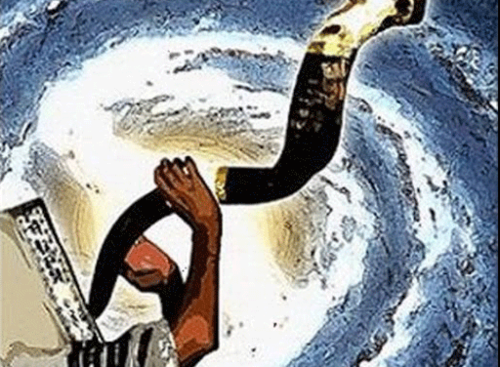
Throughout the past weeks of Elul, we have begun to prepare for the ushering in of the Yamim Noraim - the high holidays as we observe Rosh Hashanah and Yom Kippur.
This Shabbat offers us that final lasting opportunity to ready ourselves as we read Parasha Ki Tavo which is always read on the week prior to Rosh Hashanah in which we are reminded of G-d's commandments and the importance of living and faithfully observing these mitzvot and the many blessings which await us and the miracles we have witnessed as a people in the wilderness.
At the conclusion of Shabbat many will gather virtually and in person for Selichot, a service in which we read a collection of liturgies expressing our eagerness to begin the process of teshuva, the start to our repentance acknowledging the thirteen divine attributes of G-d.
א-ל / G‑d — mighty in compassion to give all creatures according to their need;
רַחוּם / rachum — merciful, that humankind may not be distressed;
וְחַנּוּן / ve’chanun — and gracious if humankind is already in distress;
אֶרֶךְ אַפַּיִם / erech apayim — slow to anger; (once, to the righteous)
אֶרֶךְ אַפַּיִם / erech apayim — slow to anger; (repeated again for the wicked)
וְרַב-חֶסֶד / ve’rav chesed — and plenteous in kindness;
וֶאֱמֶת / ve’emet — and truth;
נֹצֵר חֶסֶד / notzer chesed — keeping kindness
לָאֲלָפִים / laalafim — unto thousands;
נֹשֵׂא עָוֹן / noseh avon — forgiving iniquity;
וָפֶשַׁע / vafeshah — and transgression;
וְחַטָּאָה / vechata'ah — and sin;
וְנַקֵּה / venakeh — and pardoning.
In words drawn from a great role model of mine, Rabbi Joseph Potasnik as contained in his book "Just Give Me A Minute" - Insights from the Radio Rabbi "We often say to people 'You are the Best.' But the Jewish New Year, Rosh Hashanah, reminds us, we can be better. I watched someone distribute Sabbath candles to Jews walking down the street and asked him if he thought it would make a difference to them. He said, 'Sir, we believe in step-by-step diplomacy. If we can get someone to do one good deed this week, maybe that person will do more good deeds the following week."
As we begin this process of returning, we are forced to recount what has been, what we have done and question ourselves about how closely we have been able to emulate these thirteen attributes of mercy in the divine's image for which we are all created. Yet we know for each one of us there's always room for improvement. As we enter this time of our Holy New Year, let us all reflect upon how we can do more, and do even better in the year to come. Let us aspire to continue to exhibit those divine attributes we are good at and acknowledge and commit to nurture those we have yet to perfect.
May this Shabbat and this period of reflection bring you great insight, peace, and clarity.
Shabbat Shalom
This Shabbat offers us that final lasting opportunity to ready ourselves as we read Parasha Ki Tavo which is always read on the week prior to Rosh Hashanah in which we are reminded of G-d's commandments and the importance of living and faithfully observing these mitzvot and the many blessings which await us and the miracles we have witnessed as a people in the wilderness.
At the conclusion of Shabbat many will gather virtually and in person for Selichot, a service in which we read a collection of liturgies expressing our eagerness to begin the process of teshuva, the start to our repentance acknowledging the thirteen divine attributes of G-d.
א-ל / G‑d — mighty in compassion to give all creatures according to their need;
רַחוּם / rachum — merciful, that humankind may not be distressed;
וְחַנּוּן / ve’chanun — and gracious if humankind is already in distress;
אֶרֶךְ אַפַּיִם / erech apayim — slow to anger; (once, to the righteous)
אֶרֶךְ אַפַּיִם / erech apayim — slow to anger; (repeated again for the wicked)
וְרַב-חֶסֶד / ve’rav chesed — and plenteous in kindness;
וֶאֱמֶת / ve’emet — and truth;
נֹצֵר חֶסֶד / notzer chesed — keeping kindness
לָאֲלָפִים / laalafim — unto thousands;
נֹשֵׂא עָוֹן / noseh avon — forgiving iniquity;
וָפֶשַׁע / vafeshah — and transgression;
וְחַטָּאָה / vechata'ah — and sin;
וְנַקֵּה / venakeh — and pardoning.
In words drawn from a great role model of mine, Rabbi Joseph Potasnik as contained in his book "Just Give Me A Minute" - Insights from the Radio Rabbi "We often say to people 'You are the Best.' But the Jewish New Year, Rosh Hashanah, reminds us, we can be better. I watched someone distribute Sabbath candles to Jews walking down the street and asked him if he thought it would make a difference to them. He said, 'Sir, we believe in step-by-step diplomacy. If we can get someone to do one good deed this week, maybe that person will do more good deeds the following week."
As we begin this process of returning, we are forced to recount what has been, what we have done and question ourselves about how closely we have been able to emulate these thirteen attributes of mercy in the divine's image for which we are all created. Yet we know for each one of us there's always room for improvement. As we enter this time of our Holy New Year, let us all reflect upon how we can do more, and do even better in the year to come. Let us aspire to continue to exhibit those divine attributes we are good at and acknowledge and commit to nurture those we have yet to perfect.
May this Shabbat and this period of reflection bring you great insight, peace, and clarity.
Shabbat Shalom