(ב) שָׂעִיר הַמִּשְׁתַּלֵּחַ לְפִי שֶׁהוּא כַּפָּרָה עַל כָּל יִשְׂרָאֵל כֹּהֵן גָּדוֹל מִתְוַדֶּה עָלָיו עַל לְשׁוֹן כָּל יִשְׂרָאֵל שֶׁנֶּאֱמַר (ויקרא טז כא) "וְהִתְוַדָּה עָלָיו אֶת כָּל עֲוֹנֹת בְּנֵי יִשְׂרָאֵל". שָׂעִיר הַמִּשְׁתַּלֵּחַ מְכַפֵּר עַל כָּל עֲבֵרוֹת שֶׁבַּתּוֹרָה, הַקַּלּוֹת וְהַחֲמוּרוֹת, בֵּין שֶׁעָבַר בְּזָדוֹן בֵּין שֶׁעָבַר בִּשְׁגָגָה, בֵּין שֶׁהוֹדַע לוֹ בֵּין שֶׁלֹּא הוֹדַע לוֹ, הַכּל מִתְכַּפֵּר בְּשָׂעִיר הַמִּשְׁתַּלֵּחַ. וְהוּא שֶׁעָשָׂה תְּשׁוּבָה. אֲבָל אִם לֹא עָשָׂה תְּשׁוּבָה אֵין הַשָּׂעִיר מְכַפֵּר לוֹ אֶלָּא עַל הַקַּלּוֹת. וּמַה הֵן הַקַּלּוֹת וּמַה הֵן הַחֲמוּרוֹת. הַחֲמוּרוֹת הֵן שֶׁחַיָּבִין עֲלֵיהֶם מִיתַת בֵּית דִּין אוֹ כָּרֵת. וּשְׁבוּעַת שָׁוְא וָשֶׁקֶר אַף עַל פִּי שֶׁאֵין בָּהֶן כָּרֵת הֲרֵי הֵן מִן הַחֲמוּרוֹת. וּשְׁאָר מִצְוֹת לֹא תַּעֲשֶׂה וּמִצְוֹת עֲשֵׂה שֶׁאֵין בָּהֶן כָּרֵת הֵם הַקַּלּוֹת:
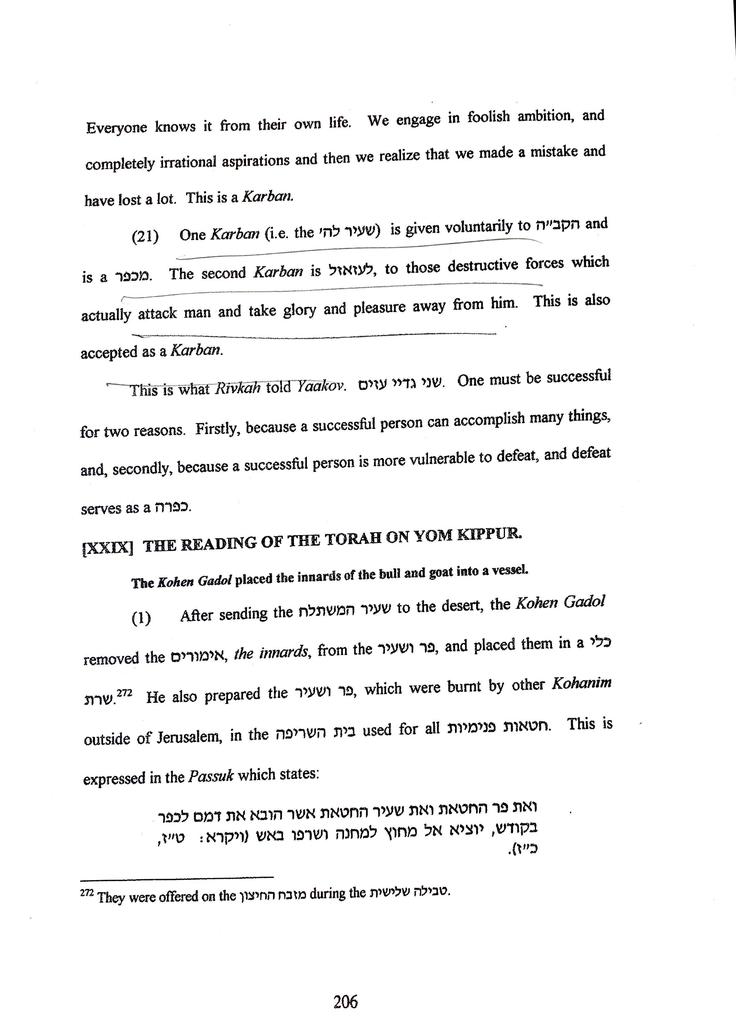
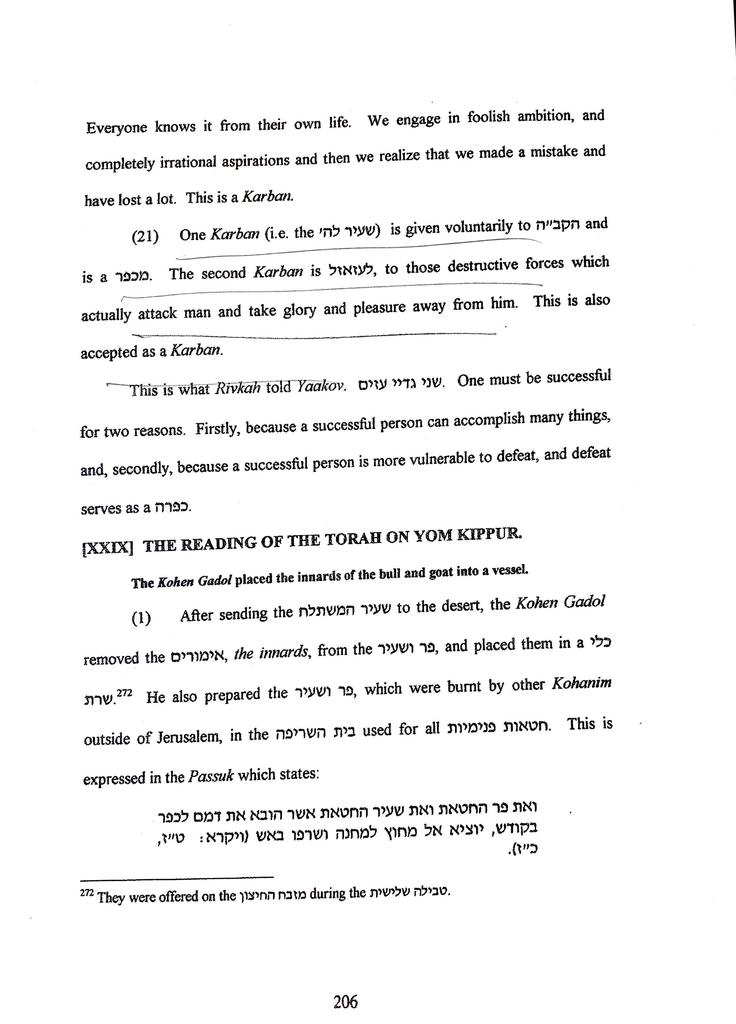
(2) The Azazel-goat, because it is atoning for all Israel, the High-Priest confesses over it in the speech of all Israel, even as it is said: "And confess over him all the iniquities of the children of Israel" (Lev. 16.21). The Azazel-goat, moreover, atones for all transgressions mentioned in the Torah, both, minor and major, whether one committed it in spite or whether he committed it in error, whether it was done by him knowingly or unknowingly— for all the Azazel-goat atones, provided the sinner did repent. But if he repenteth not, the Azazel-goat atones not save for his minor sins. And, what are the minor and what are the major sins? The major sins are such as carry the guilt of death or excision, included among which are also vain and false swearing, although they do not carry the guilt of excision; and all other prohibitive or mandatory commandments which do not carry the guilt of excision are the minor.
(ג) וְנוֹתֵן שְׁנֵי הַגּוֹרָלוֹת עַל שְׁנֵיהֶם. שֶׁל יָמִין עַל יָמִין וְשֶׁל שְׂמֹאל עַל שֶׁל שְׂמֹאל. וְאִם לֹא נָתַן לֹא עִכֵּב אֶלָּא שֶׁחִסֵּר מִצְוָה. שֶׁהַהַנָּחָה מִצְוָה שֶׁאֵינָהּ מְעַכֶּבֶת וְהַהַגְרָלָה מְעַכֶּבֶת אַף עַל פִּי שֶׁאֵינָהּ עֲבוֹדָה. לְפִיכָךְ הַהַנָּחָה כְּשֵׁרָה בְּזָר וְהַעֲלָיַת הַגּוֹרָלוֹת מִן הַקַּלְפִּי פְּסוּלָה בְּזָר:
(א) [קנד] כשם שצריך אדם להאמין בהש"י כך צריך אח"כ להאמין בעצמו.
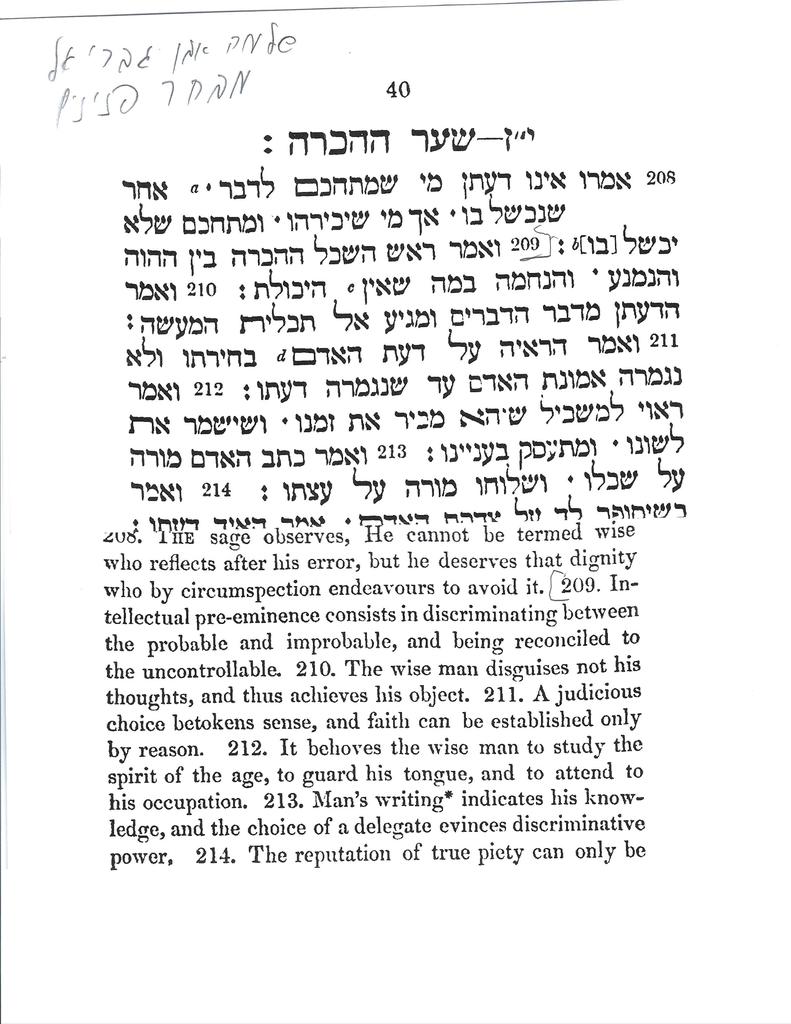
(1) Just as person is required to believe in God, so too is he afterwards required to believe in himself.
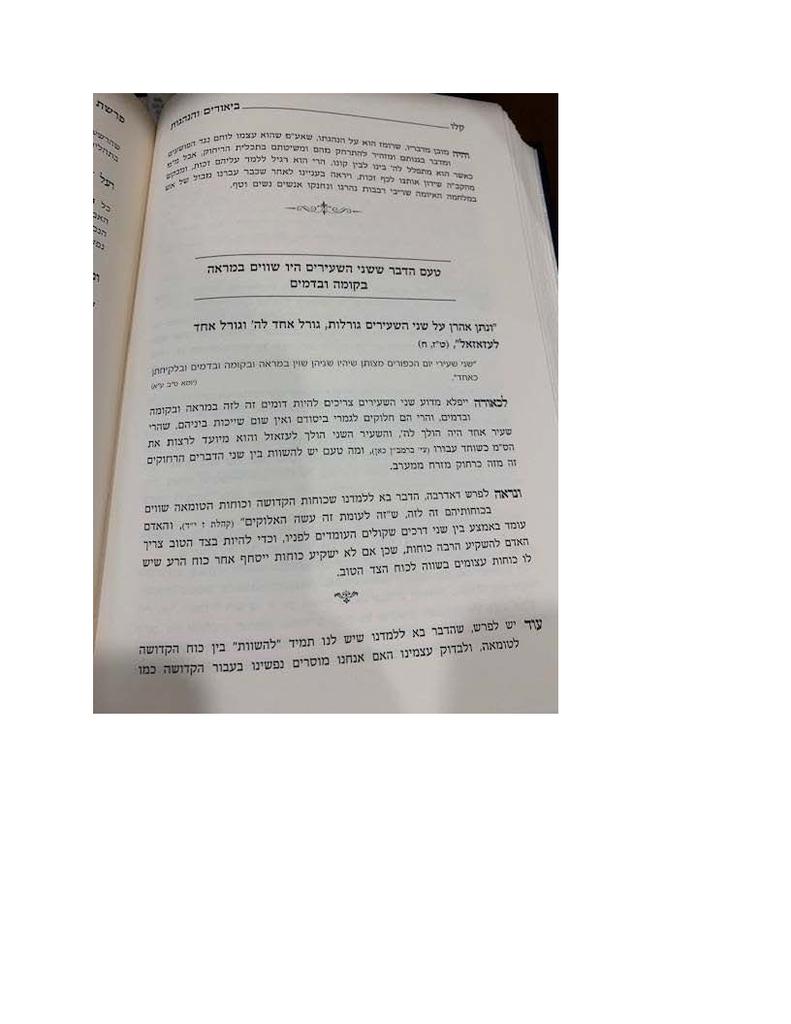
(א)שעיר עזים. דָּמוֹ דּוֹמֶה לְשֶׁל אָדָם:
(1) שעיר עזים A KID OF THE GOATS — its blood resembles that of a human being (Genesis Rabbah 84:19).
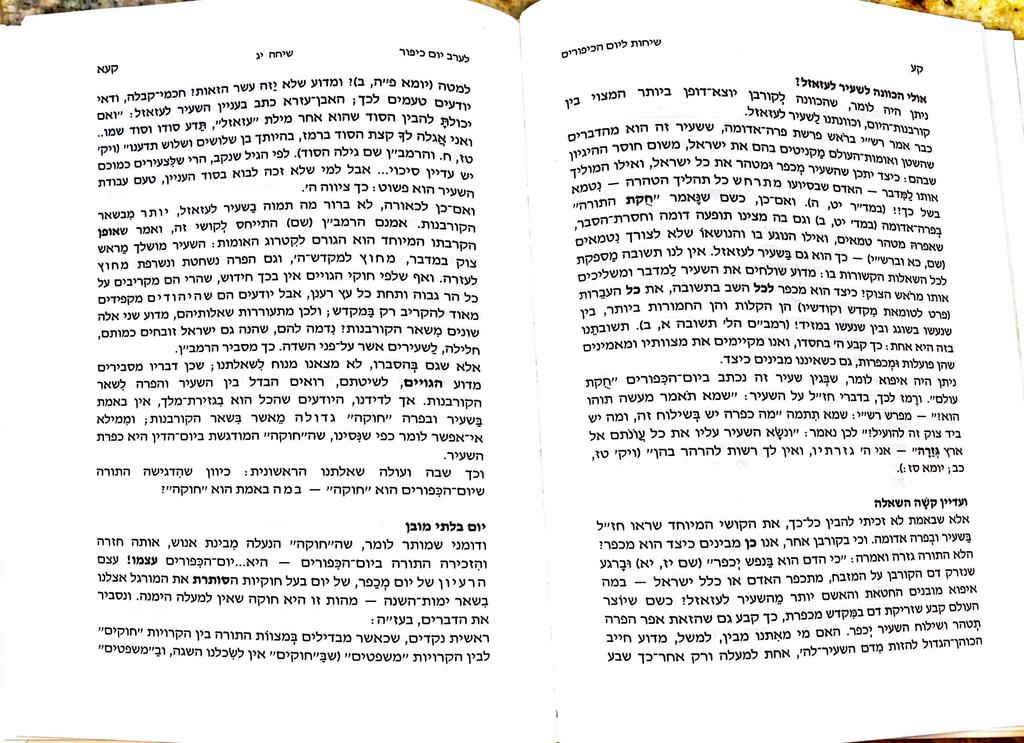
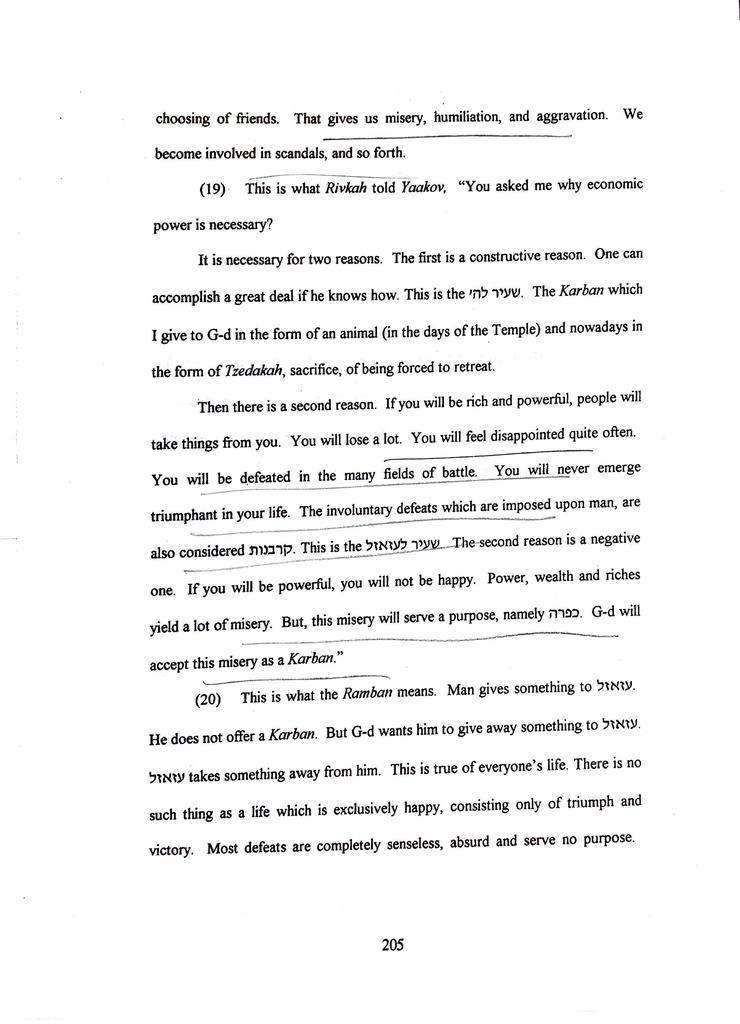
(א)וגורל אחד לעזאזל ... וזה סוד הענין כי היו עובדים לאלהים אחרים הם המלאכים עושים להם קרבנות והם להם לריח ניחוח כענין שנאמר (יחזקאל טז יח יט) ושמני וקטרתי נתת לפניהם ולחמי אשר נתתי לך סולת ושמן ודבש האכלתיך ונתתיהו לפניהם לריח ניחוח ויהי נאם יהוה אלהים ואתה צריך להתבונן בכתוב במקרא ובמסורת והנה התורה אסרה לגמרי קבלת אלהותם וכל עבודה להם אבל צוה הקב"ה ביום הכפורים שנשלח שעיר במדבר לשר המושל במקומות החרבן והוא הראוי לו מפני שהוא בעליו ומאצילות כחו יבא חורב ושממון כי הוא העילה לכוכבי החרב והדמים והמלחמות והמריבות והפצעים והמכות והפירוד והחרבן והכלל נפש לגלגל מאדים וחלקו מן האומות הוא עשו שהוא עם היורש החרב והמלחמות ומן הבהמות השעירים והעזים ובחלקו עוד השדים הנקראים מזיקין בלשון רבותינו ובלשון הכתוב (ויקרא י״ז:ז׳) שעירים כי כן יקרא הוא ואומתו שעיר ואין הכונה בשעיר המשתלח שיהיה קרבן מאתנו אליו חלילה אבל שתהיה כונתנו לעשות רצון בוראנו שצונו כך והמשל בזה כמי שעשה סעודה לאדון וצוה האדון את האיש העושה הסעודה תן מנה אחת לעבדי פלוני שאין העושה הסעודה נותן כלום לעבד ההוא ולא לכבודו יעשה עמו רק הכל נתן לאדון והאדון נותן פרס לעבדו ושמר זה מצותו ועשה לכבוד האדון כל אשר צוהו ואמנם האדון לחמלתו על בעל הסעודה רצה שיהיו כל עבדיו נהנין ממנה שיספר בשבחו ולא בגנותו וזה טעם הגורלות כי אילו היה הכהן מקדיש אותם בפה ליהוה ולעזאזל היה כעובד אליו ונודר לשמו אבל היה מעמיד אותם לפני יהוה פתח אהל מועד (ויקרא ט״ז:ז׳) כי שניהם מתנה ליהוה והוא נתן מהם לעבדו החלק אשר יבא לו מאת השם הוא הפיל להם גורל וידו חלק להם כענין שנאמר (משלי טז לג) בחיק יוטל את הגורל ומיהוה כל משפטו וגם אחרי הגורל היה מעמידו לפני יהוה לומר שהוא שלו ואין אנחנו מכוונים בשילוחו אלא לרצון
(1) ...
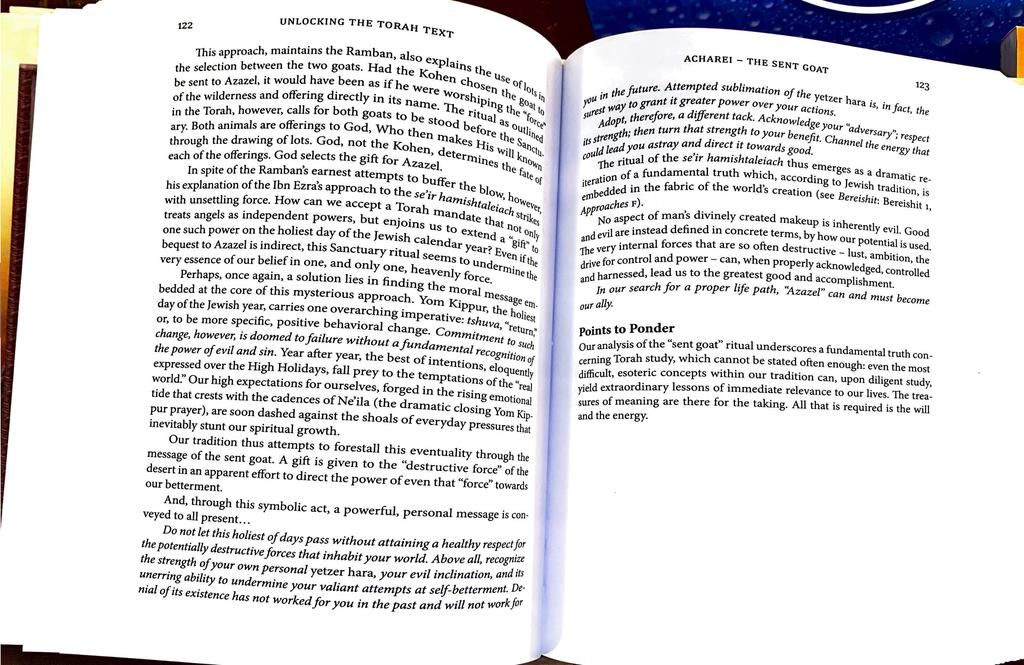
Now this is the secret of the matter. They used to worship “other gods,” namely, the angels, bringing offerings of a sweet savor to them, similarly to that which it says, and thou didst set Mine oil and My incense before them. My bread also which I gave thee, fine flour, and oil, and honey, wherewith I fed thee, thou didst even set it before them for a sweet savor, and thus it was; saith the Eternal G-d. You have to contemplate the Scriptural text as it is written and [also] as [it is read according to the] Masoretic tradition. Now the Torah has absolutely forbidden to accept them as deities, or to worship them in any manner. However, the Holy One, blessed be He, commanded us that on the Day of Atonement we should let loose a goat in the wilderness, to that “prince” [power] which rules over wastelands, and this [goat] is fitting for it because he is its master, and destruction and waste emanate from that power, which in turn is the cause of the stars of the sword, wars, quarrels, wounds, plagues, division and destruction. In short, it is the spirit of the sphere of Mars, and its portion among the nations is Esau [Rome], the people that inherited the sword and the wars, and among animals [its portion consists of] the se’irim (demons) and the goats. Also in its portion are the devils called “destroyers” in the language of our Rabbis, and in the language of Scripture: se’irim (satyrs, demons), for thus he [i.e., Esau] and his nation were called sa’ir. Now the intention in our sending away the goat to the desert was not that it should be an offering from us to it — Heaven forbid! Rather, our intention should be to fulfill the wish of our Creator, Who commanded us to do so. This may be compared to the case of someone who makes a feast for his master, and the master commands the person making the feast, “Give one portion to that servant of mine,” in which case the host gives nothing [of his own] to that servant, and it is not to show him honor that he acts in that way to him, but everything is given to the master and it is the master that gives a gift to his servant; the host only observes his command and does in honor of the master whatever he commanded him to do. The master, however, out of his own compassion for the host, wanted all his servants to derive some enjoyment from it [the feast], in order that they may all speak of his [the host’s] praise and not of his shortcomings.
Now this is the secret of the matter. They used to worship “other gods,” namely, the angels, bringing offerings of a sweet savor to them, similarly to that which it says, and thou didst set Mine oil and My incense before them. My bread also which I gave thee, fine flour, and oil, and honey, wherewith I fed thee, thou didst even set it before them for a sweet savor, and thus it was; saith the Eternal G-d. You have to contemplate the Scriptural text as it is written and [also] as [it is read according to the] Masoretic tradition. Now the Torah has absolutely forbidden to accept them as deities, or to worship them in any manner. However, the Holy One, blessed be He, commanded us that on the Day of Atonement we should let loose a goat in the wilderness, to that “prince” [power] which rules over wastelands, and this [goat] is fitting for it because he is its master, and destruction and waste emanate from that power, which in turn is the cause of the stars of the sword, wars, quarrels, wounds, plagues, division and destruction. In short, it is the spirit of the sphere of Mars, and its portion among the nations is Esau [Rome], the people that inherited the sword and the wars, and among animals [its portion consists of] the se’irim (demons) and the goats. Also in its portion are the devils called “destroyers” in the language of our Rabbis, and in the language of Scripture: se’irim (satyrs, demons), for thus he [i.e., Esau] and his nation were called sa’ir. Now the intention in our sending away the goat to the desert was not that it should be an offering from us to it — Heaven forbid! Rather, our intention should be to fulfill the wish of our Creator, Who commanded us to do so. This may be compared to the case of someone who makes a feast for his master, and the master commands the person making the feast, “Give one portion to that servant of mine,” in which case the host gives nothing [of his own] to that servant, and it is not to show him honor that he acts in that way to him, but everything is given to the master and it is the master that gives a gift to his servant; the host only observes his command and does in honor of the master whatever he commanded him to do. The master, however, out of his own compassion for the host, wanted all his servants to derive some enjoyment from it [the feast], in order that they may all speak of his [the host’s] praise and not of his shortcomings.
וְהִזָּהֲרוּ בְּזָקֵן שֶׁשָּׁכַח תַּלְמוּדוֹ מֵחֲמַת אוֹנְסוֹ. דְּאָמְרִינַן: לוּחוֹת וְשִׁבְרֵי לוּחוֹת מוּנָּחוֹת בָּאָרוֹן.
Rabbi Yehoshua ben Levi further advised: And be careful to continue to respect an elder who has forgotten his Torah knowledge due to circumstances beyond his control. Even though he is no longer a Torah scholar, he must still be respected for the Torah that he once possessed. As we say: Both the tablets of the Covenant and the broken tablets are placed in the Ark of the Covenant in the Temple. Even though the first tablets were broken, their sanctity obligates one not to treat them with contempt. An elder who forgot the Torah knowledge he once possessed is likened to these broken tablets.
והשעיר אשר עלה עליו הגורל לעזאזל יעמד חי. ונתבאר מפי כבוד אזמו"ר זללה"ה שזה היה צריך לעמוד עד אחר עבודת היום, שהשי"ת רוצה שכל מיני נצוצות קדושות שעוד היה להוציא מהאילן הטוב ורע, הוא רצונו ית' שיוציאם.
(תפארת יוסף מוצאי יו"כ ד"ה אשריכם)
(תפארת יוסף מוצאי יו"כ ד"ה אשריכם)
(א)בפרק קמא דברכות (ח:), אמר ליה רבי יהושע בן לוי לבנייהו, הזהרו בזקן ששכח תלמודו מחמת אונסו, כי לוחות ושברי לוחות מונחים בארון, עד כאן. ורצה לומר כי המדריגה שקנה האדם על ידי התורה, אין לומר שבטלה מעלה זאת כאשר שכח תלמודו, כי לא נחשב שהתורה מסתלקת מן האדם. כי כמו שתמצא אצל מי שהוא חכם גדול בתורה, שאי אפשר שיהיה תורתו עמו כל שעה, ואי אפשר שלא תסתלק מאתו התורה בעת השינה, ובשאר זמנים, ובשביל זה לא תאמר שאין עליו בשעת שינה שם "תלמיד חכם", אף על גב שאין תורתו עמו, מכל מקום שם "חכם" עליו, כי זה ענין האדם בעל גוף, אשר מצד גוף שלו אי אפשר שתהיה התורה עמו תמיד. וכן אף שנסתלקה ממנו התורה לאונסו בשביל הגוף המקבל, אין נחשב שהתורה מסתלקת ממנו. ולעולם הבא, כאשר אין מונע אליו מצד הגוף, כמו שיהיה לעתיד, תהיה תורתו עמו. ולפיכך אף שברי לוחות היו מונחים בארון, מפני שאף שנשברו הלוחות, דבר זה היה מצד הגוף בלבד, אבל המעלה שקנו הלוחות לא נסתלקה מהם. ולכך אף אם נסתלקה התורה ממנו מצד גופו המקבל את התורה, והיה זה לאונסו, בשביל כך לא נסתלקה ממנו המעלה העליונה שקנה על ידי התורה.
(ב) אף שירד לסוף המדריגה נחנט ויושם בארון כמאמרם ז״ל לוחות ושברי לוחות מונחים בארון אפילו הנובלת יש להם עליה להיות בארון כמו הלוחות שהיא התורה העצמית.
“The Tablets and the Broken Tablets were placed in the ark” (Bava Batra 14b): even the degenerations have elevation to be in the ark just like the Tablets, which are the Torah itself.
(ג)... אין בארון רק שני לוחות מלמד שהלוחות ושברי לוחות מונחים בארון ושברי לוחות הם הדברים שירדו בשבירה צריך ג"כ לחברם ולהכניסם בארון ולהיות מונחים אצל הלוחות כי הכל בא מן התורה כי באורייתא אסתכל קוב"ה וברא עלמין ונמצא כשירדו בשבירה ירד התורה ג"כ כי היא הנותנת חיים לכל הדברים לכן צריך להעלותן לחברם כ"א למקומו
שָׁבַר אֶת הַלּוּחוֹת, מַאי דְּרַשׁ? אָמַר: וּמָה פֶּסַח שֶׁהוּא אֶחָד מִתַּרְיָ״ג מִצְוֹת, אָמְרָה תּוֹרָה: ״וְכׇל בֶּן נֵכָר לֹא יֹאכַל בּוֹ״. הַתּוֹרָה כּוּלָּהּ [כָּאן] וְיִשְׂרָאֵל מְשׁוּמָּדִים — עַל אַחַת כַּמָּה וְכַמָּה. וּמְנָלַן דְּהִסְכִּים הַקָּדוֹשׁ בָּרוּךְ הוּא עַל יָדוֹ? — שֶׁנֶּאֱמַר: ״אֲשֶׁר שִׁבַּרְתָּ״, וְאָמַר רֵישׁ לָקִישׁ: יִישַׁר כֹּחֲךָ שֶׁשִּׁבַּרְתָּ.
And he broke the tablets following the sin of the Golden Calf. What source did he interpret that led him to do so? Moses said: With regard to the Paschal lamb, which is only one of six hundred and thirteen mitzvot, the Torah stated: “And the Lord said unto Moses and Aaron: This is the ordinance of the Paschal offering; no alien shall eat of it” (Exodus 12:43), referring not only to gentiles, but to apostate Jews as well. Regarding the tablets, which represented the entire Torah, and Israel at that moment were apostates, as they were worshipping the calf, all the more so are they not worthy of receiving the Torah. And from where do we derive that the Holy One, Blessed be He, agreed with his reasoning? As it is stated: “The first tablets which you broke [asher shibarta]” (Exodus 34:1), and Reish Lakish said: The word asher is an allusion to the phrase: May your strength be true [yishar koḥakha] due to the fact that you broke the tablets.
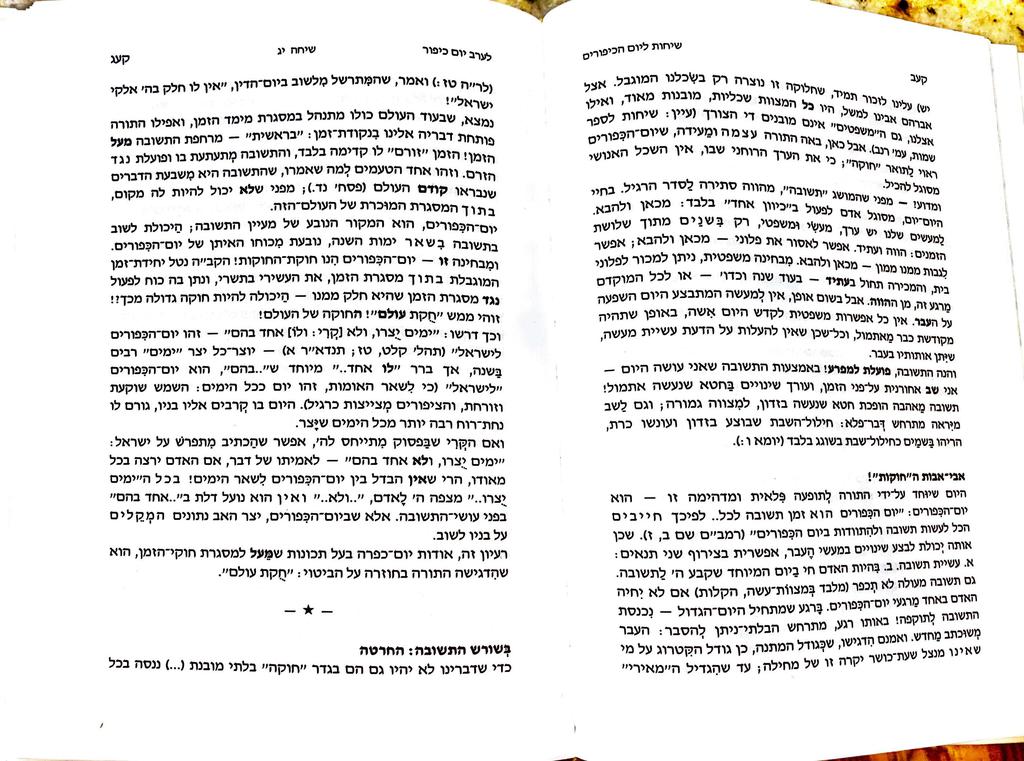
(א) [צב]... ואידך לישנא שהם ימי אבלו דמתושלח והיינו דמיתת צדיקים מכפרת כשעיר המשתלח (יומא מב.) וקיי"ל (שבועות יג.) גם בשעיר צריך תשובה רק החילוק בזה הש"י פותח הפתח לתשובה ומאיר אורו באתערותא דלעילא קודם וכנ"ל ולכך באותם ימי אבלו הי' כן אתדל"ע מקודם אחר זמן גדול שהי' קודם להיות שובו כו' באתדל"ת:
(א) [מ] עיקר התשובה הוא עד שיאיר יהוה עיניו שיהיו זדונות כזכיות ר"ל שיכיר ויבין שכל מה שחטא הי' ג"כ ברצון הש"י כמשז"ל (ברכות לא סע"ב) ג' פסוקים כו' ואתה הסבות את לבם ואשר הרעותי כו' וכטעם ידיעה ובחירה שביאר האריז"ל בסוף ס' ארבע מאות שקל כסף ששניהם אמת כ"א במקום בפ"ע במקום הבחירה שם אין מקום לידיעה ובמקום הידיעה שם באמת אין מקום לבחירה וכשמשיג לאור זה העצום אז שבו כל זדונותיו בלתי יוצאים מעומק ידיעת הש"י והוא ודעתו ורצונו הכל א'. ומאחר שהש"י רצה כן הרי הכל זכיות וזוכה לכפרה גמורה שביוה"כ שזה סוד השעיר לעזאזל שאלו עשוהו האדם עצמו הי' עובד ע"ז גמור והוא לא יהי' שהוא יסוד כל המצות ל"ת וכל העבירות וההסרות מרצון הש"י. רק שהשעיר הוא ע"י רצון הש"י שהוא מצוה לשלחו לו נעשה עוד מצוה ולא עבירה. וכך פירשוהו רז"ל (פרדר"א פ' מו) ועי' ברמב"ן פ' אחרי שאנו נותנים חלק לעזאזל שהוא הרע מצד מה שהש"י צוה לתת לו ונמצא העבירה מצוה:
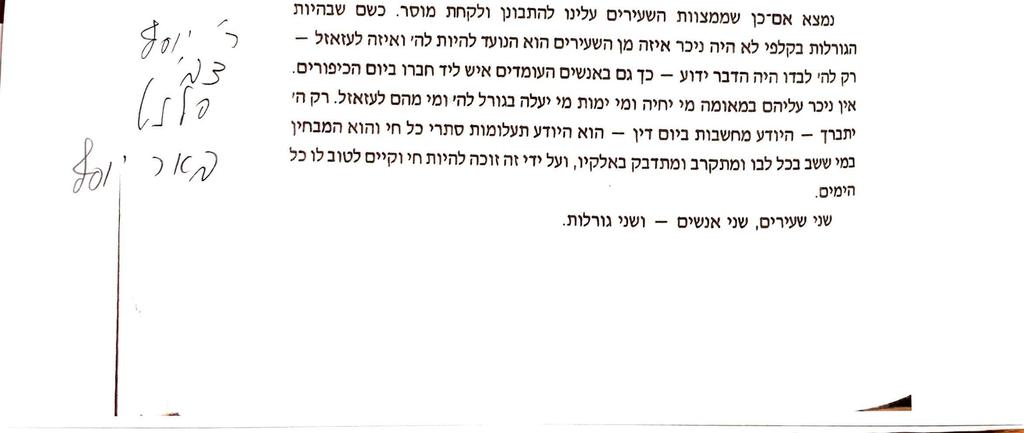
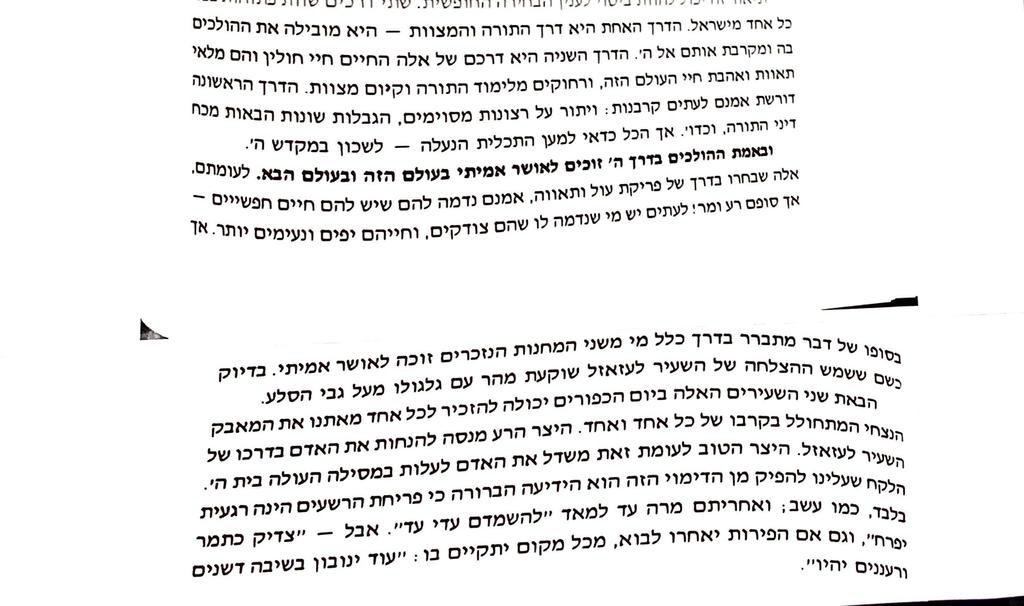
(א).... והם השלשה שאמר הכתוב אל יתהלל וגו' ואמרו ז"ל (נדה טז:) דנגזר בשעת יצירה טיפה זו חכם או טיפש ועשיר או עני היינו השמחה שבלב שזו עיקר עשירות כמו שאמרו (אבות פרק ד) איזהו עשיר השמח בחלקו ואם ירבה כחול כסף ואין לו שמחת הלב הוא קרוי עני וכן אמרו (ירושלמי סוף פרק ח דתרומות) לבא בכיסא תליא דשלות הלב תלוי בעשירות. וגבור או חלש היינו שלות כלי המעשה דהגבורה הוא בפועל. וא' אל יתהלל וגו' דהכל בגזירה כי אם בזאת יתהלל וגו' היינו צדיק או רשע דלא קאמר (כמש"ש). .... מה שאין כן החכמה עיקרה במוח ולב מהנסתרות ליהוה אלהינו ורק מפיו יתן חכמה בעזר אלהי.
Reinhold Niebuhr - Serenity Prayer
God, give me grace to accept with serenity
the things that cannot be changed,
Courage to change the things
which should be changed,
and the Wisdom to distinguish
the one from the other.
the things that cannot be changed,
Courage to change the things
which should be changed,
and the Wisdom to distinguish
the one from the other.
Mash Quo Vadis Capt. Chandler Season 4
Sidney has a talk with Chandler, who claims no knowledge of this former life and army responsibilities. He claims he is Yoshke, has no enemies, and loves all his children. Sidney says he belongs in a B-29 bomber, dropping bombs on the enemy. Chandler again denies his identity and tellingly informs Sidney he hopes he can find and help this Chandler. Sidney wraps up the talk by asking if God answers all prayers. A tear rolls down Chandler's face as he responds in the affirmative, but adds, “sometimes the answer is no.”