


Strangers
מפני מה הזהירה תורה בל"ו מקומות (ואמרי לה במ"ו מקומות) בגר? מפני שסורו רע.
Why did the Torah call our attention in thirty-six (and some say, forty-six) places about the stranger (ger)? Because their nature is precarious.
(לג) וְכִֽי־יָג֧וּר אִתְּךָ֛ גֵּ֖ר בְּאַרְצְכֶ֑ם לֹ֥א תוֹנ֖וּ אֹתֽוֹ׃ (לד) כְּאֶזְרָ֣ח מִכֶּם֩ יִהְיֶ֨ה לָכֶ֜ם הַגֵּ֣ר הַגָּ֣ר אִתְּכֶ֗ם וְאָהַבְתָּ֥ לוֹ֙ כָּמ֔וֹךָ כִּֽי־גֵרִ֥ים הֱיִיתֶ֖ם בְּאֶ֣רֶץ מִצְרָ֑יִם אֲנִ֖י יי אֱלֹקֵיכֶֽם׃
(33) When a stranger resides with you in your land, you shall not wrong them (him). (34) The stranger who resides with you shall be to you as one of your citizens; you shall love them as yourself, for you were strangers in the land of Egypt: I the LORD am your God.
אני יי אלקיכם. אלקיך ואלקיו אני:
(2) אני ה' אלהיכם I AM THE LORD YOUR GOD — Your God and their God am I!
Hirsch was a German Orthodox rabbi best known as the intellectual founder of the Torah im Derech Eretz school of contemporary Orthodox Judaism.
You should not oppress them (him) - There, in Exodus, it was written [in the singular] לא תונה, referring to individual obligations. Here, the State and all its component institutions is warned against embittering the life of a stranger, and against using harsh words to make him feel his foreignness in civil society. Moreover, he shall be as one of your citizens, ... like one of you that was born in the land. This implies full equality of rights and equal treatment - not only in the laws of the state, but also in your duty to do acts of lovingkindness...
For you were strangers in the land of Egypt - you yourselves have experienced what kinds of cruelty a stranger is exposed to when not protected by human rights. Your suffering in Egypt was that you were strangers: this was the origin of your slavery and your misery... The constitution of your land should stem from the principal of full equality before the law of all residents, whether native or migrants.
Escaped Slaves
(from "Does the Bible condone slavery?" by Lev Mierowitz Nelson on myjewishlearning.com
There are a few ways to make sense of biblical slavery. First, we need to distinguish between the Torah’s two categories of slaves: the Eved K’naani (non-Jewish slave) and the Eved Ivri (Jewish slave). The former refers to slaves who remain so for a lifetime; the latter refers to indentured servants trying to pay off a debt or raise money for their families. The Eved Ivri works for a set period of time, and then goes free. With today’s ethical sensibilities, it is easy to argue that we must extend the protections mandated for Jews to include all of humanity, as Rabbi Jill Jacobs does in There Shall Be No Needy: Pursuing Social Justice Through Jewish Law and Tradition.
We could simply respond that slavery was a cultural norm in the Bible’s time period, but times have changed. Perhaps the Torah, with its mandated release of Jewish slaves, and protections for all slaves (for example, by granting a day off on Shabbat) even improves upon the usual conditions of slaves.
Jacob Milgrom, in Leviticus 23-27: The Anchor Yale Bible Commentaries, goes even further, suggesting that the Torah actually tries to make enslaving others difficult, if not impossible. He writes, “For Israelites, both kinds of slavery, chattel and debt, are prohibited.” In other words, no Jew may own another person, and strict constraints limit how long a person may be held as an indentured servant before the debt is paid off. This is especially relevant today, when debt-bondage continues to be a major form of slavery.
(טז) לֹא־תַסְגִּ֥יר עֶ֖בֶד אֶל־אֲדֹנָ֑יו אֲשֶׁר־יִנָּצֵ֥ל אֵלֶ֖יךָ מֵעִ֥ם אֲדֹנָֽיו׃ (יז) עִמְּךָ֞ יֵשֵׁ֣ב בְּקִרְבְּךָ֗ בַּמָּק֧וֹם אֲשֶׁר־יִבְחַ֛ר בְּאַחַ֥ד שְׁעָרֶ֖יךָ בַּטּ֣וֹב ל֑וֹ לֹ֖א תּוֹנֶֽנּוּ׃
ואמרו "לא תסגיר עבד אל אדוניו" עם היותו רחמנות - יש בזאת המצוה תועלת גדולה והיא שנתנהג בזאת המידה הנכבדת והוא - שנעזור מי שיעזר בנו ונשמרהו ולא נסגירהו ביד מי שברח ממנו. ולא די שתעזור מי שיעזר בך אלא שאתה חייב לעיין בתיקוניו ותיטיב לו ולא תכאיב לבבו בדברים - והוא אמרו ית' "עמך ישב בקרבך... באחד שעריך בטוב לו לא תוננו"....
Mercy is also the object of the law, "Thou shalt not deliver unto his master the servant that is escaped from his master" (Deut. 23:15); but it teaches besides a very useful lesson, namely, that we must always practice this virtue, help and protect those who seek our help, and not deliver them unto those from whom they flee; and it is not sufficient to give assistance to those who are in need of our help; we must look after their interests, be kind to them, and not hurt their feeling by words. Thus the Law says: "He shall dwell with thee, even among you, in that place which he shall choose in one of thy gates, where it liketh him best: thou shalt not vex him" (ibid. ver. 16). This we owe to the lowest among men, to the slave; how much more must we do our duty to the freeborn, when they seek our assistance?
Who deserves help?
עָנִי שֶׁאֵין מַכִּירִין אוֹתוֹ וְאָמַר רָעֵב אֲנִי הַאֲכִילוּנִי אֵין בּוֹדְקִין אַחֲרָיו שֶׁמָּא רַמַּאי הוּא אֶלָּא מְפַרְנְסִין אוֹתוֹ מִיָּד. הָיָה עֵרוֹם וְאָמַר כַּסּוּנִי בּוֹדְקִין אַחֲרָיו שֶׁמָּא רַמַּאי הוּא. וְאִם הָיוּ מַכִּירִין אוֹתוֹ מְכַסִּין אוֹתוֹ לְפִי כְּבוֹדוֹ מִיָּד וְאֵין בּוֹדְקִין אַחֲרָיו:
If a poor person who is unknown in the area says, "I am hungry; please feed me," we do not check into his background lest he be an impostor, but rather we feed him immediately. However, if he was naked and said, "Clothe me," we do check on his background lest he be an impostor, but if he is known, we clothe him according to his honor immediately and do not check on him.
It is related that a certain poor person who was going door to door requesting charity came before Rav Pappa, the local charity collector, but Rav Pappa did not attend to him. Rav Sama, son of Rav Yeiva, said to Rav Pappa: If the Master does not attend to him, nobody else will attend to him either; should he be left to die of hunger? Rav Pappa said to him: But isn’t it taught in a baraita: If a poor person was going door to door asking for charity, one is not required to attend to him? Rav Sama said to him: That baraita means to say that one is not required to attend to him and give him a large gift, since he is already collecting money as he goes door to door, but one does attend to him and give him a small gift.
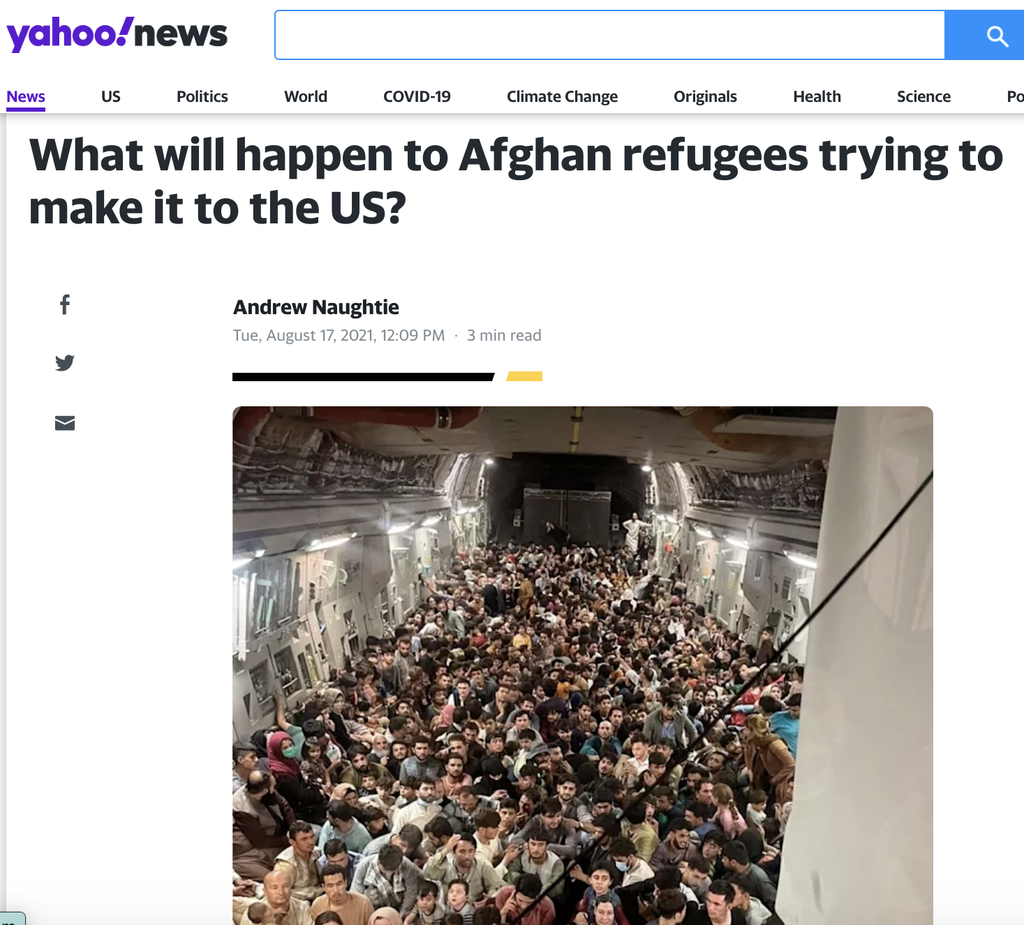
And as the situation on the ground in Afghanistan changed dramatically, reports emerged that the Department of Defence has drawn up plans to house as many as 30,000 Afghan refugees and visa applicants on bases in the US, among them Fort McCoy in Wisconsin and Fort Bliss in Texas.
As Pentagon Spokesman John Kirby told Fox News, the two facilities potentially have the capacity to cope with tens of thousands of new arrivals. In line with standard refugee policy in the US – which now caps admissions at 62,500 per year – Afghans arriving in the country will be heavily vetted before state and local governments and refugee agencies step in to help them embed themselves in communities and build new everyday lives. That help can extend to everything from help navigating healthcare systems to learning English and obtaining school supplies for children.
But the reality of this programme is complicated by three main problems: the difficulty of getting people out of Afghanistan now that the government there has fallen and most US forces departed; the complexity and frustration of the bureaucracy in place for Afghan applicants; and political resistance on parts of the US political spectrum to letting in a significant number of refugees.