19 Shevat 5779 | January 25, 2019
Parshat Yitro
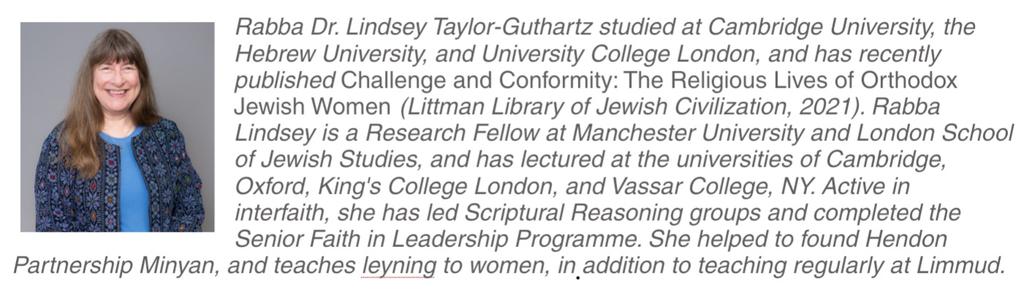
Rabba Dr. Lindsey Taylor-Guthartz
Class of 2021
The revelation at Sinai, central in Parshat Yitro, embodies the problem of how humans can think about and encounter God. Let’s start with the foundational statement by the Torah on this issue:
(ד) לֹֽ֣א־תַֽעֲשֶׂ֨ה־לְךָ֥֣ פֶ֣֙סֶל֙ ׀ וְכׇל־תְּמוּנָ֔֡ה אֲשֶׁ֤֣ר בַּשָּׁמַ֣֙יִם֙ ׀ מִמַּ֔֡עַל וַֽאֲשֶׁ֥ר֩ בָּאָ֖֨רֶץ מִתָּ֑֜͏ַחַת וַאֲשֶׁ֥ר בַּמַּ֖֣יִם ׀ מִתַּ֥֣חַת לָאָֽ֗רֶץ׃ (ה) לֹֽא־תִשְׁתַּחֲוֶ֥֣ה לָהֶ֖ם֮ וְלֹ֣א תׇעׇבְדֵ֑ם֒
You shall not make for yourself a sculptured image, or any likeness of what is in the heavens above, or on the earth below, or in the waters under the earth. You shall not bow down to them or serve them
But what about this beloved text?
As both white hair and black upon Your head was hung.
Salvation’s helmet on His head He wore;
His right hand and His holy arm the victory Him bore.
Surprisingly, this is part of Anim zemirot, properly called Shir haKavod (Song of Glory), written by Rabbi Yehudah ben Shmuel of Regensburg (d. 1217). We sing it every Shabbat---in fact we entrust it to young children to lead---usually without realizing what it’s all about. And contrasted with the first text---the absolute ban on making images of God---it highlights a huge problem.
How can we talk about God, who is far beyond our understanding? When my daughter was small, she was fascinated by the question of ‘what God is like’; trying to give her some idea of how different God is from human beings, I once used the analogy of ants---if she were an ant, how would she understand if a human suddenly bent down and talked to her and tried to tell her about going to school, or about playing hide and seek? We’re not much better off than ants when it comes to understanding or describing God. Some Jewish thinkers thought the ant shouldn’t even try: Rambam said that we cannot speak of what God IS, only of what God is NOT.
But the Torah says very clearly that we should not make images of God. Obviously this means carved or moulded images, representations of God in stone or metal or paint. But does this ban apply to images in words or in our minds? We know why physical images are banned---people may come to worship the stone or metal images instead of God. Can this happen with verbal and mental images? If so, can we think about or pray to God without any images at all? Should we adopt Maimonides’ position and ban all descriptions of God? Rewrite Avinu malkenu and other prayers, and get rid of that pervasive old man with the long beard?
Jewish tradition has generally recognized that we can’t rid ourselves of all images. Rabbi Ishmael, a second-century sage, stated that ‘The Torah speaks in the language of humankind’ (see Sifrei Bamidbar, 112 or BT Nedarim 3a). We are human, and we use our human experience to envision God, talk to God, and relate to God. But---and this is the crucial point---that’s not to say that we should use and make our images of God uncritically. We need to realize that the images we use are just that---images, inadequate representations of something that by its very nature will always remain unknown to us at the deepest level, but that paradoxically, we are commanded to love and to seek. Anim zemirot starts by saying just that, before launching into its shocking list of images:
I know not what You are, but image can describe You.
In different visions their analogies came,
But, for all their similes, You remain the same.
This is what we should be doing more consciously---examining the images we use when we talk to or about God, adding new ones, varying them, so that we don’t mistake the image for the real thing, and don’t fall into the trap of a new sort of idolatry, confusing our mental images with the unknowable and infinite God. Perhaps this is what the Torah means when it forbids us to make images carved in stone or cast in metal---images that are unchangeable, that replace the truth behind the image. We should use images more fluidly, so that we realize that no image fully represents God.
When we are talking to God informally, we should widen our images to gain a more complete---though never perfect---idea of whom we are talking to. As well as addressing God as father, judge, king, and saviour, we can turn to God as mother, friend, spring of living water, companion. All these images have been used by Jewish poets and our mystical tradition for centuries: think of the Shekhinah, the presence of God, often described as a queen who suffers with and weeps for her exiled people Israel. God is called ‘Harahaman’---the Merciful One, from the word rechem, ‘womb---God, from whom we come, as children come from their mother’s womb, has mercy on us as a mother has mercy on her children. The midrash interpreted Shir Hashirim as celebrating the relationship between the lovers God and the Jewish people, and much medieval poetry can be read as love songs between a man and a woman or between God and Israel. I’d like to end with a modern poem by Hayim Nahman Bialik, which can be understood as addressed to a beloved woman---or to God.
הכניסיני תחת כנפך
והיי לי אם ואחות
ויהי חיקך מקלט ראשי
קן תפילותי הנדחות
Take me under your wing
Be my mother, my sister
Take my head to your breast
My banished prayers to your nest