7 Iyyar 5779 | May 10, 2021
Parshat Kedoshim
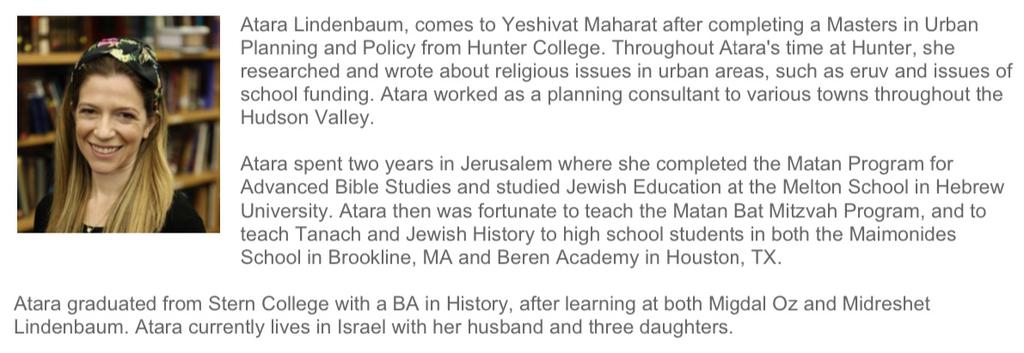
Rabbanit Atara Lindenbaum
Class of 2022
Child rearing, like gardening, breaks the illusion of control we have in this world. A farmer can tend to his fields, carefully watering and nurturing the soil as needed, but larger forces of nature will ultimately determine the farm’s bounty. Similarly, parents can follow careful and prescribed methods of education, but a child will make independent decisions as an adult. The inability to dictate exactly how children will decide does not exempt a parent from investing carefully in a child’s early years of education. A parent’s dedication to Torah education, coupled with the acknowledgement that the long-term effects of this education is beyond his or her reach, is itself a demonstration of deep faith and courage.
A midrashic tradition on the mitzvah of Orlah explores this connection between planting trees and teaching progeny. The mitzvah of Orlah demands that the planter in Israel recognize his or her partnership with God; despite the human initiative and care essential to the planting of a tree, the tree will only yield fruit available for general consumption in its fifth year of existence.
When you come to (the Land of Israel) and plant trees that grow food, for three years the fruit of the trees is designated as orlah - forbidden fruit. A tree’s status as orlah is temporary, and its fruit, as it matures, takes on different stages. In its fourth year, the fruit is no longer orlah, not completely forbidden, but is kadosh- and can only be eaten in Jerusalem in service of God. By the fifth year, the fruit of the tree is free to be eaten as regular produce, no strings or rules attached.
The laws of orlah, according to the midrash, can be decoded as instructions on how to properly educate a child in Torah study:
וּנְטַעְתֶּם וַעֲרַלְתֶּם. הַכָּתוּב מְדַבֵּר בְּתִינוֹק. שָׁלֹשׁ שָׁנִים יִהְיֶה לָכֶם עֲרֵלִים, שֶׁאֵינוֹ יָכֹל לֹא לְהָשִׂיחַ וְלֹא לְדַבֵּר.
וּבַשָּׁנָה הָרְבִיעִית יִהְיֶה כָּל פִּרְיוֹ קֹדֶשׁ, שֶׁאָבִיו מַקְדִּישׁוֹ לַתּוֹרָה. הִלּוּלִים לַיקוק. מַהוּ הִלּוּלִים, שֶׁבְּשָׁעָה שֶׁהוּא מְהוֹלָל לְהַקָּדוֹשׁ בָּרוּךְ הוּא. וּבַשָּׁנָה הַחֲמִישִׁית תֹּאכְלוּ אֶת פִּרְיוֹ, מִשָּׁעָה שֶׁהוּא מִתְחַיֵּב לִקְרוֹת בַּתּוֹרָה. מִכָּאן וָאֵילָךְ, לְהוֹסִיף לָכֶם תְּבוּאָתוֹ. מִכָּאן שָׁנוּ רַבּוֹתֵינוּ, בֶּן חָמֵשׁ שָׁנִים לַמִּקְרָא, בֶּן עֶשֶׂר שָׁנִים לַמִּשְׁנָה.
The orlah tree, says the midrash, can be compared to an infant. A young tree, up until its third year, is called an orlah, which translates as “blocked.” So too, a child is “blocked” until the age of three from communicating, since typically, children do not develop proper language until around the age of three.
The fourth year of a child’s life is the first year where he or she can use language to express him or herself, and like the fourth year of a tree, this first year of dialogue between parent and child is kadosh and should consist primarily of Torah topics. Just like in a tree’s fifth year, the farmer can begin to benefit from the tree’s produce without limits, so too, at age five, the midrash instructs that a parent should begin to teach the child to read from the Torah, and eventually from the Mishnah, the Oral Law.
The focus of this midrash is on the parent, and how the parent should invest and then benefit from the opportunity to teach Torah to his or her child. The effects on the actual child, the midrash admits, are amorphous. In fact, while this comparison of orlah to educating children appears in various collections of midrashim, in every version, the midrash concludes by hedging its bets on these very carefully educated children. The midrash predicts: "אדם מלמד את בנו תורה ומשכחה" - a parent will instruct his or her child, but in the end, the child will forget the Torah that was taught.
This midrash on Orlah uses the dictum of "כי אדם עץ השדה" - a person is like a tree - to liken the child to a sapling. The fruit of the tree in the midrash is parallel to the ability of a child to communicate in Torah knowledge. This reading, of fruit from a tree as דעת) ,knowledge), builds on the story of Adam and Chava in Gan Eden, who ate the forbidden fruit from the עץ הדעת, the Tree of Knowledge.
A midrash in Vayikrah Rabbah (Parshat Kedoshim 25) highlights this connection to Gan Eden and understands the mitzvah of Orlah as a way that Bnei Yisrael correct the behavior of the initial sin of Adam and Chavah:
דָּרַשׁ רַבִּי יְהוּדָה בֶּן פָּזִי, מִי יְגַלֶּה עָפָר מֵעֵינֶיךָ אָדָם הָרִאשׁוֹן, שֶׁלֹּא יָכֹלְתָּ לַעֲמֹד עַל צִוּוּיְךָ שָׁעָה אֶחָת, וַהֲרֵי בָּנֶיךָ מַמְתִּינִין לְעָרְלָה שָׁלשׁ שָׁנִים.
Rabbi Yehudah ben Pazi taught: Who will wipe the dust from Adam HaRishon’s eyes, [to see that although] you couldn’t obey your commandment for one moment, your sons wait for the Orlah for three years.
Adam is being criticized here for his inability to refrain from eating forbidden fruit. Rabbi Mordechai Yosef Leiner claims that Adam and Eve’s sin was primarily one of impatience, of eating the fruit before the time was right. Rabbi Leiner writes in the Mei HaShiloach that this midrash indicates that had Adam and Chava waited, the Tree of Knowledge would have become permitted. The knowledge in the Tree was Kadosh, and, like the Orlah, was only forbidden temporarily.
Together, these midrashim offer a radical and progressive view of Torah education and knowledge. The transmission of Torah to children is intrinsically valuable, and its holiness and worth is independent of the child’s future actions. The tree reaches its pinnacle of kedushah in year four, and from then on, its status is just of a regular tree. So too, the Talmud relates that children learning is far superior to adults learning, since adults, unlike children, are tainted by sin.
אָמַר רֵישׁ לָקִישׁ מִשּׁוּם רַבִּי יְהוּדָה נְשִׂיאָה: אֵין הָעוֹלָם מִתְקַיֵּים אֶלָּא בִּשְׁבִיל הֶבֶל תִּינוֹקוֹת שֶׁל בֵּית רַבָּן. אֲמַר לֵיהּ רַב פָּפָּא לְאַבָּיֵי: דִּידִי וְדִידָךְ מַאי? אֲמַר לֵיהּ: אֵינוֹ דּוֹמֶה הֶבֶל שֶׁיֵּשׁ בּוֹ חֵטְא לְהֶבֶל שֶׁאֵין בּוֹ חֵטְא.
Reish Lakish said in the name of Rabbi Yehuda Nesia: The world only exists because of the breath, (i.e., reciting Torah,) of schoolchildren. Rav Pappa said to Abaye: My Torah study and yours, what is its status? He said to him: The breath of adults, which is tainted by sin, is not similar to the breath of children, which is not tainted by sin.
When parents transmit religious values and wisdom to their children, they do not have the knowledge of what the children will choose to do once released from their parents’ domain. The desire to know what will work in terms of transmitting values to the next generation is only human. Perhaps the knowledge of the effects of education is like the knowledge of the עץ הדעת - something human beings must desire to know, but also realize is well beyond their reach.