Parashat Akev
from Likutei Torah by Rabbi Shneur Zalman of Liadi
Translation and Commentary by Rabbi Gedalia Potash and William Schecter, MD
Friday, July 30, 2021
This draft has neither been edited nor approved by Rabbi Potash
The Elter Rebbe begins his commentary by quoting Deuteronomy 8:3: “וַֽיְעַנְּךָ֮ וַיַּרְעִבֶךָ֒ וַיַּֽאֲכִֽלְךָ֤ אֶת הַמָּן֙ אֲשֶׁ֣ר לֹא־יָדַ֔עְתָּ וְלֹ֥א יָדְע֖וּן אֲבֹתֶ֑יךָ לְמַ֣עַן הוֹדִֽעֲךָ֗ כִּ֠י לֹ֣א עַל־הַלֶּ֤חֶם לְבַדּוֹ֙ יִחְיֶ֣ה הָֽאָדָ֔ם כִּ֛י עַל־כָּל־מוֹצָ֥א פִֽי־יְהוָ֖ה יִחְיֶ֥ה הָאָדָֽם׃
He subjected you to the hardship of hunger and then gave you manna to eat, which neither you nor your fathers had ever known, in order to teach you that man does not live on bread alone, but that man may live on anything that the LORD decrees.” The Manna has the attribute of dew and as it is written the mannah lies upon the dew and it is the dew that in the future will resurrect the dead with the attribute of great mercy as it is said “the dead will be resurrected with great mercy”.
Rabbi Potash commented: The resurrection of the dead will occur with the vitality of the dew. In the spiritual realm, the idea of dew is the consistent appearance of liquid occurring throughout the year without seasonal variation. This consistent delivery of moisture represents the concept of great mercy.
Comment: “the dead will be resurrected with great mercy” is a phrase taken from the second blessing of the Amidah Prayer, the central prayer in the Shacharit (morning) service.
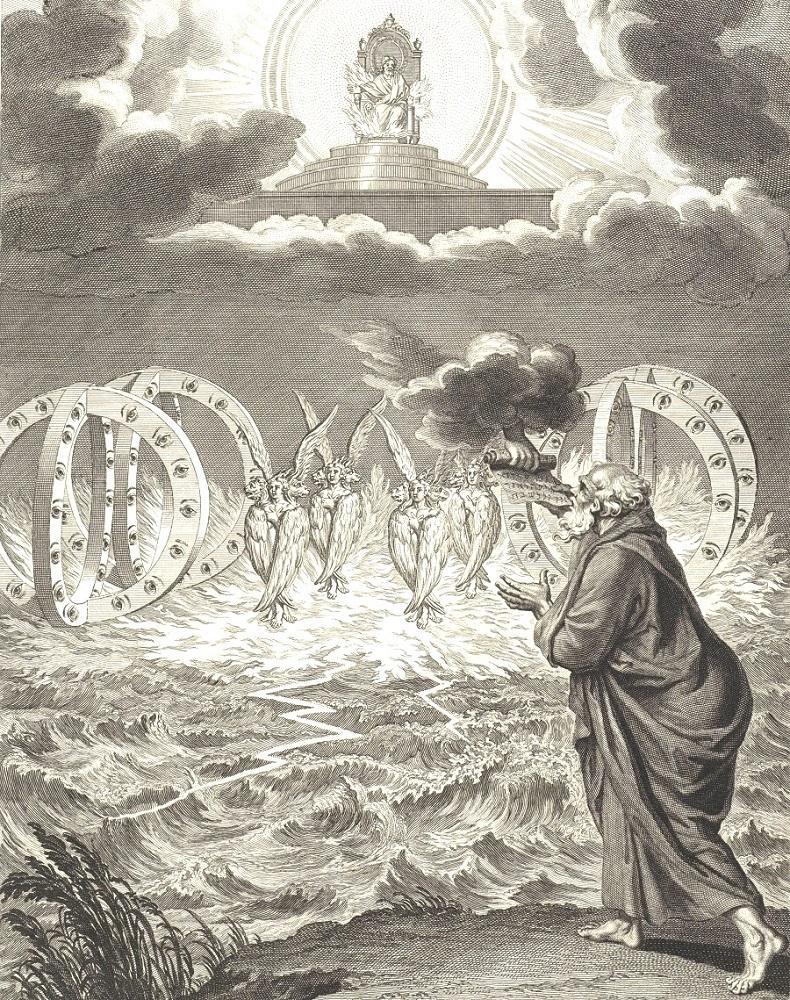
In order to understand the concept of “great mercy” we must analyze the phrase “הִנֵּ֛ה יָמִ֥ים בָּאִ֖ים נְאֻם־יְהוָ֑ה וְזָרַעְתִּ֗י אֶת־בֵּ֤ית יִשְׂרָאֵל֙ וְאֶת־בֵּ֣ית יְהוּדָ֔ה זֶ֥רַע אָדָ֖ם וְזֶ֥רַע בְּהֵמָֽה׃ See, a time is coming—declares the LORD—when I will sow the House of Israel and the House of Judah with seed of men and seed of cattle”. (Jeremiah 31:27) This means that there are two types of Souls one with the attribute of Adam (man) (Ezekiel 1:26) and the other with the attribute of Cattle. We can understand this concept by analyzing the passage “וּדְמ֣וּת פְּנֵיהֶם֮ פְּנֵ֣י אָדָם֒ וּפְנֵ֨י אַרְיֵ֤ה אֶל־הַיָּמִין֙ לְאַרְבַּעְתָּ֔ם וּפְנֵי־שׁ֥וֹר מֵֽהַשְּׂמֹ֖אול לְאַרְבַּעְתָּ֑ן וּפְנֵי־נֶ֖שֶׁר לְאַרְבַּעְתָּֽן׃ Each of them had a human face [at the front]; each of the four had the face of a lion on the right; each of the four had the face of an ox on the left; and each of the four had the face of an eagle [at the back]”.
Comment: This passage is taken from Ezekiel Chapter 1 describing his vision of the Divine.
The face of the Lion on the right has the attribute of love. Elsewhere it is written אַרְיֵ֥ה שָׁאָ֖ג מִ֣י לֹ֣א יִירָ֑א אֲדֹנָ֤י יְהוִה֙ דִּבֶּ֔ר מִ֖י לֹ֥א יִנָּבֵֽא׃ A lion has roared, Who can but fear? My Lord GOD has spoken, Who can but prophesy?” (Amos 3:8). The Days of Awe (the 10 days between Rosh HaShana and Yom Kippur) are also called by the name of Lion (אריה) because by rearranging the Hebrew letters of אריה we get יראה, meaning fear or awe. This means that the attribute of the Love of Lion (אריה) is above the attribute of the revelation of G-d’s Greatness which is beyond our comprehension. His Greatness cannot be invested within the worlds and therefore It’s terror and fear fall upon the recipient of this revelation. The recipient is unable to be invested with the power of the revelation. Elsewhere this phenomenon is explained by the parable of the signet ring with the seal projecting out from the ring. When the ring makes the seal on the underlying wax, the seal makes a depression in the wax. Similarly, the revelation of G-d’s Greatness is drawn down below in the lower worlds with the attribute of fear.
Comment: The seal projecting outward from the signet ring is analogous to the Greatness of G-d. The depression in the wax created by the seal of the ring is analogous to the fear and withdrawal by the recipient of the revelation of G-d’s Greatness. This phenomenon occurred at the foot of Mount Sinai when G-d revealed Himself to the Children of Israel but His Greatness was overpowering. Therefore, G-d must be concealed in our lower world otherwise His Energy would consume us.
The signet ring was commonly used in ancient times to create a seal on a document similar to a signature or stamp in common use today.
Rabbi Potash comments: Fear (Yira- יראה) in many ways is relative. If the force is too powerful, the recipient will be filled with awe and intimidation. On the one hand the Lion is on the side of Yamin (the right side)—representing Love and Revelation. On the other hand, that Greatness is unable to be processed in the lower realms leading to fear. The Divine Energy from the original source of complete Love and unbridled Kindness is too much to receive so the recipient only feels something negative and difficult to process.
This is the case of the fire that descended upon the alter in the form of a Lion to consume the sacrificial offerings.
Comment: According to Kabbalah, the Angel Uriel descended upon the Alter (in the form of a Lion) to consume a Sacrifice.
Meaning that the attribute of fat and blood that was consumed and burned with this revelation. Regarding this it is said:” כִּ֚י יְהוָ֣ה אֱלֹהֶ֔יךָ אֵ֥שׁ אֹכְלָ֖ה ה֑וּא אֵ֖ל קַנָּֽא) For the LORD your God is a consuming fire, an impassioned God” (Deuteronomy 4:24) which burns and consumes all the fire offerings. All the lower worlds receive the attribute of Love from the attribute of the face of the Ox from the left which is the attribute of Gvurah (discipline, bravery, heroism) concealing the attribute of Greatness referred to above. The Love that is drawn down is called Cattle, a feminine noun, which receives from the Face of the Ox referred to above and is called love of the world because this love comes through the concealment of the Divine Vitality within the nether worlds with a wonderful desire to ascend and be included in the One which is the Source and the Giver of Life with the attribute of Surrounding All the Worlds.
Rabbi Potash commented: We have two examples of how Divine Love can reveal itself: 1. The Fire in the form of a Lion consumes the sacrifices –that is the manifestation of the Love that can appreciate and process the great Love represented by the Korban (the Sacrifice). 2. There is another aspect that is a more concealed process tailored toward the recipient enabling the recipient to relate. In this concealed process, the Love has to be channeled through the face of the Ox on the left representing concealment controlling the flow and expressing only what is necessary in a measure calibrated way. The ability to measure is a function of Gvurah (Discipline). In order for the Light to flow down to the physical realm, it has to go through the process of Gvurah represented by the Ox on the left. Even though that flow of Light coming from the left is limited, the recipient can now sense something greater and can begin to grow toward something greater.
“There is nothing like you O G-d” -- This is a recognition of the Greatness of G-d. This kind of concealment is beneficial because the recipient can now receive what is possible and then work his way back to where it came from, awakening a great yearning for G-d. Although this Love is a “smaller” Love than that of the Lion, it is one that the recipient can actually receive and process.
As it is written “אֱלֹהִ֥ים אַל־דֳּמִי־לָ֑ךְ אַל־תֶּחֱרַ֖שׁ וְאַל־תִּשְׁקֹ֣ט אֵֽל׃ O God, do not be silent; do not hold aloof; do not be quiet, O God! (Psalm 83:2). “Calling continually and without subsiding” (Zohar Parashat Trumah 140:a) like the person who continually contemplates the concealment of the Divine Vitality. Therefore the word world (עולם ) is derived from the word העלם (concealment) and the hiding (of the concealed Divine) awakens a wonderous desire that yearns and draws down in nature to above the Light with the Light of Life. This Love is called the attribute of domestic animals and a small Love within the netherworlds. But the attribute of Adam (man) is as it is written “וּמִמַּ֗עַל לָרָקִ֙יעַ֙ אֲשֶׁ֣ר עַל־רֹאשָׁ֔ם כְּמַרְאֵ֥ה אֶֽבֶן־סַפִּ֖יר דְּמ֣וּת כִּסֵּ֑א וְעַל֙ דְּמ֣וּת הַכִּסֵּ֔א דְּמ֞וּת כְּמַרְאֵ֥ה אָדָ֛ם עָלָ֖יו מִלְמָֽעְלָה׃ Above the expanse over their heads was the semblance of a throne, in appearance like sapphire; and on top, upon this semblance of a throne, there was the semblance of a human form.” (Ezekiel 1:26) 1
… By way of analogy, man has 248 limbs (organs) and 365 sinews (according to Kabbalah). The domestic beast does not have the same number of limbs (organs) and sinews. Similarly, the Torah has 248 positive commandments and 365 negative commandments. The Torah is above Love and Fear (Awe) and Love and Fear are only wings for ascending to the heights in the place of the Torah.
Rabbi Potash comments: The Elter Rebbe discusses the Zerah Behemah (the Seed of a Domestic Animal) and the Zerah Adam (the Seed or Soul of Man). The word Zerah, seed, is a synonym for Nefesh (Soul). The Love of the Zerah Behemah needs a process of concealment allowing us to receive and process G-d’s Greatness. The alternative is Zerah Adam—meaning its human. Kabbalah teaches that the human being has 248 limbs (organs) and 365 sinew. Kabbalah compares the limbs and sinews of Adam to the -248 positive commandments and 365 negative commandments of the Torah. The Torah is greater than any level of Ahava (Love) and Yirah (Fear, Awe. Love and Fear are feelings which are described as wings. Rabbi Potash said that the bird a complete being without the wings. Similarly, the Torah is complete without the Ahava and Yirah because of the 248 positive and 365 negative commandments.
Another way to consider this difficult concept is to view the Zerah Behamah as a Soul defined by an emotional experience (Love and Fear) with rewards and punishments. The Zerah Adam has a direct connection to G-d through the Torah and doesn’t need rewards and punishments.
We concluded our study of the text at this point. However, I asked Rabbi Potash how the concept of Zerah Adam and Zerah Behemah relates to the four types of people the Elter Rebbe discusses in his book Tanya: 1. The Tsadik Gamur—the completely righteous person, 2. The Tsadik Lo Gamur (the incompletely Righteous Person), the Beinoni (the Average Person), the Resha Lo Gamur (the incompletely Evil Person) and the Resha Gamur (the completely Evil Person).
Rabbi Potash responded to this question:
The Tsadik Gamur was born without a Nefesh Behemit (Animal Soul). He does not struggle at all with his Yetzer HaRa (Evil Inclination, Animal Soul) because it does not exist. He is incapable of sin.
The Tsadik Lo Gamur is likewise born without a Nefesh Behemit and therefore does not struggle with his Yetzer HaRa (Evil Inclination). The difference between a Tsadik Gamur and a Tsadik Lo Gamur is that the Tsadik Lo Gamur, due to more limited spiritual and intellectual capacity, is incapable of reaching the same spiritual heights of the Tsadik Gamur. In other words, there are different levels of Righteousness. One can compare this to the Buddhist Concept of various levels of Enlightenment.
The Beinoni (Average Person) is in a constant struggle with his Nefesh Behemit (Animal Soul) but he is ALWAYS able to overcome it. Although he constantly struggles, he has enough self-discipline (Gvurah) to suppress his natural negative inclinations. He never fails in the struggle and NEVER sins.
The Resha Lo Gamur (the Incompletely Evil Person) also struggles continually with his Animal Soul but unfortunately he may lose the battle. That is, his Animal Soul may triumph over his G-dly Soul. However, when he sins, he still has a conscience and regrets his actions.
The Resha Gamur (the Completely Evil Person) surrenders to his Animal Soul, continually sins and has absolutely no regret.
- See the image of Ezekiel’s Vision below
ויאכילך את המן וגו' למען הודיעך וגו'. הנה המן הוא בחי' טל כמ"ש ותעל שכבת הטל והוא טל שעתיד להחיות בו את המתים הוא בחי' רחחים רבים כמאמר מחי' מתים ברחמים רבים ולהבין מהו בחי' רחמים רבים למעלה הנה כתיב וזרעתי את בית ישראל זרע אדם וזרע בהמה (בירמיה סי' ל"א ועמ"ש מזה ע"פ ואלה המשפטים) פי' שיש שני מיני נשמות בחי' אדם ובחי' בהמה. ויובן זה עם מ"ש פני אריה אל הימין כו' שהוא בחי' אהבה ובמ"א תכתיב אריה שאג מי לא יירא (בעמוס סי' ב') וגם ימים נוראים נקראים ע"ש אריה כי אריה אותיות יראה והיינו שבחי' אהבה זו של בחי' אריה למעלה הוא מבחי' התגלות גדולתו של הקב"ה ולגדולתו אין חקר שאינו יכול להתלבש תוך עלמין ולכן תפול עליהם אימתה ופחד בהתגלות גדולה זו מצד המקבל שאינו יכול להתלבש בהם בחי' זו כמו שהיא למעלה בבחי' אהבה [וע"ד המבואר במ"א המשל מחותם בולט נעשה על השעוה צורת חותם שוקע כך מהתגלות גדולתו של הקב"ה נמשך למטה בעולמות בחינת יראה] וזהו ענין שירד על המזבח אש בצורת אריה דאכיל כל קרבנין כו'. דהיינו בחי' חלב ודם שנכלה ונשרף בהתגלות בחי' זו וע"ז נאמר כי ה' אלהיך אש אוכלה הוא ששורף ומכלה כל האשים ובחי' אהבה מקבלים כל העולמות מבחי' פני שור שמהשמאל שהוא בחי' גבורה המעלים ומסתיר בחי' גדולה הנ"ל ואהבה שנמשך מבחי' זו נקרא בשם בהמה לשון נוקבא שמקבלת מפני שור הנ"ל ונק' אהבת עולם מפני שאהבה זו באה ע"י העלם והסתר חיות אלקות שבתוך העולמות והחיות הוא העול' למעלה בתשוקה נפלאה להתעלות ולהתכלל באחד שהוא מקור וחיי החיים בחי' סוכ"ע כמ"ש אל דמי לך כו' קארי תדיר ולא שכיך כו' וכן האדם שמתבונן תמיד בעין שכלו העלם והסתר חיות אלקות שלכן נקרא עולם מלשון העלם והסתר מתעורר בתשוקה נפלאה שמשתוקק ונמשך בטבע למעלה לאור באור החיים ונק' אהבה זו בחי' בהמה רבה ואהבה זוטא שבתוך העולמות והנה בחי' אדם הוא כמ"ש ועל דמות כו' כמראה אדם כו'. דהיינו מארי דאורייתא והוא עד"מ כמו האדם שיש בו רמ"ח אברים ושס"ה גידים. משא"כ אברי בהמה אין בהם מספר זה. כך התורה היא רמ"ח מ"ע ושס"ה מל"ת שהיא בחי' גבוה מאהבה ויראה שאהבה ויראה הם רק גדפין לבד לפרחא לעילא במקום התורה: