Save "May you be comforted
"
May you be comforted
נָהֲגוּ הָעָם לִהְיוֹת מַפְטִירִין קֹדֶם תִּשְׁעָה בְּאָב בְּשָׁלֹשׁ שַׁבָּתוֹת בְּדִבְרֵי תּוֹכָחוֹת. שַׁבָּת רִאשׁוֹנָה מַפְטִירִין בְּ(ירמיה א א) ״דִבְרֵי יִרְמְיָהוּ״. שְׁנִיָּה (ישעיה א א) ״חֲזוֹן יְשַׁעְיָהוּ״. שְׁלִישִׁית (ישעיה א כא) ״אֵיכָה הָיְתָה לְזוֹנָה״. וְכֵן שַׁבָּת שֶׁאַחַר תִּשְׁעָה בְּאָב מַפְטִירִין (ישעיה מ א) ״נַחֲמוּ נַחֲמוּ עַמִּי״. וּמִנְהָג פָּשׁוּט בְּעִירֵנוּ לִהְיוֹת מַפְטִירִין בְּנֶחָמוֹת יְשַׁעְיָהוּ מֵאַחַר תִּשְׁעָה בְּאָב עַד רֹאשׁ הַשָּׁנָה. וְשַׁבָּת שֶׁבֵּין רֹאשׁ הַשָּׁנָה וְיוֹם הַכִּפּוּרִים מַפְטִירִין (הושע יד ב) ״שׁוּבָה יִשְׂרָאֵל״:
The people have the custom of reading on the three Sabbaths before the Ninth of Ab, as lessons from the Prophets, passages of an admonitory character. On the first of these Sabbaths, the lesson from the Prophets is the section beginning, "The words of Jeremiah" (Jeremiah 1:1-2:3). On the second Sabbath, that beginning, "The vision of Isaiah" (Isaiah 1:1-20). On the third Sabbath, that beginning, "How is the faithful city become a harlot" (ibid. 1:21-2:4). On the Sabbath after the Ninth of Ab, the lesson from the Prophets is the section beginning, "Comfort ye, comfort ye, my people" (Isaiah 40:1-26). It is the general custom in our city to read comforting messages from Isaiah as the lessons from the Prophets on the Sabbaths after the Ninth of Ab till the New Year. On the Sabbath between the New Year and the Day of Atonement, the lesson from the Prophets is the section beginning "Return O Israel" (Hosea 14:2-10).
(א) נַחֲמ֥וּ נַחֲמ֖וּ עַמִּ֑י יֹאמַ֖ר אֱלֹֽהֵיכֶֽם׃ (ב) דַּבְּר֞וּ עַל־לֵ֤ב יְרוּשָׁלַ֙͏ִם֙ וְקִרְא֣וּ אֵלֶ֔יהָ כִּ֤י מָֽלְאָה֙ צְבָאָ֔הּ כִּ֥י נִרְצָ֖ה עֲוֺנָ֑הּ כִּ֤י לָֽקְחָה֙ מִיַּ֣ד יְהֹוָ֔ה כִּפְלַ֖יִם בְּכׇל־חַטֹּאתֶֽיהָ׃ {ס} (ג) ק֣וֹל קוֹרֵ֔א בַּמִּדְבָּ֕ר פַּנּ֖וּ דֶּ֣רֶךְ יְהֹוָ֑ה יַשְּׁרוּ֙ בָּעֲרָבָ֔ה מְסִלָּ֖ה לֵאלֹהֵֽינוּ׃ (ד) כׇּל־גֶּיא֙ יִנָּשֵׂ֔א וְכׇל־הַ֥ר וְגִבְעָ֖ה יִשְׁפָּ֑לוּ וְהָיָ֤ה הֶֽעָקֹב֙ לְמִישׁ֔וֹר וְהָרְכָסִ֖ים לְבִקְעָֽה׃ (ה) וְנִגְלָ֖ה כְּב֣וֹד יְהֹוָ֑ה וְרָא֤וּ כׇל־בָּשָׂר֙ יַחְדָּ֔ו כִּ֛י פִּ֥י יְהֹוָ֖ה דִּבֵּֽר׃ {פ}
(1) Comfort, oh comfort My people, Says your God. (2) Speak tenderly to Jerusalem, And declare to her That her term of service is over, That her iniquity is expiated; For she has received at the hand of the LORD Double for all her sins. (3) A voice rings out: “Clear in the desert A road for the LORD! Level in the wilderness A highway for our God! (4) Let every valley be raised, Every hill and mount made low. Let the rugged ground become level And the ridges become a plain. (5) The Presence of the LORD shall appear, And all flesh, as one, shall behold— For the LORD Himself has spoken.”
כשהוא מנחם: ת"ר כשהוא עובר בשורה לנחם את אחרים סגן ומשוח שעבר בימינו וראש בית אב ואבלים וכל העם משמאלו וכשהוא עומד בשורה ומתנחם מאחרים סגן מימינו וראש בית אב וכל העם משמאלו אבל משוח שעבר לא אתי גביה מ"ט חלשא דעתיה סבר קא חדי בי א"ר פפא ש"מ מהא מתניתא תלת שמע מינה היינו סגן היינו ממונה ושמע מינה אבלים עומדין וכל העם עוברין ושמע מינה אבלים לשמאל המנחמין הן עומדין ת"ר בראשונה היו אבלים עומדין וכל העם עוברין והיו ב' משפחות בירושלים מתגרות זו בזו זאת אומרת אני עוברת תחלה וזאת אומרת אני עוברת תחלה התקינו שיהא העם עומדין ואבלים עוברין: (חזר והלך וסיפר סימן):
The mishna teaches: And when he consoles others in their mourning when they return from burial, the way of all the people is that they pass by one after another and the mourners stand in a line and are consoled, and the appointed person stands in the middle, between him and the people. The Sages taught in a baraita (Tosefta 4:1) in a more detailed manner: When the High Priest passes by in the line to console others, the deputy High Priest and the former anointed High Priest, who had served temporarily and then stepped down, are on his right. And the head of the patrilineal family appointed over the priestly watch performing the sacrificial rites that day in the Temple; and the mourners; and all the people are on his left. And when he is standing in the line among the other mourners and is consoled by others, the deputy High Priest is on his right, and the head of the patrilineal family and all the people are on his left. The Gemara infers: But the previously anointed one does not come before him. What is the reason? The High Priest will become distraught. He will think: He is happy about me in my bereaved state. Rav Pappa said: Learn from it, from this baraita, three matters. Learn from it that the deputy High Priest is the same as the appointed person, as the baraita is referring to the deputy High Priest in the same function described by the mishna as the appointed one. And learn from it that the way of consoling in a line is that the mourners stand and all the people pass by and console them. And learn from it that the custom is that the mourners stand to the left of the consolers. The Sages taught in a baraita: Initially the mourners would stand, and all the people would pass by one after another and console them. And there were two families in Jerusalem who would fight with each other, as this one would say: We pass by first because we are more distinguished and important, and that one would say: We pass by first. Consequently, they decreed that the people should stand and the mourners pass by, and disputes would be avoided. The Gemara presents a mnemonic for the following discussion: Returned; and walk; and converse.
אמר רב מנשיא בר עות שאילית את רבי יאשיה רבה בבית עלמין דהוצל ואמר לי אין שורה פחותה מעשרה בני אדם ואין אבלים מן המנין בין שאבלים עומדין וכל העם עוברין בין שאבלים עוברין וכל העם עומדין:
Rav Menashya bar Ute says: I asked a question of Rabbi Yoshiya the Great in the cemetery of Huzal, and he said this halakha to me: There is no line for consoling mourners with fewer than ten people, and the mourners are not included in the count. This minimum number of consolers applies whether the mourners stand and all the people pass by, or the mourners pass by and all the people stand.

(א) כֵּיצַד מְנַחֲמִין אֶת הָאֲבֵלִים. אַחַר שֶׁקּוֹבְרִין אֶת הַמֵּת מִתְקַבְּצִין הָאֲבֵלִים וְעוֹמְדִין בְּצַד בֵּית הַקְּבָרוֹת. וְכָל הַמְלַוִּין אֶת הַמֵּת עוֹמְדִין סָבִיב לָהֶן שׁוּרָה לִפְנֵי שׁוּרָה. וְאֵין שׁוּרָה פְּחוּתָה מֵעֲשָׂרָה וְאֵין אֲבֵלִים מִן הַמִּנְיָן:

(ב) הָאֲבֵלִים עוֹמְדִין לִשְׂמֹאל הַמְנַחֲמִין וְכָל הַמְנַחֲמִין בָּאִין אֵצֶל הָאֲבֵלִים אֶחָד אֶחָד. וְאוֹמְרִים לָהֶן תְּנֻחֲמוּ מִן הַשָּׁמַיִם. וְאַחַר כָּךְ הוֹלֵךְ הָאָבֵל לְבֵיתוֹ. וְכָל יוֹם וְיוֹם מִשִּׁבְעַת יְמֵי אֲבֵלוּת בָּאִין בְּנֵי אָדָם לְנַחֲמוֹ. בֵּין שֶׁבָּאוּ פָּנִים חֲדָשׁוֹת בֵּין שֶׁלֹּא בָּאוּ:

(1) How is consolation offered to the mourners? When the corpse has been buried, the mourners assemble and remain standing at the border of the cemetery. All who have escorted the deceased stand around them, row after row....

(2) The mourners stand on the left of those who offer consolation, while all the comforters, one by one, approach the mourners and say to them: "May you be comforted by God." Then each mourner goes home. On each of the seven days of mourning, people come to offer him consolation.— —

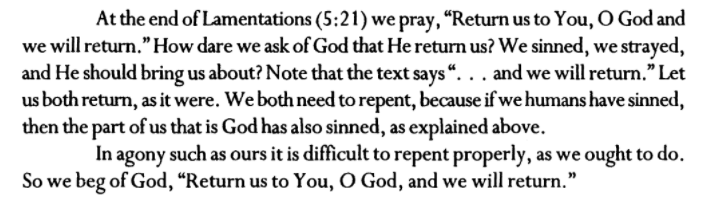
From the Maharil, Yakov ben Moshe Moelin
....my teacher had heard that one should say in the house of the mourner, 'one who dwells here in this house should be comforted'...
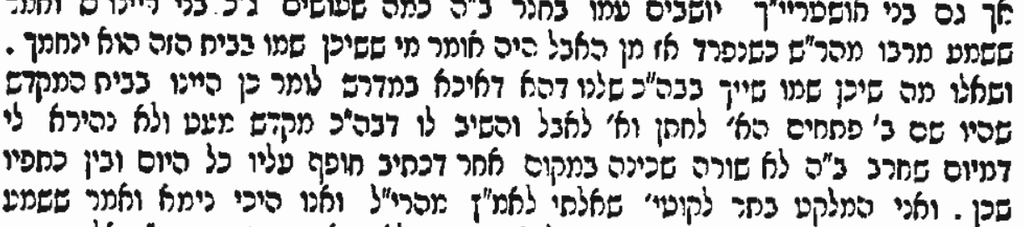
שבות יעקב חלק ג סימן צח

גם באתי להודיע חידוש בדין, דאם אותן המתאבלים עמהם מנחמים את אבילם, יאמרו נוסח זה בזה הלשון: המקום ינחם אתכם ואותנו עם שאר אבלי ציון וירושלים

Shvut Yaakov (Rabbi Yakov Reisher, 17th century Prague)

And if these same ones mourning with them are comforting other mourners, they would say this formulation in these words: May God comfort you and ourselves with the mourners of Zion and Jerusalem

מצווה לקשר את הצער הפרטי של המשפחה עם הצער של כלל ישראל, ועל ידי כך הצער הפרטי מקבל משמעות ומעורר לתשובה ותיקון. לכן למנהג יוצאי אשכנז, בשעה שהמנחמים נפרדים מהאבלים אומרים: "המקום ינחם אתכם בתוך שאר אבלי ציון וירושלים ולא תוסיפו לדאבה עוד". ויוצאי ספרד נוהגים לומר "מן השמיים תנוחמו".

It's a Mitzvah to connect the personal pain of our family with the pain of all of Klal Yisrael, and on account of this personal pain we receive meaning and are awakened to Teshuvah and Tikkun. And therefore it is the custom of Ashkenazi Jews, in the time they are comforting mourners, to say: May God comfort you amongst the mourners of Zion and Jerusalem, and add to more sorrow. And Sephardic Jews say 'May your comfort come from Heaven.'

There are calamities for which it is possible to accept consolation. A person may have had an illness from which he recovered. Although he had been in great danger and in tremendous pain, when with God's help he was healed, he was immediately consoled for all the pain he endured. Similarly, if money was lost, then when God restores the lost fortune, consolation follows quickly. But when lives are lost, it is impossible to accept solace. It is true that when the pain is due to the loss of family and loved ones, or to the loss of other Jewish people because they were precious and are sorely missed, it is possible to take comfort in other surviving relatives and different friends. But any decent person mourns the loss of others not simply because he misses them; it is not only his yearning for them that causes pain and distress. The real cause of his grief is the death of the other – the loss of life.
(Rabbi Kalonymos Kalmish Shapira, Sacred Fire: Torah from the Years of Fury 1939-1942, translated by J.H. Worch [Jason Aronson], p.200, Shabbat Nachamu – August 9, 1941)