... אזלו טשו במערתא איתרחיש ניסא איברי להו חרובא ועינא דמיא והוו משלחי מנייהו והוו יתבי עד צוארייהו בחלא כולי יומא גרסי בעידן צלויי לבשו מיכסו ומצלו והדר משלחי מנייהו כי היכי דלא ליבלו איתבו תריסר שני במערתא אתא אליהו וקם אפיתחא דמערתא אמר מאן לודעיה לבר יוחי דמית קיסר ובטיל גזירתיה נפקו חזו אינשי דקא כרבי וזרעי אמר מניחין חיי עולם ועוסקין בחיי שעה כל מקום שנותנין עיניהן מיד נשרף יצתה בת קול ואמרה להם להחריב עולמי יצאתם חיזרו למערתכם הדור אזול איתיבו תריסר ירחי שתא אמרי משפט רשעים בגיהנם י"ב חדש יצתה בת קול ואמרה צאו ממערתכם נפקו כל היכא דהוה מחי ר' אלעזר הוה מסי ר"ש אמר לו בני די לעולם אני ואתה בהדי פניא דמעלי שבתא חזו ההוא סבא דהוה נקיט תרי מדאני אסא ורהיט בין השמשות אמרו ליה הני למה לך אמר להו לכבוד שבת ותיסגי לך בחד חד כנגד (שמות כ, ז) זכור וחד כנגד (דברים ה, יא) שמור א"ל לבריה חזי כמה חביבין מצות על ישראל יתיב דעתייהו.
בַּהֲדֵי פַּנְיָא דְּמַעֲלֵי שַׁבְּתָא חֲזוֹ הָהוּא סָבָא דַּהֲוָה נָקֵיט תְּרֵי מַדָּאנֵי אָסָא וְרָהֵיט בֵּין הַשְּׁמָשׁוֹת. אֲמַרוּ לֵיהּ: הָנֵי לְמָה לָךְ? אֲמַר לְהוּ: לִכְבוֹד שַׁבָּת. וְתִיסְגֵּי לָךְ בְּחַד! — חַד כְּנֶגֶד ״זָכוֹר״ וְחַד כְּנֶגֶד ״שָׁמוֹר״. אֲמַר לֵיהּ לִבְרֵיהּ: חֲזִי כַּמָּה חֲבִיבִין מִצְוֹת עַל יִשְׂרָאֵל. אִיְּתִיבָה דַּעְתַּיְיהוּ.
...After denigrating the Roman culture and authorities, and a series of attempts to hide from a death sentence, Rabbi Shimon Bar Yochai and his son went and hid in a cave. Miraculously, a carob tree and a spring of water were created for them. They would take off their clothes each and sit up to their necks in sand and study. When it came the time of prayers they would get dressed, cover themselves and pray; then they would go back and take off their clothes so that they would not get worn out. They remained in the cave for twelve years.
Eliyahu came to the mouth of the cave and said, "Who will inform Bar Yochai that the Caesar has died and that his decree has been annulled?" They emerged. They saw people who were planting and sowing. They said, "These people are forsaking eternal life and preoccupying themselves with mundane reality." Everywhere that Rabbi Shimon and his son would cast their eyes would immediately burst into flame.
A Heavenly Voice came out and said to them, "Did you come out of the cave to destroy my world? Go back to your cave!" They returned and remained there for twelve months. They reasoned: "The sentence of evildoers in hell lasts for twelve months."
The Heavenly voice came out and said, "Go out from your cave." They emerged. Everything that Rabbi Elazar (the son) would destroy, Rabbi Shimon would restore. Rabbi Shimon said to him, “My son, you and I are enough for the world.”
As the sun was setting on Shabbat eve, they saw an elderly man who was holding two bundles of myrtle branches and running at twilight. They said to him: Why do you have these? He said to them: In honor of Shabbat. They said to him: One should be enough! He answered them: One is corresponding to: “Remember the Shabbat day, to keep it holy” (Exodus 20:8), and one is corresponding to: “Observe the Shabbat day, to keep it holy” (Deuteronomy 5:12). Rabbi Shimon said to his son: See how beloved the mitzvot are to Israel. Their minds were put at ease and they were no longer as upset that people were not engaged in Torah study.
"Research on prisoners, hermits, soldiers, astronauts, polar explorers and others who have spent extended periods in isolation indicates social skills are like muscles that atrophy from lack of use. People separated from society — by circumstance or by choice — report feeling more socially anxious, impulsive, awkward and intolerant when they return to normal life."
“...Daily interacting with individuals out in the world gives you a sense of belonging and security that comes from feeling you are part of, or have access to, a wider community and network,” said Stefan Hofmann, a professor of psychology at Boston University. “Social isolation slashes that network.”
Anita Diamant, Choosing a Jewish Life, 1997:
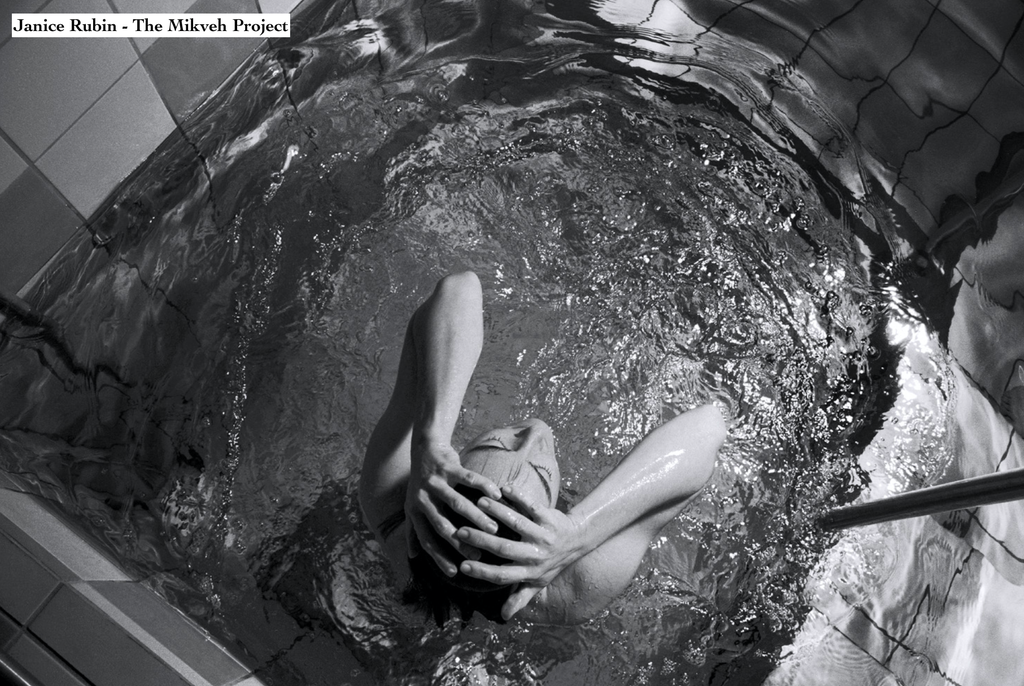
Mikvah is an experience of the body and the soul. Although preparing for a conversion is largely an intellectual activity, immersion is an altogether physical act, a ritual enactment of commitment, a spiritual leap. Mikvah defies logic; after all, how can getting wet change your life? And yet, as most Jews-by-choice will tell you, it is a transforming emotional experience. Floating in the mikvah, every limb, every pore, every strand of hair covered by waters as warm as those of your mother’s womb – you are held in a primal embrace and emerge, in a way, reborn... Mikvah is not about cleansing sins of a rebirth that blots out your life prior to conversion. And yet, entering the water does offer an opportunity to redefine yourself in fundamental ways. Since the days of the ancient Temple, mikvah has been used to signify changes in status- within the community, within personal relationships, and within one’s own heart.
דָּבָר בָּרוּר וְגָלוּי שֶׁהַטֻּמְאוֹת וְהַטָּהֳרוֹת גְּזֵרוֹת הַכָּתוּב הֵן. וְאֵינָן מִדְּבָרִים שֶׁדַּעְתּוֹ שֶׁל אָדָם מַכְרָעָתוֹ. וַהֲרֵי הֵן מִכְּלַל הַחֻקִּים. וְכֵן הַטְּבִילָה מִן הַטֻּמְאוֹת מִכְּלַל הַחֻקִּים הוּא שֶׁאֵין הַטֻּמְאָה טִיט אוֹ צוֹאָה שֶׁתַּעֲבֹר בְּמַיִם אֶלָּא גְּזֵרַת הַכָּתוּב הִיא וְהַדָּבָר תָּלוּי בְּכַוָּנַת הַלֵּב. וּלְפִיכָךְ אָמְרוּ חֲכָמִים טָבַל וְלֹא הֻחְזַק כְּאִלּוּ לֹא טָבַל. וְאַף עַל פִּי כֵן רֶמֶז יֵשׁ בַּדָּבָר כְּשֵׁם שֶׁהַמְכַוֵּן לִבּוֹ לְטַהֵר כֵּיוָן שֶׁטָּבַל טָהוֹר וְאַף עַל פִּי שֶׁלֹּא נִתְחַדֵּשׁ בְּגוּפוֹ דָּבָר כָּךְ הַמְכַוֵּן לִבּוֹ לְטַהֵר נַפְשׁוֹ מִטֻּמְאוֹת הַנְּפָשׁוֹת שֶׁהֵן מַחְשְׁבוֹת הָאָוֶן וְדֵעוֹת הָרָעוֹת. כֵּיוָן שֶׁהִסְכִּים בְּלִבּוֹ לִפְרשׁ מֵאוֹתָן הָעֵצוֹת וְהֵבִיא נַפְשׁוֹ בְּמֵי הַדַּעַת טָהוֹר. הֲרֵי הוּא אוֹמֵר (יחזקאל לו כה) "וְזָרַקְתִּי עֲלֵיכֶם מַיִם טְהוֹרִים וּטְהַרְתֶּם מִכּל טֻמְאוֹתֵיכֶם וּמִכָּל גִּלּוּלֵיכֶם אֲטַהֵר אֶתְכֶם".
It is obviously clear that the laws concerning "tumah and taharah" are chukim - biblical decrees - and not things which the human mind can determine; they are classified as divine statutes. So too, immersion as a means of ridding oneself from defilement (tumah) is included among the divine statutes. Defilement is not mud or filth to be removed with water, but is a matter of biblical decree; it depends on the heart's intent. Accordingly, the sages have declared: If a person immersed, but without a definite purpose in view, it is as though she had not immersed at all. Nevertheless, there is some ethical allusion to this: just as one who sets her mind on becoming clean becomes clean as soon as she has immersed himself, even though nothing new is produced in her physical being, so one who sets her mind on purifying herself from all the spiritual defilements, namely wrongful thoughts and evil traits, becomes clean as soon as she made up her mind to abstain from those notions, and brought her soul into the waters of reason. Indeed, our Tradition declares: "I will pour clean water over you, and you shall be clean; from all your impurities and idolatries I will purify you" (Ezekiel 36:25).
“Tumah is the result of our confrontation with the fact of our own mortality. It is the going down into darkness. Taharah is the result of our reaffirmation of our own immortality. It is the re-entry into light. Tumah is evil or frightening only when there is no further life. Otherwise, tumah is simply part of the human cycle. To be tameh is not wrong or bad. Often it is necessary and sometimes it is mandatory”.
ר' יוחנן הוה אזיל ויתיב אשערי טבילה אמר כי סלקן בנות ישראל מטבילת מצוה לפגעו בי כי היכי דלהוו להו בני שפירי כוותי גמירי אורייתא כוותי
Rabbi Yoḥanan would go and sit by the entrance to the ritual bath. He said to himself: 'When Jewish women come up from their immersion for the sake of a mitzvah, after their menstruation, they should encounter me first, so that they have beautiful children like me, and sons learned in Torah like me.'