Is cooking in a microwave considered bishul?
שו"ת אגרות משה אורח חיים חלק ג סימן נב
וא"כ בהמייקר - וייו אווען /תנור מיקרוגל/ שטוב לבשל בו כמו באש ממש ואלו שיש להם תנור כזה משתמשים בו יותר מבשול דבאש... ודאי יש למילף מבשול דאור דהיה במשכן בחשיבות תולדה שהוא לכל הדינים כהאב דבשול ע"י האור לאיסור ולחיוב סקילה וחטאת, לא רק לרש"י והר"ן אלא אף לקרית ספר דהרי לא פליגי כלל לפ"מ שבארתי
Igros Moshe - Orech Chaim 3:52
And if so, with the microwave oven that is fit for cooking like a fire itself and furthermore people use this to cook even more than they use a fire...
Definitely it can be considered a derivite (toldah) from cooking by fire that was done in the mishkan and has all of the laws of the source (av) which is cooking by fire and is assur and chayav in skillah and korban chattas....
תשובות והנהגות כרך ה סימן צא (וכן הוא שיטת רשז"א)
ונראה שגם לענין מיקרוגל בשבת שדעת הגר"מ פיינשטיין זצ"ל שזה מלאכה דאורייתא.. אבל נראה דלא דמי, שרק בבישול בחמה שהוא בישול גמור אין לפוטרו אלא כשאי"ז דרך בישולו, וכשזהו דרכו אסור מה"ת, אבל כאן במיקרוגל יש דעת מומחין שחסר באיכות הבישול, ולכן אפי' דרכו בכך אינו תולדה דמבשל כיון שאינו דומיא דמשכן בצורת הבישול, )מיהו י"ל דכיון שלכל העולם אינו ניכר השינוי באיכות דינו כמבושל, עיין בדברינו בח"ג סי' ק"ו
Teshuvot V'Hanhagot 5:91 (As well as the stance of Rav Shlomo Zalman Auerbach)
And it seems that also by the microwave on shabbat Rav Moshe holds that this is a Melacha Deorayta... But this does not seem [to be] similar. As only cooking by fire/heat which is complete cooking there is not allowance, as this is the "way of cooking" which is the way that is assur by Torah law. But here, by microwaves, the thought of experts is that this is lacking the quality of real cooking. Therefore, even if it is normal to cook this way it is not a derivative of cooking since it is not similar to the way of cooking in the mishkan. But some say that since the difference in quality is unrecognizable the law is that it is considered cooking.
If I need to cook for a choleh on Shabbos, would using a microwave be preferable?
Bishul Akum
אלא מדרבנן וקרא אסמכתא בעלמא
Rather, the cooking of gentiles is prohibited by rabbinic law, and the verse is cited as a mere support.
שו"ת שבט הלוי חלק ח סימן קפה
וכ' בשם מצדדים להקל דהבישול בתנור אינו דומה לבישול של אש כלל לא במהותו ולא בטיב הבישול לא במהותו דבזה הבישול נעשה ע"י ריכוז גלים שעוברים את החלקים הקשים ומגיעים לחלקים הרכים של המבושל ועי"ז הם מבשלים במהירות מאד, וגם בטיב הבישול אינו דומה לגמרי למבושל באש ממש, ומעלת כב' כ' דיש מקילים בזה, וגם מסעדות כשרות המהדרין בשאר דברים אינם מקפידים מלבשל בזה ע"י עכו"ם .ובתשובת דבר זה אומר כי הדבר פשוט כי דבר זה אסור משום בשולי עכו"ם, כי בין לטעם הגזרה משום חתנות ובין לטעם הגזרה משום שמא יאכילנו דברים טמאים... א"כ מה איכפת צורת ואיכות הבשול כל שנתבשל והוכן לסעודה באופן הרגיל בתקופה זאת, ואוכלים מאכל זה בתור נתבשל היא הגזרה שגזרו חז"ל
Shevet HaLevi 8:185
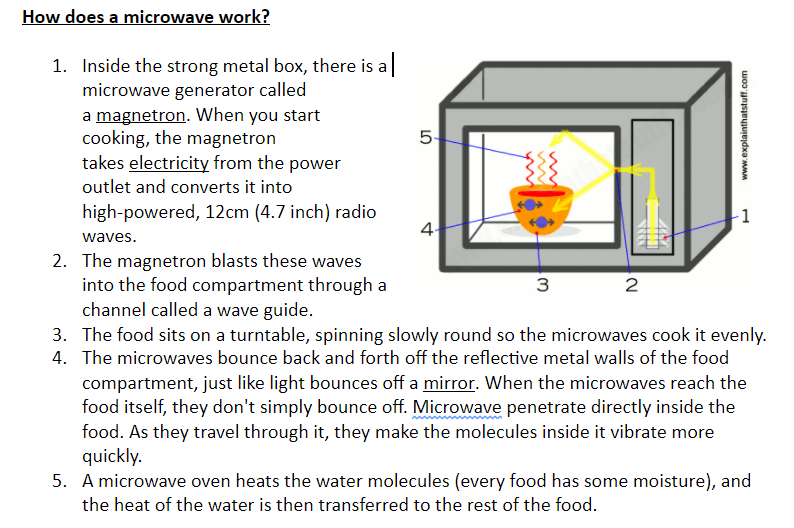
There are those who are meikil as cooking in a [microwave] oven is not similar to cooking on fire at all, not in essence and not in quality of cooking. Not in essence as this cooking is done through the concentration of waves that pass through the solid parts of the content and reach the moist parts and that is how they cook at such speed. And also in quality as the food will never be the same as it would have been if it were cooked on fire. And therefore there are those who are meikil in this regard with kashrus of restaurants that are not careful with bishul akum.
And in response to this it is obvious that it is assur to cook with bishul akum as whether for the reason is for the decree regarding marriages or the decree concerning eating Tamei foods... If so why do we care the quality or state of the cooking, anything that is cooked and fit for a normal seudah these days, this is what chazal were decreeing on.
Reicha and Zei'ah
שלא לאפות היתר ואיסור בתנור א'. ובו ז' סעיפים:
אין צולין בשר כשרה עם בשר נבילה או של בהמה טמאה בתנור א' ואף על פי שאין נוגעים זה בזה ואם צלאן הרי זה מותר ואפילו היתה האסורה שמינה הרבה והמותרת רזה ואם התנור גדול שמחזיק י"ב עשרונים ופיו פתוח מותר לצלותם בו ובלבד שלא יגעו זה בזה ואם אחד מהם מכוסה בקערה או בבצק וכיוצא בו מותר לצלותם אפילו בתנור קטן ופיו סתום: הגה וה"ה לבשר עם חלב נמי דינא הכי (טור סימן צ"ז) ונוהגין להחמיר לכתחלה אפילו בתנור גדול ובדיעבד להקל אפילו בתנור קטן ואם אפה פת עם בשר אסור לאכלו עם חלב אם יש לו פת אחר (שם) ... י"א דאין מתירין ריחא אפילו בדיעבד אלא אם כן התנור פתוח קצת מן הצד או למעלה במקום שהעשן יוצא (שם בארוך) ובמקום הפסד אין להחמיר בדיעבד (כי כן נראה מהפוסקים וכ"פ ב"י) אפילו סתום לגמרי ואם האיסור דבר חריף וכל שכן אם ההיתר דבר חריף ריחא מילתא היא ואפילו בדיעבד אסור אם שניהם מגולים אבל אם אחד מהם מכוסה אפילו בבצק בעלמא מותר
Do not roast kosher meat with non-kosher meat or meat of an unclean animal in the same oven, even if they do not touch one another. But if you did roast them, this is permitted - and even if the piece of forbidden meat was very fatty and the piece of permitted meat was lean. But if the oven is large enough to hold 12 esronim, and its mouth is open, then it is permitted to roast them in it as long as they do not touch one another. And if one of them is covered with a bowl or with dough or the like, it is permitted to roast them, even in a small oven with a closed mouth. Comment: The same is true for meat with milk - the ruling is also thus. And it is customary to be strict before the fact, even with a large oven, and after the fact to be lenient even with a small oven. But, if one baked a loaf of bread with meat, it is forbidden to eat it with milk if he has another loaf. And thus if an idolator baked a loaf of bread with something prohibited, it is prohibited to buy that loaf if he has another loaf - because all this is an instance of "before the fact." But if he has no other loaf available, both are permitted, because this is an instance of "after the fact." There are some who say that we do not permit on the basis of smell not being an issue, even after the fact, unless the oven is open from the side or above where the smoke can escape. But in a case of financial loss we are not stringent after the fact, even if the oven is completely closed. If the prohibited thing is pungent, and all the more so if the permitted thing is pungent, smell is an issue and even after the fact it is prohibited, if the two of them are uncovered. But if one of them is covered, even as is common with dough, it is permitted.
A pan of milk, placed in an oven, underneath a pot of meat - the steam rises, enters into the pot, and renders it forbidden. Rema: If there was actual milk in the pan, then we require sixty times its volume in the meat. All of this is when the pan is open, and the steam rises up from the food itself, to the pan that is above it, and also if the two are so close to each other that the steam that rises is so how that it would make your hand retreat rapidly. If not, then everything is permissible. Therefore, we hang meat (slabs) over dairy pots, and we don't worry about the steam that rises. And if something is covered, then everything is permissible, since it is like two pots that touch each other, which do not make each other forbidden, and all the more so with mere steam. But ideally (lechatchila) one should be strict on all this.
נראה לי שאסור ואפילו בדיעבד אם נעשה הייתי אוסר הקדרה כי הזיע העולה מן האלפס הוא כמו חלב כדתנן בפ"ב דמכשירין מרחץ טמאה (של מים שאובין) זיעתה טמאה וטהורה (כגון של מי מעין) בכי יותן בריכה שבבית והבית מזיע מחמתה אם טמאה זיעת כל הבית שמחמתה טמאה ועוד שנינו התם זיעת האדם טהורה שתה מים טמאים והזיע זיעתו טהורה בא במים שאובין והזיע זיעתו טמאה מכל הלין שמעינן דזיעה היוצאת מן הדבר חשובה כאותו דבר נמצאת זיעת האלפס חולבת היא כחלב והוה ליה כטיפת חלב שנפלה על קדרה מבחוץ שאוסר הקדרה ואפילו יש בקדרה ס' כנגד הטפה כי הטפה אוסרת כל סביבותיה אלא שרבינו מאיר ז"ל היה אומר אם יש בתבשיל שבקדרה ס' פעמים ס' של הטיפה מותרת שהטיפה אינה אוסרת אלא עד ס' ואם יש בתבשיל ס' לבטל אותם ס' מותר אמנם צריך לידע אם קדרה רותחת מקבלת זיעה דשמא חום הרתיחה שבה מעכבתה מלקבל הזיעה והכא יש לחוש שהאלפס שתחתיה מבטלת ומונעת רתיחת העליונה.
Source of Zeah is Mishna in Masechet Machshirim (2:2), which says that the steam that comes from a tamei bathhouse is itself tamei. We see from here that the steam that rises from something maintainsthe status of the item from which it came from. Therefore steam that comes from meat will be meat.
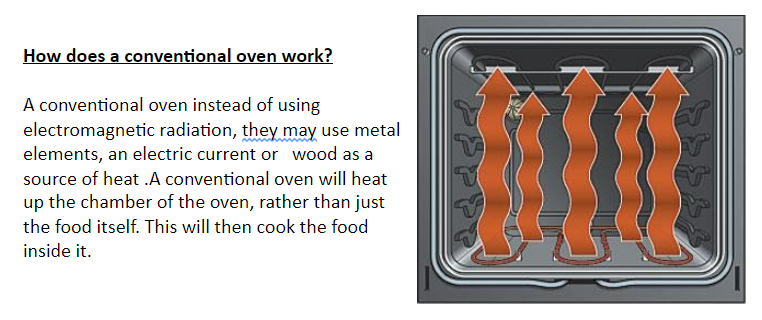
... אבל במקום גלוי כבתנורים שלנו שיש אויר, הזיעה עולה באויר ואינו אוסר הקדירה הסמוך לו... ולפ"ז אצלינו שהבישול במקומות הגלויים, אין הזיעה אוסרת כלל,
...But is an open space like in our ovens today, the steam goes up and does not osser the pot next to it...
Reasons to be stricter in a microwave oven than a conventional oven
-
Our microwave ovens create more steam than a conventional oven. Even according to those who are makil to cook meat after milk (or vice versa) uncovered in an oven( as we are not concerned with zeiah, Aruch Hashulchan), our microwave ovens are smaller and we see a lot of steam so perhaps we do need to be concerned.
-
Food which spills into the bottom in the oven will burn whereas a microwave will remain there- when I put milk in my microwave, small pieces of meat might remain which can cause a problem with reicha.
Reasons to be more lenient in a microwave oven than a convential oven.
-
The walls of the microwave do not get hot, therefore perhaps it’s harder to transfer the taste of food to the oven and vice versa.
-
A minority opinion of Rishonim hold that when one does not do an act of cooking he cannot effect the transfer of taste in the realm of kashrut. If we accept this and the opinion of Rav Shlomo Zalman, perhaps there are no issues of bishul at all by a microwave. (Rav Sobolofsky while not relying on this says perhaps we can combine it with other heterim to form a more lenient approach to microwave uses.
Can I use microwave for meat and milk?
Guidelines from Laws of Kashurs- Rav Forst (Pages 232 onwards) (Summarized)
-
Make sure completely clean with no residue.
-
One should have meat and milk covers and all food should be covered. (Perhaps parave can be cooked without a cover).
-
Since food boils and spills in a microwave, the bottom surface might absorb from both meat and dairy. Therefore one should have two separate plates- ideally glass as some hold glass may not absorb taste.
How to Kasher a microwave used for non-Kosher?
The microwave oven should be cleaned well and left idle for 24 hours. Then a full cup of water should be heated in the microwave for ten minutes allowing the water to overflow and the microwave to fill with steam. The cup should then be moved to another location in the microwave and again the water should be boiled for ten minutes. If the non-kosher food has been placed directly on the glass turntable, the glass plate should be replaced or double wrapped in plastic wrap.
https://oukosher.org/halacha-yomis/can-microwave-kashered-used-heat-non-kosher-food/