


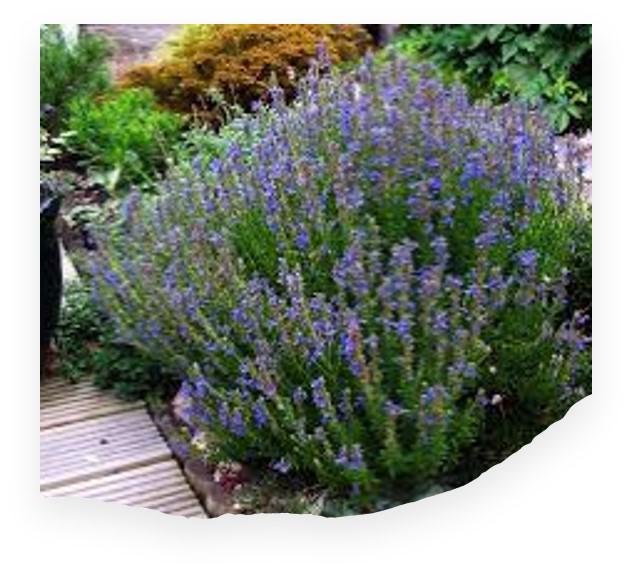
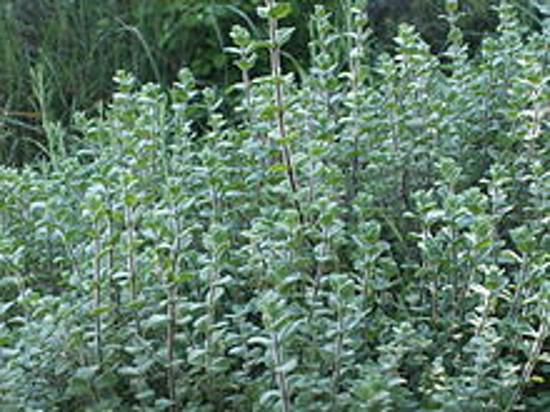
Rabbi Saadiah Gaon says that azov אֵז֗וֹב(hyssop) is a plant known in Arabic as zatr and in the vernacular as oregano. It is an herb distinguished by various kinds of flavors (Ibn Ezra)--Ibn Ezra says oregano doesn't grow in a wall. Other commentators also have issues identifying the herb in question. (Aside on Ibn Ezra living in Lucca 1145 when he published his commentary).
•Origanum syriacum; syn. Majorana syriaca (also Origanum maru, although this primarily refers to a hybrid of O. syriacum),[3] bible hyssop,[4] Biblical-hyssop,[1] Lebanese oregano[1] or Syrian oregano,[1] is an aromatic perennial herb in the mint family, Lamiaceae.
(כא) וַיִּקְרָ֥א מֹשֶׁ֛ה לְכׇל־זִקְנֵ֥י יִשְׂרָאֵ֖ל וַיֹּ֣אמֶר אֲלֵהֶ֑ם מִֽשְׁכ֗וּ וּקְח֨וּ לָכֶ֥ם צֹ֛אן לְמִשְׁפְּחֹתֵיכֶ֖ם וְשַׁחֲט֥וּ הַפָּֽסַח׃ (כב) וּלְקַחְתֶּ֞ם אֲגֻדַּ֣ת אֵז֗וֹב וּטְבַלְתֶּם֮ בַּדָּ֣ם אֲשֶׁר־בַּסַּף֒ וְהִגַּעְתֶּ֤ם אֶל־הַמַּשְׁקוֹף֙ וְאֶל־שְׁתֵּ֣י הַמְּזוּזֹ֔ת מִן־הַדָּ֖ם אֲשֶׁ֣ר בַּסָּ֑ף וְאַתֶּ֗ם לֹ֥א תֵצְא֛וּ אִ֥ישׁ מִפֶּֽתַח־בֵּית֖וֹ עַד־בֹּֽקֶר׃ (כג) וְעָבַ֣ר יְהֹוָה֮ לִנְגֹּ֣ף אֶת־מִצְרַ֒יִם֒ וְרָאָ֤ה אֶת־הַדָּם֙ עַל־הַמַּשְׁק֔וֹף וְעַ֖ל שְׁתֵּ֣י הַמְּזוּזֹ֑ת וּפָסַ֤ח יְהֹוָה֙ עַל־הַפֶּ֔תַח וְלֹ֤א יִתֵּן֙ הַמַּשְׁחִ֔ית לָבֹ֥א אֶל־בָּתֵּיכֶ֖ם לִנְגֹּֽף׃
(21) Moses then summoned all the elders of Israel and said to them, “Go, pick out lambs for your families, and slaughter the passover offering. (22) Take a bunch of hyssop, dip it in the blood that is in the basin, and apply some of the blood that is in the basin to the lintel and to the two doorposts. None of you shall go outside the door of his house until morning. (23) For when the LORD goes through to smite the Egyptians, He will see the blood on the lintel and the two doorposts, and the LORD will pass over the door and not let the Destroyer enter and smite your home.
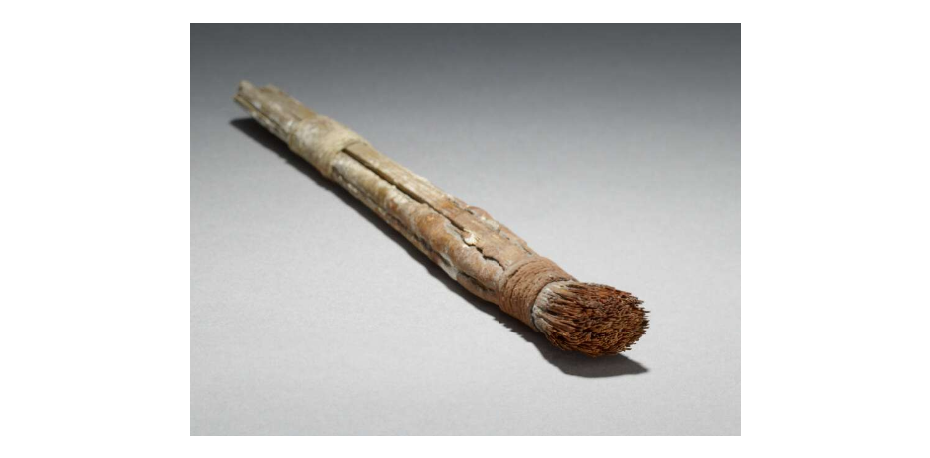
1) Paintbrush: Egypt had them, but not every slave could get one, G-d doesn't specify how to paint the doorposts, Moses instructs them to use hyssop.
2) Acquires symbolic weight
3) From that point on every mention of hyssop will recall the first paschal sacrifice
4) Multi-valenced Symbolic resonance of the קרבן פסח
a) Unity: Key element of becoming a member of עם ישראל
b) Faith in God: Engaging in ritual was incredibly risky
c) Saving from Death
(א) וַיְדַבֵּ֣ר יְהֹוָ֔ה אֶל־מֹשֶׁ֥ה וְאֶֽל־אַהֲרֹ֖ן לֵאמֹֽר׃ (ב) זֹ֚את חֻקַּ֣ת הַתּוֹרָ֔ה אֲשֶׁר־צִוָּ֥ה יְהֹוָ֖ה לֵאמֹ֑ר דַּבֵּ֣ר ׀ אֶל־בְּנֵ֣י יִשְׂרָאֵ֗ל וְיִקְח֣וּ אֵלֶ֩יךָ֩ פָרָ֨ה אֲדֻמָּ֜ה תְּמִימָ֗ה אֲשֶׁ֤ר אֵֽין־בָּהּ֙ מ֔וּם אֲשֶׁ֛ר לֹא־עָלָ֥ה עָלֶ֖יהָ עֹֽל׃.... (ה) וְשָׂרַ֥ף אֶת־הַפָּרָ֖ה לְעֵינָ֑יו אֶת־עֹרָ֤הּ וְאֶת־בְּשָׂרָהּ֙ וְאֶת־דָּמָ֔הּ עַל־פִּרְשָׁ֖הּ יִשְׂרֹֽף׃ (ו) וְלָקַ֣ח הַכֹּהֵ֗ן עֵ֥ץ אֶ֛רֶז וְאֵז֖וֹב וּשְׁנִ֣י תוֹלָ֑עַת וְהִשְׁלִ֕יךְ אֶל־תּ֖וֹךְ שְׂרֵפַ֥ת הַפָּרָֽה׃ (ז) וְכִבֶּ֨ס בְּגָדָ֜יו הַכֹּהֵ֗ן וְרָחַ֤ץ בְּשָׂרוֹ֙ בַּמַּ֔יִם וְאַחַ֖ר יָבֹ֣א אֶל־הַֽמַּחֲנֶ֑ה וְטָמֵ֥א הַכֹּהֵ֖ן עַד־הָעָֽרֶב׃ (ח) וְהַשֹּׂרֵ֣ף אֹתָ֔הּ יְכַבֵּ֤ס בְּגָדָיו֙ בַּמַּ֔יִם וְרָחַ֥ץ בְּשָׂר֖וֹ בַּמָּ֑יִם וְטָמֵ֖א עַד־הָעָֽרֶב׃ (ט) וְאָסַ֣ף ׀ אִ֣ישׁ טָה֗וֹר אֵ֚ת אֵ֣פֶר הַפָּרָ֔ה וְהִנִּ֛יחַ מִח֥וּץ לַֽמַּחֲנֶ֖ה בְּמָק֣וֹם טָה֑וֹר וְ֠הָיְתָ֠ה לַעֲדַ֨ת בְּנֵֽי־יִשְׂרָאֵ֧ל לְמִשְׁמֶ֛רֶת לְמֵ֥י נִדָּ֖ה חַטָּ֥את הִֽוא׃ (י) וְ֠כִבֶּ֠ס הָאֹסֵ֨ף אֶת־אֵ֤פֶר הַפָּרָה֙ אֶת־בְּגָדָ֔יו וְטָמֵ֖א עַד־הָעָ֑רֶב וְֽהָיְתָ֞ה לִבְנֵ֣י יִשְׂרָאֵ֗ל וְלַגֵּ֛ר הַגָּ֥ר בְּתוֹכָ֖ם לְחֻקַּ֥ת עוֹלָֽם׃ (יא) הַנֹּגֵ֥עַ בְּמֵ֖ת לְכׇל־נֶ֣פֶשׁ אָדָ֑ם וְטָמֵ֖א שִׁבְעַ֥ת יָמִֽים׃ (יב) ה֣וּא יִתְחַטָּא־ב֞וֹ בַּיּ֧וֹם הַשְּׁלִישִׁ֛י וּבַיּ֥וֹם הַשְּׁבִיעִ֖י יִטְהָ֑ר וְאִם־לֹ֨א יִתְחַטָּ֜א בַּיּ֧וֹם הַשְּׁלִישִׁ֛י וּבַיּ֥וֹם הַשְּׁבִיעִ֖י לֹ֥א יִטְהָֽר׃ (יג) כׇּֽל־הַנֹּגֵ֡עַ בְּמֵ֣ת בְּנֶ֩פֶשׁ֩ הָאָדָ֨ם אֲשֶׁר־יָמ֜וּת וְלֹ֣א יִתְחַטָּ֗א אֶת־מִשְׁכַּ֤ן יְהֹוָה֙ טִמֵּ֔א וְנִכְרְתָ֛ה הַנֶּ֥פֶשׁ הַהִ֖וא מִיִּשְׂרָאֵ֑ל כִּי֩ מֵ֨י נִדָּ֜ה לֹא־זֹרַ֤ק עָלָיו֙ טָמֵ֣א יִהְיֶ֔ה ע֖וֹד טֻמְאָת֥וֹ בֽוֹ׃ (יד) זֹ֚את הַתּוֹרָ֔ה אָדָ֖ם כִּֽי־יָמ֣וּת בְּאֹ֑הֶל כׇּל־הַבָּ֤א אֶל־הָאֹ֙הֶל֙ וְכׇל־אֲשֶׁ֣ר בָּאֹ֔הֶל יִטְמָ֖א שִׁבְעַ֥ת יָמִֽים׃ (טו) וְכֹל֙ כְּלִ֣י פָת֔וּחַ אֲשֶׁ֛ר אֵין־צָמִ֥יד פָּתִ֖יל עָלָ֑יו טָמֵ֖א הֽוּא׃ (טז) וְכֹ֨ל אֲשֶׁר־יִגַּ֜ע עַל־פְּנֵ֣י הַשָּׂדֶ֗ה בַּֽחֲלַל־חֶ֙רֶב֙ א֣וֹ בְמֵ֔ת אֽוֹ־בְעֶ֥צֶם אָדָ֖ם א֣וֹ בְקָ֑בֶר יִטְמָ֖א שִׁבְעַ֥ת יָמִֽים׃ (יז) וְלָֽקְחוּ֙ לַטָּמֵ֔א מֵעֲפַ֖ר שְׂרֵפַ֣ת הַֽחַטָּ֑את וְנָתַ֥ן עָלָ֛יו מַ֥יִם חַיִּ֖ים אֶל־כֶּֽלִי׃ (יח) וְלָקַ֨ח אֵז֜וֹב וְטָבַ֣ל בַּמַּ֘יִם֮ אִ֣ישׁ טָהוֹר֒ וְהִזָּ֤ה עַל־הָאֹ֙הֶל֙ וְעַל־כׇּל־הַכֵּלִ֔ים וְעַל־הַנְּפָשׁ֖וֹת אֲשֶׁ֣ר הָֽיוּ־שָׁ֑ם וְעַל־הַנֹּגֵ֗עַ בַּעֶ֙צֶם֙ א֣וֹ בֶֽחָלָ֔ל א֥וֹ בַמֵּ֖ת א֥וֹ בַקָּֽבֶר׃ (יט) וְהִזָּ֤ה הַטָּהֹר֙ עַל־הַטָּמֵ֔א בַּיּ֥וֹם הַשְּׁלִישִׁ֖י וּבַיּ֣וֹם הַשְּׁבִיעִ֑י וְחִטְּאוֹ֙ בַּיּ֣וֹם הַשְּׁבִיעִ֔י וְכִבֶּ֧ס בְּגָדָ֛יו וְרָחַ֥ץ בַּמַּ֖יִם וְטָהֵ֥ר בָּעָֽרֶב׃ (כ) וְאִ֤ישׁ אֲשֶׁר־יִטְמָא֙ וְלֹ֣א יִתְחַטָּ֔א וְנִכְרְתָ֛ה הַנֶּ֥פֶשׁ הַהִ֖וא מִתּ֣וֹךְ הַקָּהָ֑ל כִּי֩ אֶת־מִקְדַּ֨שׁ יְהֹוָ֜ה טִמֵּ֗א מֵ֥י נִדָּ֛ה לֹא־זֹרַ֥ק עָלָ֖יו טָמֵ֥א הֽוּא׃ (כא) וְהָיְתָ֥ה לָהֶ֖ם לְחֻקַּ֣ת עוֹלָ֑ם וּמַזֵּ֤ה מֵֽי־הַנִּדָּה֙ יְכַבֵּ֣ס בְּגָדָ֔יו וְהַנֹּגֵ֙עַ֙ בְּמֵ֣י הַנִּדָּ֔ה יִטְמָ֖א עַד־הָעָֽרֶב׃ (כב) וְכֹ֛ל אֲשֶׁר־יִגַּע־בּ֥וֹ הַטָּמֵ֖א יִטְמָ֑א וְהַנֶּ֥פֶשׁ הַנֹּגַ֖עַת תִּטְמָ֥א עַד־הָעָֽרֶב׃ {פ}
(1) The LORD spoke to Moses and Aaron, saying: (2) This is the ritual law that the LORD has commanded: Instruct the Israelite people to bring you a red cow without blemish, in which there is no defect and on which no yoke has been laid.....The cow shall be burned in his sight—its hide, flesh, and blood shall be burned, its dung included— (6) and the priest shall take cedar wood, hyssop, and crimson stuff, and throw them into the fire consuming the cow. (7) The priest shall wash his garments and bathe his body in water; after that the priest may reenter the camp, but he shall be unclean until evening. (8) He who performed the burning shall also wash his garments in water, bathe his body in water, and be unclean until evening. (9) A man who is clean shall gather up the ashes of the cow and deposit them outside the camp in a clean place, to be kept for water of lustration for the Israelite community. It is for cleansing. (10) He who gathers up the ashes of the cow shall also wash his clothes and be unclean until evening. This shall be a permanent law for the Israelites and for the strangers who reside among you. (11) He who touches the corpse of any human being shall be unclean for seven days. (12) He shall cleanse himself with it on the third day and on the seventh day, and then be clean; if he fails to cleanse himself on the third and seventh days, he shall not be clean. (13) Whoever touches a corpse, the body of a person who has died, and does not cleanse himself, defiles the LORD’s Tabernacle; that person shall be cut off from Israel. Since the water of lustration was not dashed on him, he remains unclean; his uncleanness is still upon him. (14) This is the ritual: When a person dies in a tent, whoever enters the tent and whoever is in the tent shall be unclean seven days; (15) and every open vessel, with no lid fastened down, shall be unclean. (16) And in the open, anyone who touches a person who was killed or who died naturally, or human bone, or a grave, shall be unclean seven days. (17) Some of the ashes from the fire of cleansing shall be taken for the unclean person, and fresh water shall be added to them in a vessel. (18) A person who is clean shall take hyssop, dip it in the water, and sprinkle on the tent and on all the vessels and people who were there, or on him who touched the bones or the person who was killed or died naturally or the grave. (19) The clean person shall sprinkle it upon the unclean person on the third day and on the seventh day, thus cleansing him by the seventh day. He shall then wash his clothes and bathe in water, and at nightfall he shall be clean. (20) If anyone who has become unclean fails to cleanse himself, that person shall be cut off from the congregation, for he has defiled the LORD’s sanctuary. The water of lustration was not dashed on him: he is unclean. (21) That shall be for them a law for all time. Further, he who sprinkled the water of lustration shall wash his clothes; and whoever touches the water of lustration shall be unclean until evening. (22) Whatever that unclean person touches shall be unclean; and the person who touches him shall be unclean until evening.
1) Paint brush/sprinkler
2) But more than a functional role since it is mixed with the very waters of cleansing
3) Perhaps symbolic resonance of Karban Pesach
4) Red Heifer often tied to sin of the golden calf.
מִפְּנֵי שֶׁמִּדַּת הַדִּין מְקַטְרֶגֶת עֲלֵיהֶן עַל הָעֵגֶל שֶׁהָיוּ עֲתִידִין לַעֲשׂוֹת, וְעַל זֶה נֶאֱמַר (שמות יב, כב): וּלְקַחְתֶּם אֲגֻדַּת אֵזוֹב, כְּנֶגֶד שֶׁהִשְׁפִּילוּ עַצְמָן לַעֲשׂוֹת תְּשׁוּבָה כָּאֵזוֹב. (שמות יב, כב):
( (יא) עץ ארז ואזוב ושני תולעת. שְׁלֹשָׁה מִינִין הַלָּלוּ כְּנֶגֶד שְׁלֹשֶׁת אַלְפֵי אִישׁ שֶׁנָּפְלוּ בָעֵגֶל, וְאֶרֶז הוּא הַגָּבוֹהַּ מִכָּל הָאִילָנוֹת וְאֵזוֹב נָמוּךְ מִכֻּלָּם, סִימָן שֶׁהַגָּבוֹהַּ שֶׁנִּתְגָּאָה וְחָטָא יַשְׁפִּיל אֶת עַצְמוֹ כְּאֵזוֹב וְתוֹלַעַת וְיִתְכַּפֵּר לוֹ: (יב)
. (11) עץ ארז ואזוב ושני תולעת CEDAR WOOD AND HYSSOP AND CRIMSON — These three species correspond to the three thousand men who fell by the edge of the sword on account of the golden calf. The cedar is the loftiest of all trees and the hyssop the lowliest of all — a symbol that the man of high position who displays pride and on that account falls into sin should make himself as lowly as the hyssop and the worm (תולעת), and he will then gain atonement.
I haven't seen the red heifer tied that often to Karban Pesach (But see Ibn Ezra below). (lamb <>cow).Though it should be since the main reason people needed the ritual is to participate in Karban Pesach.
--Here I don't understand Rashi, there is no sin involved. If anything a Mitzvah...rather let me venture to say that impurity exists to underscore how momentous and traumatic an encounter with death is--you can't go on as if nothing has happened. The Torah provides for a way of marking an encounter a ritual that features separation and re-integration.
7) What symbolism does the hyssop (qua Karban Pesach) add to the ritual?
b) Sense of unity--comforting to those who have been outside of the community for contact with the deceased
b) Sense of death not all powerful
c) Faith in G-d faith can be shaken
(א) וַיְדַבֵּ֥ר יְהֹוָ֖ה אֶל־מֹשֶׁ֥ה לֵּאמֹֽר׃ (ב) זֹ֤את תִּֽהְיֶה֙ תּוֹרַ֣ת הַמְּצֹרָ֔ע בְּי֖וֹם טׇהֳרָת֑וֹ וְהוּבָ֖א אֶל־הַכֹּהֵֽן׃ (ג) וְיָצָא֙ הַכֹּהֵ֔ן אֶל־מִח֖וּץ לַֽמַּחֲנֶ֑ה וְרָאָה֙ הַכֹּהֵ֔ן וְהִנֵּ֛ה נִרְפָּ֥א נֶֽגַע־הַצָּרַ֖עַת מִן־הַצָּרֽוּעַ׃ (ד) וְצִוָּה֙ הַכֹּהֵ֔ן וְלָקַ֧ח לַמִּטַּהֵ֛ר שְׁתֵּֽי־צִפֳּרִ֥ים חַיּ֖וֹת טְהֹר֑וֹת וְעֵ֣ץ אֶ֔רֶז וּשְׁנִ֥י תוֹלַ֖עַת וְאֵזֹֽב׃ (ה) וְצִוָּה֙ הַכֹּהֵ֔ן וְשָׁחַ֖ט אֶת־הַצִּפּ֣וֹר הָאֶחָ֑ת אֶל־כְּלִי־חֶ֖רֶשׂ עַל־מַ֥יִם חַיִּֽים׃ (ו) אֶת־הַצִּפֹּ֤ר הַֽחַיָּה֙ יִקַּ֣ח אֹתָ֔הּ וְאֶת־עֵ֥ץ הָאֶ֛רֶז וְאֶת־שְׁנִ֥י הַתּוֹלַ֖עַת וְאֶת־הָאֵזֹ֑ב וְטָבַ֨ל אוֹתָ֜ם וְאֵ֣ת ׀ הַצִּפֹּ֣ר הַֽחַיָּ֗ה בְּדַם֙ הַצִּפֹּ֣ר הַשְּׁחֻטָ֔ה עַ֖ל הַמַּ֥יִם הַֽחַיִּֽים׃ (ז) וְהִזָּ֗ה עַ֧ל הַמִּטַּהֵ֛ר מִן־הַצָּרַ֖עַת שֶׁ֣בַע פְּעָמִ֑ים וְטִ֣הֲר֔וֹ וְשִׁלַּ֛ח אֶת־הַצִּפֹּ֥ר הַֽחַיָּ֖ה עַל־פְּנֵ֥י הַשָּׂדֶֽה׃
{פ}
(לג) וַיְדַבֵּ֣ר יְהֹוָ֔ה אֶל־מֹשֶׁ֥ה וְאֶֽל־אַהֲרֹ֖ן לֵאמֹֽר׃ (לד) כִּ֤י תָבֹ֙אוּ֙ אֶל־אֶ֣רֶץ כְּנַ֔עַן אֲשֶׁ֥ר אֲנִ֛י נֹתֵ֥ן לָכֶ֖ם לַאֲחֻזָּ֑ה וְנָתַתִּי֙ נֶ֣גַע צָרַ֔עַת בְּבֵ֖ית אֶ֥רֶץ אֲחֻזַּתְכֶֽם׃ (לה) וּבָא֙ אֲשֶׁר־ל֣וֹ הַבַּ֔יִת וְהִגִּ֥יד לַכֹּהֵ֖ן לֵאמֹ֑ר כְּנֶ֕גַע נִרְאָ֥ה לִ֖י בַּבָּֽיִת׃ (לו) וְצִוָּ֨ה הַכֹּהֵ֜ן וּפִנּ֣וּ אֶת־הַבַּ֗יִת בְּטֶ֨רֶם יָבֹ֤א הַכֹּהֵן֙ לִרְא֣וֹת אֶת־הַנֶּ֔גַע וְלֹ֥א יִטְמָ֖א כׇּל־אֲשֶׁ֣ר בַּבָּ֑יִת וְאַ֥חַר כֵּ֛ן יָבֹ֥א הַכֹּהֵ֖ן לִרְא֥וֹת אֶת־הַבָּֽיִת׃ (לז) וְרָאָ֣ה אֶת־הַנֶּ֗גַע וְהִנֵּ֤ה הַנֶּ֙גַע֙ בְּקִירֹ֣ת הַבַּ֔יִת שְׁקַֽעֲרוּרֹת֙ יְרַקְרַקֹּ֔ת א֖וֹ אֲדַמְדַּמֹּ֑ת וּמַרְאֵיהֶ֥ן שָׁפָ֖ל מִן־הַקִּֽיר׃ (לח) וְיָצָ֧א הַכֹּהֵ֛ן מִן־הַבַּ֖יִת אֶל־פֶּ֣תַח הַבָּ֑יִת וְהִסְגִּ֥יר אֶת־הַבַּ֖יִת שִׁבְעַ֥ת יָמִֽים׃ (לט) וְשָׁ֥ב הַכֹּהֵ֖ן בַּיּ֣וֹם הַשְּׁבִיעִ֑י וְרָאָ֕ה וְהִנֵּ֛ה פָּשָׂ֥ה הַנֶּ֖גַע בְּקִירֹ֥ת הַבָּֽיִת׃ (מ) וְצִוָּה֙ הַכֹּהֵ֔ן וְחִלְּצוּ֙ אֶת־הָ֣אֲבָנִ֔ים אֲשֶׁ֥ר בָּהֵ֖ן הַנָּ֑גַע וְהִשְׁלִ֤יכוּ אֶתְהֶן֙ אֶל־מִח֣וּץ לָעִ֔יר אֶל־מָק֖וֹם טָמֵֽא׃ (מא) וְאֶת־הַבַּ֛יִת יַקְצִ֥עַ מִבַּ֖יִת סָבִ֑יב וְשָׁפְכ֗וּ אֶת־הֶֽעָפָר֙ אֲשֶׁ֣ר הִקְצ֔וּ אֶל־מִח֣וּץ לָעִ֔יר אֶל־מָק֖וֹם טָמֵֽא׃ (מב) וְלָקְחוּ֙ אֲבָנִ֣ים אֲחֵר֔וֹת וְהֵבִ֖יאוּ אֶל־תַּ֣חַת הָאֲבָנִ֑ים וְעָפָ֥ר אַחֵ֛ר יִקַּ֖ח וְטָ֥ח אֶת־הַבָּֽיִת׃ (מג) וְאִם־יָשׁ֤וּב הַנֶּ֙גַע֙ וּפָרַ֣ח בַּבַּ֔יִת אַחַ֖ר חִלֵּ֣ץ אֶת־הָאֲבָנִ֑ים וְאַחֲרֵ֛י הִקְצ֥וֹת אֶת־הַבַּ֖יִת וְאַחֲרֵ֥י הִטּֽוֹחַ׃ (מד) וּבָא֙ הַכֹּהֵ֔ן וְרָאָ֕ה וְהִנֵּ֛ה פָּשָׂ֥ה הַנֶּ֖גַע בַּבָּ֑יִת צָרַ֨עַת מַמְאֶ֥רֶת הִ֛וא בַּבַּ֖יִת טָמֵ֥א הֽוּא׃ (מה) וְנָתַ֣ץ אֶת־הַבַּ֗יִת אֶת־אֲבָנָיו֙ וְאֶת־עֵצָ֔יו וְאֵ֖ת כׇּל־עֲפַ֣ר הַבָּ֑יִת וְהוֹצִיא֙ אֶל־מִח֣וּץ לָעִ֔יר אֶל־מָק֖וֹם טָמֵֽא׃ (מו) וְהַבָּא֙ אֶל־הַבַּ֔יִת כׇּל־יְמֵ֖י הִסְגִּ֣יר אֹת֑וֹ יִטְמָ֖א עַד־הָעָֽרֶב׃ (מז) וְהַשֹּׁכֵ֣ב בַּבַּ֔יִת יְכַבֵּ֖ס אֶת־בְּגָדָ֑יו וְהָאֹכֵ֣ל בַּבַּ֔יִת יְכַבֵּ֖ס אֶת־בְּגָדָֽיו׃ (מח) וְאִם־בֹּ֨א יָבֹ֜א הַכֹּהֵ֗ן וְרָאָה֙ וְ֠הִנֵּ֠ה לֹא־פָשָׂ֤ה הַנֶּ֙גַע֙ בַּבַּ֔יִת אַחֲרֵ֖י הִטֹּ֣חַ אֶת־הַבָּ֑יִת וְטִהַ֤ר הַכֹּהֵן֙ אֶת־הַבַּ֔יִת כִּ֥י נִרְפָּ֖א הַנָּֽגַע׃ (מט) וְלָקַ֛ח לְחַטֵּ֥א אֶת־הַבַּ֖יִת שְׁתֵּ֣י צִפֳּרִ֑ים וְעֵ֣ץ אֶ֔רֶז וּשְׁנִ֥י תוֹלַ֖עַת וְאֵזֹֽב׃ (נ) וְשָׁחַ֖ט אֶת־הַצִּפֹּ֣ר הָאֶחָ֑ת אֶל־כְּלִי־חֶ֖רֶשׂ עַל־מַ֥יִם חַיִּֽים׃ (נא) וְלָקַ֣ח אֶת־עֵֽץ־הָ֠אֶ֠רֶז וְאֶת־הָ֨אֵזֹ֜ב וְאֵ֣ת ׀ שְׁנִ֣י הַתּוֹלַ֗עַת וְאֵת֮ הַצִּפֹּ֣ר הַֽחַיָּה֒ וְטָבַ֣ל אֹתָ֗ם בְּדַם֙ הַצִּפֹּ֣ר הַשְּׁחוּטָ֔ה וּבַמַּ֖יִם הַֽחַיִּ֑ים וְהִזָּ֥ה אֶל־הַבַּ֖יִת שֶׁ֥בַע פְּעָמִֽים׃ (נב) וְחִטֵּ֣א אֶת־הַבַּ֔יִת בְּדַם֙ הַצִּפּ֔וֹר וּבַמַּ֖יִם הַֽחַיִּ֑ים וּבַצִּפֹּ֣ר הַחַיָּ֗ה וּבְעֵ֥ץ הָאֶ֛רֶז וּבָאֵזֹ֖ב וּבִשְׁנִ֥י הַתּוֹלָֽעַת׃ (נג) וְשִׁלַּ֞ח אֶת־הַצִּפֹּ֧ר הַֽחַיָּ֛ה אֶל־מִח֥וּץ לָעִ֖יר אֶל־פְּנֵ֣י הַשָּׂדֶ֑ה וְכִפֶּ֥ר עַל־הַבַּ֖יִת וְטָהֵֽר׃ (נד) זֹ֖את הַתּוֹרָ֑ה לְכׇל־נֶ֥גַע הַצָּרַ֖עַת וְלַנָּֽתֶק׃ (נה) וּלְצָרַ֥עַת הַבֶּ֖גֶד וְלַבָּֽיִת׃ (נו) וְלַשְׂאֵ֥ת וְלַסַּפַּ֖חַת וְלַבֶּהָֽרֶת׃ (נז) לְהוֹרֹ֕ת בְּי֥וֹם הַטָּמֵ֖א וּבְי֣וֹם הַטָּהֹ֑ר זֹ֥את תּוֹרַ֖ת הַצָּרָֽעַת׃ {פ}
(1) The LORD spoke to Moses, saying: (2) This shall be the ritual for a leper at the time that he is to be cleansed. When it has been reported to the priest, (3) the priest shall go outside the camp. If the priest sees that the leper has been healed of his scaly affection, (4) the priest shall order two live clean birds, cedar wood, crimson stuff, and hyssop to be brought for him who is to be cleansed. (5) The priest shall order one of the birds slaughtered over fresh water in an earthen vessel; (6) and he shall take the live bird, along with the cedar wood, the crimson stuff, and the hyssop, and dip them together with the live bird in the blood of the bird that was slaughtered over the fresh water. (7) He shall then sprinkle it seven times on him who is to be cleansed of the eruption and cleanse him; and he shall set the live bird free in the open country.
.... The LORD spoke to Moses and Aaron, saying: (34) When you enter the land of Canaan that I give you as a possession, and I inflict an eruptive plague upon a house in the land you possess, (35) the owner of the house shall come and tell the priest, saying, “Something like a plague has appeared upon my house.” (36) The priest shall order the house cleared before the priest enters to examine the plague, so that nothing in the house may become unclean; after that the priest shall enter to examine the house. (37) If, when he examines the plague, the plague in the walls of the house is found to consist of greenish or reddish streaks that appear to go deep into the wall, (38) the priest shall come out of the house to the entrance of the house, and close up the house for seven days. (39) On the seventh day the priest shall return. If he sees that the plague has spread on the walls of the house, (40) the priest shall order the stones with the plague in them to be pulled out and cast outside the city into an unclean place. (41) The house shall be scraped inside all around, and the coating that is scraped off shall be dumped outside the city in an unclean place. (42) They shall take other stones and replace those stones with them, and take other coating and plaster the house. (43) If the plague again breaks out in the house, after the stones have been pulled out and after the house has been scraped and replastered, (44) the priest shall come to examine: if the plague has spread in the house, it is a malignant eruption in the house; it is unclean. (45) The house shall be torn down—its stones and timber and all the coating on the house—and taken to an unclean place outside the city. (46) Whoever enters the house while it is closed up shall be unclean until evening. (47) Whoever sleeps in the house must wash his clothes, and whoever eats in the house must wash his clothes. (48) If, however, the priest comes and sees that the plague has not spread in the house after the house was replastered, the priest shall pronounce the house clean, for the plague has healed. (49) To purge the house, he shall take two birds, cedar wood, crimson stuff, and hyssop. (50) He shall slaughter the one bird over fresh water in an earthen vessel. (51) He shall take the cedar wood, the hyssop, the crimson stuff, and the live bird, and dip them in the blood of the slaughtered bird and the fresh water, and sprinkle on the house seven times. (52) Having purged the house with the blood of the bird, the fresh water, the live bird, the cedar wood, the hyssop, and the crimson stuff, (53) he shall set the live bird free outside the city in the open country. Thus he shall make expiation for the house, and it shall be clean. (54) Such is the ritual for every eruptive affection—for scalls, (55) for an eruption on a cloth or a house, (56) for swellings, for rashes, or for discolorations— (57) to determine when they are unclean and when they are clean. Such is the ritual concerning eruptions.
Here I think the essential symbolism is that of unity.
On the one hand you have the Leper as outcast, the resonance of unity from the Karban Pesach, of being part of the Am is a particularly powerful symbolic message that the Leper is no longer separated.
Also if we want to think about the traditional cause of leprosy (lashon hara ala Miriam)--we can see as a desire for unity as a chief reason to avoid lashon ha Ra.
(א) לַמְנַצֵּ֗חַ מִזְמ֥וֹר לְדָוִֽד׃ (ב) בְּֽבוֹא־אֵ֭לָיו נָתָ֣ן הַנָּבִ֑יא כַּאֲשֶׁר־בָּ֝֗א אֶל־בַּת־שָֽׁבַע׃ (ג) חׇנֵּ֣נִי אֱלֹהִ֣ים כְּחַסְדֶּ֑ךָ כְּרֹ֥ב רַ֝חֲמֶ֗יךָ מְחֵ֣ה פְשָׁעָֽי׃ (ד) (הרבה) [הֶ֭רֶב] כַּבְּסֵ֣נִי מֵעֲוֺנִ֑י וּֽמֵחַטָּאתִ֥י טַהֲרֵֽנִי׃ (ה) כִּֽי־פְ֭שָׁעַי אֲנִ֣י אֵדָ֑ע וְחַטָּאתִ֖י נֶגְדִּ֣י תָמִֽיד׃ (ו) לְךָ֤ לְבַדְּךָ֨ ׀ חָטָאתִי֮ וְהָרַ֥ע בְּעֵינֶ֗יךָ עָ֫שִׂ֥יתִי לְ֭מַעַן תִּצְדַּ֥ק בְּדׇבְרֶ֗ךָ תִּזְכֶּ֥ה בְשׇׁפְטֶֽךָ׃ (ז) הֵן־בְּעָו֥וֹן חוֹלָ֑לְתִּי וּ֝בְחֵ֗טְא יֶחֱמַ֥תְנִי אִמִּֽי׃ (ח) הֵן־אֱ֭מֶת חָפַ֣צְתָּ בַטֻּח֑וֹת וּ֝בְסָתֻ֗ם חׇכְמָ֥ה תוֹדִיעֵֽנִי׃ (ט) תְּחַטְּאֵ֣נִי בְאֵז֣וֹב וְאֶטְהָ֑ר תְּ֝כַבְּסֵ֗נִי וּמִשֶּׁ֥לֶג אַלְבִּֽין׃ (י) תַּ֭שְׁמִיעֵנִי שָׂשׂ֣וֹן וְשִׂמְחָ֑ה תָּ֝גֵ֗לְנָה עֲצָמ֥וֹת דִּכִּֽיתָ׃ (יא) הַסְתֵּ֣ר פָּ֭נֶיךָ מֵחֲטָאָ֑י וְֽכׇל־עֲוֺ֖נֹתַ֣י מְחֵֽה׃ (יב) לֵ֣ב טָ֭הוֹר בְּרָא־לִ֣י אֱלֹהִ֑ים וְר֥וּחַ נָ֝כ֗וֹן חַדֵּ֥שׁ בְּקִרְבִּֽי׃ (יג) אַל־תַּשְׁלִיכֵ֥נִי מִלְּפָנֶ֑יךָ וְר֥וּחַ קׇ֝דְשְׁךָ֗ אַל־תִּקַּ֥ח מִמֶּֽנִּי׃ (יד) הָשִׁ֣יבָה לִּ֭י שְׂשׂ֣וֹן יִשְׁעֶ֑ךָ וְר֖וּחַ נְדִיבָ֣ה תִסְמְכֵֽנִי׃ (טו) אֲלַמְּדָ֣ה פֹשְׁעִ֣ים דְּרָכֶ֑יךָ וְ֝חַטָּאִ֗ים אֵלֶ֥יךָ יָשֽׁוּבוּ׃ (טז) הַצִּ֘ילֵ֤נִי מִדָּמִ֨ים ׀ אֱֽלֹהִ֗ים אֱלֹהֵ֥י תְּשׁוּעָתִ֑י תְּרַנֵּ֥ן לְ֝שׁוֹנִ֗י צִדְקָתֶֽךָ׃ (יז) אֲ֭דֹנָי שְׂפָתַ֣י תִּפְתָּ֑ח וּ֝פִ֗י יַגִּ֥יד תְּהִלָּתֶֽךָ׃ (יח) כִּ֤י ׀ לֹא־תַחְפֹּ֣ץ זֶ֣בַח וְאֶתֵּ֑נָה ע֝וֹלָ֗ה לֹ֣א תִרְצֶֽה׃ (יט) זִ֥בְחֵ֣י אֱלֹהִים֮ ר֤וּחַ נִשְׁבָּ֫רָ֥ה לֵב־נִשְׁבָּ֥ר וְנִדְכֶּ֑ה אֱ֝לֹהִ֗ים לֹ֣א תִבְזֶֽה׃ (כ) הֵיטִ֣יבָה בִ֭רְצוֹנְךָ אֶת־צִיּ֑וֹן תִּ֝בְנֶ֗ה חוֹמ֥וֹת יְרוּשָׁלָֽ͏ִם׃ (כא) אָ֤ז תַּחְפֹּ֣ץ זִבְחֵי־צֶ֭דֶק עוֹלָ֣ה וְכָלִ֑יל אָ֤ז יַעֲל֖וּ עַל־מִזְבַּחֲךָ֣ פָרִֽים׃ {פ}
(1) For the leader. A psalm of David, (2) when Nathan the prophet came to him after he had come to Bathsheba. (3) Have mercy upon me, O God, as befits Your faithfulness; in keeping with Your abundant compassion, blot out my transgressions. (4) Wash me thoroughly of my iniquity, and purify me of my sin; (5) for I recognize my transgressions, and am ever conscious of my sin. (6) Against You alone have I sinned, and done what is evil in Your sight; so You are just in Your sentence, and right in Your judgment. (7) Indeed I was born with iniquity; with sin my mother conceived me. (8) Indeed You desire truth about that which is hidden; teach me wisdom about secret things. (9) Purge me with hyssop till I am pure; wash me till I am whiter than snow. (10) Let me hear tidings of joy and gladness; let the bones You have crushed exult. (11) Hide Your face from my sins; blot out all my iniquities. (12) Fashion a pure heart for me, O God; create in me a steadfast spirit. (13) Do not cast me out of Your presence, or take Your holy spirit away from me. (14) Let me again rejoice in Your help; let a vigorous spirit sustain me. (15) I will teach transgressors Your ways, that sinners may return to You. (16) Save me from bloodguilt, O God, God, my deliverer, that I may sing forth Your beneficence. (17) O Lord, open my lips, and let my mouth declare Your praise. (18) You do not want me to bring sacrifices; You do not desire burnt offerings; (19) True sacrifice to God is a contrite spirit; God, You will not despise a contrite and crushed heart. (20) May it please You to make Zion prosper; rebuild the walls of Jerusalem. (21) Then You will want sacrifices offered in righteousness, burnt and whole offerings; then bulls will be offered on Your altar.
(1) He spoke of trees. Which medical remedy is derived from each [tree], and that a particular tree is best suited for that type of building or to be planted in a particular field. And similarly regarding to animals, what is its cure and the vital elements needed for its development and its food. The Midrash Aggadah [expounds]: Why did God see [fit] that a leper becomes ritually clean with the tallest of the tall [trees] and the lowest of the low [trees]? “And of the animals and the fowl,” why did God see fit that this one should become permissible through Shechitah, by severing one organ, and this one, by [severing] both [organs], and fish and grasshoppers without anything [i.e., slaughtering].
For instance RADAK
וידבר על העצים. מפני מה מצורע נטהר בגבוה שבגבוהים ובנמוך שבנמוכים בעץ ארז ואזוב ע"י שהגביה עצמו כארז לקה בצרעת כיון שמשפיל עצמו כאזוב נטהר ונתרפא:
(א) ולקח למטהר. הכהן יקח משלו ויש אומר המצורע יתנם ותי״ו התפעל מובלע בדגשות הטי״ת והוא על משקל איש מתהלל: (ב) שתי צפרים. כל עוף יקרא צפור והנה יקח כל עוף שימצא: (ג) חיות. ולא מתות: (ד) טהורות. שלא יקח מהטמאות: (ה) ועץ ארז ואזוב. הוא הגדול וקטן במיני הצמחים והעד מדברי חכמת שלמה ואין צורך לחפש על האזוב כי הוא ידוע בקבלה. והנה המצורע והבית המנוגע וטומאת המת קרובים והנה גם הם כדמות פסח מצרים:
אך הנה ארז"ל על אזוב המצורע שהוא למען ישיב אל לבו שהוא שפל כאזוב ולא יגיס לבו לדבר לשון הרע כי גסות הרוח ולשון הרע הם משבעה דיברים שמביאים הנגעים
תחטאני באזוב ואטהר, שטהרה הוא מן החטא, כמ"ש מחטאתי טהרני, כי האזוב יצייר הכנעת החומר והשפלתו בל יוסיף עוד להתאות ולהתגאות, והנגע עצמו הוא ציור העון, שהעון שהוא עוות המחשבה שהיא הנגע הפנימית והכתם הדבוק בנפש בוקע דרך עור הבשר, כמ"ש והצרוע אשר בו הנגע,
A) How does seeing hyssop as a sign of humility help us understand those rituals
1) Karban Pesach-- to participate in the ritual they needed to be humble to accept the fact that even though it seemed like a really really dumb idea, God knew better. have to be humble to say I will put it all in G-d's hands, no agency
2) Leprosy
a) classic case of leprosy Miriam--lashon Hara
b) Lashon Hara's tie to arrogance
c) to cure leprosy you must rid yourself of arrogance--symbolism of hyssop as implied in the Ashlich's quotation of the Arizal, but also proven by one of the few cases of leprosy cleansing in the Bible, the story of Elisha and Naaman
(א) וְ֠נַעֲמָ֠ן שַׂר־צְבָ֨א מֶלֶךְ־אֲרָ֜ם הָיָ֣ה אִישׁ֩ גָּד֨וֹל לִפְנֵ֤י אֲדֹנָיו֙ וּנְשֻׂ֣א פָנִ֔ים כִּי־ב֛וֹ נָתַן־יְהֹוָ֥ה תְּשׁוּעָ֖ה לַאֲרָ֑ם וְהָאִ֗ישׁ הָיָ֛ה גִּבּ֥וֹר חַ֖יִל מְצֹרָֽע׃ (ב) וַֽאֲרָם֙ יָצְא֣וּ גְדוּדִ֔ים וַיִּשְׁבּ֛וּ מֵאֶ֥רֶץ יִשְׂרָאֵ֖ל נַעֲרָ֣ה קְטַנָּ֑ה וַתְּהִ֕י לִפְנֵ֖י אֵ֥שֶׁת נַעֲמָֽן׃ (ג) וַתֹּ֙אמֶר֙ אֶל־גְּבִרְתָּ֔הּ אַחֲלֵ֣י אֲדֹנִ֔י לִפְנֵ֥י הַנָּבִ֖יא אֲשֶׁ֣ר בְּשֹׁמְר֑וֹן אָ֛ז יֶאֱסֹ֥ף אֹת֖וֹ מִצָּרַעְתּֽוֹ׃ (ד) וַיָּבֹ֕א וַיַּגֵּ֥ד לַאדֹנָ֖יו לֵאמֹ֑ר כָּזֹ֤את וְכָזֹאת֙ דִּבְּרָ֣ה הַֽנַּעֲרָ֔ה אֲשֶׁ֖ר מֵאֶ֥רֶץ יִשְׂרָאֵֽל׃ (ה) וַיֹּ֤אמֶר מֶֽלֶךְ־אֲרָם֙ לֶךְ־בֹּ֔א וְאֶשְׁלְחָ֥ה סֵ֖פֶר אֶל־מֶ֣לֶךְ יִשְׂרָאֵ֑ל וַיֵּ֩לֶךְ֩ וַיִּקַּ֨ח בְּיָד֜וֹ עֶ֣שֶׂר כִּכְּרֵי־כֶ֗סֶף וְשֵׁ֤שֶׁת אֲלָפִים֙ זָהָ֔ב וְעֶ֖שֶׂר חֲלִיפ֥וֹת בְּגָדִֽים׃ (ו) וַיָּבֵ֣א הַסֵּ֔פֶר אֶל־מֶ֥לֶךְ יִשְׂרָאֵ֖ל לֵאמֹ֑ר וְעַתָּ֗ה כְּב֨וֹא הַסֵּ֤פֶר הַזֶּה֙ אֵלֶ֔יךָ הִנֵּ֨ה שָׁלַ֤חְתִּי אֵלֶ֙יךָ֙ אֶת־נַעֲמָ֣ן עַבְדִּ֔י וַאֲסַפְתּ֖וֹ מִצָּרַעְתּֽוֹ׃ (ז) וַיְהִ֡י כִּקְרֹא֩ מֶלֶךְ־יִשְׂרָאֵ֨ל אֶת־הַסֵּ֜פֶר וַיִּקְרַ֣ע בְּגָדָ֗יו וַיֹּ֙אמֶר֙ הַאֱלֹהִ֥ים אָ֙נִי֙ לְהָמִ֣ית וּֽלְהַחֲי֔וֹת כִּי־זֶה֙ שֹׁלֵ֣חַ אֵלַ֔י לֶאֱסֹ֥ף אִ֖ישׁ מִצָּרַעְתּ֑וֹ כִּ֤י אַךְ־דְּעוּ־נָא֙ וּרְא֔וּ כִּֽי־מִתְאַנֶּ֥ה ה֖וּא לִֽי׃ (ח) וַיְהִ֞י כִּשְׁמֹ֣עַ ׀ אֱלִישָׁ֣ע אִישׁ־הָאֱלֹהִ֗ים כִּֽי־קָרַ֤ע מֶֽלֶךְ־יִשְׂרָאֵל֙ אֶת־בְּגָדָ֔יו וַיִּשְׁלַח֙ אֶל־הַמֶּ֣לֶךְ לֵאמֹ֔ר לָ֥מָּה קָרַ֖עְתָּ בְּגָדֶ֑יךָ יָבֹא־נָ֣א אֵלַ֔י וְיֵדַ֕ע כִּ֛י יֵ֥שׁ נָבִ֖יא בְּיִשְׂרָאֵֽל׃ (ט) וַיָּבֹ֥א נַֽעֲמָ֖ן בְּסוּסָ֣ו וּבְרִכְבּ֑וֹ וַיַּעֲמֹ֥ד פֶּֽתַח־הַבַּ֖יִת לֶאֱלִישָֽׁע׃ (י) וַיִּשְׁלַ֥ח אֵלָ֛יו אֱלִישָׁ֖ע מַלְאָ֣ךְ לֵאמֹ֑ר הָל֗וֹךְ וְרָחַצְתָּ֤ שֶֽׁבַע־פְּעָמִים֙ בַּיַּרְדֵּ֔ן וְיָשֹׁ֧ב בְּשָׂרְךָ֛ לְךָ֖ וּטְהָֽר׃ (יא) וַיִּקְצֹ֥ף נַעֲמָ֖ן וַיֵּלַ֑ךְ וַיֹּ֩אמֶר֩ הִנֵּ֨ה אָמַ֜רְתִּי אֵלַ֣י ׀ יֵצֵ֣א יָצ֗וֹא וְעָמַד֙ וְקָרָא֙ בְּשֵׁם־יְהֹוָ֣ה אֱלֹהָ֔יו וְהֵנִ֥יף יָד֛וֹ אֶל־הַמָּק֖וֹם וְאָסַ֥ף הַמְּצֹרָֽע׃ (יב) הֲלֹ֡א טוֹב֩ (אבנה) [אֲמָנָ֨ה] וּפַרְפַּ֜ר נַֽהֲר֣וֹת דַּמֶּ֗שֶׂק מִכֹּל֙ מֵימֵ֣י יִשְׂרָאֵ֔ל הֲלֹֽא־אֶרְחַ֥ץ בָּהֶ֖ם וְטָהָ֑רְתִּי וַיִּ֖פֶן וַיֵּ֥לֶךְ בְּחֵמָֽה׃ (יג) וַיִּגְּשׁ֣וּ עֲבָדָיו֮ וַיְדַבְּר֣וּ אֵלָיו֒ וַיֹּאמְר֗וּ אָבִי֙ דָּבָ֣ר גָּד֗וֹל הַנָּבִ֛יא דִּבֶּ֥ר אֵלֶ֖יךָ הֲל֣וֹא תַעֲשֶׂ֑ה וְאַ֛ף כִּי־אָמַ֥ר אֵלֶ֖יךָ רְחַ֥ץ וּטְהָֽר׃ (יד) וַיֵּ֗רֶד וַיִּטְבֹּ֤ל בַּיַּרְדֵּן֙ שֶׁ֣בַע פְּעָמִ֔ים כִּדְבַ֖ר אִ֣ישׁ הָאֱלֹהִ֑ים וַיָּ֣שׇׁב בְּשָׂר֗וֹ כִּבְשַׂ֛ר נַ֥עַר קָטֹ֖ן וַיִּטְהָֽר׃ (טו) וַיָּ֩שׇׁב֩ אֶל־אִ֨ישׁ הָאֱלֹהִ֜ים ה֣וּא וְכׇֽל־מַחֲנֵ֗הוּ וַיָּבֹא֮ וַיַּֽעֲמֹ֣ד לְפָנָיו֒ וַיֹּ֗אמֶר הִנֵּה־נָ֤א יָדַ֙עְתִּי֙ כִּ֣י אֵ֤ין אֱלֹהִים֙ בְּכׇל־הָאָ֔רֶץ כִּ֖י אִם־בְּיִשְׂרָאֵ֑ל וְעַתָּ֛ה קַח־נָ֥א בְרָכָ֖ה מֵאֵ֥ת עַבְדֶּֽךָ׃ (טז) וַיֹּ֕אמֶר חַי־יְהֹוָ֛ה אֲשֶׁר־עָמַ֥דְתִּי לְפָנָ֖יו אִם־אֶקָּ֑ח וַיִּפְצַר־בּ֥וֹ לָקַ֖חַת וַיְמָאֵֽן׃ (יז) וַיֹּ֘אמֶר֮ נַעֲמָן֒ וָלֹ֕א יֻתַּן־נָ֣א לְעַבְדְּךָ֔ מַשָּׂ֥א צֶמֶד־פְּרָדִ֖ים אֲדָמָ֑ה כִּ֡י לֽוֹא־יַעֲשֶׂה֩ ע֨וֹד עַבְדְּךָ֜ עֹלָ֤ה וָזֶ֙בַח֙ לֵאלֹהִ֣ים אֲחֵרִ֔ים כִּ֖י אִם־לַיהֹוָֽה׃ (יח) לַדָּבָ֣ר הַזֶּ֔ה יִסְלַ֥ח יְהֹוָ֖ה לְעַבְדֶּ֑ךָ בְּב֣וֹא אֲדֹנִ֣י בֵית־רִמּוֹן֩ לְהִשְׁתַּחֲוֺ֨ת שָׁ֜מָּה וְה֣וּא ׀ נִשְׁעָ֣ן עַל־יָדִ֗י וְהִֽשְׁתַּחֲוֵ֙יתִי֙ בֵּ֣ית רִמֹּ֔ן בְּהִשְׁתַּחֲוָיָ֙תִי֙ בֵּ֣ית רִמֹּ֔ן יִסְלַח־(נא)־יְהֹוָ֥ה לְעַבְדְּךָ֖ בַּדָּבָ֥ר הַזֶּֽה׃ (יט) וַיֹּ֥אמֶר ל֖וֹ לֵ֣ךְ לְשָׁל֑וֹם וַיֵּ֥לֶךְ מֵאִתּ֖וֹ כִּבְרַת־אָֽרֶץ׃ {ס} (כ) וַיֹּ֣אמֶר גֵּיחֲזִ֗י נַ֘עַר֮ אֱלִישָׁ֣ע אִישׁ־הָאֱלֹהִים֒ הִנֵּ֣ה ׀ חָשַׂ֣ךְ אֲדֹנִ֗י אֶֽת־נַעֲמָ֤ן הָאֲרַמִּי֙ הַזֶּ֔ה מִקַּ֥חַת מִיָּד֖וֹ אֵ֣ת אֲשֶׁר־הֵבִ֑יא חַי־יְהֹוָה֙ כִּֽי־אִם־רַ֣צְתִּי אַחֲרָ֔יו וְלָקַחְתִּ֥י מֵֽאִתּ֖וֹ מְאֽוּמָה׃ (כא) וַיִּרְדֹּ֥ף גֵּיחֲזִ֖י אַחֲרֵ֣י נַעֲמָ֑ן וַיִּרְאֶ֤ה נַֽעֲמָן֙ רָ֣ץ אַחֲרָ֔יו וַיִּפֹּ֞ל מֵעַ֧ל הַמֶּרְכָּבָ֛ה לִקְרָאת֖וֹ וַיֹּ֥אמֶר הֲשָׁלֽוֹם׃ (כב) וַיֹּ֣אמֶר ׀ שָׁל֗וֹם אֲדֹנִי֮ שְׁלָחַ֣נִי לֵאמֹר֒ הִנֵּ֣ה עַתָּ֡ה זֶ֠ה בָּ֣אוּ אֵלַ֧י שְׁנֵֽי־נְעָרִ֛ים מֵהַ֥ר אֶפְרַ֖יִם מִבְּנֵ֣י הַנְּבִיאִ֑ים תְּנָה־נָּ֤א לָהֶם֙ כִּכַּר־כֶּ֔סֶף וּשְׁתֵּ֖י חֲלִפ֥וֹת בְּגָדִֽים׃ (כג) וַיֹּ֣אמֶר נַעֲמָ֔ן הוֹאֵ֖ל קַ֣ח כִּכָּרָ֑יִם וַיִּפְרׇץ־בּ֗וֹ וַיָּ֩צַר֩ כִּכְּרַ֨יִם כֶּ֜סֶף בִּשְׁנֵ֣י חֲרִטִ֗ים וּשְׁתֵּי֙ חֲלִפ֣וֹת בְּגָדִ֔ים וַיִּתֵּן֙ אֶל־שְׁנֵ֣י נְעָרָ֔יו וַיִּשְׂא֖וּ לְפָנָֽיו׃ (כד) וַיָּבֹא֙ אֶל־הָעֹ֔פֶל וַיִּקַּ֥ח מִיָּדָ֖ם וַיִּפְקֹ֣ד בַּבָּ֑יִת וַיְשַׁלַּ֥ח אֶת־הָאֲנָשִׁ֖ים וַיֵּלֵֽכוּ׃ (כה) וְהוּא־בָא֙ וַיַּעֲמֹ֣ד אֶל־אֲדֹנָ֔יו וַיֹּ֤אמֶר אֵלָיו֙ אֱלִישָׁ֔ע (מאן) [מֵאַ֖יִן] גֵּחֲזִ֑י וַיֹּ֕אמֶר לֹא־הָלַ֥ךְ עַבְדְּךָ֖ אָ֥נֶה וָאָֽנָה׃ (כו) וַיֹּ֤אמֶר אֵלָיו֙ לֹֽא־לִבִּ֣י הָלַ֔ךְ כַּאֲשֶׁ֧ר הָפַךְ־אִ֛ישׁ מֵעַ֥ל מֶרְכַּבְתּ֖וֹ לִקְרָאתֶ֑ךָ הַעֵ֞ת לָקַ֤חַת אֶת־הַכֶּ֙סֶף֙ וְלָקַ֣חַת בְּגָדִ֔ים וְזֵיתִ֤ים וּכְרָמִים֙ וְצֹ֣אן וּבָקָ֔ר וַעֲבָדִ֖ים וּשְׁפָחֽוֹת׃ (כז) וְצָרַ֤עַת נַֽעֲמָן֙ תִּֽדְבַּק־בְּךָ֔ וּֽבְזַרְעֲךָ֖ לְעוֹלָ֑ם וַיֵּצֵ֥א מִלְּפָנָ֖יו מְצֹרָ֥ע כַּשָּֽׁלֶג׃
2) Red Heifer: if we see it as an atonement for the golden calf, humility makes sense, the 3000 men thought they could come up with the best way to access the divine--how to worship G-d was not an individual's decision
3) Red Heifer as a question of how to deal with an encounter of death, hyssop as humility does not work...but perhaps here the symbolism works the other way, don't look at cedar than hyssop, look at hyssop then cedar maybe that's why using the hyssop plant is specified--so it can be seen as a reaffirmation of the ability to go from low to high
a) This supports something I saw in the Dat Mikre's discussion of hyssop (apologies): flowering, grows anywhere, has taste...seen as a plant that while humble also connotes a reaffirmation of life and the joy of life