
Save "The Cycle of Life, Jewish Calendar and the Month of Av
"
The Cycle of Life, Jewish Calendar and the Month of Av

Human Nature:

1. Good memories of the harsh past and forget about the difficulties...

(ה) זָכַ֙רְנוּ֙ אֶת־הַדָּגָ֔ה אֲשֶׁר־נֹאכַ֥ל בְּמִצְרַ֖יִם חִנָּ֑ם אֵ֣ת הַקִּשֻּׁאִ֗ים וְאֵת֙ הָֽאֲבַטִּחִ֔ים וְאֶת־הֶחָצִ֥יר וְאֶת־הַבְּצָלִ֖ים וְאֶת־הַשּׁוּמִֽים׃
(5) We remember the fish that we used to eat free in Egypt, the cucumbers, the melons, the leeks, the onions, and the garlic.

Human Nature:

2. Complaints about the present, even though it is so good...

(ו) וְעַתָּ֛ה נַפְשֵׁ֥נוּ יְבֵשָׁ֖ה אֵ֣ין כֹּ֑ל בִּלְתִּ֖י אֶל־הַמָּ֥ן עֵינֵֽינוּ׃
(6) Now our gullets are shriveled. There is nothing at all! Nothing but this manna to look to!”

Human Nature:

3. Worries about the future, even though it can be done...

(לא) וְהָ֨אֲנָשִׁ֜ים אֲשֶׁר־עָל֤וּ עִמּוֹ֙ אָֽמְר֔וּ לֹ֥א נוּכַ֖ל לַעֲל֣וֹת אֶל־הָעָ֑ם כִּֽי־חָזָ֥ק ה֖וּא מִמֶּֽנּוּ׃
(31) But the men who had gone up with him said, “We cannot attack that people, for it is stronger than we.”

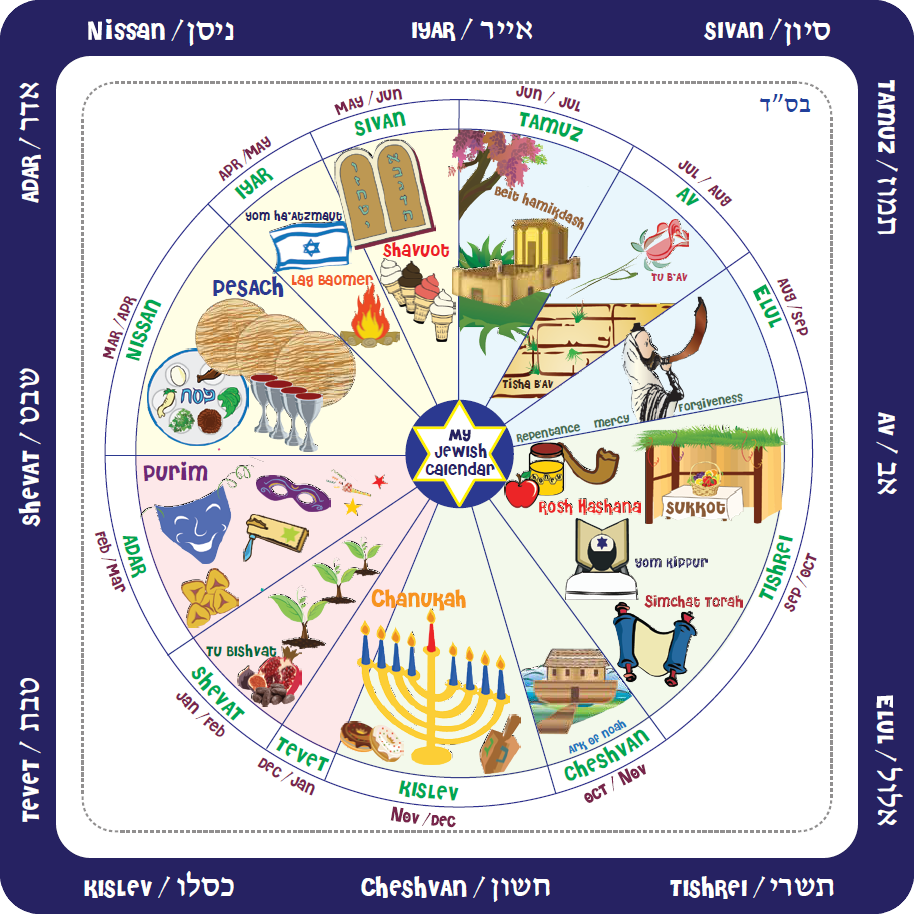
Jewish History relived through our Anuual Calendar....(from Rabbi Shlomo Wolbe in Alei Shur 2)

1. Rosh Hashanah: Creation of Man and the Kingship of Hashem

2. Sukkot: Bringing Sacrifices to atone for all the Nations of the world

3. Chanukah: Overcoming the Greeks '

4. Purim: Overcoming the Persians

5. Pesach: Birth of the Jewish Nation and Overcoming the Egyptians

6. Shavuot: The Highest Point, Receiving the Torah on Mount Sinai and Reaching the ultimate level of Perfection

7. Fast of Tamuz: Golden Calf, Tablets are Broken

8. Tisha BeAv: The Spies evil report, Both Holy Temples are Destroyed

9. Yom Kippur: Forgiven and Atonement, Receiving the Second Set of Tablets

וכבר היה ר"ג ורבי אלעזר בן עזריה ורבי יהושע ורבי עקיבא מהלכין בדרך ושמעו קול המונה של רומי מפלטה [ברחוק] מאה ועשרים מיל והתחילו בוכין ורבי עקיבא משחק אמרו לו מפני מה אתה משחק אמר להם ואתם מפני מה אתם בוכים אמרו לו הללו כושיים שמשתחוים לעצבים ומקטרים לעבודת כוכבים יושבין בטח והשקט ואנו בית הדום רגלי אלהינו שרוף

§ Apropos tribulations of exile and hope for redemption, the Gemara relates: And it once was that Rabban Gamliel, Rabbi Elazar ben Azarya, Rabbi Yehoshua, and Rabbi Akiva were walking along the road in the Roman Empire, and they heard the sound of the multitudes of Rome from Puteoli at a distance of one hundred and twenty mil. The city was so large that they were able to hear its tumult from a great distance. And the other Sages began weeping and Rabbi Akiva was laughing. They said to him: For what reason are you laughing? Rabbi Akiva said to them: And you, for what reason are you weeping? They said to him: These gentiles, who bow to false gods and burn incense to idols, dwell securely and tranquilly in this colossal city, and for us, the House of the footstool of our God, the Temple, is burnt

באש ולא נבכה אמר להן לכך אני מצחק ומה לעוברי רצונו כך לעושי רצונו על אחת כמה וכמה שוב פעם אחת היו עולין לירושלים כיון שהגיעו להר הצופים קרעו בגדיהם כיון שהגיעו להר הבית ראו שועל שיצא מבית קדשי הקדשים התחילו הן בוכין ור"ע מצחק אמרו לו מפני מה אתה מצחק אמר להם מפני מה אתם בוכים אמרו לו מקום שכתוב בו (במדבר א, נא) והזר הקרב יומת ועכשיו שועלים הלכו בו ולא נבכה אמר להן לכך אני מצחק דכתיב (ישעיהו ח, ב) ואעידה לי עדים נאמנים את אוריה הכהן ואת זכריה בן יברכיהו וכי מה ענין אוריה אצל זכריה אוריה במקדש ראשון וזכריה במקדש שני אלא תלה הכתוב נבואתו של זכריה בנבואתו של אוריה באוריה כתיב (מיכה ג, יב) לכן בגללכם ציון שדה תחרש [וגו'] בזכריה כתיב (זכריה ח, ד) עוד ישבו זקנים וזקנות ברחובות ירושלם עד שלא נתקיימה נבואתו של אוריה הייתי מתיירא שלא תתקיים נבואתו של זכריה עכשיו שנתקיימה נבואתו של אוריה בידוע שנבואתו של זכריה מתקיימת בלשון הזה אמרו לו עקיבא ניחמתנו עקיבא ניחמתנו:+

by fire, and shall we not weep? Rabbi Akiva said to them: That is why I am laughing. If for those who violate His will, the wicked, it is so and they are rewarded for the few good deeds they performed, for those who perform His will, all the more so will they be rewarded. The Gemara relates another incident involving those Sages. On another occasion they were ascending to Jerusalem after the destruction of the Temple. When they arrived at Mount Scopus and saw the site of the Temple, they rent their garments in mourning, in keeping with halakhic practice. When they arrived at the Temple Mount, they saw a fox that emerged from the site of the Holy of Holies. They began weeping, and Rabbi Akiva was laughing. They said to him: For what reason are you laughing? Rabbi Akiva said to them: For what reason are you weeping? They said to him: This is the place concerning which it is written: “And the non-priest who approaches shall die” (Numbers 1:51), and now foxes walk in it; and shall we not weep? Rabbi Akiva said to them: That is why I am laughing, as it is written, when God revealed the future to the prophet Isaiah: “And I will take to Me faithful witnesses to attest: Uriah the priest, and Zechariah the son of Jeberechiah” (Isaiah 8:2). Now what is the connection between Uriah and Zechariah? He clarifies the difficulty: Uriah prophesied during the First Temple period, and Zechariah prophesied during the Second Temple period, as he was among those who returned to Zion from Babylonia. Rather, the verse established that fulfillment of the prophecy of Zechariah is dependent on fulfillment of the prophecy of Uriah. In the prophecy of Uriah it is written: “Therefore, for your sake Zion shall be plowed as a field, and Jerusalem shall become rubble, and the Temple Mount as the high places of a forest” (Micah 3:12), where foxes are found. There is a rabbinic tradition that this was prophesied by Uriah. In the prophecy of Zechariah it is written: “There shall yet be elderly men and elderly women sitting in the streets of Jerusalem” (Zechariah 8:4). Until the prophecy of Uriah with regard to the destruction of the city was fulfilled I was afraid that the prophecy of Zechariah would not be fulfilled, as the two prophecies are linked. Now that the prophecy of Uriah was fulfilled, it is evident that the prophecy of Zechariah remains valid. The Gemara adds: The Sages said to him, employing this formulation: Akiva, you have comforted us; Akiva, you have comforted us. We will return to you and we have acquired Tractate Makkos.
(מד) וְאַף־גַּם־זֹ֠את בִּֽהְיוֹתָ֞ם בְּאֶ֣רֶץ אֹֽיְבֵיהֶ֗ם לֹֽא־מְאַסְתִּ֤ים וְלֹֽא־גְעַלְתִּים֙ לְכַלֹּתָ֔ם לְהָפֵ֥ר בְּרִיתִ֖י אִתָּ֑ם כִּ֛י אֲנִ֥י יְהֹוָ֖ה אֱלֹהֵיהֶֽם׃
(44) Yet, even then, when they are in the land of their enemies, I will not reject them or spurn them so as to destroy them, annulling My covenant with them: for I the LORD am their God.

The 3 Unnatural Features of our Exile (Maharal Netzach Yisrael):

1. Surviving well away from our natural habitat for so long...

2. The Unified Nation being Scattered for so long...

3. Oppression and persecution from many Nations for so many years...

So why are we still here???

(יח) וַיֹּאמֶר לְאַבְרָם יָדֹעַ תֵּדַע כִּי גֵר יִהְיֶה זַרְעֲךָ (בראשית טו, יג),

1. יָדֹעַ שֶׁאֲנִי מְפַזְּרָן, תֵּדַע שֶׁאֲנִי מְכַנְסָן. When you know that I will scatter them, you will know that I will gather them in again.

2. יָדֹעַ שֶׁאֲנִי מְמַשְׁכְּנָן, תֵּדַע שֶׁאֲנִי פּוֹרְקָן. When you know that I will take them taken away to be under another Nation, you will know that I will redeem them again. (Away from their Land...)

3. יָדֹעַ שֶׁאֲנִי מְשַׁעְבְּדָן, תֵּדַע שֶׁאֲנִי גּוֹאֲלָן. When you know that I will subjugate them under other Nations, you will know that I will redeem them again

(ח) אָמַר רַבָּן שִׁמְעוֹן בֶּן גַּמְלִיאֵל, לֹא הָיוּ יָמִים טוֹבִים לְיִשְׂרָאֵל כַּחֲמִשָּׁה עָשָׂר בְּאָב וּכְיוֹם הַכִּפּוּרִים... וְכֵן הוּא אוֹמֵר, צְאֶינָה וּרְאֶינָה בְּנוֹת צִיּוֹן בַּמֶּלֶךְ שְׁלֹמֹה בָּעֲטָרָה שֶׁעִטְּרָה לּוֹ אִמּוֹ בְּיוֹם חֲתֻנָּתוֹ וּבְיוֹם שִׂמְחַת לִבּוֹ (שיר השירים ג). בְּיוֹם חֲתֻנָּתוֹ, זֶה מַתַּן תּוֹרָה. וּבְיוֹם שִׂמְחַת לִבּוֹ, זֶה בִּנְיַן בֵּית הַמִּקְדָּשׁ, שֶׁיִּבָּנֶה בִמְהֵרָה בְיָמֵינוּ. אָמֵן:

(8) Rabban Shimon ben Gamliel said: There were no days as joyous for the Jewish people as the fifteenth of Av and as Yom Kippur....And similarly, it says in another verse: “Go forth, daughters of Zion, and gaze upon King Solomon, upon the crown with which his mother crowned him on the day of his wedding, and on the day of the gladness of his heart” (Song of Songs 3:11). This verse is explained as an allusion to special days: “On the day of his wedding”; this is the giving of the Torah through the second set of tablets on Yom Kippur. The name King Solomon in this context, which also means king of peace, is interpreted as a reference to God. “And on the day of the gladness of his heart”; this is the building of the Temple, may it be rebuilt speedily in our days.