9 Kislev 5781 l November 25, 2020
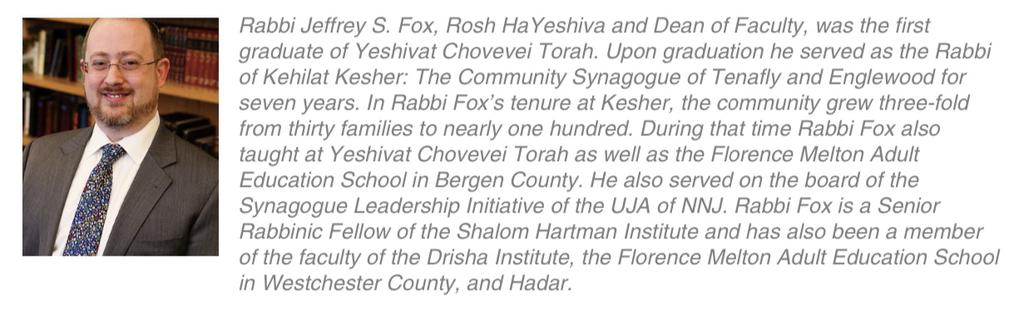
Rabbi Jeffrey Fox
Rosh HaYeshiva and Dean of Faculty
Our Halakhic analysis of the requirement to move quickly from the beracha of geula to Tefila began with the Gemara in Berachot 4b that introduced the debate between R. Yochanan and R. Yehoshua b. Levi:
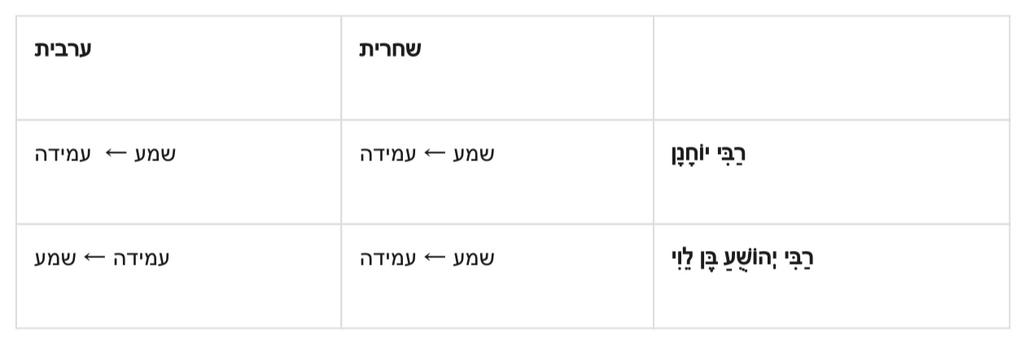
דְּאָמַר רַבִּי יוֹחָנָן: אֵיזֶהוּ בֶּן הָעוֹלָם הַבָּא — זֶה הַסּוֹמֵךְ גְּאוּלָּה לִתְפִלָּה שֶׁל עַרְבִית. רַבִּי יְהוֹשֻׁעַ בֶּן לֵוִי אוֹמֵר: תְּפִלּוֹת בָּאֶמְצַע תִּקְּנוּם.
R. Yochanan said, “Who is assured a place in the World to Come? It is one who goes immediately from the beracha of geula to Tefila in Arvit. R. Yehoshua b. Levi said, “Tefilot were instituted in the middle.”
Here is a simple chart to help see just how far apart these two positions are:
The gemara there goes on to try to pinpoint the central point of debate and shows us just how much they agree as well as where they disagree:
ְבַּמאי קא ִמַפְּלִּגי? ִאי ָבֵּעית ֵאיָמא ְְקָרא, ִאי ָבֵּעית ֵאיָמא ְסָבָרא.
What is the source of their [R. Yochanan & R. Yehoshua b. Levi] debate? If you want I could say that this is about a Biblical verse and if you want I could say that this about logic.
The Gemara goes on to show that Both R. Yochanan and R. Yehoshua b. Levi agree that the full redemption only happened in the morning and that the “redemptive” nature of the evening was only partial. The debate here is whether a partial redemption of the nighttime was enough to necessitate the linking of the beracha of geula to Tefila. One might be tempted to read this as a debate about chapter 12 of Shemot. In Shemot 12:29, the plague of the first born happens at midnight (ויהי בחצי הלילה) and Pharaoh expels us in verse 31. However, it is not until verse 51, the very end of the chapter, that the Torah tells that God took us out of Egypt in the daytime (ויהי בעצם היום).
Alternatively, if we were to try to learn the structure of the Tefila from the Biblical verse that tells us when we must recite the Shema: בשכבך ובקומך (When you lie down and when you get up, Devarim 6:7), we can also support both Amoraim. According to R. Yochanan, just as in the morning we first say the Shema and then recite the Amida, the same structure pertains to the evening. However, R. Yehoshua ben Levi claims that, just as in the morning, Shema is recited closer to time we were in bed, so too in the evening, the Shema is recited closer to our bedtime.
The Gemara does not seem to want to decide between these two great Amoraim. Instead, it offers support for both positions, based on logic as well as on parshanut. While we are only familiar with one structure for Maariv, which follows R. Yochanan, let us explore an alternative tradition that does not appear to pasken like R. Yochanan.
Tosafot on the daf makes a Halakhic decision and then quotes an enigmatic piece from the Siddur of Rav Amram Gaon:
והלכה כר' יוחנן... ואם כן יש ליזהר שלא לספר בין גאולה דערבית לשמנה עשרה. ומיהו בסדר רב עמרם פי' מה שאנו אומרים קדיש בין גאולה לתפלת ערבית לאשמעינן דלא בעינן מסמך גאולה דערבית לתפלה משום דתפלת ערבית רשות.
And the Halkha is in accordance with R. Yochanan... And therefore one must be careful not to speak between [the beracha of] geula in arvit and the Amida. And nevertheless, in the Seder of Rav Amram Gaon he explain that our practice of reciting Kaddish between [the beracha of] geula in arvit and the Amida is to teach us that we are not required to juxtapose [the beracha of] geula in arvit and the Amida because the Amida of arvit is non-obligatory.
Rav Amram is quoted by Tosafot as saying that because the Amida of arvit is optional we are not obligated to juxtapose the beracha of geula and Tefila. Therefore, the rabbis inserted a Half Kaddish as a disruption between the beracha and the Amida. This interruption is meant to remind us of the status of Arvit. This is a very difficult position to fully understand. Let me ask three questions that will force us to re-evaluate this position:
- Why should the optional nature of Arvit have a direct connection to the idea of juxtaposing the beracha of geula and Tefila?
- Even if there is no obligation to move directly from the geula to Tefila at night, there is clearly nothing wrong with doing it. Why would the rabbis have inserted a Kaddish with the explicit intent of interrupting the two?
- Finally, according to whom is Rav Amram paskening? If he does not think that there is an obligation to juxtapose geula and Tefila at night, against R. Yochanan, then presumably he paskens like R. Yehoshua b. Levi. If that were the case, then he should have swapped the Shema and the Amida entirely!
Next week, I will provide a framework for thinking about the question of Maariv that helps make sense of Rav Amram and also offers a deeper insight into the nature of the obligation to juxtapose geula and Tefila.